Zurich Visa Guide 2026 – Complete Switzerland Travel Guide
Navigating Zurich: Your Ultimate Travel and Visa Guide to Switzerland's Gem
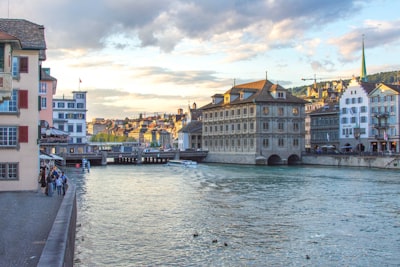
Zurich, Switzerland's largest city, is a captivating blend of historical charm, modern sophistication, and unparalleled natural beauty. Nestled at the northern tip of Lake Zurich and cradled by rolling hills, it consistently ranks among the world's most liveable cities. From its medieval Old Town (Altstadt) and iconic Grossmünster church to its vibrant financial district and world-class cultural institutions, Zurich offers an experience unlike any other. However, a successful trip begins with meticulous planning, especially concerning entry requirements and navigating the city. This comprehensive guide will equip you with all the essential information, from understanding Swiss visa regulations to mastering Zurich's efficient transportation and staying connected.
Whether you dream of strolling along Bahnhofstrasse, indulging in Swiss chocolate, or hiking the Uetliberg for panoramic views, this article is your go-to resource for a seamless and unforgettable Zurich adventure.
Understanding Swiss Visa Requirements for Tourists
Switzerland is a member of the Schengen Area, a group of 27 European countries that have abolished passport and all other types of border control at their common borders. This means that if you are permitted to enter one Schengen country, you are generally allowed to travel to any other Schengen country without further border checks. Understanding these regulations is the first crucial step in planning your trip to Zurich.
Schengen Area: What You Need to Know
Being part of the Schengen Area simplifies travel within Europe significantly. Once you clear immigration in one Schengen country, you can move freely across the internal borders of other member states. However, the visa application process and the duration of stay are governed by the Schengen Agreement. For short stays (tourism, visiting family/friends, business) of up to 90 days within any 180-day period, the "Schengen Visa" is the relevant document for those who require one.
Visa-Exempt Countries
Many nationalities enjoy the privilege of entering Switzerland and the entire Schengen Area without needing a visa for short stays of up to 90 days within a 180-day period. This typically includes citizens from:
- All European Union (EU) member states
- And many other countries in Asia, Latin America, and Oceania.
While visa-exempt, these travelers must still possess a valid passport (valid for at least three months beyond their intended departure from the Schengen area and issued within the last 10 years) and may be asked by immigration officers to show proof of sufficient funds, onward/return tickets, and accommodation bookings. Soon, travelers from visa-exempt countries (excluding EU citizens) will also need to obtain an ETIAS (European Travel Information and Authorisation System) authorization before their trip, which is similar to the ESTA for the USA or eTA for Canada. It's advisable to check the official Swiss government or Schengen visa websites for the most up-to-date list of visa-exempt countries and any upcoming changes.
Countries Requiring a Schengen Visa
If your nationality is not among the visa-exempt list, you will need to apply for a Schengen Visa (Type C, short-stay visa) to visit Zurich. The application must be submitted to the embassy or consulate of the Schengen country where you will spend the most time. If your travel involves multiple Schengen countries with no main destination, apply to the country where you will first enter the Schengen Area.
Common nationalities requiring a Schengen visa include citizens from India, China, Russia, South Africa, and many countries in Africa, the Middle East, and parts of Asia.
Applying for Your Schengen Visa
The Schengen visa application process requires careful attention to detail and sufficient time. It's recommended to apply at least 3-4 weeks before your intended travel date, but no earlier than six months prior.
1.
Determine Your Eligibility: Check if you need a visa and which type.
2.
Gather Required Documents: This is the most critical step.
3.
Fill Out the Application Form: Complete the official Schengen visa application form, usually available online or at the embassy/consulate.
4.
Book an Appointment: Most embassies/consulates or their outsourced visa application centers (e.g., VFS Global, TLScontact) require you to book an appointment for submission.
5.
Attend the Interview/Submission: Submit your documents, provide biometric data (fingerprints and photo), and potentially attend a short interview.
6.
Pay the Visa Fee: The standard fee for adults is €80 (subject to change), with reduced fees for certain categories (e.g., children).
7.
Await Decision: Processing times vary but typically range from 15 to 30 days.
Essential Documents for Visa Application
A complete application package significantly increases your chances of approval. Here’s a general checklist:
- Schengen Visa Application Form: Duly completed and signed.
- Valid Passport: Must be valid for at least three months beyond your intended departure from the Schengen area, issued within the last 10 years, and have at least two blank pages.
- Photographs: Two recent passport-sized photos conforming to Schengen requirements.
- Travel Itinerary: Detailed flight reservations (round trip), proof of accommodation (hotel bookings, invitation letter if staying with friends/family).
- Travel Medical Insurance: Valid for the entire Schengen Area, covering medical emergencies and repatriation with a minimum coverage of €30,000.
- Proof of Sufficient Funds: Bank statements, salary slips, or a sponsorship letter (if applicable) showing you can support yourself financially during your stay.
- Proof of Employment/Status:
- Employed: Employment contract, leave approval from employer.
- Self-employed: Business registration, income tax returns.
- Student: Enrollment certificate, No-Objection Certificate from school/university.
- Retired: Pension statements.
- Cover Letter: Explaining the purpose of your visit, itinerary, and intent to return to your home country.
- Proof of Civil Status: Marriage certificate, birth certificates of children (if applicable).
- Minors: Consent form from both parents, copies of parents' passports, birth certificate of the minor.
Always check the specific requirements of the Swiss embassy or consulate in your country of residence, as document lists can vary slightly.
Visa Interview Tips (if applicable)
If you are called for an interview, remain calm and honest.
- Be Punctual: Arrive on time for your appointment.
- Be Prepared: Know your itinerary, accommodation details, and financial situation.
- Be Honest: Answer all questions truthfully and concisely.
- Provide Supporting Documents: Have all original and copy documents organized and ready.
- Show Intent to Return: Clearly articulate your ties to your home country (job, family, property) to demonstrate you intend to return.
Entering Switzerland: Immigration Procedures
Upon arrival at Zurich Airport (ZRH) or any other port of entry, you will go through immigration control. Even if you are visa-exempt, be prepared to present:
- Valid Passport: As per the requirements mentioned above.
- Return/Onward Ticket: Proof of your departure from the Schengen Area.
- Proof of Accommodation: Hotel bookings, etc.
- Proof of Funds: Ability to support your stay.
- Travel Insurance: Though not always asked for, it's wise to have it.
Immigration officers typically ask a few questions about the purpose and duration of your visit. Answer clearly and confidently. Once cleared, welcome to Switzerland!
Getting Around Zurich: A Comprehensive Transport Guide
Zurich boasts one of the most efficient, integrated, and reliable public transportation systems in the world. Getting around the city and its surrounding areas is a breeze, even for first-time visitors.
Public Transport in Zurich: Efficiency at Its Best
Zurich's public transport system, managed by the ZVV (Zürcher Verkehrsverbund), is a model of Swiss precision. It seamlessly integrates trains (S-Bahn), trams, buses, and even boats, ensuring you can reach almost any destination with ease.
- ZVV Network: The ZVV network covers not just the city of Zurich but also the entire canton of Zurich and parts of neighboring cantons. It operates on a zone system, where the price of your ticket depends on the number of zones you travel through. Zurich city center is within zone 110.
- Trams: The backbone of city transport, trams are frequent and cover most urban areas.
- Buses: Fill in the gaps left by trams, especially for reaching residential areas and specific attractions.
- S-Bahn (Suburban Trains): Connect the city center with its suburbs, the airport, and other towns within the canton. These are fast and efficient for longer distances.
- Boats: Operate on Lake Zurich and the Limmat River, offering scenic transport options, particularly enjoyable in warmer months.
- Single Tickets: Valid for a specified number of zones for a limited duration (e.g., 60 minutes for 1-2 zones).
- Day Tickets (Tageskarte): Offer unlimited travel within your chosen zones for 24 hours. A 24-hour ticket for 1-2 zones (which covers the entire city center) is often a cost-effective choice if you plan to use public transport more than twice.
- ZürichCARD: This is often the best option for tourists. It provides unlimited 2nd class travel on all public transport in the city of Zurich and surrounding areas (including the journey to and from the airport) for 24 or 72 hours. Additionally, it offers free or reduced admission to most museums, discounts on guided city tours, and other benefits.
- Multi-Journey Cards: Available for 6 single journeys at a slightly reduced price.
- Buying Tickets: Tickets can be purchased from ZVV ticket machines at all stops (which accept cash, card, and sometimes even contactless payments), at ZVV customer service centers, or most conveniently, via the ZVV app or SBB Mobile app. These apps allow you to buy tickets digitally and plan your routes in real-time.
- Validation: Unlike some systems, ZVV tickets are typically valid immediately upon purchase (if bought from a machine or app). If you buy a pre-printed ticket, you must validate it using the stamping machines found at stops before boarding. Travel without a valid ticket incurs a hefty fine.
Airport to City Transport Guide
Zurich Airport (ZRH) is one of Europe's best-connected airports, and reaching the city center is incredibly straightforward and fast.
- Train (S-Bahn/IC): The Fastest Option
- Route: The airport has its own train station directly beneath the Arrivals Hall. Numerous S-Bahn lines (e.g., S2, S16) and InterCity (IC) trains connect the airport to Zurich Hauptbahnhof (main station) and other city locations.
- Journey Time: A train ride to Zurich HB takes approximately 10-12 minutes.
- Frequency: Trains run every few minutes from early morning until late at night.
- Tickets: A standard single ticket for 1-2 zones is required (Zone 110 is Zurich city, Zone 121 is the airport; you need a ticket covering both). The ZürichCARD covers this journey.
- Tram (Line 10): A Scenic Route
- Route: Tram Line 10 departs from outside the airport terminals and travels directly into the city center, passing through areas like Oerlikon and stopping at destinations such as Bahnhofstrasse and Paradeplatz.
- Journey Time: Takes about 30-40 minutes, offering a more scenic journey than the train.
- Tickets: Same zone rules apply as for trains. The ZürichCARD is valid.
- Various bus lines serve the airport, connecting it to surrounding towns and specific Zurich districts. While efficient, trains are generally faster for direct travel to the city center.
- Taxis are readily available outside the arrivals area. The journey to the city center costs approximately CHF 50-70, depending on traffic. Uber also operates in Zurich and offers a similar price range. This option is convenient if you have a lot of luggage or prefer direct door-to-door service, but it's significantly more expensive than public transport.
Car Rental / Bike Rental Options in Zurich
While public transport is superb, sometimes you might want the freedom of a car or the active exploration of a bike.
- When to Consider: Renting a car is generally not recommended for exploring Zurich city center due to excellent public transport, pedestrian zones, high parking costs, and traffic. However, it's ideal for day trips to more remote Swiss destinations, exploring the scenic countryside, or if you plan an extended tour of Switzerland.
- Companies: Major international rental companies like Hertz, Avis, Europcar, Sixt, and Budget have offices at Zurich Airport and various city locations.
- Requirements: You'll need a valid driver's license (an International Driving Permit is highly recommended if your license is not in English, German, French, or Italian), a credit card, and typically be over 21 (some companies have surcharges for drivers under 25).
- Swiss Vignette: If you rent a car in Switzerland, it will almost certainly come with a "Vignette" – an annual sticker required for driving on Swiss motorways. If you rent from a neighboring country, ensure you buy one at the border (CHF 40, valid for a calendar year).
- Parking: Parking in Zurich can be expensive and hard to find. Look for public car parks (Parkhäuser) with electronic displays showing available spaces.
- Zurich's Bike-Friendly Culture: Zurich is increasingly bike-friendly, with dedicated lanes and scenic routes.
- Züri rollt (Zurich on Wheels): This fantastic initiative offers free bike rentals (including e-bikes, children's bikes, and scooters) from various stations around the city during warmer months (typically April to October). You only need a valid ID and a deposit (usually CHF 20, refunded upon return).
- Private Rental Shops: Several shops, like Rent-a-Bike (at Zurich HB and other locations), offer a wider range of bicycles for hourly, daily, or multi-day rentals. Prices vary depending on the type of bike.
- Bike Tours: Joining a guided bike tour is an excellent way to see the city and discover hidden gems.
Budget Transport Tips
Zurich can be an expensive city, but smart transport choices can help you save money.
- Walkability: Zurich's Old Town and many key attractions are very walkable. Embrace walking to save on short tram rides and discover the city's charm on foot.
- ZürichCARD is Your Friend: For most tourists planning to use public transport and visit a few museums, the ZürichCARD (24 or 72 hours) offers significant savings, often paying for itself quickly. Factor in its museum benefits when evaluating its cost.
- Day Tickets (Tageskarte): If you're not planning many museum visits but expect to use public transport more than twice in a day, a 24-hour day ticket for 1-2 zones is more economical than buying individual single tickets.
- Zone Awareness: Understand the ZVV zone system. For most city exploration, a ticket covering zones 110 and 121 is sufficient. Don't overpay for zones you won't use.
- Avoid Night Network Surcharge: After midnight, a supplementary "Nachtzuschlag" (night surcharge) of CHF 5 is required in addition to your regular ticket/pass for ZVV public transport. If you're out late, plan for this extra cost or consider alternatives.
- Swiss Travel Pass: If your trip extends beyond Zurich to other parts of Switzerland, a Swiss Travel Pass might be a better investment. It offers unlimited travel on trains, buses, and boats across the entire country, free entry to over 500 museums, and discounts on mountain excursions. Evaluate if its extensive coverage aligns with your itinerary.
Staying Connected: Best SIM Card in Switzerland for Tourists
Staying connected is essential for navigation, emergencies, and sharing your travel experiences. Switzerland offers several excellent options for tourists to get a local SIM card.
Major Providers
Switzerland's main mobile network operators are Swisscom, Sunrise, and Salt. All offer excellent coverage and reliable service, though Swisscom is generally considered to have the widest and most robust network, especially in rural areas.
- Swisscom: The national leader, known for its superior network quality. Their prepaid options are popular for tourists.
- Sunrise: A strong competitor with good coverage and often competitive prepaid packages.
- Salt: Offers competitive prices, especially for data, but its network coverage might be slightly less extensive than Swisscom or Sunrise in very remote areas.
Prepaid vs. Postpaid
As a tourist, a prepaid SIM card is almost always the best and easiest option. Postpaid (contract) plans require a long-term commitment and Swiss residency.
Popular Tourist SIM Packages
- Swisscom Easy prepaid: You buy the SIM card (around CHF 19.90), and then top it up with credit. You can then activate various data packages, such as 1.5 GB for 30 days (around CHF 10) or unlimited data for 7 days (around CHF 20). Call rates are typically higher, so data-based communication (WhatsApp, FaceTime) is recommended.
- Sunrise Prepaid Unlimited: Similar to Swisscom, you buy the SIM and then choose add-on bundles. They often have attractive "unlimited" data options for a fixed number of days, which can be great value if you use a lot of data.
- Salt Prepaid: Known for offering good data value. Look for their "Surf" or "Young" prepaid tariffs which often have generous data allowances for reasonable prices.
eSIM Options
For modern smartphones that support eSIM, this is an incredibly convenient option as you don't need a physical SIM card and can set it up before you even arrive.
- Airalo, Holafly, Nomad, Gigsky: These are popular eSIM providers that offer data plans for Switzerland. You can purchase and activate a plan directly from your phone. Plans vary in data allowance (e.g., 1GB, 5GB, 10GB) and validity period (e.g., 7, 15, 30 days). While slightly more expensive than a local physical SIM for the same data, the convenience is often worth it. Check reviews for specific providers' network coverage (they usually use one of the main Swiss networks).
Where to Buy a SIM Card
- Zurich Airport (ZRH): This is the most convenient place for most tourists. You'll find stores for Swisscom, Sunrise, and Salt directly at the airport, usually in the Arrivals area. Staff can help you choose a plan and set up the SIM card.
- City Center Stores: All three major providers have numerous shops throughout Zurich, particularly along Bahnhofstrasse and in shopping centers.
- Supermarkets/Kiosks: Some prepaid SIM cards or top-up vouchers can be purchased at larger supermarkets (e.g., Coop, Migros), Post Offices, or K Kiosk convenience stores. However, activation might require an online registration or a visit to an official store.
- Online (for eSIMs): Purchase and activate your eSIM plan directly through the provider's app or website before you travel.
Important Note: In Switzerland, you are often required to register your SIM card with a valid ID (passport) when purchasing it, even for prepaid options. This is a standard security measure.
Exploring Zurich: Must-See Attractions and Experiences
Beyond its efficient systems, Zurich is a city rich in history, culture, and natural beauty. Here are some highlights to include in your itinerary.
Iconic Landmarks
- Grossmünster: One of Zurich's most recognizable landmarks, this Romanesque church with its twin towers is said to have been founded by Charlemagne. Climb one of the towers for incredible panoramic views of the city.
- Fraumünster Church: Famous for its stunning stained-glass windows by Marc Chagall and Augusto Giacometti, offering a serene and artistic experience.
- St. Peter's Church: Boasts the largest clock face in Europe, visible from afar.
- Bahnhofstrasse: One of the world's most exclusive and expensive shopping avenues, home to luxury boutiques, watchmakers, and department stores.
- Old Town (Altstadt): Wander through the charming cobblestone lanes of the Niederdorf and Lindenhof areas, filled with medieval buildings, quaint shops, cafes, and restaurants.
- Lake Zurich: A majestic centerpiece of the city. Enjoy a leisurely boat cruise, swim at one of the lakeside "badis" (bathing areas), or simply stroll along the promenade.
- Lindenhof Hill: A tranquil park with a rich history, offering stunning views over the Limmat River, the Old Town, and the Grossmünster. It’s a perfect spot for relaxation and photography.
Cultural Hubs
- Kunsthaus Zurich: Houses an impressive collection of European art, from the Middle Ages to contemporary works, including significant pieces by Munch, Picasso, and Monet.
- Swiss National Museum (Landesmuseum): Located next to the main station, this museum offers a fascinating journey through Swiss history and culture, from prehistoric times to the present day.
- Zurich Opera House: An architectural gem and a cultural institution, hosting world-class opera, ballet, and classical music performances.
Nature & Relaxation
- Uetliberg: Zurich's "local mountain" offers spectacular panoramic views of the city, Lake Zurich, and the Alps. Accessible by a scenic train ride (S10 from Zurich HB), it's perfect for hiking, mountain biking, or enjoying a meal at the summit restaurant.
- Chinese Garden: A gift from Zurich's twin city Kunming, this beautiful and serene garden is an authentic representation of a Chinese temple garden, complete with ponds, pavilions, and exotic plants.
- Rieterpark: Zurich's largest landscaped park, home to the Rietberg Museum (specializing in non-European art), offering peaceful green spaces and magnificent villas.
Culinary Delights
- Swiss Chocolate: Indulge in exquisite Swiss chocolate at renowned chocolatiers like Sprüngli, Läderach, and Teuscher. Don't miss the Confiserie Sprüngli on Paradeplatz for their famous Luxemburgerli macarons.
- Fondue & Raclette: Experience quintessential Swiss cuisine with a hearty cheese fondue or raclette at a traditional restaurant.
- Zürcher Geschnetzeltes: A local specialty – thinly sliced veal in a creamy mushroom sauce, typically served with rösti (fried grated potatoes).
- Cafes and Bakeries: Enjoy excellent coffee and pastries at Zurich's numerous cafes.
Day Trips from Zurich
- Rhine Falls: Europe's most powerful waterfall, located about an hour north of Zurich. Boat rides take you close to the thundering cascades.
- Lucerne: A picturesque city just a short train ride away, famous for its Chapel Bridge, stunning lake, and mountain views.
- Mount Rigi: Known as the "Queen of the Mountains," offering breathtaking views of the Alps and accessible by cogwheel train and cable car from Lucerne.
Practical Tips for a Smooth Zurich Trip
- Currency: The official currency is the Swiss Franc (CHF). While credit cards are widely accepted, it's good to have some cash for smaller purchases or markets.
- Language: The official language in Zurich is Swiss German. However, English is widely spoken in tourist areas, hotels, and restaurants. High German, French, and Italian are also understood.
- Tipping: Service charges are usually included in restaurant bills, but it's common to round up to the nearest franc or leave 5-10% for excellent service.
- Summer (June-August): Warmest weather, ideal for lake activities, hiking, and outdoor festivals. Can be crowded and more expensive.
- Spring (April-May) & Autumn (September-October): Pleasant temperatures, fewer crowds, and beautiful scenery (blossoms in spring, colorful foliage in autumn).
- Winter (November-March): Charming Christmas markets, excellent for winter sports in nearby resorts, but can be cold and grey in the city.
- Safety: Zurich is one of the safest cities in the world. However, always exercise general caution, especially in crowded areas, and watch out for pickpockets.
- General Emergency: 112 (works across Europe)
- Electricity: Switzerland uses Type J electrical sockets. The standard voltage is 230V, and the frequency is 50Hz. Bring a universal adapter.
Frequently Asked Questions (FAQ)
How long can I stay in Switzerland with a tourist visa?
If you are from a visa-exempt country or hold a Schengen Visa, you can generally stay for up to 90 days within any 180-day period in the Schengen Area, including Switzerland.
Is Zurich expensive?
Yes, Zurich is known for being one of the most expensive cities globally. Accommodation, dining, and activities can be costly. However, smart planning, utilizing public transport, and choosing budget-friendly dining options can help manage expenses.
Do I need cash in Zurich?
While credit and debit cards are widely accepted almost everywhere (restaurants, shops, hotels, public transport machines), having some Swiss Francs (CHF) cash is useful for small purchases, local markets, or very small establishments that might prefer cash.
What's the best way to get around Zurich?
Public transport (trams, buses, trains) is by far the best way to navigate Zurich. It's efficient, reliable, and comprehensive. For tourists, the ZürichCARD is often the most cost-effective option, offering unlimited travel and other benefits.
Is public transport free with the ZürichCARD?
Yes, the ZürichCARD provides unlimited 2nd class travel on all public transport (trams, buses, trains, boats) within the city of Zurich and surrounding zones, including the journey to and from Zurich Airport, for its validity period (24 or 72 hours).
Can I use my credit card everywhere?
Almost all shops, restaurants, and hotels in Zurich accept major credit cards (Visa, Mastercard, American Express). Contactless payments are also very common. It's rare to find places that are cash-only, but smaller kiosks or street vendors might prefer it.
What's the voltage in Switzerland?
The standard voltage in Switzerland is 230V, with a frequency of 50Hz. Plugs are Type J, which has three round pins. If your devices use a different plug type or voltage, you will need a travel adapter and possibly a voltage converter.
Are there free Wi-Fi spots in Zurich?
Yes, many hotels, cafes, restaurants, and public areas (like Zurich Airport and Zurich HB) offer free Wi-Fi. Look for "Free Wi-Fi" signs. Getting a local SIM or eSIM is still recommended for constant connectivity on the go.
Conclusion: Your Unforgettable Zurich Adventure Awaits!
Zurich offers an unparalleled travel experience, combining urban sophistication with breathtaking natural beauty. By understanding the straightforward visa requirements, mastering the city's world-class transportation, and leveraging tips for connectivity and budget, you're well on your way to a stress-free and enriching journey. From its historic alleys to its serene lake, Zurich invites you to explore its many facets. Prepare to be charmed by its efficiency, captivated by its sights, and inspired by its unique blend of tradition and modernity. Get ready for an unforgettable Swiss adventure!