Barcelona Best Travel Destination 2026 – Complete Spain Travel Guide
Barcelona, Spain: Your Ultimate Guide to an Unforgettable Mediterranean Adventure
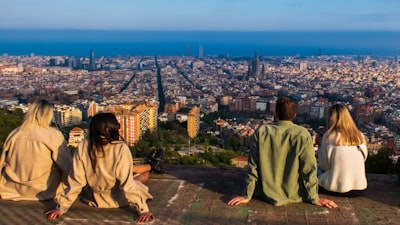
Barcelona, the vibrant capital of Catalonia, Spain, is a city that effortlessly blends ancient history with cutting-edge modernity, Gothic charm with Gaudi's whimsical architecture, and bustling urban life with serene Mediterranean beaches. It's a place where every street corner tells a story, every meal is a celebration, and every sunset paints the sky with unforgettable hues. Consistently ranked among the best travel destinations in the world, Barcelona offers an unparalleled experience for every type of traveler – from art enthusiasts and history buffs to foodies, beach lovers, and nightlife seekers.
Imagine strolling through narrow, winding streets that open up to grand plazas, feeling the warmth of the sun as you gaze upon architectural masterpieces, savoring the freshest seafood paella, and then unwinding on a golden sand beach. Barcelona is not just a destination; it's an immersive journey into a culture rich in passion, creativity, and zest for life. This comprehensive guide will equip you with all the practical information and insider tips you need to plan your perfect trip to this enchanting Spanish city, ensuring you make the most of every moment.
Why Barcelona is a Must-Visit Travel Destination
Barcelona's allure lies in its multifaceted appeal. It’s a city that manages to be both a major European hub and a place with a distinct, proud regional identity. Here’s why it captures the hearts of millions:
- Architectural Marvels: Home to the unparalleled works of Antoni Gaudí and other Catalan Modernist architects, Barcelona's skyline is a testament to artistic genius.
- Rich History & Culture: From Roman ruins to medieval Gothic quarters and the vibrant Catalan independence movement, history is palpable. The city boasts world-class museums, traditional festivals, and a thriving arts scene.
- Culinary Paradise: A haven for food lovers, Barcelona offers everything from traditional tapas and fresh seafood to Michelin-starred dining and bustling food markets.
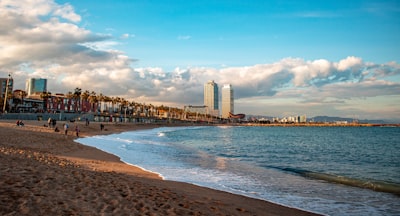
- Beautiful Beaches: Uniquely, this major European city also features stunning urban beaches right on its doorstep, perfect for relaxation or water sports.
- Vibrant Atmosphere: The city pulses with energy, from its lively plazas and bustling boulevards to its world-renowned nightlife.
- Mediterranean Climate: Enjoy mild winters and long, sunny summers, perfect for exploring outdoors.
Embrace the Architectural Grandeur: Gaudi's Masterpieces and Beyond
Barcelona is synonymous with Antoni Gaudí, whose fantastical and organic architectural creations have become the city's most iconic landmarks. But beyond Gaudí, the city boasts a rich tapestry of architectural styles, from ancient Roman walls to breathtaking Gothic cathedrals and elegant Modernist buildings.
Sagrada Familia: An Unfinished Symphony
The Sagrada Familia is not just a basilica; it's a living, breathing work of art, a testament to faith, nature, and architectural innovation. Still under construction after more than a century, Gaudí's masterpiece is an awe-inspiring blend of Gothic and Art Nouveau forms, adorned with intricate sculptures and vibrant stained glass. Each facade tells a different story from the life of Christ, while the interior is designed to mimic a forest, with tree-like columns reaching towards the heavens.
- Practical Tip: Book your tickets online weeks in advance to secure your preferred time slot and avoid exceptionally long queues. Opt for a guided tour or an audio guide to fully appreciate its symbolism and history. Allow at least 2-3 hours for your visit.
Park Güell: A Whimsical Wonderland
Perched on Carmel Hill, Park Güell is a public park system composed of gardens and architectural elements designed by Antoni Gaudí. Originally intended as a utopian housing estate, it transformed into a municipal park, offering breathtaking panoramic views of Barcelona. The park is famous for its colorful mosaic lizard (El Drac), gingerbread-like gatehouses, serpentine benches, and unique structures that perfectly blend with nature.
- Practical Tip: The Monumental Zone, where most of Gaudí’s works are concentrated, requires a ticket. Book online well in advance, especially during peak season, as entry is limited to prevent overcrowding. Wear comfortable shoes as there's a fair amount of uphill walking.
Casa Batlló & Casa Milà (La Pedrera): Modernist Marvels
Passeig de Gràcia, one of Barcelona's most elegant boulevards, is home to two of Gaudí's most celebrated residential buildings:
- Casa Batlló: Known as the "House of Bones" or "House of the Dragon," its undulating facade, marine-inspired interiors, and dragon-scaled roof are truly mesmerizing. Gaudí avoided straight lines, creating a fluid, organic masterpiece.
- Casa Milà (La Pedrera): Meaning "The Stone Quarry," Casa Milà is another iconic Gaudí building, famous for its rough-hewn stone facade, undulating balconies, and sculptural chimney pots on the rooftop, which offer incredible city views.
- Practical Tip: Both offer immersive experiences, often including night tours or augmented reality guides. Booking online is highly recommended to save time and money.
Gothic Quarter (Barri Gòtic): Stepping Back in Time
Lose yourself in the labyrinthine streets of the Barri Gòtic, the oldest part of Barcelona. This charming neighborhood dates back to Roman times and is characterized by its narrow, winding alleys, hidden plazas, and stunning medieval architecture.
- Barcelona Cathedral: A magnificent example of Catalan Gothic architecture, with its impressive façade, cloister, and resident geese.
- Plaça de Sant Jaume: Home to the Palau de la Generalitat de Catalunya and the Barcelona City Hall, the political heart of Catalonia.
- Plaça del Rei: A historic square surrounded by impressive medieval buildings, including the Palau Reial Major and the Saló del Tinell.
- Practical Tip: The best way to explore the Gothic Quarter is on foot, allowing yourself to get lost and discover hidden gems. Many free walking tours start from Plaça Catalunya.
Arc de Triomf & Ciutadella Park: Relax and Explore
Originally built as the main entrance for the 1888 Barcelona Universal Exposition, the Arc de Triomf is a stately red-brick arch that leads directly to Ciutadella Park. This beautiful green oasis is perfect for a leisurely stroll, a picnic, or a rowboat ride on the lake. The park also houses the Barcelona Zoo, the Parliament of Catalonia, and the stunning Cascada Monumental, a large, ornate fountain partially designed by a young Gaudí.
A Taste of Catalonia: Culinary Delights in Barcelona
Barcelona's food scene is as diverse and vibrant as the city itself. From traditional Catalan dishes to Spanish staples, fresh seafood, and innovative gastronomy, there's a culinary adventure awaiting every palate.
Tapas Culture: A Social Experience
Tapas are an integral part of Spanish culture, small plates designed for sharing and socializing. In Barcelona, you'll find everything from classic patatas bravas (fried potatoes with spicy sauce) and jamón ibérico (cured ham) to more innovative seafood and vegetable tapas.
- Practical Tip: Head to areas like El Born, Gràcia, or Poble Sec for authentic tapas bars. Go for a "ruta de tapas" (tapas crawl) and sample dishes at several different establishments.
Paella & Seafood: Mediterranean Flavors
While originating from Valencia, paella is widely enjoyed in Barcelona, especially seafood paella (paella de marisco). Given its coastal location, fresh seafood is a staple. Don't miss out on dishes like *fideuà* (a noodle-based paella), grilled calamari, fresh prawns, and *esqueixada* (salted cod salad).
- Practical Tip: For the freshest seafood, visit restaurants near Barceloneta or try a *chiringuito* (beach bar) for a relaxed meal with a view.
Traditional Catalan Dishes: Beyond the Classics
Dive deeper into local cuisine with unique Catalan specialties:
- Escudella i carn d'olla: A hearty stew, particularly popular in winter.
- Calçots: Grilled spring onions, usually enjoyed with romesco sauce in late winter/early spring.
- Pa amb tomàquet: Simple yet essential – bread rubbed with ripe tomato, garlic, and olive oil.
- Crema Catalana: The region's answer to crème brûlée, a delicious custard with a caramelized sugar topping.
Mercat de la Boqueria: A Feast for the Senses
Located just off La Rambla, La Boqueria is Barcelona's most famous public market and a true culinary landmark. It's a vibrant explosion of colors, aromas, and sounds, where you'll find an incredible array of fresh produce, seafood, meats, cheeses, spices, and local delicacies.
- Practical Tip: Go early in the morning for the freshest selection and fewer crowds. Grab a freshly squeezed fruit juice, a cone of jamón, or a plate of tapas at one of the market's many small eateries.
Coffee and Pastries: Start Your Day Right
Start your day like a local with a strong coffee (café con leche) and a traditional pastry. Look out for *churros con chocolate* (fried dough pastry with thick hot chocolate for dipping) or local ensaimadas (spiral pastries).
Sun, Sand, and Sea: Barcelona's Urban Beaches
One of Barcelona's unique charms is its proximity to beautiful urban beaches, making it easy to combine city exploration with coastal relaxation.
Barceloneta Beach: Iconic and Bustling
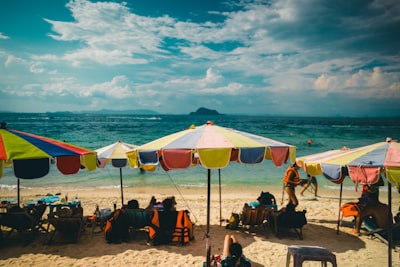
The most famous and centrally located beach, Barceloneta is a lively stretch of golden sand popular with locals and tourists alike. It's perfect for sunbathing, swimming, playing beach volleyball, or enjoying a drink at one of the many *chiringuitos* (beach bars).
- Practical Tip: Can get very crowded, especially in summer. Keep an eye on your belongings.
Other Beaches: Nova Icària, Bogatell, Mar Bella
Further along the coast, you'll find slightly quieter and more family-friendly beaches like Nova Icària and Bogatell. Mar Bella beach is known for its nudist section and water sports facilities. All beaches are easily accessible via metro or bus.
Vibrant Culture and Entertainment
Barcelona's cultural scene is as diverse as its architecture and cuisine, offering a wide range of entertainment options.
Flamenco Shows: Passionate Performances
While flamenco originates from Andalusia, Barcelona has several venues where you can experience this passionate Spanish art form, often accompanied by dinner.
- Practical Tip: Look for tablaos (flamenco venues) in the Gothic Quarter or El Born for authentic experiences.
Museums: Art, History, and Innovation
- Picasso Museum: Houses one of the most extensive collections of artworks by the 20th-century Spanish artist Pablo Picasso.
- Museu Nacional d'Art de Catalunya (MNAC): Located in the stunning Palau Nacional on Montjuïc, it boasts an impressive collection of Catalan art, from Romanesque frescoes to Modernist masterpieces.
- Maritime Museum (Museu Marítim de Barcelona): Housed in the medieval Drassanes Reials (Royal Shipyards), it offers a fascinating look into Catalonia's seafaring history.
Shopping: From High Street to Unique Boutiques
Barcelona offers diverse shopping experiences:
- Passeig de Gràcia: Home to luxury brands and international designers, as well as Gaudí's Casa Batlló and La Pedrera.
- Portal de l'Àngel: A bustling pedestrian street near Plaça Catalunya, offering popular high-street fashion brands.
- Gràcia District: Known for its charming squares, independent boutiques, artisan shops, and local designer stores.
- El Born: Great for unique gifts, handcrafted jewelry, and trendy fashion.
Nightlife: Rooftop Bars, Clubs, and Live Music
When the sun sets, Barcelona truly comes alive.
- Rooftop Bars: Enjoy cocktails with stunning city views, especially around Passeig de Gràcia and the Gothic Quarter.
- Clubs: From the superclubs along the beach (Pacha, Opium) to smaller venues in Poble Sec and El Raval, there's a club for every musical taste.
- Live Music: Discover jazz clubs, rock venues, and traditional Spanish guitar performances throughout the city.
Practical Planning for Your Barcelona Trip
Getting around Barcelona efficiently and staying connected is key to a stress-free trip. Here’s what you need to know.
Best SIM Card in Spain for Tourists
Staying connected is essential for navigation, booking, and sharing your adventures. Spain offers several excellent options for tourists seeking local SIM cards or eSIMs.
Why get a local SIM/eSIM?
- Cheaper Data: Avoid expensive roaming charges from your home provider.
- Local Number: Useful for making local reservations or calls.
- Reliable Connection: Access to local 4G/5G networks.
Major Providers in Spain:
1.
Orange: Widely considered one of the best for coverage and speed, especially popular with tourists. They offer various "Go Europe" or "Holiday" prepaid plans with generous data allowances, international calls, and often include EU roaming.
2.
Vodafone: Another strong contender with excellent coverage and competitive prepaid plans ("Yu" or "Prepaid"). Often has good deals on data and calls.
3.
Movistar: Spain's largest network, offering robust coverage, though their prepaid plans might sometimes be slightly pricier or less tailored to short-term tourist needs compared to Orange or Vodafone.
4.
Yoigo/MásMóvil: Budget-friendly options, often with very competitive data packages. Coverage is generally good in urban areas but might be less extensive in very rural regions compared to the big three.
Prepaid SIM Card vs. eSIM:
- Prepaid SIM Card: A physical card inserted into your phone. Widely available.
- eSIM: An electronic SIM profile downloaded to your phone. Increasingly popular for its convenience (no physical card, can switch plans easily). Check if your phone supports eSIM. Providers like Holafly, Airalo, and Nomad offer excellent data-only eSIM plans for Spain and Europe, allowing you to activate before you even land.
Where to Buy:
- At the Airport (BCN - El Prat): You'll find kiosks for Orange and Vodafone in the arrival halls of both Terminal 1 and Terminal 2. This is convenient but prices might be slightly higher, and queues can be long.
- Official Stores in the City: Head to an Orange, Vodafone, or Movistar store in central Barcelona. Staff can help you choose a plan and set it up. Bring your passport for registration, as it's a legal requirement.
- Independent Phone Shops/Kiosks: Many smaller shops sell prepaid SIMs, but ensure they are reputable and assist with registration.
- Online (for eSIMs): Purchase and activate your eSIM before your trip, so you have connectivity immediately upon arrival.
Recommended Plans for Tourists:
Look for plans that offer at least 10-20GB of data, as you'll likely rely heavily on maps and travel apps. Many plans include unlimited calls within Spain and sometimes a small allowance for international calls or EU roaming. A typical 30-day plan with sufficient data might cost €15-€30.
Tips for Activation:
- Passport Required: By Spanish law, all prepaid SIM cards must be registered with a valid ID (passport for tourists).
- Unlocked Phone: Ensure your phone is unlocked and compatible with European networks.
- Ask for Help: Don't hesitate to ask store staff to help you activate the SIM and ensure data is working before you leave the store.
Public Transport in Barcelona
Barcelona boasts an excellent, integrated public transport system that is efficient, affordable, and covers virtually every corner of the city. It includes the Metro, Bus, Tram, FGC (Ferrocarrils de la Generalitat de Catalunya), and funiculars.
Getting Around with the Metro
The Metro is the fastest and easiest way to navigate Barcelona. With 12 lines (L1-L11 and L9 Sud from the airport), it’s extensive, well-signposted, and runs frequently. Most major attractions are within a short walk of a Metro station.
- Operating Hours: Generally from 5:00 AM until midnight (Sunday to Thursday), and until 2:00 AM on Fridays. On Saturdays, it runs continuously through the night until Sunday at midnight.
Bus Network: Reaching Every Corner
Barcelona's bus network is comprehensive, complementing the Metro by reaching areas not directly served by trains. It's great for scenic routes, especially the day buses, and invaluable for late-night travel with the NitBus (night bus) service.
Tram and FGC: Specific Routes
The Tram network serves specific areas, mainly along the Diagonal Avenue and to some outer districts. The FGC (Ferrocarrils de la Generalitat de Catalunya) is a regional train network that also serves certain urban and suburban areas, acting like a Metro line for some routes.
Ticketing System: Integrated Fares
Barcelona uses an integrated ticketing system, meaning the same ticket is valid across Metro, Bus, Tram, and FGC within specified zones (most tourist attractions are in Zone 1).
- Single Ticket: Costs around €2.40. Not cost-effective for multiple rides.
- T-Casual: A personal travel card for 10 journeys (around €11.35 for Zone 1). It offers significant savings over single tickets. Valid for one person per journey. You can transfer between different modes of transport within 75 minutes of your first validation, counting as a single journey.
- Hola Barcelona Travel Card: Offers unlimited travel for a set number of days (2, 3, 4, or 5 consecutive days). Prices range from approx. €16.30 (2 days) to €38.20 (5 days). Includes airport Metro/train travel. This is excellent value if you plan to use public transport extensively every day.
- T-Familiar: A multi-person travel card for 8 journeys (around €10.00 for Zone 1). Can be shared by multiple people.
Navigating the System: Apps and Maps
- Google Maps: Excellent for real-time public transport directions.
- TMB App: The official app for Barcelona's public transport (Transports Metropolitans de Barcelona), offering real-time information, route planning, and service updates.
- Metro Map: Available at all stations and easily downloadable online.
Car Rental / Bike Rental options in Barcelona
While Barcelona's public transport is excellent, sometimes you might want the freedom of your own wheels.
Car Rental: Is it Necessary?
- Pros: Ideal for day trips outside the city (e.g., Montserrat, Costa Brava, Girona, Tarragona), allows flexibility with luggage.
- Cons: Driving in central Barcelona can be challenging due to narrow streets, one-way systems, pedestrian zones, and heavy traffic. Parking is expensive and difficult to find. Public transport is often faster and more convenient within the city.
- Recommended Providers: Major international companies like Hertz, Avis, Europcar, Sixt, Enterprise, and Budget have offices at the airport and in the city center. Local Spanish companies might offer competitive rates.
- Tips for Driving in Spain:
- Drivers drive on the right.
- Speed limits are clearly signposted (usually 50 km/h in urban areas, 90-100 km/h on main roads, 120 km/h on motorways).
- ZBE (Zona de Bajas Emisiones - Low Emission Zone) restrictions are in place in Barcelona; ensure your rental car has the correct environmental sticker or risk fines. Most modern rental cars comply.
- Many motorways are toll roads (autopistas).
- Consider opting for a smaller car for easier navigation and parking.
Bike Rental: Explore on Two Wheels
Barcelona is a bike-friendly city with many dedicated bike lanes, making cycling a popular and enjoyable way to explore, especially along the coast and in parks.
- Popularity: Ideal for covering medium distances, reaching beaches, and exploring neighborhoods like Barceloneta and Gràcia.
- Private Rental Shops: Numerous shops throughout the city offer hourly, daily, or weekly rentals. Companies like Donkey Republic, Baja Bikes, and Barcelona Bike Rental are popular. They offer various types of bikes (city bikes, electric bikes, mountain bikes).
- Bicing (Local City Bike Share): This is Barcelona's public bike-sharing system, primarily for residents with annual subscriptions. While tourists can't easily sign up for Bicing for short-term use, it's worth knowing about.
- Safety Tips: Always wear a helmet (recommended, though not strictly mandatory for adults over 16 in urban areas), follow traffic laws, use hand signals, and be aware of pedestrians. Lock your bike securely.
Airport to City Transport Guide (El Prat - BCN)
Barcelona-El Prat Airport (BCN) is located about 12-15 km southwest of the city center. There are several efficient and convenient ways to get from the airport to downtown Barcelona.
Aerobús: The Express Shuttle
- Overview: A dedicated express bus service connecting both Terminal 1 (T1) and Terminal 2 (T2) directly to Plaça Catalunya in the city center, with a few intermediate stops (Plaça Espanya, Gran Via-Urgell, Universitat).
- Frequency: Very frequent (every 5-10 minutes) during peak hours.
- Journey Time: Approximately 35 minutes, depending on traffic.
- Cost: Single ticket around €6.75, return ticket around €11.65 (valid for 15 days).
- Pros: Fast, frequent, comfortable, ample luggage space. Drops you at a very central location.
- Cons: Not covered by public transport passes (T-Casual, Hola Barcelona).
Metro L9 Sud: Direct but Requires Transfer
- Overview: Metro Line L9 Sud connects both airport terminals (Aeroport T1 and Aeroport T2 stations) directly to the city Metro network. You'll likely need to transfer to another line at stations like Collblanc or Torrassa to reach your final destination in the city center.
- Journey Time: Approximately 30 minutes to Collblanc, plus transfer time.
- Cost: Requires a special "Airport Ticket" (Billete Aeropuerto), costing around €5.15. This ticket is NOT covered by standard T-Casual passes but IS included in the Hola Barcelona Travel Card.
- Pros: Included in Hola Barcelona Travel Card, runs frequently, avoids traffic.
- Cons: May require one or two transfers, which can be cumbersome with heavy luggage.
Train (RENFE R2 Nord): Affordable and Scenic
- Overview: The RENFE R2 Nord commuter train line departs from Terminal 2 (T2) only (there's a free shuttle bus connecting T1 and T2). It stops at several key city stations including Sants Estació (main train station), Passeig de Gràcia, and El Clot-Aragó.
- Frequency: Every 30 minutes.
- Journey Time: Approximately 25 minutes to Passeig de Gràcia.
- Cost: A single ticket costs around €4.60. It IS covered by the T-Casual (counts as one journey) and the Hola Barcelona Travel Card.
- Pros: Affordable, comfortable, great for those staying near Sants or Passeig de Gràcia, included in standard transport passes.
- Cons: Only departs from T2 (requiring a shuttle for T1 arrivals), less frequent than Aerobús or Metro.
Taxi: Convenience at a Price
- Overview: Official black and yellow Barcelona taxis are readily available outside both terminals.
- Journey Time: 20-30 minutes, depending on traffic and your destination.
- Cost: Approximately €30-€40 to the city center, plus airport supplement (€4.50) and luggage charge (€1 per bag over 55x35x35 cm).
- Pros: Door-to-door service, convenient with lots of luggage or a group.
- Cons: Most expensive option, subject to traffic delays.
Private Transfers: Pre-booked Comfort
- Overview: Pre-booked private cars or shuttle services. Many companies offer this service.
- Cost: Varies, but generally similar to or slightly more than a taxi, depending on the service.
- Pros: Hassle-free, driver meets you at arrivals, fixed price, ideal for families or those seeking maximum comfort.
- Cons: Needs to be booked in advance.
Budget Transport Tips in Barcelona
Exploring Barcelona doesn't have to break the bank, especially when it comes to getting around.
Walk Everywhere: The Best Way to See the City
- Barcelona is a highly walkable city. Many of its most famous neighborhoods (Gothic Quarter, El Born, Gràcia) are best explored on foot. This is not only free but also allows you to discover hidden alleys, charming squares, and local life that you'd miss otherwise.
- Tip: Wear comfortable shoes!
Hola Barcelona Travel Card: Unlimited Rides
- If you plan to use public transport frequently (more than 3-4 rides per day), the Hola Barcelona Travel Card is usually the most cost-effective option. It offers unlimited rides on Metro, bus, tram, FGC, and includes the airport Metro/train link. Calculate your expected journeys to see if it makes financial sense.
T-Casual: For Individual Travelers or Small Groups
- If your public transport usage is moderate (e.g., 1-3 rides a day), the T-Casual 10-journey ticket is often a better choice than the Hola Barcelona card. At approximately €11.35 for 10 journeys, it works out to about €1.13 per ride, which is significantly cheaper than single tickets. Remember, it's for one person, but if you're a small group, you could buy a couple of these.
Night Buses: Extending Your Adventures
- The NitBus network runs when the Metro closes (generally after midnight). Using NitBus saves you money on taxis if you're out late. Check routes and schedules via the TMB app or Google Maps.
Avoid Taxis for Short Distances
- Taxis are convenient but quickly add up. For short hops within the city, consider walking or using a quick Metro ride instead.
Consider Renting Bikes for a Day
- For a fun and relatively inexpensive way to cover more ground than walking, especially along the coast or through parks, consider renting a bike for a day. Daily rates are often reasonable (e.g., €10-€15), and it allows you to explore at your own pace.
Essential Travel Tips for Barcelona
- Best Time to Visit: Spring (April-May) and Autumn (September-October) offer pleasant weather, fewer crowds, and vibrant cultural events. Summers (June-August) are hot and busy, while winters (November-March) are mild and quieter.
- Safety Tips: Barcelona is generally safe, but pickpocketing is common, especially in crowded tourist areas like La Rambla, Gothic Quarter, and on public transport. Be vigilant, keep valuables secure, and avoid flashing expensive items.
- Basic Catalan Phrases: While Spanish is widely spoken, learning a few basic Catalan phrases ("Hola" - Hello, "Gràcies" - Thank you, "Si us plau" - Please, "Adéu" - Goodbye) can be appreciated by locals.
- Siesta Times and Opening Hours: Some smaller shops and restaurants, especially outside main tourist areas, may close for a few hours in the afternoon (siesta, typically 2 PM - 5 PM). Dinner is generally later, usually starting after 8:30 PM.
- Tipping Etiquette: Tipping is not as ingrained as in some other countries. A small tip (5-10%) for excellent service in restaurants is appreciated, but not expected. For coffee or drinks, rounding up is common.
- Booking Attractions in Advance: For popular sites like Sagrada Familia, Park Güell, Casa Batlló, and the Picasso Museum, always book your tickets online well in advance to save time and guarantee entry.
Frequently Asked Questions (FAQ)
Is Barcelona safe for tourists?
Yes, Barcelona is generally safe for tourists. However, like any major city, it has its challenges. The most common issue for tourists is petty theft, particularly pickpocketing in crowded areas (La Rambla, Gothic Quarter, public transport, beaches). Always be aware of your surroundings, keep your valuables secure (e.g., in a crossbody bag or money belt), and avoid leaving belongings unattended.
How many days are enough for Barcelona?
For a good overview of Barcelona's main attractions, 3-4 full days are recommended. This allows you to see Gaudí's masterpieces, explore the Gothic Quarter, enjoy some food, and relax a bit. If you want to include day trips, more museums, or spend time on the beach, 5-7 days would be ideal.
What is the best way to get around Barcelona?
The best way to get around Barcelona is a combination of walking and using public transport. The Metro is fast and efficient for longer distances, while buses cover areas the Metro doesn't. Walking is essential for exploring charming neighborhoods like the Gothic Quarter and El Born. Consider a Hola Barcelona Travel Card or a T-Casual for cost-effective public transport.
Do I need to speak Spanish in Barcelona?
While Spanish (Castilian) is widely spoken and understood, the official language of Catalonia is Catalan. Most people in tourist-facing roles will speak English, especially in central areas. Learning a few basic Spanish or Catalan phrases ("Hola," "Gracias," "Por favor") will always be appreciated.
What is the local currency and how do I pay?
The local currency is the Euro (€). Credit and debit cards are widely accepted in most shops, restaurants, and hotels. It's always a good idea to carry some cash for smaller purchases, market stalls, or places that might not accept cards (though this is becoming rarer). ATMs are readily available.
Is tap water safe to drink in Barcelona?
Yes, tap water in Barcelona is safe to drink. However, many locals prefer bottled water due to the taste, which can be quite chlorinated. If you're sensitive to taste, buying bottled water is an option, but there's no health risk in drinking tap water.
What are some must-try foods in Barcelona?
You must try authentic tapas (patatas bravas, jamón ibérico, croquetas), seafood paella or fideuà, pa amb tomàquet (bread with tomato), and for dessert, crema catalana. Explore La Boqueria market for fresh produce, juices, and snacks.
What's the best time of year to visit Barcelona?
The best times to visit Barcelona are spring (April-May) and autumn (September-October). During these months, the weather is pleasantly mild, ideal for sightseeing, and the city is less crowded than in the peak summer months. Summer (June-August) is hot and very busy, while winter (November-March) is cooler, quieter, and offers a festive atmosphere around Christmas.
Barcelona truly is a city that captures the imagination and leaves a lasting impression. With its unique blend of culture, history, art, and vibrant Mediterranean spirit, it promises an unforgettable travel experience. Armed with this detailed guide, you're ready to explore every facet of this magnificent Catalan gem.