Cairo Visa Guide 2026 – Complete Egypt Travel Guide
Navigating the Nile: Your Ultimate SEO-Optimized Visa & Travel Guide to Cairo, Egypt
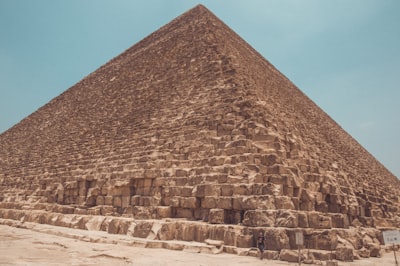
Cairo, the majestic capital of Egypt, is a city where millennia of history meet modern vibrancy. From the timeless pyramids of Giza piercing the desert sky to the bustling Khan el-Khalili bazaar and the tranquil waters of the Nile, Cairo promises an unforgettable journey. However, before you can immerse yourself in its ancient wonders and vibrant culture, understanding the entry requirements is paramount. This comprehensive guide will walk you through everything you need to know about securing your Egyptian visa, getting around Cairo efficiently, and making the most of your adventure.
Understanding Egyptian Visa Requirements: Your Gateway to Cairo
Securing the correct visa is the crucial first step to experiencing Cairo's magic. Egypt offers several visa options for tourists, depending on your nationality and planned length of stay. It’s essential to be aware of the specific requirements to avoid any last-minute hurdles.
Visa Types for Tourists
The Egyptian government has streamlined its visa application process over the years, offering convenience for most international visitors.
Visa on Arrival (VoA)
For many nationalities, obtaining a Visa on Arrival (VoA) is the quickest and most straightforward option.
- Eligibility: Citizens of countries like the United States, United Kingdom, Canada, Australia, New Zealand, and most European Union member states are typically eligible for a VoA. It's crucial to verify your eligibility on the official Egyptian Ministry of Foreign Affairs website or your local Egyptian embassy/consulate prior to travel, as policies can change.
- Process: Upon arrival at major Egyptian airports, including Cairo International Airport (CAI), look for the "Visa Kiosk" or "Bank" counters before the immigration desks. Here, you can purchase a visa sticker. The process usually involves paying a fee (typically $25 USD for a single-entry 30-day tourist visa, payable in USD, EUR, or GBP cash, though local currency might be accepted at specific counters). The sticker is then placed in your passport by you, and you proceed to an immigration officer who will stamp your passport.
- A valid passport with at least six months' validity remaining from your date of entry.
- At least one blank page in your passport for the visa sticker and entry/exit stamps.
- The exact cash amount for the visa fee. While some counters may accept credit cards, cash is highly recommended to avoid delays.
- Proof of onward or return travel (though rarely requested for VoA, it's good practice to have it).
- Proof of accommodation (again, rarely requested but keep it handy).
- Pros: Convenient, no prior application needed, suitable for spontaneous trips.
- Cons: Can involve queues, cash-only payment at times, potential for policy changes without widespread notice.
eVisa
The Egyptian eVisa system offers a modern and convenient alternative for eligible travelers, allowing you to apply for your visa online before you even leave home.
- Eligibility: Over 70 nationalities are eligible for the eVisa, including those also eligible for VoA and others. Check the official eVisa portal (visa2egypt.gov.eg) for the most up-to-date list.
1. Visit the official Egyptian eVisa portal (visa2egypt.gov.eg). Be wary of third-party websites that charge exorbitant fees.
2. Create an account and fill out the online application form with your personal details, passport information, and travel itinerary.
3. Upload digital copies of required documents (typically a passport scan and a digital passport-sized photograph).
4. Pay the visa fee online using a credit or debit card. The fee for a single-entry 30-day tourist visa is typically $25 USD, and for a multiple-entry visa, it's $60 USD.
5. Wait for your eVisa to be processed. This usually takes between 3 to 7 business days, but it's advisable to apply at least two weeks before your intended travel date.
6. Once approved, you'll receive your eVisa via email. Print a copy to present upon arrival in Egypt.
- A valid passport with at least six months' validity remaining.
- A digital copy of your passport's bio-data page.
- A recent digital passport-sized photograph.
- A valid credit or debit card for online payment.
- Proof of onward/return travel (sometimes requested during application or upon arrival).
- Pros: Apply from the comfort of your home, avoids airport queues, provides peace of mind before travel.
- Cons: Requires planning, potential for minor technical glitches on the portal, slower processing for some.
Visa from an Egyptian Embassy/Consulate
This traditional method is necessary for nationalities not eligible for VoA or eVisa, or for those planning longer stays, specific visa types (e.g., student, work), or if you prefer a physical visa stamp in advance.
- When is this necessary? If your nationality is not on the VoA or eVisa eligibility lists, or if you require a multiple-entry visa for longer than 30 days (though eVisa offers multiple entry too), or if you are planning to work or study in Egypt.
1. Locate the nearest Egyptian embassy or consulate in your home country or country of residence.
2. Check their specific requirements and download the visa application form.
3. Gather all necessary documents (usually an application form, passport, passport-sized photos, flight itinerary, hotel bookings, proof of funds, and sometimes an invitation letter).
4. Schedule an appointment, if required, and submit your application in person or via mail (check consulate policy).
5. Pay the visa fee (varies by country and visa type).
6. Wait for your visa to be processed and stamped in your passport. Processing times can vary significantly, from a few days to several weeks.
- Required Documents (General):
- Completed visa application form.
- Original passport valid for at least six months beyond your stay.
- Two recent passport-sized photographs.
- Copy of your flight itinerary (round trip).
- Copy of your hotel booking/accommodation details.
- Bank statements or other proof of sufficient funds for your trip.
- Travel insurance proof (highly recommended).
- Letter of invitation (if applicable, e.g., for business or visiting family).
- Pros: Guaranteed entry (once approved), suitable for complex visa needs, provides peace of mind.
- Cons: Can be time-consuming, requires more documentation, often involves a visit to an embassy/consulate.
Visa Exemptions
Certain nationalities, primarily from the Middle East, may be entirely visa-exempt. Additionally, a specific "Sinai Only" visa is available for visitors arriving directly at Sharm El Sheikh, Taba, or Saint Catherine airports, staying within the Sinai Peninsula for up to 15 days. This option is not suitable if you plan to visit Cairo or any other part of mainland Egypt.
Essential Documents for Any Visa Application
Regardless of the visa type, always ensure you have the following ready:
- Passport Validity: Your passport must be valid for at least six months beyond your intended departure date from Egypt.
- Passport-Sized Photos: Keep a few recent, standard passport-sized photos on hand, both digital and physical copies.
- Proof of Onward/Return Ticket: Airlines may request this before boarding, and immigration officers may ask to see it.
- Proof of Accommodation: Hotel bookings or a confirmed address where you will be staying.
- Proof of Sufficient Funds: While rarely checked for tourists, having access to funds or a credit card is advisable.
- Travel Insurance: Highly recommended for any international travel, covering medical emergencies, trip cancellations, and baggage loss.
Extending Your Visa in Egypt
If you wish to extend your stay beyond the 30 days granted by a tourist visa, you can apply for an extension.
- Process: Head to the Mugamma Building (General Department for Passports, Immigration and Nationality) in Tahrir Square, Cairo, or a local immigration office in other major cities. It's best to start the process a week or two before your current visa expires.
- Documents Needed: Passport, photocopies of your passport's main page and Egyptian visa stamp, two passport-sized photos, and a completed application form. You'll also need to provide proof of accommodation and funds.
- Fees: There is usually a fee for the extension, which varies depending on the duration.
- Consequences of Overstaying: Overstaying your visa can result in significant fines upon departure and may complicate future entry into Egypt. It's crucial to adhere to your visa's validity period.
Planning Your Cairo Trip: Beyond the Visa
Once your visa is secured, it's time to delve into the practicalities of navigating Cairo's bustling streets and staying connected.
Best SIM Card in Egypt for Tourists
Staying connected in Cairo is essential for navigation, communication, and sharing your travel experiences. Getting a local SIM card is highly recommended over relying on expensive international roaming.
- Main Providers: Egypt has four primary mobile network operators:
- Vodafone Egypt: Generally considered to have the best coverage and fastest data speeds, especially in major cities and tourist areas. Slightly more expensive but reliable.
- Orange Egypt: Strong competitor to Vodafone, offering good coverage and competitive data packages.
- Etisalat Misr: Another major player with good coverage, particularly known for value-for-money packages.
- WE (Telecom Egypt): The newest entrant, often offering very attractive deals and strong data speeds in urban centers. Its coverage might be slightly less extensive in remote areas compared to Vodafone or Orange.
- Coverage Comparison: For Cairo and popular tourist destinations, all four providers offer excellent 4G/LTE coverage. Vodafone and Orange typically lead in overall network reliability across the country.
- Data Packages and Pricing: Tourist SIM card packages typically include a generous amount of data (e.g., 10GB-40GB), some local call minutes, and validity for 30 days. Prices can range from EGP 150 to EGP 500 ($5-$16 USD) depending on the provider and package size. Always ask for specific tourist bundles.
- Cairo International Airport (CAI): All major providers have kiosks in the arrival halls of terminals 1, 2, and 3. This is the most convenient option immediately after landing. Staff can help you set up the SIM.
- Official Retail Stores: In Cairo, you'll find official Vodafone, Orange, Etisalat, and WE stores in shopping malls and on main streets. This can be a good option if you want to compare plans more thoroughly or need more detailed assistance.
- Smaller Shops: Avoid buying from unofficial vendors, as activation might be an issue.
- Registration Requirements: By law, you must register your SIM card using your passport. The vendor will usually take a photocopy of your passport and enter your details into their system. This is a quick and standard procedure.
- Activation Process: Typically, the staff at the airport or official store will activate the SIM card for you. It should be ready to use within minutes. Ensure you test it before leaving the counter.
- eSIM Options: While some global eSIM providers offer plans for Egypt, specific local provider eSIMs for tourists are less common or might require an in-store setup. Check with Vodafone or Orange if this is a priority, but a physical SIM is the most common and reliable method for tourists.
Public Transport in Cairo
Navigating Cairo's sprawling metropolis can seem daunting, but the city offers a range of transport options.
Cairo Metro
The Cairo Metro is arguably the most efficient and tourist-friendly mode of public transport in the city.
- Lines and Coverage: The Metro currently has three main lines (Line 1: Helwan-El Marg, Line 2: Shubra El Kheima-El Mounib, Line 3: Attaba-Adly Mansour, with extensions planned). It connects many key areas, including Tahrir Square (Sadat Station), Khan el-Khalili (Attaba Station), and Giza (Giza Suburbs Station, requiring a short taxi/rideshare to the Pyramids).
- Hours of Operation: Generally from around 5:30 AM to midnight (sometimes later on weekends or during Ramadan).
- Ease of Use, Cleanliness, Safety: The Metro is surprisingly clean, air-conditioned, and relatively easy to use, even with limited Arabic. It's generally safe.
- Women-Only Carriages: The first two carriages of each train are usually reserved for women and children. While not mandatory for women to use, it offers a comfortable and often less crowded option. Men are strictly prohibited from entering these carriages.
- Fares and Ticketing System: Fares are distance-based and very affordable, usually ranging from EGP 5-10 per ride. You purchase paper tickets at the station booths or use a rechargeable smart card. Keep your ticket until you exit as you'll need it to pass through the exit turnstiles.
Buses
Cairo's bus system is extensive but can be challenging for tourists.
- Public Buses (CTA - Cairo Transport Authority): Large, sometimes older, red-and-white or blue-and-white buses. They cover vast routes but are often crowded, have infrequent schedules, and route information is primarily in Arabic.
- Microbuses: Privately operated, white mini-vans that follow semi-fixed routes. They stop anywhere to pick up/drop off passengers. Extremely cheap but very confusing for non-locals due to the informal nature of their operation and the need to know hand signals and destinations in Arabic.
- Challenges: Language barrier, lack of clear route maps, frequent stops, and often very crowded.
- When to Use, When to Avoid: Best avoided for primary tourist transportation unless you're with a local or feeling very adventurous. They are extremely cheap, but the hassle factor for tourists often outweighs the cost savings.
Trams
Cairo's tram network is now very limited, primarily operating in the Heliopolis district.
- Limited Network: Not practical for reaching most major tourist attractions.
- Nostalgic Ride: If you happen to be in Heliopolis, taking a tram can be a nostalgic experience, but don't rely on it for general sightseeing.
Ridesharing Apps
Ridesharing apps like Uber and Careem are incredibly popular and highly recommended for tourists in Cairo.
- Popularity, Safety, Convenience, Pricing: They offer a convenient, safe, and transparent way to get around. You can see the fare upfront, track your journey, and driver details are recorded. Pricing is very competitive, often cheaper than haggling with traditional taxis.
- Payment Options: You can link a credit/debit card to your account for cashless payments or choose to pay in cash to the driver. Cash is often preferred by drivers.
- Recommendation: For most tourists, a combination of the Metro for longer distances and ridesharing apps for shorter trips or direct routes to specific attractions is the most effective strategy.
Car Rental / Bike Rental Options in Cairo
While freedom on the road sounds appealing, driving in Cairo is not for the faint of heart.
Car Rental
- Recommendations: International rental agencies (Hertz, Avis, Europcar, Sixt) operate at Cairo Airport and in the city, offering reliable vehicles. Local companies might be cheaper but check reviews thoroughly.
- Requirements: You'll typically need a valid driver's license from your home country, an International Driving Permit (IDP) – which is mandatory in Egypt for non-residents – and a major credit card. Minimum age requirements (usually 21 or 25) also apply.
- Pros and Cons of Driving in Cairo:
- Pros: Flexibility for day trips outside Cairo, ability to explore at your own pace.
- Cons: Cairo traffic is notoriously chaotic, aggressive, and congested. Lane discipline is often non-existent, horn-honking is constant, and parking can be a nightmare. Navigation can be challenging even with GPS. It is generally not recommended for tourists unless you are very comfortable with extreme urban driving conditions.
- Costs: Rental costs vary, but expect to pay from EGP 400-800 ($13-$26 USD) per day for a basic economy car, plus fuel.
Bike Rental
- Limited Options: Bike rental in Cairo is not a common or practical option for general tourist sightseeing. The city's intense traffic, lack of dedicated bike lanes, and air pollution make cycling a challenging and potentially dangerous endeavor.
- Niche Use: You might find bike rentals within specific, enclosed areas like Al-Azhar Park or near the Giza Pyramids (for cycling around the complex), but not for navigating the city streets.
- Safety Concerns: Due to the traffic, safety is a major concern for cycling on Cairo's main roads.
Airport to City Transport Guide (Cairo International Airport - CAI)
Cairo International Airport (CAI) is located approximately 22 km (14 miles) northeast of downtown Cairo. Here's how to get to the city center:
Taxi
- Official White Taxis: These are readily available outside all terminals. They are typically older models, lack meters (or meters aren't used), so you *must* negotiate the fare beforehand. Expect to pay EGP 200-300 ($6.50-$10 USD) to central Cairo. Always haggle firmly.
- Ridesharing (Uber/Careem): Highly recommended for transparency and convenience. Use the airport Wi-Fi (often free for a limited time) or your new local SIM. There are designated pick-up points at each terminal (follow signs for "Ride-Sharing Pick-up" or ask staff). Fares typically range from EGP 150-250 ($5-$8 USD) to downtown, depending on traffic and time of day.
- Pre-booked Transfers: Many hotels offer airport shuttle services, or you can book private transfers through reputable companies. This is the most hassle-free option, with a driver waiting for you, but usually the most expensive (EGP 300-500+).
Bus
- Public Bus Options: Public buses connect the airport to various parts of Cairo, but they are generally not recommended for tourists due to the complexity of routes, lack of luggage space, and infrequent services. They are extremely cheap (EGP 5-10) but require local knowledge.
- Airport Shuttle Bus: The Cairo Airport Shuttle Bus service (Egypt Air) offers routes to several popular areas including Downtown, Giza, Nasr City, Heliopolis, and Maadi. These are small, air-conditioned minibuses. You buy a ticket at the kiosk outside the terminal. Fares vary by destination, typically EGP 50-100 ($1.60-$3.30 USD). This is a good budget-friendly option if your destination aligns with their routes.
Metro
- Currently, no direct Metro connection to CAI. This is an important point for travelers. While there are plans for future extensions, currently the Metro does not reach the airport.
- How to Combine Taxi/Rideshare with Metro for Budget Travel: If you want to save money and experience the Metro, you can take a short taxi or rideshare (e.g., Uber/Careem) from the airport to the nearest Metro station (e.g., Cairo Stadium, Heliopolis stations, depending on your terminal). From there, you can continue your journey via the Metro. This can significantly reduce your overall transport cost to downtown.
Cost Estimates and Travel Times (to Downtown Cairo):
- Taxi (negotiated): EGP 200-300; 30-60 minutes (traffic dependent).
- Uber/Careem: EGP 150-250; 30-60 minutes.
- Airport Shuttle Bus: EGP 50-100; 60-90 minutes (due to multiple stops).
- Taxi/Rideshare to Metro + Metro: Taxi (EGP 50-100) + Metro (EGP 5-10); Total: 60-90 minutes.
Budget Transport Tips
- Utilize the Metro Extensively: The Cairo Metro is incredibly cheap, efficient, and avoids traffic. Plan your routes to incorporate Metro stations as much as possible.
- Walk When Possible: For short distances within districts like Islamic Cairo, Downtown, or Zamalek, walking is the best way to soak in the atmosphere and save money.
- Bargain for Traditional Taxis (or use apps): If using a traditional white taxi, always negotiate the fare *before* getting in. If you're not comfortable haggling, stick to Uber or Careem, where prices are fixed.
- Consider Shared Microbuses (if adventurous): For the truly budget-conscious and adventurous, microbuses are dirt cheap. However, they require a good understanding of routes and some basic Arabic. Best for very short, specific journeys once you've gained some local confidence.
- Group Travel for Shared Taxi/Rideshare Costs: If traveling in a group, splitting the cost of an Uber/Careem or a traditional taxi makes these options very economical.
Essential Travel Tips for Cairo
- Safety and Awareness: Cairo is generally safe for tourists, but petty crime like pickpocketing can occur in crowded areas. Be aware of your surroundings, especially in markets.
- Cultural Etiquette: Dress modestly, especially when visiting religious sites. Ask permission before photographing people. Be prepared to politely decline persistent vendors.
- Best Time to Visit: The cooler months from October to April are ideal for exploring Cairo, avoiding the intense summer heat.
- Currency and Tipping: The local currency is the Egyptian Pound (EGP). Tipping (baksheesh) is customary for almost all services, from restaurant staff to helpful locals. Keep small denominations on hand.
- Language Basics: While English is widely spoken in tourist areas, learning a few basic Arabic phrases (e.g., "Shukran" for thank you, "Salam Alaikum" for hello) can enhance your experience.
Frequently Asked Questions (FAQ)
Q: Can I get a visa on arrival at Cairo airport?
A: Yes, many nationalities, including those from the US, UK, Canada, Australia, and most EU countries, are eligible for a 30-day single-entry tourist visa on arrival at Cairo International Airport. The cost is typically $25 USD, payable in cash.
Q: How long does an eVisa take to process?
A: An Egyptian eVisa typically takes 3 to 7 business days to process. It is highly recommended to apply at least two weeks before your intended travel date to account for any potential delays.
Q: What documents do I need for an Egyptian visa?
A: Generally, you'll need a passport valid for at least six months beyond your stay, passport-sized photos, proof of onward/return travel, and proof of accommodation. For an eVisa, digital copies are required.
Q: Is it safe to travel to Cairo?
A: Cairo is generally safe for tourists. As with any major city, exercise caution, be aware of your surroundings, and take common-sense precautions against petty crime like pickpocketing in crowded areas.
Q: What's the best way to get around Cairo?
A: A combination of the Cairo Metro for longer distances between major areas and ridesharing apps (Uber/Careem) for shorter, direct trips or when traffic is lighter is generally the most efficient and convenient way for tourists to get around.
Q: Can I use Uber/Careem in Cairo?
A: Yes, Uber and Careem are widely available and very popular in Cairo. They offer a transparent, convenient, and often economical way to travel, with options for cashless payment or cash.
Q: Is an International Driving Permit required for car rental?
A: Yes, if you plan to rent a car and drive in Egypt as a non-resident, an International Driving Permit (IDP) is mandatory in addition to your national driver's license. However, driving in Cairo is not recommended for most tourists due to the challenging traffic conditions.
Q: How much does a SIM card cost?
A: A local tourist SIM card in Egypt typically costs between EGP 150-500 ($5-$16 USD) for a package that includes a generous amount of data (e.g., 10GB-40GB) and is valid for 30 days. Prices vary by provider and package.