Nairobi Top Attractions 2026 – Complete Kenya Travel Guide
# Nairobi: Your Ultimate Guide to the Urban Safari Capital of the World
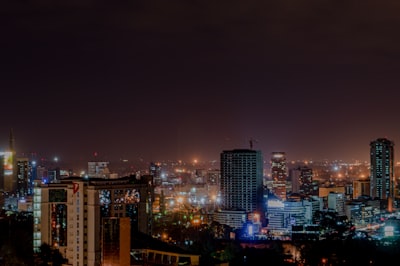
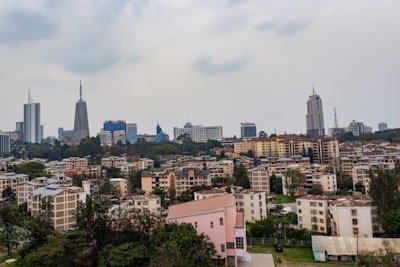
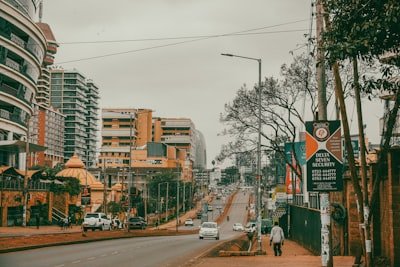
Nairobi, often dubbed the "Green City in the Sun," is a vibrant metropolis that defies easy categorization. It's a city where skyscrapers stand sentinel over a national park teeming with wildlife, where bustling markets coexist with world-class museums, and where the echoes of ancient tribal traditions blend seamlessly with the rhythm of modern life. For travelers seeking an authentic African experience that combines thrilling wildlife encounters with rich cultural immersion and urban sophistication, Nairobi is an unparalleled destination.
This comprehensive guide will take you through the very best Nairobi has to offer, from iconic wildlife sanctuaries to profound historical sites and bustling cultural hubs. Prepare to discover why Nairobi isn't just a stopover, but a destination in itself, promising adventure, enlightenment, and unforgettable memories.
## Nairobi National Park: The World's Only Wildlife Park in a Capital City
Imagine spotting a black rhino grazing against the backdrop of a glittering city skyline. This surreal yet utterly captivating scene is an everyday reality at Nairobi National Park, the crown jewel of Kenya's capital. Established in 1946, this 117-square-kilometer (45 square mile) sanctuary is a testament to Nairobi's unique blend of urban dynamism and untamed wilderness. It's truly a marvel that within a stone's throw of the city's central business district, you can embark on an authentic safari adventure.
### The "Only City Park in the World" Where Wildlife Roams Free
Nairobi National Park proudly holds the distinction of being the only protected area in the world where a significant wildlife population thrives against an urban backdrop. This proximity makes it incredibly accessible for visitors, allowing for morning safaris before lunch in the city, or afternoon game drives followed by dinner in a gourmet restaurant. The park's open grasslands are punctuated by acacia bushes and a permanent riverine forest, creating diverse habitats for its inhabitants.
### What You'll See: A Rich Tapestry of African Wildlife
Despite its relatively small size and urban surroundings, Nairobi National Park boasts an incredible density and variety of wildlife. It's a critical rhino sanctuary, home to both black and white rhinos, making it one of the most reliable places in Kenya to spot these endangered giants. Beyond rhinos, you're highly likely to encounter:
- Lions: Often seen resting under trees or stalking prey in the early morning.
- Giraffes: The elegant Maasai giraffes are a common sight, gracefully browsing acacia trees.
- Zebras: Large herds of zebras stripe the plains, offering fantastic photographic opportunities.
- Buffalo: Robust herds of African buffalo are frequently spotted near water sources.
- Cheetahs: While more elusive, cheetah sightings are a thrilling possibility.
- Hyenas, Baboons, Warthogs, various antelope species (eland, impala, hartebeest, gazelles).
- Over 400 species of birds: Making it a birder's paradise, especially during migration seasons.
Elephants are notably absent from Nairobi National Park, having been relocated due to space constraints, but the park's vibrant ecosystem ensures an unforgettable safari experience nonetheless.
### Best Time to Visit & Safari Tips
The dry season (June to October and January to February) is generally considered the best time for wildlife viewing, as animals congregate around fewer water sources, making them easier to spot. However, the park is beautiful year-round.
- Early Mornings: Aim for an early start (around 6:30 AM) to catch the animals at their most active and witness a spectacular sunrise over the plains.
- Guided Safaris: While self-driving is possible, hiring a KWS-certified guide significantly enhances your chances of spotting elusive wildlife and learning about the ecosystem.
- Photography: Bring a good camera with a telephoto lens. The contrasting urban backdrop with wildlife offers unique photo ops.
## Giraffe Centre: Get Up Close with Rothschild's Giraffes
Just a short drive from the city center, the Giraffe Centre offers one of Nairobi's most endearing and interactive wildlife experiences. Established in 1979 by the African Fund for Endangered Wildlife (AFEW) Kenya, its primary mission is to educate Kenyan schoolchildren and visitors about wildlife and environmental conservation, with a special focus on the endangered Rothschild's giraffe.
### A Conservation Success Story
The Rothschild's giraffe (Giraffa camelopardalis rothschildi) is one of the most endangered giraffe subspecies, with only a few hundred individuals remaining in the wild. The Giraffe Centre plays a crucial role in their conservation through a successful breeding program. Young giraffes born at the centre are later reintroduced into protected areas throughout Kenya, bolstering wild populations. Witnessing their gentle majesty up close offers a powerful connection to conservation efforts.
### Feeding & Interacting with the Gentle Giants
The main attraction here is the raised viewing platform, bringing you eye-to-eye with these magnificent creatures. Visitors are given pellets made from corn, wheat, molasses, and minerals, which you can offer to the giraffes by hand or even from your mouth (if you're brave enough!). The giraffes are surprisingly gentle, extending their long, purple tongues to delicately take the food. This intimate interaction is a highlight for both adults and children, creating truly memorable moments.
### Education and Awareness
Beyond the feeding experience, the Giraffe Centre provides educational talks and exhibits about giraffe biology, behavior, and the threats they face. A nature trail through the adjacent Girafe Sanctuary offers a peaceful walk amidst nature, where you might spot warthogs and various bird species. It's an experience that combines fun, education, and direct participation in wildlife conservation.
## David Sheldrick Wildlife Trust (DSWT): A Haven for Orphaned Elephants
Few experiences in Nairobi are as heartwarming and impactful as a visit to the David Sheldrick Wildlife Trust (DSWT) at the edge of Nairobi National Park. This world-renowned elephant orphanage is dedicated to rescuing, rehabilitating, and rewilding orphaned elephants and rhinos who have lost their mothers, primarily due to poaching or human-wildlife conflict.
### Witness the Daily Feeding Frenzy
The DSWT is open to the public for one hour each day (11:00 AM to 12:00 PM), allowing visitors to witness the incredibly moving sight of the young elephants being bottle-fed by their devoted keepers. These tiny, playful pachyderms, ranging from newborns to several years old, emerge from the bush, eagerly guzzling giant bottles of milk. The keepers provide fascinating insights into each elephant's story, personality, and the challenges of raising them. You'll see them splash in mud baths, playfully wrestle, and interact with their human caregivers who often sleep with them in their stables.
### Supporting Elephant Conservation
The DSWT's work extends far beyond the orphanage. It operates anti-poaching units, mobile veterinary teams, community outreach programs, and aerial surveillance, all crucial in protecting Kenya's endangered wildlife. Your visit and any donations directly contribute to these vital conservation efforts.
### The Adoption Program
For those who want to support the trust further, the DSWT offers an adoption program. For a small annual fee, you can adopt an orphan, receiving updates on their progress, making you a direct participant in their journey back to the wild. This personal connection makes the experience even more profound. It's an emotional and inspiring visit that highlights the incredible resilience of these animals and the dedication of those working to protect them.
## Karen Blixen Museum: A Glimpse into "Out of Africa"
Step back in time to the early 20th century and into the world of Baroness Karen Blixen, the Danish author who immortalized her experiences in colonial Kenya in her memoir "Out of Africa." The Karen Blixen Museum, located in the picturesque suburb named after her, is the very farmhouse where she lived and worked between 1917 and 1931.
### History and Legacy of Karen Blixen
Karen Blixen, under the pen name Isak Dinesen, captivated readers worldwide with her lyrical descriptions of the African landscape, its people, and the challenges and joys of running a coffee plantation. Her story, famously adapted into the multi-Academy Award-winning film starring Meryl Streep and Robert Redford, has drawn countless admirers to Kenya. The museum preserves her legacy and provides a tangible link to a romanticized yet complex era of East African history.
### Exploring the Colonial Farmhouse
The museum is beautifully preserved, offering a window into Blixen's life. Guided tours lead you through her elegantly furnished rooms, which include many of her original belongings, photographs, and the very items featured in the film. You'll see her furniture, paintings, and the hunting trophies that adorned her walls. The guides are knowledgeable, sharing anecdotes about Blixen's life, her relationships, and the challenges of coffee farming in early colonial Kenya.
### Surrounding Gardens and Views
The farmhouse is set amidst beautiful, manicured gardens with views of the Ngong Hills, which Blixen famously described as "rolling blue." A stroll through the grounds offers a serene escape and a chance to reflect on the stories and history contained within the walls of this iconic home. It's a must-visit for literature lovers, history buffs, and anyone curious about the romantic allure of old Africa.
## Bomas of Kenya: A Cultural Tapestry
To truly understand Kenya, one must delve into its vibrant and diverse cultural heritage. The Bomas of Kenya, located just a short distance from Nairobi National Park, is a living museum that offers an unparalleled opportunity to experience the rich traditions and customs of Kenya's various ethnic groups. Established by the Kenyan government, its purpose is to preserve, maintain, and promote the rich and diverse cultural values of the nation.
### Experiencing Kenya's Diverse Tribes
Kenya is home to over 40 distinct ethnic communities, each with its own unique language, customs, attire, music, and dance. Bomas of Kenya showcases this incredible diversity through traditional homesteads (bomas) built to scale, representing the architectural styles and living arrangements of different tribes such as the Maasai, Kikuyu, Luo, Luhya, Kamba, Kalenjin, and Mijikenda. Walking through these homesteads provides a fascinating glimpse into traditional Kenyan village life.
### Traditional Dances and Music
The highlight of any visit to Bomas of Kenya is the spectacular cultural show performed daily. Talented performers, adorned in traditional costumes, bring to life the vibrant dances, songs, and instrumental music of various communities. These performances are not just entertainment; they are living expressions of social rituals, celebrations, and historical narratives. From the acrobatic leaps of the Maasai morans to the rhythmic drumming of the Luhya, and the graceful movements of the coastal dancers, the show is an explosion of color, sound, and energy that will leave you mesmerized.
### Authentic Village Replicas
Beyond the performances, you can explore the replica villages, learning about traditional cooking methods, farming practices, and social structures. It's an immersive experience that provides context and appreciation for Kenya's deep cultural roots. For anyone interested in the human story of Kenya, Bomas is an essential stop.
## Nairobi Malls & Markets: Shopping and Local Flavors
Nairobi, as a bustling modern capital, offers a diverse shopping landscape, from upscale international malls to vibrant local markets where you can haggle for handcrafted souvenirs.
### Upscale Malls: Modern Retail Therapy
For those seeking modern conveniences, international brands, and a wide array of dining options, Nairobi's malls rival those in any major city.
- The Village Market: Located in the UN diplomatic hub of Gigiri, this expansive mall is known for its open-air design, diverse shops, cinemas, a bowling alley, and a popular Maasai Market on Tuesdays.
- Sarit Centre: One of Nairobi's oldest and largest malls, located in Westlands, offering a comprehensive shopping experience with department stores, boutiques, supermarkets, and eateries.
- Two Rivers Mall: The largest mall in East and Central Africa, boasting an amusement park, dancing fountains, and a vast selection of retail and dining establishments.
These malls provide a comfortable environment for shopping, grabbing a coffee, or enjoying a meal, and are popular spots for both locals and expatriates.
### Maasai Market: Handcrafted Souvenirs and Bargains
For a truly authentic Kenyan shopping experience, the nomadic Maasai Market is a must-visit. This open-air market moves around the city on different days of the week, offering a treasure trove of handcrafted items.
- What to Find: Expect to discover intricate beadwork, wood carvings (including the famous "Big Five" animal carvings), colorful kikoys (traditional Kenyan wraps), leather goods, paintings, musical instruments, and jewelry.
- Haggling is Expected: This is a place where your bargaining skills will be put to the test. Don't be shy to negotiate prices; it's part of the experience.
- Locations: Check local listings or ask your hotel for the current week's schedule. Common locations include the High Court parking lot (Saturdays), the Village Market (Tuesdays), and outside the National Museum (Thursdays).
### Local Food Markets: Experience the Bustle
For a truly immersive cultural experience and a taste of local life, explore Nairobi's fresh produce markets like City Market or Marikiti (Kenyatta Market). Here, you'll find an explosion of colors, smells, and sounds. While not typically for souvenir shopping, they offer a glimpse into the daily lives of Nairobians and a chance to sample fresh fruits, vegetables, and local snacks.
## Uhuru Gardens Memorial Park: A Symbol of Independence
Uhuru Gardens, meaning "Freedom Gardens" in Swahili, is Kenya's largest memorial park and a site of profound historical significance. It's where Kenya's national flag was first raised on December 12, 1963, marking the country's independence from British colonial rule.
### Historical Significance
The park is home to a 24-meter (79-foot) high monument commemorating Kenya's struggle for independence, adorned with symbolic statues and plaques detailing key moments in the nation's history. There's also a Mugumo (fig) tree, planted in remembrance of the tree where the first Kenyan flag was raised. A visit here offers a solemn yet inspiring reflection on Kenya's journey to sovereignty and the resilience of its people.
### Relaxing Green Space
Beyond its historical importance, Uhuru Gardens is a sprawling, beautifully landscaped green space that provides a peaceful respite from the city's hustle and bustle. Locals often come here for picnics, strolls, and relaxation. It's a place where history and contemporary life intertwine, offering both a lesson in national pride and a tranquil urban oasis.
## Nairobi Railway Museum: A Journey Through History
For history buffs and railway enthusiasts, the Nairobi Railway Museum offers a fascinating glimpse into Kenya's colonial past and the pivotal role the railway played in shaping the nation. Located adjacent to the bustling Nairobi Railway Station, the museum documents the history of the "Lunatic Express" – the Uganda Railway – and its impact on East Africa.
### Colonial Era and Engineering Marvels
The museum's collection features an impressive array of meticulously preserved steam locomotives and rolling stock from the East African Railways era, dating back to the late 19th and early 20th centuries. You can walk through old passenger carriages, observe vintage engines, and imagine the arduous journeys of early settlers and explorers. The exhibits detail the engineering challenges, the immense labor involved (often by Indian indentured workers), and the profound economic and social changes brought about by the railway.
### The Story of the Man-Eaters of Tsavo
One of the most captivating exhibits recounts the infamous story of the "man-eaters of Tsavo." Two maneless male lions terrorized railway construction workers in Tsavo during 1898, reportedly killing 135 men before they were finally hunted down. The museum displays some of the tools and artifacts related to this dramatic episode, which was immortalized in books and films like "The Ghost and the Darkness."
The Nairobi Railway Museum offers a unique perspective on the forces that shaped modern Kenya, highlighting both the technological marvels and the human stories behind the country's development.
## Nairobi's Food Scene: A Culinary Adventure
Nairobi's culinary landscape is as diverse and dynamic as the city itself, offering everything from traditional Kenyan fare to international gourmet experiences. Eating out in Nairobi is an adventure for the taste buds.
### Nyama Choma & Local Delicacies
No visit to Kenya is complete without trying
Nyama Choma, which literally means "burnt meat" in Swahili. This is Kenya's unofficial national dish – succulent grilled goat meat, often served with ugali (a stiff cornmeal porridge), kachumbari (a fresh tomato and onion relish), and greens. Popular "joints" for Nyama Choma include Carnivore Restaurant (famous for its all-you-can-eat game meats, though it now primarily serves domestic meats) and smaller, more local establishments.
Other local delicacies to try include:
- Mokimo: A hearty mashed potato dish with maize, beans, and greens, popular with the Kikuyu tribe.
- Sukuma Wiki: Collard greens or kale, stir-fried and a staple accompaniment to most meals.
- Matoke: Steamed green bananas, often served with a stew.
- Samosas and Mandazi: Popular street snacks, with samosas being savory pastries and mandazi being sweet, fluffy doughnuts.
### International Cuisine & Fine Dining
Nairobi is a melting pot of cultures, and this is reflected in its diverse range of international restaurants. You can find excellent Italian, Ethiopian, Indian, Chinese, and contemporary fusion restaurants, particularly in areas like Westlands and Karen. Nairobi also boasts several high-end dining establishments that offer exquisite culinary experiences, often with stunning city views.
### Cafes and Coffee Culture
Kenya is renowned for its world-class coffee, and Nairobi embraces a vibrant café culture. You'll find numerous coffee shops, from local chains like Java House and Artcaffé to independent artisanal cafes, perfect for a morning brew, a casual lunch, or an afternoon treat. Sampling Kenyan coffee in its country of origin is a delightful experience.
## Day Trips from Nairobi: Expanding Your Horizon
While Nairobi offers a wealth of attractions, its central location also makes it an excellent base for exploring some of Kenya's natural wonders on day trips.
### Hell's Gate National Park & Lake Naivasha
A popular day trip combination, Hell's Gate offers a unique safari experience where you can cycle or walk among giraffes, zebras, and various antelope species. The dramatic gorges and volcanic formations make for stunning scenery. Nearby, Lake Naivasha is a freshwater lake renowned for its birdlife and hippos. You can take a boat ride to spot these animals and visit Crescent Island for another walking safari experience.
### Mount Longonot
For the more adventurous, a hike up Mount Longonot, a dormant stratovolcano, offers a challenging trek and incredibly rewarding views into its crater and of the Great Rift Valley surrounding it. It's a full-day commitment but promises breathtaking natural beauty.
## Practical Tips for Visiting Nairobi
To make your visit to Nairobi as smooth and enjoyable as possible, consider these practical tips:
### Best Time to Visit
Nairobi enjoys a pleasant climate year-round, often referred to as "eternal spring."
- Dry Seasons (June-October & January-February): Ideal for wildlife viewing in Nairobi National Park as animals congregate around water sources. Skies are clear, temperatures are moderate.
- Wet Seasons (March-May & November-December): The "long rains" (March-May) can bring heavy showers, while the "short rains" (November-December) are typically lighter. This period brings lush green landscapes and fewer tourists, though wildlife spotting can be slightly more challenging.
### Getting Around
- Ride-Hailing Apps: Uber, Bolt (Taxify), and Little Cab are widely available, reliable, and generally safer than street taxis. They offer transparent pricing.
- Matatus: Local public minibuses are cheap but can be crowded, erratic, and sometimes unsafe for tourists. Not recommended for first-time visitors.
- Taxis: Traditional yellow-striped taxis are available, but always agree on the fare before starting your journey.
- Tour Operators: For safaris and longer excursions, booking with reputable tour operators is highly recommended. Many hotels can also arrange transportation.
### Safety Considerations
Like any major city, Nairobi has its share of crime. It's important to be vigilant and take precautions:
- Awareness: Be aware of your surroundings, especially in crowded areas.
- Valuables: Keep valuables out of sight, avoid flashing expensive jewelry or electronics.
- Evening Travel: Avoid walking alone at night; use ride-hailing services or trusted taxis.
- Consult Locals: Ask your hotel or tour guide for advice on safe areas and current conditions.
- Scams: Be wary of overly friendly strangers offering unsolicited help or tours.
### Accommodation Options
Nairobi offers a wide range of accommodation, from luxurious five-star hotels and boutique guesthouses to budget-friendly hostels. Popular areas for tourists include:
- Karen: Known for its leafy suburbs, larger properties, and proximity to the Giraffe Centre and Karen Blixen Museum.
- Westlands: A bustling commercial and entertainment hub with numerous hotels, restaurants, and nightlife.
- Gigiri: Home to the UN complex, offering serene, upscale accommodations.
- City Centre: Convenient for business travelers and those wanting to be close to central attractions, though it can be noisier.
## Conclusion
Nairobi is a city of contrasts, a dynamic hub where the wild heart of Africa beats fiercely alongside a thriving urban landscape. From the thrilling encounters with rhinos and giraffes in its unique national park to the poignant stories told at its museums and the vibrant rhythms of its cultural centers, Nairobi offers a travel experience unlike any other. It’s a city that challenges perceptions, inspires conservation, and leaves an indelible mark on every visitor. So pack your bags, prepare for adventure, and come discover the magic of Nairobi, the urban safari capital of the world.
***
## Frequently Asked Questions (FAQ) About Visiting Nairobi
Q1: Is Nairobi safe for tourists?
A1: Like any major city, Nairobi has areas that are safer than others. Tourist areas and popular attractions are generally safe, especially during the day. It's important to exercise common sense: avoid walking alone at night, be aware of your surroundings, keep valuables out of sight, and use reputable ride-hailing services (like Uber or Bolt) or trusted taxis. Always check with your hotel or tour operator for the latest safety advice.
Q2: How many days do I need to spend in Nairobi?
A2: To comfortably visit the main attractions like Nairobi National Park, Giraffe Centre, David Sheldrick Wildlife Trust, and Karen Blixen Museum, we recommend
3 to 4 full days. This allows for a good pace and perhaps a bit of time for shopping or exploring the food scene. If you plan to include day trips to places like Hell's Gate or Mount Longonot, add extra days accordingly.
Q3: What's the best way to get around Nairobi?
A3: The most convenient and safest ways for tourists to get around Nairobi are
ride-hailing apps (Uber, Bolt, Little Cab) and
pre-arranged taxis or
tour operator vehicles. Matatus (local minibuses) are very cheap but can be crowded and chaotic, making them less suitable for first-time visitors.
Q4: Do I need a visa for Kenya?
A4: Most non-African citizens require a visa to enter Kenya. Visas can be obtained online through the
eTA (Electronic Travel Authorization) system before your travel. It's crucial to apply for your eTA well in advance of your trip. Always check the latest visa requirements based on your nationality with the official Kenyan embassy or consulate in your country.
Q5: What currency is used in Nairobi?
A5: The local currency is the
Kenyan Shilling (KES). Major credit cards are widely accepted in hotels, larger restaurants, and supermarkets. ATMs are readily available. It's advisable to carry some smaller denominations of KES for markets, small purchases, and tips.
Q6: Can I do a safari from Nairobi?
A6: Absolutely! Nairobi is often called the "Safari Capital of the World" for good reason. You can do a full-fledged safari right within the city limits at
Nairobi National Park. Additionally, Nairobi serves as the gateway to iconic safari destinations like the Maasai Mara, Amboseli, and Tsavo. Many tour operators in Nairobi offer multi-day safaris to these parks, starting and ending in the city.
Q7: What should I wear in Nairobi?
A7: Nairobi has a generally mild climate. Light, comfortable clothing is best. For safari activities, wear neutral colors (khakis, greens, browns) to blend in with the environment and avoid bright colors. A light jacket or sweater is advisable for cooler evenings and early mornings. If visiting religious sites, modest attire may be appropriate. Comfortable walking shoes are a must.
Q8: Is tap water safe to drink in Nairobi?
A8: It is generally
not recommended to drink tap water in Nairobi. Stick to bottled water, which is widely available, or ensure any water you consume has been boiled or filtered. Most hotels provide complimentary bottled water.