Barcelona Food Guide 2026 – Complete Spain Travel Guide
Savor Barcelona: The Ultimate Food Guide to Catalan Cuisine & Spanish Delights
Barcelona, a city where Gothic spires meet Gaudí's whimsical architecture, is also a world-class culinary destination. Its vibrant food scene is a delicious tapestry woven from ancient traditions, fresh Mediterranean produce, innovative gastronomy, and the bustling energy of a cosmopolitan hub. More than just a place to eat, Barcelona offers an immersive journey into the heart of Catalan culture, where every meal is a celebration, every tapa a story, and every market visit an adventure for the senses.
This isn't just a list of dishes; it's your definitive guide to navigating Barcelona's rich gastronomic landscape. From the humble pan con tomate to Michelin-starred marvels, the clatter of a lively tapas bar to the aromatic hustle of La Boqueria, prepare to unlock the city's edible treasures. Whether you're a seasoned foodie or a curious traveler, this comprehensive Barcelona food guide will help you eat like a local, discover hidden gems, and create unforgettable culinary memories. Get ready to embark on a mouth-watering exploration of Barcelona, where every bite is a step deeper into its vibrant soul.
A Taste of Catalonia: Must-Try Traditional Dishes in Barcelona
Catalan cuisine, the heart of Barcelona's food identity, is a distinct and flavorful regional Spanish cuisine. It draws heavily on the bounty of the Mediterranean Sea, the fertile plains, and the mountains, resulting in a unique fusion of "mar i muntanya" (sea and mountain) dishes. While Spanish staples like paella and jamón ibérico are widely available, diving into local Catalan specialties will truly enrich your gastronomic adventure.
Tapas & Pintxos: The Social Way to Eat
Tapas are small plates designed for sharing, an integral part of Spanish social life. While often associated with southern Spain, Barcelona has its own beloved variations. Pintxos (pronounced "peen-chos") are a Basque tradition that has found a strong foothold here, typically small bites served on a slice of bread, often skewered with a toothpick.
- Patatas Bravas: A quintessential tapa. Crispy fried potato cubes generously smothered in a spicy tomato sauce (salsa brava) and often a dollop of creamy aioli. Every bar has its own secret recipe, making it a fun quest to find your favorite.
- Pan con Tomate (Pa amb Tomàquet): The simplest yet most iconic Catalan dish. Toasted bread rubbed with fresh garlic (optional), ripe tomato, and drizzled with olive oil, seasoned with salt. It accompanies almost every meal and is deceptively delicious.
- Jamón Ibérico: While not exclusively Catalan, this cured Iberian ham is a national treasure. Look for "bellota" quality, indicating the pigs were acorn-fed, resulting in a rich, nutty, melt-in-your-mouth flavor. Often served thinly sliced, it’s perfect on its own or with pan con tomate.
- Bombas: A Barceloneta specialty. These are golf-ball-sized potato croquettes, often filled with minced meat, deep-fried until golden, and then topped with a spicy sauce (similar to bravas sauce) and aioli. A true explosion of flavor!
- Esqueixada de Bacallà: A refreshing salad of shredded salted cod, tomatoes, onions, olives, and a vinaigrette dressing. Perfect for a warm day, showcasing the region's love for cod.
- Croquetas: Creamy, béchamel-based fritters, typically filled with jamón, chicken, mushrooms, or bacalao (cod), then breaded and deep-fried. Crispy on the outside, wonderfully soft on the inside.
- Butifarra: A staple Catalan sausage, often seasoned with pepper and served grilled ("a la brasa") or with white beans ("amb mongetes").
- Calçots (seasonal): If you're visiting in late winter or early spring, you absolutely must experience a *calçotada*. These are green onions, grilled over an open flame until charred and tender, then peeled and dipped in a rich romesco sauce (nuts, roasted tomatoes, peppers, garlic, olive oil). It's a messy, communal, and utterly delicious experience.
Heartier Main Courses & Regional Specialties
Beyond small plates, Barcelona offers a diverse range of satisfying main courses that embody the spirit of Catalan cooking.
- Paella (The Barcelona Way): While paella originates from Valencia, Barcelona's version often leans heavily into seafood. Be wary of restaurants aggressively touting paella; look for places where it's cooked to order, typically for a minimum of two people, and expect a slight wait. Authentic paella should have a crispy, caramelized rice crust at the bottom, known as "socarrat." For a truly local experience, try *paella de marisco* (seafood paella) or *arroz negro* (black rice paella, colored with squid ink).
- Fideuà: Often called "noodle paella," Fideuà is a fantastic alternative or complement to rice paella. It features short, thin pasta noodles cooked in a flavorful seafood broth, often with prawns, mussels, and squid, and served with aioli.
- Botifarra amb Mongetes: A hearty, traditional Catalan dish featuring grilled botifarra sausage served alongside sautéed white beans, often seasoned with garlic and parsley. It's simple, rustic, and incredibly satisfying.
- Escalivada: A delicious dish of roasted vegetables – typically eggplant, red peppers, and onions – cooked slowly until smoky and tender, then peeled, sliced, and drizzled with olive oil. Often served as a side dish or appetizer, sometimes with anchovies.
- Suquet de Peix: A traditional Catalan fish stew, particularly popular along the coast. It combines various types of local fish and shellfish with potatoes in a rich, flavorful broth, often thickened with ground almonds.
- Canelons: A leftover from Catalonia's historical ties with Italy, these are a beloved Catalan Christmas dish, though available year-round. They are pasta tubes filled with a mixture of roasted meats (often leftover from a festive meal), covered in béchamel sauce, and baked with cheese.
Beyond the Basics: Iconic Food Destinations & Culinary Experiences
Barcelona's food scene extends far beyond traditional dishes, encompassing bustling markets, innovative restaurants, and authentic local spots.
La Boqueria Market: A Feast for the Senses
No food guide to Barcelona is complete without a prominent mention of La Boqueria. Located just off La Rambla, this iconic market is a riot of colors, sounds, and smells. It's a temple to fresh produce, an awe-inspiring display of fresh seafood, exotic fruits, cured meats, cheeses, and spices from around the world.
- Experience: Wander through the stalls, marvel at the vibrant displays of fruits, juices, and sweets. Observe locals doing their daily shopping alongside curious tourists.
- What to Eat Here: Grab a fresh fruit juice (often for just a euro or two), sample some jamón ibérico from a specialty stall, or try fresh seafood cooked on the spot at one of the market bars like Bar Pinotxo or El Quim de la Boqueria. These tiny, bustling counters serve up incredible fresh catches, fried eggs with mushrooms, and other delicious small plates.
- Tips: Go early in the morning for the freshest produce and fewer crowds. Be mindful of pickpockets, especially in crowded areas.
Mercat de Sant Antoni & Other Local Markets
While La Boqueria is famous, it can be overwhelmingly touristy. For a more authentic, local market experience, head to the
Mercat de Sant Antoni. Recently renovated, it boasts stunning architecture and a vibrant atmosphere. You'll find similar fresh produce, meats, and fish, but with more local shoppers and fewer tourist-oriented stalls. It also hosts a fascinating Sunday book and stamp market.
Other neighborhood markets like
Mercat de la Concepció (known for its flowers) or
Mercat de Gràcia offer a true glimpse into daily Catalan life and provide excellent opportunities to pick up picnic supplies or local delicacies.
From Bodegas to Michelin Stars: Diverse Dining Options
Barcelona's culinary landscape is incredibly varied, catering to every budget and taste.
- Traditional Bodegas & Vermuterias: These local, often family-run establishments are where you'll find genuine Catalan spirit. They specialize in vermouth (a fortified wine, traditionally served as an aperitivo), often on tap, alongside simple, delicious tapas and cured meats. They offer a wonderfully authentic and affordable experience.
- Classic Catalan Restaurants: Look for "restaurants" or "masias" (traditional farmhouses, often outside the city center) serving robust, home-style Catalan dishes. These are excellent for group meals and experiencing hearty local cuisine.
- Modern Tapas Bars & Gastrobars: Barcelona excels in reinventing the tapa. These establishments offer creative, elevated versions of traditional dishes, often with innovative presentations and sophisticated flavor combinations. They bridge the gap between casual dining and fine cuisine.
- Michelin-Starred Dining: Barcelona is home to a remarkable number of Michelin-starred restaurants, showcasing the city's prowess in haute cuisine. Establishments like Disfrutar, Cocina Hermanos Torres, or Moments offer truly unforgettable, multi-sensory dining experiences that push the boundaries of gastronomy. If you're seeking a splurge, these are unparalleled.
Exploring Barcelona's Culinary Neighborhoods
Each neighborhood in Barcelona possesses its own unique character, and its culinary offerings reflect this diversity.
Gothic Quarter & El Born: Historic Charm & Culinary Hotspots
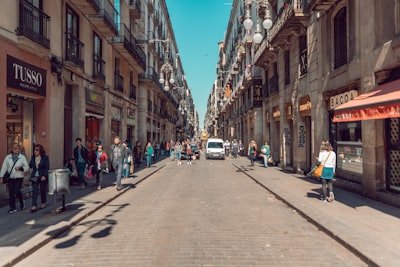
The labyrinthine streets of the Gothic Quarter and the trendy lanes of El Born are packed with dining options. You'll find ancient taverns serving traditional tapas alongside chic new bistros. This is a great area for atmospheric dining, with many restaurants tucked into historic buildings. Look for hidden gems down narrow alleys, offering a mix of classic Catalan fare and modern interpretations.
Gràcia: Bohemian Vibes & Local Flavors
Once a separate village, Gràcia retains a distinct, bohemian charm. Its beautiful plaças (squares) are lined with independent eateries, artisan bakeries, and charming cafés. This neighborhood offers a more local and relaxed dining experience, with a focus on quality ingredients and creative, often vegetarian-friendly, menus. It's perfect for a leisurely lunch or a romantic dinner.
Barceloneta: Seafood by the Sea
As Barcelona's historic fishing quarter, Barceloneta is the go-to neighborhood for the freshest seafood. Stroll along the beach promenade and you'll find numerous restaurants specializing in paella, fideuà, grilled fish, and seafood platters. While some can be touristy, many offer fantastic views and truly excellent catches of the day. Don't miss a chance to dine al fresco with the sea breeze.
Poble Sec & Sant Antoni: Emerging Gastronomic Hubs
These two neighborhoods have rapidly become some of Barcelona's most exciting culinary areas. Poble Sec is famous for its "Pintxo Pote" nights, where many bars offer a pintxo and a drink for a set, low price, creating a lively atmosphere. Sant Antoni, especially around its newly renovated market, boasts an array of innovative restaurants, vermuterias, and natural wine bars, attracting a younger, more adventurous crowd.
Sweet Endings & Refreshing Sips: Barcelona's Desserts & Drinks
No meal is complete without a sweet treat or a local libation to wash it all down.
Decadent Desserts
- Crema Catalana: Often confused with crème brûlée, Crema Catalana is its older, zestier cousin. This creamy custard is infused with lemon peel and cinnamon, topped with a caramelized sugar crust, and is an absolute must-try.
- Xurros con Chocolate (Churros with Chocolate): While popular throughout Spain, Barcelona has its own charming "churrerias." These long, fried dough pastries are best enjoyed hot and dipped into a thick, rich hot chocolate. Perfect for breakfast, an afternoon snack (merienda), or a late-night treat.
- Panellets (seasonal): Small, round marzipan cakes, often coated with pine nuts, are traditional for All Saints' Day (November 1st) but can sometimes be found outside this period.
- Mel i Mató: A simple yet delicious dessert of fresh unsalted cheese (mató) drizzled with honey, often with walnuts. Light and refreshing.
Wines, Cava & Vermouth
- Cava: Catalonia is the birthplace of Cava, Spain's renowned sparkling wine. Produced mainly in the Penedès region, just outside Barcelona, it's made using the traditional method, similar to Champagne. Cava is perfect as an aperitif, with tapas, or to celebrate any occasion. Many local bars offer excellent Cava by the glass.
- Local Wines: Explore still wines from Catalonia's various D.O. (Denominación de Origen) regions, such as Penedès, Priorat (known for robust reds), Montsant, and Empordà.
- Vermouth: The "hora del vermut" (vermouth hour) is a cherished pre-lunch tradition in Barcelona. Local bodegas often serve their own house-made vermouth, a delicious, aromatic fortified wine, usually served chilled with an orange slice and an olive.
- Sangria (with caution): While popular with tourists, authentic Sangria isn't as widely consumed by locals as you might think. Many tourist trap restaurants serve sugary, pre-made versions. If you do order it, seek out places that make it fresh with good quality wine and fruit.
- Orxata (Horchata): A refreshing, milky drink made from tiger nuts (chufas), popular in summer. It has a slightly earthy, sweet flavor and is often served with "fartons," elongated pastries for dipping.
Dining Like a Local: Essential Tips for Foodies in Barcelona
To truly savor Barcelona's culinary scene, it helps to embrace local customs and habits.
When to Eat: Mastering the Spanish Meal Schedule
Spanish meal times are notoriously late for many visitors. Adjusting to the rhythm is key to an authentic experience.
- Breakfast (Desayuno): Light, typically between 7:00 AM and 10:00 AM. A coffee, a pastry, or pan con tomate.
- Lunch (Almuerzo/Comida): The main meal of the day, usually between 1:30 PM and 3:30 PM (often closer to 2:30 PM). This is when you'll find the best value "Menu del Día."
- Afternoon Snack (Merienda): Around 5:00 PM - 6:30 PM, often a coffee and a sweet pastry, or even churros.
- Dinner (Cena): Late, usually starting after 8:30 PM, and often extending to 10:00 PM or even later for locals. Many kitchens won't open before 8:00 PM.
Ordering Tapas: A Practical Guide
- Start Small: Order 2-3 tapas per person to begin, then order more as you go. This allows you to try a greater variety.
- Share: Tapas are meant for sharing. Place them in the center of the table.
- Pintxos vs. Tapas: In a pintxo bar, you typically help yourself from the counter and keep the toothpicks to calculate your bill. In a tapas bar, you order from a menu.
- "Ración" vs. "Media Ración": Some bars offer "raciones" (full portions) and "media raciones" (half portions) for certain dishes, which can be a good option for sharing a slightly larger plate.
The Art of the Menu del Día
This lunchtime gem (Menu of the Day) is a fantastic way to enjoy a high-quality, affordable meal. Offered on weekdays, it typically includes 2-3 choices for a first course, 2-3 choices for a main course, dessert, bread, and a drink (wine, beer, or water), all for a fixed price, usually between €12-€20. It's an excellent value and a chance to experience local cooking.
Reservations & Tipping Etiquette
- Reservations: For popular restaurants, especially for dinner, reservations are highly recommended, particularly on weekends. Use online booking platforms or call ahead.
- Tipping: Tipping is not as ingrained as in some countries. Service charge is usually included. For good service, rounding up the bill or leaving a few euros (5-10% for exceptional service) is appreciated but not mandatory.
Beware of Tourist Traps
- Location: Restaurants directly on La Rambla or in very high-traffic tourist areas often cater to tourists with inflated prices and lower quality. Venture a few blocks off the main drag.
- Menu Indicators: Menus with multiple languages and pictures of food are often a red flag.
- Aggressive Hawkers: Avoid places where staff try to pull you in from the street.
Deeper Dives: Food Tours & Cooking Classes
To truly immerse yourself in Barcelona's food culture, consider a guided food tour or a hands-on cooking class.
- Food Tours: A knowledgeable local guide can lead you through hidden culinary gems, explain the history behind dishes, and introduce you to local vendors. Many tours focus on specific neighborhoods, tapas, or markets.
- Cooking Classes: Learn to prepare classic Catalan or Spanish dishes like paella, tapas, or romesco sauce from scratch. It's a fun, interactive way to gain a deeper understanding of the ingredients and techniques, and you get to enjoy the fruits of your labor!
Catering to All Tastes: Vegetarian, Vegan, and Dietary Needs
Barcelona's culinary scene is increasingly inclusive. While traditional Catalan cuisine often features meat and seafood, vegetarian and vegan options are becoming more prevalent, especially in trendier neighborhoods like Gràcia, Sant Antoni, and Poble Sec.
- Vegetarian: Look for dishes like *escalivada*, *patatas bravas* (ensure no meat in the sauce), *pan con tomate*, *gazpacho*, *salmorejo* (creamy tomato soup), and various salads. Many modern restaurants offer creative vegetarian main courses.
- Vegan: Finding purely vegan options might require more effort at traditional spots, but dedicated vegan restaurants are growing in number. Always ask if dishes contain animal products (e.g., milk in aioli, broth in rice dishes).
- Gluten-Free: Many naturally gluten-free options exist (grilled meats, fish, salads, most seafood). For celiacs, communication is key. Learn a few Spanish phrases ("Soy celíaco/a," "sin gluten") and use apps like "Gluten Free Travel" to find suitable restaurants.
Conclusion: Your Barcelona Culinary Adventure Awaits
Barcelona is more than just a city; it's a sensory experience, a place where history, art, and gastronomy intertwine to create an unforgettable tapestry. From the simple perfection of a pan con tomate to the complex flavors of a Michelin-starred tasting menu, every meal here is an invitation to explore, savor, and connect with the vibrant Catalan spirit.
So, loosen your belt, open your mind, and let your taste buds lead the way. Dive into the bustling markets, linger in the cozy tapas bars, discover hidden neighborhood gems, and don't be afraid to try something new. Barcelona's culinary heart beats strong and true, promising a delicious adventure around every corner. Bon profit! (Enjoy your meal!)
Frequently Asked Questions (FAQ) About Eating in Barcelona
What is the must-try food in Barcelona?
The absolute must-try foods include *Pan con Tomate* (Pa amb Tomàquet), *Patatas Bravas*, and *Jamón Ibérico*. For a unique Catalan experience, try *Crema Catalana* for dessert and *Cava* as a drink. If seasonal, *Calçots* are a truly memorable experience.
Is Barcelona expensive for food?
Barcelona offers dining options for every budget. You can eat very affordably by embracing the "Menu del Día" for lunch (€12-€20), enjoying tapas (€3-€7 per tapa), or buying fresh produce from markets. Mid-range restaurants typically cost €25-€40 per person for dinner, while fine dining can be significantly more expensive.
Do I need to make reservations for restaurants in Barcelona?
For popular restaurants, especially for dinner on weekends or for Michelin-starred establishments, reservations are highly recommended and often essential. For casual tapas bars, you can usually walk in, but expect a wait during peak hours.
What are common dining hours in Barcelona?
Meal times are later than in many other countries:
- Breakfast: 7:00 AM - 10:00 AM
- Lunch: 1:30 PM - 3:30 PM (main meal)
- Dinner: 8:30 PM - 10:30 PM (often starting even later for locals). Many restaurant kitchens don't open until 8:00 PM.
Can I find vegetarian/vegan options easily?
Yes, it's becoming much easier. Many traditional dishes like *Pan con Tomate* and *Escalivada* are vegetarian. Dedicated vegetarian and vegan restaurants are increasingly common, particularly in neighborhoods like Gràcia, Sant Antoni, and El Born. Always ask to confirm ingredients in traditional dishes.
Where is the best place to eat paella in Barcelona?
For authentic seafood paella, head to the Barceloneta neighborhood. Look for restaurants that cook it to order (expect a 20-30 minute wait) and specify a minimum of two people. Avoid places with numerous paella pictures on the menu and staff trying to usher you in from the street, as these are often tourist traps.
What is the local drink in Barcelona?
*Cava* (sparkling wine) and *Vermouth* are the most traditional and popular local drinks. Catalan wines from regions like Penedès and Priorat are also excellent.
Is tipping customary in Barcelona restaurants?
Tipping is not mandatory or as expected as in some countries. Service charge is usually included. For good service, rounding up the bill or leaving a small amount (e.g., 5-10% for exceptional service) is appreciated but entirely at your discretion.