Marrakech Food Guide 2026 – Complete Morocco Travel Guide
A Culinary Odyssey: Your Ultimate Marrakech Food Guide
Marrakech, the vibrant "Red City" of Morocco, is a destination that tantalizes all five senses. From the labyrinthine alleys of its ancient Medina to the bustling energy of Jemaa el-Fna square, every corner whispers tales of a rich, captivating history. But beyond the snake charmers, souks, and stunning palaces, Marrakech holds a secret weapon, a force that truly defines its character and leaves an indelible mark on every visitor: its food.
A journey through Marrakech is, at its heart, a culinary odyssey. It's a city where the aroma of exotic spices drifts through the air, where the clatter of tagine lids signals a feast, and where every sip of mint tea is an act of welcome. Moroccan cuisine is a glorious tapestry woven from Berber, Arab, Andalusian, and French influences, resulting in a unique culinary identity that is both comforting and profoundly exotic.
This comprehensive Marrakech food guide is your passport to navigating this gastronomic paradise. We’ll delve deep into the traditional dishes, uncover hidden culinary gems, equip you with essential foodie tips, and guide you through an unforgettable edible adventure. Whether you're a seasoned gourmand or a curious traveler eager to taste the authentic flavors of Morocco, prepare to embark on a journey that will awaken your taste buds and nourish your soul. From the bustling street food stalls of the main square to serene riad dining experiences and immersive cooking classes, get ready to discover why Marrakech is an undisputed heaven for food lovers.
The Heartbeat of Marrakech: Jemaa el-Fna's Street Food Symphony
No culinary exploration of Marrakech is complete without plunging headfirst into the sensory spectacle that is Jemaa el-Fna square. By day, it's a bustling marketplace; by night, it transforms into an open-air restaurant of epic proportions, a vibrant symphony of sights, sounds, and most importantly, smells. The transition from daylight hub to an illuminated dining arena is a daily ritual, with hundreds of food stalls springing to life, each vying for your attention with enticing aromas and the cheerful calls of their vendors. This is not just a place to eat; it's a cultural immersion, an unforgettable experience that defines the very essence of Marrakech street food.
An Evening Feast Under the Stars
As dusk settles over the city, Jemaa el-Fna undergoes a magical transformation. Thousands of lights illuminate the square, creating an almost theatrical setting for your dinner. The air becomes thick with a heady mix of grilling meats, bubbling tagines, and sweet pastries. It's a chaotic yet organized ballet of cooks, waiters, and diners, all contributing to an atmosphere of joyful communal eating. Finding a spot amidst the energetic chatter and rhythmic music is part of the adventure. Embrace the lively spirit, perch on a shared bench, and prepare for a feast unlike any other. This is where Marrakech truly comes alive after dark, offering an authentic taste of local life that no sit-down restaurant can replicate.
Must-Try Dishes at Jemaa el-Fna
The sheer variety of food stalls at Jemaa el-Fna can be overwhelming, but a few dishes stand out as quintessential Marrakchi experiences. Don't leave without sampling these iconic street food delights:
- Snail Soup (Babbouche): For the adventurous palate, *Babbouche* is an absolute must-try. Served piping hot in small bowls from large, steaming pots, this savory snail broth is infused with an intriguing blend of herbs and spices, rumored to have medicinal properties. It’s an earthy, unique flavor that locals adore, especially on cooler evenings.
- Harira Soup: A beloved Moroccan staple, *Harira* is a hearty, wholesome tomato-based soup, often enriched with lentils, chickpeas, and a hint of meat. It’s a comforting, aromatic starter, especially popular during Ramadan, but available year-round for a quick, nourishing bite.
- Tanjia Marrakchia: This is Marrakech's signature dish, a slow-cooked masterpiece found almost exclusively here. Unlike a tagine, a *tanjia* is cooked in an amphora-like clay urn, traditionally placed overnight in the embers of a public hammam furnace. The result is impossibly tender lamb or beef, infused with saffron, cumin, preserved lemons, and garlic, falling off the bone and bursting with flavor.
- Brochettes (Kebabs): You'll find countless stalls grilling various *brochettes* – skewers of succulent chicken, beef, or kefta (minced meat). Marinated in Moroccan spices and grilled over charcoal, these offer a smoky, savory delight. Often served with fresh bread and a sprinkle of cumin and salt, they are perfect for a quick, satisfying meal.
- Mechoui (Roasted Lamb): For a truly traditional experience, seek out stalls offering *Mechoui*. A whole lamb, or part of it, is slow-roasted in an underground oven for hours until the meat is incredibly tender and succulent, literally melting in your mouth. You'll typically pay by weight, and it's best enjoyed with your hands and a generous side of cumin.
- Fresh Orange Juice Stands: A refreshing oasis amidst the culinary chaos, the orange juice stands are ubiquitous in Jemaa el-Fna. For a mere few dirhams, you can enjoy freshly squeezed, incredibly sweet orange juice – a perfect palate cleanser and vitamin boost.
- Moroccan Sweets & Dried Fruits: As you wander, you’ll encounter stalls laden with sticky-sweet pastries, dried fruits, and nuts. Indulge in some *chebakia*, *makroud*, or dates for a delightful finish to your street food adventure.
Navigating the Stalls: Tips for a Seamless Experience
To make the most of your Jemaa el-Fna food adventure, keep these tips in mind:
- Choose Wisely: Look for stalls that are busy with locals – this is often a good indicator of both popularity and freshness.
- Observe and Point: Don't hesitate to observe what others are eating, and if language is a barrier, point to the dishes that appeal to you.
- Agree on Price: While most main dishes have fixed prices displayed, for items like *mechoui* or larger orders, it's wise to clarify the price before you commit.
- Hygiene: While standards can vary, most stalls operate with basic hygiene practices. If you're particularly sensitive, stick to freshly cooked, hot food. Carry hand sanitizer.
- Embrace the Experience: Jemaa el-Fna is all about the atmosphere. Be open, be curious, and let the magic of the square guide your culinary choices.
Beyond the Square: Exploring Marrakech's Traditional Eateries & Restaurants
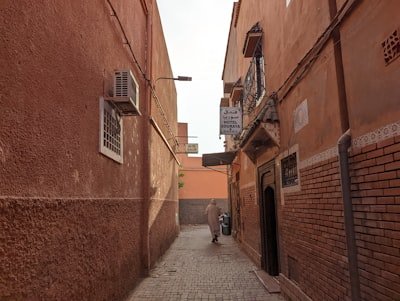
While Jemaa el-Fna offers an unparalleled street food spectacle, Marrakech's culinary depth extends far beyond the square. Venturing into the quieter alleys of the Medina and beyond reveals a world of traditional eateries, elegant riad restaurants, and charming cafes, each offering their own take on Morocco's rich gastronomic heritage.
Tagine: The Emblem of Moroccan Cuisine
The *tagine* is not just a dish; it's a cooking method, a pottery vessel, and an icon of Moroccan culture. This conical clay pot, with its distinctive lid, allows food to slow-cook to perfection, creating incredibly tender meat or vegetables infused with aromatic spices. The steam circulates within, keeping the ingredients moist and enhancing their flavors. You'll find tagines everywhere, from humble roadside cafes to upscale riad dining rooms, each with its unique interpretation.
- Chicken Tagine with Preserved Lemon and Olives: Perhaps the most famous and beloved variant. Tender chicken simmers with tangy preserved lemons, briny green olives, saffron, ginger, and turmeric, creating a fragrant, comforting dish.
- Beef or Lamb Tagine with Prunes and Almonds: A rich and subtly sweet tagine, where succulent beef or lamb is slow-cooked with sweet prunes, toasted almonds, and a touch of honey or sugar, often spiced with cinnamon. It's a delightful balance of savory and sweet.
- Kefta Tagine with Eggs: A hearty and popular choice, featuring flavorful meatballs (kefta) simmered in a rich tomato sauce, often topped with eggs cracked directly into the tagine to poach gently. Perfect for dipping with bread.
- Vegetable Tagine: A vibrant and wholesome option, showcasing the bounty of Moroccan produce. A medley of seasonal vegetables like carrots, potatoes, zucchini, bell peppers, and chickpeas are gently cooked with spices, making it a delicious and healthy choice for vegetarians.
Couscous: The Friday Feast
*Couscous* is more than just semolina; it's a national dish, deeply ingrained in Moroccan tradition and often reserved for the important Friday family lunch after mosque prayers. While you might find it on restaurant menus on other days, experiencing it on a Friday is a true cultural immersion. The semolina grains are steamed multiple times to achieve a light, fluffy texture, then served with a rich, aromatic stew of various meats (chicken, lamb, or beef) and a colorful array of slow-cooked vegetables, often including carrots, zucchini, pumpkin, and chickpeas. It's a dish meant for sharing, symbolizing togetherness and hospitality.
Pastries and Desserts: A Sweet Symphony
Moroccans have a profound love for sweets, and their pastries are a testament to this passion. Often enjoyed with a glass of mint tea, these treats are typically made with almonds, honey, and sesame.
- Chebakia: A beautiful, flower-shaped sesame cookie, deep-fried and then soaked in honey, often flavored with orange blossom water. It's particularly popular during Ramadan.
- Kaab el Ghazal (Gazelle Horns): Delicate, crescent-shaped pastries filled with a rich almond paste, subtly flavored with orange blossom water. They are elegant and not overly sweet.
- M'smen & Harcha: While not strictly desserts, these flatbreads are essential for breakfast or tea time. *M'smen* are flaky, square-shaped pan-fried pancakes, often served with honey or cheese. *Harcha* is a semolina griddle cake, denser and crumbly, perfect with butter and jam.
- Seffa Medfouna: A luxurious sweet couscous dish, often served as a dessert or a special occasion main. Steamed couscous is sweetened with sugar, cinnamon, and butter, and then often topped with shredded chicken or lamb (the "medfouna" or buried part), garnished with ground almonds and more cinnamon.
Mint Tea: The Moroccan Welcome
More than just a beverage, Moroccan mint tea, or *Atay B’Naanaa*, is a symbol of hospitality, friendship, and tradition. It's often referred to as "Moroccan whiskey" (though it contains no alcohol) due to its strong cultural presence and ritualistic preparation. Served in elegant glasses from a silver teapot, the tea is a refreshing blend of green tea, fresh mint leaves, and a generous amount of sugar. The pouring ritual, from a height to create a frothy head, is an art form in itself. Refusing a cup of mint tea, especially when offered by a host, is considered impolite. Embrace this sweet, invigorating drink as a staple of your Marrakech experience.
Immersive Culinary Experiences: More Than Just Eating
To truly understand Moroccan food, you must go beyond simply tasting it. Engaging with the culinary traditions through interactive experiences offers a deeper appreciation for the country's flavors and cultural practices.
Marrakech Cooking Classes: Unlock Moroccan Flavors
One of the most rewarding ways to connect with Marrakech's food scene is by taking a cooking class. Many riads and specialized culinary schools offer hands-on experiences, often beginning with a guided tour through the local souks to select fresh ingredients.
- What You'll Learn: Typically, you'll learn to prepare a full Moroccan meal, including several traditional salads (like *zaalouk* – eggplant dip, or *taktouka* – cooked pepper and tomato salad), a classic tagine or tangia, and often a dessert or Moroccan bread. You'll gain insight into the specific spices used (ras el hanout, cumin, turmeric, ginger, paprika) and the techniques that define Moroccan cooking.
- Why Take One: A cooking class offers more than just recipes; it provides cultural context, allows you to interact with local chefs, and gives you the confidence to recreate the magic of Moroccan cuisine back home. It's an unforgettable souvenir that appeals to all senses. Look for classes that include a market visit for the full farm-to-table (or souk-to-table) experience.
Spice Souks: A Feast for the Senses
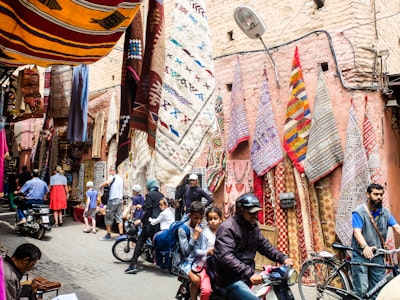
Wandering through the spice souks of Marrakech is an experience in itself, a vibrant assault on the senses. Pyramids of colorful spices — saffron, cumin, paprika, ginger, turmeric, and the famous *ras el hanout* (a blend of up to 30 spices) — line the stalls, releasing intoxicating aromas into the air.
- Buying Spices: This is the place to stock up on fresh, authentic Moroccan spices. Don't be afraid to haggle a little, but always with a friendly smile. The quality and vibrancy of the spices here are unparalleled.
- Beyond Spices: You’ll also find medicinal herbs, argan oil (culinary and cosmetic), *amlou* (a delicious argan oil, almond, and honey spread), and a myriad of natural remedies. Engage with the vendors; they often have fascinating stories and knowledge to share about their wares. The spice souk is not just a shopping destination but a place to absorb the ancient traditions of Moroccan healing and flavor-making.
Hidden Gems: Riads and Rooftop Terraces
For a more refined and intimate dining experience away from the hustle and bustle, Marrakech's numerous riads and rooftop restaurants offer tranquil oases.
- Riad Dining: Many traditional guesthouses (riads) offer exquisite dinners, often prepared by resident cooks using fresh, local ingredients. Dining in a riad typically involves a set menu served in a beautiful courtyard or on a private terrace, providing an authentic and romantic ambiance. Reservations are usually essential. These meals are often among the best you'll have, offering home-cooked quality in an elegant setting.
- Rooftop Terraces: Ascend to a rooftop terrace for breathtaking panoramic views over the Medina, especially stunning at sunset. Restaurants like Nomad, Le Jardin, or Cafe des Epices (though more casual) offer delicious Moroccan-inspired cuisine in stylish settings, allowing you to dine under the stars while soaking in the city's vibrant energy. These spots are perfect for a relaxed lunch or a memorable dinner with a view.
Navigating Marrakech's Food Scene: Practical Tips for Foodies
To ensure your culinary journey through Marrakech is as enjoyable and seamless as possible, keep these practical tips in mind.
Dietary Considerations and Safety
- Vegetarian/Vegan: Marrakech is surprisingly accommodating for vegetarians and vegans. Vegetable tagines, couscous with vegetables, numerous Moroccan salads (*zaalouk*, *taktouka*, lentil salad, chickpea salad), *harira* soup (ensure it's meat-free), and fresh bread are widely available. Simply specify "sans viande" (without meat) or "végétarien."
- Halal: Morocco is a Muslim country, so all meat served in restaurants and street stalls is inherently halal.
- Allergies: While awareness of allergies is growing, communication can sometimes be a challenge due to language barriers. If you have severe allergies, it's advisable to carry a translation card detailing your specific allergens. Stick to simpler dishes where ingredients are easier to identify.
- Bottled Water: Always drink bottled water. Tap water is generally not safe for consumption by tourists.
- Wash Hands: Practice good hand hygiene, especially before and after eating street food.
- Choose Wisely at Jemaa el-Fna: As mentioned, busy stalls often indicate high turnover and fresh ingredients. Stick to hot, freshly cooked food. Avoid unpeeled fruits from unknown vendors.
- Peel or Cook It: When in doubt about fruits or vegetables, stick to items you can peel yourself or those that have been thoroughly cooked.
Tipping Etiquette
Tipping in Marrakech, while not mandatory, is appreciated and a common practice, especially in tourist-focused areas.
- Restaurants: For good service in restaurants, a tip of 10-15% is standard.
- Cafes: For just drinks or a light snack, rounding up the bill or leaving a few dirhams (5-10 MAD) is sufficient.
- Street Food Stalls: Tipping at street food stalls is less common, but if you've had exceptional service or a particularly generous portion, a small tip (2-5 MAD) would be a nice gesture.
- Guides/Drivers: For tour guides or private drivers, a larger tip is expected, depending on the length and quality of the service.
Best Time to Visit for Food Lovers
Marrakech's culinary delights can be enjoyed year-round, but certain seasons offer a more comfortable experience for extensive food exploration:
- Spring (March-May) and Autumn (September-November): These shoulder seasons offer pleasant temperatures, making it ideal for walking through the Medina, exploring the souks, and dining outdoors, especially at the Jemaa el-Fna square. The produce is also abundant and fresh.
- Winter (December-February): Cooler temperatures are perfect for warm, hearty tagines, comforting soups like *Harira*, and hot mint tea. Street food is still vibrant, and you'll find fewer crowds.
- Summer (June-August): While very hot, locals still enjoy their traditional meals, and fresh juices are a welcome relief. However, intensive food tours might be less comfortable during peak heat.
Beyond the Traditional: Modern Marrakech Dining
While Marrakech proudly celebrates its rich culinary heritage, the city isn't stagnant. A new wave of modern cafes and contemporary restaurants has emerged, particularly in the Gueliz district (the 'new town') and discreetly within the Medina. These establishments offer a refreshing take on Moroccan cuisine, often blending traditional flavors with international techniques, or providing a chic setting for familiar comforts.
You'll find stylish eateries serving healthy, organic fare, fusion restaurants that experiment with Moroccan ingredients in innovative ways, and trendy cafes perfect for a quick espresso or a light, modern lunch. While maintaining authenticity, these spots cater to a global palate, offering everything from gourmet burgers with a Moroccan twist to beautifully plated tagines and inventive salads. This evolution ensures that Marrakech's food scene remains dynamic and diverse, providing options for every taste and preference, from those seeking a deep dive into tradition to those desiring a contemporary culinary experience.
Frequently Asked Questions (FAQ) About Eating in Marrakech
Navigating a new culinary landscape can bring up many questions. Here are some of the most common inquiries from visitors about eating in Marrakech:
Q: Is tap water safe to drink in Marrakech?
A: No, it is generally not safe for tourists to drink tap water in Marrakech. Always stick to bottled water, which is widely available and inexpensive. Use bottled water for brushing your teeth as well.
Q: Is Marrakech food spicy?
A: Moroccan food is generally aromatic and flavorful rather than overtly spicy. Spices like cumin, ginger, turmeric, saffron, and paprika are used generously, but rarely in a way that generates intense heat. If you prefer a kick, ask for harissa (a chili paste) on the side.
Q: Can I find vegetarian/vegan options easily?
A: Yes, Marrakech is surprisingly vegetarian-friendly. Many traditional dishes like vegetable tagines, lentil and chickpea salads, *zaalouk* (eggplant dip), and *taktouka* (cooked pepper and tomato salad) are naturally vegetarian. Specify "sans viande" (without meat) or "végétarien" when ordering. Vegan options are also available, but may require a bit more communication.
Q: How much does food cost in Marrakech?
A: Food costs can vary widely. Street food in Jemaa el-Fna is incredibly affordable, with a full meal often costing between 30-70 MAD (€3-€7). Mid-range restaurants might cost 100-200 MAD (€10-€20) per person for a main course and drink, while high-end riad restaurants can be 300 MAD (€30) or more. Fresh orange juice is typically 4-10 MAD (€0.40-€1).
Q: Is it safe to eat street food in Jemaa el-Fna?
A: Yes, generally it is safe, and eating street food is a quintessential Marrakech experience. To minimize risk, choose stalls that are busy with locals (indicating freshness and popularity), ensure food is cooked thoroughly and served hot, and practice good hand hygiene. Trust your instincts – if a stall looks unhygienic, move on.
Q: What's the etiquette for drinking mint tea?
A: Mint tea is a symbol of Moroccan hospitality. Accept at least one glass when offered. It’s usually served very sweet. Don't worry about slurping – it's common and often encouraged as a sign of enjoyment. The pouring from a height is an art to aerate the tea and cool it.
Q: Are reservations needed for restaurants?
A: For popular or high-end restaurants, especially riad restaurants, reservations are highly recommended, sometimes essential. For casual cafes or most street food stalls, no reservations are needed.
Q: Can I buy alcohol in Marrakech?
A: Morocco is a Muslim country, but alcohol is available in tourist areas. You can find it in licensed restaurants, bars, hotels, and some supermarkets (often in a separate section). It's generally more expensive than in Western countries. Public consumption of alcohol is frowned upon.
Q: What is Amlou?
A: Amlou is a delicious Moroccan dip or spread, often referred to as "Moroccan Nutella." It's made from toasted almonds, argan oil, and honey, blended into a rich, nutty, and sweet paste. It's often served with bread for breakfast or a snack.
Conclusion
Marrakech is a city that doesn't just invite you to visit; it beckons you to taste, to smell, to truly savor its essence. Its culinary landscape is a reflection of its history, its culture, and the warmth of its people. From the electrifying energy of Jemaa el-Fna's street food symphony to the serene elegance of a riad dining experience, every meal is an opportunity for discovery.
We hope this Marrakech food guide has equipped you with the knowledge and inspiration to dive deep into the city's gastronomic heart. Be adventurous, try new flavors, engage with the local vendors, and let the aromas guide you through the ancient souks. Whether it's the comforting warmth of a tagine, the vibrant freshness of a Moroccan salad, the ritual of mint tea, or the sweet indulgence of a pastry, the food of Marrakech promises an unforgettable journey for your palate.
So, pack your appetite and prepare to embark on an incredible culinary adventure. Marrakech is waiting to tantalize your taste buds and leave you with delicious memories that will last a lifetime. Plan your culinary exploration today and discover why the Red City is a true foodie paradise!