Marrakech Travel Guide 2026 – Complete Morocco Travel Guide
The Ultimate Marrakech Travel Guide: Unveiling the Red City's Magic
Step into a world where ancient traditions dance with vibrant modernity, where the air hums with the calls of merchants and the aroma of exotic spices. Welcome to Marrakech, Morocco's enchanting "Red City," a place that promises an adventure for every sense. Nestled at the foot of the Atlas Mountains, Marrakech is a bustling imperial city, a gateway to the Sahara, and a kaleidoscope of culture, history, and unparalleled experiences.
This comprehensive Marrakech travel guide will equip you with everything you need to navigate its labyrinthine souks, discover hidden palaces, savour its exquisite cuisine, and immerse yourself in its captivating rhythm. Whether you're a first-time visitor or returning to uncover new secrets, prepare to be charmed by the magic of Marrakech.
Why Marrakech Should Be Your Next Adventure
Marrakech is more than just a destination; it's an experience. It’s a city that grabs you by the hand and pulls you into its vibrant heart, offering a tapestry of reasons why it should top your travel list:
- A Feast for the Senses: From the moment you arrive, Marrakech will awaken every sense. The vibrant colours of the souks, the intricate patterns of the architecture, the melodic calls to prayer, the scent of mint tea and tagine, and the energetic pulse of Djemaa el-Fna Square all combine to create an unforgettable sensory overload.
- Rich History and Culture: As one of Morocco's four imperial cities, Marrakech boasts a history stretching back over a thousand years. Its palaces, mosques, madrasas, and gardens tell tales of sultans, scholars, and a melting pot of Berber, Arab, and Andalusian influences.
- Architectural Marvels: Explore stunning examples of Islamic architecture, from the delicate stucco and zellij tiles of the Bahia Palace to the serene courtyards of the Ben Youssef Madrasa. Each building is a testament to the city's artistic heritage.
- Gateway to Adventure: Marrakech serves as the perfect launchpad for exploring the wider Moroccan landscape. From the snow-capped Atlas Mountains to the golden dunes of the Sahara Desert, incredible day trips and multi-day excursions are easily accessible.
- Unforgettable Shopping: The souks of Marrakech are legendary. Here, you can haggle for everything from hand-knotted carpets and intricate lanterns to fragrant spices and exquisite leather goods, making for unique souvenirs and cherished memories.
- Warm Hospitality: Moroccans are renowned for their hospitality, and Marrakechis are no exception. You'll often be greeted with a warm smile, an offer of mint tea, and a genuine desire to make you feel welcome.
Top Things to Do in Marrakech: A Journey Through Time and Culture
Marrakech is packed with iconic landmarks, bustling squares, and serene gardens. To truly experience the city, you'll need to dive into its diverse offerings.
Immerse Yourself in Djemaa el-Fna Square
The beating heart of Marrakech, Djemaa el-Fna Square is a UNESCO World Heritage site and an absolute must-visit. By day, it's a bustling market with snake charmers, water sellers, and street performers. As dusk descends, the square transforms into an open-air spectacle: hundreds of food stalls appear as if by magic, storytellers captivate crowds, musicians play traditional tunes, and acrobats entertain. Find a spot on a rooftop terrace overlooking the square for the best panoramic views of this mesmerising transformation.
Wander the Labyrinthine Souks
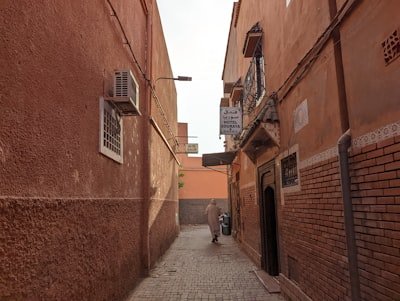
Adjacent to Djemaa el-Fna, the souks (markets) of Marrakech are a sensory wonderland. Each alleyway is dedicated to a different trade – textiles, leather, spices, metalwork, pottery, carpets, and more. Lose yourself in the colourful chaos, practise your bargaining skills, and discover unique treasures. Don't be afraid to get a little lost; it's part of the charm, and locals are usually happy to point you in the right direction (though some might expect a small tip).
Discover the Grandeur of Bahia Palace
Meaning "brilliance" or "palace of the beautiful," the Bahia Palace lives up to its name. Built in the late 19th century, it was intended to be the greatest palace of its time. With 150 rooms, lush courtyards, and tranquil gardens, it showcases exquisite Moroccan and Islamic architecture. Marvel at the intricate mosaic tilework (zellij), painted cedarwood ceilings, and delicate stucco carvings that adorn every surface. It's a serene escape from the Medina's bustle and a photographer's dream.
Step into Serenity at Jardin Majorelle (Yves Saint Laurent Garden)
A vibrant oasis of calm, the Jardin Majorelle was created by French painter Jacques Majorelle over forty years and later restored by fashion designer Yves Saint Laurent and his partner Pierre Bergé. Famous for its striking cobalt blue buildings (Majorelle Blue), exotic plant collection, and tranquil atmosphere, it's a stark contrast to the ochre tones of the city. The garden also houses the Berber Museum, offering insights into Morocco's indigenous culture. Arrive early to avoid the crowds.
Marvel at the Koutoubia Mosque
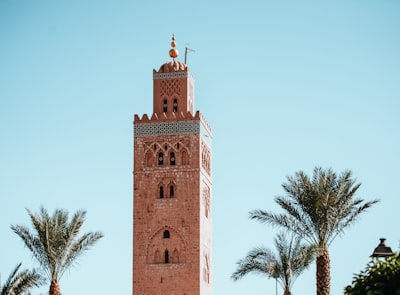
The largest mosque in Marrakech, the Koutoubia Mosque's towering minaret is a significant landmark visible from various points in the city. Its name, "mosque of the booksellers," refers to the souk of manuscripts that once stood nearby. While non-Muslims cannot enter the mosque itself, admiring its impressive architecture and the surrounding gardens is a must. Its design influenced Seville's Giralda and Rabat's Hassan Tower.
Explore the Saadian Tombs
Hidden and rediscovered in 1917, the Saadian Tombs date back to the 16th century, serving as the royal necropolis for the Saadian dynasty. These beautifully preserved tombs feature intricate carvings, stucco work, and colourful tiles. The most impressive chamber, the Room of the 12 Pillars, houses the tombs of Sultan Ahmad al-Mansur and his family. The queue can be long, but the brief glimpse inside is worth the wait.
Visit Ben Youssef Madrasa
Once the largest Islamic college in North Africa, the Ben Youssef Madrasa is a breathtaking example of Moroccan architecture and a testament to the country's rich intellectual history. Its stunning courtyard, adorned with intricate zellij tiles, carved cedarwood, and marble, provides a sense of grandeur and peace. Explore the student dormitories, imagine life as a scholar, and admire the delicate craftsmanship. After extensive renovations, it reopened in 2021, once again welcoming visitors.
Relax in a Traditional Hammam
Experience a quintessential Moroccan tradition by indulging in a hammam. This public bath ritual involves steam, scrubbing, and massage, leaving your skin feeling incredibly soft and refreshed. You can opt for a local hammam for an authentic experience (often gender-separated) or a more luxurious spa hammam offered by many riads and hotels.
Take a Cooking Class
Unravel the secrets of Moroccan cuisine by taking a hands-on cooking class. Many classes begin with a trip to the local market to source fresh ingredients, followed by preparing classic dishes like tagine, tangia, or couscous, culminating in feasting on your delicious creations. It's a fantastic way to engage with the culture and bring a taste of Marrakech home with you.
Experience a Hot Air Balloon Ride
For a truly magical perspective of Marrakech and its surroundings, consider a sunrise hot air balloon ride. Drift silently above the Palmeraie (palm groves) and the dramatic foothills of the Atlas Mountains as the sun paints the landscape in golden hues. It's an unforgettable experience offering breathtaking photographic opportunities.
A Culinary Journey: What to Eat in Marrakech
Moroccan cuisine is renowned worldwide for its aromatic spices, fresh ingredients, and rich flavours. Marrakech is a foodie paradise, offering everything from street-side snacks to fine dining experiences.
Must-Try Moroccan Dishes
- Tagine: The national dish, cooked and served in a distinctive conical clay pot. Options include chicken with preserved lemon and olives, beef with prunes and almonds, or various vegetarian combinations.
- Tanjia: A Marrakechi speciality, similar to tagine but cooked slowly in an urn-like clay pot in the embers of a public hammam furnace. Typically made with succulent lamb or beef, garlic, cumin, and saffron.
- Couscous: Often served on Fridays, couscous is steamed semolina grains served with a stew of meat and vegetables.
- Harira: A hearty and flavourful soup, typically made with tomatoes, lentils, chickpeas, and lamb or beef, often broken fast during Ramadan.
- Brochettes: Skewers of marinated meat (chicken, lamb, or beef) grilled to perfection, found everywhere from street stalls to restaurants.
- Pastries: Indulge in sweet Moroccan pastries like *chebakia* (sesame cookies soaked in honey) or *ghriba* (almond cookies).
Street Food Delights
Djemaa el-Fna Square comes alive with food stalls after sunset. Don't be shy; pull up a stool and try:
- Snail Soup (Babbouche): A traditional Marrakechi delicacy, said to have medicinal properties.
- Ma'akouda: Fried potato fritters, often served with a spicy sauce.
- Msemen: Flaky, pan-fried flatbread, often served with honey or cheese for breakfast or a snack.
- Harira: Available at many stalls, perfect for a warming start.
Where to Dine
- Djemaa el-Fna Food Stalls: For an authentic, bustling experience. Look for stalls bustling with locals – it's often a good sign.
- Riad Restaurants: Many riads offer exquisite multi-course Moroccan dinners in a romantic setting, often requiring reservations.
- Traditional Eateries: Explore the Medina's nooks and crannies for small, family-run restaurants offering delicious and affordable local fare.
- Gueliz (New City): Offers more modern, international, and upscale dining options.
Don't Forget the Mint Tea!
Known as "Moroccan whisky," mint tea (Atay) is a symbol of hospitality. It's offered everywhere, from shops to riads. Enjoy the ritual of its pouring and the sweet, refreshing taste.
Where to Stay in Marrakech: Finding Your Perfect Oasis
Choosing the right accommodation can significantly enhance your Marrakech experience. The city offers a range of options, from traditional riads to luxurious resorts.
Riads: The Authentic Moroccan Experience
Riads are traditional Moroccan houses, often converted into boutique guesthouses, located within the Medina walls. They are characterised by their inward-facing architecture, with rooms opening onto a central courtyard, often featuring a fountain or small pool. Staying in a riad offers:
- Authenticity: Experience traditional Moroccan hospitality and design.
- Peace and Quiet: A serene escape from the bustling Medina outside its walls.
- Personalised Service: Often family-run, offering a more intimate experience.
- Central Location: Ideal for exploring the Medina's attractions on foot.
Luxury Hotels and Resorts
For those seeking modern amenities, extensive facilities, and larger spaces, Marrakech has a selection of world-class luxury hotels and resorts. These are often found in:
- Palmerie: The palm groves outside the city, offering sprawling estates and golf courses.
- Hivernage: The affluent new town area, known for its grand hotels, casinos, and nightclubs.
- Gueliz: The modern European-style district, with contemporary hotels and easy access to shops and restaurants.
Budget-Friendly Options
Marrakech also caters to budget travellers with numerous hostels, budget guesthouses, and smaller, simpler riads within the Medina. These offer a chance to experience the city without breaking the bank.
Best Neighborhoods
- The Medina: Perfect for first-time visitors who want to be immersed in the historical and cultural heart of Marrakech. You'll be within walking distance of most major attractions, souks, and Djemaa el-Fna.
- Gueliz: The modern district, offering a more contemporary European feel with wide avenues, international brands, and cafes. A good choice if you prefer a quieter stay with easy access to modern conveniences, though a taxi ride from the Medina.
- Hivernage: An upscale residential and hotel district, ideal for those seeking luxury hotels, spas, and a tranquil environment, still within a short taxi ride of the Medina.
Shopping in Marrakech: A Treasure Hunter's Paradise
Shopping in Marrakech is an adventure in itself, an intoxicating blend of sensory overload and the thrill of the hunt.
Souks of the Medina
The souks are where most of the magic happens. Each section specialises in different goods:
- Spices: Aromatic mounds of saffron, turmeric, cumin, and Ras el Hanout.
- Leather Goods: Bags, pouffes, belts, and slippers (babouches).
- Textiles: Colourful fabrics, scarves, kaftans, and traditional Moroccan clothing.
- Carpets and Rugs: From vibrant Berber rugs to intricate kilims, a wide array of options for every budget. Be prepared for a lengthy selection process and a strong cup of mint tea!
- Lanterns: Intricately designed metal lanterns, casting beautiful shadows.
- Pottery and Ceramics: Tagines, bowls, and plates, often hand-painted.
- Jewellery: Silver and gold pieces, often with traditional Berber designs.
- Argan Oil: "Liquid gold" from Morocco, used in cooking and cosmetics.
Bargaining Etiquette
Bargaining is an integral part of the shopping experience in the souks. Don't be afraid to haggle; it's expected and can be a fun interaction.
- Start Low: A common strategy is to start at about half to a third of the initial price offered.
- Be Polite and Friendly: A smile and good humour go a long way.
- Know Your Price: Decide beforehand what you're willing to pay.
- Walk Away (Sometimes): If you can't agree on a price, politely walk away. The merchant might call you back with a better offer.
- Only Bargain if You Intend to Buy: Don't waste a merchant's time if you're not serious about purchasing.
Modern Boutiques and Galleries
Beyond the traditional souks, districts like Gueliz and Sidi Ghanem (the industrial quarter) house modern boutiques, art galleries, and designer showrooms offering contemporary Moroccan design and international brands. These shops usually have fixed prices.
Practical Tips for Visiting Marrakech
To ensure your trip to Marrakech is smooth and enjoyable, here are some essential practical tips.
Getting There
Marrakech Menara Airport (RAK) is well-connected with direct flights from many European cities. From the airport, you can take a grand taxi (fixed price, negotiate beforehand) or the ALSA airport bus (Line 19) to Djemaa el-Fna or Gueliz. Many riads also offer airport transfers, which is recommended for first-time visitors entering the maze of the Medina.
Getting Around
- Walking: The best way to explore the Medina's narrow alleys. Wear comfortable shoes!
- Petit Taxis: Small, metered beige cars for short distances within the city. Insist on the meter; if they refuse, negotiate the price beforehand.
- Caleches (Horse-Drawn Carriages): A charming way to see the city, especially the Palmeraie or along the city walls. Agree on the price before starting.
- Ride-Sharing Apps: Careem operates in Marrakech, offering a convenient way to get around with upfront pricing.
Best Time to Visit
The ideal times to visit Marrakech are:
- Spring (March-May): Pleasant temperatures (20-30°C/68-86°F) and blooming gardens.
- Autumn (September-November): Similar to spring, with comfortable warmth.
- Winter (December-February): Cooler days (15-20°C/59-68°F) and chilly nights, but still mostly sunny.
- Summer (June-August): Extremely hot (often over 40°C/104°F), making sightseeing challenging. If visiting, focus on indoor activities and relax by the pool.
Currency and Money Matters
The local currency is the Moroccan Dirham (MAD). ATMs are widely available in Gueliz and near major tourist spots in the Medina. Credit cards are accepted in larger hotels, restaurants, and shops, but cash is essential for souks, street food, and smaller purchases. It's illegal to take Dirhams out of the country, so spend or exchange any leftover currency before you leave.
Language
The official languages are Arabic (specifically Moroccan Arabic, or Darija) and Berber (Tamazight). French is widely spoken, especially in tourist areas. English is also becoming increasingly common among vendors and tour guides. Learning a few basic Darija phrases like "Salam alaykum" (hello), "Shukran" (thank you), and "La shukran" (no thank you) will be appreciated.
Safety and Scams
Marrakech is generally safe for tourists, but like any major city, it has its share of petty crime and common tourist scams.
- Pickpocketing: Be aware in crowded areas like Djemaa el-Fna and the souks.
- False Guides: Unsolicited "guides" offering to show you around the souks. Be firm but polite in declining their services. If you need a guide, arrange one through your riad or a reputable agency.
- Beggars: You will encounter beggars, especially around Djemaa el-Fna. A polite "la shukran" is usually sufficient.
- Taxi Fares: Insist on the meter or agree on a price before getting in.
- Be Aware: Stay vigilant, especially at night, and avoid poorly lit or deserted areas.
- Solo Female Travellers: Generally safe, but expect more attention and occasional comments. Dressing modestly and being confident can help.
Cultural Etiquette and Dress Code
Morocco is a conservative Muslim country. Respectful behaviour and dress are appreciated.
- Dress Modestly: For women, covering shoulders and knees is advisable, especially in religious sites and less touristy areas. Men should also avoid overly revealing clothing.
- Photography: Always ask permission before photographing people, especially women and children. Be prepared for a "no" or a request for a small fee.
- Ramadan: During the holy month of Ramadan, many restaurants and cafes close during the day, and public eating/drinking is discouraged. However, most tourist establishments remain open. The city comes alive after sunset during this time.
- Public Displays of Affection: Keep them to a minimum.
Hydration and Health
- Water: Tap water is generally not safe for drinking. Stick to bottled water.
- Sun Protection: The sun can be intense. Wear sunscreen, a hat, and sunglasses.
- Food Hygiene: Be mindful of where you eat, especially street food. Look for busy stalls with high turnover.
Internet and Connectivity
SIM cards are readily available at the airport or mobile provider stores (Maroc Telecom, Orange, Inwi) and are inexpensive. Wi-Fi is common in hotels, riads, and many cafes.
Day Trips from Marrakech: Exploring Beyond the Red City
While Marrakech has endless charms, don't miss the opportunity to explore the diverse landscapes and cultural sites beyond its walls.
Ourika Valley
Just an hour's drive south, the Ourika Valley offers a refreshing escape into the foothills of the High Atlas Mountains. Explore traditional Berber villages, hike to waterfalls (Setti Fatma is popular), and enjoy lunch by the river. It's a great way to experience a different side of Morocco.
Essaouira
A beautiful coastal town approximately 2.5 hours west of Marrakech, Essaouira offers a relaxed, bohemian vibe. Famous for its blue and white Medina, historic ramparts, bustling fishing port, and strong winds (making it popular for windsurfing), it's a perfect contrast to the intensity of Marrakech. Enjoy fresh seafood, stroll along the beach, and explore artisan shops.
Ouzoud Waterfalls
About 2.5 hours northeast of Marrakech, the Ouzoud Waterfalls are Morocco's second-tallest waterfalls, cascading over 100 meters in several tiers. Enjoy a scenic hike down to the base, take a raft ride, and look out for the resident Barbary monkeys.
Ait Benhaddou and Ouarzazate
For a journey into ancient kasbahs and cinematic history, head south over the dramatic Tizi n'Tichka pass (High Atlas Mountains) to Ait Benhaddou (a UNESCO World Heritage site). This stunning fortified village has been the backdrop for many famous films. Nearby Ouarzazate is known as the "Gateway to the Desert" and hosts several film studios. This is typically a long day trip or better as an overnight trip.
Agafay Desert
If you don't have time for a multi-day trip to the Sahara, the Agafay Desert offers a closer desert experience just 45 minutes from Marrakech. While stony rather than sandy, it still provides a sense of vastness and offers activities like camel rides, quad biking, and glamping under the stars.
Conclusion: Your Unforgettable Marrakech Adventure Awaits
Marrakech is a city that defies easy description. It’s a sensory symphony, a living museum, and an unforgettable journey into the heart of Moroccan culture. From the exhilarating chaos of Djemaa el-Fna to the tranquil beauty of its gardens and palaces, the Red City promises an adventure that will linger in your memories long after you've returned home.
So pack your bags, prepare your senses, and get ready to be captivated by the magic of Marrakech. An unforgettable journey awaits you in this vibrant jewel of Morocco.
Frequently Asked Questions (FAQ) About Marrakech
### Is Marrakech safe for tourists?
Yes, Marrakech is generally safe for tourists. Like any major city, it's essential to be aware of your surroundings, especially in crowded areas like the souks and Djemaa el-Fna Square, where pickpocketing can occur. It's also advisable to politely decline unsolicited "guides" or offers of help to avoid potential scams. Solo female travellers might experience more attention but generally find the city welcoming.
### What is the best time of year to visit Marrakech?
The best times to visit Marrakech are spring (March to May) and autumn (September to November). During these seasons, temperatures are pleasantly warm (20-30°C / 68-86°F), making it ideal for sightseeing and exploring. Summers (June to August) are extremely hot, often exceeding 40°C (104°F), while winters (December to February) are cooler with occasional rain but generally sunny days.
### Can you drink tap water in Marrakech?
It is generally not recommended to drink tap water in Marrakech. Stick to bottled water, which is widely available. Use bottled water for brushing your teeth as well, especially if you have a sensitive stomach, to avoid any potential stomach upsets.
### Do I need a visa for Morocco?
Visa requirements for Morocco vary depending on your nationality. Many nationalities, including those from the EU, USA, Canada, UK, and Australia, do not require a visa for stays of up to 90 days. It's always best to check the latest visa requirements with your country's Ministry of Foreign Affairs or the Moroccan embassy/consulate nearest you before planning your trip.
### What currency is used in Marrakech?
The official currency of Morocco is the Moroccan Dirham (MAD). You cannot legally import or export Moroccan Dirhams, so you'll need to exchange your currency upon arrival or withdraw from ATMs. Major credit cards are accepted in larger hotels and restaurants, but cash is essential for souks, street food vendors, and smaller shops.
### Is it okay for women to travel alone in Marrakech?
Many women travel alone to Marrakech and have wonderful experiences. However, solo female travellers should be prepared for increased attention, including stares and occasional comments (harmless for the most part). Dressing modestly, carrying yourself with confidence, and being firm but polite when declining unwanted attention can help. Staying in a reputable riad with good reviews is also recommended.
### What should I wear in Marrakech?
Morocco is a Muslim country, so dressing modestly is appreciated out of respect for local culture. For women, this typically means covering your shoulders and knees. Loose-fitting trousers, long skirts, maxi dresses, and tops with sleeves are good choices. Men should also avoid overly revealing clothing. Comfortable walking shoes are essential for navigating the Medina's streets.
### Is haggling common in Marrakech?
Yes, haggling is very common and expected when shopping in the souks and traditional markets of Marrakech. It's part of the cultural experience and can be a fun interaction. Start by offering around 30-50% of the initial asking price and negotiate politely from there. Only bargain if you are serious about purchasing an item.
### How many days do I need in Marrakech?
To experience the main highlights of Marrakech and get a good feel for the city, a minimum of 3 to 4 full days is recommended. This allows you to explore the Medina, visit key attractions, shop in the souks, and enjoy the evenings in Djemaa el-Fna. If you plan to take day trips to places like the Ourika Valley or Essaouira, you'll need to extend your stay to 5-7 days.