Marrakech Top Attractions 2026 – Complete Morocco Travel Guide
Unveiling the Red City's Charms: Your Ultimate Guide to Marrakech's Top Attractions
Marrakech, often called the "Red City" due to its distinctive terracotta-colored buildings, is a vibrant, ancient imperial city nestled at the foot of the Atlas Mountains in Morocco. It's a place where history whispers from every narrow alleyway, where the scent of spices mingles with the call to prayer, and where tradition dances hand-in-hand with modernity. For travelers seeking an unforgettable blend of sensory experiences, cultural immersion, and breathtaking sights, Marrakech offers an unparalleled adventure.
From its bustling souks and serene gardens to its magnificent palaces and historic tombs, the city is a treasure trove of discovery. This comprehensive guide will take you through the absolute top attractions and essential experiences that define the magic of Marrakech, ensuring you make the most of your journey into the heart of Moroccan culture. Prepare to be enchanted by a destination that awakens the senses and captures the soul.
The Heartbeat of Marrakech: Iconic Landmarks & Experiences
Marrakech's most famous attractions are deeply interwoven with its rich history and daily life, offering visitors a direct pulse of the city's unique energy.
Djemaa el-Fna: The Grand Spectacle
No visit to Marrakech is complete without stepping into the chaotic yet captivating embrace of Djemaa el-Fna. This UNESCO World Heritage site is more than just a square; it's the living, breathing heart of the city, a theatrical stage that transforms dramatically from day to night.
By day, the square buzzes with a relatively calmer energy. You'll find snake charmers coaxing their cobras to sway, water sellers in traditional garb clanking their metal cups, and storytellers captivating small circles of onlookers. Fresh orange juice stalls dot the perimeter, offering a refreshing respite from the Moroccan sun.
As dusk descends, Djemaa el-Fna undergoes a magical metamorphosis. Hundreds of food stalls materialize as if from thin air, sending fragrant plumes of smoke and the sizzle of cooking meat into the evening sky. The square becomes a vibrant open-air restaurant, serving everything from succulent tagines and grilled brochettes to harira soup and snail soup. Amidst the culinary delights, musicians gather, their melodies filling the air, while acrobats tumble, dancers twirl, and fortune tellers weave their tales. The sheer energy, sounds, and aromas create an intoxicating atmosphere that embodies the spirit of Marrakech. It’s a sensory overload in the best possible way, a place to simply sit, sip mint tea, and watch the world go by.
The Labyrinthine Medina & Souks: A Shopper's Paradise
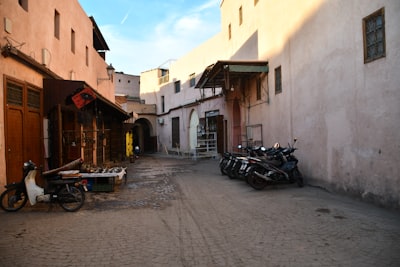
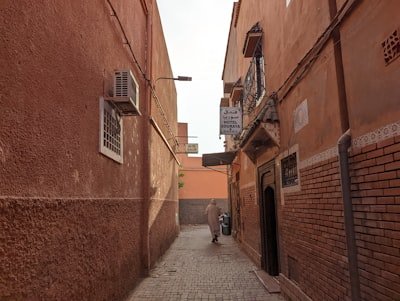
Surrounding Djemaa el-Fna, the Medina of Marrakech is a sprawling, ancient walled city, a UNESCO World Heritage site in itself. Within its ochre walls lies a dizzying labyrinth of narrow alleyways that house the famous Marrakech souks. Getting lost here is not just probable; it's part of the experience, leading you to unexpected discoveries around every corner.
The souks are a vibrant mosaic of colors, sounds, and smells. Each section often specializes in a particular craft: the Souk Semmarine for textiles and leather goods, the Souk des Teinturiers (Dyers' Souk) with skeins of dyed wool hanging overhead, the Souk Smata for babouches (soft leather slippers), and the Souk Cherratin for leather bags and belts. You'll find intricately carved lanterns, gleaming silver jewelry, aromatic spices piled high, hand-woven carpets, exquisite pottery, and traditional Moroccan clothing.
Haggling is an expected and enjoyable part of the shopping experience here. It's a playful dance between buyer and seller, and a good-natured negotiation can often lead to a fair price and a memorable interaction. Beyond the shopping, the souks offer an incredible glimpse into traditional Moroccan craftsmanship and daily life, a true feast for the senses.
Koutoubia Mosque: Marrakech's Majestic Beacon
Standing tall and proud, the Koutoubia Mosque is Marrakech's most iconic landmark and a masterpiece of Almohad architecture. Its magnificent minaret, reaching nearly 77 meters (253 feet) into the sky, serves as a prominent beacon, visible from various points across the city and providing an excellent navigational aid within the Medina.
Built in the 12th century, the Koutoubia's design is characterized by its elegant simplicity, intricate decorative bands, and distinct pinkish-red hue that matches the city's walls. While the interior of the mosque is strictly reserved for Muslims, its grandeur can be admired from the outside. The surrounding Koutoubia Gardens offer a serene escape with beautiful rose bushes, orange trees, and fountains, providing a perfect spot to relax and appreciate the mosque's imposing presence, especially enchanting at sunset when the light bathes its ancient stones in a warm glow.
Palatial Grandeur & Serene Sanctuaries
Marrakech boasts several stunning examples of Moroccan architecture, from opulent palaces to serene gardens, each telling a story of the city's regal past and artistic heritage.
Bahia Palace: A Glimpse into Royal Opulence
Step into the Bahia Palace, and you'll be transported to a world of intricate Islamic artistry and 19th-century Moroccan grandeur. Built in the late 1800s for Si Moussa, Grand Vizier of the Sultan, and later expanded by his son and successor, Ahmed ben Moussa, the palace was intended to be the greatest palace of its time, capturing the essence of Islamic and Moroccan architectural styles.
"Bahia" means "brilliance," and the palace certainly lives up to its name. While unfurnished today, its beauty lies in its breathtaking decorative details: vibrant zellige tilework covering floors and walls, intricately painted cedarwood ceilings, stunning stuccowork, and lush courtyards filled with orange trees and jasmine. You can explore private apartments, vast courtyards, and grand reception halls, each offering a testament to the exquisite craftsmanship of Moroccan artisans. The Harem section, with its large courtyard and beautifully carved cedar ceiling, is particularly noteworthy. It's a peaceful oasis that offers a fascinating insight into the lavish lifestyle of the Moroccan elite of the era.
El Badi Palace: Echoes of a Golden Age
A stark contrast to the perfectly preserved Bahia Palace, El Badi Palace stands as a magnificent ruin, yet its imposing scale and historical significance are undeniable. Commissioned by Sultan Ahmad al-Mansur al-Dhahabi shortly after his ascension to the throne in 1578, this palace was once an extravagant testament to the Saadian dynasty's wealth and power. It was famously adorned with vast quantities of gold, crystal, turquoise, and marble, much of it imported from Italy, earning its name "the Incomparable Palace."
Today, after being plundered for its precious materials by Sultan Moulay Ismail in the late 17th century to build his own palace in Meknes, El Badi offers a hauntingly beautiful skeletal framework of its former glory. While the lavish decorations are gone, visitors can still wander through vast courtyards, sunken gardens, and remnants of pools and pavilions. The sheer size of the complex, the remains of its elaborate mosaic floors, and the strategic placement of its structures allow one to imagine its past splendor. It's also a popular nesting site for storks, whose large nests atop the ancient walls add another layer of charm to the ruins. Don't miss the underground dungeons and the small museum housed within the complex, displaying a beautifully restored 12th-century minbar (pulpit) from the Koutoubia Mosque.
Saadian Tombs: The Secret Necropolis
Hidden in plain sight for centuries, the Saadian Tombs are a testament to the rich history and exquisite artistry of the Saadian dynasty, which ruled Marrakech during a golden age from 1524 to 1659. Rediscovered in 1917, these opulent mausoleums are the final resting place of Sultan Ahmad al-Mansur and his family, along with many of his soldiers and servants.
The tombs are divided into two main sections: the most impressive is the Room of the Twelve Pillars, where al-Mansur himself and his closest family members are buried. This room is a marvel of delicate cedarwood ceilings, intricate stucco work, and columns made of Italian Carrara marble. The adjacent Hall of the Three Niches and the exterior gardens with their beautifully carved gravestones are equally captivating. The craftsmanship on display is breathtaking, reflecting the prosperity and artistic sophistication of the Saadian era. Visiting the Saadian Tombs offers a serene and contemplative journey back in time, revealing a hidden gem of Moroccan heritage.
Artistic Havens & Botanical Wonders
Amidst the bustling energy of Marrakech, lie tranquil gardens and architectural marvels that offer serene escapes and showcases of Moroccan and international artistry.
Jardin Majorelle (Majorelle Garden): A Cobalt Oasis
Perhaps one of Marrakech's most famous and Instagrammable attractions, the Jardin Majorelle is a captivating botanical garden and artist's landscape. Created over forty years by the French Orientalist painter Jacques Majorelle, it was later acquired and restored by fashion designers Yves Saint Laurent and Pierre Bergé in the 1980s.
The garden is a vibrant symphony of color and exotic flora, most notably distinguished by its striking "Majorelle Blue" buildings, a vibrant cobalt hue used throughout the property. Pathways are lined with towering cacti, graceful bamboo groves, delicate water lilies, and a diverse collection of plants from five continents. Streams and ponds are home to tranquil fish and water birds, creating a truly serene atmosphere. The former painting studio of Majorelle now houses the Berber Museum, showcasing a beautiful collection of Berber artifacts, textiles, and jewelry, offering insights into Morocco's indigenous culture. The Jardin Majorelle is a refreshing escape from the city's hustle, a vibrant splash of color and tranquility that stimulates the senses and inspires creativity.
Le Jardin Secret: An Eden in the Medina
Tucked away within the labyrinthine streets of the Medina, Le Jardin Secret lives up to its name, offering a surprisingly spacious and peaceful oasis. This historic riad, once home to several influential caids (local chiefs) of Marrakech, has been meticulously restored to its 19th-century glory, blending traditional Islamic garden design with exquisite Moroccan architecture.
The garden is divided into two main sections: an exotic garden showcasing plants from around the world, and an Islamic garden designed according to traditional Koranic principles of paradise, with symmetry, running water, and shaded areas. Visitors can explore beautiful courtyards adorned with vibrant zellige tiles, admire ornate fountains, and enjoy panoramic views of the Medina and the Atlas Mountains from the tower. Le Jardin Secret also houses a café and a shop. It's a wonderful place to escape the crowds, enjoy a quiet moment, and appreciate the beauty of traditional Moroccan garden design and craftsmanship.
Ben Youssef Madrasa: An Architectural Masterpiece
The Ben Youssef Madrasa (or Medersa) is one of Morocco's most magnificent examples of Islamic architecture and a poignant reminder of Marrakech's intellectual and spiritual heritage. For over five centuries, it served as a prominent Islamic college, attracting students from across the region to study theology and law.
Reopened to the public after extensive renovations, the madrasa is a breathtaking sight. Its central courtyard is a masterpiece of intricate zellige tilework, carved stucco, and delicate cedarwood panels, all designed with mesmerizing geometric patterns and elegant Arabic calligraphy. The craftsmanship is simply astounding, reflecting the peak of Saadian artistry. Surrounding the courtyard are the small, austere student dormitories, offering a stark contrast to the opulence of the main prayer hall and further highlighting the lives of those who studied there. Visiting the Ben Youssef Madrasa is a journey into a world of profound beauty and quiet contemplation, a must-see for anyone interested in art, architecture, and history.
Beyond the City Walls: Unique Experiences & Day Trips
While the heart of Marrakech offers endless discoveries, the surrounding regions present opportunities for unique adventures, from mountain escapes to coastal retreats.
Cyber Park (Arsat Moulay Abdeslam Cyber Park): Modern Green Space
For a contemporary contrast to the historical sites, the Cyber Park, also known as Arsat Moulay Abdeslam Cyber Park, offers a refreshing urban green space. Located just outside the Medina walls, this park beautifully blends traditional Moroccan garden design with modern technology. It features ancient trees, fountains, and quiet pathways, alongside free Wi-Fi zones and interactive screens that tell the story of the park and its history. It's a pleasant spot for a stroll, a moment of relaxation, or to catch up on emails amidst greenery.
Marrakech Museum: Cultural Insights
Housed in the beautiful Dar Menebhi Palace, the Marrakech Museum offers a diverse collection of Moroccan art and artifacts. The palace itself is an architectural gem, featuring a stunning central courtyard with a large chandelier and intricate decorations. The museum's exhibits range from historical books, coins, and pottery to contemporary Moroccan art, providing valuable insights into the country's rich cultural heritage. It's a fantastic place to appreciate both the artistry of the building and the breadth of Moroccan creativity.
Ourika Valley: Atlas Mountain Escape
Just an hour's drive south of Marrakech, the Ourika Valley offers a refreshing escape into the foothills of the High Atlas Mountains. This picturesque valley is renowned for its lush landscapes, traditional Berber villages clinging to hillsides, and the refreshing Setti Fatma waterfalls. A day trip here typically involves a scenic drive, stopping at local argan oil cooperatives, and enjoying a traditional Moroccan lunch by the river. For the adventurous, a hike up to the seven waterfalls of Setti Fatma is a popular activity, offering stunning views and a chance to cool off in the crisp mountain air.
Agafay Desert: Stone Desert Adventure
While Marrakech is often associated with the Sahara, the Agafay Desert, located just 40 minutes west of the city, offers a unique and accessible desert experience. Unlike the typical image of rolling sand dunes, Agafay is a stark, stony desert with dramatic, undulating hills that resemble lunar landscapes. It's an ideal spot for camel rides, quad biking, or even glamping under the stars. Many luxury desert camps have sprung up here, offering exquisite dining and comfortable accommodation, making for an unforgettable overnight stay or a memorable sunset experience with dinner.
Essaouira: Coastal Charm
For a change of pace and scenery, a day trip to the charming coastal city of Essaouira is highly recommended. Approximately a 2.5-hour drive from Marrakech, Essaouira is a fortified fishing port with a distinct European feel, thanks to its Portuguese colonial past. Its UNESCO-listed medina, vibrant blue and white houses, bustling port, and strong Atlantic winds make it a haven for artists, surfers, and seafood lovers. Stroll along the ramparts, explore the vibrant art galleries, watch the fishermen bring in their catch, and savor the freshest seafood lunch. It's a relaxing and beautiful contrast to the intensity of Marrakech.
Essential Marrakech Travel Tips
To enhance your experience and navigate Marrakech like a pro, keep these practical tips in mind.
Best Time to Visit
The ideal times to visit Marrakech are during the
spring (March to May) and
autumn (September to November). During these seasons, the weather is pleasantly warm and sunny, with comfortable temperatures ranging from the low 20s to high 20s Celsius (70s to 80s Fahrenheit). Summers (June to August) can be intensely hot, often exceeding 40°C (104°F), while winters (December to February) are mild but can be chilly in the evenings, with occasional rain.
Getting Around
The best way to explore the Medina and its souks is
on foot. You'll discover hidden gems and experience the city's true essence. For longer distances or when you're tired,
petit taxis are readily available. Always agree on a price before getting in, or ensure the meter is running.
Horse-drawn carriages (caleches) offer a charming, though slower, way to see the outer parts of the Medina and the New City.
What to Wear
Morocco is a Muslim country, and while Marrakech is accustomed to tourists, dressing respectfully is appreciated. For women, it's advisable to wear clothing that covers your shoulders and knees. Loose-fitting trousers, long skirts, and blouses are ideal. Men should also opt for long shorts or trousers and T-shirts. Comfortable walking shoes are a must for navigating the Medina's uneven surfaces.
Haggling in the Souks
Haggling is an integral part of the shopping experience in the souks. It's a cultural exchange, not a confrontation. Start by offering around a third to half of the initial asking price and work your way up. Be polite, friendly, and patient. If you can't agree on a price, it's perfectly fine to walk away – sometimes, the seller will call you back with a better offer.
Safety & Scams
Marrakech is generally safe for tourists, but like any bustling city, petty crime can occur. Be aware of your belongings, especially in crowded areas like Djemaa el-Fna. Common scams include unsolicited "guides" who offer to show you around (always agree on a price beforehand or politely decline), and henna artists who may pressure you for payment. Trust your instincts, be firm but polite in declining unwanted services, and if you're truly lost, ask for directions from shopkeepers rather than individuals in the street.
Local Cuisine & Dining
Marrakech is a food lover's paradise. Don't leave without trying:
- Tagine: A slow-cooked stew (meat, chicken, or vegetarian) prepared in an earthenware pot.
- Couscous: Often served on Fridays, this semolina dish is typically accompanied by meat and vegetables.
- Harira: A hearty and flavorful lentil and chickpea soup, especially popular during Ramadan.
- Brochettes: Grilled skewers of meat (lamb, beef, or chicken).
- Tangia: A slow-cooked meat dish, usually lamb or beef, prepared in an urn and cooked in a public oven.
- Mint Tea: The national drink, a symbol of Moroccan hospitality, served sweet and fresh.
- Pastries: Indulge in sweet, honey-drenched almond pastries.
Eating at the food stalls in Djemaa el-Fna is an iconic experience, but also explore the numerous excellent restaurants within the Medina and in the new city (Gueliz) for a more refined dining experience.
Frequently Asked Questions (FAQ) about Marrakech
Here are answers to some common questions travelers have about visiting Marrakech:
Is Marrakech safe for tourists?
Yes, Marrakech is generally safe for tourists. However, like any major city, it's important to be aware of your surroundings, especially in crowded areas like the Djemaa el-Fna and the souks. Petty theft can occur, so keep an eye on your belongings. Be polite but firm with insistent street vendors or unsolicited "guides." Women traveling alone should take extra precautions, such as dressing modestly and avoiding walking alone at night in poorly lit areas.
How many days do you need to visit Marrakech?
To comfortably explore Marrakech's main attractions and soak in its atmosphere,
3 to 4 full days are usually sufficient. This allows for exploration of the Medina, palaces, gardens, and an evening or two in Djemaa el-Fna. If you wish to include a day trip to the Atlas Mountains, Agafay Desert, or Essaouira, plan for
5 to 7 days in total.
What is the currency in Marrakech?
The official currency of Morocco is the
Moroccan Dirham (MAD). While Euros are sometimes accepted in larger establishments, it's best to use Dirhams for everyday transactions. You can exchange currency at banks, hotels, or exchange offices. ATMs are widely available in the new city (Gueliz) and in some parts of the Medina.
Can I drink tap water in Marrakech?
It is generally
not recommended to drink tap water in Marrakech. While it might be safe for locals, tourists' stomachs may not be accustomed to it. Stick to bottled water, which is readily available everywhere. Use bottled water for brushing your teeth as well.
What language is spoken in Marrakech?
The official languages of Morocco are
Arabic and
Berber. In Marrakech, Moroccan Arabic (Darija) is predominantly spoken. However,
French is widely understood and spoken, especially in tourist areas and by older generations. Many people involved in tourism also speak
English, particularly in hotels, restaurants, and shops catering to international visitors. Learning a few basic Arabic or French phrases (like "Shukran" for thank you, or "Salam alaikum" for hello) will be appreciated.
Is it okay for women to travel alone in Marrakech?
Yes, many women travel alone to Marrakech and have a wonderful time. However, it's important to be mindful of local customs. Dressing modestly (covering shoulders and knees) can help avoid unwanted attention. Be confident, avoid eye contact with strangers if you feel uncomfortable, and learn to politely decline persistent advances. Using reputable tour operators and pre-booking transfers can also enhance safety and comfort.
What should I avoid doing in Marrakech?
- Don't photograph people without permission: Especially snake charmers, street performers, and locals. Always ask first, and be prepared to offer a small tip if they agree.
- Avoid walking alone in deserted areas at night: Stick to well-lit, populated streets.
- Don't accept unsolicited "gifts": Often, these are a pretext for demanding money.
- Avoid overly aggressive haggling: While haggling is expected, do so respectfully and good-naturedly.
- Don't openly display large amounts of cash or valuables: Be discreet to avoid attracting unwanted attention.
- Avoid public displays of affection: Morocco is a conservative country.
Marrakech is a city that pulses with an energy unlike any other. It’s a place where ancient traditions blend seamlessly with a vibrant contemporary spirit, where every alleyway promises a new discovery, and every scent tells a story. From the theatrical spectacle of Djemaa el-Fna and the endless wonders of the souks to the serene beauty of its gardens and the architectural grandeur of its palaces, Marrakech offers an immersive and unforgettable travel experience.
This guide has aimed to equip you with the knowledge to explore the very best of the Red City’s top attractions. So pack your bags, prepare your senses, and get ready to be captivated by the enduring magic of Marrakech – a city that will undoubtedly leave an indelible mark on your heart and memory. Your adventure in this Moroccan jewel awaits!