Kathmandu Visa Guide 2026 – Complete Nepal Travel Guide
Your Ultimate Visa Guide to Kathmandu, Nepal: Unlocking Ancient Wonders and Himalayan Dreams
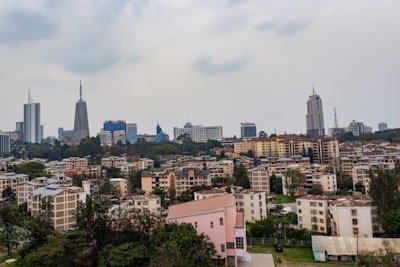
Kathmandu, the bustling capital of Nepal, is a city where ancient traditions fuse seamlessly with the vibrant pulse of modern life. Nestled in a valley surrounded by the majestic Himalayas, it's a gateway to spiritual enlightenment, thrilling adventures, and a rich cultural tapestry unlike anywhere else on Earth. From the sacred Pashupatinath Temple to the serene Boudhanath Stupa, and the historic Durbar Squares, Kathmandu promises an unforgettable journey for every traveler.
However, before you can lose yourself in the labyrinthine alleys or gaze upon the stunning architecture, one crucial step stands between you and your Himalayan dream: securing your Nepal visa. This comprehensive guide is designed to demystify the visa process for Kathmandu and Nepal, ensuring a smooth entry and an enriching travel experience. We'll cover everything from visa types and application procedures to essential documents, fees, and invaluable travel tips for your adventure.
Why Kathmandu? A Glimpse into Nepal's Soul
Kathmandu isn't just a city; it's an experience. For centuries, it has served as a melting pot of Hindu and Buddhist cultures, evident in its exquisite temples, monasteries, and unique architectural styles. As the historic heart of Nepal, it offers an incredible array of attractions that cater to diverse interests:
- Cultural Immersion: Wander through the UNESCO World Heritage Sites of Kathmandu Durbar Square, Patan Durbar Square, and Bhaktapur Durbar Square, each telling tales of ancient royalty and intricate Newari craftsmanship. Witness living goddesses, ancient courtyards, and ornate palaces.
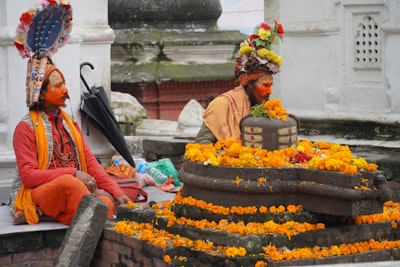
- Spiritual Awakening: Experience the profound peace at Boudhanath Stupa, one of the largest spherical stupas in the world, where pilgrims circumambulate with prayer wheels in hand. Visit Swayambhunath (Monkey Temple), perched on a hill offering panoramic views of the city, and Pashupatinath, Nepal's most sacred Hindu temple complex on the banks of the Bagmati River.
- Adventure Hub: Beyond the city's spiritual allure, Kathmandu serves as the primary gateway for trekkers embarking on journeys to Everest Base Camp, Annapurna Circuit, Langtang, and countless other Himalayan trails. It's also a hub for adventure sports like white-water rafting, paragliding, and bungee jumping.
- Culinary Delights: Explore a vibrant food scene, from traditional Nepali thali sets and momos (dumplings) to international cuisine, all against the backdrop of bustling markets and cozy rooftop cafes.
- Art and Handicrafts: Discover exquisite thangka paintings, intricate wood carvings, unique jewelry, and handcrafted textiles in the narrow lanes of Thamel and the artisan workshops of Patan and Bhaktapur.
Your journey to discover these wonders begins with understanding the Nepal visa requirements. Let's delve into the specifics to ensure your adventure starts without a hitch.
Navigating Nepal's Visa System: The Essentials
Nepal offers a relatively straightforward visa policy, making it accessible for most international travelers. The most common type of visa for tourists is the "Tourist Visa," which can often be obtained on arrival at Tribhuvan International Airport (TIA) in Kathmandu or at land border crossings. However, understanding the nuances based on your nationality is key.
Who Needs a Visa for Nepal?
Generally, all foreign nationals, except Indian citizens, require a visa to enter Nepal.
Visa-Exempt Countries
- India: Citizens of India do not require a visa to enter Nepal. They can enter with a valid passport or a government-issued photo ID card (e.g., Aadhar Card, Voter ID). However, Indians arriving by air often need a valid passport.
Countries Requiring Prior Visas
While many nationalities can get a visa on arrival, citizens from certain countries are required to obtain a visa from a Nepalese embassy or diplomatic mission in their home country (or a country where they have legal residency) prior to their arrival. As of recent policies, these countries typically include:
*Always double-check the latest list on the official Department of Immigration, Nepal website, as policies can change.*
Types of Visas for Nepal: Finding Your Fit
For the vast majority of visitors heading to Kathmandu for leisure, the Tourist Visa is the most appropriate option. However, it's good to be aware of other categories.
Tourist Visa (The Most Common)
This is the standard visa for individuals visiting Nepal for tourism, trekking, mountaineering, cultural tours, or simply exploring the country.
- Eligibility: Most foreign nationals (excluding those listed above for prior visas and Indian citizens).
- Validity & Durations: Tourist visas are issued for specific durations, typically:
The visa validity period begins from the date of issue.
- Entry Type: Can be single-entry or multiple-entry within the validity period. A multiple-entry visa allows you to exit and re-enter Nepal within the given period without needing a new visa.
- Cost: Varies by duration. (Detailed breakdown below)
- Key Condition: Tourist visas cannot be extended beyond 150 days in a single visa year (January 1st to December 31st).
Transit Visa
A transit visa is not typically required if you are simply transiting through Tribhuvan International Airport (TIA) in Kathmandu and do not intend to leave the airport's transit area. However, if your layover requires you to exit the airport (e.g., overnight layover, change of airports), you may need a short-term tourist visa. It's best to confirm with your airline or the Nepalese immigration department if you have an unusual transit scenario.
Non-Tourist Visas (Brief Mention)
While this guide focuses on tourist visas for Kathmandu, Nepal also issues other visa types for specific purposes, such as:
- Study Visa: For students enrolled in recognized educational institutions.
- Business Visa: For individuals engaged in commercial activities or investments.
- Non-Residential Nepali (NRN) Visa: For people of Nepalese origin holding foreign passports.
- Marriage Visa: For foreigners married to Nepalese citizens.
- Official Visa: For government officials and diplomats.
These visas have distinct requirements and application processes, usually requiring prior application at an embassy or the Department of Immigration in Kathmandu.
The Application Process: Step-by-Step
The process for obtaining your Nepal visa is generally straightforward, with two main avenues: Visa On Arrival (VOA) or applying in advance at a Nepalese Embassy/Consulate.
Applying for a Visa On Arrival (VOA) at Tribhuvan International Airport (TIA), Kathmandu
This is the most popular and convenient method for many travelers flying into Kathmandu.
1.
Online Pre-Arrival Form (Recommended):
- Before you even board your flight, it's highly recommended to fill out the "Online Tourist Visa" application form on the official Department of Immigration website (www.immigration.gov.np).
- This form can be filled up to 15 days in advance of your arrival.
- You'll need to upload a digital passport-sized photo (approx. 1.5 x 1.5 inches, light background).
- Once completed, you'll receive a submission receipt with a barcode. Print this out and keep it handy, or save it on your phone. This speeds up the process significantly upon arrival.
2.
Arrival at TIA, Kathmandu:
- Kiosk Stations: Upon disembarking, follow signs to "Immigration." You'll find automated Kiosk machines. If you didn't fill out the online form in advance, you can do it here. You'll need your passport and potentially a camera at the kiosk to take your photo.
- Payment Counter: After successfully completing the form (either online or at the kiosk), proceed to the payment counter. Here, you will pay the visa fee in major convertible currencies like USD, EUR, GBP, or AUD. Nepalese Rupees (NPR) are not accepted for visa fees. It's highly advisable to have exact cash in USD ready to expedite the process. Credit card facilities can be unreliable.
- Immigration Counter: With your payment receipt, application form, and passport, head to the designated immigration counter. The immigration officer will review your documents, take your fingerprints, and stamp your visa into your passport.
Pro-Tip for VOA: Even if you fill out the online form, still carry a physical passport-sized photograph. While not always requested, having one can save time if there's a technical glitch or if the officer prefers it. Also, have a pen handy!
Applying for a Visa from a Nepalese Embassy or Consulate Abroad
This option is suitable for:
- Nationals of countries requiring a prior visa.
- Travelers who prefer to have their visa stamped before departure for peace of mind.
- Those planning to stay for a longer duration or for non-tourist purposes.
1.
Locate Your Nearest Embassy/Consulate: Find the Nepalese diplomatic mission in your country or a country where you have legal residency.
2.
Check Their Specific Requirements: While general requirements are similar, individual embassies might have slightly different procedures or require additional documents. Always check their official website or contact them directly.
3.
Online Application (Often Required): Many embassies now require you to fill out the same online tourist visa application form as for VOA (www.immigration.gov.np) and print the submission receipt.
4.
Gather Documents: Prepare all necessary documents (see section below).
5.
Submit Application: Visit the embassy/consulate during their working hours with all your documents, application form, and visa fee. Some may allow mail-in applications, but in-person submission is common.
6.
Visa Collection: Once processed, you'll be notified to collect your passport with the visa. Processing times vary, so apply well in advance of your travel date.
Essential Documents for Your Nepal Visa Application
Regardless of whether you apply on arrival or in advance, ensure you have these critical documents ready:
1.
Valid Passport: Your passport must be valid for at least six months from your intended date of entry into Nepal and have at least one blank page for the visa stamp.
2.
Passport-Sized Photographs: Two recent, identical passport-sized photographs (approx. 1.5 x 1.5 inches / 3.5 x 4.5 cm) with a light background. Even if you upload a digital photo for the online form, carry physical copies.
3.
Completed Online Tourist Visa Application Form: The printed submission receipt if completed online in advance, or be prepared to fill it out at the kiosk/counter.
4.
Visa Fee: The exact amount in a major convertible currency (USD is preferred and widely accepted). Cash is highly recommended.
5.
Proof of Onward/Return Ticket (sometimes requested): While not always mandatory, having a printout of your flight itinerary can be helpful.
6.
Proof of Accommodation (rarely requested for tourist visa but good to have): A booking confirmation for your first few nights in Kathmandu can be useful.
Visa Fees for Nepal
The visa fees are standardized and payable in hard currency (USD, EUR, GBP, AUD, CAD, etc.). As of current general policy (subject to change), the fees are:
- 15 Days Multiple Entry Tourist Visa: USD $30
- 30 Days Multiple Entry Tourist Visa: USD $50
- 90 Days Multiple Entry Tourist Visa: USD $125
Important Note: Visa fees can be subject to change without prior notice. Always check the latest fees on the official Department of Immigration, Nepal website before your travel. It is highly recommended to have the exact amount in cash, preferably USD, to avoid delays and potential issues with change or card payments.
Extending Your Stay: Nepal Visa Extension
If you fall in love with Kathmandu or decide to embark on a longer trek, you can extend your tourist visa in Nepal.
- Location: Visa extensions are processed at the Department of Immigration (DoI) in Kalikasthan, Kathmandu, or their office in Pokhara.
- Eligibility: You can extend your tourist visa up to a maximum total stay of 150 days within a single visa year (January 1st to December 31st).
1.
Online Application: Fill out the online visa extension application form on the DoI website (similar to the initial visa form).
2.
Gather Documents:
- A copy of your passport (photo page).
- A copy of your current Nepal visa page.
- One recent passport-sized photograph.
- A completed visa extension application form (printed from online submission).
3.
Submission: Visit the Department of Immigration office in Kathmandu with all your documents. Go early, as it can get busy.
4.
Payment: Pay the extension fee.
5.
Collection: Your extended visa will typically be stamped on the same day.
- USD $30 for the first 15 days (or less) of extension.
- Then, USD $3 per day for additional days beyond the initial 15 days, up to the 150-day annual limit.
- A multiple-entry facility for an additional USD $20.
Overstaying Your Visa:
It is crucial to depart Nepal before your visa expires. Overstaying your visa is illegal and will incur fines (typically USD $5 per day for the first 30 days of overstay, and higher thereafter) and potentially other penalties, including detention or future entry bans. If you realize you might overstay, contact the Department of Immigration immediately.
Key Entry Points to Nepal
While Kathmandu's Tribhuvan International Airport (TIA) is the primary international gateway, Nepal also has several land border crossings for those traveling from India or Tibet (China):
- Tribhuvan International Airport (TIA), Kathmandu: The only international airport in Nepal, where Visa On Arrival is readily available.
- Kakarvitta, Jhapa (Eastern Nepal): Border crossing with India.
- Birgunj, Parsa (Central Nepal): Major border crossing with India, popular for freight.
- Kodari, Sindhupalchowk (Northern Nepal): Border crossing with Tibet/China (currently limited for foreigners).
- Belhiya, Bhairahawa (Western Nepal): Border crossing with India, near Lumbini.
- Gadda Chauki, Mahendranagar (Far-Western Nepal): Border crossing with India.
- Mohana, Dhangadhi (Far-Western Nepal): Border crossing with India.
- Jamunaha, Nepalgunj (Mid-Western Nepal): Border crossing with India.
Visa On Arrival facilities are generally available at all these entry points for eligible nationalities.
Beyond the Visa: Essential Travel Tips for Kathmandu
With your visa process understood, let's prepare you for the cultural immersion and adventure that awaits in Kathmandu.
Best Time to Visit Kathmandu
- Autumn (September to November): Widely considered the best time. The monsoon rains have cleared, leaving behind crisp, clean air, stunning mountain views, and pleasant temperatures. Major festivals like Dashain and Tihar also fall during this period.
- Spring (March to May): Another excellent season, with warmer temperatures and rhododendrons blooming across the hills. It's a popular time for trekking before the summer heat and monsoon arrive.
- Winter (December to February): Cooler temperatures, especially at night, but usually dry and sunny days. Mountain views are often clear. Less crowded, but be prepared for chilly mornings and evenings.
- Monsoon (June to August): Characterized by heavy rainfall. While the landscapes are lush, trekking can be challenging due to slippery trails and leeches. Cloud cover often obscures mountain views.
Currency and Payments
- Currency: The official currency is the Nepalese Rupee (NPR).
- ATMs: Widely available in Kathmandu and major towns. Fees are common, and withdrawal limits exist. Inform your bank of your travel plans to avoid card blocks.
- Cash: Essential for local markets, small shops, local transport (rickshaws, taxis), and tipping. Carry small denominations.
- Credit Cards: Accepted in larger hotels, restaurants, and tourist shops in Thamel and central areas. Visa and MasterCard are the most common.
Health and Safety
- Travel Insurance: Highly recommended. Ensure it covers medical emergencies, trip cancellations, and adventure activities if you plan on trekking or climbing.
- Vaccinations: Consult your doctor well in advance about recommended vaccinations for Nepal (e.g., Hepatitis A & B, Typhoid, Tetanus, Rabies, Japanese Encephalitis).
- Water: Do not drink tap water. Stick to bottled water, filtered water, or boiled water. Consider bringing a water filter or purification tablets.
- Altitude Sickness: If you plan to trek to higher altitudes, be aware of the symptoms and acclimatize properly. Kathmandu itself is at a moderate altitude (around 1,400 meters or 4,600 feet), so altitude sickness is not a concern here.
- General Safety: Kathmandu is generally safe for tourists. However, be mindful of your belongings, especially in crowded areas. Avoid walking alone at night in poorly lit areas.
- Road Safety: Traffic can be chaotic. Exercise caution when crossing streets.
Getting Around Kathmandu
- Taxis: Readily available and identifiable by their white license plates. Negotiate the fare before starting your journey, or ensure the meter is used (though many drivers will try to avoid it). Ride-sharing apps like "Pathao" and "InDriver" are also gaining popularity and offer more transparent pricing.
- Rickshaws: A charming, albeit slower, way to travel short distances, especially in the older parts of the city. Negotiate fares.
- Local Buses/Microbuses: The cheapest option but often crowded and confusing for first-time visitors. Best avoided unless accompanied by a local.
- Walking: Many of Kathmandu's main attractions are within walking distance of each other, especially within areas like Thamel, Durbar Square, and Ason. Wear comfortable shoes.
Cultural Etiquette
- Dress Modestly: Especially when visiting temples, monasteries, or religious sites. Shoulders and knees should be covered. Remove shoes before entering temples or homes.
- Respect Sacred Sites: Do not touch religious artifacts. Circumambulate stupas and chortens clockwise. Ask permission before photographing people, especially monks or sadhus.
- Greetings: A folded-hand "Namaste" or "Namaskar" is a respectful greeting.
- Bargaining: Common in local markets and souvenir shops, but do so respectfully.
- Eating: Use your right hand when eating or passing food, as the left hand is considered unclean.
- Head: Avoid touching people on the head, as it's considered sacred.
Must-See Attractions in Kathmandu (Beyond Visa Office!)
While the visa process is important, remember the incredible sites you're coming to see!
- Kathmandu Durbar Square: A UNESCO World Heritage Site, featuring ancient palaces, temples, and courtyards, including the Kumari Ghar (House of the Living Goddess).
- Boudhanath Stupa: One of the largest stupas in the world and a major pilgrimage site for Buddhists. The surrounding area is vibrant with monasteries and shops.
- Swayambhunath Stupa (Monkey Temple): Perched atop a hill, offering panoramic views of the Kathmandu Valley, adorned with prayer flags and home to sacred monkeys.
- Pashupatinath Temple: Nepal's most sacred Hindu temple, dedicated to Lord Shiva, located on the banks of the Bagmati River. A site of cremation rituals.
- Thamel: The bustling tourist hub, full of shops, restaurants, guesthouses, and trekking gear outlets.
- Patan Durbar Square: Located in Lalitpur (a neighboring city, easily accessible), known for its exquisite Newari architecture, temples, and the Patan Museum.
- Bhaktapur Durbar Square: Further east from Kathmandu, another stunning UNESCO site offering a glimpse into Nepal's medieval past, famous for its pottery square and 55-window palace.
Frequently Asked Questions (FAQ) about Nepal Visas and Kathmandu Travel
To further assist with your travel planning, here are answers to some common questions:
Q1: Do I need a visa for Nepal?
A: Yes, generally all foreign nationals require a visa for Nepal, except for citizens of India.
Q2: Can I get a visa on arrival at Kathmandu airport?
A: Yes, citizens of most countries are eligible for a Visa On Arrival (VOA) at Tribhuvan International Airport (TIA) in Kathmandu and at land border crossings. It's recommended to fill out the online pre-arrival visa form before you travel.
Q3: How much does a Nepal tourist visa cost?
A: As of current policy, a 15-day multiple-entry tourist visa costs USD $30, a 30-day multiple-entry visa costs USD $50, and a 90-day multiple-entry visa costs USD $125. Fees are subject to change.
Q4: What documents do I need for a Nepal visa?
A: You'll need a passport valid for at least six months, two recent passport-sized photographs, and the completed online visa application form (or be prepared to fill it out at the airport). The visa fee in cash (USD preferred) is also essential.
Q5: How long can I stay in Nepal on a tourist visa?
A: Tourist visas are issued for 15, 30, or 90 days. You can extend your tourist visa at the Department of Immigration up to a maximum total of 150 days within a single visa year (January 1st to December 31st).
Q6: Can I extend my Nepal visa?
A: Yes, tourist visas can be extended at the Department of Immigration in Kathmandu or Pokhara. There are fees involved, and extensions are limited to a maximum total of 150 days in a calendar year.
Q7: What happens if I overstay my visa?
A: Overstaying your visa is illegal and will result in fines (e.g., USD $5 per day for the first 30 days of overstay, plus a visa fee for the entire overstay period) and potential other penalties. It's crucial to extend your visa or depart before it expires.
Q8: Is it safe to travel to Kathmandu?
A: Yes, Kathmandu is generally safe for tourists. However, like any major city, it's wise to be aware of your surroundings, protect your belongings, and take standard precautions, especially at night.
Q9: What is the best currency to bring to Nepal?
A: US Dollars (USD) are widely accepted for visa fees and can be easily exchanged for Nepalese Rupees (NPR). Carrying some major foreign currency cash for exchange and credit/debit cards for ATMs is a good strategy.
Q10: Can I use credit cards in Kathmandu?
A: Yes, major credit cards (Visa, MasterCard) are accepted in larger hotels, restaurants, and tourist shops in areas like Thamel. However, cash is essential for smaller purchases, local transport, and in more rural areas.
Conclusion: Your Kathmandu Adventure Awaits
Kathmandu is a city that will captivate your senses and leave an indelible mark on your soul. From its ancient spiritual sites to its vibrant markets and the ever-present backdrop of the majestic Himalayas, it offers an unparalleled travel experience.
By understanding and preparing for the Nepal visa process, you can ensure a smooth and stress-free entry, allowing you to fully immerse yourself in the wonders that await. Remember to double-check the latest visa regulations on the official Department of Immigration, Nepal website (www.immigration.gov.np) closer to your travel date, as policies can change.
With your visa squared away and these essential tips in hand, you're ready to embark on an unforgettable journey into the heart of Nepal. Namaste, and welcome to Kathmandu!