Barcelona Travel Guide 2026 – Complete Spain Travel Guide
Discover the Magic of Barcelona: Your Ultimate Travel Guide to Spain's Vibrant Gem
Nestled on the northeastern coast of Spain, where the azure Mediterranean Sea meets the artistic flair of Catalonia, lies Barcelona – a city that effortlessly blends ancient history with futuristic architecture, bohemian charm with bustling urban energy. More than just a destination, Barcelona is an experience, a vibrant tapestry woven with the threads of Gaudí's whimsical genius, the savory aroma of tapas, the passionate rhythm of flamenco, and the laid-back appeal of its sun-kissed beaches.
Whether you're a first-time visitor eager to tick off iconic landmarks or a seasoned traveler searching for hidden gems, this comprehensive Barcelona travel guide is designed to help you navigate the city's myriad offerings. From exploring the labyrinthine alleys of the Gothic Quarter to marveling at the awe-inspiring Sagrada Familia, from savoring authentic Catalan cuisine to unwinding on a city beach, Barcelona promises an unforgettable adventure. Prepare to be enchanted by a city that consistently ranks among the most captivating destinations in Europe – a true jewel of Spain.
Unveiling Barcelona's Iconic Attractions: A Journey Through Art and Architecture
Barcelona's skyline is instantly recognizable, a testament to its unique architectural heritage. The city is a living museum, particularly for those fascinated by the Modernisme movement, spearheaded by the visionary Antoni Gaudí.
Gaudí's Masterpieces: The Soul of Barcelona
No visit to Barcelona is complete without immersing yourself in the fantastical world of Antoni Gaudí. His works are not just buildings; they are stories in stone, vibrant dreams brought to life, and the very heart of the city's identity.
Sagrada Família: The Unfinished Symphony
The Basílica de la Sagrada Família is more than just Barcelona's most famous landmark; it's a UNESCO World Heritage site and an architectural marvel that defies description. Gaudí's magnum opus, still under construction after more than a century, is a breathtaking blend of Gothic and Art Nouveau forms, infused with organic, nature-inspired elements. Its soaring spires, intricate facades depicting biblical scenes (the Nativity, Passion, and Glory), and a mesmerizing interior bathed in stained-glass light create an almost spiritual experience.
Tips for Visiting Sagrada Família:
- Book Tickets in Advance: This is non-negotiable. Tickets often sell out days, sometimes weeks, ahead. Purchase online to choose your entry time and avoid long queues.
- Audio Guide or Guided Tour: Highly recommended to understand the symbolism, history, and architectural genius behind the basilica.
- Tower Access: Consider adding tower access for panoramic views of Barcelona, but be aware of the narrow stairs and limited space.
- Allow Time: Budget at least 1.5 to 2 hours for your visit.
Park Güell: A Whimsical Oasis
Perched on Carmel Hill, Park Güell is another of Gaudí's fantastical creations – a public park system composed of gardens and architectural elements. Originally intended as a utopian housing estate for wealthy families, it transformed into a municipal park, celebrated for its vibrant mosaic-covered benches, whimsical gingerbread-like gatehouses, and the iconic dragon fountain. The park offers stunning panoramic views of Barcelona and the Mediterranean.
Tips for Visiting Park Güell:
- Timed Entry: Like Sagrada Família, the "Monumental Zone" (where most of Gaudí's famous works are) requires timed tickets purchased in advance.
- Wear Comfortable Shoes: There's a fair bit of walking, including uphill sections.
- Go Early or Late: To avoid the peak crowds and the intense midday sun.
Casa Batlló & Casa Milà (La Pedrera): Architectural Wonders on Passeig de Gràcia
Located just a short walk from each other on the elegant Passeig de Gràcia, Casa Batlló and Casa Milà (affectionately known as La Pedrera) showcase Gaudí's domestic architecture at its finest.
- Casa Batlló: Known as the "House of Bones" or "House of the Dragon," its undulating façade, skeletal balconies, and scaly roof are a testament to Gaudí's organic and imaginative approach. The interior is equally enchanting, filled with natural light and fluid shapes.
- Casa Milà (La Pedrera): Meaning "The Quarry," this building's rough-hewn stone facade and twisting wrought-iron balconies resemble a natural rock formation. Its undulating lines, unique ventilation system, and rooftop "Warrior Chimneys" make it a truly pioneering work of modern architecture.
Both offer immersive tours with excellent audio guides, bringing Gaudí's vision to life.
Historic Charm and Grandeur
Beyond Gaudí's modern marvels, Barcelona's history unfolds in its ancient streets and grand boulevards.
Gothic Quarter (Barri Gòtic): Stepping Back in Time
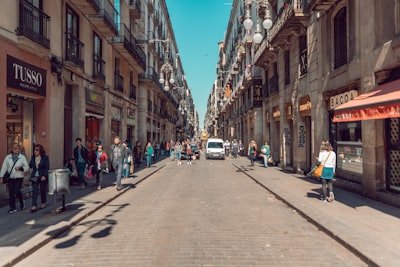
Lose yourself in the labyrinthine alleys of the Barri Gòtic, Barcelona's oldest neighborhood. This atmospheric quarter is a fascinating maze of narrow, cobblestone streets, hidden squares, and ancient buildings dating back to Roman times. Here you'll find:
- Barcelona Cathedral (Catedral de la Santa Creu i Santa Eulàlia): A magnificent example of Catalan Gothic architecture, with a peaceful cloister housing 13 geese.
- Plaça de Sant Jaume: The political heart of Barcelona, home to the Palau de la Generalitat de Catalunya and the Barcelona City Hall.
- Roman Walls: Remnants of the ancient Roman city of Barcino.
- Picasso Museum: While not strictly Gothic, it's nestled in the Gothic Quarter/El Born area and houses one of the most extensive collections of artworks by the 20th-century Spanish artist Pablo Picasso.
Wandering through the Gothic Quarter is best done without a map, allowing yourself to get wonderfully lost and discover its countless secrets.
Las Ramblas: The Pulse of the City (with a caveat)
Perhaps Barcelona's most famous street, Las Ramblas is a tree-lined pedestrian boulevard stretching from Plaça de Catalunya down to the Christopher Columbus Monument at Port Vell. Historically, it's been the vibrant social artery of the city, bustling with street performers, flower stalls, and outdoor cafes.
However, a word of caution: While iconic, Las Ramblas can be incredibly crowded and is a known hotspot for pickpockets. It's advisable to enjoy the spectacle but be extremely vigilant with your belongings.
Nearby Must-See:
- La Boqueria Market (Mercat de Sant Josep de la Boqueria): A sensory overload of colors, smells, and flavors. This historic public market is a foodie paradise, offering fresh produce, seafood, meats, and an array of tapas stalls. It's a fantastic place to sample local delicacies and soak in the vibrant atmosphere.
Montjuïc Hill: Culture, Views, and Magic
Montjuïc, a broad shallow hill overlooking the harbor, offers a fantastic escape with parks, museums, and stunning views.
- Magic Fountain of Montjuïc (Font Màgica): A spectacular display of water, light, and music, particularly enchanting on summer evenings. Check schedules in advance as performances are seasonal and limited.
- Montjuïc Castle (Castell de Montjuïc): A historic fortress offering panoramic vistas of the city and coastline. You can reach it via a cable car (telefèric) for an added scenic experience.
- Poble Espanyol: An open-air architectural museum showcasing replicas of famous Spanish buildings and artisan workshops.
- National Art Museum of Catalonia (MNAC): Houses an impressive collection of Catalan art, from Romanesque frescoes to Gothic and Modernista pieces.
Tibidabo Amusement Park & Temple Expiatori del Sagrat Cor
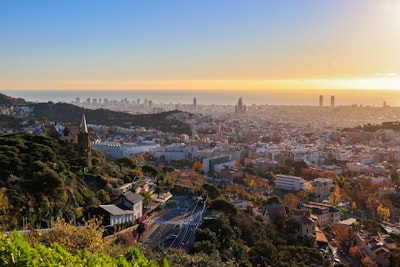
For arguably the best views of Barcelona, head to Tibidabo Mountain, home to an enchanting old-school amusement park and the stunning Temple Expiatori del Sagrat Cor (Temple of the Sacred Heart). The church itself is a neo-Gothic masterpiece, and climbing to its highest point offers unparalleled vistas of the entire city, stretching to the sea. The vintage amusement park adds a charming, nostalgic touch.
Sun, Sand, and Sea: Barcelona's Urban Beaches
One of Barcelona's unique appeals is its proximity to beautiful urban beaches. After a morning of sightseeing, you can easily transition to an afternoon of sunbathing and swimming.
- Barceloneta Beach: The closest and most popular beach to the city center, easily accessible and buzzing with activity. It's lined with chiringuitos (beach bars), seafood restaurants, and offers facilities for various water sports.
- Nova Icària Beach & Bogatell Beach: Located further north, these beaches tend to be slightly less crowded and offer a more relaxed atmosphere, popular with locals.
All of Barcelona's beaches are well-maintained, equipped with showers, restrooms, and lifeguards during peak season, making them perfect for a refreshing dip or a leisurely stroll along the promenade.
A Gastronomic Adventure: Savoring Barcelona's Culinary Delights
Barcelona's food scene is as diverse and dynamic as the city itself. Catalan cuisine, with its strong Mediterranean influences, fresh ingredients, and innovative spirit, is a highlight of any visit.
Tapas Culture: A Must-Try Experience
Tapas aren't just food; they're a way of life in Spain. These small, shareable plates are perfect for trying a variety of dishes and experiencing a social, convivial meal.
- Patatas Bravas: Fried potato cubes usually topped with a spicy tomato sauce (brava sauce) and often a dollop of aioli.
- Pimientos de Padrón: Small, green peppers fried and sprinkled with sea salt. The fun part? Most are mild, but every now and then, you'll get a spicy one!
- Jamón Ibérico: Cured Iberian ham, a quintessential Spanish delicacy, often served simply with bread.
- Gambas al Ajillo: Sizzling shrimp cooked in garlic-infused olive oil.
- Pan con Tomate (Pa amb Tomàquet): A simple yet utterly delicious Catalan staple: toasted bread rubbed with fresh tomato, garlic, and drizzled with olive oil.
- Butifarra: A traditional Catalan sausage, often grilled and served with beans.
Where to Find Great Tapas: Explore neighborhoods like Gràcia, El Born, or Poble Sec for authentic, less touristy tapas bars (bodegas and vermuterias). Look for places where locals gather.
Paella and Seafood: Taste the Mediterranean
While paella is traditionally from Valencia, Barcelona offers excellent interpretations, especially its seafood variants. Be wary of restaurants on Las Ramblas advertising "authentic paella" – often they are tourist traps.
- Seek out: Genuine paella (usually cooked to order, so expect a wait of 20-30 minutes) or its Catalan cousins like Arroz Negro (black rice with squid ink and seafood) and Fideuà (a noodle-based paella).
- Fresh Seafood: Given Barcelona's coastal location, seafood is abundant and incredibly fresh. Look for restaurants specializing in 'marisc' (seafood) near Barceloneta or in El Born.
Sweet Treats and Local Markets
Satisfy your sweet tooth with classic Spanish desserts and explore the vibrant markets.
- Churros con Chocolate: Fried dough pastries, often eaten for breakfast or an afternoon snack, perfect for dipping into thick, rich hot chocolate.
- Crema Catalana: Catalonia's answer to crème brûlée, a creamy custard topped with a hardened caramelized sugar layer.
- La Boqueria Market: Revisited because it's not just for tapas; it's also perfect for fresh fruit juices, smoothies, and delicious prepared foods.
- Mercat de Sant Antoni: A beautifully restored market that's popular with locals, offering fresh produce, meats, and a fantastic Sunday book and stamp fair.
Barcelona's Vibrant Drink Scene
From sparkling wine to refreshing vermouth, Barcelona knows how to quench a thirst.
- Cava: Catalonia's sparkling wine, perfect as an aperitif or with a meal. Visit a 'cava bar' for a true local experience.
- Vermouth: A popular pre-lunch or pre-dinner drink, served chilled with an orange slice and an olive. Many traditional bodegas specialize in house-made vermouth.
- Craft Beer: Barcelona's craft beer scene has exploded, with numerous microbreweries and specialty pubs.
- Rooftop Bars: Enjoy a cocktail with a view from one of Barcelona's many hotel rooftop bars, particularly stunning at sunset.
- Gràcia Plazas: Spend an evening like a local, enjoying a drink in one of Gràcia's charming squares like Plaça del Sol or Plaça de la Vila de Gràcia.
Exploring Barcelona's Diverse Neighborhoods
Each of Barcelona's neighborhoods (barris) boasts its own distinct personality, offering unique experiences.
El Born & La Ribera: Bohemian Chic and Artistic Flair
Adjoining the Gothic Quarter, El Born is a trendy, bohemian neighborhood characterized by narrow medieval streets, independent boutiques, artisan workshops, and lively bars. It's home to:
- Picasso Museum: An essential stop for art lovers.
- Parc de la Ciutadella: Barcelona's green oasis, perfect for a stroll, a picnic, or a rowboat ride on the lake. It also houses the Arc de Triomf and the Barcelona Zoo.
- Mercat del Born Centre de Cultura i Memòria: A former market now housing Roman and medieval archaeological ruins.
- Santa Maria del Mar: A stunning example of Catalan Gothic architecture.
Gràcia: A Village Within the City
Once an independent village, Gràcia retains a distinct charm with its tree-lined squares, independent boutiques, organic cafes, and a relaxed, local vibe. It's less touristy than other areas and perfect for an afternoon of exploring unique shops or enjoying a coffee in a sunny plaza. Its annual August festival is legendary.
Eixample: Grand Boulevards and Modernista Masterpieces
The expansive Eixample district, characterized by its grid-like street plan, is where you'll find many of Gaudí's and other Modernista architects' masterpieces, including Casa Batlló and La Pedrera. It's an upscale area with elegant shops, wide avenues, and a sophisticated atmosphere. It's also a great neighborhood for upscale dining.
Poble Sec & Sant Antoni: Up-and-Coming and Foodie Havens
These adjacent neighborhoods are experiencing a resurgence, becoming popular for their vibrant food scenes, bustling markets (Mercat de Sant Antoni), and excellent nightlife, particularly along Carrer de Blai in Poble Sec, famous for its pintxos bars.
Barceloneta: Beach Vibes and Seafood
The historic fishing quarter of Barceloneta is famous for its namesake beach, an abundance of seafood restaurants, and a lively, laid-back atmosphere. It's the perfect place for beach lovers and those who enjoy fresh fish and paella with a view of the sea.
Practical Travel Tips for Your Barcelona Adventure
To make your trip to Barcelona as smooth and enjoyable as possible, keep these practical tips in mind.
Getting Around Barcelona
Barcelona boasts an excellent and efficient public transport system.
- Metro (Subway): The fastest and easiest way to get around the city. It's clean, safe, and covers all major attractions.
- Bus: An extensive network that can take you places the metro doesn't reach as easily.
- Tram: Covers specific routes in certain areas of the city.
- Walkability: Many of Barcelona's central neighborhoods, like the Gothic Quarter, El Born, and Eixample, are highly walkable. Comfortable shoes are a must!
- Hola Barcelona Travel Card: For visitors planning to use public transport extensively, this card offers unlimited rides on metro, bus, tram, and FGC (local trains) for a chosen number of days (2-5 days). It also includes the airport metro line.
- Taxis & Ride-sharing: Readily available and reasonably priced, especially for late-night travel.
- Bikes: Barcelona is a bike-friendly city with many dedicated lanes and rental services.
Best Time to Visit Barcelona
Barcelona enjoys a Mediterranean climate, but the timing of your visit can significantly impact your experience.
- Spring (April-May): Arguably the best time. Pleasant temperatures, fewer crowds than summer, and vibrant blooms. Ideal for sightseeing and enjoying outdoor cafes.
- Autumn (September-October): Similar to spring, with comfortable temperatures and slightly fewer tourists. The sea is still warm enough for swimming in early autumn.
- Summer (June-August): Hot and humid, with large crowds and higher prices. However, it's perfect for beach lovers and those seeking vibrant nightlife. Book accommodations and attractions well in advance.
- Winter (November-March): Mild and generally sunny, with the fewest crowds and lower prices. Some attractions may have reduced hours. Excellent for budget travelers and those prioritizing culture over beach time.
Where to Stay in Barcelona
Choosing the right neighborhood can enhance your trip.
- Gothic Quarter (Barri Gòtic): Perfect for first-timers who want to be in the heart of the action, close to many historical sites. Can be noisy at night.
- El Born / La Ribera: Trendy and lively, with boutique hotels and apartments. Great for nightlife, dining, and artistic vibes.
- Eixample: Upscale and elegant, known for its beautiful architecture and wide streets. Excellent for luxury hotels and convenient public transport access. Quieter than the old city.
- Gràcia: More residential, with a charming village feel. Ideal for those seeking a local experience, independent shops, and a relaxed atmosphere.
- Poble Sec / Sant Antoni: Up-and-coming, popular with foodies and those looking for more budget-friendly options, but still well-connected.
- Barceloneta: Best for beach lovers, offering a lively atmosphere and proximity to the sea.
Essential Safety Tips
Barcelona is generally a safe city, but like any major tourist destination, it has its issues, particularly with petty crime.
- Beware of Pickpockets: They are highly skilled and operate in crowded areas like Las Ramblas, metro stations, and popular attractions. Keep your belongings secure, preferably in a cross-body bag worn to the front, or a money belt.
- Stay Aware of Your Surroundings: Especially in crowded areas or late at night.
- Avoid Flashing Valuables: Keep expensive phones, cameras, and jewelry out of sight when not in use.
- Don't Leave Belongings Unattended: On cafe tables, beach towels, or public transport.
- Use Reputable Taxis: Look for official black-and-yellow taxis.
Language and Basic Phrases
While Spanish (Castilian) is widely spoken, Barcelona is the capital of Catalonia, and
Catalan is the official language alongside Spanish. Locals appreciate any effort to speak a few words of Catalan.
- Hello: Hola (Spanish) / Hola (Catalan)
- Goodbye: Adiós (Spanish) / Adéu (Catalan)
- Please: Por favor (Spanish) / Si us plau (Catalan)
- Thank You: Gracias (Spanish) / Gràcies (Catalan)
- Excuse Me/Sorry: Perdón (Spanish) / Perdó (Catalan)
- Do you speak English?: Habla inglés? (Spanish) / Parla anglès? (Catalan)
Most people in tourist-heavy areas will speak English, but a few basic phrases in either language will go a long way.
Money and Budgeting
- Tipping: Tipping is not as ingrained as in the US. A small tip (5-10%) for good service at restaurants is appreciated but not mandatory. Rounding up the bill for drinks is common.
- Card vs. Cash: Credit and debit cards are widely accepted, but it's always good to have some cash for small purchases, market stalls, or smaller tapas bars.
- Average Costs: Barcelona can cater to all budgets.
- Budget: Hostels, street food/market meals, public transport (€30-60/day)
- Mid-range: 3-star hotels, sit-down meals, attractions (€80-150/day)
- Luxury: 4/5-star hotels, fine dining, extensive tours (€200+/day)
Cultural Etiquette
- Dining Hours: Lunch is typically from 1:30 PM to 3:30 PM, and dinner often starts around 8:30 PM or 9 PM, stretching late into the night. Many restaurants close between lunch and dinner.
- Dress Code for Churches: When visiting religious sites like the Sagrada Família or Barcelona Cathedral, it's respectful to have your shoulders and knees covered.
- Punctuality: Spaniards are generally more relaxed about punctuality for social engagements. For tours or reservations, however, always be on time.
Beyond the City Limits: Day Trips from Barcelona
While Barcelona has enough to keep you busy for weeks, consider venturing out to explore the stunning region of Catalonia.
- Montserrat: A breathtaking Benedictine monastery nestled dramatically into a mountain range. It's a place of pilgrimage, natural beauty, and offers incredible hiking trails and panoramic views. Home to the "Black Madonna," it's easily accessible by train and cable car or rack railway.
- Girona: A charming medieval city with a beautifully preserved Old Town, a magnificent cathedral, and a vibrant Jewish Quarter. Fans of "Game of Thrones" will recognize some filming locations here.
- Sitges: A picturesque coastal town known for its beautiful beaches, charming old town, and vibrant LGBTQ+ scene. Perfect for a relaxing day trip by the sea, especially in warmer months.
- Tarragona: Home to impressive Roman ruins, including an amphitheater and circus, that are a UNESCO World Heritage site. It offers a fascinating glimpse into ancient Roman history in Spain.
Conclusion
Barcelona is a city that lingers in your memory long after you've left its sun-drenched streets. It's a place where history whispers from ancient walls, where art bursts from every corner, where flavors dance on your palate, and where the energy of life pulsates with an infectious rhythm. From the unparalleled architectural genius of Gaudí to the bustling energy of La Boqueria, the serene beauty of its beaches to the lively buzz of its tapas bars, Barcelona truly has something for everyone.
This travel guide has aimed to equip you with the knowledge and inspiration to explore this magnificent city. So, pack your bags, lace up your walking shoes, and prepare to fall in love with Barcelona – Spain's vibrant, unforgettable gem. Your Catalan adventure awaits!
Frequently Asked Questions (FAQ) About Visiting Barcelona
### Is Barcelona safe for tourists?
Yes, Barcelona is generally safe for tourists, but like any major European city, it has a problem with petty crime, especially pickpocketing. It's crucial to be vigilant, particularly in crowded areas like Las Ramblas, metro stations, and popular attractions. Keep your valuables secure, avoid flashing expensive items, and stay aware of your surroundings.
### How many days do you need to visit Barcelona?
To experience the main highlights and get a good feel for the city, we recommend
3 to 5 full days.
- 3 Days: Allows you to see the major Gaudí sites (Sagrada Familia, Park Güell, Casa Batlló), explore the Gothic Quarter, and perhaps visit a beach or Montjuïc.
- 5 Days: Gives you more time to delve into neighborhoods like Gràcia or El Born, enjoy leisurely meals, potentially take a day trip (e.g., Montserrat), and soak in the atmosphere without rushing.
### What is the best way to get from Barcelona airport (BCN) to the city center?
Several efficient options are available:
1.
Aerobús: A dedicated express bus service that runs frequently from both airport terminals to Plaça de Catalunya, with a few stops in between. It's fast and convenient.
2.
Metro (L9 Sud): The L9 Sud metro line connects both airport terminals to the city's metro network. You'll likely need to transfer to another line to reach your final destination. Note that a special airport ticket is required, or it's included with the Hola Barcelona Travel Card.
3.
Train (RENFE R2 Nord): The train runs from Terminal 2 (T2) to Passeig de Gràcia and Barcelona Sants stations. If you arrive at T1, you'll need to take a free shuttle bus to T2.
4.
Taxi: Readily available outside both terminals. It's the most expensive option but convenient for direct door-to-door service, especially with luggage.
### Do I need to book Sagrada Familia tickets in advance?
Absolutely, yes. Booking Sagrada Familia tickets online in advance is highly recommended and almost essential, especially during peak season. Tickets often sell out days or even weeks ahead. Pre-booking allows you to choose your entry time, skip long queues, and often access special offers or tours.
### Is tipping customary in Barcelona?
Tipping in Barcelona is generally
less customary and expected than in countries like the United States.
- Restaurants: A small tip (5-10% of the bill) for excellent service is appreciated, especially if you're very happy with your meal and experience. Rounding up the bill is also common. It's not mandatory.
- Cafes/Bars: For just a drink, leaving a few coins or rounding up is sufficient.
- Taxis: Rounding up to the nearest Euro is common.
- Hotels: A small tip for porters or housekeepers is appropriate.
### What's the difference between Catalan and Spanish?
Catalan and Spanish (Castilian) are two distinct Romance languages. While both are spoken in Barcelona,
Catalan is the official language of Catalonia, alongside Spanish. Most locals are bilingual, but Catalan is the language of regional government, education, and widely used in daily life. All signage is typically in both languages. While knowing some Spanish is helpful, locals appreciate any attempt at Catalan phrases.
### Can I drink tap water in Barcelona?
Yes,
tap water in Barcelona is safe to drink according to health standards. However, many locals and tourists find the taste to be unpleasant due to its high mineral content, so bottled water is widely consumed. If you're sensitive to taste, consider bottled water or bring a reusable bottle with a filter.
### What are some free things to do in Barcelona?
Barcelona offers many fantastic free experiences:
- Wander the Gothic Quarter: Getting lost in its ancient streets is an experience in itself.
- Explore Parc de la Ciutadella: Enjoy a picnic, visit the Arc de Triomf, and see the Cascada Monumental (waterfall).
- Relax on the Beaches: Barceloneta and other city beaches are free to access.
- Magic Fountain of Montjuïc: Enjoy the spectacular water and light show (check schedule for performances).
- Window Shopping on Passeig de Gràcia: Admire the Modernista architecture, including the exteriors of Casa Batlló and La Pedrera.
- Visit Markets: La Boqueria and Mercat de Sant Antoni are free to enter and explore (though you'll likely want to buy something!).
- Take a Stroll through Gràcia's Plazas: Soak in the local atmosphere.
- Free Museum Days/Hours: Many museums offer free entry on certain days or hours (e.g., first Sunday of the month, Sunday afternoons). Check specific museum websites.