Budapest Top Attractions 2026 – Complete Hungary Travel Guide
Budapest: Your Ultimate Guide to the Pearl of the Danube's Top Attractions
Welcome to Budapest, a city that seamlessly blends old-world charm with modern vibrancy, earning its rightful place as one of Europe's most captivating capitals. Straddling the mighty Danube River, this Hungarian gem is a symphony of architectural marvels, therapeutic thermal waters, poignant history, and an effervescent cultural scene. From the grandeur of its Parliament Building to the ancient allure of Buda Castle and the healing powers of its famed thermal baths, Budapest promises an unforgettable journey for every kind of traveler.
This comprehensive guide will navigate you through the best things to do in Budapest, ensuring you uncover its iconic landmarks, cultural treasures, and hidden gems. Prepare to dive deep into the heart of Hungary and discover why Budapest truly is the "Pearl of the Danube."
Why Budapest Should Be Your Next European Adventure
Budapest isn't just a destination; it's an experience. Few cities offer such a rich tapestry of history, relaxation, and revelry at an exceptionally affordable price point. Its unique dual identity – the hilly, historic Buda and the flat, bustling Pest – offers a fascinating contrast. You can spend your mornings exploring UNESCO World Heritage sites and your afternoons soaking in thermal pools, only to find yourself dancing in a quirky ruin bar by night.
The city's magnetic pull lies in its ability to cater to diverse interests. Art and history buffs will revel in its museums and galleries, while foodies will delight in the hearty Hungarian cuisine. Those seeking relaxation will find solace in its world-famous baths, and night owls will be thrilled by its innovative nightlife. Add to this the friendly locals, efficient public transport, and breathtaking panoramic views, and you have all the ingredients for a truly spectacular trip.
Iconic Landmarks: The Grandeur of Budapest
Budapest is a city of postcard-perfect sights, many of which are instantly recognizable and deeply etched into the European landscape. These are the must-see attractions that define the city's majestic character.
The Hungarian Parliament Building: A Symbol of the Nation
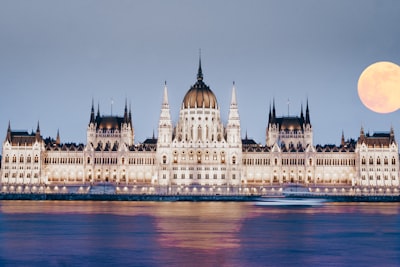
Dominating the Pest embankment of the Danube, the
Hungarian Parliament Building is not just an architectural masterpiece but also the third-largest Parliament building in the world. Its Neo-Gothic façade, inspired by the British Houses of Parliament, boasts intricate details, soaring spires, and a stunning central dome. Completed in 1904, it houses the Hungarian Crown Jewels, including St. Stephen's Holy Crown, a revered national treasure.
What to do:
- Take a Guided Tour: The only way to see the opulent interiors, including the grand staircase, the dome hall, and the Old House of Lords. Tickets often sell out, so book well in advance online.
- Admire from Afar: The building is particularly breathtaking when viewed from the Buda side of the river, especially at night when it's magnificently illuminated. Consider a Danube River cruise for the best photographic opportunities.
- Explore Kossuth Lajos Square: The expansive square in front of Parliament is home to several monuments and is a significant historical site.
Buda Castle & Castle Hill: A Royal Legacy
Perched majestically atop Castle Hill on the Buda side, the
Buda Castle complex is a UNESCO World Heritage site that has served as the residence of Hungarian kings for centuries. Though parts were rebuilt after various wars, it retains an imposing grandeur and offers unparalleled views of the city. The entire Castle District is a labyrinth of charming cobblestone streets, medieval houses, and historic churches.
What to do:
- Explore the Royal Palace: Today, the castle houses the Hungarian National Gallery (featuring Hungarian art) and the Budapest History Museum.
- Walk the Castle District: Wander through the atmospheric streets, discover quaint shops, and enjoy the panoramic vistas from various viewpoints.
- Ride the Funicular: For a charming and historic ascent to Castle Hill, take the Budapest Castle Hill Funicular from Chain Bridge.
- Visit the Sándor Palace: The official residence and office of the President of Hungary, visible near the Funicular's upper station.
Fisherman's Bastion & Matthias Church: Fairytale Views
Within the Buda Castle District lies the enchanting
Fisherman's Bastion (Halászbástya), a Neo-Romanesque and Neo-Gothic terrace built in the early 20th century. Its seven fairytale-like turrets represent the seven Magyar tribes who settled in the Carpathian Basin in 895. While it looks like a medieval fortress, its primary purpose was decorative, offering the most iconic panoramic views of Pest, the Parliament, and the Danube.
Adjacent to the Bastion stands the magnificent
Matthias Church (Mátyás-templom), with its distinctive diamond-patterned roof and richly decorated interior. Dating back to the 13th century, it has witnessed coronations, royal weddings, and centuries of Hungarian history.
What to do:
- Photograph the Views: The Fisherman's Bastion offers some of the best photo opportunities in Budapest, especially at sunrise or sunset.
- Tour Matthias Church: Marvel at its vibrant frescoes, stained-glass windows, and the crypt.
- Enjoy a Coffee with a View: Several cafés are located on or near the Bastion, perfect for a relaxing break.
Chain Bridge: Connecting Buda and Pest
The Széchenyi Chain Bridge, or simply
Chain Bridge, was the first permanent bridge to connect Buda and Pest, symbolizing the unification of the two cities in 1873. Guarded by majestic stone lions, this engineering marvel of the 19th century is not just a crucial transport link but also an enduring symbol of Budapest.
What to do:
- Walk Across the Bridge: Experience the connection between the two sides of the city, enjoying views of the Danube, Parliament, and Buda Castle.
- Admire its Illumination: Like many Budapest landmarks, the Chain Bridge is beautifully lit at night, creating a magical atmosphere.
Immerse Yourself in Culture and History
Beyond its grand landmarks, Budapest invites you to delve deeper into its rich cultural tapestry and complex history, through magnificent churches, poignant museums, and world-class performance venues.
St. Stephen's Basilica: A Spiritual Masterpiece
Named in honor of Hungary's first king,
St. Stephen's Basilica (Szent István-bazilika) is the largest church in Budapest and one of its most revered religious sites. Its neoclassical architecture, completed in 1905, features an impressive dome and houses the mummified right hand of St. Stephen himself, known as the Holy Right.
What to do:
- Climb to the Dome: Take a lift or climb the stairs for breathtaking 360-degree views of Budapest.
- Attend a Concert: The Basilica's acoustics are magnificent, making it a popular venue for classical music concerts, particularly organ recitals.
- Observe the Holy Right: View the relic in the chapel dedicated to St. Stephen.
Dohány Street Synagogue: Europe's Largest Synagogue
A profound testament to Budapest's rich Jewish heritage, the
Dohány Street Synagogue (Dohány utcai Zsinagóga) is the largest synagogue in Europe and the second largest in the world. Built in the Moorish Revival style between 1854 and 1859, its twin onion-domed towers and vibrant interior are awe-inspiring. It stands as a powerful symbol of resilience and remembrance.
What to do:
- Take a Guided Tour: Learn about its history, the Hungarian Jewish community, and the Holocaust.
- Visit the Jewish Museum: Located adjacent to the synagogue, it explores Jewish life, traditions, and history in Hungary.
- Reflect at the Raoul Wallenberg Memorial Park: A moving memorial dedicated to those who perished in the Holocaust and the rescuers.
House of Terror Museum: A Somber Reminder
Housed in a building that was once the headquarters of the fascist Arrow Cross Party and later the communist secret police, the
House of Terror Museum (Terror Háza Múzeum) is a powerful and somber memorial to the victims of the totalitarian regimes that dominated Hungary in the 20th century. The museum uses chilling and immersive exhibits to tell the stories of the brutal oppression under both Nazism and Communism.
What to do:
- Experience the Exhibits: The museum's multi-sensory approach can be intense but provides a crucial understanding of a dark chapter in Hungarian history. Allow ample time for reflection.
- Pay Respects: The Wall of Victims outside commemorates those who suffered.
Hungarian State Opera House: Architectural & Acoustic Splendor
Often considered one of the most beautiful opera houses in the world, the
Hungarian State Opera House (Magyar Állami Operaház) is a Neo-Renaissance masterpiece designed by Miklós Ybl. Opened in 1884, its lavish interiors are adorned with frescoes, sculptures, and gold leaf, showcasing incredible craftsmanship and acoustic perfection.
What to do:
- Take a Guided Tour: Learn about its history, architecture, and the famous artists who have graced its stage. Tours often conclude with a mini-opera performance.
- Attend a Performance: If your schedule allows, catching an opera, ballet, or classical concert here is an unforgettable experience.
Relaxation, Wellness & Nature Escapes
Budapest is synonymous with thermal baths, a legacy of its unique geological position atop a network of hot springs. Beyond the soothing waters, the city also offers serene green spaces for relaxation.
Széchenyi Thermal Bath: Budapest's Thermal Heaven
The
Széchenyi Thermal Bath (Széchenyi Gyógyfürdő) is the largest medicinal bath in Europe and arguably Budapest's most famous. Located in City Park, its grand Neo-Baroque buildings house 15 indoor pools and three expansive outdoor pools, ranging in temperature and offering various therapeutic properties. From the chess players in the outdoor pools to the intricate mosaics within, it's a truly unique experience.
What to do:
- Indulge in the Waters: Spend hours soaking in the warm thermal waters, trying different pools.
- Experience a Spa Treatment: Massages and other wellness services are available.
- Observe Local Life: Watch locals play chess in the outdoor pools, a quintessential Budapest scene.
Gellért Thermal Bath: Art Nouveau Elegance
Housed within the stunning Art Nouveau
Gellért Hotel, the
Gellért Thermal Bath (Gellért Gyógyfürdő) is renowned for its opulent architecture, mosaic tiles, and stained-glass windows. While smaller than Széchenyi, it offers a more elegant and often quieter atmosphere, with several indoor and outdoor pools, including a unique wave pool.
What to do:
- Marvel at the Architecture: The beauty of the building itself is a major draw.
- Enjoy the Wave Pool: A fun summer attraction, alongside the therapeutic thermal pools.
Margaret Island (Margit-sziget): A Green Oasis
Nestled in the middle of the Danube between Buda and Pest,
Margaret Island (Margit-sziget) is a peaceful 2.5 km long recreational oasis, perfect for escaping the city's hustle and bustle. It's a car-free zone, ideal for walking, jogging, cycling, or simply relaxing amidst nature.
What to do:
- See the Musical Fountain: A spectacular show of water, light, and music, particularly enchanting in the evenings.
- Stroll through the Japanese Garden: A serene haven with a rock garden, fish pond, and waterfall.
- Rent a Bike or Tandem: Explore the island's many paths and attractions, including a small zoo and medieval ruins.
- Visit the Water Tower: A UNESCO World Heritage site, offering panoramic views.
Unique Budapest Experiences: From Ruin Bars to River Cruises
Beyond the grand monuments and relaxing baths, Budapest is a city that thrives on unique experiences, offering everything from edgy nightlife to vibrant markets and scenic river journeys.
The Ruin Bars: Budapest's Bohemian Nightlife
Budapest's
Ruin Bars (Romkocsma) are a phenomenon born from the innovative repurposing of abandoned buildings and courtyards in the city's old Jewish Quarter. Transformed into eclectic, art-filled, and quirky watering holes, they offer a bohemian atmosphere unlike anywhere else.
Szimpla Kert is the original and most famous, but many others dot the district.
What to do:
- Explore Szimpla Kert: Even if you're not a big drinker, a visit during the day or early evening allows you to appreciate its unique décor and art installations. It also hosts a farmer's market on Sundays.
- Bar Hop: Discover other ruin bars like Instant-Fogas Complex (a massive multi-room club) or Anker't. Each has its own distinct vibe.
Danube River Cruises: A City from a New Perspective
The Danube River is the lifeblood of Budapest, and a cruise offers an unparalleled perspective of its iconic landmarks. Whether by day or by night, seeing the Parliament, Buda Castle, and Chain Bridge illuminated from the water is an unforgettable experience.
What to do:
- Day Cruise: Enjoy the sunshine and clear views, often with commentary about the sights.
- Night Cruise: Witness the "Pearl of the Danube" truly sparkle as all major buildings are lit up. Many cruises include dinner or drinks.
- Public Transport Boat: For a budget-friendly option, use the D11 or D12 public transport boats.
Central Market Hall (Nagy Vásárcsarnok): A Gastronomic Delight
The
Central Market Hall is Budapest's largest and oldest indoor market, housed in a stunning Neo-Gothic building from the late 19th century. It's a vibrant hub where locals and tourists alike come to shop for fresh produce, meats, spices, and Hungarian specialties.
What to do:
- Browse the Stalls: The ground floor is bustling with vendors selling paprika, salami, fresh vegetables, and fruits.
- Taste Local Delicacies: The upper floor features food stalls offering traditional Hungarian dishes like lángos and goulash, as well as souvenirs.
- Admire the Architecture: Don't forget to look up and appreciate the market's impressive iron structure and Zsolnay tile roof.
Heroes' Square (Hősök tere): A Monument to Hungarian History
One of Budapest's most significant public squares,
Heroes' Square is a grand and symbolic space commemorating the leaders and major events in Hungarian history. At its center stands the Millennium Monument, a towering column topped with a statue of the Archangel Gabriel, surrounded by statues of the seven Magyar chieftains.
What to do:
- Explore the Millennium Monument: Learn about the figures depicted and their historical significance.
- Visit Nearby Museums: The square is flanked by the Museum of Fine Arts and the Hall of Art (Műcsarnok), offering opportunities to delve into art and culture.
- Access City Park: Heroes' Square serves as the grand entrance to City Park, leading towards Széchenyi Thermal Bath and Vajdahunyad Castle.
Savour Hungarian Flavours: What to Eat & Drink in Budapest
No trip to Budapest is complete without indulging in its hearty and flavourful cuisine. From comforting stews to sweet pastries, Hungarian food is a delight for the senses.
- Goulash (Gulyás): More a hearty soup than a stew, authentic Hungarian goulash is rich with beef, potatoes, carrots, and plenty of paprika. A must-try!
- Lángos: A deep-fried flatbread often topped with sour cream, grated cheese, and garlic oil. A delicious and satisfying street food snack.
- Chimney Cake (Kürtőskalács): A sweet, spiral-shaped dough baked over an open flame, then rolled in sugar and various toppings like cinnamon, walnuts, or cocoa. Perfect for a sweet treat.
- Paprika Chicken (Csirkepaprikás): Chicken simmered in a creamy paprika sauce, usually served with nokedli (small dumplings).
- Fisherman's Soup (Halászlé): A fiery fish soup, particularly popular in regions along the Danube.
- Strudel (Rétes): Flaky pastry filled with sweet or savory fillings like apple, cherry, poppy seed, or cottage cheese.
- Pálinka: A traditional Hungarian fruit brandy, potent and flavourful. Enjoy responsibly!
- Tokaji Wine: A world-renowned sweet dessert wine from the Tokaj region, often called the "King of Wines, Wine of Kings."
You can find these delights in traditional restaurants (étterem), street food stalls, or the Central Market Hall. Don't be afraid to experiment!
Practical Tips for Your Budapest Adventure
To make your trip to Budapest as smooth and enjoyable as possible, keep these practical tips in mind.
Best Time to Visit
- Spring (April-May) and Autumn (September-October): These shoulder seasons offer pleasant weather, fewer crowds, and beautiful scenery. Perfect for sightseeing and outdoor activities.
- Summer (June-August): Warm and sunny, ideal for river cruises and enjoying outdoor events, but also the busiest and most expensive time.
- Winter (November-March): Cold but magical, especially around Christmas with festive markets and the thermal baths steaming.
Getting Around
Budapest has an excellent and efficient public transportation system, including metro, trams, and buses.
- Budapest Card: Offers unlimited public transport and discounts on attractions.
- Tickets: Purchase single tickets, 24-hour, 72-hour, or 7-day passes from metro stations, newsstands, or ticket machines. Validate your ticket before use.
- Walking: Many of the central attractions in Pest are easily walkable.
- Taxis: Use reputable taxi companies (e.g., Főtaxi, Bolt/Taxify) and ensure meters are used. Avoid unmarked cabs.
Accommodation
- Pest Side: Generally more bustling, with a wider range of hotels, hostels, and Airbnbs, especially in the Jewish Quarter (for nightlife) or around St. Stephen's Basilica (for central access).
- Buda Side: Quieter, more residential, with historic charm and often great views, particularly around Castle Hill.
- Consider neighborhoods: District V (Belváros) for central luxury, District VI & VII for nightlife and ruin bars, District IX for arts and culture (around Corvinus University).
Currency & Budget
- Currency: Hungarian Forint (HUF). While some tourist places accept Euros, it's generally more cost-effective to pay in HUF.
- ATMs: Widely available. Inform your bank before traveling.
- Credit Cards: Accepted in most establishments, but always carry some cash for smaller vendors or markets.
- Affordability: Compared to Western European capitals, Budapest is relatively affordable, especially for food, transport, and attractions.
Safety & Etiquette
- Safety: Budapest is generally safe, but like any major city, be aware of pickpockets, especially in crowded tourist areas and on public transport.
- Tipping: Common in restaurants (10-15% if service isn't included) and for taxi drivers.
- Greetings: A simple "Jó napot" (good day) or "Helló" is always appreciated.
- Language: While Hungarian is the official language, English is widely spoken in tourist areas.
How Many Days Do You Need?
For a comprehensive exploration of Budapest's top attractions, culture, and relaxation opportunities,
3 to 5 days is ideal. This allows for a mix of sightseeing, thermal bath visits, and enjoying the local atmosphere without feeling rushed.
Sample Budapest Itinerary (4 Days)
Here’s a suggested itinerary to help you make the most of your Budapest adventure:
Day 1: Royal Buda and Danube Views
- Morning: Start your day on the Buda side. Take the Funicular up to Castle Hill.
- Late Morning: Explore the Buda Castle grounds, including the Hungarian National Gallery and Budapest History Museum.
- Lunch: Enjoy a meal at one of the charming restaurants in the Castle District.
- Afternoon: Wander through the Fisherman's Bastion and visit the stunning Matthias Church. Soak in the panoramic views.
- Evening: Walk across the iconic Chain Bridge to Pest. Enjoy dinner with a view of the illuminated Buda Castle.
Day 2: Pest's Grandeur and Cultural Immersion
- Morning: Begin at the majestic Hungarian Parliament Building (book a tour in advance).
- Late Morning: Visit St. Stephen's Basilica, climb its dome for spectacular views.
- Lunch: Grab a bite near the Basilica.
- Afternoon: Immerse yourself in history and culture at the Dohány Street Synagogue and the Jewish Museum.
- Evening: Experience Budapest from the water with a Danube River Cruise, particularly enchanting at night when the city lights up.
Day 3: Relaxation and Bohemian Vibes
- Morning: Indulge in ultimate relaxation at the Széchenyi Thermal Bath. Allow several hours to fully enjoy the various pools.
- Lunch: Casual lunch at a nearby café or grab street food.
- Afternoon: Head to Margaret Island for a leisurely stroll, rent a bike, or relax by the Musical Fountain.
- Evening: Dive into Budapest's famous nightlife scene by exploring the quirky Ruin Bars in the Jewish Quarter (e.g., Szimpla Kert).
Day 4: History, Markets, and Hidden Gems
- Morning: Ascend Gellért Hill for incredible panoramic views of the entire city. Visit the Citadella.
- Late Morning: Explore the vibrant Central Market Hall for local produce, souvenirs, and a taste of Hungarian street food (e.g., Lángos).
- Lunch: Lunch at one of the food stalls in the market.
- Afternoon: Visit the thought-provoking House of Terror Museum for a deeper understanding of Hungary's 20th-century history.
- Late Afternoon: Stroll through Heroes' Square and admire the Millennium Monument.
- Evening: Consider catching a performance at the magnificent Hungarian State Opera House or enjoy a farewell dinner at a traditional Hungarian restaurant.
Frequently Asked Questions (FAQ) About Visiting Budapest
Q: Is Budapest expensive?
A: Compared to many Western European capitals, Budapest is quite affordable. Accommodation, food, public transport, and many attractions offer great value for money, making it an excellent destination for budget-conscious travelers.
Q: What's the best way to get from the airport to the city center?
A: The most convenient and cost-effective way is to take the 100E Airport Express bus, which runs directly to Deák Ferenc tér and Astoria, two central locations in Pest. Taxis and private transfers are also available.
Q: Do people speak English in Budapest?
A: Yes, English is widely spoken in tourist areas, hotels, restaurants, and by younger generations. While learning a few basic Hungarian phrases (like "hello" - *szia*, "thank you" - *köszönöm*) is appreciated, you'll generally find it easy to communicate in English.
Q: What is Budapest most famous for?
A: Budapest is most famous for its stunning architecture (especially the Parliament Building and Buda Castle), its numerous thermal baths (like Széchenyi and Gellért), its vibrant ruin bar scene, and its rich history and culture.
Q: Is Budapest safe for tourists?
A: Budapest is generally considered a safe city for tourists. However, like any major city, it's advisable to be aware of your surroundings, especially in crowded areas, and watch out for pickpockets. Avoid walking alone in poorly lit areas late at night.
Q: Can you drink the tap water in Budapest?
A: Yes, the tap water in Budapest is safe and perfectly drinkable. Bringing a reusable water bottle is a great way to stay hydrated and reduce plastic waste.
Q: What are some common scams to watch out for in Budapest?
A: Be wary of overcharging by unlicensed taxis, inflated prices at some exchange offices (use ATMs instead), and distraction techniques used by pickpockets. Always check your bill at restaurants to ensure no extra charges have been added.
Q: How many days should I spend in Budapest?
A: To comfortably experience the main attractions and get a good feel for the city, we recommend spending at least 3 to 5 days in Budapest. This allows enough time for sightseeing, relaxation, and exploring its unique culture.
---
Budapest truly is a city that captures the imagination. Its blend of imperial grandeur, relaxing thermal waters, poignant history, and a modern, vibrant pulse creates an unparalleled travel experience. Whether you're admiring the illuminated Parliament from a Danube cruise, soaking in a historic thermal bath, or dancing the night away in a ruin bar, Budapest promises memories that will last a lifetime. So pack your bags, prepare to be enchanted, and discover the magnificent Pearl of the Danube for yourself!