Barcelona Top Attractions 2026 – Complete Spain Travel Guide
# Discover Barcelona: Top Attractions, Must-See Sights & Ultimate Travel Guide
Barcelona, a city that dances to its own vibrant rhythm, is a mesmerizing blend of ancient history, cutting-edge modernism, and sun-kissed Mediterranean charm. Nestled on Spain's northeastern coast, it's the capital of Catalonia and a truly unique destination that captivates millions of visitors each year. From the whimsical creations of Antoni Gaudí to the labyrinthine alleys of the Gothic Quarter, and from bustling markets brimming with fresh produce to golden beaches perfect for relaxation, Barcelona offers an unparalleled travel experience.
This comprehensive guide will take you on a journey through Barcelona's top attractions, revealing the must-see sights, hidden gems, and practical tips to help you plan your ultimate adventure in this enchanting Spanish city. Whether you're a first-time visitor or returning to rediscover its magic, prepare to be captivated by Barcelona's irresistible allure.
## Why Barcelona? The Allure of Catalonia's Capital
Barcelona isn't just a city; it's an experience. It's a place where every corner turned reveals a new architectural marvel, a tantalizing aroma from a tapas bar, or the joyous sound of street musicians. Its unique character stems from its rich Catalan heritage, a distinct culture within Spain that boasts its own language, traditions, and an fiercely independent spirit.
The city masterfully balances its historical legacy with a forward-thinking, cosmopolitan vibe. Here, Roman ruins stand alongside medieval cathedrals and modernist masterpieces, while traditional festivals coexist with avant-garde art scenes. Barcelona is a hub of creativity, innovation, and passion, making it a dream destination for art lovers, foodies, history buffs, and sun-seekers alike. Get ready to dive into the heart of Catalonia and explore the very best things to do in Barcelona.
## Barcelona's Iconic Masterpieces: Gaudí's Visionary Architecture
No exploration of Barcelona is complete without immersing yourself in the fantastical world of Antoni Gaudí. The renowned Catalan architect left an indelible mark on the city, shaping its skyline and defining its artistic identity with his organic, nature-inspired, and often surreal designs. His works are not just buildings; they are living sculptures, drawing visitors into a realm of intricate detail, vibrant colours, and breathtaking originality.
### Sagrada Familia: Gaudí's Unfinished Symphony
The Sagrada Familia (Basílica de la Sagrada Família) is not only Barcelona's most famous landmark but also one of the most iconic churches in the world. This colossal basilica, still under construction more than 140 years after work began, is Antoni Gaudí’s magnum opus and a UNESCO World Heritage site. Its towering spires pierce the sky, each facade telling a different story from the life of Christ, adorned with an astonishing array of sculptures and intricate carvings.
- A Vision in Progress: Gaudí dedicated the last decades of his life to the Sagrada Familia, envisioning a cathedral unlike any other. He famously said, "My client is not in a hurry," referring to God. Upon his death in 1926, only about a quarter of the project was complete. Today, construction continues, funded by visitor donations, with an anticipated completion date in the mid-2030s.
- Architectural Marvel: The interior is just as breathtaking as the exterior. Step inside and be enveloped by a forest of tree-like columns that branch out to support a ceiling resembling a canopy. Stained-glass windows flood the space with a kaleidoscope of light, changing hues throughout the day and creating an ethereal atmosphere. Each element, from the hyperbolic paraboloid vaults to the spiralling staircases, reflects Gaudí's profound understanding of natural forms and structural engineering.
- Visiting Tips: Book your tickets online well in advance! This is crucial to avoid long queues, especially during peak season. Opt for an audio guide or a guided tour to fully appreciate the symbolism and history behind Gaudí's intricate designs. Don't miss the opportunity to visit one of the towers for panoramic views of Barcelona, though these require separate, timed entry tickets. Allow at least 2-3 hours for your visit.
### Park Güell: A Whimsical Urban Oasis
High above the city, offering spectacular views, lies
Park Güell, another of Gaudí's fantastical creations and a designated UNESCO World Heritage site. Originally intended as a utopian residential complex for wealthy families, it transformed into a public park filled with colourful mosaics, organic shapes, and whimsical structures that perfectly blend with the natural landscape.
- A Colourful Dreamscape: Commissioned by Eusebi Güell, a Catalan entrepreneur, the park is a testament to Gaudí's unique blend of architecture, nature, and symbolism. Walk through vibrant mosaic-covered benches, admire the iconic dragon (or lizard) sculpture at the entrance, and explore the enchanting colonnaded pathways. The main terrace, offering sweeping vistas of Barcelona and the Mediterranean, is bordered by the famous serpentine bench, adorned with a collage of broken ceramic tiles (trencadís technique).
- Exploring the Park: The park is divided into two main zones: the Monumental Zone (ticketed entry) and the Free Access Zone. The Monumental Zone contains the most famous Gaudí elements, including the iconic main square, the dragon staircase, the porter's lodge houses, and the Hypostyle Room. The Free Access Zone offers beautiful walking paths and some excellent viewpoints.
- Visiting Tips: Like Sagrada Familia, pre-booking tickets online is highly recommended for the Monumental Zone to guarantee entry and avoid queues. Go early in the morning or late in the afternoon to escape the largest crowds and enjoy the soft light. Wear comfortable shoes as there's a fair amount of walking, much of it uphill.
### Casa Batlló & La Pedrera (Casa Milà): Architectural Masterpieces on Passeig de Gràcia
Passeig de Gràcia, Barcelona's elegant and upscale boulevard, is home to two more of Gaudí's residential masterpieces, standing proudly as testaments to Catalan Modernism.
- Casa Batlló: Often referred to as the "House of Bones" or "House of the Dragon," Casa Batlló is an architectural marvel. Its facade ripples with organic shapes, balconies resembling masks, and a vibrant, scaly roof that glimmers under the sun. Gaudí completely remodelled this existing building between 1904 and 1906, turning it into a fantastical marine-inspired wonderland. The interior is equally captivating, with swirling staircases, natural light wells, and exquisite details. An immersive visit, often enhanced with augmented reality guides, brings Gaudí's vision to life.
- La Pedrera (Casa Milà): Just a few blocks away, La Pedrera, or "The Quarry," is another iconic Gaudí building, completed in 1912. Its undulating stone facade and wrought-iron balconies resemble a wave-battered cliff face. The most striking feature is its rooftop terrace, a surreal landscape populated by whimsical chimneys that look like warrior sentinels or abstract sculptures. La Pedrera was controversial in its time but is now celebrated as a masterpiece of functional and artistic design, influencing generations of architects. It offers insight into bourgeois life during Gaudí's era and hosts cultural exhibitions.
- Visiting Tips: Both Casa Batlló and La Pedrera offer unique experiences. Consider visiting at least one of them. Again, book tickets online to save time. Night visits or 'Magic Nights' at La Pedrera, which include a rooftop concert and a glass of cava, offer a truly memorable experience.
## Exploring Barcelona's Historic Heart: The Gothic Quarter & El Born
Stepping away from Gaudí's modernism, a journey into Barcelona's ancient past awaits in its oldest and most charming neighbourhoods.
### Barri Gòtic (Gothic Quarter): A Labyrinth of History
The
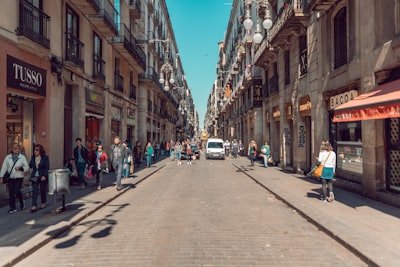
Barri Gòtic (Gothic Quarter) is the oldest part of Barcelona, a captivating maze of narrow, cobblestone streets, hidden squares, and ancient buildings that whisper tales of Roman origins and medieval grandeur. This district is the very soul of the city, brimming with atmosphere and historical significance.
- Ancient Roots: Evidence of Roman Barcino can still be seen, including remnants of the Roman wall integrated into later structures. As you wander, you'll encounter beautiful squares like Plaça Reial, Plaça Sant Jaume (home to the Catalan government buildings), and Plaça del Rei, a stunning medieval courtyard.
- Cathedral of Barcelona: Dominating the quarter is the magnificent Cathedral of Barcelona (Catedral de la Santa Creu i Santa Eulàlia). This impressive Gothic edifice, built between the 13th and 15th centuries over a Romanesque church, boasts intricate facades, beautiful stained glass, and a serene cloister famously inhabited by 13 white geese. Climb to the rooftop for splendid views of the Gothic Quarter.
- Hidden Gems & Atmosphere: Lose yourself in the narrow alleys, discover charming artisan shops, traditional tapas bars, and quaint cafes. The area around Carrer del Bisbe is particularly picturesque, with its neo-Gothic bridge connecting two buildings above the street. The Gothic Quarter comes alive at night, with street performers and a vibrant social scene.
- Visiting Tips: The best way to explore the Gothic Quarter is on foot, without a map, allowing yourself to get wonderfully lost. Pay attention to architectural details and historical markers. Be aware that it can get very crowded, so keep an eye on your belongings.
### El Born: Bohemian Charm & Artistic Flair
Adjacent to the Gothic Quarter, the neighbourhood of
El Born offers a slightly more bohemian and modern vibe while still steeped in history. Once a medieval jousting ground and later a prosperous mercantile hub, El Born is now known for its trendy boutiques, artisanal workshops, stylish bars, and cultural institutions.
- Santa Maria del Mar: The crowning glory of El Born is the stunning Basílica de Santa Maria del Mar. Often considered the purest example of Catalan Gothic architecture, this "Cathedral of the Sea" (as described in Ildefonso Falcones' novel) was built by and for the people of Barcelona in just 55 years during the 14th century. Its simple, elegant lines and spacious interior provide a striking contrast to the elaborate Sagrada Familia. Climb to the rooftop for unparalleled views.
- Picasso Museum: For art enthusiasts, the Picasso Museum (Museu Picasso) in El Born is a must-visit. Housed in five magnificent medieval palaces, it boasts one of the most extensive collections of artworks by the 20th-century Spanish artist Pablo Picasso, with a particular focus on his early years and formative period in Barcelona. The "Las Meninas" series is a highlight.
- El Born Cultural and Memorial Center: This impressive modern structure covers the archaeological remains of medieval and 18th-century Barcelona, offering a fascinating glimpse into the city's past, particularly after the Siege of Barcelona in 1714. It serves as a powerful reminder of Catalan history and identity.
- Visiting Tips: El Born is perfect for a leisurely stroll. Enjoy a coffee in a charming square, browse the independent shops, and then indulge in some tapas and a glass of vermouth in the evening. Book Picasso Museum tickets online to avoid queues.
## Barcelona's Bustling Life & Leisure: Markets, Beaches & Hills
Barcelona is not just about historical buildings; it's a city that embraces lively public spaces, the joy of food, and the restorative power of the Mediterranean Sea.
### Las Ramblas: The Iconic Boulevard
Las Ramblas is perhaps Barcelona's most famous street, a bustling, tree-lined promenade stretching for 1.2 kilometers from Plaça de Catalunya to the Christopher Columbus Monument at Port Vell. It's a vibrant artery of the city, constantly teeming with tourists and locals.
- A Lively Spectacle: The central pedestrian walkway is flanked by traffic on either side and is home to street performers (human statues are a particular highlight), flower stalls, souvenir kiosks, and outdoor cafes. While it's a major tourist hotspot and can be quite crowded, experiencing the energy of Las Ramblas is a quintessential Barcelona experience.
- Keep an Eye Out: While vibrant, Las Ramblas is also known for pickpockets, so be extra vigilant with your belongings. It's best experienced during the day or early evening.
- Visiting Tips: Take a leisurely stroll, enjoy the street art, and don't feel pressured to buy souvenirs or eat at the often overpriced cafes directly on the Ramblas. Use it as a thoroughfare to explore adjacent streets.
### La Boqueria Market: A Feast for the Senses
Just off Las Ramblas, on the left-hand side as you walk towards the sea, you'll find the majestic entrance to
Mercat de Sant Josep de la Boqueria, universally known as La Boqueria Market. This iconic public market is an explosion of colours, sounds, and aromas, making it one of the best food markets in the world.
- Gastronomic Delight: Wander through stalls overflowing with fresh fruits, vegetables, seafood, cured meats, cheeses, and an array of sweets. It's a paradise for foodies and photographers alike. You can sample freshly squeezed juices, enjoy a plate of jamón ibérico, or grab some tapas at one of the many small bars within the market.
- Authentic Experience: While touristy, La Boqueria remains a working market for locals, offering an authentic glimpse into Barcelona's culinary culture.
- Visiting Tips: Go early in the morning for the freshest produce and fewer crowds. Be polite, respect the vendors, and try to avoid blocking the aisles. This is a great place to pick up picnic supplies or enjoy a quick, delicious meal.
### Barceloneta Beach: Sun, Sand & Sea
When the city buzz becomes too much, Barcelona offers a refreshing escape to the Mediterranean coastline.
Barceloneta Beach is the most famous of Barcelona's urban beaches, easily accessible and popular with locals and tourists alike.
- Urban Beach Life: Stretching along the city's waterfront, Barceloneta is perfect for sunbathing, swimming, and enjoying various water sports. The wide promenade is ideal for walking, cycling, or rollerblading. You'll find chiringuitos (beach bars) serving drinks and snacks, as well as plenty of restaurants specializing in fresh seafood and paella nearby.
- Beyond Barceloneta: If you're looking for a slightly less crowded experience, walk further north along the coast to Bogatell, Nova Icària, or Mar Bella beaches, which offer similar amenities and a more relaxed atmosphere.
- Visiting Tips: Always be mindful of your belongings on the beach. Enjoy the vibrant atmosphere, but remember that busy beaches can attract petty theft. Combine a beach visit with a walk along the Port Vell marina.
### Montjuïc: Castle, Culture & Panoramic Views
Perched on a hill overlooking the city and the harbour,
Montjuïc is a treasure trove of attractions, offering stunning panoramic views, beautiful gardens, cultural institutions, and historical sites.
- Montjuïc Castle: At the very top, the Montjuïc Castle (Castell de Montjuïc) is a formidable fortress with a long and storied history, offering incredible 360-degree views of Barcelona, the port, and the sea. You can reach it via a cable car (telefèric de Montjuïc) from the Paral·lel metro station (transfer to the Funicular de Montjuïc first).
- Magic Fountain of Montjuïc: Located at the foot of the hill, near Plaça d'Espanya, the Magic Fountain of Montjuïc (Font Màgica de Montjuïc) puts on a spectacular show of water, light, and music. Check the official schedule, as showtimes vary by season. It's a fantastic free evening activity.
- Olympic Park & Poble Espanyol: Montjuïc was the main site for the 1992 Olympic Games, and you can still visit the Olympic Stadium and other facilities. Nearby, Poble Espanyol is an architectural open-air museum featuring replicas of different types of Spanish architecture, artisan workshops, and restaurants, offering a glimpse into Spain's diverse regional styles.
- Art Museums: The hill is also home to the National Art Museum of Catalonia (MNAC), with its impressive collection of Catalan art, and the Miró Foundation, dedicated to the works of Joan Miró.
- Visiting Tips: Allocate at least half a day, if not more, to explore Montjuïc. The Montjuïc cable car offers scenic views. Consider taking a bus (150 from Plaça d'Espanya) to reach different attractions on the hill.
## Beyond the Main Tourist Trail: More Barcelona Wonders
While the iconic attractions often steal the spotlight, Barcelona is rich with other incredible experiences waiting to be discovered.
### Arc de Triomf & Parc de la Ciutadella
For a peaceful escape within the city, head to the elegant
Arc de Triomf and the sprawling
Parc de la Ciutadella.
- Arc de Triomf: This triumphal arch, built as the main entrance for the 1888 Barcelona Universal Exposition, is a grand and impressive brick structure, adorned with sculptures representing Barcelona's prosperity. It stands at the top of a wide promenade leading to the park.
- Parc de la Ciutadella: Barcelona's green lung, this beautiful park is perfect for a leisurely stroll, a picnic, or simply relaxing. It's home to the city zoo, a boating lake where you can rent rowboats, and the stunning Cascada Monumental (waterfall), designed by Josep Fontserè with contributions from a young Antoni Gaudí. The Parliament of Catalonia also resides within the park.
### Tibidabo Amusement Park & Mount Tibidabo
For family fun and even more spectacular views, make your way to
Mount Tibidabo, the highest peak in the Serra de Collserola mountain range overlooking Barcelona.
- Amusement Park: Perched at the top is the charming and historic Tibidabo Amusement Park, one of the oldest operating amusement parks in the world. It retains a nostalgic charm with its classic rides and offers incredible views over the city, especially at sunset.
- Sagrat Cor Church: Next to the amusement park stands the impressive Temple Expiatori del Sagrat Cor, a neo-Gothic church topped with a statue of the Sacred Heart. You can take an elevator to the top for truly unparalleled panoramic views.
- Visiting Tips: Reach Tibidabo via the Tibibus from Plaça de Catalunya, or a combination of train and funicular. It's a full-day excursion, especially if you plan to enjoy the rides.
### Camp Nou: Home of FC Barcelona
For football (soccer) fans, a visit to
Camp Nou, the legendary stadium and home of FC Barcelona, is an absolute pilgrimage.
- Stadium Tour & Museum: Even if there isn't a match, you can take the "Camp Nou Experience" tour, which includes access to the museum (packed with trophies, memorabilia, and interactive exhibits), the press room, changing rooms, and a walk onto the pitch. It's an immersive experience for anyone interested in the history of one of the world's most successful football clubs.
- Match Day: If you're lucky enough to be in Barcelona during a match, attending a game is an unforgettable experience, witnessing the passion of Catalan fans firsthand.
- Visiting Tips: Book your stadium tour tickets online in advance. Check the official FC Barcelona website for match schedules and ticket availability.
## Practical Tips for Your Barcelona Adventure
To make your trip to Barcelona as smooth and enjoyable as possible, here are some essential practical tips:
- Spring (April-May) and Autumn (September-October): These shoulder seasons offer pleasant weather, fewer crowds than summer, and comfortable temperatures for sightseeing.
- Summer (June-August): Hot and humid, with peak tourist numbers and higher prices. However, it's great for beach lovers and offers a vibrant nightlife.
- Winter (November-March): Mild and less crowded, making it a good option for budget travellers and those who prefer a more relaxed pace.
- Walking: Barcelona is a very walkable city, especially its central districts.
- Metro: The Barcelona Metro is efficient, clean, and covers most of the city. A T-Casual multi-person travel card (10 journeys) is a cost-effective option.
- Buses: An extensive bus network complements the metro, reaching areas not served by the underground.
- Taxis: Readily available and reasonably priced, especially for short distances or late-night travel.
- Bikes: Barcelona is very bike-friendly, with numerous cycling lanes and rental options.
- Gothic Quarter/El Born: Historic charm, central, but can be noisy.
- Eixample: Elegant, home to Gaudí's masterpieces, good transport links.
- Gràcia: Bohemian, trendy, village-like atmosphere, popular with locals.
- Barceloneta: Beach access, lively, more tourist-oriented.
- Tapas: Small plates perfect for sharing (patatas bravas, pimientos de Padrón, gambas al ajillo).
- Paella: While often associated with Valencia, you'll find seafood paella throughout Barcelona.
- Fideuà: Similar to paella but made with short noodles instead of rice.
- Pan con Tomate (Pa amb tomàquet): Simple yet delicious toasted bread with tomato, olive oil, and salt.
- Cava: Catalonia's sparkling wine.
- Vermouth: A popular aperitif, often enjoyed with olives.
- Language: While Spanish (Castilian) is widely spoken, Catalan is the official language of Catalonia. Learning a few basic Catalan phrases like "Bon dia" (good day), "Si us plau" (please), and "Gràcies" (thank you) will be appreciated. Most people in tourist areas will speak English.
- Safety: Barcelona is generally a safe city, but like any major tourist destination, it's prone to petty crime, especially pickpocketing. Be extra vigilant in crowded areas like Las Ramblas, on public transport, and at major attractions. Keep your belongings secure and out of sight.
- Tickets: Always book tickets for major attractions (Sagrada Familia, Park Güell, Casa Batlló, La Pedrera, Picasso Museum) online in advance. This saves you time, guarantees entry, and often offers a slight discount. Consider the Barcelona Pass or Hola Barcelona Travel Card if you plan on visiting many attractions and using public transport frequently.
- Siesta: While not as prevalent in bustling city centers, some smaller shops and businesses may close for a few hours in the afternoon (typically 2 PM - 5 PM). Plan your shopping accordingly.
- Tipping: Tipping is not as common or expected in Spain as in some other countries. A small tip (5-10%) for excellent service in restaurants or bars is appreciated but not obligatory.
## Conclusion: Your Barcelona Adventure Awaits
Barcelona is a city that defies easy categorization. It's a city of passion, of innovation, of deep history, and of undeniable beauty. From the soaring spires of Sagrada Familia to the winding streets of the Gothic Quarter, from the culinary delights of La Boqueria to the serene shores of Barceloneta Beach, every corner offers a new discovery.
Whether you're drawn by the architectural genius of Gaudí, the rich tapestry of Catalan culture, the vibrant nightlife, or simply the warmth of the Mediterranean sun, Barcelona promises an unforgettable journey. So pack your bags, lace up your walking shoes, and prepare to fall in love with one of Europe's most captivating cities. Your Barcelona adventure is calling!
---
## FAQ: Your Barcelona Travel Questions Answered
### Q1: How many days do I need to visit Barcelona's top attractions?
A: To comfortably see the major attractions and soak in the city's atmosphere,
4 to 5 full days is ideal. This allows time for Gaudí's masterpieces, the historic quarters, a beach visit, and perhaps a museum or two without feeling rushed. If you have less time (2-3 days), you'll need to prioritize and may have a packed itinerary.
### Q2: Is Barcelona an expensive city to visit?
A: Barcelona can range from moderately expensive to very expensive, depending on your travel style. Accommodation is often the biggest expense, especially in peak season. Dining out can be affordable if you stick to local tapas bars and daily menus (menú del día), but fine dining can be costly. Public transport is relatively inexpensive, and many attractions offer student/senior discounts. Pre-booking attractions online can also save money.
### Q3: What is the best way to get from Barcelona Airport (BCN) to the city center?
A: You have several convenient options:
- Aerobús: A direct express bus service that runs frequently between the airport and Plaça de Catalunya.
- Metro: Line L9 Sud connects the airport to the city's metro network (requires a special airport ticket).
- Train (Renfe): The R2 Nord commuter train connects Terminal 2 to several key stations, including Passeig de Gràcia. If arriving at Terminal 1, take a free shuttle to Terminal 2 for the train.
- Taxi: Taxis are readily available outside both terminals and offer a direct, albeit more expensive, ride.
### Q4: Is it necessary to book tickets for attractions in advance?
A:
Absolutely yes, especially for major attractions like Sagrada Familia, Park Güell, Casa Batlló, and La Pedrera. Booking online well in advance (weeks or even months for peak season) is highly recommended. It saves you hours of queuing, guarantees your entry on a specific date and time, and sometimes offers a slight discount.
### Q5: What's the tipping culture like in Barcelona?
A: Tipping in Barcelona (and Spain in general) is not as ingrained or expected as in some other countries like the US.
- Restaurants/Bars: For good service, leaving a few euros or rounding up the bill is common, but 10-15% is not necessary. A small tip of 5-10% is generous if you feel the service was exceptional.
- Taxis: You can round up to the nearest euro.
- Hotels: A small tip for porters or housekeepers is appreciated.
### Q6: Is Barcelona safe for tourists?
A: Barcelona is generally a safe city, but like any major tourist destination, it has its share of petty crime, particularly pickpocketing and bag snatching.
- Be vigilant in crowded areas (Las Ramblas, metro, busy attractions).
- Keep your valuables secure and out of sight, ideally in a cross-body bag or money belt.
- Avoid carrying large sums of cash or flashing expensive items.
- Be aware of your surroundings, especially at night.
By taking sensible precautions, you can enjoy your visit safely.
### Q7: What are some good day trips from Barcelona?
A: Barcelona is an excellent base for exploring the wider Catalonia region:
- Montserrat: A stunning mountain monastery with breathtaking views and the "Black Madonna."
- Girona: A beautiful medieval city with a well-preserved Jewish Quarter and impressive cathedral.
- Sitges: A charming coastal town known for its beaches and vibrant arts scene.
- Figueres: Home to the Salvador Dalí Theatre-Museum, a must-visit for art lovers.
### Q8: What's the best time of year to visit Barcelona for good weather and fewer crowds?
A: The
shoulder seasons of spring (April-May) and autumn (September-October) are generally considered the best. The weather is pleasant (warm but not excessively hot), and while there are still tourists, it's less crowded than the peak summer months.