Mexico City Visa Guide 2026 – Complete Mexico Travel Guide
Mexico City Visa Guide 2024: Your Ultimate Guide to Entry Requirements and a Smooth Trip
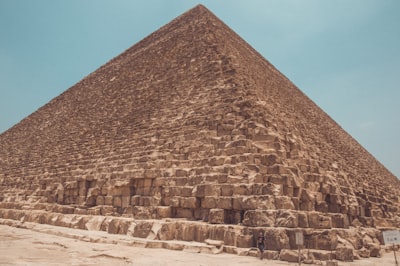
Mexico City, a vibrant metropolis pulsating with ancient history, world-class art, incredible food, and a dynamic contemporary culture, beckons travelers from across the globe. From the majestic pyramids of Teotihuacan just outside its borders to the bustling markets of La Merced, the grandeur of the Palacio de Bellas Artes, and the serene canals of Xochimilco, there's an endless array of experiences awaiting. Before you can immerse yourself in the magic of CDMX (Ciudad de México), however, understanding the entry requirements and visa regulations is paramount.
Navigating international travel can sometimes feel like a bureaucratic maze, especially when it comes to visas. This comprehensive guide is designed to demystify Mexico's entry requirements, providing you with all the essential information you need to plan a hassle-free trip to Mexico City. Whether you're a seasoned traveler or embarking on your first international adventure, ensuring you have the correct documentation is the first crucial step towards an unforgettable journey.
Understanding Mexico's General Entry Requirements
Regardless of your nationality, there are fundamental requirements that all foreign visitors must meet to enter Mexico. Adhering to these guidelines will ensure a smooth process upon arrival at Mexico City International Airport (MEX) or any other port of entry.
Your Passport: The Key to Entry
The most critical document for any international travel is your passport. For entry into Mexico, your passport must be:
- Valid: It should be valid for at least six months beyond your intended date of departure from Mexico. While some sources might say three months, it's always safer to have at least six to avoid any potential issues or complications, especially if your plans unexpectedly change.
- Undamaged: Ensure your passport is in good condition, with no torn pages or water damage, as immigration officials may deny entry if the document is deemed compromised.
- Personalized: It must be your own passport, issued by your country of citizenship.
The Forma Migratoria Múltiple (FMM): Your Tourist Permit
The FMM, often referred to as a "tourist card" or "multiple immigration form," is a mandatory document for all foreign visitors entering Mexico for tourism, business (unpaid activities), or transit. It is not a visa, but rather a permit that specifies the duration and purpose of your stay.
- On Arrival: For most travelers arriving by air, the FMM form is typically provided by your airline during the flight or upon arrival at immigration. An immigration officer will stamp it upon entry, indicating your permitted length of stay (up to 180 days). It is crucial to keep this small, slip-like document safe, as you must present it when departing Mexico. Losing it can lead to delays and a fine at the airport.
- Online (Pre-Arrival): Mexico's National Institute of Migration (INM) allows travelers to fill out the FMM form online prior to arrival. This can save time at immigration. After completing the form online, you must print it out, sign it, and present it to the immigration officer upon arrival for stamping. You can access the official online FMM form through the INM website. Ensure you use the official government portal to avoid fraudulent sites.
- Duration: While the FMM allows a stay of up to 180 days, the immigration officer has the final say on the actual duration granted. It's common for them to grant 30, 60, or 90 days. If you explicitly need 180 days, be prepared to clearly state your intentions and provide supporting documents (like a detailed itinerary or proof of accommodation for the full period).
- Purpose: The FMM is strictly for non-remunerated activities (tourism, visiting friends/relatives, short-term business meetings, attending conferences, medical treatment). It does not permit employment in Mexico.
Proof of Onward or Return Travel
Mexican immigration authorities generally require proof of onward or return travel. This demonstrates that you intend to leave Mexico before your authorized stay expires. This can be in the form of:
- A confirmed airline ticket out of Mexico.
- A confirmed bus or train ticket if you plan to exit by land.
Proof of Sufficient Funds
You may be asked to demonstrate that you have sufficient funds to cover your expenses during your stay in Mexico. While there isn't a fixed amount, this could include:
This requirement is more commonly enforced if immigration officers have doubts about your intentions or financial stability.
Accommodation Details
It's advisable to have details of your accommodation, at least for the first few nights. This could be:
- An address of where you'll be staying (e.g., if with friends or family).
Customs Declaration Form
Upon arrival, you will also need to complete a customs declaration form, whether provided on the plane or at the airport. This form declares any goods you are bringing into Mexico that might be subject to duties or restrictions. Be honest and declare all items as required to avoid issues.
Visa-Exempt Countries: Who Doesn't Need a Visa for Mexico?
Mexico has a generous visa policy, allowing citizens of many countries to enter for tourism or non-remunerated business activities without requiring a pre-arranged visa. This exemption typically applies for stays of up to 180 days, though, as mentioned, the final decision rests with the immigration officer.
Major Visa-Exempt Nationalities Include:
- United States of America: U.S. citizens can enter Mexico without a visa.
- Canada: Canadian citizens can enter Mexico without a visa.
- Schengen Area Countries (Most of Europe): Citizens of countries within the Schengen Agreement (e.g., Germany, France, Italy, Spain, Netherlands, Belgium, Sweden, etc.) do not require a visa.
- United Kingdom: British citizens do not require a visa.
- Australia: Australian citizens do not require a visa.
- Japan: Japanese citizens do not require a visa.
- South Korea: South Korean citizens do not require a visa.
- Chile, Colombia, Costa Rica, Peru: Citizens from these Latin American countries are also typically visa-exempt.
- Many Other Countries: The list is extensive and includes nations like New Zealand, Singapore, Israel, Hong Kong, and more.
Important Note for Visa-Exempt Travelers:
While you don't need a pre-arranged visa, you *still* need to fulfill all the general entry requirements mentioned above, including a valid passport, the FMM, proof of onward travel, and potentially proof of funds and accommodation. The "visa-exempt" status simply means you don't need to apply for a separate visa stamp in your passport before arriving in Mexico.
Special Considerations for Visa-Exempt Entry
- Temporary Resident Status in Certain Countries: Foreigners who hold a valid, multiple-entry visa for, or permanent residency in, the United States, Canada, Japan, the United Kingdom, or any of the countries comprising the Schengen Area, do not require a Mexican visa for stays of up to 180 days. This is a significant benefit for many travelers who might otherwise need a visa for Mexico. For example, an Indian citizen with a valid U.S. B1/B2 visa can enter Mexico without needing a separate Mexican visa.
- Purpose of Visit: The visa exemption is strictly for tourism, transit, or non-remunerated business activities (e.g., attending meetings, conferences, short training). It does not permit employment or any other activity that generates income in Mexico.
Countries Requiring a Visa for Mexico
If your nationality is not on the visa-exempt list, or if you do not hold a valid visa or permanent residency from one of the qualifying countries (USA, Canada, Japan, UK, Schengen), you will need to apply for a Mexican Tourist Visa (Visa de Visitante sin Permiso para Realizar Actividades Remuneradas) prior to your trip.
Typical Nationalities Requiring a Mexican Visa Include:
- China: Citizens of the People's Republic of China.
- India: Citizens of India.
- Various African Countries: Many countries across Africa.
- Various Middle Eastern Countries: Several nations in the Middle East.
- Some Eastern European and Asian Countries: Depending on specific agreements.
Always Check Official Sources: The list of countries requiring a visa can change. It is imperative to check the official website of the Embassy or Consulate of Mexico in your country of residence for the most up-to-date and accurate information regarding visa requirements for your specific nationality.
The Mexican Tourist Visa Application Process
Applying for a Mexican tourist visa involves several steps and requires careful preparation of documents.
1.
Locate Your Nearest Mexican Consulate or Embassy: Visa applications must be submitted in person at a Mexican consulate or embassy in your country of residence. Some countries may have multiple consulates.
2.
Gather Required Documents: The exact list of documents can vary slightly by consulate, but generally includes:
- Visa Application Form: Duly completed and signed. These are usually available for download from the consulate's website.
- Valid Passport: Original passport valid for at least six months beyond your intended departure date from Mexico.
- Passport-Sized Photographs: Usually two recent photographs (passport size, white background, no glasses, face clearly visible).
- Proof of Economic Solvency: This is crucial. You must demonstrate that you have sufficient funds to support yourself during your stay. This can be:
- Original bank statements showing consistent income or a substantial balance over the last 3-6 months.
- Pay stubs or employment letters indicating your salary.
- If a third party (e.g., a family member) is sponsoring your trip, they may need to provide their financial documents and a letter of invitation/sponsorship.
- Proof of Employment or Student Status:
- If employed: A letter from your employer stating your position, salary, and approval for leave.
- If self-employed: Business registration documents and bank statements.
- If student: A letter from your educational institution confirming enrollment.
- Flight Itinerary/Reservations: Round-trip flight reservations to and from Mexico. It's often recommended *not* to purchase non-refundable tickets until your visa is approved.
- Accommodation Proof: Hotel bookings or a letter of invitation from a host in Mexico, along with a copy of their ID (if applicable).
- Ties to Home Country: Documents proving you intend to return to your home country (e.g., property deeds, marriage certificate, family obligations).
- Visa Fee: The visa application fee is non-refundable, regardless of the outcome of your application. The fee amount can vary and should be confirmed with the consulate.
3.
Schedule an Appointment: Most consulates require you to schedule an appointment online or by phone for visa submission and an interview.
4.
Attend the Interview: You will typically have a brief interview where consular officers may ask about your travel plans, purpose of visit, and financial situation. Be honest and provide clear, concise answers.
5.
Processing Time: Visa processing times can vary significantly, ranging from a few days to several weeks, depending on the consulate and the complexity of the application. It is advisable to apply well in advance of your planned travel date.
Special Cases & Other Visa Types
While this guide focuses primarily on tourist entry, it's worth briefly mentioning other common scenarios and visa categories.
Transit Visas
Generally, if you are transiting through a Mexican airport and remain in the international transit area without passing through immigration, you do not need a Mexican visa. However, if your itinerary requires you to exit the airport (e.g., for a connecting flight from a different terminal, an overnight layover, or if you wish to collect luggage and re-check-in), you will need to meet the entry requirements as if you were visiting Mexico. This means you would need an FMM and potentially a visa, depending on your nationality. Always confirm with your airline and the Mexican consulate if you have any doubts about your specific transit situation.
Student Visas (Temporary Resident Visa for Students)
If you plan to study in Mexico for more than 180 days, you will need a student visa. This requires admission to a Mexican educational institution, proof of financial solvency, and other specific documents. The application process is similar to a tourist visa but with additional requirements.
Work Visas (Temporary Resident Visa with Work Permit)
To work legally in Mexico, you must obtain a work visa, which typically requires sponsorship from a Mexican employer. This is a complex process that involves the employer petitioning the National Institute of Migration (INM) in Mexico before you can apply for the visa at a consulate abroad. You cannot enter Mexico as a tourist and then change your status to a work permit.
Temporary/Permanent Residency
For stays longer than 180 days that are not for study or work, or for those seeking to reside in Mexico, there are options for temporary or permanent residency. These processes are more involved, requiring significant documentation and often a showing of substantial financial means or specific familial ties. While Mexico does not have a specific "digital nomad visa," individuals who can demonstrate sufficient economic solvency to live independently without working for a Mexican entity can often apply for a temporary resident visa that allows them to stay for up to four years.
Minors Traveling to Mexico
- With Both Parents: Minors traveling with both parents generally have no special requirements beyond their valid passport and FMM.
- With One Parent: If a minor is traveling with only one parent, it is highly recommended (though not always legally mandated by Mexico) to carry a notarized letter of consent from the absent parent, along with a copy of the absent parent's identification. This can prevent potential issues at immigration.
- Unaccompanied Minors or with Third Party: Minors traveling alone or with a guardian who is not a parent often require a notarized letter of consent from both parents (or legal guardians), specifying the travel dates, purpose, and contact information for the accompanying adult or the person receiving the minor in Mexico.
Extending Your Stay in Mexico
The FMM is typically issued for a maximum of 180 days. For tourists, extending your stay beyond the initial period granted by the immigration officer (e.g., from 30 to 180 days) or beyond the 180-day maximum is generally very difficult and often not permitted.
- Leaving and Re-entering: The most common way to "extend" a stay is to leave Mexico and re-enter, effectively restarting the FMM process. However, frequent back-and-forth entries might raise suspicion with immigration officials, who could question your intentions and potentially deny re-entry or grant a shorter stay.
- Consequences of Overstaying: Overstaying your authorized period in Mexico can lead to penalties, including fines, detention, and a potential ban from re-entering the country in the future. It is crucial to respect the validity of your FMM and depart Mexico before it expires.
Important Tips for a Smooth Entry into Mexico City
Preparation is key to a stress-free travel experience. Here are some essential tips to ensure a smooth entry into Mexico City:
- Document Checklist: Before you leave, double-check that you have all necessary documents: valid passport, printed FMM (if completed online), proof of onward travel, accommodation details, and financial proof.
- Photocopies and Digital Copies: Make photocopies of your passport, FMM, and other important documents. Store them separately from the originals. Also, keep digital copies on your phone, in your email, or on cloud storage. This is invaluable if originals are lost or stolen.
- Honesty at Immigration: When speaking with immigration officials, be honest and clear about your purpose of visit and intended length of stay. Misinformation can lead to complications.
- Declare All Items: Be transparent on your customs declaration form. If you are unsure whether an item needs to be declared, it's better to declare it. This helps avoid fines or confiscation.
- Cash and Currency: While Mexico City is very modern, having some Mexican Pesos (MXN) on hand for initial expenses (e.g., taxi from the airport, small purchases) is always a good idea. You can exchange currency at the airport, but rates might be better at banks or ATMs once you're in the city.
- Basic Spanish Phrases: Learning a few basic Spanish phrases like "Hola" (hello), "Gracias" (thank you), "Por favor" (please), "No entiendo" (I don't understand), and "Habla inglés?" (Do you speak English?) can greatly enhance your interactions and navigate minor challenges.
- Travel Insurance: While not an entry requirement, comprehensive travel insurance is highly recommended. It can cover unexpected medical emergencies, trip cancellations, lost luggage, and other unforeseen events, providing peace of mind during your trip.
- Stay Informed: Always consult the official websites of the Mexican government (specifically the National Institute of Migration - INM, and the Ministry of Foreign Affairs - SRE) or your country's embassy in Mexico for the most current travel advisories and visa regulations, as policies can change.
Beyond the Visa: Exploring the Wonders of Mexico City
Once you've successfully navigated the entry requirements, a world of wonder awaits you in Mexico City. Prepare to be enchanted by:
- Historic Center (Centro Histórico): A UNESCO World Heritage site featuring the Zócalo, Metropolitan Cathedral, Palacio Nacional, and ancient Aztec ruins of Templo Mayor.
- Museums and Art: Home to over 150 museums, including the Frida Kahlo Museum (Casa Azul), Museo Nacional de Antropología, and the Museo Soumaya.
- Culinary Delights: From street food tacos and tamales to high-end gourmet dining, Mexico City is a foodie paradise. Explore markets like Mercado de San Juan or enjoy traditional dishes in iconic neighborhoods.
- Parks and Green Spaces: Relax in Chapultepec Park, one of the largest city parks in the world, or stroll through the charming streets of Condesa and Roma Norte.
- Day Trips: Venture out to the breathtaking pyramids of Teotihuacan, the colorful canals of Xochimilco, or the charming colonial town of Coyoacán.
Conclusion
Embarking on a journey to Mexico City is an adventure filled with rich history, vibrant culture, and unforgettable experiences. By thoroughly understanding and meticulously preparing for Mexico's entry and visa requirements, you can ensure a smooth start to your trip. Remember to always consult official government sources for the most current information relevant to your specific nationality and travel plans. With your documents in order, you're ready to explore the endless charm and excitement of one of the world's most captivating cities. ¡Buen viaje!
---
Frequently Asked Questions (FAQ) About Mexico City Entry and Visas
Q1: Do I need a visa to visit Mexico City?
A1: It depends on your nationality. Citizens of many countries, including the USA, Canada, UK, Schengen Area countries, Australia, and Japan, do not require a pre-arranged visa for stays of up to 180 days for tourism. However, you will still need a valid passport and the Forma Migratoria Múltiple (FMM) tourist permit. Citizens of other countries, such as India or China, typically need to apply for a visa in advance at a Mexican consulate. Always check the official Mexican government immigration website for the most up-to-date requirements for your nationality.
Q2: What is the FMM, and do I need it?
A2: The FMM (Forma Migratoria Múltiple) is Mexico's tourist permit, sometimes called a tourist card. It is mandatory for all foreign visitors entering Mexico for tourism, business (unpaid), or transit, regardless of whether you need a visa or not. You can obtain it on your flight or at the immigration desk upon arrival, or fill it out online before your trip and print it. You must keep it safe and present it upon departure.
Q3: How long can I stay in Mexico City as a tourist?
A3: The FMM allows for a maximum stay of 180 days. However, the immigration officer at the port of entry has the final say and may grant you a shorter period (e.g., 30, 60, or 90 days) based on their assessment. If you need a full 180 days, be prepared to justify your extended stay with an itinerary or accommodation details.
Q4: What documents do I need to enter Mexico?
A4: Generally, you will need:
- A valid passport (valid for at least six months beyond your intended departure date).
- The Forma Migratoria Múltiple (FMM) tourist permit.
- Proof of onward or return travel (e.g., confirmed flight ticket).
- Proof of sufficient funds to cover your stay (bank statements, credit cards, cash).
- Details of your accommodation (hotel reservation, host address).
- A completed customs declaration form.
- If applicable, a valid Mexican visa in your passport.
Q5: Can I work in Mexico City on a tourist visa (FMM)?
A5: No, the FMM (tourist permit) and a tourist visa are strictly for non-remunerated activities (tourism, visiting, short-term unpaid business meetings). They do not permit any form of employment or activities that generate income in Mexico. To work legally, you would need to obtain a specific work visa, which typically requires sponsorship from a Mexican employer.
Q6: What happens if I overstay my FMM or visa in Mexico?
A6: Overstaying your authorized period can lead to serious consequences, including fines, potential detention, and being barred from re-entering Mexico for a certain period in the future. It is crucial to depart Mexico before your FMM or visa expires.
Q7: Do I need travel insurance for Mexico City?
A7: While not a mandatory entry requirement, travel insurance is highly recommended. It provides crucial coverage for unforeseen circumstances such as medical emergencies, trip cancellations or interruptions, lost luggage, and other travel-related issues, offering peace of mind throughout your trip.
Q8: Can I extend my tourist stay in Mexico?
A8: Extending a tourist stay beyond the period granted on your FMM (up to the 180-day maximum) is generally difficult and often not permitted by Mexican immigration authorities. Your best option for a longer stay is typically to leave Mexico and re-enter, which would restart the FMM process, but frequent re-entries might raise suspicion. For stays longer than 180 days, you would need to explore options for temporary residency visas.
Q9: Where can I find the official visa information for Mexico?
A9: The most reliable sources are the official websites of the Mexican government:
- National Institute of Migration (INM): For FMM and general immigration policies.
- Ministry of Foreign Affairs (SRE): For visa requirements and consulate information.
- The website of the Mexican Embassy or Consulate in your country of residence.
Q10: Is Mexico City safe for tourists?
A10: Like any major global metropolis, Mexico City has areas that are safer than others. Tourist areas such as Roma Norte, Condesa, Polanco, Coyoacán, and the Historic Center are generally safe during the day and evening. It's always advisable to practice common-sense safety precautions: be aware of your surroundings, avoid walking alone in poorly lit areas at night, use reputable transportation, and keep valuables out of sight. Check your government's travel advisories for current information.