Bangkok Visa Guide 2026 – Complete Thailand Travel Guide
Your Ultimate Guide to Thailand Visas for a Trip to Vibrant Bangkok
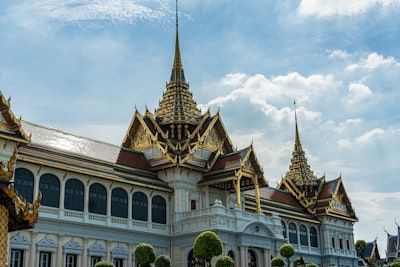
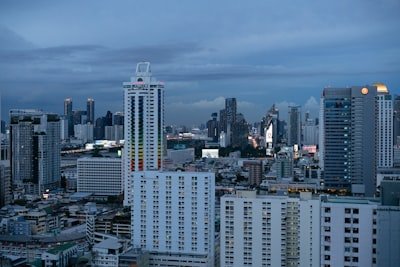
Bangkok, the bustling capital of Thailand, is a city of captivating contrasts. From ancient temples like Wat Arun and Wat Pho to the gleaming skyscrapers of the financial district, from aromatic street food stalls to world-class fine dining, and from vibrant night markets to luxurious shopping malls, Bangkok offers an exhilarating experience for every traveler. Before you can immerse yourself in its unique charm, however, one crucial step often requires attention: understanding Thailand's visa requirements.
Navigating the intricacies of international travel visas can seem daunting, but it's an essential part of planning your dream getaway to the Land of Smiles. This comprehensive guide aims to demystify the Thailand visa process, focusing on what you need to know to ensure a smooth entry into the country, especially when your destination is the magnificent city of Bangkok. Whether you're planning a short holiday, a longer stay, or even considering working remotely from Thailand, we've got you covered with detailed information on visa exemptions, visa on arrival, various tourist visas, and other long-term options.
Preparing in advance not only saves you potential headaches but also allows you to focus on the exciting aspects of your trip – like exploring the Grand Palace, cruising along the Chao Phraya River, or indulging in a traditional Thai massage. Let’s dive into everything you need to know to secure your Thailand travel visa and make your Bangkok adventure a reality.
Do You Need a Visa for Thailand? Understanding Visa Exemption
One of the most common questions travelers have is whether they need a visa at all. Fortunately, Thailand offers a generous "Visa Exemption Scheme" for citizens of many countries, allowing them to enter the country for tourism purposes without pre-obtaining a visa. This scheme is designed to facilitate short-term visits and boost tourism.
Visa Exemption Scheme Explained
The Visa Exemption Scheme allows citizens of specific countries to enter Thailand for a certain period without a visa. The duration of stay under this scheme has seen some adjustments over time, so it's crucial to check the most current regulations. As of recent updates, citizens of numerous countries, including the United States, United Kingdom, Canada, Australia, New Zealand, and most European Union member states, are typically granted a 30-day stay when arriving by air or land. However, during certain periods or for specific nationalities, this exemption period can be temporarily extended to 45 or even 60 days to promote tourism. Always verify the current policy with the Royal Thai Embassy or Consulate in your country or the Thai Ministry of Foreign Affairs website before your trip.
To be eligible for visa-exempt entry, travelers must meet several key requirements:
- Passport Validity: Your passport must be valid for at least six months from your date of entry into Thailand.
- Onward/Return Ticket: You must possess a confirmed airline ticket showing your departure from Thailand within the allowed visa-exempt period. Immigration officers may ask to see this.
- Proof of Funds: While not always strictly enforced, immigration officials reserve the right to request proof of adequate funds to cover your stay (e.g., 10,000 THB per person or 20,000 THB per family). This is to ensure you can support yourself financially during your visit.
- Purpose of Visit: Your visit must be strictly for tourism purposes. Engaging in employment or business activities without the appropriate visa is strictly prohibited.
- Entry Limits: There might be limits on how many times you can enter Thailand under the visa exemption scheme within a certain period, especially for land border crossings. Typically, you can enter via land twice per calendar year under the exemption. Air entry usually does not have such strict limits, but repeated consecutive entries might raise suspicion.
Understanding these conditions is paramount to a hassle-free arrival at Bangkok's Suvarnabhumi Airport (BKK) or Don Mueang International Airport (DMK). If you plan a stay longer than the permitted exemption period, you will need to apply for a tourist visa in advance.
Countries with Bilateral Agreements (14, 30, 90-day Stays)
Beyond the general Visa Exemption Scheme, Thailand also maintains bilateral agreements with certain countries that allow for varying periods of visa-free stays. For instance, citizens of Brazil, Argentina, Chile, Peru, and South Korea can often enter Thailand without a visa for up to 90 days for tourism purposes. These agreements are specific and based on diplomatic reciprocity. Similarly, some countries might have a 14-day visa-free entry, though this is less common for popular tourist nationalities. It is essential for citizens of these countries to verify the exact terms of their respective bilateral agreements with the Thai authorities or their local embassy/consulate to ensure compliance. Knowing your specific country's status is the first step in successful travel planning.
Visa on Arrival (VOA) for Thailand
For citizens of a select group of countries not covered by the Visa Exemption Scheme, Thailand offers a "Visa on Arrival" (VOA) option. This allows travelers to obtain a short-term visa directly at designated international airports and border checkpoints upon entry.
Who is Eligible for VOA?
The Visa on Arrival scheme is available to citizens of approximately 19-20 countries (the list can change, so always verify). Prominent examples include India, China, Kazakhstan, Taiwan, Saudi Arabia, and Uzbekistan. These travelers can enter Thailand for tourism purposes for a maximum period of 15 days. This option is particularly convenient for those who might not have a Thai embassy or consulate readily accessible in their home country or for those who plan spontaneous short trips. However, it's a shorter stay than a standard tourist visa or visa-exempt entry for many Western nations.
VOA Requirements and Application Process
While convenient, obtaining a Visa on Arrival requires travelers to prepare a specific set of documents and meet certain conditions upon their arrival in Thailand:
- Passport: Your passport must be genuine and valid for at least 30 days from your intended date of entry. This is a common requirement, though for other visa types, it's usually 6 months.
- Application Form: A completed Visa on Arrival application form (TM.88). These are available at the VOA counter at the airport or can sometimes be downloaded in advance.
- Photograph: One recent passport-sized photograph (4x6 cm) taken within the last six months.
- Return/Onward Ticket: A confirmed air ticket for departure from Thailand within 15 days of your entry. This is critical proof that you will not overstay.
- Accommodation Proof: Evidence of confirmed accommodation in Thailand (e.g., hotel booking).
- Proof of Funds: You must demonstrate that you have sufficient funds to cover your stay, typically at least 10,000 THB per person or 20,000 THB per family.
- Visa Fee: A visa fee, typically 2,000 THB (cash only, Thai Baht), is required upon application. There might be an express lane fee for quicker processing if available.
- Embarkation/Disembarkation Card: A completed TM.6 card, usually provided by your airline during the flight.
eVOA Option: To streamline the process and reduce waiting times at the airport, Thailand has introduced an Electronic Visa on Arrival (eVOA) system for eligible nationalities. This allows travelers to apply and pay for their VOA online before their trip, receiving pre-approval. Upon arrival, they can proceed to a dedicated eVOA counter, speeding up their entry. It's highly recommended to use the eVOA service if available for your nationality, as it significantly reduces potential queues and stress after a long flight.
Types of Tourist Visas for Thailand
If your country is not eligible for visa exemption or Visa on Arrival, or if you plan to stay longer than the permitted periods, you will need to apply for a tourist visa from a Royal Thai Embassy or Consulate in your home country or country of residence before traveling.
Single-Entry Tourist Visa (TRV)
The most common type of pre-obtained visa for tourists is the Single-Entry Tourist Visa. This visa is suitable for individuals planning a single trip to Thailand for tourism purposes.
- Who Needs It: Citizens of countries not eligible for visa exemption or VOA, or those who wish to stay longer than the visa-exempt/VOA period (e.g., for 60 days initially).
- Duration: A Single-Entry Tourist Visa typically allows a stay of up to 60 days from the date of entry. This visa is usually valid for 3 months from the date of issue, meaning you must enter Thailand within that 3-month window.
- Extendable: Good news for those who fall in love with Thailand – this visa can often be extended for an additional 30 days at a local Immigration Bureau office in Thailand, bringing your total potential stay to 90 days. An extension typically costs 1,900 THB.
- Requirements: The requirements for a Single-Entry Tourist Visa are more stringent than for VOA. You will generally need:
- A passport valid for at least six months beyond your intended stay.
- A completed visa application form.
- One or two passport-sized photographs (as specified by the embassy/consulate).
- A confirmed round-trip air ticket or onward journey ticket.
- Proof of confirmed accommodation (e.g., hotel bookings) for a reasonable portion of your stay.
- Proof of adequate financial means (e.g., a recent bank statement showing funds of at least 20,000 THB per person or 40,000 THB per family). The exact amount can vary by embassy.
- A copy of your flight itinerary.
- Proof of residence in your home country (e.g., utility bill).
Multiple-Entry Tourist Visa (METV)
For frequent visitors to Thailand or those planning extended travel within the region that involves multiple entries into Thailand, the Multiple-Entry Tourist Visa (METV) is an ideal option.
- Who is it for: Travelers who plan to enter Thailand more than once within a six-month period. This is perfect for those who might visit Bangkok, then travel to neighboring countries like Cambodia or Vietnam, and return to Thailand before heading home.
- Duration: The METV is valid for six months from the date of issue. Within this six-month period, you can enter Thailand multiple times, with each entry allowing a stay of up to 60 days. You must exit and re-enter Thailand before the 60-day period on each entry expires.
- Requirements: Due to its flexibility, the METV has more stringent application requirements than the single-entry visa:
- A passport valid for at least six months from the date of entry for the first entry, and valid for the entire 6-month period for the visa validity.
- A completed visa application form.
- Passport-sized photographs.
- Proof of consistent financial status (e.g., bank statements showing a minimum balance of 200,000 THB for the past six months). This is to demonstrate financial stability.
- A confirmed air ticket for the first entry into Thailand.
- Proof of confirmed accommodation for the first entry.
- Proof of residence in your home country.
- Letter of employment (if applicable) or other documents indicating your ties to your home country.
The METV offers significant flexibility, but it requires thorough preparation and proof of financial stability. It's crucial to consult the specific requirements of the Thai embassy or consulate where you intend to apply, as these can vary slightly.
Non-Immigrant Visas: For Longer Stays and Specific Purposes
Beyond tourism, Thailand offers a range of Non-Immigrant Visas designed for individuals who wish to stay in the country for specific, non-tourism related purposes, such as retirement, education, work, or business. These visas generally allow for longer stays and often require more extensive documentation.
Non-Immigrant "O" Visa (Retirement, Marriage, Dependent)
The Non-Immigrant "O" Visa is a versatile category for those seeking to reside in Thailand for reasons other than employment or business.
- Retirement Visa: Popular among expatriates, this visa is for individuals aged 50 or above who wish to retire in Thailand. Key requirements include proof of age, a significant financial deposit in a Thai bank account (e.g., 800,000 THB), or a monthly income (e.g., 65,000 THB), and proof of a clean criminal record. This visa usually grants an initial 90-day stay, convertible into a one-year visa, renewable annually.
- Marriage Visa: For those married to a Thai citizen. Requirements include a marriage certificate, proof of a legitimate marriage, and adequate financial means (e.g., 400,000 THB in a Thai bank account or 40,000 THB monthly income).
- Dependent Visa: For family members (spouse, children) of a primary visa holder (e.g., a foreign spouse of a Thai national, or children of a working expatriate).
Non-Immigrant "B" Visa (Business, Work, Education)
The Non-Immigrant "B" Visa is the umbrella category for those coming to Thailand for professional or educational reasons.
- Business Visa: For individuals conducting business activities, attending conferences, or exploring investment opportunities. Requires an invitation letter from a Thai company, company registration documents, and sometimes proof of financial capability.
- Work Visa: This is for individuals who have secured employment in Thailand. It requires a work permit (obtained after the visa) and sponsorship from a Thai employer, including various company documents, employment contracts, and educational/professional qualifications of the applicant.
- Education Visa (Non-Immigrant ED Visa): Specifically for students enrolled in recognized educational institutions in Thailand, including language schools, universities, or martial arts training. Requires an acceptance letter from the educational institution, proof of funds, and potentially academic transcripts.
New Developments: Long-Term Resident (LTR) Visa & Digital Nomad Visa
Thailand is actively evolving its visa landscape to attract high-potential foreign residents, recognizing the global shift towards remote work and international talent.
- Long-Term Resident (LTR) Visa: Introduced to attract wealthy global citizens, wealthy pensioners, work-from-Thailand professionals, and highly skilled professionals. This visa offers a validity of up to 10 years, along with multiple re-entry permits, fast-track immigration, and tax benefits. The eligibility criteria are specific to each category, often requiring high income, significant investments, or specialized skills. This is a significant step towards positioning Thailand as a global hub for long-term residents and high-value individuals.
- Digital Nomad Visa: While not a standalone visa category in the traditional sense yet, Thailand is actively working towards a more specific and streamlined visa for digital nomads. Currently, remote workers often utilize the Non-Immigrant B (Business) visa, the LTR visa (specifically the "Work-from-Thailand Professionals" category), or make use of visa exemptions/tourist visas with periodic border runs (though this is discouraged for long-term stay intentions). The government recognizes the potential of digital nomads and is developing policies to accommodate them, with a dedicated Digital Nomad Visa or an enhancement to existing frameworks expected to provide a clear legal pathway for remote workers to reside and work from Thailand.
Keeping an eye on the official announcements from the Thai government and immigration department is crucial for those interested in these evolving long-term residency options.
The Thailand Visa Application Process
Applying for a Thai visa, whether it’s a tourist visa or a non-immigrant visa, involves specific steps and documentation. Understanding this process thoroughly will ensure a smooth and successful application.
Online vs. In-Person Application
Thailand has modernized its visa application system significantly.
- Thai E-Visa System (e-Visa.go.th): Many Royal Thai Embassies and Consulates around the world now utilize the e-Visa system. This allows applicants to submit their visa applications and supporting documents online from anywhere in the world. Once approved, the visa is issued digitally or as an endorsement in the applicant's passport upon presentation of the e-visa confirmation. This system offers convenience and often faster processing for eligible nationalities. It's crucial to check if the Thai embassy or consulate responsible for your region supports the e-Visa system.
- Applying at an Embassy/Consulate: For countries not yet integrated into the e-Visa system, or for certain complex visa types, you may still need to apply in person or by mail at the Royal Thai Embassy or Consulate responsible for your jurisdiction. This typically involves submitting physical documents, attending an interview (if required), and collecting your passport with the visa stamp. Always check the specific instructions on the website of your nearest Thai diplomatic mission.
Essential Documents for Your Visa Application
Regardless of whether you apply online or in person, gathering the correct documents is paramount. While requirements can vary slightly by visa type and embassy, here's a general checklist of essential documents:
- Passport: Original passport valid for at least six months (for TRV/METV) or even longer (for Non-Immigrant visas) beyond your intended stay, with at least two blank pages.
- Visa Application Form: Duly completed and signed application form (either online or physical).
- Passport-sized Photos: One or two recent passport-sized photographs (4x6 cm), usually taken within the last six months, with a white background.
- Flight Itinerary: Confirmed round-trip air ticket or onward journey ticket demonstrating your departure from Thailand.
- Accommodation Booking: Proof of confirmed accommodation in Thailand (e.g., hotel bookings, rental agreement).
- Proof of Funds: Recent bank statements showing sufficient financial means to cover your expenses during your stay. The required amount varies by visa type (e.g., 20,000 THB for a single TRV, 200,000 THB for METV).
- Letter of Invitation (if applicable): For business visas, a letter from the inviting Thai company; for education visas, an acceptance letter from the school.
- Travel Insurance: While not always strictly mandatory for all tourist visas, travel insurance with adequate medical coverage is highly recommended and sometimes requested, especially for older applicants or those applying for long-stay visas like the Retirement Visa. It’s a crucial safety net for any international travel.
- Proof of Residence: Utility bill, driver’s license, or other documents proving your address in your home country.
Always double-check the specific requirements on the website of the Thai embassy or consulate where you are applying, as these are the definitive sources for your region.
Fees and Processing Times
Visa fees for Thailand vary depending on the type of visa and the nationality of the applicant. For example, a Single-Entry Tourist Visa typically costs around 40-50 USD (or equivalent in local currency), while a Multiple-Entry Tourist Visa might be around 200 USD. Fees are non-refundable, even if your application is denied. It's crucial to confirm the exact fee with the issuing authority, as currency conversions and administrative charges can affect the final cost.
Processing times also vary. E-Visas can sometimes be processed within a few business days, while in-person applications might take 5-10 business days or even longer, especially during peak travel seasons or for more complex visa types. It is strongly advised to apply for your visa well in advance of your planned travel date – ideally, at least 4-6 weeks before – to account for any potential delays or requests for additional documentation. Last-minute applications risk jeopardizing your travel plans.
Extending Your Stay in Thailand
Sometimes, even the best-laid plans change, and you might find yourself wanting to extend your stay in beautiful Thailand. Fortunately, many visa types allow for an extension at a local Immigration Bureau office.
How to Apply for an Extension
If you wish to extend your current visa or visa-exempt stamp, you must apply *before* its expiry date. Overstaying your visa, even by a single day, carries penalties.
- Where to Apply: All visa extensions are processed at a local Immigration Bureau office in Thailand. The most convenient for those in Bangkok is the Immigration Division 1 in Chaeng Wattana.
- TM.7 Form: A completed application form for visa extension. These are available at the Immigration Bureau.
- Passport: Your original passport.
- Passport-sized Photo: One recent passport-sized photograph.
- Copy of Passport & Visa: Photocopies of your passport's main page, current visa stamp, and departure card (TM.6).
- Proof of Address: A clear proof of your current residence in Thailand (e.g., hotel booking, rental agreement, or a letter from your landlord).
- Extension Fee: The fee for most extensions is 1,900 THB.
- Tourist Visa (TRV): A 60-day Tourist Visa can typically be extended for an additional 30 days, totaling 90 days.
- Visa Exemption: A 30-day (or 45-day/60-day temporary) visa-exempt stamp can usually be extended for an additional 30 days, bringing your total stay to 60 days (or 75/90 days).
- Visa on Arrival (VOA): The 15-day VOA is generally not extendable, though some exceptional circumstances might be considered. It's safer to assume it's non-extendable.
- Non-Immigrant Visas: Many Non-Immigrant visas (e.g., "O" for retirement, "B" for work) are issued for an initial 90 days and can be converted into a one-year stay, renewable annually, provided all conditions are met.
The process usually involves visiting the Immigration Bureau, taking a queue number, submitting your documents, paying the fee, and waiting for your extension to be processed. It's advisable to dress appropriately (modestly, as it's a government office) and arrive early in the day, especially at busy offices like the one in Bangkok.
Overstaying Your Visa: Penalties and Consequences
Overstaying your visa in Thailand is a serious offense and should be avoided at all costs. The Thai Immigration Act imposes strict penalties for overstay.
- Fines: The standard fine for overstay is 500 Baht per day, capped at 20,000 Baht. You will pay this fine at the airport immigration counter when departing.
- Detention and Deportation: If you are caught overstaying during a routine check or if your overstay is significant, you could face arrest, detention in an immigration detention center, and subsequent deportation.
- Blacklisting: Overstays, especially those exceeding 90 days, can lead to a ban (blacklisting) from re-entering Thailand for a specific period (e.g., 1 year for over 90 days, 3 years for over 1 year, 5 years for over 3 years, 10 years for over 5 years). This can severely impact future travel plans to Thailand.
It is always better to leave Thailand on time or secure a valid extension. If you find yourself in an unavoidable situation that might lead to an overstay, contact the Immigration Bureau or seek legal advice as soon as possible.
Important Travel Tips for Your Bangkok Adventure
Once your visa situation is sorted, it's time to focus on making the most of your Bangkok adventure. Here are some essential tips to enhance your travel experience.
Health and Safety
- Travel Insurance: Absolutely essential. Ensure your policy covers medical emergencies, hospitalization, personal liability, and trip cancellations. Thailand's medical facilities are excellent but can be costly for foreigners without insurance.
- Vaccinations: Consult your doctor about recommended vaccinations for Thailand, which might include Hepatitis A and B, Typhoid, Tetanus, and potentially Rabies depending on your activities.
- Heat and Hydration: Bangkok is hot and humid year-round. Drink plenty of bottled water, wear light clothing, and seek shade during the hottest parts of the day.
- Local Scams: Be aware of common tourist scams, such as the "Grand Palace is closed today" or "free tuk-tuk ride" scams that divert you to gem or tailor shops. Always use metered taxis or ride-hailing apps like Grab.
Currency and Budgeting
- Thai Baht (THB): The official currency. ATMs are widely available, but be aware of international withdrawal fees. Credit cards are accepted in major hotels and larger shops, but cash is king for street food, markets, and smaller establishments.
- Budgeting: Bangkok can be enjoyed on any budget. Street food is incredibly cheap, while fine dining can be on par with Western cities. Transportation is affordable. Plan your daily budget based on your spending habits.
Cultural Etiquette
- Respect for Monarchy: The Thai monarchy is deeply revered. Always show utmost respect when discussing the royal family or seeing their images.
- Temple Etiquette: Dress modestly when visiting temples – cover your shoulders and knees. Remove your shoes before entering temple buildings and Thai homes.
- Head and Feet: The head is considered the most sacred part of the body, and the feet the lowest. Avoid touching someone's head and never point your feet at people or religious images.
- Wai: The traditional Thai greeting is the "wai." While not expected from tourists, a polite "wai" is appreciated when receiving good service or showing respect.
Getting Around Bangkok
- BTS Skytrain & MRT Subway: Excellent, efficient, and air-conditioned options for navigating central Bangkok and avoiding traffic.
- Grab: Thailand's most popular ride-hailing app, offering convenient and fixed-price transport (cars, motorbikes, taxis).
- Taxis: Metered taxis are plentiful. Insist on using the meter (meter, please!) to avoid inflated prices.
- Tuk-tuks: Iconic and fun, but negotiate the fare *before* you start the journey. Often best for short distances or the experience.
- Chao Phraya Express Boat: A great way to travel along the river, especially to historical sites, while enjoying scenic views.
Frequently Asked Questions (FAQ) About Thailand Visas
Here are some of the most common questions travelers have about Thailand visas, especially when planning a trip to Bangkok.
Q1: Can I get a visa on arrival if I'm from the US/UK/Schengen countries?
A1: No. Citizens of the US, UK, Canada, Australia, New Zealand, and most Schengen countries are typically eligible for the
Visa Exemption Scheme, allowing them a visa-free stay of 30 days (or sometimes temporarily 45/60 days) upon arrival by air or land, provided they meet specific requirements like an onward ticket. Visa on Arrival is for a different, specific list of nationalities.
Q2: How long does a standard Thai tourist visa last?
A2: A Single-Entry Tourist Visa (TRV) typically grants a stay of 60 days. This can usually be extended for an additional 30 days at an Immigration Bureau office in Thailand, bringing the total potential stay to 90 days.
Q3: What documents do I need for a visa exemption entry?
A3: You need a passport valid for at least six months, a confirmed onward/return ticket showing departure within your permitted stay, and sometimes proof of adequate funds (e.g., 10,000 THB per person).
Q4: Is travel insurance mandatory for Thailand?
A4: For most tourist visas and visa-exempt entries, travel insurance is not strictly mandatory, though it is *highly recommended* for your safety and peace of mind. However, for certain long-stay visas (like the Retirement Visa) or specific situations, it might be a mandatory requirement.
Q5: Can I work in Thailand on a tourist visa or visa exemption?
A5: Absolutely not. Engaging in any form of employment or business activities without the appropriate Non-Immigrant visa and a valid work permit is illegal and can lead to severe penalties, including fines, deportation, and blacklisting.
Q6: What happens if I overstay my visa in Thailand?
A6: Overstaying incurs a fine of 500 Baht per day, capped at 20,000 Baht. Depending on the length of the overstay, you could also face detention, deportation, and a ban from re-entering Thailand for several years.
Q7: How much money do I need to show for a Thai visa or visa exemption?
A7: For a Visa Exemption entry or Visa on Arrival, generally 10,000 THB per person or 20,000 THB per family is the guideline. For a Single-Entry Tourist Visa, some embassies require proof of funds around 20,000 THB per person. For a Multiple-Entry Tourist Visa, a higher balance, often 200,000 THB maintained for several months, is typically required. These are guidelines and can vary.
Q8: Where can I apply for a Thai visa?
A8: You can apply at a Royal Thai Embassy or Consulate in your home country or country of legal residence. Many nationalities can also apply via the official Thai E-Visa system (e-Visa.go.th). For Visa on Arrival, you apply at the designated immigration counter upon arrival in Thailand.
Q9: What is the latest update on the "Digital Nomad" visa for Thailand?
A9: Thailand is actively working on specific pathways for digital nomads. While a dedicated "Digital Nomad Visa" is still under development or in its early rollout phases, remote workers might currently apply for the Long-Term Resident (LTR) visa under the "Work-from-Thailand Professionals" category, or explore existing Non-Immigrant "B" (Business) visas, depending on their specific situation and duration of intended stay. Always check official government sources for the most current information.
Q10: Can I extend my visa exemption stay in Thailand?
A10: Yes, typically a visa-exempt entry stamp can be extended for an additional 30 days at a local Immigration Bureau office in Thailand. This means a 30-day exemption can become a 60-day stay (or 45-day can become 75-day, etc.).
Conclusion
Embarking on a journey to Bangkok is an exciting prospect, promising a tapestry of cultural immersion, culinary delights, and unforgettable experiences. While the vibrant streets and serene temples await, ensuring your entry into Thailand is seamless begins with a thorough understanding of its visa regulations.
This ultimate guide has walked you through the various pathways to enter Thailand, from the convenient Visa Exemption Scheme for many nationalities to the Visa on Arrival option, and the more structured Single and Multiple-Entry Tourist Visas. We've also touched upon the options for longer stays, such as Non-Immigrant Visas for specific purposes, and highlighted the emerging opportunities with the Long-Term Resident (LTR) visa and the evolving landscape for digital nomads.
Remember, the key to a stress-free trip lies in preparation. Always consult the official website of the Royal Thai Embassy or Consulate in your country, or the Thai Ministry of Foreign Affairs, for the most up-to-date and specific requirements relevant to your nationality and travel purpose. Gather your documents well in advance, understand the fees, and adhere strictly to immigration laws to avoid any complications.
With your visa concerns addressed, you are now free to dream of floating markets, glittering golden Buddhas, fragrant curries, and the warm hospitality that defines Thailand. Bangkok is calling, ready to unfold its wonders before you. Start planning your adventure today, and prepare to be enchanted by the heart of the Land of Smiles!