Cape Town Travel Guide 2026 – Complete South Africa Travel Guide
# Cape Town Travel Guide: Explore the Mother City's Magic
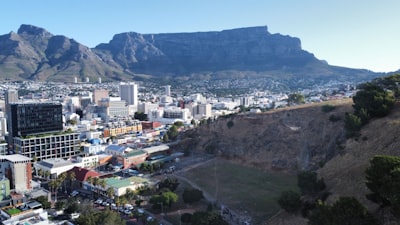
Nestled at the southern tip of Africa, where two mighty oceans meet and a majestic mountain watches over a vibrant city, lies Cape Town – often hailed as one of the most beautiful cities in the world. Known affectionately as the "Mother City," Cape Town is a captivating blend of breathtaking natural landscapes, rich history, diverse culture, and a pulsating urban energy that leaves an indelible mark on every visitor.
From the iconic flat-topped silhouette of Table Mountain to the pristine white sands of its famous beaches, the colorful streets of Bo-Kaap, and the poignant history echoing from Robben Island, Cape Town offers an unparalleled array of experiences. Whether you're an adventure seeker, a history buff, a foodie, a nature lover, or simply looking for a relaxing getaway, this vibrant metropolis promises an unforgettable journey. This comprehensive Cape Town travel guide will help you navigate its wonders, ensuring you make the most of your visit to this extraordinary destination.
## Why Visit Cape Town? The Allure of the Mother City
Cape Town's charm lies in its multifaceted appeal, drawing millions of travelers year after year. It's a city that effortlessly combines urban sophistication with raw natural beauty, creating a unique tapestry of experiences.
### A Spectacle of Natural Beauty
Cape Town is blessed with an abundance of natural wonders. Dominating the skyline is Table Mountain, a UNESCO World Heritage Site and one of the New7Wonders of Nature, offering panoramic views that stretch as far as the eye can see. The dramatic coastline is punctuated by stunning beaches like Clifton and Camps Bay, while the Cape Peninsula unfurls a scenic drive leading to the dramatic cliffs of Cape Point and the historic Cape of Good Hope. The verdant Kirstenbosch National Botanical Garden showcases the unique Fynbos biome, a testament to the region's incredible biodiversity.
### A Tapestry of History and Culture
Beneath its stunning façade, Cape Town holds a deep and often poignant history. It was the starting point for Dutch colonization in South Africa, and its past is a complex narrative of colonialism, slavery, and the struggle against apartheid. Sites like Robben Island, where Nelson Mandela was imprisoned, and the District Six Museum offer powerful insights into this history. The vibrant Bo-Kaap neighborhood, with its pastel-colored houses and unique Cape Malay culture, adds another rich layer to the city's cultural mosaic.
### A Culinary Paradise
Cape Town has emerged as a global culinary hotspot. From world-class fine dining restaurants that consistently rank among the best to bustling food markets, charming cafes, and vibrant street food scenes, the city caters to every palate and budget. The proximity to the Cape Winelands means access to exquisite wines, perfectly paired with innovative local and international cuisine. Expect fresh seafood, hearty traditional dishes, and a fusion of flavors influenced by the city's diverse heritage.
### Adventure Awaits
For adrenaline junkies and outdoor enthusiasts, Cape Town is a playground. Hike or abseil Table Mountain, go paragliding off Lion's Head, surf the waves at Muizenberg, mountain bike through scenic trails, or even try shark cage diving for an ultimate thrill. The opportunities for adventure are as endless as the stunning vistas.
## Top Attractions & Things to Do in Cape Town
To truly experience Cape Town, immerse yourself in its iconic landmarks and unique activities. Here's a curated list of must-see attractions.
### 1. Table Mountain National Park
The undisputed icon of Cape Town, Table Mountain is visible from almost anywhere in the city.
- What to Do: Take the revolving Aerial Cableway for breathtaking 360-degree views, or embark on one of the many hiking trails to reach the summit. Once atop, explore the flat plateau with its unique flora and enjoy incredible vistas of the city, coastline, and surrounding mountains.
- Pro Tip: Book cableway tickets online in advance, especially during peak season, to avoid long queues. Check the weather forecast; the cableway closes in high winds.
### 2. Robben Island
A UNESCO World Heritage Site and a profound historical landmark, Robben Island served as a prison for political prisoners during the apartheid era, most famously Nelson Mandela.
- What to Do: Take a ferry from the V&A Waterfront to the island. A guided tour, often led by former political prisoners, provides a moving and insightful experience into the island's history and the struggles of those incarcerated there. You'll visit Nelson Mandela's cell and learn about the harsh realities of apartheid.
- Pro Tip: This is a popular attraction; book your tickets several weeks, if not months, in advance, especially during peak tourist season. The ferry ride can be choppy, so if you're prone to seasickness, take precautions.
### 3. V&A Waterfront
A bustling hub of activity, the Victoria & Alfred Waterfront is a working harbor that has been transformed into a vibrant leisure and shopping destination.
- What to Do: Enjoy world-class dining, browse hundreds of shops, visit the Two Oceans Aquarium, take a harbor cruise, or simply soak in the atmosphere while watching seals play in the harbor. It's also the departure point for Robben Island ferries and various boat trips.
- Pro Tip: The Waterfront is very walkable and safe. It's a great place for an evening stroll, dinner, or souvenir shopping.
### 4. Bo-Kaap
Nestled at the foot of Signal Hill, Bo-Kaap is famous for its brightly colored houses, cobblestone streets, and unique Cape Malay culture.
- What to Do: Wander through the picturesque streets, admire the distinct architecture, and learn about the history of the area, which was once home to descendants of slaves brought from Southeast Asia. Visit the Bo-Kaap Museum and enjoy traditional Cape Malay cuisine.
- Pro Tip: It's a popular spot for photographers. Be respectful of residents when taking photos. Consider a guided walking tour to learn more about its rich history and culture.
### 5. Kirstenbosch National Botanical Garden
Consistently ranked among the top botanical gardens in the world, Kirstenbosch is a magnificent display of South Africa's indigenous flora.
- What to Do: Explore the vast gardens, walk along the "Boomslang" (Tree Canopy Walkway) for stunning views, enjoy a picnic on the lawns, or attend a summer concert. It's a haven of tranquility and natural beauty.
- Pro Tip: Allow at least 2-3 hours to fully appreciate the gardens. Wear comfortable shoes and bring water.
### 6. Boulders Beach Penguin Colony
Located near Simon's Town on the Cape Peninsula, Boulders Beach is home to a thriving colony of endangered African Penguins.
- What to Do: Observe these adorable birds waddling, swimming, and nesting from designated boardwalks. You can also swim alongside them in the sheltered coves, though maintain a respectful distance.
- Pro Tip: Go early in the morning or late afternoon to avoid crowds. The penguins are wild animals, so do not touch or feed them.
### 7. Cape Point & Cape of Good Hope
A dramatic headland at the southern tip of the Cape Peninsula, where the Atlantic and Indian Oceans are often perceived to meet (though the actual meeting point varies).
- What to Do: Drive the incredibly scenic Chapman's Peak Drive (toll road) to reach the Cape Point Nature Reserve. Ride the Funicular or hike up to the old lighthouse for spectacular views. Explore the rugged landscape and take a photo at the iconic "Cape of Good Hope" sign.
- Pro Tip: The weather can change quickly, so bring layers. Watch out for baboons; keep car windows closed and do not feed them.
### 8. District Six Museum
A poignant and powerful museum dedicated to the forced removal of 60,000 inhabitants from the vibrant District Six area during apartheid.
- What to Do: Explore the exhibits, listen to personal narratives, and gain a deeper understanding of the devastating impact of apartheid on communities. Many of the museum's guides are former residents of District Six.
- Pro Tip: This is a profoundly moving experience. Be prepared for an emotional visit.
### 9. Lion's Head
Offering some of the most spectacular panoramic views of Cape Town, Table Mountain, and the Atlantic Seaboard, Lion's Head is a popular hiking spot.
- What to Do: Hike to the summit for sunrise or sunset for an unforgettable experience. The hike takes about 1.5-2 hours round trip, with some chains and ladders near the top for assistance.
- Pro Tip: Wear sturdy shoes and bring water. A headlamp is essential if hiking in the dark.
### 10. The Beaches of Camps Bay and Clifton
Cape Town boasts some truly magnificent beaches. Camps Bay is trendy, with palm-lined promenades, chic restaurants, and stunning views of the Twelve Apostles mountain range. Clifton's four beaches are nestled in picturesque coves, offering shelter from the wind and pristine white sand.
- What to Do: Relax on the sand, swim (the Atlantic is chilly!), enjoy sundowners at a beachfront restaurant, or simply take in the beautiful scenery.
- Pro Tip: Parking can be challenging, especially in summer. Consider using ride-sharing services.
## Day Trips from Cape Town
While Cape Town itself offers endless exploration, its surrounding regions are equally captivating and make for fantastic day excursions.
### 1. The Cape Winelands (Stellenbosch, Franschhoek, Paarl)
Just an hour's drive from Cape Town, the Winelands are a world-renowned wine-producing region characterized by picturesque valleys, historic estates, and gourmet dining.
- What to Do: Embark on wine tastings, enjoy cellar tours, indulge in exquisite food pairings, and soak in the breathtaking scenery. The Franschhoek Wine Tram offers a unique hop-on-hop-off experience between vineyards.
- Pro Tip: Consider hiring a designated driver or joining a guided tour if you plan on sampling wines. Book tastings and restaurant reservations in advance.
### 2. Hermanus (Whale Watching)
About 1.5-2 hours from Cape Town, Hermanus is considered the world's best land-based whale-watching destination.
- What to Do: From June to December, Southern Right Whales migrate to the sheltered bays for calving and breeding. You can spot them from cliff paths, or take a boat tour for a closer encounter.
- Pro Tip: The peak season for whale watching is usually August to November. Book boat tours well in advance.
### 3. Shark Cage Diving
For the truly adventurous, a day trip to Gansbaai (about 2-2.5 hours from Cape Town) offers the thrilling experience of shark cage diving with Great White Sharks.
- What to Do: Get up close and personal with these magnificent predators from the safety of a cage, submerged in the ocean.
- Pro Tip: Book with a reputable operator. This is a seasonal activity, and sightings are never guaranteed, but operators generally have high success rates.
### 4. Safari Experiences (Aquila Private Game Reserve, Inverdoorn Game Reserve)
While Kruger National Park is too far for a day trip, you can experience a taste of the African bush and its wildlife at private game reserves closer to Cape Town.
- What to Do: Enjoy guided game drives to spot the "Big Five" (lion, leopard, elephant, rhino, buffalo) and other fascinating wildlife.
- Pro Tip: These reserves are typically 2-3 hours drive from Cape Town. Day trip packages often include transport, game drives, and meals. Manage expectations; these are not the vast, wild landscapes of Kruger, but offer a convenient wildlife experience.
## Culinary Journey: Eating Your Way Through Cape Town
Cape Town's food scene is dynamic, diverse, and delicious. Prepare your taste buds for an unforgettable culinary adventure.
### From Fine Dining to Street Food
The city boasts several restaurants that regularly feature on "World's 50 Best" lists, offering innovative cuisine often with a focus on local ingredients. Simultaneously, vibrant food markets like the Neighbourgoods Market at the Old Biscuit Mill and Mojo Market offer a casual, diverse selection of street food, artisanal products, and live music.
### Local Delicacies to Try
- Boerewors Roll: A South African sausage, often enjoyed in a roll with condiments.
- Biltong & Droëwors: Cured, dried meat snacks, similar to jerky but with distinct spices.
- Gatsby: A massive, loaded sandwich/sub originating from Cape Town, typically filled with chips (fries), meat, and sauce.
- Bobotie: A traditional Cape Malay dish of spiced minced meat baked with an egg-based topping.
- Braai (BBQ): A beloved South African tradition. If you get a chance to experience a local braai, don't miss it!
- Seafood: Given its coastal location, fresh seafood is abundant and excellent.
- Wine: Explore the vast selection of local wines, particularly Chenin Blanc, Sauvignon Blanc, Pinotage, and Cap Classique (South African sparkling wine).
### Where to Eat
- V&A Waterfront: Offers a wide range of restaurants, from casual to upscale, with various cuisines and stunning views.
- Bree Street & Kloof Street: Known for their trendy restaurants, bars, and cafes.
- Bo-Kaap: Experience authentic Cape Malay cuisine at local eateries.
- Camps Bay & Clifton: Enjoy beachfront dining with spectacular sunset views.
## Getting Around Cape Town
Navigating Cape Town is relatively straightforward, with several transport options available.
### MyCiTi Bus
Cape Town's efficient public bus system connects major attractions and neighborhoods, including the airport. It's a cost-effective and reliable way to get around. You'll need to purchase a MyCiTi card (Mover card) and load money onto it.
### Taxis & Ride-Sharing
Uber and Bolt (formerly Taxify) are widely available and generally safe, convenient, and affordable in Cape Town. This is often the preferred mode of transport for tourists, especially in the evenings. Traditional metered taxis are also available but can be more expensive.
### Car Rental
Renting a car offers the most flexibility, especially if you plan on exploring the Winelands, the Cape Peninsula, or embarking on day trips. Roads are generally well-maintained, but be aware of traffic congestion during peak hours, particularly in the city center. South Africans drive on the left side of the road.
### Walking
Many areas, like the V&A Waterfront, Bo-Kaap, and central business district, are very walkable. However, always be aware of your surroundings, especially after dark.
## Best Time to Visit Cape Town
Cape Town enjoys a Mediterranean climate, with distinct seasons that offer different experiences.
- Summer (December - February): Warm and dry, with long sunny days. This is peak tourist season, ideal for beaches, hiking, and outdoor activities. Be prepared for crowds and higher prices. The infamous "Cape Doctor" (strong south-easterly wind) can make an appearance.
- Autumn (March - May): Mild and pleasant, with fewer crowds and less wind. Ideal for exploring the Winelands and enjoying outdoor pursuits without the intense heat. Often considered one of the best times to visit.
- Winter (June - August): Cooler and wetter, but still with many clear, crisp days. Great for storm watching, cozying up by a fireplace, and often finding better deals on accommodation. Whale watching season begins towards the end of winter.
- Spring (September - November): Warming up, with beautiful wildflowers blooming, especially in the West Coast National Park. A good balance of pleasant weather and fewer crowds than summer.
## Where to Stay in Cape Town
Cape Town offers a diverse range of accommodation options to suit every budget and preference.
- V&A Waterfront: Upscale hotels, safe, bustling, with easy access to dining, shopping, and attractions.
- Camps Bay & Clifton: Luxury villas and boutique hotels, stunning beachfront locations, vibrant nightlife. Ideal for those seeking glamour and ocean views.
- City Bowl (Gardens, Company's Garden, CBD): Central, vibrant, close to museums, galleries, and nightlife. Offers a mix of hotels, guesthouses, and apartments.
- Bo-Kaap: Charming guesthouses, unique cultural experience.
- Sea Point & Green Point: Lively promenades, sea views, more budget-friendly options, great for families.
- Woodstock & Observatory: Trendy, bohemian neighborhoods with street art, independent cafes, and guesthouses, popular with younger travelers.
## Safety Tips for Travelers in Cape Town
While Cape Town is generally safe for tourists, it's wise to be aware and take precautions, as with any major city.
- General Awareness: Be mindful of your surroundings, especially in crowded areas like markets or public transport hubs.
- Valuables: Don't display expensive jewelry, cameras, or electronics openly. Keep passports and large sums of cash in a secure place.
- Night Safety: Avoid walking alone at night, especially in dimly lit or unfamiliar areas. Use reputable ride-sharing services or taxis.
- ATM Usage: Use ATMs in well-lit, busy areas or inside banks. Be wary of anyone offering unsolicited help.
- Informal Settlements: Avoid visiting informal settlements (townships) without a reputable, guided tour.
- Car Safety: Keep car doors locked and windows up while driving. Don't leave valuables visible in your car.
- Beaches: While popular beaches like Camps Bay and Clifton are generally safe, always be cautious of your belongings.
## Packing Essentials for Your Cape Town Adventure
Cape Town's varied climate and diverse activities call for versatile packing.
- Layers: Even in summer, evenings can be cool, and the "Cape Doctor" wind can make it feel colder. Pack light layers, including a sweater or light jacket.
- Sun Protection: Sunscreen (high SPF), hat, and sunglasses are essential year-round. The African sun is strong.
- Comfortable Walking Shoes: You'll be doing a lot of exploring, hiking, and walking.
- Swimwear: For beaches and pools.
- Rain Jacket/Umbrella: If visiting in winter or spring.
- Adapter: South Africa uses Type M (three large round pins) plugs.
- Camera: For capturing the stunning scenery.
- Daypack: For carrying essentials on excursions.
- Reusable Water Bottle: Stay hydrated and reduce plastic waste.
## Budgeting for Your Cape Town Trip
Cape Town offers options for various budgets, from luxurious to backpacker-friendly.
- Accommodation: Can range from budget hostels (~R200-R400/night) to mid-range hotels (~R800-R2000/night) and luxury resorts (R3000+/night).
- Food: Eating out can be very affordable. A casual meal might cost R100-R200, while a mid-range restaurant meal could be R250-R500 per person. Fine dining will be significantly more. Groceries are relatively inexpensive if you plan to self-cater.
- Activities: Many natural attractions like beaches are free. Entry to Table Mountain Cableway, Robben Island, and other museums will incur costs (e.g., R200-R500+ per attraction). Day tours and adventure activities can range from R500 to R2000+.
- Transport: Uber/Bolt is generally affordable. Car rental costs vary but include fuel. MyCiTi bus is the cheapest option.
- Currency: South African Rand (ZAR). Credit cards are widely accepted, but it's good to have some cash for smaller purchases or tips.
## Frequently Asked Questions (FAQ) about Visiting Cape Town
### Is Cape Town safe for tourists?
Yes, Cape Town is generally safe for tourists, especially in major tourist areas, but like any big city, it has its challenges. Practicing common sense safety measures – being aware of your surroundings, avoiding walking alone at night, and not openly displaying valuables – will greatly enhance your safety. Use reputable transport like Uber/Bolt.
### How many days do you need in Cape Town?
To truly experience Cape Town and its immediate surrounds, a minimum of 5-7 full days is recommended. This allows you to cover the main attractions, explore different neighborhoods, and perhaps take a day trip to the Winelands or Cape Point without feeling rushed. For a more relaxed pace or to include more day trips, 10-14 days would be ideal.
### What language is spoken in Cape Town?
South Africa has 11 official languages. In Cape Town, English is widely spoken and understood, especially in tourist areas and businesses. Afrikaans and Xhosa are also commonly spoken by residents.
### Do I need a visa for South Africa?
Visa requirements depend on your nationality. Many countries have visa-free access for short tourist visits (usually up to 90 days), while others require a visa in advance. It's crucial to check the official South African Department of Home Affairs website or consult your local embassy/consulate well before your trip.
### Can I drink tap water in Cape Town?
Yes, tap water in Cape Town is generally safe to drink. The city has good water treatment facilities. However, if you have a very sensitive stomach, bottled water is readily available.
### What is the currency in South Africa?
The currency is the South African Rand (ZAR). ZAR is typically written with the symbol 'R' (e.g., R100).
### Is Uber available in Cape Town?
Yes, Uber and Bolt (another ride-sharing app) are widely available, reliable, and popular in Cape Town. They are a convenient and often more affordable way to get around compared to traditional metered taxis.
### What should I pack for Cape Town?
Pack layers (t-shirts, sweaters, light jacket), comfortable walking shoes, swimwear, sun protection (sunscreen, hat, sunglasses), and possibly a light rain jacket if traveling during the cooler months. An international travel adapter (Type M) is also essential.
### Is Cape Town expensive?
Compared to major European or North American cities, Cape Town can be relatively affordable, especially regarding food and local transport. Accommodation prices vary widely depending on luxury. Activities like safaris or shark cage diving can be significant expenses, but many natural attractions are free or inexpensive. Overall, it offers good value for money.
### What's the best way to get from Cape Town International Airport (CPT) to the city center?
The MyCiTi bus service offers a reliable and affordable shuttle from the airport to the city center. Taxis and ride-sharing services (Uber/Bolt) are also readily available just outside the terminal and offer door-to-door convenience.
## Conclusion: Your Cape Town Adventure Awaits
Cape Town is more than just a city; it's an experience that ignites the senses and stirs the soul. Its dramatic landscapes, vibrant culture, rich history, and warm hospitality conspire to create a destination unlike any other. Whether you're standing atop Table Mountain, reflecting on the past on Robben Island, savoring a gourmet meal in the Winelands, or simply watching the sunset over the Atlantic, Cape Town will undoubtedly leave you mesmerized.
Start planning your adventure today, and prepare to discover why the Mother City truly holds a special place in the hearts of all who visit. Your unforgettable journey to the tip of Africa awaits!