Seoul Travel Guide 2026 – Complete South Korea Travel Guide
Seoul Travel Guide: Unforgettable Adventures in South Korea's Dynamic Capital
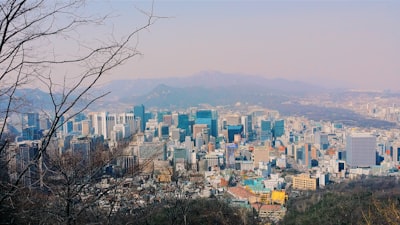
Welcome to Seoul, a city where ancient palaces stand majestically amidst futuristic skyscrapers, traditional markets buzz alongside high-tech shopping districts, and serene temples offer respite from the electrifying pulse of K-pop and cutting-edge fashion. Seoul, the vibrant capital of South Korea, is a destination that perfectly embodies the harmony of old and new, offering an unparalleled travel experience for every type of explorer.
Whether you're a history buff, a foodie, a K-drama enthusiast, a nature lover, or a fashionista, Seoul promises an adventure that will captivate your senses and leave you with unforgettable memories. This comprehensive Seoul travel guide is your ultimate resource for planning an incredible journey, helping you navigate its bustling streets, discover its hidden gems, and immerse yourself in its unique culture. Get ready to explore a city that never sleeps, constantly innovates, and warmly welcomes you to its heart.
Why Seoul? A City of Contradictions and Charms
Seoul is more than just a capital city; it's a cultural phenomenon. It consistently ranks among the most visited cities in the world, and for good reason. Here's why Seoul should be at the top of your travel list:
- A Blend of Old and New: Where else can you explore 600-year-old royal palaces in the morning and visit a state-of-the-art digital art museum in the afternoon? Seoul masterfully preserves its heritage while embracing rapid modernization.
- Culinary Paradise: From sizzling Korean BBQ and comforting bibimbap to exotic street food and trendy café culture, Seoul offers an endless array of gastronomic delights that cater to every palate and budget.
- Epicenter of K-Culture: Dive headfirst into the world of K-pop, K-drama, and Korean beauty. Seoul is where trends are born, and you'll find countless opportunities to experience the Hallyu wave firsthand.
- Efficient & Safe: With one of the most efficient public transportation systems in the world and an incredibly low crime rate, Seoul is a remarkably easy and safe city to navigate, even for solo travelers.
- Shopping Haven: Whether you're looking for luxury brands, unique independent fashion, or traditional crafts, Seoul's diverse shopping districts (from Myeongdong to Gangnam) have it all.
This article will guide you through planning your trip, identifying the best attractions, savoring the local cuisine, and offering practical tips to ensure your Seoul vacation is nothing short of spectacular.
Planning Your Seoul Adventure
A well-planned trip enhances any travel experience. Here’s everything you need to know before you jet off to Seoul.
Best Time to Visit Seoul
Seoul experiences four distinct seasons, each offering a unique charm:
- Spring (March-May): Arguably the most popular time, with pleasant temperatures and breathtaking cherry blossoms. Expect larger crowds and higher prices.
- Summer (June-August): Hot and humid with frequent rainfall, but also vibrant with festivals and outdoor activities, especially along the Han River.
- Autumn (September-November): Another fantastic time to visit, characterized by crisp air, clear skies, and stunning fall foliage. Similar to spring, it's a busy season.
- Winter (December-February): Cold with occasional snow, but ideal for winter sports enthusiasts (just outside Seoul) and enjoying festive decorations and cozy cafes. It’s also generally less crowded.
For comfortable weather and fewer crowds, late spring or early autumn are often recommended.
Getting There & Around
Seoul is served by two major airports:
- Incheon International Airport (ICN): The main international gateway, renowned for its efficiency and amenities.
- Gimpo International Airport (GMP): Primarily handles domestic flights and some short-haul international flights (e.g., Tokyo, Osaka, Shanghai).
From Incheon Airport to Seoul:
The easiest and most efficient ways are:
- AREX Express Train: Non-stop service to Seoul Station (approx. 43 minutes).
- AREX All Stop Train: Stops at various stations, including Hongik University Station (approx. 60 minutes).
- Airport Limousine Bus: Comfortable buses that go directly to major hotels and districts across Seoul.
- Taxi: Available but more expensive.
Getting Around Seoul:
Seoul boasts one of the best public transportation systems in the world:
- Subway: Extensive, efficient, clean, and well-signposted in English. It's the best way to get around.
- Bus: Complements the subway, reaching areas the subway doesn't. Buses are color-coded (blue for main routes, green for shorter routes, red for express, yellow for circular city routes).
- T-Money Card: Essential for public transport. Purchase and load at subway stations or convenience stores. It can also be used for taxis and some convenience stores.
- Taxi: Widely available, affordable compared to many Western cities. Basic, International, and Deluxe taxis are available.
Visa & Entry Requirements
South Korea has visa-free agreements with many countries. Most visitors from North America, Europe, Australia, and parts of Asia can enter for up to 90 days without a visa. However, it's crucial to check the latest visa requirements for your specific nationality on the official Embassy of the Republic of Korea website before your trip, as policies can change. Starting September 1, 2021, most visa-free travelers are required to obtain a K-ETA (Korea Electronic Travel Authorization) prior to entry.
Currency & Budgeting
- Currency: The official currency is the South Korean Won (KRW).
- Credit Cards: Widely accepted, especially Visa and Mastercard. American Express may be less so.
- Cash: Useful for street food vendors, smaller shops, and traditional markets. ATMs are readily available, but check if your bank charges foreign transaction fees.
- Tipping: Tipping is not customary in South Korea and may even be considered rude. Service charges are sometimes included in high-end restaurants or hotels.
Average Daily Budget (excluding flights):
- Budget Traveler: ₩50,000 - ₩100,000 (US$40-80) - hostels, street food, public transport, free attractions.
- Mid-Range Traveler: ₩100,000 - ₩200,000 (US$80-160) - budget hotels/guesthouses, diverse dining, some paid attractions, occasional taxis.
- Luxury Traveler: ₩200,000+ (US$160+) - luxury hotels, fine dining, private transport, extensive shopping.
Language & Basic Phrases
While English signage is common in tourist areas, especially on the subway, learning a few basic Korean phrases will go a long way and is greatly appreciated by locals.
- Hello: Annyeonghaseyo (안녕하세요)
- Thank You: Kamsahamnida (감사합니다)
- Excuse Me/Pardon Me: Joesonghamnida (죄송합니다) or Jogi-yo (저기요 - to get attention)
- How much is it?: Eolmayeyo? (얼마예요?)
- Delicious: Masisseoyo (맛있어요)
Consider downloading a translation app like Papago (Naver Papago) for real-time translation.
Accommodation Options
Seoul offers a vast range of accommodation options. Here are some popular areas:
- Myeongdong: Central, excellent for shopping, food, and very tourist-friendly. Good transport links.
- Hongdae: Vibrant, youthful, known for nightlife, indie music, and art. Popular with students and younger travelers.
- Gangnam: Upscale, trendy, luxury shopping, K-pop entertainment. More expensive, but offers a sophisticated vibe.
- Insadong: Traditional, cultural, with tea houses and craft shops. Great for experiencing traditional Korea.
- Jongno/Euljiro: Close to palaces and historical sites, a good mix of traditional and modern.
- Itaewon: International district, diverse cuisine, and vibrant nightlife. Popular with expats.
Top Attractions in Seoul: A Journey Through Time & Trend
Seoul is packed with incredible sights and experiences. Here’s a curated list of must-visit places.
Historic Palaces & Traditional Villages
Step back in time and explore Korea's rich royal heritage and traditional way of life.
- Gyeongbokgung Palace (경복궁): The largest and most iconic of Seoul's five grand palaces, built in 1395. Don't miss the impressive Royal Guard Changing Ceremony at the main Gwanghwamun Gate, held several times a day. Rent a hanbok (traditional Korean dress) nearby for beautiful photos.
- Changdeokgung Palace & Huwon (Secret Garden) (창덕궁 & 후원): A UNESCO World Heritage site known for its exquisite architecture and harmony with nature. The Secret Garden (Huwon) requires a separate guided tour and is especially stunning in autumn.
- Bukchon Hanok Village (북촌한옥마을): Nestled between Gyeongbokgung and Changdeokgung, this charming traditional Korean village offers narrow alleyways lined with beautifully preserved hanok (traditional houses). It's still a residential area, so be mindful of noise.
- Namsan Hanok Village (남산골한옥마을): A collection of five restored hanok houses from different social classes, relocated and rebuilt to provide insight into traditional Korean life. It's less crowded than Bukchon and offers cultural activities.
- Jongmyo Shrine (종묘): The oldest and most authentic of the Confucian royal shrines, dedicated to the ancestral tablets of the Joseon Dynasty kings and queens. Another UNESCO World Heritage site, it holds deep cultural significance.
Iconic Landmarks & Scenic Views
Gain panoramic perspectives and marvel at Seoul's impressive urban landscape.
- N Seoul Tower (남산타워): Perched atop Namsan Mountain, this iconic tower offers breathtaking 360-degree views of Seoul, especially stunning at sunset and night. Reach it by cable car or a scenic walk. Don't forget the "love locks."
- Lotte World Tower & Seoul Sky (롯데월드타워 & 서울스카이): Standing at 555 meters, it's South Korea's tallest building and the fifth tallest in the world. Seoul Sky observation deck offers unparalleled views, including a thrilling glass-floor skywalk.
- Cheonggyecheon Stream (청계천): A beautifully restored urban stream that flows through downtown Seoul, offering a tranquil escape from the city bustle. It's a popular spot for strolls, especially in the evenings.
- Dongdaemun Design Plaza (DDP) (동대문디자인플라자): An architectural marvel designed by Zaha Hadid, featuring a futuristic, curvaceous exterior. It hosts fashion shows, exhibitions, and design markets.
- Han River Parks (한강공원): The Han River, which bisects Seoul, is lined with numerous parks perfect for cycling, picnics, cruises, or simply relaxing. Yeouido and Banpo Hangang Parks are particularly popular.
Vibrant Neighborhoods & Shopping Hubs
Experience the diverse pulse of Seoul's districts, from fashion to food to art.
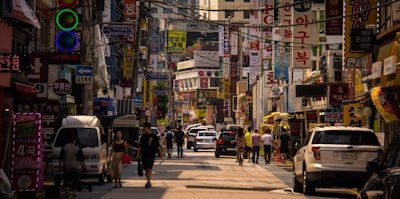
- Myeongdong (명동): The ultimate shopping district for cosmetics, fashion, and international brands. It truly comes alive at night with an incredible array of street food stalls.
- Hongdae (홍대): A youth-centric district known for its artistic vibe, indie music performances, vibrant nightlife, quirky cafes, and trendy fashion boutiques. Catch street performers (buskers) in action.
- Gangnam (강남): Synonymous with luxury, high-end shopping, plastic surgery clinics, and K-pop entertainment agencies. Explore Apgujeong Rodeo Street, Garosu-gil for trendy cafes, and the COEX Mall for shopping and the Starfield Library.
- Insadong (인사동): A haven for traditional Korean culture, offering art galleries, antique shops, traditional tea houses, and craft stores selling pottery, hanji (Korean paper), and souvenirs. Ssamziegil is a unique shopping complex.
- Itaewon (이태원): Seoul's most international district, famous for its diverse restaurants, bars, and clubs. It's a great place to experience global cuisine and nightlife.
- Namdaemun Market (남대문시장): Seoul's oldest and largest traditional market, a sprawling maze of stalls selling everything from clothing and household goods to souvenirs and delicious street food. Open almost 24/7.
- Gwangjang Market (광장시장): Renowned for its incredible food stalls. A must-visit for experiencing authentic Korean street food like bibimbap, mung bean pancakes (bindaetteok), and tteokbokki.
Museums & Cultural Experiences
Delve deeper into Korea's history, art, and vibrant performing arts scene.
- National Museum of Korea (국립중앙박물관): The flagship museum of Korean history and art, housing a vast collection of artifacts spanning millennia. Free admission to permanent exhibitions.
- War Memorial of Korea (전쟁기념관): A comprehensive museum dedicated to the Korean War and military history, offering a somber yet important insight into the nation's past.
- Leeum, Samsung Museum of Art (리움미술관): A striking architectural complex showcasing traditional Korean art and modern/contemporary international art.
- Nanta Show (난타): A non-verbal comedy show featuring kitchen antics, drumming, and acrobatics. It's a fun and energetic experience suitable for all ages and languages.
- Demilitarized Zone (DMZ) Tour: While not *in* Seoul, a day trip to the DMZ (border with North Korea) is a profound and often sobering experience, providing a unique perspective on Korean history and the ongoing division. Tours typically depart from Seoul.
A Culinary Journey: Must-Try Seoul Food
Korean food is a highlight of any trip to Seoul. Prepare your taste buds for an explosion of flavors!
Street Food Delights
Seoul's street food scene is legendary. Don't leave without trying:
- Tteokbokki (떡볶이): Chewy rice cakes smothered in a spicy, sweet gochujang sauce. A Korean staple.
- Gyeranppang (계란빵): Sweet, fluffy bread with a whole egg baked inside. A perfect savory-sweet snack.
- Hotteok (호떡): A sweet pancake filled with brown sugar syrup, cinnamon, and nuts, often served hot off the griddle.
- Odeng (오뎅): Fish cakes on skewers, served in a warm, savory broth – perfect for a chilly day.
- Kimbap (김밥): Seaweed rice rolls filled with various ingredients like vegetables, egg, and meat. A portable and delicious meal.
- Korean Fried Chicken (치킨): Crispy, flavorful, and often served with beer (Chimaek - Chicken & Maekju/Beer). There are countless flavors and styles.
Classic Korean Dishes
Savor the rich and diverse flavors of traditional Korean cuisine.
- Kimchi (김치): The national dish, fermented spicy cabbage, served with almost every meal.
- Bibimbap (비빔밥): A colorful bowl of warm rice topped with sautéed vegetables, meat (optional), and a fried egg, mixed with gochujang.
- Bulgogi (불고기): Thinly sliced marinated beef, often grilled at your table. Sweet and savory.
- Samgyeopsal (삼겹살): Thick slices of pork belly, grilled at your table and wrapped in lettuce with various condiments. A quintessential Korean BBQ experience.
- Kimchi Jjigae (김치찌개): A hearty, spicy stew made with kimchi, tofu, pork, and vegetables.
- Galbi (갈비): Marinated beef or pork short ribs, grilled to perfection.
- Japchae (잡채): Sweet potato glass noodles stir-fried with vegetables and meat.
Unique Dining Experiences
- Café Culture: Seoul is famous for its vibrant and highly aesthetic cafes. From themed cafes (animals, comics) to minimalist art spaces, there's a café for every mood.
- Pocha (포차): Tent-covered street stalls or small restaurants serving drinks and delicious bar snacks (anju), perfect for a casual evening meal.
- Noryangjin Fish Market (노량진수산시장): Choose your fresh seafood, and then have it prepared right there at one of the restaurants upstairs. An authentic and lively experience.
Beyond the City: Day Trips from Seoul
While Seoul offers endless entertainment, consider these popular day trips to explore more of South Korea.
- Demilitarized Zone (DMZ): As mentioned, a poignant and historically significant site near the North Korean border. Guided tours are essential.
- Nami Island & Petite France: Nami Island is a picturesque, half-moon-shaped island known for its beautiful tree-lined paths, especially popular after being featured in K-dramas. Petite France is a French-themed cultural village inspired by "The Little Prince."
- Everland or Lotte World: South Korea's largest theme parks, offering thrilling rides, parades, and entertainment for all ages.
- Suwon Hwaseong Fortress (수원 화성): A magnificent UNESCO World Heritage site, this fortress boasts an impressive wall that encircles the city of Suwon. Great for walking and exploring traditional Korean architecture.
Seoul at Night: Entertainment & Nightlife
Seoul truly transforms after dark, offering a dazzling array of entertainment options.
K-Pop & Live Music
- Concerts & Fan Events: Keep an eye out for K-pop concerts, fan meetings, and music show recordings (often require lottery or pre-registration).
- Busking: Hongdae is famous for its lively street performances, with aspiring K-pop idols and indie musicians showcasing their talents.
- Noraebang (노래방): Private karaoke rooms are a quintessential Korean nightlife experience. Sing your heart out with friends!
Night Markets & Street Food
- Dongdaemun Night Market: Beyond DDP, the Dongdaemun area remains active late into the night with huge shopping malls and street food vendors.
- Myeongdong Street Food: As mentioned, Myeongdong's main street transforms into a bustling food paradise after sunset.
Bars & Clubs
- Hongdae: Known for its indie music venues, lively pubs, and student-friendly clubs.
- Gangnam: Home to upscale clubs, lounges, and trendy bars frequented by a stylish crowd.
- Itaewon: Offers a diverse range of international bars and clubs, popular with expats and those seeking a global party scene.
Scenic Night Views
- N Seoul Tower: The city lights from atop Namsan Mountain are truly magical.
- Han River Cruises: Enjoy a relaxing evening cruise along the Han River, offering fantastic views of the illuminated city skyline and bridges.
- Banpo Bridge Rainbow Fountain: During warmer months, catch the dazzling water and light show at Banpo Bridge.
Practical Tips for a Smooth Trip
To make your Seoul adventure as enjoyable as possible, keep these practical tips in mind.
- Free Wi-Fi: Widely available in public spaces, cafes, and subway stations.
- SIM Card/eSIM: Purchase a local SIM card (available at airports or convenience stores) or an eSIM for reliable data and calls.
- Portable Wi-Fi Egg: Another popular option, especially for groups, providing a mobile hotspot.
- Safety: Seoul is an incredibly safe city, even at night. However, always exercise common sense and be aware of your surroundings, just like anywhere else.
- Bowing: A slight bow is a common greeting and sign of respect.
- Shoe Removal: Always remove your shoes when entering someone's home, traditional restaurants, or some guesthouses.
- Chopsticks & Spoons: Koreans typically use both chopsticks and a spoon (for rice and soup). Avoid sticking chopsticks upright in your rice bowl, as it resembles a ritual for the deceased.
- Payment: Credit cards are widely accepted. Cash is useful for smaller vendors and traditional markets. Mobile payment systems like Kakao Pay are also common.
- KakaoMap/Naver Map: Google Maps is not fully optimized for navigation in South Korea. These local apps are essential for public transport and walking directions.
- Subway Korea/KakaoMetro: For detailed subway maps and real-time train schedules.
- KakaoTalk: The most popular messaging app in Korea.
Frequently Asked Questions (FAQ)
Here are answers to some common questions about traveling to Seoul:
Is Seoul expensive to visit?
Seoul can be as expensive or as budget-friendly as you make it. Accommodation and high-end dining can be costly, but public transport is very affordable, street food is cheap and delicious, and many attractions (like palaces, parks, some museums) offer free or low-cost entry. A mid-range budget of $80-160 USD per day (excluding flights) is generally sufficient for a comfortable trip.
How many days do I need to fully explore Seoul?
To experience the highlights of Seoul without rushing, a minimum of 5-7 full days is recommended. This allows you to explore major districts, visit key historical sites, indulge in the food scene, and perhaps take one day trip. If you want to delve deeper or visit more places, 10 days would be ideal.
Is English widely spoken in Seoul?
In major tourist areas, hotels, and subway stations, you'll find English signage and staff who can communicate in English. However, outside these areas, English proficiency may vary. Learning a few basic Korean phrases and using a translation app will significantly enhance your experience.
What are some unique souvenirs to buy in Seoul?
Popular souvenirs include Korean cosmetics and skincare products, traditional crafts from Insadong (hanji paper, ceramics), K-pop merchandise, Korean snacks, and unique fashion items from areas like Hongdae or Dongdaemun.
Is Seoul safe for solo travelers?
Yes, Seoul is considered one of the safest major cities in the world, even for solo female travelers. Crime rates are very low, and public transportation operates efficiently and safely at night.
Can I drink tap water in Seoul?
Yes, tap water in Seoul is generally safe to drink, though many locals prefer bottled or filtered water. Public water fountains are available in many parks and tourist spots.
What's the best way to get from Incheon Airport to Seoul?
The AREX Express Train to Seoul Station is the fastest option (approx. 43 min). The Airport Limousine Bus is also very convenient, dropping you directly near major hotels in different districts.
Ready to Explore Seoul?
Seoul is a city that defies expectations, a vibrant tapestry woven with threads of tradition, innovation, and an undeniable zest for life. From the tranquility of its ancient palaces to the pulsating energy of its K-pop clubs, from the savory delights of its street food to the cutting-edge fashion of its boutiques, Seoul offers an adventure for every traveler.
Start planning your unforgettable journey to South Korea's dynamic capital today. Immerse yourself in the magic of Seoul, and you'll soon understand why it captures the hearts of all who visit. Your extraordinary Korean adventure awaits!