Vancouver Travel Guide – Best Places to Visit in Canada
Vancouver Travel Guide: Discovering the Gem of the Pacific Northwest
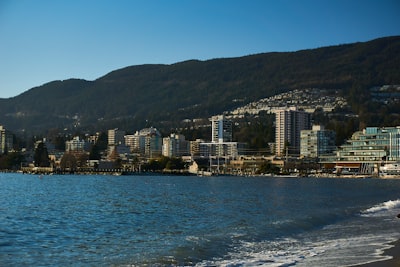
Nestled between the majestic North Shore Mountains and the sparkling Pacific Ocean, Vancouver, British Columbia, is a city that seamlessly blends urban sophistication with raw natural beauty. Renowned for its stunning waterfront, vibrant cultural scene, and a profound commitment to green living, Vancouver offers an unparalleled experience for every type of traveler. From its world-class dining and bustling markets to serene rainforest trails and exhilarating mountain adventures, Canada's third-largest city promises a memorable journey. This comprehensive guide will equip you with everything you need to plan an unforgettable trip to this enchanting West Coast metropolis.
Best Time to Visit Vancouver
Choosing the right time to visit Vancouver can significantly enhance your experience, as each season offers a unique charm.
Summer (June to August)
Undoubtedly the most popular time to visit, summer in Vancouver brings warm, sunny weather with average temperatures ranging from 18°C to 22°C (64°F to 72°F). This is prime time for outdoor activities, from exploring Stanley Park's seawall to kayaking in False Creek and hiking nearby mountain trails. The city comes alive with festivals, outdoor concerts, and bustling patios. While the weather is ideal, expect larger crowds and higher prices for accommodation and flights. Book well in advance.
Spring (April to May) and Fall (September to October)
These shoulder seasons offer a delightful balance of pleasant weather, fewer crowds, and more affordable prices. Spring sees the city burst into bloom with cherry blossoms, making it incredibly picturesque, with temperatures hovering around 10°C to 15°C (50°F to 59°F). Fall brings stunning fiery foliage, particularly in parks and along the North Shore, with similar mild temperatures. Both seasons are perfect for exploring the city's attractions, enjoying hiking without the summer heat, and experiencing local culture at a more relaxed pace. Be prepared for occasional rain showers, especially in late fall.
Winter (November to March)
Vancouver winters are relatively mild compared to most of Canada, with average temperatures between 3°C to 8°C (37°F to 46°F), though it can be quite rainy. Snowfall is infrequent in the city center but common in the nearby mountains, making Vancouver an excellent base for skiing and snowboarding enthusiasts heading to Cypress, Grouse, or Whistler Blackcomb resorts. The city transforms with festive lights and events around the holidays. This is the off-peak season, offering the best deals on travel and accommodation, and a cozy atmosphere for exploring museums, galleries, and the city's renowned culinary scene.
Top Attractions in Vancouver
Vancouver boasts an array of attractions that cater to all interests, from nature lovers to culture enthusiasts.
Stanley Park
An urban oasis larger than New York's Central Park, Stanley Park is a must-visit. Rent a bike or walk the 9-kilometer (5.5-mile) Seawall loop, offering breathtaking views of the city skyline, Burrard Inlet, and Lions Gate Bridge. Explore its lush forests, admire the iconic totem poles at Brockton Point, and visit the Vancouver Aquarium within the park.
Granville Island Public Market
A vibrant peninsula dedicated to food, art, and culture, Granville Island is a sensory delight. Its famous Public Market is a foodie paradise, brimming with fresh produce, artisanal cheeses, baked goods, seafood, and international delicacies. Beyond the market, explore art studios, independent boutiques, and enjoy street performers. It's easily accessible by False Creek Ferry.
Gastown
Step back in time in Gastown, Vancouver's oldest neighborhood, characterized by Victorian architecture, cobblestone streets, and the iconic Gastown Steam Clock. This historic district is now home to trendy boutiques, art galleries, fine dining restaurants, and lively pubs. It's a fantastic place for a leisurely stroll, photography, and an evening out.
Capilano Suspension Bridge Park
For a thrilling encounter with nature, head to the Capilano Suspension Bridge Park in North Vancouver. Walk across the famous 140-meter (460-foot) long, 70-meter (230-foot) high suspension bridge spanning the Capilano River. The park also features Treetops Adventure (bridges suspended between ancient Douglas firs) and the Cliffwalk, a series of cantilevered bridges clinging to the granite cliff face.
Museum of Anthropology at UBC
Located on the University of British Columbia campus, this world-renowned museum showcases First Nations art and cultural artifacts from British Columbia and around the world. Its stunning architecture, designed by Arthur Erickson, provides a dramatic setting for impressive totem poles, carvings, and ceremonial objects.
Queen Elizabeth Park
Vancouver's horticultural jewel, Queen Elizabeth Park, sits on the city's highest point, offering panoramic views of the city and mountains. It features beautiful quarry gardens, the Bloedel Conservatory (a tropical conservatory with exotic birds and plants), and various sculptures. It's a serene spot for a leisurely walk.
Grouse Mountain
Just a 15-minute drive from downtown, Grouse Mountain offers year-round outdoor adventure. Take the Skyride gondola to the top for stunning city and ocean views. In summer, enjoy hiking (including the challenging Grouse Grind), ziplining, lumberjack shows, and grizzly bear habitat. In winter, it transforms into a popular ski and snowboard destination.
How to Reach Vancouver
Vancouver is a major transportation hub, making it easily accessible by air, land, and sea.
By Air
Vancouver International Airport (YVR) is Canada's second busiest airport, serving as a major gateway to Asia-Pacific and a hub for connecting flights throughout North America. YVR is consistently ranked among the best airports globally. It's located approximately 12 kilometers (7.5 miles) south of downtown Vancouver and is well-connected by the Canada Line SkyTrain, which takes about 25 minutes to reach the city center.
By Road
Vancouver is accessible via major highways, including Highway 1 (Trans-Canada Highway) from the east and I-5 from the south (United States). Several border crossings connect British Columbia with Washington State, with the Peace Arch and Pacific Highway crossings being the most common. Driving offers scenic routes, but be aware of potential border delays.
By Train
Amtrak offers daily service from Seattle to Vancouver (the Cascades line), a scenic journey along the coast. VIA Rail Canada operates cross-country train services, with Vancouver being the western terminus for the iconic 'The Canadian' route from Toronto.
By Sea
Vancouver is a popular port of call for Alaska cruises, with cruise ships docking at Canada Place downtown. BC Ferries operates routes connecting mainland Vancouver with Vancouver Island (Victoria, Nanaimo) and other Gulf Islands, offering beautiful coastal voyages.
Local Food Guide: A Taste of Vancouver
Vancouver's diverse population and proximity to the Pacific Ocean create a vibrant and eclectic culinary scene.
Seafood Sensations
Given its coastal location, fresh seafood is a Vancouver highlight. Don't miss out on BC salmon, Pacific oysters, crab, and halibut. Many restaurants offer innovative preparations, from fine dining establishments to casual fish and chips spots along the waterfront. Try the Poke bowls or fresh sushi which are also very popular.
Asian Cuisine Galore
Vancouver is renowned for having some of the best Asian cuisine outside of Asia. Richmond, just south of Vancouver, is particularly famous for its authentic Chinese food, including world-class dim sum. You'll also find incredible Japanese, Korean, Vietnamese, Thai, and Filipino restaurants throughout the city.
Poutine with a Twist
While traditionally a Quebecois dish, poutine (fries topped with cheese curds and gravy) has been embraced and innovated in Vancouver. Many eateries offer gourmet versions with local ingredients like pulled pork, smoked salmon, or vegetarian gravies.
Craft Beer and Local Wine
Vancouver boasts a booming craft beer scene, with numerous microbreweries and brewpubs across neighborhoods like Yeast Van (East Vancouver), Mount Pleasant, and North Vancouver. British Columbia's Okanagan Valley also produces excellent wines, many of which are featured on local menus.
Food Trucks and Markets
The city's food truck scene is thriving, offering everything from Korean BBQ tacos to gourmet grilled cheese and artisanal ice cream. Granville Island Public Market and other farmers' markets are perfect places to sample local produce, baked goods, and prepared foods.
Brunch Culture
Vancouverites love brunch. Many cafes and restaurants offer creative and delicious brunch menus on weekends, often featuring local ingredients and innovative dishes.
Public Transport in Vancouver
Vancouver boasts an efficient and extensive public transportation system operated by TransLink, making it easy to navigate the city without a car.
TransLink Network
The system comprises buses, the SkyTrain (an automated rapid transit system), and the SeaBus (a passenger ferry connecting downtown Vancouver with North Vancouver).
- SkyTrain: The quickest way to get around, with three lines: Canada Line (connecting YVR airport, downtown, and Richmond), Expo Line (connecting downtown to Burnaby, New Westminster, Surrey), and Millennium Line (connecting Vancouver to Burnaby, Port Moody, Coquitlam).
- Buses: Extensive network covering areas not serviced by SkyTrain.
- SeaBus: A scenic 12-minute ride across Burrard Inlet, offering great views and connecting Waterfront Station downtown to Lonsdale Quay in North Vancouver.
Compass Card
The Compass Card is a reloadable fare card that offers discounted fares compared to single-use tickets. You can purchase one from SkyTrain stations, SeaBus terminals, London Drugs stores, and 7-Eleven. Tap on and off for SkyTrain and SeaBus, and tap on (only) for buses. Fares are zone-based during peak hours (weekdays until 6:30 PM), becoming a single-zone fare across the entire system during evenings, weekends, and holidays.
Fares and Zones
Vancouver's transit system is divided into three zones. Your fare depends on how many zones you travel through. If you're staying mostly downtown and to some of the main attractions, a 1-zone fare will often suffice. For travel from the airport to downtown, it's a 2-zone fare plus an add-fare. Using a Compass Card provides better value than cash fares. DayPasses are also available for unlimited travel across all zones for a single day.
Walking and Cycling
Vancouver is a very walkable city, especially downtown and in neighborhoods like Gastown, Yaletown, and Kitsilano. The city also has an excellent network of cycling paths and bike-sharing programs (like Mobi by Shaw Go), making bikes a popular and enjoyable way to explore, particularly along the Seawall and in Stanley Park.
Travel Budget Tips for Vancouver
Vancouver can be an expensive city, but smart planning can help you save money without compromising on experiences.
Accommodation
- Hostels: Vancouver has several excellent hostels like HI Vancouver Downtown or Samesun Vancouver, offering dorms and private rooms for budget travelers.
- Airbnb/VRBO: Consider staying in vacation rentals, especially if traveling with a group, for access to kitchens and more space.
- Off-peak Travel: Visiting during the shoulder seasons (spring/fall) or winter will generally yield lower accommodation prices.
- Location: Staying slightly outside the immediate downtown core (e.g., Kitsilano, Mount Pleasant) can reduce costs while still being well-connected by public transport.
Food and Drink
- Cook Your Own Meals: Book accommodation with kitchen facilities and buy groceries from supermarkets like Safeway, Save-On-Foods, or Superstore.
- Food Trucks & Casual Eateries: Take advantage of Vancouver's diverse food truck scene and numerous casual restaurants for delicious and affordable meals.
- Happy Hour Deals: Many restaurants offer enticing happy hour specials on food and drinks, typically in the late afternoon.
- Ethnic Cuisine: Explore neighborhoods known for specific ethnic foods (e.g., Richmond for Chinese, Main Street for Indian) for authentic and often more affordable dining.
- Tap Water: Vancouver tap water is excellent and safe to drink; carry a reusable water bottle.
Attractions and Activities
- Free Activities: Enjoy Vancouver's stunning natural beauty for free! Walk or bike the Stanley Park Seawall, relax on Kitsilano Beach, explore Gastown's historic streets, or hike the trails in Pacific Spirit Regional Park.
- Free Walking Tours: Look for free walking tours (often tip-based) to get an overview of different neighborhoods.
- City Passes: Consider the Vancouver City Pass if you plan to visit multiple paid attractions, as it can offer significant savings.
- Museum Free Days: Check if any museums offer free or discounted admission on specific days or evenings.
- Public Libraries: Offer free Wi-Fi and often have community events.
Transportation
- Compass Card: Use a Compass Card for public transport for cheaper fares. Consider a DayPass if you plan extensive travel.
- Walk and Cycle: Vancouver is incredibly walkable and bike-friendly. Many central attractions are within walking distance, saving on transit costs.
- Avoid Taxis: Taxis and rideshares are generally more expensive than public transit.
Hotels and Accommodation in Vancouver
Vancouver offers a wide range of accommodation options to suit every budget and preference, from luxurious downtown hotels to cozy guesthouses.
Luxury (CAD $300+)
- Downtown / Coal Harbour: Home to five-star hotels like the Fairmont Pacific Rim, Rosewood Hotel Georgia, and The Douglas, offering unparalleled service, stunning views, and prime locations near attractions and dining.
- Yaletown: Known for its chic converted warehouses, this area offers boutique luxury hotels and stylish serviced apartments.
Mid-Range (CAD $150 - $300)
- Robson Street: A popular shopping district with many mid-range hotels offering comfortable stays and excellent access to downtown amenities.
- Gastown / Chinatown: Offers unique boutique hotels with character, often in historic buildings, providing a vibrant urban experience.
- West End: Residential yet central, with many hotels a short walk from Stanley Park and English Bay Beach, offering a relaxed vibe.
- False Creek / Olympic Village: Modern hotels and serviced apartments with scenic waterfront views, well-connected by transit and walking paths.
Budget-Friendly (CAD $50 - $150)
- Hostels: HI Vancouver Downtown, Samesun Vancouver, and The Cambie Hostel are popular choices, offering dorms and some private rooms, often with social atmospheres.
- Kitsilano: A vibrant, youthful neighborhood across False Creek, offering some guesthouses and Airbnb options that can be more affordable than downtown, with easy bus access to the city center.
- Burnaby / Richmond: Hotels just outside the city core can be more budget-friendly. They offer good value, especially if you have a car or are willing to use public transit (SkyTrain) to reach downtown.
Tips for Booking
- Book in Advance: Especially during peak summer months, popular events, or holiday seasons, accommodation fills up quickly and prices increase.
- Consider Location: Think about what you want to do most. If nature is a priority, consider North Vancouver. If urban exploration, downtown is key.
- Check Reviews: Always read recent reviews for insights into cleanliness, service, and location.
Safety Tips for Travelers in Vancouver
Vancouver is generally a very safe city for tourists, but like any major urban center, it's wise to be aware of your surroundings and take common-sense precautions.
General Urban Safety
- Personal Belongings: Keep an eye on your bags and valuables, especially in crowded areas like markets, public transport, and popular tourist spots. Pickpocketing and petty theft can occur.
- Walking at Night: Most areas of downtown are well-lit and safe, but it's always advisable to walk in groups or stick to busy streets at night.
- Downtown Eastside (DTES): Be aware that the Downtown Eastside, particularly around Main and Hastings Streets, has a high concentration of homelessness, drug use, and mental health challenges. While tourists rarely encounter direct threats, it's generally recommended to avoid lingering in this specific area, especially alone or at night.
- Scams: Be wary of common tourist scams; if something feels too good to be true, it likely is.
Nature and Outdoor Activities
- Hiking Safety: If hiking, especially in remote areas, inform someone of your plans, carry appropriate gear (water, map, first-aid), and be aware of wildlife (bears, cougars, coyotes are rare but present). Stick to marked trails.
- Water Safety: When swimming or engaging in water sports, be aware of currents and always follow local advisories.
- Weather Changes: Mountain weather can change rapidly. Dress in layers and be prepared for rain, even in summer.
Emergency Services
- Emergency Number: In case of emergency (police, fire, ambulance), dial 911.
- Non-Emergency Police: For non-urgent police matters, call the Vancouver Police Department's non-emergency line.
- Medical Facilities: Vancouver has several excellent hospitals, including St. Paul's Hospital (downtown) and Vancouver General Hospital. Ensure you have travel insurance.
Road Safety
- Pedestrian Awareness: Be cautious when crossing streets; drivers may not always yield, especially in busy intersections.
- Cycling: Wear a helmet (mandated by law) and follow traffic rules if cycling.
FAQ Section
Q: Is Vancouver an expensive city to visit?
A: Yes, Vancouver is generally considered one of Canada's most expensive cities, particularly for accommodation and dining. However, there are many ways to enjoy the city on a budget, as outlined in our Travel Budget Tips section.
Q: Do I need a car to get around Vancouver?
A: No, a car is not essential for exploring downtown Vancouver and its main attractions. The city has an excellent public transportation system (TransLink), and it's very walkable and bike-friendly. A car might be useful if you plan extensive day trips outside the city.
Q: What's the best way to get from Vancouver International Airport (YVR) to downtown?
A: The most convenient and cost-effective way is to take the Canada Line SkyTrain directly from the airport. It takes approximately 25 minutes and costs about CAD $9.20 ($7.75 for the fare + $1.45 Canada Line AddFare).
Q: What is the tipping culture in Vancouver?
A: Tipping is customary in restaurants, bars, and for services like hairdressing or taxis. A tip of 15-20% of the pre-tax bill is standard for good service in restaurants.
Q: What currency is used in Vancouver?
A: The official currency is the Canadian Dollar (CAD). Credit cards (Visa, MasterCard, Amex) are widely accepted, and ATMs are readily available.
Q: What's the weather like in Vancouver?
A: Vancouver is known for its mild, wet winters and warm, dry summers. Spring and fall are pleasant but can be rainy. Pack layers and a waterproof jacket, especially outside of summer.
Q: Do I need a visa to visit Canada?
A: Visa requirements vary depending on your country of citizenship. Many visitors require an Electronic Travel Authorization (eTA) or a visitor visa. Check the official Government of Canada website well in advance of your trip.
Vancouver truly offers an unparalleled travel experience, combining the thrill of urban discovery with the tranquility of nature. Its friendly atmosphere, diverse culture, and stunning landscapes promise a journey filled with unforgettable moments. Whether you're seeking adventure in the mountains, culinary delights in the city, or simply breathtaking views, Vancouver welcomes you to explore its many wonders.