London Travel Guide – Best Places to Visit in United Kingdom
London: Your Ultimate Travel Guide to the UK's Vibrant Capital
Welcome to London, a city where centuries of history meet a pulsating modern metropolis. From iconic landmarks and world-class museums to vibrant markets and lush green parks, London offers an unparalleled travel experience. This comprehensive guide will help you navigate the rich tapestry of culture, history, and contemporary life that defines the United Kingdom's dynamic capital. Prepare to be captivated by its charm, diverse neighborhoods, and endless possibilities for exploration.
Best Time to Visit London
Choosing the right time to visit London can significantly enhance your experience. Each season brings its own unique charm and set of activities.
Spring (March to May)
Spring is widely considered one of the best times to visit London. The weather begins to warm up, parks burst into bloom, and the city shakes off its winter chill. Temperatures range from 8°C to 18°C (46°F to 64°F). There are fewer crowds than in summer, and you can enjoy outdoor activities like strolling through Kensington Gardens or having a picnic in Hyde Park. Easter often brings special events and bank holidays, offering extended weekends for exploration.
Summer (June to August)
Summer is peak tourist season, characterized by warm weather (18°C to 25°C / 64°F to 77°F, sometimes higher) and longer daylight hours. The city comes alive with festivals, outdoor concerts, and events like Wimbledon and Notting Hill Carnival. While the vibrant atmosphere is infectious, be prepared for larger crowds at major attractions and higher prices for flights and accommodation. Booking well in advance is essential. Occasional heatwaves can make public transport uncomfortable, but the general buzz is undeniable.
Autumn (September to November)
Autumn offers a beautiful transition with crisp air, fewer crowds than summer, and stunning autumnal foliage in the parks. Temperatures range from 10°C to 20°C (50°F to 68°F). Early autumn still boasts pleasant weather, making it ideal for sightseeing without the summer rush. As the season progresses, temperatures drop, and rain becomes more frequent, but the cultural calendar remains full with theatre premieres and indoor exhibitions. October half-term can see a slight increase in families.
Winter (December to February)
Winter in London is magical, especially during the festive season. From late November through December, the city is adorned with dazzling Christmas lights, festive markets, and ice-skating rinks. Temperatures typically range from 2°C to 8°C (36°F to 46°F). While it's cold and damp, the atmosphere is cozy and enchanting. January and February are generally the quietest months, making it a good time for budget travelers looking for deals on flights and hotels. Many museums and galleries offer special winter exhibitions, and the West End theatre scene thrives.
Top Attractions in London
London's attractions are diverse, catering to every interest, from ancient history to modern art.
Iconic Landmarks & Historical Sites
- Tower of London: A UNESCO World Heritage Site with a dark and fascinating history, home to the Crown Jewels and Yeoman Warders (Beefeaters). Allow 2-3 hours.
- Buckingham Palace: The official residence of the King. Witness the iconic Changing of the Guard ceremony (check schedule online) or tour the State Rooms during its summer opening.
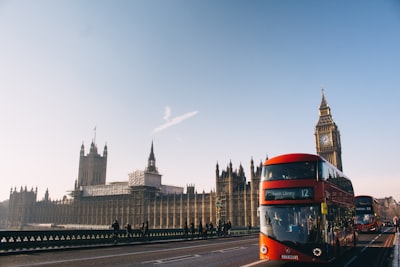
- Houses of Parliament & Big Ben: The seat of British democracy, a stunning example of Gothic Revival architecture. Big Ben (Elizabeth Tower) is one of London's most famous symbols.
- Westminster Abbey: Another UNESCO site, the traditional coronation and burial site for British monarchs. A magnificent Gothic church with centuries of history.
- St. Paul's Cathedral: Sir Christopher Wren's masterpiece, offering breathtaking views of London from its dome. Explore its crypt and whispering gallery.
Museums & Galleries
- British Museum: Home to a vast collection of world art and artifacts, including the Rosetta Stone and Elgin Marbles. Entry is free.
- National Gallery: Located in Trafalgar Square, it houses a stunning collection of Western European paintings from the 13th to the 19th centuries. Entry is free.
- Victoria and Albert Museum (V&A): The world's leading museum of art, design, and performance, with collections spanning 5,000 years of human creativity. Entry is free.
- Tate Modern: Housed in a former power station, this gallery showcases international modern and contemporary art. Entry to permanent collections is free.
Parks & Green Spaces
- Hyde Park: One of London's largest Royal Parks, perfect for walking, boating on the Serpentine, or visiting Speakers' Corner.
- Regent's Park: Features beautiful gardens, an open-air theatre, and is home to London Zoo.
- Richmond Park: London's largest Royal Park, famous for its herds of red and fallow deer. Offers stunning views and a sense of escape from the city.
Unique Experiences
- London Eye: A giant Ferris wheel offering panoramic views of the city skyline. Pre-booking is recommended.
- Borough Market: A food lover's paradise, offering gourmet street food, fresh produce, and artisanal products. A must-visit for foodies.
- The Shard: Western Europe's tallest building, providing unparalleled 360-degree views from its observation decks.
- West End Theatre: Catch a world-class musical or play in London's famous theatre district. Book tickets in advance, especially for popular shows.
How to Reach London
London is a major global hub, easily accessible from virtually anywhere in the world.
By Air
London is served by six international airports:
- Heathrow Airport (LHR): The largest and busiest, located west of central London. Connected by Heathrow Express (fastest), Elizabeth Line, and Piccadilly Line (Underground).
- Gatwick Airport (LGW): South of London, connected by Gatwick Express, Southern Rail, and Thameslink services.
- Stansted Airport (STN): Northeast of London, served by Stansted Express train.
- Luton Airport (LTN): North of London, connected by Thameslink train and a shuttle bus.
- London City Airport (LCY): Closest to central London, mainly serves business travelers, connected by DLR (Docklands Light Railway).
- Southend Airport (SEN): Further east, served by regular train services to Liverpool Street.
By Train
- Eurostar: Connects London St Pancras International with Paris, Brussels, Amsterdam, and other European cities.
- National Rail: Extensive network connecting London with all major cities across the UK. Key terminals include King's Cross, Euston, Paddington, Liverpool Street, Waterloo, and Victoria.
By Coach/Bus
National Express and Megabus offer affordable services connecting London (Victoria Coach Station) with cities across the UK and some European destinations. Travel time is longer than by train, but prices are generally lower.
Local Food Guide: Savoring London's Culinary Delights
London's food scene is incredibly diverse, reflecting its multicultural population. Beyond traditional British fare, you'll find world-class cuisine from every corner of the globe.
Must-Try Dishes
- Fish & Chips: The quintessential British meal. Best enjoyed from a traditional chippy or a seaside spot.
- Sunday Roast: A hearty weekend tradition featuring roasted meat (beef, lamb, chicken, or pork), roasted potatoes, Yorkshire pudding, vegetables, and gravy. Many pubs offer excellent versions.
- Pie & Mash: A traditional East London dish, often served with a parsley sauce called "liquor."
- Afternoon Tea: A delightful experience of sandwiches, scones with jam and clotted cream, and pastries, accompanied by a selection of teas. Ranging from casual to luxurious.
- Full English Breakfast: A hearty start to the day with eggs, bacon, sausage, baked beans, toast, mushrooms, and grilled tomatoes.
- Curry: London boasts some of the best Indian and South Asian cuisine outside of the subcontinent. Brick Lane is famous for its curry houses.
- Gourmet Burgers: A popular trend, London offers numerous spots for high-quality, inventive burgers.
Where to Eat
- Pubs: Essential for experiencing British culture and enjoying hearty meals, craft beers, and a convivial atmosphere.
- Markets: Borough Market, Maltby Street Market, and Columbia Road Flower Market (Sundays) are fantastic for street food, fresh produce, and artisanal treats.
- Michelin-starred Restaurants: London has an impressive number of fine-dining establishments for a truly special culinary experience.
- Diverse Cuisine Areas: Explore Soho for a variety of international options, Chinatown for authentic Asian food, and Brixton Village for a vibrant mix of global street food.
- Meal Deals: Supermarkets like Tesco, Sainsbury's, and Pret A Manger offer affordable "meal deals" (sandwich/salad, snack, drink) for a quick and budget-friendly lunch.
Public Transport in London: Navigating the City
London has one of the most extensive and efficient public transport networks in the world.
Oyster Card & Contactless Payments
The most convenient way to pay for travel is using an Oyster card or a contactless debit/credit card. Both offer daily and weekly capping, meaning you'll never pay more than a certain amount for your travel within a given period.
- Oyster Card: A reusable smartcard you can top up with credit. Can be purchased at Tube stations and newsagents.
- Contactless Payment: Simply tap your contactless bank card or device (phone/watch) on the yellow reader at the start and end of your journey.
Tube (Underground)
Affectionately known as "the Tube," this is the fastest way to travel across central London. It's extensive, but can be crowded during peak hours (7:00-9:30 AM and 4:00-6:30 PM). Lines are color-coded and easy to navigate with maps.
Buses
The iconic red double-decker buses offer a slower but scenic way to see the city. You cannot pay with cash on buses; use an Oyster card or contactless payment. Buses are great for shorter distances and for taking in the sights.
Trains (Overground, DLR)
- London Overground: Connects areas further out from the city center, often running above ground.
- DLR (Docklands Light Railway): An automated train system serving East London and Greenwich, offering great views of the modern financial district.
Taxis & Ride-Sharing
- Black Cabs: Iconic, licensed London taxis. They can be hailed on the street or found at designated ranks. Drivers are highly knowledgeable.
- Ride-sharing Apps: Uber, Bolt, and Free Now are popular alternatives, often cheaper than black cabs, especially for longer distances.
Walking & Cycling
Central London is highly walkable, and many attractions are within easy reach of each other. Cycling is also popular, with numerous cycle lanes and Santander Cycles (bike hire scheme) available across the city.
Travel Budget Tips for London
London has a reputation for being expensive, but with smart planning, you can explore it on any budget.
- Hostels: A great option for solo travelers or those on a tight budget. Look for well-regarded hostels in central areas like Generator Hostel or Wombat's City Hostel.
- Budget Hotels: Chains like Premier Inn, Travelodge, and Ibis offer comfortable rooms at reasonable prices, especially if booked in advance or further from the absolute city center.
- Airbnb/Serviced Apartments: Good for groups or longer stays, offering kitchen facilities to save on food costs.
- Supermarket Meal Deals: As mentioned, supermarkets are excellent for cheap lunches.
- Street Food & Markets: Borough Market (though some stalls can be pricey), Maltby Street, and various food stalls offer delicious and affordable meals.
- Pub Grub: Many pubs offer lunch deals or reasonably priced, hearty meals.
- Cook Your Own: If your accommodation has a kitchen, buying groceries from supermarkets like Tesco, Sainsbury's, or Lidl/Aldi can significantly cut food costs.
- Happy Hour: Many bars offer happy hour deals on drinks.
- Free Museums & Galleries: London boasts world-class museums with free entry (British Museum, National Gallery, V&A, Tate Modern, Natural History Museum).
- Free Walking Tours: Look for "free" walking tours (tip-based) to get an overview of the city and its history.
- Parks: London's Royal Parks are free to enter and offer beautiful spaces for relaxation and exploration.
- London Pass/Explorer Pass: If you plan to visit many paid attractions, consider a multi-attraction pass, but do the math to see if it saves you money based on your itinerary.
- Student/Senior Discounts: Always ask if available and bring relevant ID.
- Oyster Card/Contactless: Utilise daily/weekly capping on public transport.
- Walk More: Many central areas are easily walkable.
- Avoid Peak Hours: Fares are slightly cheaper during off-peak times.
- Flights: Book flights well in advance, and consider flying into smaller airports like Luton or Stansted if budget is a primary concern (factor in transfer costs).
Hotels and Accommodation in London
London offers a vast array of accommodation options to suit every budget and preference.
Luxury (High-End)
- Areas: Mayfair, Knightsbridge, Belgravia, parts of Westminster.
- Examples: The Ritz, Claridge's, The Savoy, Shangri-La at The Shard, The Langham.
- Features: Exceptional service, elegant rooms, fine dining, often iconic locations.
Mid-Range (Comfort & Value)
- Areas: Covent Garden, South Bank, Victoria, Paddington, Kensington, Marylebone. These areas offer good transport links and proximity to attractions.
- Examples: CitizenM, W Hotel, Leonardo Royal Hotel, The Hoxton.
- Features: Comfortable rooms, good amenities, stylish design, often close to public transport.
Budget (Affordable & Basic)
- Areas: Earl's Court, Paddington, King's Cross, areas in Zones 2-3 (e.g., Stratford, Greenwich). These require slightly longer commutes but offer significant savings.
- Examples: Premier Inn, Travelodge, Ibis, Generator Hostels, Wombat's City Hostel.
- Features: Clean, functional rooms, essential amenities, good for travelers prioritizing cost over luxury. Hostels offer dorms and private rooms.
Unique Stays
- Boutique Hotels: Smaller, independently run hotels with unique character and design, often found in areas like Soho or Shoreditch.
- Serviced Apartments: Offer more space and self-catering facilities, ideal for families or longer stays.
- Historic Hotels: Stay in buildings with rich histories, like The Great Northern Hotel at King's Cross.
Booking well in advance, especially during peak season, is crucial for securing the best rates and availability.
Safety Tips for London Travel
London is generally a safe city, but like any major urban center, it's wise to be aware and take sensible precautions.
- General Awareness: Be mindful of your surroundings, especially in crowded tourist areas or on public transport.
- Pickpocketing: This is the most common crime affecting tourists. Keep valuables secure and out of sight. Don't keep wallets in back pockets or phones easily accessible in open bags. Use cross-body bags or money belts.
- Night Safety: Stick to well-lit, busy areas at night. If you're out late, use licensed taxis (black cabs) or reputable ride-sharing apps, and avoid walking alone in unfamiliar or poorly lit areas.
- Public Transport: While generally safe, be vigilant on crowded Tubes and buses. Keep an eye on your belongings.
- Road Safety: Remember that traffic drives on the left in the UK. Always look both ways before crossing the street, even at designated crossings. Pedestrian crossings (zebra crossings) give priority to pedestrians, but always make eye contact with drivers.
- Emergency Numbers: In an emergency, dial 999 for police, ambulance, or fire services. For non-emergencies, dial 101 to contact the police.
- Stay Connected: Keep your phone charged and have a local SIM card or an international roaming plan for navigation and communication.
Frequently Asked Questions (FAQ)
Is London expensive?
Yes, London is considered one of the most expensive cities in the world, especially for accommodation and dining. However, there are many free attractions (museums, parks) and budget-friendly options for food and transport if you plan wisely.
How many days do I need to visit London?
To get a good feel for London and see its main attractions, a minimum of 4-5 full days is recommended. If you want to explore beyond the main sights or take day trips, a week or more would be ideal.
What is the currency in London?
The currency is the British Pound Sterling (£, GBP). Credit and debit cards are widely accepted, but it's useful to have some cash for smaller purchases or markets.
Do I need a visa to visit London (UK)?
Visa requirements depend on your nationality. Many countries (including the US, Canada, Australia, EU nations) do not require a visa for tourist stays of up to six months. However, it's essential to check the latest UK government immigration website for specific requirements based on your passport.
Is tap water safe to drink in London?
Yes, tap water in London is safe and clean to drink. Carrying a reusable water bottle is a great way to stay hydrated and save money.
What's the tipping culture in London?
Tipping is less ingrained than in some countries, but appreciated.
- Restaurants: A service charge (10-12.5%) is often added to the bill. If not, leaving 10-15% is customary for good service.
- Pubs: Tipping is not generally expected when ordering at the bar.
- Taxis: Rounding up the fare or adding 10% is common.
- Hotel staff: A small tip (£1-£2) for porters or housekeepers is appreciated.
London is a city that truly has something for everyone. Its blend of historical grandeur, contemporary vibrancy, and diverse cultures creates an unforgettable travel experience. With this guide in hand, you are well-equipped to embark on your own incredible London adventure. Enjoy exploring this magnificent capital!