Marrakech Travel Guide – Best Places to Visit in Morocco
Marrakech: The Red City's Enchanting Allure - A Comprehensive Travel Guide
Nestled at the foot of the snow-capped Atlas Mountains, Marrakech, often referred to as "The Red City" due to its distinctive terracotta-colored buildings, is a vibrant kaleidoscope of sights, sounds, and aromas. It's a city that effortlessly blends ancient traditions with modern vibrancy, a place where donkey carts share cobbled alleys with buzzing scooters, and centuries-old souks stand alongside contemporary art galleries. From the mesmerizing spectacle of Jemaa el-Fnaa square to the serene beauty of secret gardens and the labyrinthine depths of its bustling souks, Marrakech promises an immersive sensory experience that captivates every visitor. This guide is your key to unlocking the magic of Marrakech, providing essential information to plan an unforgettable journey into the heart of Morocco. Prepare to be enchanted by its rich history, warm hospitality, and the timeless rhythm of its daily life.
Best Time to Visit Marrakech
Choosing the right time to visit Marrakech can significantly enhance your experience, largely due to its desert climate. The city experiences extreme temperatures in both summer and winter, making the shoulder seasons the most ideal.
Spring (March to May)
Spring is widely considered the best time to visit Marrakech. The weather is pleasantly warm, with daytime temperatures averaging between 20°C and 28°C (68°F and 82°F), and evenings are comfortably cool. The gardens are in full bloom, offering lush greenery and vibrant colors. This period is perfect for exploring the Medina on foot, enjoying al fresco dining, and embarking on day trips without the discomfort of intense heat. However, it's also a popular time, so expect larger crowds and higher prices for flights and accommodation.
Autumn (September to November)
Autumn mirrors spring in its agreeable climate, with temperatures ranging from 25°C to 30°C (77°F to 86°F) in September, gradually cooling down to around 20°C (68°F) by November. The intense summer heat subsides, making it comfortable for sightseeing and outdoor activities. The light is particularly beautiful for photography, and the bustling energy of the city is still very much alive. Similar to spring, this is a peak season, so booking in advance is advisable.
Winter (December to February)
While often sunny, winter mornings and evenings in Marrakech can be surprisingly chilly, with temperatures dropping to single digits Celsius (around 40s°F) at night. Daytime temperatures hover around 15°C to 20°C (59°F to 68°F), which can be pleasant for exploring if you dress in layers. There are fewer tourists during this period, offering a more relaxed experience and potentially lower prices, especially outside of the Christmas and New Year holidays. Snow can sometimes be seen on the distant Atlas Mountains, providing a stunning backdrop.
Summer (June to August)
Summer in Marrakech is characterized by intense heat, with daily temperatures frequently soaring above 40°C (104°F). This period is best avoided by those not accustomed to extreme heat. While tourist numbers decrease significantly, making attractions less crowded, daytime exploration can be uncomfortable. Many locals retreat indoors during the hottest parts of the day, and activities tend to shift to the cooler evenings. If you do visit in summer, focus on early morning or late afternoon sightseeing, stay hydrated, seek shade, and choose accommodations with air conditioning and a pool.
Top Attractions
Marrakech is a treasure trove of historical sites, vibrant markets, and serene gardens. Each attraction tells a story, offering a glimpse into the city's illustrious past and dynamic present.
Jemaa el-Fnaa Square
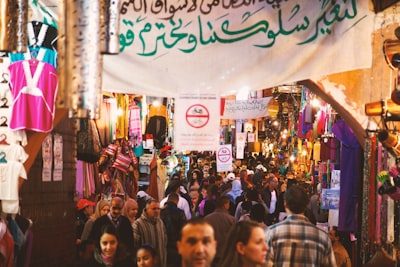
The pulsating heart of Marrakech, Jemaa el-Fnaa is a UNESCO World Heritage site and an experience in itself. By day, it's a bustling market square with snake charmers, water sellers, and orange juice stalls. As dusk falls, the square transforms into an open-air spectacle: storytellers, musicians, acrobats, and street food vendors create an intoxicating atmosphere under the glow of countless lamps. Dining at the food stalls, trying local delicacies, and simply absorbing the chaotic energy are essential Marrakech experiences.
Bahia Palace
Meaning "brilliance," the Bahia Palace lives up to its name. Built in the late 19th century, this sprawling palace showcases exquisite Islamic and Moroccan architecture. With its intricate mosaics, painted cedarwood ceilings, stunning courtyards, and tranquil gardens, it offers a glimpse into the luxurious lifestyle of a former grand vizier. Don't miss the grand courtyard and the harem section, which reveal the opulence of the era.
Jardin Majorelle
A serene oasis designed by French painter Jacques Majorelle over forty years and later restored by Yves Saint Laurent and Pierre Bergé, Jardin Majorelle is a botanical masterpiece. Famous for its striking "Majorelle Blue" buildings, vibrant cacti, exotic plants, and tranquil pools, it's a refreshing escape from the city''s hustle. The garden also houses a small Berber Museum within the artist's former studio, displaying traditional Berber artifacts.
Ben Youssef Madrasa
Once the largest Islamic college in North Africa, the Ben Youssef Madrasa is an architectural marvel dating back to the 14th century, though largely rebuilt in the 16th century. Its central courtyard, adorned with stunning zellige tiles, carved cedar wood, and stucco, exemplifies Saadian art. Visitors can explore the student dormitories and imagine the intellectual life that once thrived within its walls, making it a profound cultural stop.
Saadian Tombs
Discovered only in 1917, after centuries of being sealed off, the Saadian Tombs are the royal necropolis for the Saadian dynasty, which ruled Marrakech from 1524 to 1659. The intricate marble carvings, colorful zellige tiles, and delicate stucco work in the Hall of the Twelve Pillars are breathtaking examples of Moroccan artistry, offering a peaceful yet powerful encounter with history.
El Badi Palace
Built in the late 16th century by Sultan Ahmed al-Mansour to celebrate a victory over the Portuguese, El Badi Palace was once an opulent structure adorned with gold, turquoise, and crystals. Today, it stands mostly in ruins, but its vast courtyards, sunken gardens, and reflecting pools still hint at its former grandeur. It's a popular nesting site for storks, adding a natural charm to the historical site.
The Souks of Marrakech (Medina Market)
A visit to Marrakech is incomplete without diving into the labyrinthine souks. These vibrant markets, located north of Jemaa el-Fnaa, are a sensory overload, brimming with spices, leather goods, textiles, pottery, traditional lanterns, carpets, and jewelry. The art of haggling is essential here, adding to the cultural experience. Each section of the souk often specializes in a particular craft, offering endless opportunities for unique souvenirs.
Koutoubia Mosque
The largest mosque in Marrakech, the Koutoubia Mosque is an iconic landmark with its towering minaret visible from various points in the city. While non-Muslims cannot enter the mosque, its impressive exterior and the surrounding gardens are worth admiring. The minaret served as a model for other significant structures like the Giralda in Seville and the Hassan Tower in Rabat.
Ménara Gardens
Located a short distance from the city center, the Ménara Gardens offer a tranquil escape. Dominated by a large central basin and a picturesque pavilion set against the backdrop of the Atlas Mountains, it's a popular spot for locals to relax. The extensive olive groves provide ample shade, perfect for a leisurely stroll away from the city's hustle.
Le Jardin Secret
Recently restored, Le Jardin Secret offers a serene and beautifully curated oasis in the heart of the Medina. It boasts two distinct gardens: an exotic garden with plants from around the world and an Islamic garden designed according to traditional principles. The complex also features a café and a tower offering panoramic views of the Medina.
How to Reach Marrakech
Marrakech is well-connected internationally and within Morocco, making it relatively easy to access.
By Air
The most common way to reach Marrakech is by flying into Marrakech Menara Airport (RAK). It's located just 6 km (4 miles) southwest of the city center. Many major European airlines and low-cost carriers offer direct flights.
- Taxi: Grand taxis are readily available outside the terminal. Agree on the fare beforehand (around 70-100 MAD to the Medina/Gueliz, though officially higher, haggling is common).
- Bus: ALSA Bus Line 19 provides regular service between the airport and Jemaa el-Fnaa, Medina, and the modern city of Gueliz. It's a much cheaper option (around 30 MAD for a single ticket, 50 MAD for return).
- Pre-booked Transfer: Many riads and hotels offer airport pick-up services, which can be convenient, especially for first-time visitors or late arrivals.
By Train
Morocco has an excellent national railway system (ONCF). Marrakech is the southern terminus of the main rail line, connecting it to major cities like Casablanca (approx. 2.5-3 hours), Rabat, Fes (approx. 7 hours), and Tangier. Trains are comfortable, efficient, and offer a scenic way to travel between cities. The Marrakech train station is located in the modern Gueliz district, a short taxi ride from the Medina.
By Bus
Long-distance buses are a cost-effective way to travel within Morocco. The main companies, CTM and Supratours (owned by ONCF), offer comfortable, air-conditioned coaches to and from Marrakech from various cities. Their stations are usually more organized than local bus stations. Supratours' station is next to the train station, while CTM has its own terminal in Gueliz. This is a good option for reaching cities not on the train line, or for more budget-conscious travelers.
By Car
While possible to rent a car, driving in Marrakech and navigating its narrow, bustling streets can be challenging. Most visitors find it unnecessary as the Medina is best explored on foot, and taxis are plentiful. If you plan to explore beyond Marrakech with day trips into the Atlas Mountains or to coastal towns, a rental car might be considered, but consider hiring a driver for a less stressful experience.
Local Food Guide
Marrakech offers an incredible culinary journey, from fragrant tagines to bustling street food and refreshing mint tea. Eating here is an integral part of the travel experience.
Must-Try Dishes
- Tagine: The iconic Moroccan slow-cooked stew, prepared in an earthenware pot with a conical lid. Variations include chicken with preserved lemons and olives, lamb with prunes and almonds, or vegetarian options with seasonal vegetables.
- Couscous: A staple, traditionally served on Fridays, consisting of steamed semolina grains served with meat (chicken, lamb, or beef) and a medley of vegetables, often with a flavorful broth.
- Tanjia: A Marrakech specialty, this slow-cooked lamb or beef dish is prepared in an urn-shaped clay pot (tanjia) over hot ashes in a hammam furnace. It results in incredibly tender, flavorful meat.
- Harira: A hearty and warming traditional Moroccan soup, typically made with tomatoes, lentils, chickpeas, and a choice of meat, often served to break the fast during Ramadan.
- Brochettes (Skewers): Grilled meats, often beef or chicken, seasoned with Moroccan spices. Popular street food found everywhere, especially in Jemaa el-Fnaa.
- Pastries: Indulge in sweet treats like *chebakia* (sesame cookies soaked in honey), *ghriba* (almond cookies), and various small pastries made with honey, nuts, and filo dough.
Dining Experiences
- Jemaa el-Fnaa Street Food: As evening descends, hundreds of food stalls set up in the square. This is an exciting, albeit bustling, place to try various local dishes from tagines and harira to grilled meats, snails, and fresh fruit juices. Look for stalls with long queues of locals, indicating good quality.
- Rooftop Restaurants: Many riads and restaurants in the Medina boast rooftop terraces, offering stunning views of the city, especially at sunset, along with delicious food.
- Traditional Riads: Dining in a riad offers an intimate and authentic experience. Many riads prepare exquisite multi-course meals (often requiring advance booking) that showcase Moroccan home cooking.
- Local Eateries (Snacks): Step away from the main tourist areas into smaller lanes to find local "snacks" or small restaurants serving authentic, affordable dishes like lentil soup, bean stew (bissara), and various sandwiches.
Beverages
- Mint Tea: Known as "Moroccan whiskey," this sweet green tea with fresh mint leaves is a symbol of Moroccan hospitality and a must-try.
- Fresh Orange Juice: Abundant and refreshing, especially from the stalls in Jemaa el-Fnaa.
- Coffee: Moroccan coffee is strong and often served espresso-style.
- Water: Always drink bottled water. Tap water is not safe for consumption.
Food Safety Tips
- Opt for food stalls that are busy, indicating high turnover and freshness.
- Ensure food is cooked thoroughly and served hot.
Public Transport in Marrakech
Navigating Marrakech's bustling streets can be an adventure in itself. While the Medina is best explored on foot, other options are available for longer distances.
Walking
The Medina's narrow, winding alleys are largely car-free, making walking the primary and most enjoyable way to explore its souks, historical sites, and hidden courtyards. Be prepared for crowds, donkey carts, and scooters. Wear comfortable shoes and use offline maps, but also embrace getting a little lost – it's part of the Marrakech charm.
Petits Taxis
These beige-colored small taxis are ideal for getting around the city, particularly between the Medina, Gueliz, and other outer districts.
- Meters: Always insist that the driver uses the meter (compulsory by law). If a driver refuses or claims it's broken, find another taxi.
- Fares: Fares are generally affordable. A trip from Gueliz to the Medina typically costs around 15-25 MAD during the day. Night fares (after 8 PM) are usually 50% higher.
- Haggling: If the driver refuses the meter, negotiate the price *before* getting in. Have small bills ready.
Grands Taxis
These larger, typically older Mercedes cars operate on fixed routes between cities or for longer distances within Marrakech, often shared with other passengers. They are less common for short inner-city travel unless you want to hire the entire car, which will be more expensive. They can be found at designated ranks, such as near the train station or Bab Doukkala.
ALSA City Buses
Marrakech has a modern public bus system operated by ALSA. These blue and white buses offer a very cheap way to get around the city (around 4-5 MAD per ride). They connect major areas like the Medina (Jemaa el-Fnaa), Gueliz, Hivernage, and popular attractions like Jardin Majorelle (Route 12). While sometimes crowded, they are a good option for budget travelers. Bus stops are clearly marked, and routes are available online.
Calèches (Horse-drawn Carriages)
For a more romantic or touristy experience, you can hire a *calèche*. They are often found around Jemaa el-Fnaa and the Koutoubia Mosque. Always agree on the price for the ride or a specific route beforehand to avoid misunderstandings. This is more of a leisurely sightseeing option than practical transport.
Travel Budget Tips
Marrakech can be explored on various budgets, from shoestring to luxury. With smart planning, you can have a fantastic experience without breaking the bank.
Accommodation
- Hostels: A great option for solo travelers or those on a tight budget. Many hostels offer dorm beds and some private rooms, often including breakfast. Prices can range from 80-150 MAD per night.
- Budget Riads: You can find charming, authentic riads within the Medina offering comfortable rooms for 300-600 MAD per night. Look for guesthouses a little further from the main square for better value.
- Mid-Range Hotels/Riads: Expect to pay 600-1200 MAD for a well-appointed riad or a comfortable hotel in Gueliz.
- Luxury: High-end riads, boutique hotels, and international chains can range from 1200 MAD upwards.
- Booking: Book well in advance, especially during peak seasons (spring and autumn).
Food
- Street Food: The most budget-friendly and authentic way to eat. Jemaa el-Fnaa and smaller local stalls offer delicious meals for 30-70 MAD.
- Local Restaurants (Snacks): Seek out eateries slightly off the main tourist paths. A hearty meal (tagine, couscous) can cost 50-100 MAD.
- Tourist Restaurants: Expect to pay 100-250 MAD or more for a meal in restaurants catering to tourists.
- Breakfast: Many accommodations include breakfast. If not, local cafes offer pastries and mint tea for cheap.
- Water: Buy large bottles of water from supermarkets (around 6-10 MAD for 1.5L) rather than small kiosks (10-15 MAD).
Transport
- Walk: Free and often the best way to explore the Medina.
- ALSA Buses: Very cheap at 4-5 MAD per ride.
- Petits Taxis: Affordable if the meter is used (15-30 MAD for most within-city rides). Negotiate firmly if not.
- Avoid: Don't rely solely on hotel transfers for short distances as they can be overpriced.
Activities and Shopping
- Free Attractions: Jemaa el-Fnaa (especially evenings), wandering the souks, admiring Koutoubia Mosque exterior, walking through public gardens.
- Entrance Fees: Most major attractions like Bahia Palace, Jardin Majorelle, and Ben Youssef Madrasa cost between 50-70 MAD.
- Haggling: This is crucial when shopping in the souks. Always start low (around 30-50% of the initial asking price) and be prepared to walk away. It's part of the cultural experience.
- Day Trips: Group tours are more economical than private ones. A shared day trip to the Atlas Mountains or Essaouira can cost 250-400 MAD per person.
Miscellaneous
- Currency: Moroccan Dirham (MAD). ATMs are widely available, especially in Gueliz. Inform your bank before traveling.
- Tipping: Tipping is customary. A few dirhams for small services (photo with a snake charmer, help with directions) and 10-15% in restaurants.
- Connectivity: Buy a local SIM card (Maroc Telecom, Inwi, Orange) for cheap data, useful for maps and communication.
- Bargain for Everything: From taxi fares to souvenirs, assume prices are negotiable unless clearly marked.
Hotels and Accommodation
Marrakech offers a diverse range of accommodation options to suit every taste and budget, each providing a unique aspect of the city's charm.
Riads
- What they are: Traditional Moroccan houses, often former family residences, converted into guesthouses. They are typically built around a central courtyard, which provides a tranquil oasis from the bustling streets.
- Experience: Riads offer an authentic and intimate stay, often with beautifully decorated rooms, personalized service, and delicious Moroccan breakfasts. Many have small plunge pools in the courtyard and rooftop terraces.
- Location: Primarily found within the Medina, offering easy access to the souks and Jemaa el-Fnaa. This immersive experience means navigating narrow alleys, which can be part of the adventure.
- Price: Range from budget-friendly options to luxurious boutique riads with impeccable service and amenities.
Hostels
- What they are: Budget-friendly accommodations, often with dormitories and private rooms, popular among backpackers and solo travelers.
- Experience: Hostels provide a social atmosphere, often organizing tours and activities. Many are well-designed, offering a comfortable and clean stay.
- Location: Mostly concentrated within the Medina, close to major attractions.
- Price: Very affordable, with dorm beds starting from around 80-150 MAD per night.
Hotels
- What they are: Modern hotels, ranging from international chains to local establishments, offering standard hotel amenities.
- Experience: Provide a more conventional hotel experience, often with larger rooms, swimming pools, gyms, and international dining options.
- Location: Predominantly found in the modern Gueliz district and the upscale Hivernage area. These areas offer wider streets, easy taxi access, and proximity to contemporary shops and restaurants.
- Price: Varies significantly based on star rating and brand, from mid-range to luxurious.
Key Accommodation Areas
- The Medina: Ideal for those seeking an authentic, immersive experience. You'll be within walking distance of most major attractions, but expect narrow, bustling streets and potentially some noise. Riads and hostels are abundant here.
- Gueliz: The modern part of Marrakech, offering a contrast to the Medina. It has wide boulevards, upscale shops, cafes, and international restaurants. Better for those who prefer modern comforts and easier access by car or taxi. Hotels are common here.
- Hivernage: An upscale residential and hotel district adjacent to Gueliz, known for its luxury hotels, casinos, and nightclubs. It's generally quieter and more polished than the Medina.
Booking Tips
- Read Reviews: Always check recent reviews, especially for riads in the Medina, to gauge cleanliness, service, and accessibility.
- Location Matters: Consider your priorities – authentic immersion (Medina) versus modern convenience (Gueliz/Hivernage).
- Book Airport Transfer: If staying in the Medina, arrange an airport transfer with your riad. It saves hassle upon arrival, as taxis cannot enter many parts of the Medina, and you'll appreciate being guided through the alleys to your door.
- Amenities: Check for air conditioning (crucial in summer), heating (essential in winter nights), Wi-Fi, and breakfast inclusion.
Safety Tips
Marrakech is generally safe for tourists, but like any major city, it requires visitors to be aware of their surroundings and common scams.
Petty Crime
- Pickpocketing: Be vigilant in crowded areas like Jemaa el-Fnaa and the souks. Keep valuables secure in a money belt or inside pockets. Avoid flashing expensive jewelry or electronics.
- Bag Snatching: Keep your bag close to your body and avoid walking with it loosely over your shoulder, especially in busy streets.
Scams and Hustle
- Fake Guides: Unsolicited "guides" approaching you in the Medina, especially near Jemaa el-Fnaa, are common. They might offer to show you the way, then demand payment or try to lead you to specific shops. Politely but firmly decline ("La shukran" - no thank you) and walk away. If you need a guide, hire an official one through your accommodation.
- Closed Attractions: You might be told a specific attraction (e.g., a specific gate in the souk) is "closed for prayer" or "only for locals." This is usually a tactic to redirect you. Verify information or simply proceed if you believe it's open.
- Inflated Prices: This is common, especially in taxis and souks. Always agree on a price before getting into a taxi or making a purchase. Haggling is expected in markets.
- Henna Artists: Be careful of aggressive henna artists in Jemaa el-Fnaa. They might grab your hand and start drawing without permission, then demand a high price. Firmly refuse if you're not interested.
Health and Well-being
- Hydration: Marrakech can be hot, especially in summer. Drink plenty of bottled water to avoid dehydration.
- Food and Water: Stick to bottled water. Be cautious with street food, especially salads or unpeeled fruits, if you have a sensitive stomach. Opt for hot, freshly cooked items.
- Sun Protection: Wear sunscreen, a hat, and sunglasses, particularly from April to October.
- Pharmacies: Pharmacies are plentiful and well-stocked, recognizable by a green cross sign.
Cultural Sensitivity
- Dress Modestly: While Marrakech is relatively liberal, dressing respectfully shows cultural awareness. For women, this means covering shoulders and knees, especially when visiting religious sites. Men should also avoid overly revealing clothing.
- Photography: Always ask for permission before taking photos of people, especially performers in Jemaa el-Fnaa or vendors in the souks. Be prepared to offer a small tip if permission is granted.
- Public Displays of Affection: Avoid overt public displays of affection.
- Ramadan: If visiting during Ramadan, be mindful that many restaurants may be closed during the day, and respect those who are fasting.
Navigation and General Awareness
- Offline Maps: Download offline maps (e.g., Google Maps, Maps.me) as GPS can be unreliable in the narrow alleys.
- Stay Aware: Be mindful of your surroundings, especially in crowded areas. Trust your instincts. If a situation feels uncomfortable, remove yourself.
- Women Travellers: While harassment is generally low-level (catcalling, staring), it can occur. Ignoring it is usually the best approach. Avoid walking alone in secluded areas of the Medina at night.
- Emergency Numbers: Police: 19 (fixed line) / 112 (mobile); Ambulance: 15.
Frequently Asked Questions (FAQ)
Q: Is Marrakech safe for tourists?
A: Yes, Marrakech is generally safe for tourists. Petty crime like pickpocketing can occur in crowded areas, and tourists might encounter persistent touts or fake guides. By being aware of your surroundings, politely declining unwanted services, and taking standard precautions, you can enjoy a safe visit.
Q: Do I need a visa for Morocco?
A: Visa requirements vary by nationality. Many nationalities, including citizens of the EU, USA, Canada, UK, Australia, and New Zealand, do not require a visa for stays up to 90 days. It's crucial to check the specific visa requirements for your nationality with the Moroccan embassy or consulate in your home country before you travel.
Q: What should I wear in Marrakech?
A: While Morocco is generally tolerant, it's respectful to dress modestly, especially when visiting religious sites or in the Medina. For women, this means covering shoulders and knees. Loose-fitting clothing made from natural fabrics (like cotton or linen) is recommended for comfort in the heat. Men should also opt for comfortable, respectful attire.
Q: Can I drink alcohol in Marrakech?
A: Yes, alcohol is available in Marrakech, but it's not as openly advertised as in Western countries due to Islamic cultural norms. Many higher-end hotels, riads, and restaurants, particularly in Gueliz and Hivernage, serve alcohol. There are also liquor stores in Gueliz, but they are discreetly marked. Public consumption of alcohol is generally frowned upon.
Q: Is haggling common in Marrakech?
A: Absolutely! Haggling is an integral part of the shopping experience in the souks and is expected. It's a cultural exchange, so approach it with a sense of humor and patience. Start by offering around 30-50% of the initial asking price and work your way up. Never haggle if you're not serious about buying.
Q: What currency is used in Morocco?
A: The official currency is the Moroccan Dirham (MAD). It is a closed currency, meaning you cannot legally import or export it. You can exchange foreign currency at banks, hotels, or exchange bureaus upon arrival. ATMs are widely available, especially in modern areas. Credit cards are accepted in larger establishments, but cash is king in the souks and for smaller purchases.
Q: Is English widely spoken in Marrakech?
A: In tourist-heavy areas like Jemaa el-Fnaa, the souks, and hotels, you'll find many people speak English, French, and sometimes Spanish or German. However, outside these areas, French and Arabic are the primary languages. Learning a few basic Arabic phrases like "Shukran" (thank you) or "La" (no) can be helpful and appreciated.
Q: How many days are enough for Marrakech?
A: To truly experience Marrakech and its main attractions, 3 to 5 days is a good duration. This allows enough time to explore the Medina, visit major sites, enjoy the food scene, and soak in the atmosphere without feeling rushed. If you plan to take day trips to the Atlas Mountains, Essaouira, or Ourika Valley, you might want to extend your stay to 5-7 days.