Ibiza Travel Guide – Best Places to Visit in Spain
Ibiza: Your Ultimate Guide to the White Isle
Welcome to Ibiza, the enchanting jewel of the Balearic Islands, nestled in the sparkling Mediterranean Sea. Renowned globally as the "White Isle," Ibiza effortlessly blends its legendary status as a party capital with breathtaking natural beauty, ancient history, and a laid-back bohemian spirit. From its world-famous superclubs and golden sand beaches to tranquil pine forests, hidden coves, and UNESCO World Heritage sites, Ibiza offers a multi-faceted experience for every type of traveler. Whether you're seeking electrifying nightlife, serene sunsets, gourmet dining, or a journey through millennia of history, this guide will help you uncover the magic of Ibiza.
Best Time to Visit Ibiza
Choosing the right time to visit Ibiza largely depends on your travel priorities, whether it’s revelry, relaxation, or cultural immersion.
Summer (June - September): Peak Season & Party Hub
This is when Ibiza truly lives up to its reputation as a global party destination. The weather is hot and sunny, with temperatures averaging 25-30°C (77-86°F). All the major clubs are in full swing, opening for the season in late May/early June and closing in late September/early October with spectacular closing parties.
- Pros: Unparalleled nightlife, buzzing atmosphere, all amenities open, perfect beach weather.
- Cons: Most crowded and expensive time to visit. Accommodation and flight prices soar, and beaches can get very busy. Booking well in advance is essential.
- Best for: Party-goers, those seeking vibrant social scenes, and sun worshippers.
Shoulder Seasons (April - May & October): Balanced Charm
The shoulder seasons offer a fantastic balance of good weather, fewer crowds, and more affordable prices.
- April - May: Spring brings pleasant temperatures (18-24°C / 64-75°F) and blossoming landscapes. Many restaurants and smaller bars begin to open in preparation for summer. While the major clubs might not be fully operational until late May, there are still plenty of events and a growing buzz. It's ideal for hiking, cycling, and exploring the island's natural beauty without the intense summer heat.
- October: Post-summer, the weather remains warm and inviting (20-26°C / 68-79°F), and the sea is still warm enough for swimming. The famous closing parties take place at the beginning of the month, offering a final burst of clubbing energy. After these events, the island winds down, revealing its more authentic, serene side. It’s perfect for those who want a taste of the island's energy combined with peaceful exploration.
- Best for: Couples, families (especially May), active travelers, and those looking for a mix of relaxation and some nightlife without the peak season crowds.
Winter (November - March): Tranquil & Authentic Ibiza
Ibiza in winter is a hidden gem for those seeking peace, tranquility, and a glimpse into local life. Temperatures are mild (12-18°C / 54-64°F), often sunny, and the island is incredibly quiet.
- Pros: Significantly lower prices for flights and accommodation, empty beaches, a chance to experience authentic Ibizan culture, perfect for hiking and exploring rural areas.
- Cons: Most major clubs, beach clubs, and tourist-focused restaurants are closed. Public transport may be less frequent.
- Best for: Nature lovers, budget travelers, those seeking a wellness retreat, or a quiet escape from city life.
Top Attractions in Ibiza
Ibiza’s allure extends far beyond its dance floors, offering a wealth of attractions for every taste.
Dalt Vila (Ibiza Town's Old Quarter)
A UNESCO World Heritage site, Dalt Vila is the fortified old town of Ibiza Town (Eivissa). Its ancient walls protect a labyrinth of cobbled streets, historic buildings, and charming squares.
- What to do: Wander through its narrow alleys, visit the Cathedral of Our Lady of the Snows, explore the Museu d'Art Contemporani d'Eivissa, and enjoy panoramic views of the town, port, and sea from its ramparts. Don't miss the nightly artisan market during summer.
Beaches & Coves
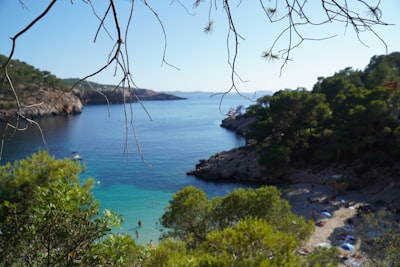
Ibiza boasts over 80 stunning beaches, each with its own character.
- Playa d'en Bossa: The longest beach on the island, famous for its vibrant atmosphere, beach clubs (Ushuaïa, Hard Rock Hotel), and water sports.
- Cala Comte (Cala Conta): A series of small coves with crystal-clear turquoise waters and legendary sunset views. Home to Sunset Ashram, a popular spot for sundowners.
- Cala Salada & Cala Saladeta: Two picturesque, somewhat secluded coves with pristine waters, popular with locals and offering a more tranquil vibe than the bigger beaches.
- Cala Jondal: Known for its stylish beach clubs (e.g., Blue Marlin), often frequented by celebrities and yacht owners.
- Cala d'Hort: Offers breathtaking views of the mysterious island of Es Vedrà, a mythological rock islet said to be one of the most magnetic spots on Earth. Perfect for spiritual reflection and sunset watching.
The Iconic Party Scene
No guide to Ibiza would be complete without mentioning its legendary nightlife.
- Superclubs: Pacha, Ushuaïa, Hi Ibiza, Amnesia, Eden, and O Beach Ibiza are world-renowned venues hosting top DJs and elaborate productions.
- Sunset Strip (San Antonio): Home to iconic establishments like Café del Mar, Mambo, and Savannah, where people gather nightly to watch spectacular sunsets accompanied by chill-out music.
Bohemian Markets & Cultural Exploration
- Las Dalias Hippy Market (San Carlos): Operating since 1985, this vibrant market is a treasure trove of artisan crafts, clothing, jewelry, music, and food. Open Saturdays year-round, with night markets in summer.
- Punta Arabí Hippy Market (Es Canar): One of the oldest and largest hippy markets, offering a vast array of unique goods, live music, and street food. Open Wednesdays during the tourist season.
- Northern Ibiza: Explore the quieter, more traditional villages like Santa Agnès de Corona (known for its almond blossoms in winter) and Sant Joan de Labritja, offering a glimpse into rural Ibizan life.
How to Reach Ibiza
Getting to Ibiza is straightforward, with excellent air and sea connections.
By Air
- Ibiza Airport (IBZ): The main gateway to the island, located just 7 km (4.3 miles) southwest of Ibiza Town. It handles millions of passengers annually, with direct flights from major European cities, especially during the peak season. Airlines like Ryanair, EasyJet, British Airways, Vueling, and many others operate routes.
- From the Airport: Buses (Line 10 to Ibiza Town, San Antonio, and Playa d'en Bossa), taxis, and pre-booked private transfers are readily available. The bus is the most economical option.
By Sea
- Ferries from Mainland Spain: You can take a ferry from several Spanish ports.
- Denia: The fastest route, taking approximately 2-3 hours.
- Valencia: Takes around 5-7 hours.
- Barcelona: The longest journey, typically 8-9 hours overnight.
- Major operators include Baleària and Trasmediterránea. Ferries arrive at Ibiza Town (Eivissa) or San Antonio ports.
- Inter-Island Ferries: Regular ferry services connect Ibiza with its sister islands, particularly Formentera, a popular day trip destination. Ferries depart frequently from Ibiza Town and Playa d'en Bossa, taking about 30 minutes to an hour.
Local Food Guide
Ibiza's culinary scene is a delightful blend of traditional Mediterranean flavors, fresh seafood, and modern gastronomic influences.
Must-Try Traditional Dishes
- Sofrit Pagès: A hearty, traditional Ibizan stew made with various meats (chicken, lamb, 'sobrassada' sausage), potatoes, and local spices. A true taste of the island's rustic heritage.
- Bullit de Peix: A delicious fish stew featuring different types of local fish (e.g., grouper, snapper) served in two courses: first the fish with potatoes and a delicate 'allioli' (garlic mayonnaise), then the rich fish broth cooked with rice (arroz a banda).
- Arroz de Matanzas: A rich and flavorful rice dish, traditionally prepared during the pig slaughtering season, incorporating different cuts of pork, sausages, and local mushrooms.
- Guisat de Peix: Similar to Bullit de Peix, but typically a more rustic stew featuring various local fish and seafood with potatoes.
- Frita de Pulpo: Fried octopus with potatoes and peppers, a popular tapa or starter.
- Pescado a la Sal: Whole fish (often sea bass or dorada) baked in a thick crust of salt, which locks in moisture and flavor. A spectacular dish often served in beachfront restaurants.
Sweet Treats & Drinks
- Flaó: A unique Ibizan cheesecake made with fresh cheese, eggs, and mint, giving it a distinctive savory-sweet flavor.
- Greixonera: A rich bread pudding made from leftover ensaimada (a spiral-shaped pastry from Mallorca), eggs, milk, and cinnamon.
- Orelletes: Light, anise-flavored fried pastries, often served during fiestas.
- Hierbas Ibicencas: The island's signature liqueur. This aromatic herbal digestif is made from a blend of local herbs (anise, rosemary, thyme, juniper, and more) macerated in alcohol. Enjoy it chilled after a meal.
- Local Wine: Discover surprisingly good local wines, particularly from vineyards in the Santa Agnès area.
Dining Experiences
- Chiringuitos: Casual beachfront restaurants or bars, perfect for fresh seafood and sundowners.
- Fincas: Traditional Ibizan farmhouses often converted into charming, rustic restaurants serving authentic local cuisine.
- Fine Dining: Ibiza also offers numerous high-end restaurants, particularly in Ibiza Town and around the marinas, featuring innovative Mediterranean and international cuisine.
- Tapas: Embrace the Spanish tradition of tapas, enjoying small plates of food with a drink in a lively bar.
Public Transport in Ibiza
Navigating Ibiza without a private car is entirely possible, especially if you stick to the main towns and beaches.
Buses
- Extensive Network: Ibiza has a comprehensive bus network connecting major towns (Ibiza Town, San Antonio, Santa Eulalia), popular beaches (Playa d'en Bossa, Cala Llonga), and the airport.
- Affordable: Buses are the most economical way to get around. Fares are reasonable, typically a few euros depending on the distance.
- Discobus: During the summer peak season, the famous Discobus operates at night, connecting the major clubbing areas and towns (Ibiza Town, San Antonio, Playa d'en Bossa), offering a safe and convenient way for party-goers to travel.
- Frequency: During peak season, buses are frequent; in the off-season, schedules are reduced, and some routes might not operate. Check updated timetables at bus stops or online.
Taxis
- Availability: Taxis are readily available at ranks in towns, outside the airport, and often outside major clubs. You can also hail them on the street if they have a green light.
- Official Taxis: Look for official white taxis with green license plates and the taxi sign on the roof.
- Fares: Taxis are more expensive than buses, especially with night or holiday surcharges. Ensure the meter is running. Ride-hailing apps like TaxiClick Ibiza or Free Now are also available.
Car Rental
- Recommended for Exploration: Renting a car is highly recommended if you wish to explore the island's hidden coves, rural villages, and off-the-beaten-path attractions at your own pace.
- Booking: Book well in advance, especially during peak season, for better rates and availability.
- Requirements: You’ll need a valid driving license (international driving permit may be required for non-EU citizens), a credit card, and usually be over 21 (sometimes 25) with a minimum of 1-2 years driving experience.
- Parking: Can be challenging in busy areas like Ibiza Town or San Antonio during summer.
Motorbike/Scooter Rental
- Popular Choice: Scooters are a popular and convenient way to navigate the island, especially for shorter distances and avoiding traffic.
- Caution: Roads can be winding and busy; always wear a helmet and drive cautiously. Full motorcycle license may be required for larger scooters.
Ferries & Water Taxis
- Inter-Island: Ferries are essential for day trips to Formentera.
- Coastal Connections: Water taxis and smaller ferries connect some coastal resorts and beaches (e.g., Ibiza Town to Playa d'en Bossa, San Antonio to various coves).
Travel Budget Tips
Ibiza can be as expensive or as affordable as you make it. Here’s how to manage your budget.
Accommodation
- Book in Advance: Especially for peak season. Prices skyrocket closer to the date.
- Shoulder/Off-Season: Significant savings can be made by traveling outside of June-September.
- Consider Alternatives: Hostels, guesthouses, and self-catering apartments (often found outside the main party hubs) are cheaper than hotels. Look into agroturismos (rural hotels) for unique experiences at varied price points.
- Location Matters: Staying slightly away from the super-club areas (e.g., Santa Eulalia, Portinatx, or even further north) can reduce accommodation costs.
Food & Drink
- Self-Catering: If staying in an apartment, utilize local supermarkets (Lidl, Mercadona, Eroski) for breakfast, lunch, and snacks.
- Local Markets: Buy fresh produce from local markets.
- Menu del Día: Many restaurants, especially outside the main tourist strips, offer a 'Menu del Día' (set lunch menu) which provides excellent value for money.
- Avoid Tourist Traps: Restaurants directly on the busiest beachfronts or in Dalt Vila's main square tend to be pricier. Explore side streets for more authentic and affordable options.
- Pre-Drink: If going to clubs, buying drinks from supermarkets and having a few before heading out can save a lot, as club drinks are very expensive.
- Tap Water: Tap water is generally safe to drink in Ibiza, though some prefer bottled due to taste. Using a reusable water bottle can save money and reduce plastic waste.
Transport
- Buses are Best: Rely heavily on the island's bus network, including the Discobus for nightlife, as it’s the most cost-effective.
- Car Share: If renting a car, share the cost among your group.
- Walk or Cycle: For short distances, walking or renting a bicycle can be a great way to explore and save money.
Activities & Entertainment
- Free Beaches: Enjoy Ibiza's beautiful beaches and coves for free.
- Hiking & Nature: Explore the island's stunning natural landscapes, hiking trails, and viewpoints for free.
- Sunset Views: Watching the sunset from a free public spot (like Cala Comte or Es Vedrà viewpoint) is just as magical as from a paid sunset bar.
- Clubbing: Entry fees for superclubs are high (€40-€80+), and drinks inside are exorbitant. Consider attending free pre-parties at bars, or look for guestlist opportunities. Sometimes, early bird tickets online are cheaper.
- Markets: Browsing the hippy markets is free, though purchasing souvenirs can add up.
Flights
- Book Early: The earlier you book, the better the prices, especially for peak season.
- Flexibility: Be flexible with your travel dates and consider flying midweek.
- Budget Airlines: Utilise low-cost carriers, but be mindful of baggage fees.
Hotels and Accommodation in Ibiza
Ibiza offers a vast range of accommodation options to suit every budget and travel style.
Luxury & Boutique
- High-End Hotels: Expect lavish amenities, gourmet dining, and prime locations. Examples include the W Ibiza, Nobu Hotel Ibiza Bay, Hard Rock Hotel Ibiza, and Ushuaïa Ibiza Beach Hotel.
- Boutique Hotels: Often found in Dalt Vila or secluded rural areas, these offer unique character, personalized service, and a more intimate experience.
- Private Villas: Ideal for groups or families seeking privacy and exclusive amenities. Available island-wide, from clifftop retreats to rural fincas.
- Location examples: Dalt Vila (for history and charm), Marina Botafoch (for yachts and high-end dining), Santa Eulalia (for sophisticated relaxation), rural north (for tranquility).
Mid-Range Options
- Resorts & All-Inclusive: Many hotels in Playa d'en Bossa, San Antonio, and Santa Eulalia offer comfortable rooms, pools, and various amenities. Some are family-friendly, others cater to adults.
- Apartment Hotels: Offer the convenience of hotel services with the flexibility of self-catering. Good for families or longer stays.
- Location examples: Playa d'en Bossa (lively, close to clubs), San Antonio (buzzing, sunset strip), Santa Eulalia (family-friendly, calmer).
Budget-Friendly Stays
- Hostels: Primarily found in Ibiza Town and San Antonio, offering dorms or private rooms, ideal for solo travelers or those on a tight budget.
- Guesthouses (Hostales & Pensiones): Simpler, family-run establishments offering basic, clean rooms.
- Self-Catering Apartments: Often the most economical choice for groups or longer stays, allowing you to save money by cooking your own meals.
- Location examples: Inland villages (like Sant Jordi, Sant Rafel), parts of San Antonio Bay, or outskirts of Ibiza Town for slightly lower prices.
Choosing Your Area
- For Party-Goers: Playa d'en Bossa or San Antonio are your best bets, putting you close to the action.
- For Families: Santa Eulalia, Portinatx, or Cala Llonga offer calmer environments, kid-friendly beaches, and amenities.
- For Relaxation & Nature: The north of the island (Sant Joan de Labritja, Sant Carles) or secluded agroturismos in the countryside provide peace and quiet.
- For Culture & Urban Vibe: Ibiza Town offers history, shopping, diverse dining, and easy access to other parts of the island.
Safety Tips for Travelers in Ibiza
Ibiza is generally a safe destination, but like any popular tourist spot, it's wise to be aware of certain precautions.
- Petty Theft: Be vigilant in crowded areas such as clubs, bars, markets, and beaches. Keep an eye on your belongings, especially phones, wallets, and bags. Avoid leaving valuables unattended on the beach.
- Drink Spiking: This is a concern in any nightlife setting. Never leave your drink unattended, and don't accept drinks from strangers. Drink responsibly and know your limits.
- Road Safety: If you rent a car or scooter, drive cautiously. Roads can be winding, and drivers may be unfamiliar with the area. Never drive under the influence of alcohol or drugs. Always wear a helmet if riding a scooter or motorbike.
- Sun Protection & Hydration: The Mediterranean sun can be intense. Use high-SPF sunscreen, wear a hat and sunglasses, and seek shade during the hottest parts of the day (12 pm - 4 pm). Stay well hydrated by drinking plenty of water.
- Swimming Safety: Be aware of currents, especially on open beaches. Look out for warning flags. While jellyfish sightings are not common, they do occur occasionally, particularly in warmer waters.
- Emergency Numbers: In case of an emergency, dial 112 for police, ambulance, or fire services.
- Drug Laws: Spain has strict laws regarding drug possession and use. Penalties can be severe, including heavy fines and imprisonment. Do not engage with street dealers.
- Respect Local Customs: While Ibiza is known for its liberal atmosphere, remember to respect local customs and residents. Keep noise levels down in residential areas, especially at night. Dispose of litter properly to help keep the island beautiful.
- Medical Care: European Health Insurance Card (EHIC) covers EU citizens for state-provided medical treatment. Travel insurance is highly recommended for all visitors to cover medical emergencies, cancellations, and theft.
FAQ Section
Q: Is Ibiza only for partying?
A: Absolutely not! While Ibiza is famous for its nightlife, it offers a diverse range of experiences. You can find tranquil beaches, historic sites like Dalt Vila, beautiful countryside for hiking, yoga retreats, and charming traditional villages. Many families and couples visit specifically to avoid the party scene and enjoy the island's natural beauty and relaxed atmosphere.
Q: Do I need to rent a car in Ibiza?
A: It depends on your travel style. For exploring the island extensively, including hidden coves and rural areas, a rental car is highly recommended. However, if you plan to stick to major towns and popular beaches, the bus network is efficient and affordable. Taxis are also readily available.
Q: What languages are spoken in Ibiza?
A: The official languages are Spanish (Castilian) and Catalan (known locally as Eivissenc). English is widely understood and spoken in tourist areas, hotels, and restaurants.
Q: Is Ibiza expensive?
A: Ibiza can be as expensive or as affordable as you want it to be. During peak season (June-September), prices for flights, accommodation, and club entry are very high. However, by traveling in the shoulder or off-season, opting for self-catering accommodation, using public transport, and seeking out local restaurants, you can enjoy Ibiza on a budget.
Q: What currency is used in Ibiza?
A: As part of Spain and the Eurozone, the currency used in Ibiza is the Euro (€).
Q: Can I take a day trip to Formentera?
A: Yes, absolutely! Formentera is a beautiful neighboring island easily accessible by ferry from Ibiza Town or Playa d'en Bossa. It’s famous for its pristine, Caribbean-like beaches and crystal-clear waters, making it a perfect day trip.
Q: What's the dress code for clubs in Ibiza?
A: Most superclubs in Ibiza have a "smart casual" dress code. This generally means no beachwear (swim shorts, flip-flops), sportswear (tracksuits, gym shorts), or excessively revealing outfits. For men, a collared shirt or stylish t-shirt with smart trousers or dark jeans and appropriate footwear is usually sufficient. Some exclusive venues or VIP areas may have stricter policies.
Q: What are the main areas for families?
A: Santa Eulalia del Río, Portinatx, and Cala Llonga are popular choices for families, offering calmer beaches, family-friendly amenities, and a more relaxed atmosphere away from the main party hubs.
Q: Is the tap water safe to drink?
A: Tap water in Ibiza is generally safe to drink, though it can have a high mineral content and a slightly different taste than what you might be used to. Many visitors prefer to drink bottled water, which is widely available.
---