Maldives Travel Guide – Best Places to Visit in Maldives
Maldives: Your Ultimate Guide to a Tropical Paradise
The Maldives, a celestial string of 26 natural atolls in the Indian Ocean, is renowned globally as the epitome of a tropical paradise. Famed for its breathtakingly beautiful overwater bungalows, pristine white-sand beaches, and kaleidoscopic coral reefs teeming with marine life, it’s a destination that consistently tops bucket lists. From the moment you step foot on this island nation, you're enveloped in an aura of tranquility and luxury, punctuated by the gentle lapping of turquoise waves against the shore. This comprehensive guide will help you navigate the wonders of the Maldives, ensuring an unforgettable journey into its sun-drenched embrace.
Best Time to Visit
Choosing the right time to visit the Maldives can significantly impact your experience, balancing perfect weather with crowd levels and prices.
Dry Season (High Season): December to April
This is unequivocally the most popular time to visit. Characterized by low humidity, minimal rainfall, and abundant sunshine, the dry season offers consistently clear skies and calm seas. These conditions are ideal for all water-based activities, from snorkeling and diving to enjoying the beaches. However, this peak season comes with a higher price tag for flights and accommodation, and resorts tend to be fully booked. If you’re planning a trip during this period, especially around Christmas, New Year, or Easter, it’s crucial to book well in advance.
Wet Season (Low Season/Monsoon): May to November
While dubbed the "wet season," this period isn't necessarily one of continuous downpours. Rainfall typically comes in short, intense showers, often clearing quickly to reveal sunshine. The humidity is higher, and the seas can be choppier, which might affect some water activities. However, there are significant advantages to visiting during this time:
- Lower Prices: Accommodation and flights are considerably cheaper, making luxury more accessible.
- Fewer Crowds: You'll enjoy a more secluded and private experience.
- Unique Wildlife Encounters: The southwest monsoon (typically May to October) brings plankton-rich waters, attracting large marine creatures like manta rays (especially in Baa Atoll's Hanifaru Bay) and whale sharks.
The shoulder months of November and May can offer a sweet spot, providing a blend of good weather and more manageable prices and crowds. Ultimately, the "best" time depends on your priorities: pristine weather at a premium, or a more budget-friendly trip with the occasional tropical shower.
Top Attractions
The Maldives is an archipelago brimming with natural beauty and unique experiences. While many resorts offer a world of their own, venturing out reveals the true essence of this island nation.
Underwater Wonders and Marine Life
The Maldives is a diver's and snorkeler's paradise, boasting some of the world's most vibrant and diverse marine ecosystems.
- Snorkeling & Diving: The crystal-clear waters offer unparalleled visibility, allowing you to explore thriving coral reefs just steps from your overwater villa or a short boat ride away. Expect to encounter reef sharks, majestic manta rays, graceful sea turtles, and an explosion of colorful fish. Iconic dive sites like Banana Reef (North Malé Atoll) and Maaya Thila (South Ari Atoll) are legendary for their biodiversity.
- Whale Shark & Manta Ray Encounters: Head to the South Ari Atoll for year-round whale shark sightings, or visit Baa Atoll (a UNESCO Biosphere Reserve) during the wet season (May-November, peaking August-October) to witness hundreds of manta rays congregating in Hanifaru Bay – a truly once-in-a-lifetime experience.
Pristine Beaches and Island Hopping
Every island in the Maldives boasts stunning white-sand beaches fringed with swaying palm trees and impossibly blue lagoons.
- Resort Island Beaches: Exclusive and meticulously maintained, these offer privacy and luxury amenities.
- Local Island Beaches: Islands like Maafushi, Thulusdhoo, and Dhigurah offer 'bikini beaches' where tourists can swim and sunbathe in swimwear, providing a more authentic Maldivian experience alongside locals.
- Excursions: Many resorts and guesthouses offer trips to uninhabited islands, sandbanks, or small fishing villages for picnics, romantic dinners, or simply to enjoy untouched nature.
Cultural Experiences in Malé
While often overlooked in favor of resort islands, the capital city of Malé offers a glimpse into Maldivian culture and daily life.
- Grand Friday Mosque (Hukuru Miskiy): An architectural marvel built from coral stone with intricate carvings, dating back to 1658. It's the oldest mosque in the Maldives.
- Malé Fish Market: A bustling hub where fishermen bring in their daily catch. It's a vibrant, sensory experience and a great place to observe local life.
- Sultan Park and National Museum: Providing a tranquil green space amidst the city's bustle, Sultan Park houses the National Museum, showcasing artifacts that trace the Maldives' rich history from Buddhist kingdoms to Islamic sultans.
- Local Markets: Explore the local fruit and vegetable markets for a taste of fresh, tropical produce.
Water Sports and Activities
Beyond snorkeling and diving, the Maldives offers a plethora of thrilling water sports.
- Adrenaline Activities: Try parasailing for aerial views, jet-skiing across the lagoons, or windsurfing and kitesurfing for a rush.
- Leisurely Pursuits: Enjoy stand-up paddleboarding, kayaking, or take a traditional Dhoni boat for a sunset cruise, often accompanied by dolphin sightings.
- Big Game Fishing: For fishing enthusiasts, deep-sea fishing excursions offer the chance to catch marlin, tuna, wahoo, and more.
Relaxation and Wellness
The serene environment of the Maldives is perfect for unwinding.
- Overwater Spas: Many resorts feature luxurious overwater spas where you can indulge in treatments while listening to the gentle sounds of the ocean beneath you.
- Yoga & Meditation: Start your day with sunrise yoga sessions on the beach or overwater pavilions.
- Private Dining: Enjoy romantic dinners on secluded beaches, private sandbanks, or even underwater restaurants.
How to Reach
Reaching the Maldives is an adventure in itself, often involving a scenic transfer that sets the tone for your tropical escape.
International Flights
The primary gateway to the Maldives is Velana International Airport (MLE), located on Hulhulé Island, just a short distance from the capital city of Malé. This airport is well-connected to major cities worldwide, particularly in Asia, the Middle East, and Europe. Airlines such as Emirates, Qatar Airways, Turkish Airlines, Singapore Airlines, and various European charters offer regular flights. Upon arrival, most visitors are greeted by resort representatives who facilitate their onward transfer.
Transfers to Resorts
Once you land at MLE, your journey to your chosen resort is typically arranged by the resort itself and is an integral part of the Maldivian experience.
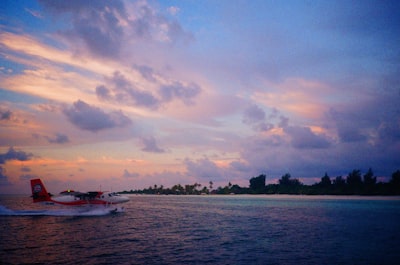
- Seaplane: For resorts located in more distant atolls, a seaplane transfer offers breathtaking aerial views of the scattered islands and coral reefs. It’s a scenic, albeit pricier, option and usually operates during daylight hours. Seaplane companies like Trans Maldivian Airways (TMA) and Maldivian handle these transfers.
- Speedboat: Resorts closer to Malé (within 30-60 minutes) are typically accessed via speedboat. These transfers are quicker, operate day and night, and are generally more economical than seaplanes.
- Domestic Flight + Speedboat: For resorts in very remote atolls, a domestic flight to a regional airport (e.g., Gan, Maamigili) might be followed by a speedboat transfer to the final destination. This combination is less common for direct resort access but is frequently used when traveling between local islands in different atolls.
It's important to note that transfer costs are often significant and are usually added to your resort bill or paid separately. Always confirm your transfer details and costs with your resort when booking.
Local Food Guide
Maldivian cuisine, known as Dhivehi cuisine, is a delightful fusion of Indian, Sri Lankan, and Arabic influences, characterized by its reliance on three main ingredients: fish (especially tuna), coconut, and rice. Spices are used liberally, but dishes are generally not overly spicy unless chili is added.
Key Ingredients
- Fish: Tuna (kandu kukulhu) is king, prepared in countless ways – smoked, dried, curried, grilled.
- Coconut: Used in milk, grated form, or as oil, it adds richness and sweetness to many dishes.
- Rice: The staple carbohydrate, served with almost every meal.
- Chili & Lime: Essential for adding a tangy kick.
Must-Try Dishes
- Garudhiya: A clear fish broth, typically made with tuna, boiled with salt and a few seasonings. It's a simple, comforting staple often served with rice, lime, and chili.
- Mas Huni: The quintessential Maldivian breakfast. Shredded smoked tuna is mixed with grated coconut, chopped onions, and chili. It's typically eaten with freshly baked flatbread called Roshi.
- Bis Keemiya: A Maldivian take on the samosa, this pastry is filled with a savory mixture of tuna, hard-boiled egg, and lightly spiced onions and cabbage. A popular "hedhikaa" (snack).
- Hedhikaa (Maldivian Short Eats): A vast array of savory and sweet snacks, usually deep-fried or baked. These are perfect for afternoon tea or a quick bite. Popular varieties include:
- Gulha: Deep-fried dough balls filled with smoked fish, onion, and coconut.
- Kavaabu: Fried patties made from rice, tuna, coconut, and lentils.
- Kulhi Boakibaa: A savory fish cake, often spicy.
- Foni Boakibaa: A sweet, dense cake made with rice flour and coconut.
- Rihaakuru: A thick, dark-brown fish paste made from tuna, it's a Maldivian delicacy often eaten with rice, Roshi, and chili. It has a potent, umami flavor.
- Curries: Various fish (Mas Riha) and chicken (Kukulhu Riha) curries are popular, typically made with coconut milk and a blend of aromatic spices. Vegetable curries are also available.
- Handulu Bondibai: A sweet rice pudding, often made for special occasions.
Beverages
- Fresh Coconut Water: Hydrating and refreshing, served directly from the coconut.
- Raa: A sweet, non-alcoholic toddy tapped from the crown of palm trees. Enjoyed fresh, it's a traditional Maldivian drink.
- Fruit Juices: A wide variety of tropical fruit juices are available at resorts and local eateries.
A crucial note: Alcohol is strictly prohibited on local islands. It is only available for consumption on licensed resort islands and liveaboard safari boats.
Public Transport
While resorts handle transfers to their private islands, getting around the Maldives for independent travelers, especially those staying on local islands, involves a network of inter-island transport.
Inter-Island Ferries (Public Ferries)
Operated by the Maldives Transport and Contracting Company (MTCC), these public ferries are the most affordable way to travel between local islands. They connect Malé to various atolls and islands, following fixed schedules.
- Pros: Extremely cheap, offers an authentic local experience, good for budget travelers.
- Cons: Slow (journeys can take several hours), schedules are often infrequent (some routes only operate a few times a week), can be crowded, and not all islands are directly connected. They also typically don't operate on Fridays.
Ferries are primarily used by locals for daily commutes and transporting goods. If you're staying on a local island, check the ferry schedule well in advance as it dictates your travel plans.
Speedboats (Scheduled and Private)
Speedboats offer a faster and more flexible alternative to public ferries, especially for routes not covered by ferries or when time is a factor.
- Scheduled Speedboats: Many local islands (e.g., Maafushi, Thulusdhoo) have daily scheduled speedboat services from Malé, often operated by guesthouses or private companies. These are faster than ferries and more expensive but significantly cheaper than private charters.
- Private Speedboats: These offer ultimate flexibility and comfort but are the most expensive option. They can be chartered for island hopping, transfers to specific islands, or day trips.
Domestic Flights
Maldivian, Manta Air, and Flyme operate domestic flights connecting Velana International Airport (MLE) to several regional airports across the archipelago (e.g., Gan, Hanimaadhoo, Maamigili, Dharavandhoo).
- Purpose: Primarily used for reaching more distant atolls, often followed by a short speedboat transfer to the final island or resort. They are essential for accessing remote local islands where ferry services are impractical or non-existent.
- Cost: More expensive than ferries or scheduled speedboats, but much faster.
Within Islands
- Malé: The capital is small enough to explore on foot. Taxis are readily available for longer distances or if you have luggage.
- Local Islands: Most local islands are small and easily walkable. Bicycles are often available for rent or provided by guesthouses.
- Resort Islands: Guests typically walk, use electric buggies/golf carts provided by the resort, or bicycles.
Travel Budget Tips
The Maldives has a reputation for being an ultra-luxury destination, and while that's true for many resorts, it is entirely possible to visit on a mid-range or even budget-friendly itinerary.
Choose Local Islands vs. Resorts
This is the single biggest factor in determining your budget.
- Guesthouses on Local Islands: Staying on inhabited islands like Maafushi, Thulusdhoo, Dhigurah, or Fulidhoo will dramatically cut costs. You can find comfortable guesthouses for as little as $50-$150 per night. Food at local restaurants is also significantly cheaper than resort dining.
- Resorts: Prices start from $300-$500 per night for a basic room, easily soaring into thousands for overwater villas and all-inclusive packages.
Book in Advance and Off-Season
- Off-Season Travel: Visiting during the wet season (May to November) can lead to savings of 30-50% on flights and accommodation.
- Early Booking: Regardless of the season, booking flights and guesthouses/resorts several months in advance can secure better rates.
Food and Drink
- Eat Local: When on local islands, dine at local cafés and restaurants. A meal can cost $5-$15, a stark contrast to resort prices which can be $50+ per meal.
- Guesthouse Meals: Many guesthouses offer breakfast inclusive rates, and some provide lunch/dinner options at reasonable prices.
- BYO Snacks: While alcohol and pork are prohibited, bringing non-perishable snacks and drinks (non-alcoholic) from home or buying them in Malé can save money.
- All-Inclusive vs. Half/Full Board: If staying at a resort, an all-inclusive package might seem expensive upfront but can save money on food and drinks in the long run, especially if you plan to consume alcohol or enjoy multiple meals at the resort.
Activities
- Guesthouse Excursions: Guesthouses on local islands offer excursions (snorkeling, diving, island hopping, dolphin cruises) at much lower prices than resorts. You can also often negotiate prices.
- Public Ferries for Island Hopping: Use public ferries for extremely cheap inter-island travel, rather than expensive private speedboats, if your schedule allows.
- Beach Snorkeling: Many local islands have accessible house reefs perfect for free snorkeling.
- Group Tours: Join group tours for excursions rather than booking private ones, which are considerably more expensive.
Transport
- Proximity to MLE: Choose a resort or local island closer to Velana International Airport (MLE) to reduce speedboat transfer costs. Seaplane transfers are significantly more expensive.
- Shared Speedboats: Opt for scheduled shared speedboats between Malé and local islands instead of private charters.
Hotels and Accommodation
The Maldives offers a diverse range of accommodation options, catering to every budget and travel style, from ultra-luxurious resorts to charming budget guesthouses.
Luxury Resorts
This is what the Maldives is most famous for. Each luxury resort typically occupies its own private island, offering unparalleled exclusivity and privacy.
- Overwater Villas/Bungalows: The iconic accommodation, featuring direct lagoon access, private decks, and often glass floor panels to view marine life.
- Beach Villas: Luxurious villas situated directly on the white sands, often with private pools and lush gardens.
- Amenities: Expect world-class dining (often multiple restaurants), infinity pools, overwater spas, dedicated butler service, a wide array of water sports, and personalized experiences.
- Examples: Four Seasons, St. Regis, W Maldives, Conrad Maldives Rangali Island, Soneva Fushi, The Ritz-Carlton, Waldorf Astoria.
- Pricing: Very high, often starting from $800-$1000 per night and reaching several thousands for premium villas. Many offer all-inclusive packages.
Mid-Range Resorts
While still offering excellent service and facilities, these resorts might be slightly smaller, older, or offer fewer extravagant amenities than their ultra-luxury counterparts. They are a good option for those seeking a resort experience without the top-tier price tag.
- Features: Comfortable rooms/villas, swimming pools, multiple dining options, spa services, and organized excursions.
- Pricing: Typically range from $300-$800 per night.
Guesthouses on Local Islands
A game-changer for budget travelers, guesthouses have opened up the Maldives to a wider audience, offering an authentic cultural experience at affordable prices.
- Location: Located on inhabited islands where locals live, allowing interaction with the Maldivian community.
- Amenities: While not as opulent as resorts, many guesthouses offer clean, comfortable, air-conditioned rooms, private bathrooms, Wi-Fi, and sometimes even small pools. They often arrange excursions at local prices.
- Popular Islands: Maafushi, Thulusdhoo, Dhigurah, Fulidhoo, and Huraa are well-developed for guesthouse tourism.
- Pricing: Very affordable, ranging from $50-$150 per night.
- Experience: Offers a more immersive way to experience Maldivian life, cuisine, and hospitality. Note that local laws regarding dress code and alcohol apply on these islands.
Liveaboards
For dedicated divers, a liveaboard boat offers the ultimate diving holiday.
- Concept: These vessels cruise between different dive sites across the atolls, providing accommodation, meals, and multiple dives per day.
- Benefits: Access to remote dive spots, convenience for dive enthusiasts, and a chance to explore various atolls without changing accommodation.
- Pricing: Varies widely based on boat luxury and trip duration.
Safety Tips
The Maldives is generally considered a very safe destination for tourists, largely due to its low crime rate and the serene nature of its resort islands. However, like any travel destination, being aware of local customs and taking sensible precautions is advisable.
Sun Protection
The Maldivian sun is intense year-round.
- Sunscreen: Apply high-SPF, reef-safe sunscreen frequently, even on cloudy days.
- Cover Up: Wear hats, sunglasses, and UV-protective clothing, especially during peak sun hours (10 AM - 4 PM).
- Hydration: Drink plenty of bottled water to prevent dehydration.
Marine Safety
The ocean is a major attraction, so exercise caution.
- Currents: Be aware of strong currents, especially when snorkeling or diving, as they can be unpredictable. Always go with a buddy or guide.
- Marine Life: Do not touch coral or any marine creatures. Some species, though rare, can be venomous (e.g., stonefish). Maintain a respectful distance.
- Designated Areas: Swim and snorkel in designated safe areas, especially around resorts.
- Inform Others: If you plan to go out snorkeling or on a watersport activity alone, inform someone of your plans.
Respect Local Culture and Laws
The Maldives is a 100% Muslim nation, and adherence to Islamic traditions is important.
- Dress Modestly (on Local Islands): When visiting inhabited local islands or Malé, both men and women should dress modestly. This means covering shoulders and knees. Swimwear is acceptable only on 'bikini beaches' designated for tourists.
- Alcohol & Pork: Alcohol and pork products are strictly prohibited on local islands and from being imported into the country. They are only available on licensed resort islands and safari boats. Attempting to bring alcohol into the country can result in confiscation.
- Public Displays of Affection: Avoid public displays of affection outside of resorts.
- Respect Religious Practices: Be mindful of prayer times, especially during Ramadan.
- Drugs: There are extremely strict laws against drug use, with severe penalties including lengthy prison sentences.
Health Precautions
- Water: Drink only bottled water.
- Mosquitoes: Mosquitoes can be present, especially during the wet season. Use repellent, particularly around dusk and dawn.
- Travel Insurance: Comprehensive travel insurance is highly recommended to cover medical emergencies, evacuations (which can be costly), and trip cancellations.
- Medical Facilities: Basic medical facilities are available in Malé, but outside the capital and on resorts, facilities are limited. Serious medical conditions may require evacuation to a neighboring country.
General Security
- Crime Rate: The Maldives has a very low crime rate, particularly against tourists. Petty theft can occur, so keep valuables secure.
- Scams: While rare, be cautious of any unusually good offers or unsolicited help, especially in crowded areas like markets.
- Political Stability: While generally stable, be aware of any travel advisories from your home country regarding the political situation, especially if visiting Malé.
FAQ
Is the Maldives only for luxury travelers?
No, while famous for luxury resorts, the rise of guesthouses on local islands has made the Maldives accessible for budget and mid-range travelers.
Can I drink alcohol in the Maldives?
Alcohol is only permitted on resort islands and safari boats. It is strictly prohibited on local islands and cannot be imported into the country by individuals.
What should I wear?
On resort islands, swimwear and casual resort wear are acceptable. When visiting local islands or Malé, dress modestly (shoulders and knees covered) out of respect for local customs.
Do I need a visa for the Maldives?
Most nationalities receive a free 30-day visa on arrival, provided they have a valid passport, onward ticket, and sufficient funds. Always check the latest visa requirements for your specific nationality.
What currency is used in the Maldives?
The local currency is the Maldivian Rufiyaa (MVR). However, US dollars are widely accepted at resorts, guesthouses, and for most tourist services. Credit cards are also widely accepted.
Is the Maldives safe for solo female travelers?
Generally, the Maldives is very safe for solo female travelers, especially on resort islands. On local islands, exercise the usual precautions, be mindful of your surroundings, and respect local customs regarding dress and behavior.
Are there ATMs in the Maldives?
ATMs are available in Malé and on some larger local islands (e.g., Maafushi), but not on private resort islands. It's advisable to carry some small denominations of USD for local purchases or tips.
What about tipping?
Tipping is not mandatory as a 10% service charge is often added to bills at resorts and restaurants. However, small tips (USD or MVR) for exceptional service (e.g., housekeepers, porters, dive instructors, boat crew) are always appreciated.
The Maldives offers an unparalleled escape into a world of natural beauty and tranquility. Whether you dream of opulent overwater luxury or an authentic island adventure on a budget, this guide provides the foundation for planning your perfect Maldivian journey. Embrace the laid-back pace, immerse yourself in the vibrant marine life, and let the magic of these islands captivate your soul.