Santiago Travel Guide – Best Places to Visit in Chile
Santiago: A Vibrant Metropolis Nestled in the Andes
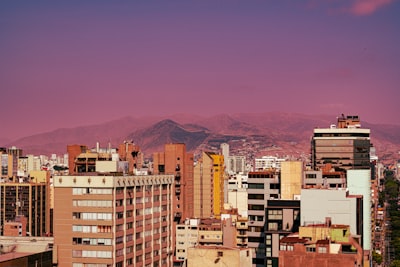
Santiago, the bustling capital of Chile, is a city of captivating contrasts, where historic charm meets modern innovation against a breathtaking backdrop of the snow-capped Andes Mountains. As one of South America's most sophisticated and dynamic cities, Santiago offers an unforgettable travel experience, blending rich cultural heritage with world-class dining, vibrant nightlife, and a thriving arts scene. From its grand colonial plazas and neoclassical architecture to its leafy bohemian neighborhoods and towering skyscrapers, Santiago invites exploration at every turn. It serves as a fantastic base for exploring the diverse landscapes of central Chile, from the Pacific coast to the high peaks of the Andes.
Best Time to Visit
Choosing the right time to visit Santiago can significantly enhance your experience, largely depending on the activities you plan. Santiago experiences a Mediterranean climate with distinct seasons.
Spring (September - November)
Spring is arguably the best time to visit Santiago. The weather is pleasantly warm, with clear skies and comfortable temperatures ranging from 15°C to 25°C (59°F to 77°F). The city's parks and gardens burst into bloom, and the air is fresh. This season is ideal for outdoor activities, exploring the city on foot, and enjoying day trips to the surrounding wine valleys. The Andes still retain their snowcaps, offering stunning vistas without the intense summer heat. September also marks Fiestas Patrias, Chile's independence celebrations, bringing vibrant festivities and traditional Chilean food to the streets.
Summer (December - February)
Summer in Santiago can be hot and dry, with temperatures often soaring above 30°C (86°F), sometimes reaching 35°C (95°F). While the weather is generally sunny, the heat can be intense, and the city can experience smog duegy days due to thermal inversion. However, evenings are pleasant, and many locals head to the coast or mountains to escape the heat. If you plan to visit during summer, focus on indoor activities during the hottest parts of the day, enjoy evenings outdoors, and consider trips to cooler areas like Cajón del Maipo. January and February are popular vacation months for Chileans, so some smaller businesses might be closed.
Autumn (March - May)
Autumn is another excellent time to visit Santiago. The summer heat begins to subside, and temperatures become mild and comfortable, typically between 12°C and 22°C (54°F and 72°F). The foliage in the parks and on the surrounding hills turns beautiful shades of red, orange, and gold, creating picturesque scenery. This season is perfect for exploring the city's vineyards, as it coincides with the grape harvest (vendimia) festivals, offering unique wine-tasting experiences. The tourist crowds are also generally smaller than in spring.
Winter (June - August)
Winter in Santiago is cool and can be quite wet, especially in June and July. Temperatures usually range from 5°C to 15°C (41°F to 59°F). While the city itself rarely sees snow, the surrounding Andes are covered, making Santiago an ideal base for skiing and snowboarding enthusiasts heading to resorts like Valle Nevado, Portillo, or El Colorado. Inside the city, expect crisp air and occasional rainfall. Many museums, theaters, and cozy restaurants offer perfect retreats from the chilly weather. Smog can be more prevalent on colder days.
Top Attractions
Santiago offers a wealth of attractions catering to all interests, from historical sites and cultural institutions to natural wonders and modern marvels.
Plaza de Armas
The historic heart of Santiago, Plaza de Armas is a vibrant central square surrounded by some of the city's most important buildings. Here you'll find the stunning Santiago Metropolitan Cathedral, the opulent Central Post Office, and the Palacio de la Real Audiencia, which now houses the National History Museum. The plaza is a bustling hub of activity, filled with street performers, artists, and locals enjoying the sunshine, offering a fascinating glimpse into daily life in Santiago.
Santiago Metropolitan Park (Cerro San Cristóbal)
Dominating the city's skyline, Cerro San Cristóbal is the largest urban park in Latin America. Ascend to its summit via funicular, cable car, or by hiking to be rewarded with unparalleled panoramic views of Santiago and the Andes. At the top, you'll find a majestic statue of the Virgin Mary, a charming chapel, and an amphitheater. The park also encompasses the National Zoo, a Japanese garden, and several swimming pools, making it a perfect spot for a full day of exploration and relaxation.
La Moneda Palace
This magnificent neoclassical building serves as the seat of the President of Chile. La Moneda is an iconic symbol of Chilean democracy and history, perhaps most famously known as the site of the 1973 coup d'état. Visitors can witness the ceremonial changing of the guard, which occurs every other day (check schedules online), and explore the adjacent Palacio de La Moneda Cultural Center, which hosts excellent art exhibitions and cultural events.
Barrio Bellavista
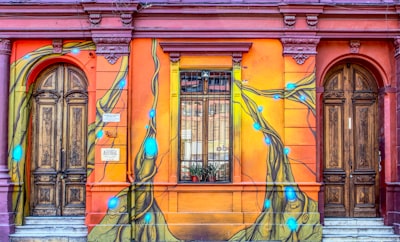
Santiago's bohemian quarter, Bellavista, is renowned for its vibrant nightlife, colorful street art, and eclectic mix of restaurants and bars. By day, explore its quirky boutiques and artisan shops, and visit La Chascona, one of the homes of Nobel laureate Pablo Neruda, now a fascinating house-museum. By night, the neighborhood comes alive with music, laughter, and an infectious energy, offering countless options for dining and entertainment.
Santa Lucía Hill (Cerro Santa Lucía)
This beautifully landscaped urban park is built on a small volcanic hill where Santiago was founded in 1541. Climb the winding paths and staircases to reach its summit, where a charming castle-like structure, fountains, and lookout points offer fantastic views of the city. It's a peaceful oasis in the midst of the urban sprawl, ideal for a leisurely stroll and some great photo opportunities.
Museo Nacional de Bellas Artes
Housed in an exquisite Beaux-Arts building within the Parque Forestal, the National Museum of Fine Arts is one of South America's oldest art museums. It features an impressive collection of Chilean art from the colonial period to the present day, as well as a selection of international works. Its grand architecture alone makes it worth a visit.
Costanera Center & Sky Costanera
For those seeking modern grandeur and breathtaking heights, the Costanera Center is a must-visit. This complex houses the tallest building in Latin America, Gran Torre Santiago. Take the express elevator to Sky Costanera, the observation deck on the 61st and 62nd floors, for truly unparalleled 360-degree views of Santiago and the surrounding Andes, especially stunning at sunset. The complex also features a vast shopping mall.
Mercado Central
A bustling, historic iron market building, Mercado Central is a sensory feast for foodies. Primarily known for its fresh seafood, you can find a dizzying array of fish, shellfish, and other fresh produce. Beyond shopping, it's a fantastic place to enjoy a traditional Chilean seafood lunch at one of its many bustling restaurants, like "Donde Augusto," offering an authentic, lively dining experience.
Cajón del Maipo (Day Trip)
Just a short drive southeast of Santiago, Cajón del Maipo is a stunning Andean canyon offering a dramatic escape into nature. This area is perfect for hiking, horseback riding, and white-water rafting. Highlights include the picturesque Embalse El Yeso (a turquoise reservoir), therapeutic hot springs (Termas Colina), and charming mountain villages. It’s an ideal day trip for nature lovers.
Valparaíso & Viña del Mar (Day Trip)
A mere 1.5-hour bus ride from Santiago, the colorful port city of Valparaíso is a UNESCO World Heritage site known for its bohemian spirit, labyrinthine hills, vibrant street art, and historic funiculars. Nearby, Viña del Mar offers a more upscale, resort-like atmosphere with beautiful beaches and gardens. Visiting these two contrasting coastal cities makes for an excellent day trip.
How to Reach
Santiago is well-connected internationally and within Chile.
By Air (SCL - Arturo Merino Benítez International Airport)
The primary gateway to Chile is Santiago's Arturo Merino Benítez International Airport (SCL), also known as Comodoro Arturo Merino Benítez Airport or simply Santiago International Airport. It's the busiest airport in Chile and one of the busiest in South America, serving numerous international airlines from North America, Europe, and other parts of Latin America.
Getting from the Airport to the City
SCL is located approximately 15 kilometers (9 miles) northwest of downtown Santiago.
- Official Taxis: You can pre-pay for an official taxi (Taxi Oficial or Taxi del Aeropuerto) inside the terminal. This is generally the safest and most convenient option, albeit pricier.
- Transfers (Shared or Private): Companies like TransVip and Delfos offer shared shuttle services or private transfers directly to your accommodation. You can book at their counters inside the airport. Shared shuttles are a cost-effective choice for solo travelers or couples.
- Buses: Centropuerto and Turbus Aeropuerto offer frequent bus services from the airport to various points in Santiago, including the Los Héroes metro station in the city center. From there, you can connect to the metro system or take a taxi. This is the most budget-friendly option.
- Ride-Sharing Apps: Uber, Cabify, and Didi operate in Santiago and can be used for airport transfers. Be aware that official taxis sometimes have issues with ride-sharing pickups at the airport, so look for designated pickup zones.
Local Food Guide
Chilean cuisine is hearty and flavorful, often featuring fresh seafood, corn, potatoes, and various meats. Santiago offers an excellent opportunity to dive into these culinary delights.
Must-Try Dishes
- Pastel de Choclo: A beloved Chilean comfort food, this savory-sweet corn pie features a creamy corn topping (choclo) over a layer of ground beef (pino), sometimes with chicken, olives, and a hard-boiled egg. It's baked to golden perfection.
- Empanadas: While common throughout Latin America, Chilean empanadas are distinct. The most popular is "empanada de pino," a baked pastry filled with ground beef, onion, olives, and a hard-boiled egg. Cheese empanadas (empanada de queso) are also ubiquitous and delicious.
- Curanto: Originating from Chiloé, this traditional dish involves cooking seafood (clams, mussels), meat (pork, chicken, lamb), and potatoes in a pit dug in the ground, heated by hot stones. While the full pit experience is rare in Santiago, many restaurants offer a plated version.
- Completo: Chile's take on the hot dog, but elevated. A frankfurter is smothered in an astonishing amount of mayonnaise, chopped tomatoes, and mashed avocado (palta). It’s a messy, but incredibly satisfying, street food staple.
- Cazuela: A hearty, warming stew typically featuring a piece of meat (beef, chicken, or pork), a large potato, corn on the cob, a pumpkin chunk, and sometimes rice or green beans, all simmered in a rich broth. Perfect for a chilly day.
Drinks
- Pisco Sour: Though its origin is debated with Peru, the Chilean Pisco Sour is a potent and refreshing cocktail made with pisco (a grape brandy), lemon juice, simple syrup, and often egg white.
- Mote con Huesillo: A unique, non-alcoholic summer drink. It consists of dried peaches (huesillo) rehydrated and cooked in sugar and cinnamon syrup, served chilled with husked wheat (mote). It’s sweet, refreshing, and distinctly Chilean.
- Chilean Wine: Chile is a world-renowned wine producer, especially famous for its Cabernet Sauvignon, Carmenere, and Sauvignon Blanc. A visit to Santiago wouldn't be complete without sampling some local wines, either in city restaurants or on a vineyard tour in nearby valleys like Maipo, Casablanca, or Colchagua.
Dining Experiences
- Mercado Central: As mentioned, a fantastic spot for fresh seafood and a bustling, authentic lunch experience.
- Barrio Lastarria & Barrio Italia: These neighborhoods are known for their trendy cafes, gourmet restaurants, and bohemian eateries, offering a wide range of international and modern Chilean cuisine.
- Barrio Bellavista: Great for both casual and upscale dining, with a focus on vibrant atmospheres and international options.
- Street Food: Don't shy away from street vendors for empanadas, completos, sopaipillas (fried pumpkin fritters), and other quick bites.
Public Transport
Santiago boasts an efficient and extensive public transportation system that makes navigating the city relatively easy.
Metro
The Santiago Metro is the backbone of the city's public transport, known for its cleanliness, efficiency, and modern infrastructure. It has multiple lines (currently seven, with more under construction) that crisscross the city, connecting major attractions, neighborhoods, and transport hubs. It's the fastest way to get around Santiago, especially during peak hours. Stations are well-marked, and maps are readily available.
Buses (RED)
The integrated bus system, known as RED, complements the Metro, extending its reach to areas not served by trains. Buses are modern and run frequently, but traffic can be an issue. Bus stops are marked, and routes are generally displayed, though understanding them can sometimes require local assistance or a good transport app.
Bip! Card
To use both the Metro and RED buses, you'll need a Bip! Card. This rechargeable smart card can be purchased and loaded with money at any Metro station or designated Bip! Card top-up points throughout the city (e.g., kiosks, supermarkets). Fares are relatively inexpensive and vary slightly depending on the time of day (peak, normal, or off-peak). You tap the card when entering a Metro station or boarding a bus. Transfers between Metro and buses within a certain timeframe are often discounted.
Taxis/Ride-Sharing
- Taxis: Black and yellow taxis are plentiful throughout Santiago. Ensure the meter is running, or agree on a price before starting the journey, especially if hailed from the street. It's often safer to use official taxi stands or radio taxis.
- Ride-Sharing Apps: Uber, Cabify, and Didi are widely used in Santiago and offer a convenient and often cheaper alternative to traditional taxis. They provide fare estimates upfront and cashless payment, which can be advantageous for tourists.
Travel Budget Tips
Santiago can be explored on various budgets. Here’s how to make your money go further:
Accommodation
- Hostels: For budget travelers, hostels offer dorm beds and private rooms at very reasonable rates. Look for options in neighborhoods like Bellavista, Lastarria, or Santiago Centro.
- Airbnbs/Guesthouses: Renting an apartment or room, especially if traveling in a group, can be more cost-effective than hotels, offering kitchen facilities to save on food costs.
- Off-Peak Season: Traveling during shoulder seasons (spring or autumn) can sometimes yield better accommodation deals than during the peak summer months.
Food
- "Menú del Día": Many restaurants, especially during lunchtime on weekdays, offer a "menú del día" (set lunch menu) which typically includes a starter, main course, and often a drink or dessert for a fixed, affordable price.
- Cook Your Own: If your accommodation has kitchen facilities, buying groceries from local supermarkets (e.g., Lider, Jumbo, Santa Isabel) and preparing some meals can save significant money.
- Street Food & Local Markets: Embrace local street food like empanadas, sopaipillas, and completos for cheap, filling, and authentic meals. Mercado Central is great for an affordable seafood lunch, though some stalls cater more to tourists.
- Avoid Tourist Traps: Restaurants directly on Plaza de Armas or other major tourist squares often charge higher prices. Venture a few blocks away for better value.
Transport
- Public Transport: Utilize the Metro and RED buses with a Bip! Card. It's the most economical way to get around.
- Walk: Many central attractions are within walking distance of each other. Santiago is a very walkable city in its central areas.
- Ride-Sharing for Groups: For longer distances or late nights, ride-sharing apps can be cost-effective if splitting the fare with fellow travelers.
Activities
- Free Attractions: Many of Santiago's top sights are free or low-cost, such as Plaza de Armas, Cerro Santa Lucía, Parque Forestal, and wandering through vibrant neighborhoods like Bellavista and Lastarria.
- Museum Deals: Some museums offer free entry on specific days or at certain hours. Always check their websites.
- Day Trips: Instead of booking expensive organized tours, consider taking public buses to places like Valparaíso/Viña del Mar or even local buses to the entrance of Cajón del Maipo, then hiking. This requires more planning but significantly reduces costs.
Currency Exchange
- ATMs: ATMs are widely available, but be aware of withdrawal fees from your bank and the local bank.
- Exchange Houses (Casas de Cambio): These often offer better rates than banks. You'll find many reputable ones in Santiago Centro, particularly along Agustinas and Huérfanos streets. Compare rates before exchanging.
- Credit Cards: Major credit cards are widely accepted in hotels, larger restaurants, and shops. However, always carry some cash for smaller purchases, street vendors, and certain transport options.
Hotels and Accommodation
Santiago offers a diverse range of accommodation options, from luxury hotels to budget-friendly hostels, scattered across various neighborhoods each with its distinct character.
Luxury
- Neighborhoods: Vitacura and El Golf (Las Condes) are the prime areas for luxury hotels. These districts are known for their upscale shopping, fine dining, and modern infrastructure.
- Examples: The Ritz-Carlton, Santiago; Mandarin Oriental, Santiago; W Santiago. These hotels offer world-class amenities, exquisite service, and often stunning views of the city or mountains.
Mid-Range
- Neighborhoods: Providencia, Lastarria, and parts of Santiago Centro are excellent for mid-range options, balancing comfort, convenience, and value.
- Examples: Many international chains (e.g., Novotel, Ibis, Mercure) have properties in Providencia. Boutique hotels and guesthouses in Lastarria and Barrio Italia offer unique charm and personalized service. These areas put you close to cultural attractions, dining, and metro lines.
Budget
- Neighborhoods: Bellavista and Santiago Centro are popular choices for budget travelers, offering a high concentration of hostels and budget-friendly hotels.
- Examples: Numerous hostels in Bellavista provide dorms and private rooms, fostering a social atmosphere. Santiago Centro also has many older, independently run hotels that offer basic but clean accommodations.
Best Neighborhoods for Tourists
- Lastarria: Trendy, bohemian, and culturally rich, Lastarria is perfect for those who enjoy independent boutiques, art house cinemas, cozy cafes, and excellent restaurants. It's very walkable and close to parks and museums.
- Bellavista: The city's nightlife hub, also known for its street art, live music venues, and vibrant atmosphere. Great for younger travelers or those looking for a lively base, though it can be noisy at night.
- Providencia: A safe, upscale, and well-connected neighborhood, Providencia is ideal for families or those seeking a balance between tranquility and accessibility. It boasts beautiful tree-lined streets, shopping centers, and numerous restaurants.
- Santiago Centro: The historic heart of the city, excellent for first-time visitors who want to be within walking distance of major historical sights like Plaza de Armas, La Moneda, and Cerro Santa Lucía. Can be very busy during the day and quieter at night.
- Vitacura / Las Condes (El Golf): More residential and business-oriented, these neighborhoods offer modern amenities, high-end shopping, and a very safe environment. They are further from the historical center but well-connected by metro. Ideal for business travelers or those seeking a more luxurious and quiet stay.
Safety Tips
Santiago is generally considered one of the safer major cities in South America, but like any large urban area, it has its share of petty crime. Staying vigilant and taking common-sense precautions will ensure a pleasant trip.
General Safety
- Awareness: Always be aware of your surroundings, especially in crowded areas like markets, public transport, and tourist hotspots.
- Valuables: Keep valuables out of sight. Avoid displaying expensive cameras, jewelry, or large sums of cash. Use hotel safes for passports and extra cash.
- Bags: Keep your bag (especially backpacks) in front of you in crowded places. Be wary of unzipped bags.
Pickpocketing and Theft
- Common Targets: Pickpocketing is most common in busy areas like Plaza de Armas, Mercado Central, Cerro San Cristóbal (especially on the funicular/cable car), and on public transport.
- Distraction Techniques: Be cautious of individuals trying to distract you (e.g., asking for directions, spilling something on you). These can be tactics for pickpocketing.
- ATMs: Use ATMs during daylight hours, preferably inside banks or shopping centers. Be discreet and put your money away immediately.
Protests and Demonstrations
- Stay Informed: Chile, and Santiago in particular, can experience political protests. These are usually peaceful but can escalate. Monitor local news and avoid large gatherings or demonstrations if they occur. The area around Plaza Italia (Baquedano Metro station) is a common gathering point.
- Police Presence: During protests, there will be a significant police presence, and tear gas might be used to disperse crowds. If you encounter a protest, calmly leave the area.
Nighttime Safety
- Well-Lit Areas: Stick to well-lit and populated streets at night.
- Taxis/Ride-Sharing: When taking a taxi, use official pre-booked services or ride-sharing apps (Uber, Cabify, Didi) rather than hailing unmarked taxis on the street, especially late at night.
- Bellavista: While vibrant, Bellavista can be a hotspot for petty theft, especially late at night when people are less vigilant. Be extra cautious with your belongings.
Emergency Numbers
- Police (Carabineros): 133
- Fire Department (Bomberos): 132
- Tourist Police: While no specific "Tourist Police" number for immediate emergencies, the regular police (Carabineros) are your first point of contact. You can also visit their stations.
FAQ Section
Is Santiago safe for tourists?
Yes, Santiago is generally considered safe for tourists, especially in well-known tourist areas and during the day. However, petty crime like pickpocketing is common in crowded places, so it's essential to stay vigilant and take precautions as you would in any major city. Avoid displaying valuables and be aware of your surroundings.
What is the currency in Chile?
The official currency of Chile is the Chilean Peso (CLP). It's denoted by the symbol $ (e.g., $1,000). Credit cards are widely accepted, but it's good to carry some cash for smaller purchases, street vendors, and markets.
Do people speak English in Santiago?
While English is not widely spoken by the general population, you will find that staff in major hotels, popular tourist attractions, and upscale restaurants usually have some level of English proficiency. Learning a few basic Spanish phrases will greatly enhance your experience and interactions with locals.
How many days do I need to explore Santiago?
To experience Santiago's main attractions at a comfortable pace, a minimum of 3-4 full days is recommended. This allows for exploring the city center, visiting a few key neighborhoods and museums, and taking a trip up Cerro San Cristóbal. If you plan day trips to the wine valleys, Valparaíso, or Cajón del Maipo, allocate 5-7 days.
Can I drink tap water in Santiago?
Yes, tap water in Santiago is generally safe to drink. However, some visitors with sensitive stomachs may prefer to stick to bottled water. The water quality can vary slightly by district and time of year. If you're unsure, bottled water is readily available.
What are some typical Chilean souvenirs?
Popular souvenirs include lapis lazuli jewelry (Chile is a major source of this beautiful blue stone), alpaca wool products (sweaters, ponchos), traditional pottery from Pomaire, copper crafts, and, of course, Chilean wine and Pisco.
Is Santiago expensive?
Compared to some other South American capitals, Santiago can be considered moderately expensive, especially for accommodation and dining in upscale areas. However, it's possible to travel on a budget by utilizing public transport, eating at local "picadas" (small eateries), and choosing budget-friendly accommodations.
Santiago is a city that never fails to charm and surprise its visitors. With its magnificent Andean backdrop, rich history, vibrant culture, and delicious cuisine, it promises an unforgettable journey into the heart of Chile. Embrace its contrasts, explore its diverse neighborhoods, and let Santiago captivate you.