Dubai Travel Guide – Best Places to Visit in UAE
Dubai: A Jewel in the Desert – Your Ultimate Travel Guide
Dubai, a city that epitomizes ambition and innovation, has transformed from a humble fishing village into a glittering global metropolis in just a few decades. Nestled on the Persian Gulf coast of the United Arab Emirates, it is a city of superlatives – home to the world's tallest building, largest shopping mall, and a host of other record-breaking attractions. A playground for luxury, a hub for business, and a melting pot of cultures, Dubai offers an unparalleled travel experience, blending futuristic skyscrapers with traditional Arabian charm. This comprehensive guide will equip you with everything you need to plan an unforgettable journey to this remarkable city.
Best Time to Visit
The optimal time to visit Dubai is during its cooler months, which span from
October to April. During this period, temperatures are pleasantly mild, ranging from 19°C to 30°C (66°F to 86°F), making it perfect for outdoor activities, beach visits, and exploring the city on foot. This is also the peak tourist season, marked by numerous festivals, events, and a vibrant atmosphere.
The shoulder seasons (May, September) can still be quite hot but offer lower prices and fewer crowds. Summer months (June to August) are characterized by extreme heat, often exceeding 40°C (104°F), coupled with high humidity. While many indoor attractions are air-conditioned, outdoor exploration becomes challenging. If you plan to visit during summer, focus on indoor activities, water parks, and luxurious resort stays. Ramadan dates vary each year; traveling during this holy month offers a unique cultural experience, but certain restrictions (e.g., daytime dining, public eating/drinking) apply.
Top Attractions
Dubai's allure lies in its diverse range of attractions, catering to every interest, from architectural marvels to thrilling adventures and cultural immersions.
Iconic Landmarks
- Burj Khalifa: Dominating the Dubai skyline, the Burj Khalifa is the world's tallest building. Ascend to "At The Top" observation decks on the 124th, 125th, or 148th floors for breathtaking panoramic views of the city, desert, and ocean. Booking tickets in advance is highly recommended.
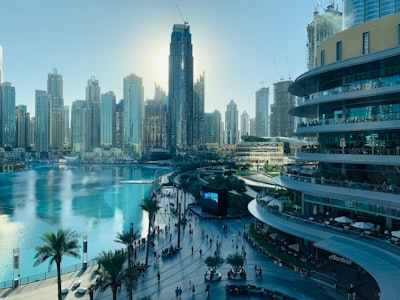
- The Dubai Mall: More than just a shopping destination, The Dubai Mall is an entertainment complex featuring over 1,200 stores, an Olympic-sized ice rink, a massive indoor aquarium (Dubai Aquarium & Underwater Zoo), and the VR Park. It's also the gateway to the Burj Khalifa and the Dubai Fountain.
- The Dubai Fountain: Located at the base of the Burj Khalifa, this magnificent choreographed fountain system performs daily shows to music, creating a spectacular visual and auditory experience. Evening shows, starting at 6 PM, are particularly enchanting.
- Palm Jumeirah: An engineering marvel, this man-made archipelago shaped like a palm tree is home to luxurious hotels, resorts, and residences, most notably the iconic Atlantis, The Palm. Take a monorail ride for impressive views of the island.
- Burj Al Arab Jumeirah: Often referred to as the world's only 7-star hotel, its sail-shaped silhouette is a symbol of Dubai's opulence. While staying there might be out of reach for many, you can experience its grandeur by booking a dining reservation or an afternoon tea.
- Museum of the Future: An architectural marvel and a hub for innovation, this museum explores how society could evolve over the next decades through science and technology. Its unique design and immersive exhibits make it a must-visit.
- Ain Dubai (currently closed): The world's largest and tallest observation wheel, offering stunning 360-degree views of the Dubai skyline, Palm Jumeirah, and the Arabian Gulf. Check its operational status before planning a visit.
Thrilling Experiences
- Desert Safari: A quintessential Dubai experience, a desert safari typically includes dune bashing in a 4x4, camel riding, sandboarding, traditional BBQ dinner, belly dancing, and stargazing in a Bedouin-style camp.
- Skydiving: For the ultimate adrenaline rush, skydive over the stunning Palm Jumeirah or the vast desert with Skydive Dubai, offering unparalleled aerial views.
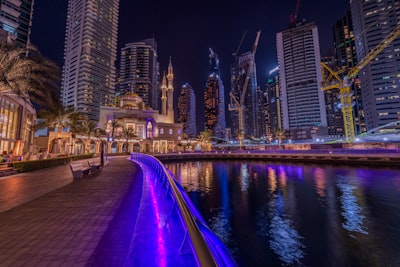
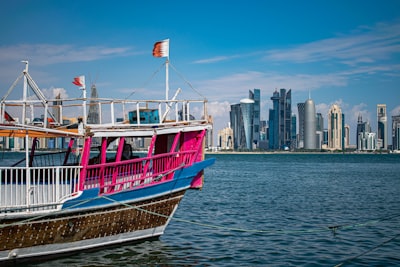
- Dhow Cruise: Enjoy a relaxing dinner cruise aboard a traditional wooden dhow boat along Dubai Creek or Dubai Marina, offering illuminated city views and live entertainment.
- Water Parks: Beat the heat at world-class water parks like Atlantis Aquaventure Waterpark on Palm Jumeirah or Wild Wadi Waterpark near Burj Al Arab.
- Ski Dubai: Experience winter in the desert at Ski Dubai, an indoor ski resort inside Mall of the Emirates, offering skiing, snowboarding, and penguin encounters.
Cultural Insights
- Al Fahidi Historical Neighbourhood (Al Bastakiya): Step back in time in this charming heritage area with narrow winding lanes, traditional wind-tower architecture, art galleries, and cafes. It offers a glimpse into old Dubai.
- Dubai Museum (currently closed for renovation): Housed in the Al Fahidi Fort, the oldest building in Dubai, this museum provides insights into the city's history and evolution. Check for reopening updates.
- Jumeirah Mosque: One of the few mosques in Dubai open to non-Muslims, offering guided tours that provide insights into Islamic culture and religion. Remember to dress modestly.
- Souks (Markets): Explore the traditional markets like the Gold Souk (a dazzling display of gold jewelry), Spice Souk (aromatic spices, herbs, and nuts), and Textile Souk (colorful fabrics and traditional wear) in Deira and Bur Dubai.
How to Reach Dubai
Dubai is a major international travel hub, easily accessible from virtually anywhere in the world.
By Air
- Dubai International Airport (DXB): One of the world's busiest airports, DXB is the primary gateway to Dubai, serving countless international airlines including Emirates, its national carrier. It's located close to the city center and well-connected by metro, taxis, and buses.
- Al Maktoum International Airport (DWC): Also known as Dubai World Central, DWC is a newer airport primarily serving budget airlines and cargo. It's located further south of the city, but offers good connectivity.
By Sea
Dubai is a popular stop for cruise ships. The
Port Rashid (Dubai Cruise Terminal) welcomes numerous international cruise lines, providing passengers with an opportunity to explore the city during their stopover.
By Land
While less common for international tourists, Dubai can be reached by road from neighboring GCC countries like Oman and Saudi Arabia. Border crossings are typically straightforward but require appropriate visa arrangements and vehicle documentation.
Local Food Guide
Dubai's culinary scene is as diverse as its population, offering everything from Michelin-starred fine dining to vibrant street food. While international cuisine is widely available, don't miss the opportunity to savor authentic Emirati and broader Middle Eastern flavors.
Must-Try Dishes
- Shawarma: A ubiquitous street food, this delicious wrap features thinly sliced marinated meat (chicken or lamb/beef), pickled vegetables, and garlic sauce, all rolled in warm pita bread.
- Falafel: Deep-fried patties made from ground chickpeas and herbs, often served in pita bread with tahini sauce and vegetables. A popular vegetarian option.
- Hummus: A creamy dip made from mashed chickpeas, tahini, lemon juice, and garlic, typically served with warm pita bread or as an accompaniment to other dishes.
- Manakish: A popular Levantine flatbread often topped with za'atar (thyme, sumac, sesame seeds), cheese, or minced meat. Perfect for breakfast or a light snack.
- Harees: A traditional Emirati dish of wheat and meat (usually chicken or lamb) slow-cooked to a porridge-like consistency, seasoned and often topped with ghee.
- Al Machboos: A flavorful rice dish cooked with meat (chicken, lamb, or fish) and a blend of spices, tomatoes, and onions. A staple of Emirati cuisine.
- Luqaimat: Sweet Emirati dumplings, deep-fried until golden and crispy, then drizzled with date syrup (dibbs) and often sprinkled with sesame seeds. A delightful dessert.
- Dates: The UAE is famous for its dates. Try different varieties, often stuffed with nuts or chocolate. A perfect healthy snack or gift.
Dining Experiences
- Traditional Emirati Restaurants: Seek out restaurants like Al Fanar Restaurant & Cafe or Arabian Tea House in Al Fahidi Historical Neighbourhood for an authentic taste of Emirati hospitality and cuisine.
- Fine Dining: Dubai boasts a plethora of world-class restaurants helmed by celebrity chefs, offering exquisite culinary journeys, often with stunning city views.
- Street Food & Cafes: Explore the bustling street food scene, particularly in areas like Satwa or Al Karama, for affordable and delicious Middle Eastern and Asian fare. Cafes in Al Fahidi are great for a cultural bite.
- Friday Brunches: A legendary Dubai institution, Friday (or now Saturday/Sunday) brunches are lavish all-you-can-eat-and-drink affairs offered by many hotels and restaurants, ranging from family-friendly to extravagant party brunches.
Public Transport in Dubai
Dubai boasts a modern, efficient, and well-integrated public transportation system, making it easy and affordable to navigate the city.
NOL Card
The NOL card is essential for using Dubai's public transport. It's a smart card that you can top up and use for the Metro, buses, water buses, and even some taxis. Various types are available (Red, Silver, Gold, Blue) catering to different needs.
Metro
The Dubai Metro is fully automated and driverless, consisting of two main lines:
- Red Line: Runs along Sheikh Zayed Road, connecting key areas like Dubai International Airport (DXB), Burj Khalifa/Dubai Mall, Mall of the Emirates, and Dubai Marina.
- Green Line: Primarily serves the older parts of Dubai, including Deira and Bur Dubai, connecting to various souks and the Al Fahidi Historical Neighbourhood.
The Metro is clean, air-conditioned, and offers separate compartments for women and children, and a Gold Class for premium travel.
Buses
Dubai's bus network complements the Metro, covering areas not served by the train. Buses are air-conditioned and frequent. Use the RTA Journey Planner app for routes and timings.
Taxis and Ride-Sharing
RTA (Roads and Transport Authority) taxis are readily available, metered, and identifiable by their cream color. Female drivers (pink roof taxis) are available for women and families. Ride-sharing apps like Uber and Careem are also widely used and offer convenience, often at competitive prices.
Water Transport
- Abras: For a traditional experience, take an abra (small wooden boat) across Dubai Creek between Deira and Bur Dubai for a nominal fare. It's a quick, scenic, and very affordable way to commute.
- Water Taxis/Ferries: Modern water taxis and ferries offer scenic routes along Dubai Creek and Dubai Marina, providing a different perspective of the city.
Travel Budget Tips
Dubai has a reputation for luxury, but it is possible to visit without breaking the bank. Smart planning can help you manage your expenses.
Accommodation Savings
- Book in Advance: Especially during peak season, booking your hotel well in advance can secure better rates.
- Consider Shoulder Season: Traveling in May or September can offer lower hotel prices, though it will be hotter.
- Stay Outside Primary Tourist Hubs: Hotels in areas like Deira, Bur Dubai, Al Barsha, or near the Ibn Battuta Mall often provide more affordable options compared to Downtown Dubai or Dubai Marina, while still offering good Metro connectivity.
- Serviced Apartments: For longer stays or families, serviced apartments can be more cost-effective, often including kitchen facilities.
- Hostels: While less common, Dubai does have a growing number of hostels catering to budget travelers.
Dining on a Budget
- Eat Local: Explore local eateries and cafeterias in areas like Al Karama, Deira, and Satwa for delicious and inexpensive Middle Eastern, Indian, and Asian cuisine.
- Lunch Deals: Many upscale restaurants offer attractive business lunch deals that are significantly cheaper than dinner menus.
- Supermarkets: Stock up on snacks, water, and simple breakfast items from supermarkets like Carrefour or Spinneys.
- Tap Water: While safe, bottled water is preferred by most and widely available. Carrying a reusable bottle and refilling where possible (e.g., hotels) can save money.
Free and Low-Cost Activities
- Dubai Fountain Show: Absolutely free and spectacular.
- Beaches: Relax on public beaches like JBR Beach or Kite Beach.
- Souks: Window shop and soak in the atmosphere of the Gold, Spice, and Textile Souks (be prepared to haggle if you buy).
- Al Fahidi Historical Neighbourhood: Wander through the charming alleys for free.
- Abra Ride: A short, scenic, and extremely cheap ride across Dubai Creek (AED 1).
- Dubai Mall: Free to enter and explore, though attractions inside may cost.
- Global Village (Seasonal): While entry isn't free, it's very affordable and offers a diverse cultural experience, shopping, and entertainment.
Transportation Hacks
- NOL Card: Purchase a Silver NOL card and top it up for the cheapest public transport fares. Avoid taxis for long distances unless necessary.
- Walk: Explore walkable areas like Dubai Marina Promenade or the Al Fahidi district on foot.
Hotels and Accommodation
Dubai's accommodation landscape is vast and varied, ranging from ultra-luxury resorts to budget-friendly hotels and serviced apartments.
Luxury Stays (AED 1000+/night)
- Burj Al Arab Jumeirah: The epitome of luxury, known for its iconic sail shape and unparalleled service.
- Atlantis, The Palm: A majestic resort on Palm Jumeirah, famous for its aquatic theme park, aquarium, and diverse dining.
- Address Downtown/Dubai Mall: Prime location with stunning views of the Burj Khalifa and Dubai Fountain, offering direct access to The Dubai Mall.
- Mandarin Oriental Jumeirah: Beachfront luxury with sophisticated design and exceptional dining.
Mid-Range Options (AED 300-1000/night)
- Rove Hotels: A popular chain offering stylish, modern, and reasonably priced hotels across different Dubai locations (Downtown, City Centre, Marina, Expo).
- Premier Inn: A reliable choice for comfortable stays with good value, often located near key attractions or metro stations (e.g., Dubai International Airport, Ibn Battuta Mall).
- Novotel/Ibis Styles: Well-known international brands offering comfortable rooms and good amenities at competitive prices.
- Canopy by Hilton Al Seef: Located in the Al Seef heritage district, combining modern comforts with a touch of traditional charm.
Budget-Friendly Hotels (Under AED 300/night)
- Ibis Hotels: Several Ibis properties are spread across Dubai, offering clean, basic, and affordable accommodation (e.g., Ibis Al Barsha, Ibis One Central).
- Citymax Hotels: Located in areas like Al Barsha, Bur Dubai, and Business Bay, these hotels offer good value with essential amenities.
- Youth Hostels: Options like Domme Hostel or Backpackers Hostel in Al Barsha or JBR cater to solo and budget travelers, offering dorms and private rooms.
- Hotels in Deira/Bur Dubai: Older parts of the city offer numerous independent hotels that are generally more affordable, often close to the souks and Dubai Creek.
Serviced Apartments
Ideal for families, groups, or longer stays, serviced apartments offer more space, kitchen facilities, and often laundry services. Brands like
Jumeirah Living,
Fraser Suites, or local apartment hotels in areas like Dubai Marina, JLT, or Al Barsha offer various price points.
Safety Tips
Dubai is widely regarded as one of the safest cities in the world, with a very low crime rate. However, it's always wise to be aware of local customs and practices.
General Safety
- Low Crime Rate: Violent crime is rare. Petty crime like pickpocketing is minimal but still, exercise general caution in crowded areas.
- Respect Laws: Be aware of local laws, which can be stricter than in your home country. Drug offenses, public intoxication, and public displays of affection are taken seriously.
- Emergency Numbers: Keep 999 for Police, 998 for Ambulance, and 997 for Fire Department handy.
- Stay Hydrated: The heat can be intense, especially outside the cooler months. Drink plenty of water.
- Sun Protection: Use high SPF sunscreen, wear hats, and sunglasses, especially when outdoors.
Cultural Sensitivity
- Dress Code: While Dubai is generally tolerant, it's respectful to dress modestly in public places, especially when visiting religious sites. Shoulders and knees should be covered. Swimwear is acceptable at beaches and hotel pools.
- Public Displays of Affection: Keep public displays of affection to a minimum.
- Alcohol: Alcohol consumption is permitted in licensed venues (hotels, bars, clubs), but public intoxication is illegal and strictly frowned upon. Purchasing alcohol from stores requires a non-Muslim license (generally not issued to tourists for short stays), so stick to licensed venues.
- Ramadan: During the holy month of Ramadan, it is respectful to refrain from eating, drinking, and smoking in public during fasting hours (sunrise to sunset). Many restaurants operate discreetly or open after sunset.
Health and Hydration
- Travel Insurance: Always travel with comprehensive travel insurance.
- Medical Facilities: Dubai has excellent medical facilities and hospitals, but costs can be high without insurance.
- Hydration: Drink plenty of bottled water to avoid dehydration, especially during warmer months.
Frequently Asked Questions (FAQ)
Is Dubai expensive?
Dubai can be as expensive or as affordable as you make it. Luxury hotels, fine dining, and certain experiences are pricey. However, with budget accommodations, local food, and utilizing public transport, it's possible to visit on a reasonable budget.
What is the dress code in Dubai?
While there's no official dress code for tourists, modest dress is appreciated, especially in public places like malls, souks, and government buildings. Shoulders and knees should generally be covered. Swimwear is fine at beaches and hotel pools.
Is alcohol allowed in Dubai?
Yes, alcohol is allowed and served in licensed hotels, bars, clubs, and some restaurants. Public intoxication is illegal.
Do I need a visa to visit Dubai?
Visa requirements depend on your nationality. Many nationalities can obtain a visa on arrival, while others need to apply in advance. Check the official UAE government immigration website or consult your embassy/consulate.
What is the local currency?
The local currency is the United Arab Emirates Dirham (AED), commonly pegged to the US Dollar (1 USD ≈ 3.67 AED).
Is Dubai safe for solo female travelers?
Dubai is considered exceptionally safe for solo female travelers. Crime rates are very low, and women are generally treated with respect. However, it's always wise to exercise standard travel precautions.
Can I use my credit card everywhere?
Major credit cards (Visa, Mastercard, American Express) are widely accepted in hotels, restaurants, and shops. However, it's always good to carry some cash (AED) for smaller purchases, street vendors, or traditional souks.
What language is spoken in Dubai?
Arabic is the official language, but English is widely spoken and understood, especially in business, tourism, and retail sectors.
Dubai promises an extraordinary journey, whether you're seeking opulent luxury, thrilling adventures, cultural insights, or simply a taste of the future. With this guide in hand, you're well-prepared to explore the wonders of this incredible desert city.