info@24x7tt.com

info@24x7tt.com
Blog Detail
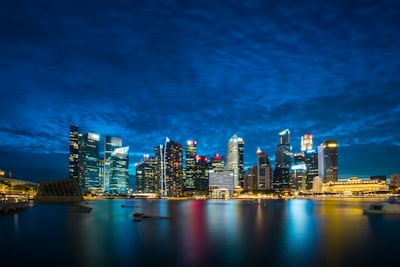
Welcome to Singapore, an island nation that defies expectations with its futuristic architecture, lush green spaces, diverse cultural tapestry, and a culinary scene that could rival any global food capital. Often hailed as a "City in a Garden," Singapore seamlessly blends ultra-modern infrastructure with tropical biodiversity, offering an unforgettable experience for every traveler. From the iconic Supertrees of Gardens by the Bay to the vibrant heritage districts and the world-class Changi Airport, Singapore is a testament to innovation, efficiency, and a deep appreciation for nature. Prepare to embark on an adventure where cleanliness, order, and delightful surprises await at every corner of this gleaming Lion City.
Singapore enjoys a tropical rainforest climate, meaning it's generally hot, humid, and rainy throughout the year, with temperatures consistently hovering around 25-33°C (77-91°F). However, there are subtle differences that might influence your visit:
This period generally sees slightly less rainfall and slightly lower humidity, making it a popular time for tourists. December to February, in particular, can be bustling due to school holidays and festive celebrations like Christmas, New Year, and Chinese New Year. Booking accommodations and flights well in advance is crucial during these months. Events like the Singapore Art Week (January) and the Singapore Food Festival (July) often fall within this broader window, drawing additional crowds.
While still warm and humid, this period typically experiences heavier rainfall, especially from September to November, which is the Northeast Monsoon season. Short, intense downpours are common, usually in the late afternoon. Don't let this deter you entirely; rain showers often pass quickly, and many attractions are indoors. Plus, you might find fewer crowds and slightly better deals on hotels. Festivals like Diwali (Deepavali) and the Mid-Autumn Festival offer unique cultural experiences during this time.
Ultimately, Singapore is a year-round destination, but if you prefer to minimize rain and crowds, aim for the December-February window, being mindful of higher prices. Otherwise, embrace the tropical climate and always carry an umbrella or light raincoat, regardless of the season!
Singapore boasts an impressive array of attractions, catering to all interests, from nature lovers and culture enthusiasts to thrill-seekers and shopaholics.
An iconic horticultural wonderland, Gardens by the Bay is a must-visit. Marvel at the futuristic Supertree Grove, especially enchanting during the nightly Garden Rhapsody light and sound show. Explore the Cloud Forest, home to a 35-meter-tall indoor waterfall and diverse plant life, and the Flower Dome, the world's largest glass greenhouse showcasing Mediterranean and semi-arid flora. Allow at least half a day to fully appreciate its beauty.
This architectural masterpiece is instantly recognizable. Head up to the Sands SkyPark Observation Deck for breathtaking panoramic views of the city skyline and Gardens by the Bay. Enjoy world-class shopping at The Shoppes, try your luck at the casino, or catch a show at the ArtScience Museum. The Spectra light and water show at the MBS promenade is a free nightly spectacle not to be missed.
Singapore's ultimate playground, Sentosa offers a vibrant mix of attractions. Home to Universal Studios Singapore, S.E.A. Aquarium (one of the world's largest aquariums), Adventure Cove Waterpark, and beautiful beaches like Palawan Beach and Siloso Beach. You can reach Sentosa via cable car, monorail, or a leisurely walk across the Sentosa Boardwalk.
Consistently ranked among the best in the world, the Singapore Zoo is renowned for its "open concept," where animals roam in naturalistic habitats. For a unique experience, embark on the Night Safari, the world's first nocturnal zoo, offering tram rides and walking trails to observe active animals under the moonlight. The River Wonders (formerly River Safari) and Jurong Bird Park (soon to be consolidated into Mandai Wildlife Reserve) complete Singapore's award-winning wildlife parks.
More than just an airport terminal, Jewel is an attraction in itself. Home to the world's tallest indoor waterfall, the Rain Vortex, surrounded by terraced gardens and the Canopy Park, which features walking nets, discovery slides, and hedge mazes. Arrive early for your flight or plan a dedicated visit to explore this retail and leisure complex.
A UNESCO World Heritage Site, these lush gardens are a tranquil escape from the urban hustle. Stroll through various themed gardens, including the magnificent National Orchid Garden, which houses over 1,000 species and 2,000 hybrids. Entry to the main gardens is free, while the Orchid Garden has a modest admission fee.
The premier shopping belt of Singapore, Orchard Road is lined with luxury malls, international brands, and dining establishments. Even if you're not planning a shopping spree, it's worth a stroll to experience the vibrant atmosphere.
Singapore is a global aviation hub, making it incredibly accessible from almost anywhere in the world.
The primary gateway is Changi Airport (SIN), consistently ranked among the best airports globally. It serves as a major hub for numerous international airlines, including Singapore Airlines, and offers direct flights from hundreds of cities worldwide. Upon arrival, you'll be greeted by its efficiency and impressive amenities, including the aforementioned Jewel Changi Airport.
Most nationalities enjoy visa-free entry to Singapore for stays ranging from 30 to 90 days. However, it is crucial to check the specific visa requirements for your nationality on the official Immigration & Checkpoints Authority (ICA) website of Singapore well in advance of your travel date. Ensure your passport has at least six months' validity from your intended date of departure.
Singapore is a culinary paradise, a melting pot of Malay, Chinese, Indian, and Western influences, making it one of the best food destinations in the world. The heart of Singaporean dining lies in its vibrant hawker centers.
Don't be afraid to try different stalls; look for queues, which often indicate popular and good quality food. Eating at hawker centers is an essential and incredibly affordable part of the Singapore experience.
Singapore boasts one of the most efficient, clean, and extensive public transport systems in the world, making it incredibly easy and affordable to navigate the city.
The MRT is the backbone of Singapore's public transport. This extensive subway network connects almost all major attractions and residential areas. Trains are air-conditioned, frequent, and punctual. Look for signs pointing to "MRT" in various colors corresponding to different lines (e.g., North-South Line, East-West Line, North East Line, Circle Line, Downtown Line, Thomson-East Coast Line).
Complementing the MRT, Singapore's bus network is comprehensive, reaching areas not covered by the subway. Buses are also air-conditioned and offer scenic routes, especially in cultural districts. You pay by distance, similar to the MRT.
Taxis are readily available and can be flagged on the street or found at designated taxi stands. Fares are metered, but surcharges apply for peak hours, late nights, and certain locations like the airport. Ride-sharing services like Grab are very popular and often offer competitive prices, especially if you're traveling in a group or during off-peak hours.
Singapore has a reputation for being an expensive city, but with smart planning, you can experience its wonders without breaking the bank.
Singapore offers a wide range of accommodation options to suit every budget and travel style, from luxurious five-star resorts to boutique hotels and backpacker hostels.
Booking in advance, especially during peak travel seasons or major events, is highly recommended to secure your preferred accommodation and potentially better rates. Check reviews for cleanliness and proximity to MRT stations.
Singapore is renowned for being one of the safest cities in the world, with a very low crime rate. However, it's always wise to be aware and practice common sense.
Enjoy your visit to Singapore, knowing you're in one of the safest and most well-regulated environments globally. A little respect for the local laws goes a long way!
Singapore can be expensive, especially for accommodation and alcohol. However, it's possible to travel on a budget by utilizing hawker centers for food, public transport, and enjoying many free attractions.
Visa requirements depend on your nationality. Many countries enjoy visa-free entry for short stays (30-90 days). Always check the official ICA Singapore website before your trip.
The local currency is the Singapore Dollar (SGD or S$).
A minimum of 3-5 full days allows you to cover the main attractions and experience the city's highlights. If you want to explore more deeply, especially Sentosa or cultural areas, 6-7 days would be ideal.
Lightweight, breathable clothing (cotton, linen) is best due to the hot and humid climate. Comfortable walking shoes are essential. Bring a light jacket for air-conditioned indoors and an umbrella for sudden rain showers.
Yes, tap water in Singapore is potable and perfectly safe to drink directly from the tap.
Major credit cards (Visa, Mastercard, Amex) are widely accepted in hotels, restaurants, and larger shops. However, for hawker centers and smaller local shops, cash is often preferred or sometimes the only accepted payment method.
The MRT (subway) and public bus system are highly efficient, affordable, and the best ways to get around. Taxis and ride-sharing apps like Grab are also readily available.
Smoking is restricted to designated smoking areas. Smoking in non-smoking areas, including most indoor public places, pedestrian overhead bridges, and within 5 meters of bus stops, carries heavy fines.