Indian visitors spent AUD 496 million in NSW in 2024
Your Ultimate Guide to New South Wales: A Journey Tailored for Indian Explorers
New South Wales (NSW), Australia’s vibrant powerhouse state, has firmly cemented its place as a premier destination for Indian travelers. In 2024, the state welcomed over 181,000 Indian visitors, who contributed a staggering AUD 496 million to its tourism economy, solidifying India’s position as a top international market. This significant influx reflects a growing trend: Indian visitors are increasingly opting for free, independent, and deeply personalized travel experiences, moving beyond traditional group packages. With an average stay extending to an impressive 46.8 nights, Indian tourists are truly immersing themselves in the diverse offerings of NSW, seeking authentic connections and unforgettable adventures.
This comprehensive guide is designed specifically for the discerning Indian traveler, eager to explore the sun-kissed beaches, dramatic mountain ranges, sophisticated urban centers, and charming regional towns of New South Wales on their own terms. From the iconic landmarks of Sydney to the serene beauty of the Blue Mountains and the gastronomic delights of the Hunter Valley, prepare to embark on a journey that promises discovery, cultural immersion, and lasting memories.
Best Time to Visit New South Wales
Choosing the perfect time for your NSW adventure can significantly enhance your experience, especially when planning a long, independent trip. New South Wales experiences distinct seasons, offering something unique throughout the year.
Summer (December to February)
This is peak season, characterized by warm to hot weather, ideal for enjoying NSW’s stunning beaches, coastal activities, and vibrant outdoor festivals. Sydney truly comes alive with New Year’s Eve celebrations and the Sydney Festival. However, be prepared for higher prices and larger crowds, especially in popular tourist areas. Inland regions, including the Blue Mountains and the Outback, can experience very hot temperatures, making these areas less comfortable for extensive exploration during this period. For Indian travelers accustomed to summer heat, NSW summers might be a delightful change with its coastal breezes, but inland heat can be intense.
Autumn (March to May)
Often considered the sweet spot for visiting NSW, autumn brings mild, pleasant temperatures across most of the state, with less humidity than summer. The foliage in the Blue Mountains and regional areas transforms into beautiful hues of red and gold, creating breathtaking landscapes. It’s an excellent time for hiking, wine tasting in the Hunter Valley, and exploring national parks. Crowds are thinner than in summer, and accommodation prices can be more favorable, making it ideal for independent travelers seeking value and comfort.
Winter (June to August)
While cooler, NSW winters are generally mild, especially in coastal areas like Sydney, where temperatures rarely drop below 8-10°C. This is the prime season for skiing and snowboarding in the Snowy Mountains, a unique Australian experience. The Blue Mountains can be crisp and atmospheric, often shrouded in mist. For city exploration and cultural events, winter offers a cozy charm, fewer tourists, and potentially better deals on flights and accommodation. It's a great time for foodies and those interested in art and theatre.
Spring (September to November)
Spring is another fantastic time to visit, with blooming wildflowers, warming temperatures, and a renewed sense of energy. It’s perfect for outdoor activities, from coastal walks to exploring botanical gardens. Events like the Sydney Running Festival and various food and wine festivals kick off. The weather is generally pleasant, making it suitable for exploring both urban and natural attractions before the summer rush.
Recommendation for Indian Travelers: For a balanced experience incorporating various activities and avoiding extreme heat or cold,
Autumn (March-May) and
Spring (September-November) are often the most recommended seasons for an extended independent trip to NSW. These periods offer comfortable weather for diverse explorations and generally better value.
Top Attractions in New South Wales
New South Wales boasts an incredible array of attractions, catering to every interest, from iconic city landmarks to pristine wilderness and charming country towns. For the independent Indian traveler, the freedom to explore these at your own pace is a true luxury.
Sydney: The Harbour City
Sydney is undeniably the heart of NSW and often the first stop for international visitors.
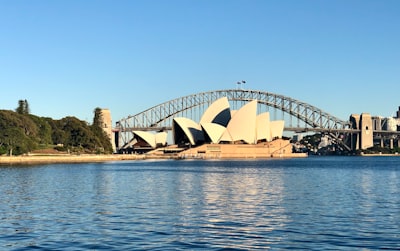
- Sydney Opera House & Harbour Bridge: These architectural marvels are quintessential Sydney. Take a tour of the Opera House, climb the Harbour Bridge for panoramic views, or simply enjoy the spectacle from Circular Quay or The Rocks.
- Bondi Beach: Famous worldwide, Bondi offers golden sands, excellent surf, and a vibrant café culture. Enjoy a swim, relax on the beach, or take the stunning Bondi to Coogee coastal walk.
- The Rocks: Sydney's oldest neighborhood, steeped in history. Wander through cobblestone laneways, visit historic pubs, and explore weekend markets.
- Darling Harbour: A dynamic precinct with restaurants, bars, museums (Australian National Maritime Museum, Powerhouse Museum), SEA LIFE Sydney Aquarium, and WILD LIFE Sydney Zoo.
- Taronga Zoo Sydney: Accessible by ferry from Circular Quay, offering incredible animal encounters and breathtaking city views.
- Royal Botanic Garden Sydney: A tranquil oasis in the heart of the city, perfect for a leisurely stroll with stunning harbour backdrops.
Blue Mountains: A World Heritage Wilderness
Just a 90-minute drive or train ride from Sydney, the Blue Mountains are a natural wonderland, perfect for hiking, scenic drives, and exploring charming villages.
- Three Sisters: The iconic sandstone formation at Echo Point, Katoomba, offering incredible valley views.
- Scenic World: Experience the steepest passenger railway in the world, a skyway offering 360-degree views, and a cableway descending into the ancient rainforest.
- Hiking Trails: From easy walks to challenging treks, explore waterfalls, lush valleys, and dramatic cliffs. Popular trails include Wentworth Falls, Grand Canyon Walk, and Prince Henry Cliff Walk.
- Charming Towns: Explore the antique shops and galleries of Leura, the vibrant arts scene of Katoomba, and the quaint beauty of Blackheath.
Coastal Wonders: Sun, Sand & Serenity
NSW’s coastline stretches for thousands of kilometers, dotted with stunning beaches and relaxed towns.
- Byron Bay: Australia's easternmost point, known for its bohemian vibe, surf beaches, lighthouse walks, and wellness retreats. A haven for relaxation and natural beauty.
- Port Stephens: Famous for its pristine beaches, extensive sand dunes (perfect for sandboarding), and abundant marine life, including dolphin and whale watching cruises.
- Jervis Bay: Home to some of the world's whitest sands at Hyams Beach and crystal-clear waters, ideal for swimming, snorkeling, and paddleboarding. Explore Booderee National Park.
- South Coast: Discover charming coastal towns like Kiama (with its famous Blowhole), Gerringong, and Berry, offering scenic drives, local produce, and stunning ocean views.
Hunter Valley: Wine and Culinary Delights
Australia’s oldest wine region, a two-hour drive north of Sydney, is a must-visit for food and wine lovers.
- Wine Tasting: Sample world-class Semillon and Shiraz at numerous vineyards, from boutique cellars to large estates.
- Gourmet Food: Indulge in local cheeses, chocolates, olive oils, and fine dining restaurants.
- Hot Air Ballooning: Enjoy a magical sunrise flight over the vineyards for an unforgettable experience.
Regional NSW: Beyond the Beaten Path
For those with extended stays, venturing further afield reveals the true breadth of NSW’s diversity.
- Snowy Mountains: Australia’s alpine region, offering skiing and snowboarding in winter and hiking, fishing, and mountain biking in summer.
- Outback NSW: Experience the vast red landscapes and rich mining history around Broken Hill and Silverton, a stark contrast to the coast.
- Lord Howe Island: A pristine, World Heritage-listed island paradise, accessible by flight from Sydney, offering untouched natural beauty and limited visitor numbers for an exclusive experience.
How to Reach New South Wales
For Indian travelers, reaching New South Wales is straightforward, with Sydney serving as the primary international gateway.
International Flights
- Sydney Airport (SYD): Kingsford Smith Airport is Australia’s busiest airport and the main entry point to NSW.
- Direct Flights: Air India and Qantas offer direct flights from major Indian cities like Delhi and Mumbai to Sydney.
- Connecting Flights: Numerous other international airlines (e.g., Singapore Airlines, Emirates, Cathay Pacific, Thai Airways, Malaysia Airlines) offer connecting flights via their respective hubs, providing flexibility in terms of routes and prices. Booking well in advance is highly recommended, especially during peak seasons, to secure better fares.
Visa Requirements
- Australian Visitor Visa: Indian citizens require a valid Australian visa to enter the country. The most common visa for tourism is the Visitor Visa (subclass 600).
- Application Process: Applications are typically submitted online through the Department of Home Affairs website. You will need to provide various documents, including your passport, travel itinerary, financial statements, and proof of accommodation.
- Processing Time: Visa processing times can vary, so it is crucial to apply well in advance of your intended travel date, ideally several months prior.
- Health and Character Requirements: All applicants must meet Australia's health and character requirements.
Getting Around NSW
Once you’ve arrived, New South Wales offers excellent infrastructure for independent travel.
- Domestic Flights: For covering long distances quickly, domestic flights connect Sydney to regional hubs like Byron Bay (Ballina), Coffs Harbour, Port Macquarie, and Newcastle.
- Trains (NSW TrainLink): A comfortable and scenic way to explore regional NSW. Services connect Sydney to destinations like the Blue Mountains, Hunter Valley, and coastal towns.
- Rental Cars: For ultimate flexibility, renting a car is highly recommended, especially for exploring regional areas, national parks, and the Hunter Valley. Remember that in Australia, you drive on the left-hand side of the road. An international driving permit is usually required in conjunction with your Indian driving license.
- Intercity Buses: Services like Greyhound Australia and regional operators offer budget-friendly travel between major towns and cities.
Local Food Guide: A Culinary Journey in NSW
New South Wales offers a diverse and exciting culinary scene, blending fresh local produce with international influences. For Indian travelers, it’s a delightful exploration of flavors, with ample options to suit every palate.
Must-Try Australian Delicacies
- Meat Pie: An iconic Australian staple, savory pastry filled with minced meat and gravy. Available everywhere from bakeries to sporting events.
- Fish and Chips: Enjoyed fresh, especially by the coast. Often served with lemon and tartare sauce.
- Pavlova: A meringue-based dessert, crispy on the outside, soft on the inside, topped with whipped cream and fresh fruit. A classic Australian sweet treat.
- Lamingtons: Sponge cake coated in chocolate sauce and desiccated coconut. Perfect with a cup of tea.
- Tim Tams: Australia’s favorite chocolate biscuit. Try the "Tim Tam Slam" (bite off opposite corners, use as a straw for hot drink, then eat quickly!).
- Vegemite: A salty, dark brown yeast extract spread. A cultural institution. Try it thinly spread on toast with butter – a small amount goes a long way!
Diverse Culinary Scene in Sydney
Sydney is a global food hub, offering an incredible range of international cuisines.
- Café Culture: Start your day with world-class coffee and brunch at one of Sydney’s myriad cafes. Avocado toast, eggs benedict, and artisan pastries are popular choices.
- Fine Dining: Explore award-winning restaurants, many with stunning harbour views, offering innovative modern Australian cuisine.
- Multicultural Eateries: Sydney's neighborhoods are a melting pot of culinary delights. Explore Chinatown for authentic Asian food, Leichhardt for Italian, or Enmore/Newtown for trendy eateries.
- Sydney Fish Market: A sensory delight. Come for fresh seafood, from oysters and prawns to grilled fish and sashimi. You can eat on-site or buy fresh produce to cook yourself.
Indian Food Options
Indian travelers will be delighted by the abundance and quality of Indian food across NSW, particularly in Sydney.
- Harris Park: Known as 'Little India,' this suburb in Western Sydney is a mecca for authentic Indian cuisine. You'll find a wide range of restaurants, sweets shops, and grocery stores catering to various regional Indian tastes.
- Wentworthville, Blacktown, Parramatta: These areas also boast a significant Indian population and offer numerous Indian dining options, from South Indian dosas to North Indian curries and tandoori specialties.
- City & Inner Suburbs: Many Indian restaurants are scattered throughout Sydney’s CBD and inner suburbs, offering convenient options for travelers staying centrally. From casual eateries to more upscale dining, there's something for everyone.
Fresh Produce & Markets
- Farmers Markets: Many towns and suburbs host weekly farmers markets where you can buy fresh, seasonal produce directly from growers.
- Local Specialties: In regional areas, seek out local specialties such as fresh oysters from the South Coast, stone fruit from the Central Tablelands, or artisan cheeses from dairy regions.
Public Transport in New South Wales
Navigating New South Wales, especially Sydney and its surrounding regions, is made easy and efficient with a comprehensive public transport network. This is particularly beneficial for independent travelers looking to manage their budget and experience the local way of life.
The Opal Card: Your Key to Sydney Transport
- What it is: The Opal card is a reusable smartcard that you load with money and use to pay for travel on trains, buses, ferries, and light rail in Sydney, the Blue Mountains, Central Coast, Hunter Valley, and Illawarra.
- How to Get One: You can purchase an Opal card at convenience stores (like 7-Eleven), newsagents, supermarkets, and Opal card retailers. You can also use your contactless credit/debit card or mobile wallet for tap-on/tap-off payments, which functions just like an Opal card.
- Fares and Caps: Fares are distance-based, and there are daily and weekly caps, meaning you won’t pay more than a certain amount regardless of how much you travel. Sundays often have a reduced fare cap, making it a great day for extensive exploration.
Trains
- Sydney Trains: The extensive network connects the Sydney CBD to its sprawling suburbs, reaching destinations like the Blue Mountains (Katoomba) and the Central Coast (Newcastle). Trains are generally frequent and reliable.
- NSW TrainLink: For longer journeys within NSW, TrainLink services connect Sydney to regional hubs like Canberra, Melbourne, Brisbane, and various country towns. These are more comfortable for extended travel.
Buses
- Extensive Network: Buses cover areas not serviced by trains, providing comprehensive coverage across Sydney and regional towns. Use Google Maps or the official Transport for NSW app to plan your bus journeys.
- Night Buses: "N" prefixed bus routes operate late into the night and early mornings on weekends, ensuring you can still get around after dark.
Ferries
- Iconic Sydney Experience: Sydney Ferries offer not just transport but also incredible sightseeing opportunities on Sydney Harbour. Popular routes include Circular Quay to Manly, Taronga Zoo, or Parramatta.
- Inner Harbour Services: Smaller private ferry operators also run services to various points around the harbour.
Light Rail
- Sydney's CBD & Inner West: The light rail network provides convenient access within Sydney's central business district, connecting key areas like Circular Quay, Central Station, Surry Hills, and Dulwich Hill.
Regional Transport
- NSW TrainLink & Buses: While cars offer the most flexibility in regional areas, NSW TrainLink trains and regional bus services can connect you between major towns. For more remote areas, planning ahead and potentially arranging local transport or carpooling is advisable.
Tips for Using Public Transport
- Plan Ahead: Use the Transport for NSW website or app for real-time information, journey planning, and service updates.
- Tap On/Tap Off: Always remember to tap your Opal card or contactless payment method both when you start and end your journey to ensure you are charged the correct fare.
- Avoid Peak Hours: If possible, travel outside of peak commuter hours (7-9 am and 4-6 pm on weekdays) to experience less crowded services.
Travel Budget Tips for Indian Travelers in NSW
An extended independent trip to New South Wales can be a significant investment, but with smart planning, Indian travelers can make their rupees go further without compromising on the experience.
Accommodation
- Hostels: Sydney and major towns have excellent hostels offering private rooms as well as dorms. Many are high-quality, clean, and provide amenities like shared kitchens.
- Airbnb/Serviced Apartments: For longer stays, Airbnb or serviced apartments (especially outside the immediate CBD) can be more cost-effective than hotels, often including kitchen facilities for self-catering.
- Off-Peak Travel: Consider traveling during the shoulder seasons (autumn or spring) or winter, when accommodation prices are generally lower.
- Book in Advance: Especially for popular areas and during peak times, booking your accommodation well in advance can secure better rates.
Food and Dining
- Self-Catering: Utilize supermarket chains like Woolworths and Coles to buy groceries and cook some of your own meals, particularly if your accommodation has kitchen facilities. This is a massive money-saver.
- Lunch Specials: Many restaurants offer more affordable lunch specials (e.g., Thali deals at Indian restaurants) compared to dinner prices.
- Street Food & Markets: Explore food markets (e.g., Paddy's Markets in Sydney) for budget-friendly eats.
- "Buy One Get One Free" Deals: Look for restaurant deals or use apps like The Fork for discounts.
- Water Bottle: Carry a reusable water bottle and refill it. Tap water in Australia is safe to drink.
Activities and Attractions
- Free Attractions: NSW offers many fantastic free activities:
- Walk across the Sydney Harbour Bridge (the pedestrian path is free, bridge climb is paid).
- Explore the Royal Botanic Garden, Centennial Park, and Hyde Park in Sydney.
- Relax on world-class beaches like Bondi, Manly, or Coogee.
- Hike in national parks (some may have small entry fees for vehicles, but walking is free).
- Wander through The Rocks and other historic neighborhoods.
- Multi-Attraction Passes: If you plan to visit several paid attractions (e.g., Sydney Tower Eye, SEA LIFE Sydney Aquarium, WILD LIFE Sydney Zoo), consider purchasing a multi-attraction pass like iVenture Card or Sydney Pass, which can offer significant savings.
- Early Bird Discounts: Book tours and activities online in advance, as some operators offer early bird or online booking discounts.
Transport
- Public Transport (Opal Card): Utilize the Opal card system (or contactless payment) in Sydney and surrounding areas. Take advantage of the daily and weekly caps, especially the reduced Sunday fare cap.
- Walk More: Sydney is a highly walkable city. Explore neighborhoods on foot to save on transport costs and discover hidden gems.
- Consider Carpooling/Rideshares: For specific regional trips, rideshare apps or carpooling with fellow travelers can sometimes be more economical than individual taxi fares.
Currency and Payments
- Australian Dollar (AUD): The local currency.
- Credit/Debit Cards: Widely accepted. Inform your bank of your travel plans to avoid card blocks.
- Travel Money Cards: Pre-paid travel cards can offer favorable exchange rates and security.
- Avoid Airport Exchange: Exchange rates at airports are often poor. Withdraw cash from ATMs (check for bank fees) or use your cards directly.
Connectivity
- Local SIM Card: Purchase a local SIM card upon arrival (Telstra, Optus, Vodafone are major providers) for affordable data and calls. This is cheaper than international roaming and essential for navigation and communication.
Hotels and Accommodation in New South Wales
New South Wales offers an incredibly diverse range of accommodation options, catering to every budget, preference, and length of stay. For Indian travelers on an extended independent journey, understanding these choices is key to a comfortable and tailored experience.
Variety of Options
- Luxury Hotels: In Sydney, you’ll find world-renowned luxury brands like The Fullerton, Park Hyatt, Four Seasons, and Shangri-La, often boasting spectacular harbour views and premium services.
- Boutique Hotels: For a more personalized and stylish experience, boutique hotels are prevalent in Sydney’s inner-city precincts (e.g., The Rocks, Surry Hills, Paddington) and charming regional towns.
- Mid-Range Hotels: Major chains and independent hotels offer comfortable stays with a good range of amenities across Sydney and regional centers.
- Budget Hostels: Many hostels now offer private rooms with en-suite bathrooms, providing a clean, social, and cost-effective option. They often have communal kitchens, which are great for saving on food costs.
- Serviced Apartments: Ideal for longer stays or families, serviced apartments offer more space, kitchen facilities, and laundry amenities, making them a home away from home. Brands like Meriton Suites are popular.
- Airbnb/Holiday Rentals: A vast array of private homes, apartments, and rooms are available for rent, offering a localized experience and often excellent value, particularly for extended periods.
- Bed & Breakfasts (B&Bs): Common in regional NSW and charming towns like the Blue Mountains or Hunter Valley, B&Bs offer intimate stays and often include a hearty breakfast.
- Caravan Parks/Camping: For the adventurous and budget-conscious, caravan parks offer cabins, powered sites for RVs, and unpowered campsites, often in scenic locations.
Location Considerations
- Sydney CBD: Central for iconic attractions, business, and excellent public transport links. Can be more expensive.
- Darling Harbour/Barangaroo: Modern, vibrant precincts with hotels, restaurants, and entertainment, easily accessible.
- Bondi/Manly: For beach lovers, offering a relaxed coastal vibe but a longer commute to the CBD.
- Surry Hills/Potts Point/Newtown: Trendy inner-city suburbs with great dining, nightlife, and boutique accommodation options.
- Regional Towns: Consider staying directly in places like Katoomba (Blue Mountains), Pokolbin (Hunter Valley), or Byron Bay to immerse yourself fully in the local experience.
Booking Tips
- Book in Advance: Especially for popular areas and during peak seasons, booking your accommodation several months ahead can secure better rates and ensure availability.
- Compare Prices: Use aggregate booking sites (e.g., Booking.com, Agoda, Expedia) but also check the hotel’s official website, as they sometimes offer exclusive deals.
- Read Reviews: Always check recent reviews to gauge the quality, cleanliness, and service of a property.
- Consider Loyalty Programs: If you frequently stay with a particular hotel chain, leverage their loyalty programs for benefits and discounts.
- Long-Stay Deals: Many serviced apartments and Airbnb hosts offer discounted rates for weekly or monthly bookings, which is perfect for extended independent travelers.
- Self-Catering Facilities: For budget-conscious travelers, prioritize accommodation with kitchen access to save significantly on food expenses.
Safety Tips for Indian Travelers in New South Wales
New South Wales is generally a very safe destination, with low crime rates. However, like any travel destination, being aware and prepared will ensure a smooth and enjoyable trip for Indian visitors.
General Safety
- Common Sense: Apply the same common sense safety precautions you would at home or in any major city. Keep an eye on your belongings, especially in crowded areas.
- Secure Valuables: Store important documents (passport, visa copies) and excess cash in a secure place. Use hotel safes if available.
- Night Safety: While Sydney is generally safe at night, avoid walking alone in poorly lit or deserted areas. Use reputable taxis or rideshare services (Uber, DiDi) if traveling late.
- Emergency Services: In case of any emergency (police, fire, ambulance), dial 000 (triple zero) from any phone. This is the national emergency number.
Sun Safety
- Australia’s Sun is Strong: The UV index in Australia, especially in NSW, can be very high, even on cloudy days. Sunburn can occur rapidly.
- Slip, Slop, Slap, Seek, Slide: Remember the Australian sun safety motto:
- Slop on sunscreen (SPF 30+ or higher, reapply frequently).
- Stay Hydrated: Drink plenty of water, especially during summer and when engaging in outdoor activities.
Water Safety (Beaches and Pools)
- Swim Between the Flags: When swimming at patrolled beaches, always swim between the red and yellow flags. This indicates a safe area monitored by lifesavers.
- Heed Warnings: Pay attention to signs and warnings about rips, currents, or marine life. If in doubt, don't go out.
- Marine Life: Be aware of potential marine hazards like jellyfish (especially in warmer waters) or stingrays. If you are stung, seek medical attention.
- Never Swim Alone: Especially in unfamiliar waters.
Wildlife Awareness
- Respect Wildlife: Australia has unique wildlife. Observe animals from a distance and never attempt to feed or approach wild animals, as they can be unpredictable.
- Snakes & Spiders: While common in rural and bush areas, encounters are rare in cities. If hiking, wear appropriate footwear and be aware of your surroundings. If bitten, seek immediate medical attention.
Health and Medical
- Travel Insurance: Comprehensive travel insurance is essential for Indian travelers. It should cover medical emergencies, hospital stays, repatriation, and trip cancellations. Australia has a high standard of medical care, but it can be expensive without insurance.
- Medication: If you are bringing prescription medication, ensure it’s in its original packaging with a doctor’s letter explaining the need for it. Check Australian import rules beforehand.
Driving Safety
- Drive on the Left: In Australia, vehicles drive on the left-hand side of the road. This can take some adjustment for drivers from India.
- Speed Limits: Strictly adhere to speed limits, which are enforced.
- Fatigue: On long drives, take regular breaks to avoid fatigue.
- Alcohol & Drugs: Zero tolerance for driving under the influence of alcohol or drugs.
Cultural Sensitivity
- Local Laws: Be aware of and respect local laws and customs.
- First Nations People: Australia has a rich Aboriginal and Torres Strait Islander history. Be respectful when visiting significant cultural sites.
By keeping these tips in mind, Indian travelers can ensure their independent exploration of New South Wales is not only adventurous and fulfilling but also safe and secure.
Frequently Asked Questions (FAQ) for Indian Travelers to NSW
Q1: Do Indian citizens need a visa to visit New South Wales, Australia?
A1: Yes, Indian citizens require a valid Australian visa to enter Australia. The most common for tourism is the Visitor Visa (subclass 600). It's crucial to apply well in advance through the Department of Home Affairs website.
Q2: What is the best currency to use in NSW, and should I carry cash?
A2: The official currency is the Australian Dollar (AUD). While it's advisable to carry some cash for small purchases, credit and debit cards are widely accepted across NSW. Contactless payments are very common.
Q3: Is English widely spoken in NSW?
A3: Yes, English is the official language and is spoken universally. Many people in major cities also speak other languages, and you'll find a strong multicultural presence, including many Hindi and other Indian language speakers, especially in areas like Harris Park.
Q4: What are the power plug and voltage in Australia?
A4: Australia uses Type I power outlets (three flat pins, often in a V-shape). The standard voltage is 230V with a frequency of 50Hz. You will need a travel adapter for your Indian appliances.
Q5: Is tipping customary in NSW restaurants and services?
A5: Tipping is not mandatory or expected in Australia, unlike in some other countries. Service charges are usually included in prices. However, if you receive exceptional service, a small tip (10% or rounding up the bill) is always appreciated but entirely at your discretion.
Q6: How can I stay connected with family and friends in India while in NSW?
A6: Purchasing a local Australian SIM card from providers like Telstra, Optus, or Vodafone upon arrival is the most cost-effective way. You can get prepaid plans with data, calls, and texts. Wi-Fi is also widely available in hotels, cafes, and public areas.
Q7: What kind of clothing should I pack for a trip to NSW?
A7: This depends on the season and regions you plan to visit. Generally, pack layers. Summers require light, breathable clothing, swimwear, and sun protection. Winters require warmer layers, a jacket, and maybe a scarf. For the Blue Mountains or Snowy Mountains, always pack warmer clothing regardless of the season, and comfortable walking shoes are essential for exploring.
Q8: Are there plenty of Indian food options available in NSW?
A8: Absolutely! Sydney, in particular, boasts a thriving Indian food scene, especially in suburbs like Harris Park, Wentworthville, and Parramatta. You'll find a wide range of regional Indian cuisines, from North Indian curries to South Indian dosas and vegetarian options.
Q9: What are some good ways to explore regional NSW without a car?
A9: NSW TrainLink offers scenic train journeys to many regional towns like the Blue Mountains and Hunter Valley. Regional bus services also connect major centers. For more remote areas, joining organized day tours from Sydney can be a convenient option.
Q10: Is it safe to drive in NSW for someone used to driving in India?
A10: NSW roads are generally safe and well-maintained. However, remember that Australians drive on the left-hand side of the road. It's crucial to be aware of this, follow all road rules, and have an International Driving Permit along with your Indian license. Consider taking a few practice drives in less busy areas if you're unfamiliar with left-hand driving.
Q11: What should I do if I encounter wildlife?
A11: Observe wildlife from a distance and never feed them. If driving, be especially cautious at dawn and dusk in rural areas, as kangaroos and other animals are more active. If you encounter a snake or spider, avoid disturbing it and keep a safe distance.
Q12: Can I drink tap water in NSW?
A12: Yes, tap water throughout NSW is safe to drink and of high quality. Carrying a reusable water bottle is encouraged to stay hydrated and reduce plastic waste.
---