Dubai Tourism strengthens travel trade links, welcomes over 5.3 mn visitors in Q1 2025
Dubai: A Global Hub of Innovation, Luxury, and Unforgettable Experiences
Dubai, a city synonymous with ambition, unparalleled luxury, and groundbreaking innovation, continues to solidify its position as a leading global tourism destination. Far from resting on its laurels, Dubai Tourism is actively strengthening its travel trade links worldwide, as evidenced by a remarkable performance in Q1 2025, welcoming over 5.3 million visitors. This impressive growth is a testament to the emirate's strategic vision and its ongoing commitment to enhancing visitor experience and industry collaboration.
The foundation of Dubai's sustained success lies in its proactive approach to forging and expanding strategic partnerships with global players across the hospitality and travel technology sectors. Collaborations with industry giants like Amadeus ensure seamless booking and travel planning experiences for visitors from around the world. Partnerships with major accommodation providers such as Premier Inn Middle East and Hyatt Hotels reflect Dubai’s dedication to offering a diverse range of high-quality lodging options, catering to every traveler’s preference and budget. Beyond attracting tourists, Dubai is also investing in its future workforce. Initiatives like the Dubai College of Tourism’s collaboration with Marriott International are crucial for enhancing Emirati workforce participation in the burgeoning hospitality sector, ensuring a sustainable talent pipeline and a localized service excellence. These concerted efforts are instrumental in bolstering Dubai’s strategy of maintaining strong performance and market presence across more than 80 source markets, cementing its status as a top-tier destination for leisure, business, and cultural exploration.
From its futuristic skyline to its ancient souks, Dubai offers a tapestry of experiences that captivate and inspire. This comprehensive guide will help you navigate the wonders of Dubai, ensuring an unforgettable journey through this dynamic desert oasis.
Best Time to Visit Dubai
Choosing the right time to visit Dubai can significantly enhance your experience, especially concerning outdoor activities and comfortable exploration.
Winter (October to April): The Golden Season
The cooler months are unequivocally the best time to visit Dubai. Temperatures during this period range from a pleasant 20°C (68°F) to 30°C (86°F), with clear blue skies and minimal humidity. This ideal weather makes it perfect for:
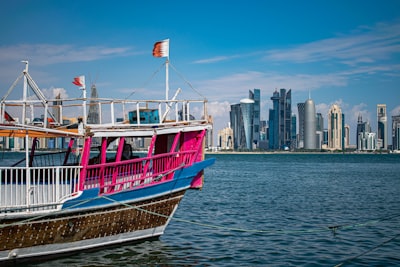
- Outdoor Activities: Enjoying the beaches, exploring the desert, visiting outdoor attractions like the Miracle Garden, Global Village, and taking part in dhow cruises or desert safaris.
- Festivals and Events: This season hosts major events like the Dubai Shopping Festival, Dubai Food Festival, and various sporting tournaments, adding an extra layer of excitement to your trip.
- Al Fresco Dining: Restaurants open up their terraces, offering delightful outdoor dining experiences with stunning city views.
Summer (May to September): Indoor Wonders and Value
While summer brings scorching temperatures, often exceeding 40°C (104°F), Dubai's world-class indoor attractions and air-conditioned spaces make it a viable, albeit different, experience.
- Indoor Attractions: Focus on air-conditioned marvels like the Dubai Mall, Ski Dubai, IMG Worlds of Adventure, the Museum of the Future, and numerous art galleries.
- Lower Prices: Hotel rates and flight prices tend to be lower during the off-peak summer months, offering better value for budget-conscious travelers.
- Ramadan Considerations: If traveling during Ramadan, be mindful of local customs and modified operating hours for some businesses and restaurants.
Top Attractions in Dubai
Dubai's landscape is dotted with iconic landmarks and thrilling experiences, blending futuristic architecture with rich cultural heritage.
Iconic Skyscrapers and Views
- Burj Khalifa: Standing as the world's tallest building, the Burj Khalifa is an absolute must-visit. Ascend to "At The Top" observation decks on the 124th, 125th, or 148th floors for breathtaking panoramic views of the city, desert, and ocean. It’s an experience that truly puts Dubai’s ambition into perspective.
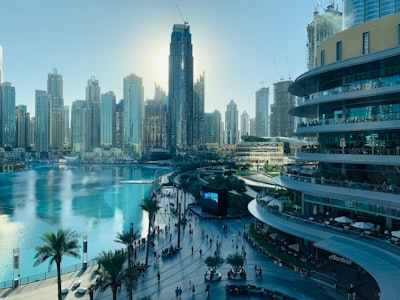
- The Dubai Fountain: Located at the base of the Burj Khalifa and in front of The Dubai Mall, this magnificent choreographed fountain system performs daily shows set to music. It’s a spectacular free attraction, especially enchanting in the evening.
- Dubai Frame: This architectural marvel offers two distinct views of Dubai – one side framing the older, historic parts of the city, and the other showcasing the modern skyline. A glass-floored walkway connects the two towers at the top, providing a thrilling experience.
Shopping, Entertainment, and Leisure
- The Dubai Mall: More than just a shopping center, The Dubai Mall is a colossal entertainment hub. It houses over 1,200 shops, the Dubai Aquarium & Underwater Zoo, an Olympic-sized ice rink, a VR Park, and numerous dining options. You could easily spend a full day exploring its offerings.
- Palm Jumeirah: An engineering marvel, this man-made archipelago shaped like a palm tree is home to luxury resorts, including the iconic Atlantis, The Palm, which features Aquaventure Waterpark and The Lost Chambers Aquarium.
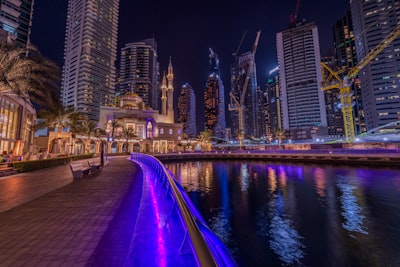
- Dubai Marina: A glittering waterfront district known for its luxurious yachts, stunning skyscrapers, and vibrant promenade. Enjoy a leisurely stroll, dine at one of the many restaurants, or take a dhow cruise to admire the skyline from the water.
- Ain Dubai: While currently not operational, this Ferris wheel on Bluewaters Island is a striking landmark and, when open, offers unparalleled views of Dubai’s coastline and skyline.
- Global Village: Operating during the winter months, Global Village is a multicultural festival park showcasing pavilions from various countries, offering shopping, food, and entertainment from around the globe.
- Dubai Miracle Garden: The world's largest natural flower garden, featuring incredible floral displays and sculptures that change seasonally. It's a vibrant spectacle, open only during the cooler months.
Cultural and Historical Exploration
- Al Fahidi Historical Neighbourhood (Al Bastakiya): Step back in time in this beautifully preserved heritage area. Wander through narrow lanes, admire traditional wind-tower architecture, visit art galleries, museums (like the Dubai Museum in Al Fahidi Fort), and charming cafes.
- The Souks (Gold, Spice, Textile): Experience the traditional Arabian marketplace. The Gold Souk dazzles with intricate jewelry, the Spice Souk awakens your senses with aromatic spices, and the Textile Souk offers colorful fabrics and tailored garments. Haggling is expected and part of the experience.
- Museum of the Future: An architectural masterpiece and a beacon of innovation, this museum explores how society could evolve in the coming decades using science and technology. It's an immersive and thought-provoking experience.
Adventure and Nature
- Desert Safari: A quintessential Dubai experience. Embark on a thrilling dune bashing ride, try sandboarding, ride a camel, and enjoy a traditional Bedouin-style dinner with live entertainment under the stars.
- Jumeirah Beach: One of Dubai's most popular public beaches, offering soft white sands, clear waters, and stunning views of the Burj Al Arab. Perfect for sunbathing, swimming, and water sports.
How to Reach Dubai
Dubai is a major international aviation hub, making it incredibly accessible from virtually anywhere in the world.
By Air
- Dubai International Airport (DXB): As one of the world's busiest airports, DXB is the primary gateway to Dubai. It is a major hub for Emirates, Dubai's flagship airline, and flydubai, connecting to hundreds of destinations globally.
- Al Maktoum International Airport (DWC): Also known as Dubai World Central, DWC is a newer, growing airport that handles some commercial flights, particularly for low-cost carriers and cargo.
- Airlines: Most major international airlines offer direct flights to Dubai. Booking well in advance, especially for peak season travel, is advisable to secure better fares.
- Visa Requirements: Most nationalities require a visa to enter the UAE. Visa policies vary, with some countries eligible for visa-on-arrival, while others need to apply in advance. It's crucial to check the latest visa regulations for your specific nationality well before your travel date.
Getting from the Airport
Both airports are well-connected to the city center via taxis, ride-sharing apps (Uber, Careem), and the Dubai Metro (from DXB). Taxis are readily available 24/7 and are a convenient option.
Local Food Guide: A Culinary Journey in Dubai
Dubai's food scene is a vibrant mosaic, reflecting its multicultural population while proudly showcasing traditional Emirati flavors. From fine dining to street food, there's something to tantalize every palate.
Traditional Emirati Cuisine
While often overshadowed by international options, Emirati food offers a unique taste of the region's heritage.
- Machboos: A fragrant rice dish cooked with meat (chicken, lamb, or fish) and a blend of spices, often served with a side of yogurt or salad.
- Harees: A slow-cooked wheat and meat dish, pounded to a consistent, porridge-like texture. It's a comforting and hearty meal, often served during special occasions.
- Thareed: A rich stew made with vegetables and meat, served over thin, unleavened bread, allowing the bread to soak up the flavorful broth.
- Luqaimat: Sweet dumplings, crispy on the outside and soft inside, drizzled with date syrup (dibbs) and often sprinkled with sesame seeds. A delightful dessert.
- Shawarma and Falafel: While not exclusively Emirati, these Middle Eastern staples are ubiquitous and incredibly popular in Dubai. Find excellent shawarma wraps (grilled meat, pickles, sauce) and crispy falafel (fried chickpea patties) at countless casual eateries.
- Karak Tea: A strong, sweet milk tea spiced with cardamom, a beloved beverage in the UAE, perfect for a quick break.
Dining Experiences
- Fine Dining: Dubai boasts an array of Michelin-starred restaurants and celebrity chef establishments, offering world-class cuisine from every corner of the globe. From French and Italian to Japanese and modern Emirati, the options are endless.
- Brunch Culture: Friday (and increasingly Saturday) brunches are an institution in Dubai, ranging from lavish buffets with live cooking stations and free-flowing beverages to sophisticated à la carte menus.
- Street Food and Cafes: Explore areas like Al Fahidi Historical Neighbourhood or City Walk for charming cafes and casual eateries offering local snacks and international quick bites.
- Desert Dining: Many desert safari tours include a traditional BBQ dinner under the stars, often accompanied by live entertainment like belly dancing and tanoura shows.
- International Cuisine: Given its diverse population, Dubai offers an astonishing variety of international restaurants. You can find authentic dishes from India, Pakistan, Iran, the Philippines, Europe, and beyond.
Tips for Foodies
- Food Festivals: Keep an eye out for the Dubai Food Festival (usually February-March) for special dining experiences, pop-ups, and culinary events.
- Zomato/Talabat: Use food delivery apps to explore local restaurants and see reviews.
- Local Markets: Visit the Deira Spice Souk for unique spices and ingredients to take home.
- Avoid Tap Water: While generally safe, it's advisable to stick to bottled water.
Public Transport in Dubai
Dubai's public transport system is modern, efficient, and well-integrated, making it easy to navigate the city without a private vehicle.
NOL Card: Your Essential Travel Pass
The NOL card is a contactless smart card used to pay for all public transport in Dubai, including the Metro, buses, trams, and water buses. You can purchase different types (Red, Silver, Gold, Blue) depending on your needs. The Silver card is most common for tourists, offering pay-as-you-go credit.
Dubai Metro
- Network: The fully automated Dubai Metro is the backbone of the city's public transport, primarily serving two main lines: the Red Line and the Green Line. The Red Line runs along Sheikh Zayed Road, connecting many major attractions like the Burj Khalifa, Dubai Mall, and Dubai Marina. The Green Line serves older parts of the city, including the Al Fahidi Historical Neighbourhood and the Gold Souk.
- Operation: Trains are frequent, air-conditioned, and offer separate carriages for women and children, as well as Gold Class (premium) for an extra fare.
- Hours: Generally operates from early morning until late evening, with extended hours on weekends.
Buses
- Extensive Network: Dubai's bus network complements the Metro, reaching areas not served by the train. Buses are modern, air-conditioned, and affordable.
- Feeder Buses: Many bus routes act as feeder services to Metro stations, connecting residential areas to the main transport hubs.
Dubai Tram
- Coverage: The Dubai Tram operates in the Dubai Marina, Jumeirah Beach Residence (JBR), and Al Sufouh areas, connecting to the Metro and Palm Monorail.
- Convenience: Ideal for exploring the Marina and JBR promenades.
Taxis and Ride-Sharing
- RTA Taxis: Easily identifiable cream-colored taxis with different colored roofs are abundant, metered, and generally reliable. You can hail them on the street, find them at taxi stands, or book through the RTA smart app.
- Ride-Sharing Apps: Uber and Careem are widely available and popular in Dubai, offering convenient door-to-door service that can be booked and paid for via their apps.
Water Transport
- Abra: For a traditional and charming experience, take an Abra (traditional wooden boat) across Dubai Creek between Deira and Bur Dubai. It's incredibly cheap and offers a glimpse into old Dubai.
- Water Bus/Ferry: Modern water buses and ferries operate along Dubai Creek and around Dubai Marina, offering scenic commutes.
Travel Budget Tips for Dubai
Dubai can be perceived as an expensive destination, but with smart planning, you can enjoy its splendor without breaking the bank.
Flights
- Book in Advance: Especially for peak season (winter), book your flights several months ahead for better deals.
- Flexibility: Be flexible with your travel dates. Mid-week flights or shoulder seasons (late April/early May or late September/early October) might offer lower fares.
- Compare Airlines: Use flight comparison websites to find the best deals across various carriers.
Accommodation
- Diverse Options: Dubai offers everything from ultra-luxury hotels to budget-friendly hostels and serviced apartments. Consider staying slightly outside the main tourist hotspots or opting for a reputable mid-range hotel like Premier Inn or Rove Hotels, which offer excellent value and often have good transport links.
- Loyalty Programs: If you're part of a hotel loyalty program (like Hyatt's World of Hyatt), use your points or look for member discounts.
- Hostels/Guesthouses: For solo travelers or those on a tight budget, hostels in areas like Al Karama or Deira can provide affordable options.
- Self-Catering: Staying in a serviced apartment with kitchen facilities can significantly cut down food costs.
Food and Dining
- Local Eateries: Explore cafeterias and local restaurants in areas like Deira, Al Karama, or Al Fahidi for delicious and inexpensive Middle Eastern, Indian, and Pakistani cuisine. A shawarma or falafel meal can cost as little as AED 10-20.
- Meal Deals: Many restaurants offer lunch deals or happy hour promotions.
- Cook Your Own: If you have kitchen access, buying groceries from supermarkets like Carrefour or Spinneys can be very cost-effective.
- Avoid Tourist Traps: Restaurants in prime tourist locations (e.g., directly by the fountains) tend to be more expensive.
- Alcohol: Alcohol is expensive in Dubai. If you choose to drink, consider purchasing from duty-free upon arrival or limiting consumption to happy hour deals.
Attractions and Activities
- Free Attractions: Enjoy numerous free activities: the Dubai Fountain show, Jumeirah Public Beach, wandering through the souks, exploring Al Fahidi Historical Neighbourhood, and window shopping in The Dubai Mall.
- Combo Tickets: For paid attractions, look for combo tickets that bundle multiple experiences (e.g., Burj Khalifa and Dubai Aquarium).
- City Passes: Consider purchasing a Dubai City Pass if you plan to visit many paid attractions. These passes can offer significant savings.
- Book Online: Often, booking tickets for attractions online in advance can provide a discount compared to buying at the gate.
- Discount Vouchers: Check apps like Entertainer or Groupon for 2-for-1 deals or discounts on dining and activities.
Transportation
- Public Transport: Utilize the Dubai Metro, buses, and trams as much as possible with a NOL card. It's significantly cheaper than taxis.
- Walk: Explore walkable areas like Dubai Marina, City Walk, and Al Fahidi on foot.
- Avoid Peak Hour Taxis: Taxi fares can increase during peak hours or for specific bookings.
Hotels and Accommodation in Dubai
Dubai's hotel scene is as diverse as its attractions, ranging from opulent seven-star properties to comfortable budget-friendly options, catering to the millions of visitors it welcomes, including those facilitated by partners like Premier Inn and Hyatt.
Luxury and Ultra-Luxury
- Iconic Landmarks: Hotels like Burj Al Arab Jumeirah, Atlantis, The Palm, and properties within the Jumeirah group define luxury. They offer unparalleled service, exquisite dining, and often private beaches or exclusive amenities.
- Downtown Dubai: Home to numerous high-end hotels, including several from the Hyatt Hotels portfolio (e.g., Grand Hyatt Dubai, Park Hyatt Dubai), offering stunning views of the Burj Khalifa and easy access to The Dubai Mall.
- Palm Jumeirah: Features a concentration of luxury resorts with private beaches, extensive dining options, and world-class spas.
Mid-Range and Boutique Hotels
- Value and Comfort: This category offers an excellent balance of comfort, amenities, and affordability. Brands like Premier Inn Middle East are renowned for their consistent quality, comfortable rooms, and family-friendly services, often located near key attractions or transport links.
- Rove Hotels: A popular local chain known for its modern, quirky design, tech-savvy amenities, and vibrant social spaces, often found in prime locations across the city.
- Business Bay/Barsha Heights: These areas offer a good selection of mid-range hotels with convenient access to business districts and tourist spots.
Budget-Friendly Options
- Deira/Bur Dubai: These older districts offer a range of budget hotels, guesthouses, and apartments. While not as flashy as downtown, they provide an authentic local experience and are close to the souks and Dubai Creek.
- Hostels: A growing number of hostels cater to backpackers and solo travelers, providing dormitory-style accommodation and social atmospheres.
- Serviced Apartments: Ideal for longer stays or families, serviced apartments offer more space and kitchen facilities, often at a competitive price.
Choosing Your Location
- Downtown Dubai: Best for luxury shopping, fine dining, Burj Khalifa, and The Dubai Mall.
- Jumeirah/Umm Suqeim: Ideal for beach lovers, with easy access to Jumeirah Beach and Burj Al Arab views.
- Dubai Marina/JBR: Lively area with beaches, promenades, dining, and nightlife. Great for modern luxury and entertainment.
- Palm Jumeirah: Exclusive island resorts, perfect for a relaxing getaway.
- Deira/Bur Dubai: For cultural immersion, proximity to souks, and budget-friendly options. Good for experiencing "old Dubai."
Safety Tips for Traveling in Dubai
Dubai is renowned for being one of the safest cities in the world, with extremely low crime rates. However, like any travel destination, it's wise to be aware of local customs and general travel safety practices.
General Safety
- Hydration: Dubai's climate can be very hot, especially outside of winter. Drink plenty of water to avoid dehydration.
- Sun Protection: Always use high-SPF sunscreen, wear sunglasses, and a hat, particularly when outdoors.
- Valuables: While crime is low, it’s always prudent to keep an eye on your belongings, especially in crowded areas.
- Emergency Contacts: Know the local emergency numbers: 999 for Police, 998 for Ambulance, 997 for Fire Department.
- Travel Insurance: Always recommend purchasing comprehensive travel insurance before your trip.
Cultural Sensitivity and Local Laws
Dubai is a Muslim city with conservative values, and visitors are expected to respect local customs and laws.
- Dress Code: While there is no strict dress code for tourists, modest attire is appreciated, especially in public places like malls, government buildings, and religious sites. Shoulders and knees should generally be covered. Beachwear is acceptable at beaches and hotel pools.
- Public Displays of Affection (PDA): Public displays of affection (e.g., kissing, prolonged hugging) are not permitted and can lead to legal issues.
- Alcohol Consumption: Alcohol is available in licensed restaurants, bars, and hotels. It is illegal to drink alcohol in public places or be intoxicated in public. Purchase of alcohol for personal consumption is allowed only with a valid liquor license (for residents) or from duty-free for tourists.
- Photography: Be respectful when taking photos. Always ask for permission before photographing people, especially women. Avoid photographing government buildings, military installations, and police without explicit permission.
- Ramadan: If visiting during the holy month of Ramadan, be mindful of fasting practices. Eating, drinking, and smoking in public during fasting hours (sunrise to sunset) are prohibited. Hotels and some restaurants will offer designated dining areas.
- Drugs: The UAE has a zero-tolerance policy towards drugs, including some prescription medications that may be legal elsewhere. Always check if your prescription medications are allowed and carry a doctor's note.
- Homosexuality: Homosexuality is illegal in the UAE. Visitors should be discreet and avoid any public displays.
- Blasphemy/Defamation: Any insults or disrespect towards Islam, the UAE government, or its rulers are strictly prohibited and can lead to severe penalties.
- E-cigarettes/Vaping: While legal to use, regulations can change, and some restrictions apply, such as vaping in certain public areas.
Driving and Traffic
- Road Safety: Dubai has excellent roads, but traffic can be heavy, and drivers may be fast. Adhere to speed limits and traffic laws.
- Taxis/Ride-sharing: Always use licensed taxis or reputable ride-sharing apps (Uber/Careem).
By being aware and respectful of local traditions and laws, your visit to Dubai will be smooth, enjoyable, and safe.
FAQ Section
Q1: Is Dubai safe for solo female travelers?
A1: Yes, Dubai is considered one of the safest cities in the world, with extremely low crime rates. Solo female travelers generally report feeling very safe, even at night. However, it’s always wise to exercise standard precautions, be aware of your surroundings, and dress modestly out of respect for local culture.
Q2: What is the currency in Dubai?
A2: The currency is the UAE Dirham (AED). It is pegged to the US Dollar at a rate of approximately 3.67 AED to 1 USD. Credit cards are widely accepted, and ATMs are readily available.
Q3: Do I need a visa to visit Dubai?
A3: Visa requirements vary by nationality. Citizens of some countries can get a visa on arrival, while others need to apply in advance. It is crucial to check the latest visa policies with the official UAE government websites or your local embassy/consulate well before your trip.
Q4: What should I wear in Dubai?
A4: While Dubai is generally tolerant, it is a Muslim country, and modest dress is appreciated in public spaces. This means covering your shoulders and knees. Beachwear is acceptable at hotel pools and public beaches. When visiting religious sites, women will need to cover their heads. It's advisable to carry a light scarf for this purpose.
Q5: Is English widely spoken in Dubai?
A5: Yes, English is very widely spoken in Dubai, especially in the tourism, hospitality, and business sectors. You will find that most signs, menus, and information are available in both Arabic and English.
Q6: Can I drink alcohol in Dubai?
A6: Yes, alcohol is available in licensed hotels, bars, clubs, and restaurants. However, it is illegal to drink alcohol in public places or be intoxicated in public. There is a zero-tolerance policy for drinking and driving.
Q7: What is the best way to get around Dubai?
A7: Dubai has an excellent public transportation system. The Dubai Metro is efficient and covers many key areas. Buses and trams complement the Metro. Taxis and ride-sharing apps (Uber, Careem) are also widely available and reasonably priced. Purchasing a NOL card is recommended for using public transport.
Q8: How many days are enough to see Dubai?
A8: To experience Dubai's main attractions comfortably, a minimum of 4-5 days is recommended. This allows you to explore modern landmarks, cultural sites, enjoy a desert safari, and relax. If you wish to include day trips or more extensive shopping/leisure, 7-10 days would be ideal.
Q9: What is the electricity voltage in Dubai?
A9: The standard voltage is 220-240V at 50Hz. The power sockets are typically Type G (British 3-pin rectangular plug). It’s advisable to bring a universal travel adapter.
Q10: Is tipping customary in Dubai?
A10: Tipping is not mandatory but is customary and appreciated for good service. For restaurants, a 10-15% tip is common if a service charge isn't already included. For taxis, rounding up the fare is sufficient. Bellboys and hotel staff might receive AED 5-10.