Surge in trips expected for Chinese holiday, but travellers keep budgets tight
The Great Global Getaway: Navigating Budget-Friendly Adventures for China's May Day Holiday Surge
The world of travel is buzzing with renewed energy, especially as Chinese travelers gear up for the highly anticipated May Day holiday. Anticipated to reach a three-year post-COVID high, this holiday period signals a robust return to exploration, both domestically and internationally. However, beneath the surge lies a significant shift in traveler priorities: budgets are tighter, and value-for-money is paramount. This comprehensive guide is designed to empower budget-conscious adventurers, helping them navigate the diverse landscape of global travel, ensuring unforgettable experiences without breaking the bank. Whether you're eyeing the hidden gems of your home country or a short international jaunt, prudent planning and smart choices are the keys to unlocking a world of affordable possibilities.
Understanding the May Day Travel Boom: A New Era of Exploration
The upcoming May Day holiday is more than just a break; it's a testament to the resilience and enthusiasm of Chinese travelers. After periods of restricted movement, there's a palpable pent-up demand for discovery. However, economic considerations have reshaped the travel narrative, fostering a smarter, more selective approach to spending.
A Post-COVID Resurgence with a Prudent Twist
The projected surge in trips reflects a desire to reconnect with the world and create new memories. While domestic travel remains incredibly strong, driving demand for local experiences and regional exploration, international travel is steadily regaining its footing. The difference now is the emphasis on affordability. Travelers are meticulously researching options, comparing prices, and prioritizing experiences that offer significant value. This shift is giving rise to new travel trends, such as the popularity of smaller cities, which often boast rich culture and natural beauty without the hefty price tag of mega-metropolises. Road trips and camping have also surged in popularity, offering unparalleled flexibility, a sense of adventure, and significant cost savings on accommodation and transportation.
Best Time to Visit: Timing Your Adventures for Value and Experience
While the May Day holiday dictates a specific travel window for many, understanding the nuances of timing can dramatically impact both your budget and your overall experience.
Leveraging Off-Peak Seasons and Holiday Nuances
For those traveling during the May Day holiday itself, advanced planning is non-negotiable. Booking flights and accommodation well in advance can secure better rates, although prices will naturally be at a premium due to high demand. Consider traveling a day or two before or after the official holiday dates if your schedule allows, as this slight shift can sometimes result in lower prices and fewer crowds.
Beyond the May Day rush, consider the concept of "shoulder seasons." These are the periods immediately before or after the peak tourist season in any given destination. For many parts of the world, spring (April-May, excluding the May Day peak itself) and autumn (September-October) offer ideal weather conditions, significantly fewer crowds, and more competitive prices for flights, accommodation, and even some activities. For example, visiting popular Asian destinations like Japan or South Korea in early April or late October can offer beautiful scenery (cherry blossoms or autumn foliage) without the intense summer crowds or winter chills, and often at a fraction of the cost.
Furthermore, always factor in weekdays versus weekends. Traveling during the week almost invariably offers better deals on hotels and flights, especially for domestic trips. Many attractions also have shorter queues and a more relaxed atmosphere on weekdays. Flexibility with your travel dates is perhaps the single most powerful tool a budget traveler possesses. Even shifting your departure or return by a day or two can unlock substantial savings.
Top Attractions for the Budget-Conscious Traveler: Experiences Over Expenses
Forget the notion that memorable travel requires expensive entrance fees. The budget-savvy traveler prioritizes authentic experiences, natural beauty, and cultural immersion, often found in unexpected places or through free activities.
Embracing Nature's Splendor and Cultural Immersion
Domestic China: The trend towards exploring smaller cities is a testament to China's vast and diverse offerings. Instead of mega-cities like Shanghai or Beijing (though even these can be explored on a budget), consider places like Chengdu (known for pandas and spicy food), Xi'an (Terracotta Army), or historical towns like Pingyao or Lijiang. These destinations often have lower living costs, more affordable local food, and unique cultural attractions. China's numerous national parks, such as Zhangjiajie with its stunning pillars or the colorful Danxia landforms, offer breathtaking natural beauty. For budget travelers, visiting these during the shoulder season can significantly reduce entrance fees and accommodation costs while allowing for a more serene experience. Road trips across provinces like Yunnan, Sichuan, or Inner Mongolia open up vast landscapes, rural villages, and opportunities for camping, which is a fantastic way to save money and connect with nature.
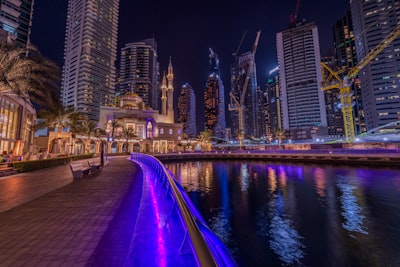
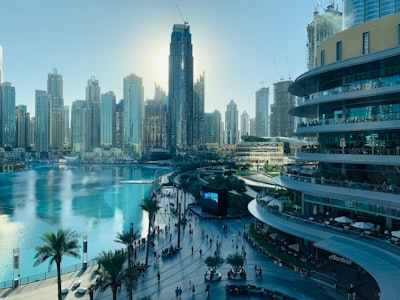
International Short-Haul (e.g., Japan, UAE): Even popular short-haul destinations can be navigated on a budget. In Japan, many temples and shrines offer free entry, or ask for a small, voluntary donation. City parks like Tokyo's Shinjuku Gyoen or Kyoto's Maruyama Park are beautiful and often free. Explore vibrant local markets for authentic food and souvenirs, and enjoy scenic walks through historic districts. In the UAE, while luxury abounds, free public beaches, walking tours of older districts like Al Fahidi in Dubai, and exploring bustling souks offer rich cultural experiences without the high price tag.
Free and Low-Cost Activities Everywhere
- Walking Tours: Many major cities worldwide offer free walking tours (tip-based), led by knowledgeable locals, providing an excellent introduction to a city's history and culture.
- Street Art and Public Art Installations: Discovering local street art is a fantastic free activity that offers insights into a city's contemporary culture and artistic scene.
- Picnics: Instead of expensive restaurant meals, visit local grocery stores or markets, buy local delicacies, and enjoy a picnic in a park or by a scenic viewpoint.
- Public Museums & Galleries: Many museums have free entry days or specific free exhibitions. Research these in advance.
- Hiking & Cycling: Explore nature trails or city paths by foot or rented bicycle. This is not only budget-friendly but also great for health and allows for deeper exploration.
- Local Festivals & Events: Check local calendars for free community events, concerts, or festivals happening during your visit.
How to Reach Your Destination: Smart Travel Planning
Transportation costs can quickly eat into a budget. Strategic planning for getting to and around your destination is crucial.
Optimizing Domestic Travel within China
China's extensive high-speed rail (Gao Tie) network is an excellent option for domestic travel. Booking tickets in advance, especially during peak seasons like May Day, is highly recommended. For those looking to save even more, long-distance buses can be significantly cheaper, though slower. Carpooling services are also gaining popularity. The booming trend of road trips necessitates planning for car rental (or using a personal vehicle) and factoring in fuel costs, tolls, and parking. Budget airlines like Spring Airlines or Juneyao Airlines can offer competitive prices for longer domestic routes, but always check baggage allowances and other hidden fees.
Navigating International Short-Haul Flights
For international short-haul destinations, budget airlines are your best friend. Carriers like AirAsia, Peach Aviation, Scoot, or Cebu Pacific frequently offer promotional fares. Flexibility with your travel dates is key; using flight comparison websites (e.g., Skyscanner, Google Flights) with flexible date options can reveal significant savings. Consider flying into smaller, secondary airports if they are cheaper, and then using public transport to reach the main city. Sometimes, choosing flights with a layover can be more economical than direct flights, though this adds to travel time.
Local Food Guide: Savoring Flavors Without Breaking the Bank
Food is an integral part of any travel experience, and it doesn't have to be expensive. Embracing local eating habits is the best way to save money and experience authentic cuisine.
The Art of Street Food and Local Eateries
Wherever you travel, street food is almost always the most authentic, delicious, and budget-friendly option. From the night markets of Southeast Asia to the roadside stalls in Chinese cities, or even food trucks in Western countries, street food offers a culinary adventure at a fraction of restaurant prices. Look for places frequented by locals – a good sign of quality and value. Small, family-run restaurants (often called "hole-in-the-wall" establishments) also offer excellent, affordable meals. Many places offer set lunches or daily specials, which are typically more economical than dinner menus. Don't be afraid to try new things and ask for recommendations from locals.
Grocery Stores and Picnics
For even greater savings, make use of local grocery stores or supermarkets. Stock up on snacks, fruit, bread, and other staples. If your accommodation has a kitchen (common in hostels or apartment rentals), you can prepare some of your own meals, especially breakfast and simple dinners. Picnics are a delightful way to enjoy a meal outdoors while saving money on restaurant bills. Grab some local cheeses, fresh bread, fruits, and cold cuts, and find a scenic spot to enjoy your meal.
Hydration on a Budget
Carry a refillable water bottle. Many airports, hotels, and public places now have water refill stations. This not only saves money on bottled water but also reduces plastic waste. If tap water isn't safe to drink, consider buying large bottles of water from a supermarket rather than small, overpriced ones from convenience stores.
Public Transport: Your Wallet-Friendly Way to Explore
Navigating a new city or region is part of the adventure, and public transport is almost always the most economical and often the most efficient way to get around.
Mastering Urban and Inter-City Transit
In major cities worldwide, subways (metros), buses, and trams are your best friends. They are typically much cheaper than taxis or ride-sharing services and often cover extensive routes, taking you to all the major attractions. Research whether your destination offers day passes, weekly passes, or tourist cards that include unlimited travel on public transport for a set period. These can offer significant savings if you plan to use public transport frequently. Apps like Citymapper, Google Maps, or local transport authority apps can provide real-time routes, schedules, and fare information.
For inter-city travel, particularly in regions like Europe or parts of Asia, trains or long-distance buses can be a budget-friendly alternative to flights, especially for shorter distances. They often offer scenic routes and a more relaxed travel experience.
Avoiding Tourist Traps
Be wary of unlicensed taxis or overly aggressive touts at airports and train stations. Always use official taxi stands, reputable ride-sharing apps (like Didi in China, Grab in Southeast Asia, Uber/Lyft elsewhere), or pre-booked airport transfers. Walking and cycling are also fantastic ways to explore, especially in compact city centers. Many cities offer bike rental schemes, which can be an enjoyable and economical way to see the sights.
Travel Budget Tips: Maximizing Value at Every Turn
Effective budget management is the cornerstone of affordable travel. Every dollar saved on one aspect can be redirected to enhance another experience.
Strategic Planning and Booking
- Advance Booking: For flights and popular accommodations, booking several months in advance often yields the best prices.
- Travel Insurance: While an upfront cost, comprehensive travel insurance can save you immense amounts in case of unforeseen circumstances (medical emergencies, lost luggage, trip cancellations). Consider it a necessary investment.
- Flexible Dates & Destinations: Being open to slight adjustments in travel dates or even considering alternative destinations can unlock significant savings.
- Off-Season Travel: As mentioned, shoulder seasons and off-peak times are golden for budget travelers.
Accommodation Hacks
- Beyond Hotels: Explore hostels, guesthouses, homestays, and apartment rentals (e.g., Airbnb, Booking.com apartments).
- Camping: For road trips or nature-focused travel, camping is an unbeatable budget option.
- Location vs. Price: Sometimes, staying slightly outside the city center, but near public transport, can offer much better value.
- Loyalty Programs: If you frequently use a particular hotel chain or booking site, sign up for their loyalty programs for potential discounts or free nights.
Food & Drink Savings
- Self-Catering: Cook some meals if your accommodation allows.
- Street Food & Local Markets: Prioritize these for authentic and cheap eats.
- Happy Hours: Take advantage of happy hour deals for drinks if you want to socialize.
Activity Savings
- Free Attractions: Focus on parks, public beaches, free museums, walking tours, and window shopping.
- Discounted Passes: For cities with many paid attractions, calculate if a city pass or tourist card (e.g., Go City Pass) genuinely saves you money based on the attractions you *actually* want to visit.
- Experiences Over Souvenirs: Prioritize unique experiences over purchasing expensive souvenirs. Memories are priceless.
Money Management
- Foreign Exchange: Research the best way to get local currency. Using ATMs (check for foreign transaction fees from your bank) is often better than airport currency exchange.
- Travel Credit Cards: Use credit cards with no foreign transaction fees. Inform your bank of your travel plans to avoid card freezes.
- Daily Budget: Set a realistic daily budget for food, activities, and transport, and try to stick to it. Track your expenses.
Hotels and Accommodation: Smart Stays for Smart Travelers
Accommodation is often the second-largest travel expense after flights. Thinking creatively about where you rest your head can lead to substantial savings.
Beyond Traditional Hotels: A Spectrum of Affordable Options
- Hostels: A classic choice for solo and budget travelers, hostels offer dormitory beds at significantly lower prices than hotels. Many also have private rooms. They are excellent for meeting other travelers and often include communal kitchens and common areas.
- Guesthouses & Bed & Breakfasts (B&Bs): These typically offer a more personal, homely experience than large hotels. They are often locally owned, provide insights into local culture, and sometimes include breakfast in the price.
- Homestays: Platforms like Airbnb or local equivalents allow you to stay in a spare room in someone's home. This offers a deeply immersive cultural experience and can be very cost-effective, especially in regions where traditional hotels are expensive.
- Camping: For those on road trips or exploring national parks, camping is the ultimate budget accommodation. From basic tent sites to more comfortable glamping options, it connects you with nature and slashes costs dramatically. Remember to factor in equipment rental if you don't own it.
- Apartment Rentals (e.g., Airbnb, Booking.com apartments): Renting an entire apartment can be economical for groups or families, as it often comes with kitchen facilities, allowing for self-catering. Always check cleaning fees and other hidden charges before booking.
Tips for Booking and Saving
- Read Reviews Diligently: Before booking any budget accommodation, read recent reviews carefully on multiple platforms. Pay attention to comments about cleanliness, safety, location, and staff helpfulness.
- Location vs. Price Trade-off: Cheaper accommodations might be located further from major attractions. Weigh the savings against the cost and time of commuting via public transport. Sometimes, paying a little more for a central location saves you time and transport money.
- Direct Booking vs. OTAs: Once you've found a place you like on an Online Travel Agency (OTA) like Booking.com or Agoda, check if booking directly with the property offers a better rate or additional perks.
- Early Booking for Peak Seasons: This cannot be stressed enough for periods like the May Day holiday. Popular budget options fill up quickly.
Safety Tips: Traveling Smart and Secure
Regardless of your budget or destination, safety should always be a top priority. A well-prepared traveler is a safe traveler.
General Preparedness
- Travel Insurance: As mentioned, this is crucial. Ensure it covers medical emergencies, trip cancellations, and lost belongings.
- Document Copies: Keep digital and physical copies of your passport, visa, flight tickets, and accommodation bookings separate from the originals. Leave a set with a trusted person at home.
- Research Local Customs & Laws: Understand local etiquette, dress codes, and any specific laws (e.g., alcohol consumption, photography restrictions) to avoid unintended offense or legal trouble.
- Emergency Contacts: Know the local emergency numbers (police, ambulance) and have your country's embassy/consulate contact information readily available.
Personal Safety
- Situational Awareness: Be aware of your surroundings, especially in crowded areas or at night. Avoid walking alone in poorly lit or unfamiliar areas after dark.
- Secure Valuables: Use a money belt or secure pouch for passports, large sums of cash, and important cards. Avoid flaunting expensive jewelry or electronics.
- Food and Water Safety: Be mindful of where and what you eat. Stick to cooked food, avoid unpeeled fruits in some regions, and drink bottled or filtered water if tap water is questionable.
- Trust Your Instincts: If a situation or person feels off, err on the side of caution and remove yourself from the situation.
Financial Safety
- Divide Your Money: Don't carry all your cash and cards in one place. Distribute them across different bags or pockets.
- Secure Payment Methods: Use credit cards for larger purchases, but carry some local currency for small vendors or emergencies.
- Beware of Scams: Be vigilant against common tourist scams (e.g., fake tickets, overly friendly strangers offering "help," inflated prices). Research common scams in your destination.
Health Precautions
- Basic First Aid Kit: Carry essential medications, band-aids, antiseptic wipes, and any personal prescriptions.
- Vaccinations: Consult your doctor well in advance about recommended vaccinations for your destination.
- Know Your Limits: Stay hydrated, get enough rest, and don't push yourself too hard, especially in new climates or at high altitudes.
Frequently Asked Questions (FAQ)
Q: What's the best way to save money on flights for the May Day holiday?
A: Book as far in advance as possible, be flexible with your travel dates (even shifting by a day can help), use flight comparison websites with "flexible dates" options, and consider budget airlines. Flying into secondary airports can also sometimes save money.
Q: Are smaller cities in China really cheaper for travel?
A: Generally, yes. Smaller cities often have lower costs for accommodation, food, and local transportation compared to major hubs like Beijing or Shanghai. They also offer unique cultural experiences away from the mainstream tourist crowds.
Q: What are good short-haul international destinations for budget travelers from China?
A: Many Southeast Asian countries (e.g., Thailand, Vietnam, Philippines, Malaysia) are excellent for budget travelers due to affordable flights, accommodation, and low living costs. Closer to home, specific regions in Japan (e.g., beyond Tokyo/Kyoto, focusing on rural areas or specific prefectures) or specific, less luxurious experiences in the UAE can also be done on a budget with careful planning.
Q: How can I find affordable accommodation beyond traditional hotels?
A: Explore hostels (dorm beds or private rooms), guesthouses, homestays, and apartment rentals (via platforms like Airbnb or Booking.com's apartment section). Camping is also a fantastic and very budget-friendly option for those on road trips or exploring nature.
Q: Is it safe to travel on a tight budget?
A: Absolutely. Budget travel doesn't mean compromising on safety. By following general travel safety tips (situational awareness, securing valuables, researching local customs, having travel insurance), you can have a safe and enjoyable trip regardless of your spending level. Often, budget travelers interact more with locals, which can even enhance safety through local knowledge.
Q: What's the best way to manage money while traveling internationally?
A: Use a travel-friendly credit card with no foreign transaction fees for larger purchases. Carry some local currency for smaller expenses. Use ATMs from reputable banks to withdraw cash, but be aware of your bank's foreign withdrawal fees. Avoid exchanging money at airports as rates are usually poor. Divide your money across different locations (e.g., wallet, separate bag, hotel safe) to minimize loss if one item is misplaced or stolen.
The May Day holiday signals an exciting return to travel for millions, characterized by a wise new approach to spending. The world is vast and full of wonders, and with careful planning and a budget-conscious mindset, these wonders are accessible to everyone. Embrace the adventure, savor local flavors, immerse yourself in diverse cultures, and create lasting memories without the financial burden. Happy travels!