CzechTourism appoints VFS Global to lead destination promotion in India
Czechia Awaits: Your Ultimate Travel Guide as CzechTourism Partners with VFS Global to Boost Indian Tourism
The heart of Europe is calling, and for Indian travelers, reaching its vibrant core just got easier and more exciting. In a significant move to strengthen bilateral tourism, CzechTourism has officially appointed VFS Global as its destination representation partner in India. This strategic collaboration marks a pivotal moment, promising to open up the enchanting land of Czechia (formerly known as the Czech Republic) to a wider audience of Indian tourists by meticulously highlighting its profound cultural heritage, breathtaking landscapes, and diverse travel offerings.
VFS Global, a global leader in visa outsourcing and technology services, will now spearhead comprehensive marketing, public relations, and trade activities across India. Their mandate is clear: to significantly increase awareness and cultivate a deeper interest in Czechia as a premier European destination. This partnership is set to unlock Czechia's full potential for Indian travelers, guiding them through a journey that promises history, romance, adventure, and unparalleled hospitality. From the cobblestone streets of Prague to the spa towns of Karlovy Vary and the fairy-tale castles of Český Krumlov, Czechia offers an eclectic mix of experiences. This guide is designed to be your indispensable companion, detailing everything you need to know to plan an unforgettable trip to this Central European gem.
Best Time to Visit Czechia
Choosing the right time to visit Czechia can significantly enhance your experience, as each season offers a distinct charm and set of activities.
Spring (April to May)
Spring breathes new life into Czechia. Temperatures are mild, typically ranging from 10°C to 20°C (50°F to 68°F), and the countryside bursts into bloom. This is an excellent time for sightseeing, with fewer crowds than in summer. Prague's gardens are magnificent, and outdoor cafés begin to open. Expect occasional rain showers, but generally pleasant weather. Easter celebrations also bring unique traditions and markets.
Summer (June to August)
Summer is the peak tourist season, characterized by warm temperatures averaging 20°C to 25°C (68°F to 77°F), sometimes reaching higher. Days are long, and the weather is ideal for exploring cities, hiking in national parks, and enjoying outdoor festivals. However, popular attractions, especially in Prague, will be crowded, and accommodation prices tend to be higher. Booking well in advance is crucial.
Autumn (September to October)
Autumn is arguably one of the most beautiful times to visit. The weather remains pleasant, 10°C to 18°C (50°F to 64°F), and the landscapes transform into a canvas of golden and crimson hues, particularly stunning in the national parks and vineyards. Crowds begin to thin out, making it a wonderful time for photography and enjoying the local wine harvest festivals. October can bring cooler temperatures and more rain, so layering is recommended.
Winter (November to March)
Winter transforms Czechia into a magical wonderland, especially around Christmas and New Year. Temperatures drop below freezing, often ranging from -5°C to 5°C (23°F to 41°F), with snow covering the cities and countryside. While some outdoor activities might be challenging, the festive Christmas markets, cozy cafés, and winter sports opportunities in the mountains offer a unique experience. Prague's atmosphere under a blanket of snow is truly enchanting, though daylight hours are short.
Top Attractions: Unveiling Czechia's Treasures
Czechia is a land rich in history, culture, and natural beauty. While Prague is undoubtedly its crown jewel, the country offers a plethora of captivating sites beyond its capital.
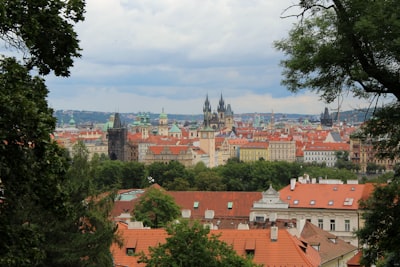
Prague: The City of a Hundred Spires
Prague is a city that enchants every visitor with its stunning architecture, rich history, and vibrant atmosphere.
Prague Castle (Pražský hrad)
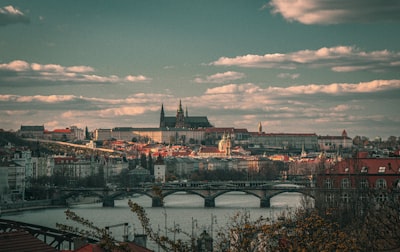
Dominating the city skyline, Prague Castle is the largest ancient castle complex in the world. It encompasses palaces, churches, gardens, and alleyways, including St. Vitus Cathedral, the Old Royal Palace, St. George's Basilica, and Golden Lane. Plan at least half a day, or even a full day, to explore its magnificent grounds and interiors. The changing of the guard ceremony is a popular spectacle.
Charles Bridge (Karlův most)
This iconic medieval bridge, adorned with 30 statues of saints, connects the Old Town and Lesser Town. It offers breathtaking views of Prague Castle and the Vltava River, especially at sunrise or sunset. Strolling across it, enjoying street artists and musicians, is a quintessential Prague experience.
Old Town Square (Staroměstské náměstí)
The bustling heart of Prague, this historic square is surrounded by architectural marvels, including the Old Town Hall with its Astronomical Clock, the Church of Our Lady before Týn, and St. Nicholas Church. Witnessing the Astronomical Clock's hourly show, exploring the vibrant markets, and simply soaking in the atmosphere are must-dos.
Astronomical Clock (Pražský orloj)
One of the oldest and most intricate astronomical clocks in the world, it puts on a fascinating show every hour, where the Twelve Apostles appear. Climbing the Old Town Hall tower offers panoramic views of the square and surrounding city.
Jewish Quarter (Josefov)
A poignant and historically rich district, Josefov features several synagogues, the Old Jewish Cemetery, and the Jewish Museum. It offers a powerful insight into the history and culture of Prague's Jewish community.
St. Vitus Cathedral
Located within Prague Castle, this magnificent Gothic cathedral is a masterpiece of architecture, stained glass, and intricate carvings. Its sheer scale and artistic detail are awe-inspiring.
Beyond Prague: Discovering Czechia's Diverse Landscapes
While Prague is a must-visit, venturing outside the capital reveals more of Czechia's charm.
Český Krumlov
A UNESCO World Heritage site, this fairy-tale town in South Bohemia is famous for its stunning castle complex, picturesque Old Town, and the meandering Vltava River. It's a smaller, more intimate version of Prague, perfect for romantic strolls and enjoying its medieval ambiance.
Kutná Hora
Another UNESCO site, Kutná Hora is known for its rich silver mining history and two striking architectural wonders: St. Barbara's Church, a magnificent Gothic cathedral, and the Sedlec Ossuary (Bone Church), an eerie chapel decorated with the skeletons of an estimated 40,000 to 70,000 people.
Karlovy Vary
One of the most famous spa towns in Europe, Karlovy Vary (Carlsbad) is renowned for its healing thermal springs, elegant colonnades, and beautiful architecture. Visitors can sample the mineral waters from various springs and indulge in relaxing spa treatments.
Brno
Czechia's second-largest city, Brno, offers a more laid-back atmosphere than Prague but still boasts impressive historical sites, including the Špilberk Castle, St. Peter and Paul Cathedral, and the unique Brno Underground. It's also a vibrant university city with a thriving culinary scene.
Bohemian Switzerland National Park
For nature lovers, this national park on the border with Germany offers spectacular sandstone formations, deep gorges, and lush forests. Pravčická brána, Europe's largest natural sandstone arch, is its most iconic landmark. Ideal for hiking and scenic beauty.
How to Reach Czechia from India
Reaching Czechia from India is straightforward, primarily involving air travel to Prague's Václav Havel Airport (PRG).
Flights from India
Currently, there are no direct flights from major Indian cities like Delhi, Mumbai, or Bengaluru to Prague. Travelers will typically fly with layovers in major European or Middle Eastern hubs such as Dubai, Doha, Istanbul, Frankfurt, Munich, Vienna, or Amsterdam.
- Airlines: Major carriers include Emirates, Qatar Airways, Turkish Airlines, Lufthansa, Austrian Airlines, KLM, Air France, and Swiss Air.
- Journey Time: Depending on the layover, the total travel time can range from 12 to 20 hours.
- Booking: It's advisable to book flights well in advance, especially during peak seasons, to secure better fares.
Visa Requirements for Indian Citizens
Czechia is part of the Schengen Area, meaning Indian citizens require a
Schengen Visa to enter the country.
- Application Process: Applications are submitted through the Czech Embassy or Consulate in India, often facilitated by authorized visa application centers like VFS Global (whose partnership highlights this convenience).
- Valid passport (with at least six months validity beyond your intended stay).
- Completed visa application form.
- Passport-sized photographs.
- Flight itinerary (return ticket).
- Proof of accommodation (hotel bookings).
- Travel insurance (minimum coverage of €30,000 for medical emergencies and repatriation).
- Proof of financial means (bank statements, salary slips).
- Cover letter detailing your travel plans.
- No-objection certificate (NOC) from employer/school, if applicable.
- Processing Time: Typically 15-30 days, but can extend to 45 days in some cases, so apply well in advance of your travel date.
Getting to the City from Václav Havel Airport (PRG)
Once you land in Prague, several options are available to reach the city center:
- Airport Express Bus (AE): Connects Terminal 1 directly to Prague Main Railway Station (Praha hlavní nádraží). Operates every 15-30 minutes.
- Public Buses + Metro: Take bus 119 to Nádraží Veleslavín (Metro A line) or bus 100 to Zličín (Metro B line). This is the most economical option.
- Taxis/Ride-Sharing: Taxis are readily available outside the terminals. Ensure they use a meter. Ride-sharing apps like Uber and Bolt also operate.
- Private Transfers: Can be pre-booked for convenience, especially if traveling with a group or lots of luggage.
Local Food Guide: A Culinary Journey Through Czechia
Czech cuisine is hearty, comforting, and deeply rooted in Central European traditions. It's an essential part of the travel experience.
Must-Try Dishes
- Svíčková (Beef Sirloin in Cream Sauce): A classic national dish featuring tender beef sirloin marinated and then slow-cooked, served with a creamy vegetable sauce, bread dumplings (houskové knedlíky), and a dollop of cranberry sauce and whipped cream.
- Vepřo-knedlo-zelo (Roast Pork with Dumplings and Sauerkraut): Succulent roast pork served with traditional bread or potato dumplings and stewed sauerkraut. A true comfort food.
- Guláš (Goulash): While known globally, Czech goulash is distinct. It's a rich, flavorful stew, usually beef-based, spiced with paprika, and served with those indispensable bread dumplings.
- Trdelník: A sweet pastry cooked over an open flame, coated in sugar and walnuts, often filled with ice cream or chocolate. A popular street food, especially in Prague.
- Kulajda: A creamy dill soup with mushrooms, potatoes, and a poached egg. Surprisingly refreshing and flavorful.
- Fried Cheese (Smažený sýr): A popular vegetarian option, often served with tartar sauce and boiled potatoes or fries.
- Koláče: Sweet pastries, often round, with various fruit or cheese fillings. Perfect with coffee.
Drinks
- Czech Beer (Pivo): Czechia is the birthplace of Pilsner lager and boasts a world-renowned beer culture. Pilsner Urquell, Staropramen, Kozel, and Budweiser Budvar are famous brands. Beer is often cheaper than water in pubs!
- Becherovka: A traditional herbal liqueur from Karlovy Vary, often enjoyed as a digestive.
- Slivovice: A strong plum brandy, a traditional spirit especially in Moravia.
Dining Tips
- Restaurants (Restaurace): Range from traditional pubs (hospoda) offering local fare to upscale dining.
- Payment: Most places accept cards, but carrying some cash (CZK) is advisable, especially for smaller establishments or tips.
- Tipping: It's customary to round up the bill or add 10-15% for good service.
- Reservations: Recommended for popular restaurants, especially in Prague, particularly on weekends.
- Vegetarian/Vegan Options: Becoming more common, particularly in larger cities, but can be limited in traditional eateries. Look for "vegetariánské jídlo."
Public Transport in Czechia
Czechia boasts an efficient and extensive public transport system, making it easy to travel within cities and across the country.
Within Cities (Especially Prague)
Prague's integrated public transport system (Pražská integrovaná doprava – PID) is excellent and consists of:
- Metro: Three lines (A - Green, B - Yellow, C - Red) covering the city center and beyond.
- Trams: Extensive network, perfect for scenic rides and reaching areas not covered by the metro.
- Buses: Primarily serve areas outside the metro and tram lines.
- Funicular: To Petřín Hill.
Tickets
- Validity: Tickets are time-based (e.g., 30-minute, 90-minute, 24-hour, 72-hour).
- Validation: IMPORTANT! Tickets must be validated (stamped) in the yellow machines at the entrance to metro stations or inside trams/buses upon your first use. Unvalidated tickets are invalid and can incur heavy fines.
- Where to Buy: Kiosks at metro stations, newspaper stands, ticket machines (often card-enabled), and through the PID Lítačka mobile app.
- Prague Card: If you plan extensive sightseeing and transport use, consider the Prague Card, which includes unlimited public transport and free/discounted entry to many attractions.
Inter-City Travel
- Trains (České dráhy - ČD): The national rail operator. Comfortable and generally reliable for connecting major cities (e.g., Prague to Brno, Olomouc, Český Krumlov). Booking online or at stations is possible. RegioJet and Leo Express are private operators offering modern trains with excellent amenities and competitive prices.
- Buses (Student Agency/RegioJet, FlixBus): Coach services are an excellent and often cheaper alternative to trains, especially for destinations not directly served by rail. RegioJet (formerly Student Agency) and FlixBus offer extensive networks, comfortable coaches, and amenities like Wi-Fi and entertainment.
- Car Rental: Offers flexibility, especially for exploring rural areas or smaller towns. Roads are generally well-maintained. Remember to drive on the right and have an International Driving Permit.
Travel Budget Tips for Indian Travelers
Czechia, particularly outside Prague, can be quite budget-friendly compared to Western European destinations.
Accommodation
- Hostels: Abundant in major cities, offering dorms and private rooms. Great for solo travelers or those on a tight budget.
- Guesthouses (Penzion): Often family-run, offering a more local experience and good value, especially in smaller towns.
- Hotels: Range from budget to luxury. Booking in advance can secure better rates.
- Apartments (Airbnb): A good option for groups or longer stays, allowing for self-catering.
- Location, Location, Location: Staying slightly outside the absolute city center (e.g., Vinohrady, Žižkov in Prague) can significantly reduce costs while still being well-connected by public transport.
Food and Drink
- Supermarkets: Buy groceries for breakfast or packed lunches. Lidl, Billa, Albert are common.
- Local Eateries (Hospoda, Kantýna): Look for "denní menu" (daily menu) for affordable and hearty lunch specials. Avoid tourist traps around major squares for better value.
- Street Food: Trdelník, párek v rohlíku (hot dog), and kiosks offering grilled sausages are cheap and convenient.
- Beer: Enjoy local beer, which is incredibly affordable.
Transport
- Public Transport Passes: Utilize daily or multi-day passes if you plan extensive travel within cities.
- Walk Everywhere: Prague is very walkable, especially the historical center. This saves money and allows you to discover hidden gems.
- Inter-city Buses: Often cheaper than trains for longer distances.
Attractions
- Free Attractions: Many sights are free to admire from the outside (Charles Bridge, Old Town Square, Prague Castle exterior). Free walking tours (tip-based) are excellent for getting an overview.
- Combined Tickets: For Prague Castle or Jewish Quarter, buying combined tickets can be cheaper than individual entries.
- Student/Senior Discounts: Always ask if you qualify.
- Prague Card: Evaluate if the cost outweighs the savings for your itinerary.
Currency and Payments
- Currency: Czech Koruna (CZK). While some tourist places might accept Euros, it's generally at an unfavorable exchange rate. Always pay in CZK.
- Exchange: Exchange money at reputable banks or exchange offices with transparent rates (avoid those near tourist hotspots with "0% commission" signs, which often hide poor rates). ATMs are widely available.
- Credit/Debit Cards: Widely accepted in cities, but smaller shops or rural areas might prefer cash. Inform your bank before international travel.
Hotels and Accommodation in Czechia
Czechia offers a wide range of accommodation options to suit every budget and preference, from luxurious hotels to cozy guesthouses.
Prague Accommodation
Luxury (5-star)
- Four Seasons Hotel Prague: Unbeatable views of Charles Bridge, exceptional service.
- Mandarin Oriental Prague: Housed in a former monastery in Lesser Town, serene and elegant.
- Grand Mark Hotel Prague: A blend of Baroque and contemporary, with a beautiful garden.
Mid-Range (3-4 star)
- Hotel K+K Fenix: Modern, centrally located near Wenceslas Square.
- Hotel Julian: Charming boutique hotel near Lesser Town, known for its friendly service.
- Mama Shelter Prague: Trendy, vibrant hotel a short tram ride from the center.
Budget (Hostels & Guesthouses)
- Hostel One Prague: Highly-rated for its social atmosphere and activities.
- Ahoy! Hostel: Centrally located, clean, and friendly.
- Guesthouse Prague Square: Offers private rooms in a great location at an affordable price.
Areas to Stay in Prague
- Old Town (Staré Město): Right in the heart of the action, close to major sights, but can be pricier and noisier.
- Lesser Town (Malá Strana): Picturesque, charming, quieter than Old Town, with stunning views of the castle.
- New Town (Nové Město): More commercial, with Wenceslas Square at its heart, good for shopping and nightlife. Well-connected.
- Vinohrady/Žižkov: Residential areas slightly outside the center, offering a more local feel, great restaurants, and good public transport links. Excellent for budget-conscious travelers.
Accommodation Outside Prague
- Český Krumlov: Many boutique hotels and guesthouses in the historic center, often in beautifully restored medieval buildings.
- Karlovy Vary: Luxurious spa hotels, as well as more modest guesthouses.
- Brno: A good mix of modern hotels, apartments, and hostels, especially around the city center and university areas.
Booking Platforms
- Booking.com, Expedia, Agoda: Major international platforms offering a wide selection.
- Airbnb: For apartments and unique stays.
- Direct Booking: Sometimes offers better deals or perks directly from the hotel website.
Safety Tips for Travelers in Czechia
Czechia is generally a safe country, with low crime rates. However, like any popular tourist destination, it's wise to be aware of common scams and take precautions.
General Safety
- Pickpocketing: This is the most common crime, especially in crowded tourist areas like Charles Bridge, Old Town Square, Prague Castle, and on public transport.
- Keep valuables (passport, wallet, phone) in a secure, front-facing pocket or money belt.
- Be mindful of your surroundings, especially in crowded places.
- Avoid keeping wallets in back pockets or backpacks where they're easily accessible.
- Taxi Scams: Unscrupulous taxi drivers might overcharge tourists.
- Use reputable taxi companies (e.g., AAA Radiotaxi, Modrý Anděl) or ride-sharing apps like Uber/Bolt.
- Confirm the fare or ensure the meter is running at the start of the journey.
- Pre-booking airport transfers is a good option.
- ATM Skimming: Be cautious when using ATMs. Check for any unusual attachments to the card reader or keypad. Use ATMs inside banks if possible.
- Drink Spiking: Be aware of your drinks in bars and clubs. Don't leave your drink unattended.
- 112: General European emergency number (for police, ambulance, fire).
Health and Travel Insurance
- Travel Insurance: Essential for Indian travelers. Ensure your policy covers medical emergencies, trip cancellations, lost luggage, and repatriation. Medical facilities are good, but costs can be high without insurance.
- Pharmacies (Lékárna): Widely available. Pharmacists can often provide advice for minor ailments.
- Tap Water: Tap water in Czechia is safe to drink.
- COVID-19: Stay updated on current travel restrictions and health guidelines from Czech and Indian authorities.
Cultural Sensitivity
- Respect: Be respectful of local customs and traditions.
- Photography: Ask permission before photographing individuals, especially in sensitive areas.
- Language: While English is widely spoken in tourist areas, learning a few basic Czech phrases (Dobrý den - Hello, Děkuji - Thank you, Prosím - Please/You're welcome) will be appreciated.
Frequently Asked Questions (FAQ) about Traveling to Czechia
Q1: What currency is used in Czechia?
A1: The official currency is the Czech Koruna (CZK). While some places in Prague might accept Euros, it's always better to pay in CZK for the best exchange rate.
Q2: Do I need a visa to travel to Czechia from India?
A2: Yes, Indian citizens need a Schengen Visa to enter Czechia, as it is part of the Schengen Area. You can apply through the Czech Embassy/Consulate or VFS Global.
Q3: Is English widely spoken in Czechia?
A3: In major tourist areas like Prague and other popular cities, English is widely spoken, especially by younger generations and in hotels, restaurants, and shops. In more rural areas, knowing some basic Czech phrases might be helpful.
Q4: Is Czechia an expensive destination for Indian travelers?
A4: Compared to Western Europe, Czechia can be quite affordable. While Prague can be pricier, especially for accommodation and dining in tourist hotspots, venturing outside the capital or opting for local eateries can make your trip very budget-friendly.
Q5: What is the best way to travel between cities in Czechia?
A5: Trains and inter-city buses (like RegioJet and FlixBus) are efficient, comfortable, and often economical ways to travel between cities. Car rental is also an option if you prefer flexibility.
Q6: What are the must-try local dishes in Czechia?
A6: Don't leave without trying Svíčková (beef sirloin in cream sauce), Vepřo-knedlo-zelo (roast pork with dumplings and sauerkraut), Guláš (Czech goulash), and the sweet Trdelník. And of course, sample the famous Czech beer!
Q7: Is it safe for solo female travelers in Czechia?
A7: Czechia is generally safe for solo female travelers. Standard precautions apply: be aware of your surroundings, especially at night, use reputable transport, and secure your belongings to prevent pickpocketing.
Q8: Can I use my Indian driving license in Czechia?
A8: An Indian driving license alone is not sufficient. You will need an International Driving Permit (IDP) along with your valid Indian driving license to drive in Czechia.
Q9: What is the tipping etiquette in Czechia?
A9: It's customary to tip around 10-15% for good service in restaurants and cafes, or simply round up the bill. For casual places, rounding up is common.
Q10: What kind of power adapter do I need for Czechia?
A10: Czechia uses Type E power sockets. The standard voltage is 230V at a frequency of 50Hz. You will need a travel adapter for your Indian appliances.
A New Chapter for Indian Tourism to Czechia
With VFS Global now at the helm of destination promotion in India, Czechia is poised to become an increasingly popular and accessible European destination for Indian travelers. This partnership signifies a commitment to providing detailed information, streamlined visa services, and engaging content that showcases the best of what Czechia has to offer. From its ancient castles and vibrant cities to its serene natural parks and delectable cuisine, Czechia is a treasure trove waiting to be discovered. Prepare to immerse yourself in a land where every cobblestone has a story, and every landscape paints a masterpiece. Your Czech adventure begins now!