India, Japan explore ways to boost tourism ties
India and Japan: A Journey of Discovery and Cultural Exchange
In an exciting development poised to reshape global tourism, India and Japan are actively strengthening their ties, aiming to boost tourist flow and foster deeper cultural and economic exchange. The Fourth Joint Working Group Meeting on Tourism Cooperation marked a significant step forward, with discussions centered on promoting shared heritage, enhancing connectivity, and encouraging diverse forms of travel, from spiritual pilgrimages to student exchanges. This renewed commitment promises a richer, more accessible travel experience for visitors to both these magnificent nations.
This comprehensive guide delves into the heart of what makes India and Japan extraordinary destinations, offering practical advice and insights for an unforgettable journey. As these two countries collaborate to make travel easier and more enriching, there has never been a better time to explore the ancient wonders of India and the futuristic charm of Japan.
Why Visit India & Japan Now? Enhanced Ties, Unforgettable Journeys
The collaborative efforts between India and Japan are not just about increasing numbers; they are about enriching the travel experience. By focusing on areas such as promoting revered Buddhist sites, improving air connectivity, and facilitating student and private sector involvement, both nations are creating an environment ripe for exploration. This synergy means travelers can expect smoother journeys, more diverse itineraries, and opportunities to connect with local cultures on a deeper level. Whether you're drawn to India's spiritual depths or Japan's harmonious blend of tradition and innovation, the current climate of cooperation makes your visit more compelling than ever.
India: A Land of Spiritual Serenity & Vibrant Culture
India is a subcontinent of unparalleled diversity, where ancient traditions coexist with a burgeoning modernity. From the snow-capped Himalayas to the sun-drenched beaches of the south, its landscapes are as varied as its cultures. A cradle of ancient civilizations and religions, India offers a profound journey for the soul, complemented by a kaleidoscope of sights, sounds, and flavors.
Best Time to Visit India
India's vast geographical spread means its climate varies significantly across regions. Generally, the
winter months from October to March are considered the best time to visit most parts of the country. During this period, the weather is pleasantly cool and dry, ideal for sightseeing, cultural tours, and wildlife safaris.
- North India (Delhi, Rajasthan, Uttar Pradesh): October to March offers cool, clear days, perfect for exploring historical forts, palaces, and spiritual sites like Varanasi. December and January can be quite chilly, especially in the mornings and evenings.
- South India (Kerala, Goa, Tamil Nadu): November to February provides comfortable temperatures and less humidity, making it ideal for beach holidays, backwater cruises, and temple visits.
- Himalayan Regions: April to June and September to October are best for trekking and exploring hill stations like Shimla and Darjeeling, avoiding the harsh winters and monsoon season.
- Monsoon Season (June to September): While bringing heavy rains, the monsoon transforms the landscape into lush greenery, particularly beautiful in regions like Kerala and the Western Ghats, offering a unique travel experience for those who don't mind the rain.
Top Attractions in India
India's array of attractions is mind-boggling, appealing to every kind of traveler.
- The Golden Triangle (Delhi, Agra, Jaipur): A classic introduction to India's historical grandeur. Witness the iconic Taj Mahal in Agra, the majestic forts of Jaipur, and the bustling streets and historical monuments of Delhi.
- Buddhist Circuit: Central to the India-Japan tourism initiative, this circuit includes Bodhgaya (where Buddha attained enlightenment), Sarnath (where he gave his first sermon), Kushinagar (where he attained Mahaparinirvana), and Rajgir, among others. These sites offer deep spiritual resonance and are increasingly accessible to international visitors, especially from Japan.
- Varanasi: One of the oldest continuously inhabited cities in the world, Varanasi on the banks of the Ganges is a spiritual epicenter, famous for its ghats, rituals, and profound cultural experiences.
- Kerala's Backwaters: Cruise through serene palm-fringed lagoons, lakes, and canals in a traditional houseboat, experiencing a unique pace of life.
- Goa's Beaches: Relax on golden sands, enjoy vibrant nightlife, and explore the Indo-Portuguese heritage.
- Himalayan Foothills: Explore hill stations like Shimla, Manali, and Rishikesh, known for adventure sports, yoga, and breathtaking mountain views.
How to Reach India
India is well-connected internationally by air. Major international airports include:
- Indira Gandhi International Airport (DEL), Delhi: The busiest and a major hub for flights from Europe, North America, and East Asia.
- Chhatrapati Shivaji Maharaj International Airport (BOM), Mumbai: Another significant international gateway, especially for flights from the Middle East and Europe.
- Kempegowda International Airport (BLR), Bengaluru: A key airport in South India, growing in importance for international connections.
- Chennai International Airport (MAA), Chennai: Important for connections to Southeast Asia and the Middle East.
- Netaji Subhas Chandra Bose International Airport (CCU), Kolkata: A major gateway for Eastern India and Southeast Asia.
Direct flights from major cities in Japan to India (e.g., Tokyo to Delhi, Mumbai) are available and expected to increase with enhanced air connectivity initiatives.
Local Food Guide: Savoring India's Flavors
Indian cuisine is a delightful symphony of spices, flavors, and textures, varying dramatically from region to region.
- North Indian Cuisine: Rich and creamy, featuring dishes like Butter Chicken, Rogan Josh, various curries, tandoori breads (Naan, Roti), and vegetarian delights like Dal Makhani and Paneer Tikka.
- South Indian Cuisine: Lighter, with a focus on rice, lentils, and coconut. Try Dosas, Idlis, Vadas, Sambar, Rasam, and a variety of seafood dishes, especially in coastal areas.
- Street Food: A must-try! Savor Pani Puri, Chaat, Samosas, Vada Pav, and Kebabs. Always choose reputable vendors with high footfall.
- Thali: A complete meal served on a platter with various small dishes, offering a taste of regional specialties.
- Beverages: Don't miss Masala Chai, Lassi (yogurt drink), and fresh fruit juices.
Dining etiquette is generally relaxed, but it's customary to wash hands before and after eating. In some regions, especially when eating traditional meals, people eat with their right hand.
Public Transport in India
Getting around India can be an adventure in itself, with a range of options:
- Trains: India has one of the world's largest railway networks, connecting virtually every corner of the country. Indian Railways offers various classes, from unreserved general compartments to air-conditioned first-class sleepers. Booking well in advance, especially for popular routes and higher classes, is highly recommended. Online booking through the IRCTC website or apps is convenient.
- Buses: Extensive bus networks, both government-run and private, serve intercity and intra-city routes. They are generally more affordable but can be less comfortable than trains for long distances. Luxury AC buses are available for comfortable long-haul travel.
- Taxis and Ride-sharing: Taxis are widely available. Ride-sharing apps like Uber and Ola are popular in major cities, offering convenient and metered travel.
- Auto-rickshaws: A ubiquitous mode of transport for shorter distances in cities. Always negotiate the fare beforehand or ensure the meter is used.
- Local Metro/Subway: Delhi, Mumbai, Bengaluru, Chennai, Kolkata, and Hyderabad have efficient metro systems, ideal for navigating city traffic.
Travel Budget Tips for India
India offers travel options for every budget, from shoestring backpacking to luxurious indulgence.
- Budget: Hostels (dorm beds from $5-15), guesthouses ($15-30), basic hotels ($20-50).
- Mid-range: Boutique hotels, established chains ($50-150).
- Luxury: Five-star hotels, heritage palaces ($150+).
- Food: Street food is incredibly cheap ($1-5 per meal). Mid-range restaurants cost $5-15 per meal. Fine dining can be $20-50+.
- Transport: Trains are the most budget-friendly for long distances (sleeper class is very affordable). Buses are also cheap. Local taxis/auto-rickshaws can add up if not shared or negotiated.
- Activities: Many temples and markets are free to enter. Entrance fees for major monuments range from $5-20 for foreigners. Consider a 'museum pass' if available in a city.
- Saving Money: Eat local street food, utilize public transport (especially trains), choose guesthouses or hostels, and bargain respectfully in markets. Look for package deals or tour operators for Buddhist circuit tours to save on logistics.
Hotels and Accommodation in India
India's accommodation landscape is vast and varied:
- Hostels: Popular among backpackers, offering dorms and private rooms, fostering social interaction. Zostel and Moustache Hostels are popular chains.
- Guesthouses & Homestays: Often family-run, providing a more personal and authentic experience. A great way to connect with local culture.
- Mid-range Hotels: International and domestic chains like Lemon Tree, Sarovar, and Taj Gateway offer comfortable stays with modern amenities.
- Luxury Hotels & Resorts: India boasts exquisite luxury properties, including world-renowned chains like The Oberoi, Taj, and ITC Hotels, often featuring stunning architecture and exceptional service.
- Heritage Hotels: Former palaces and mansions converted into hotels, especially prevalent in Rajasthan, offering a regal experience.
- Ashrams: For a spiritual retreat, stay at an ashram, offering basic accommodation, yoga, and meditation in places like Rishikesh.
Safety Tips for India
While generally safe, exercising caution and awareness is always advisable:
- Personal Belongings: Be vigilant in crowded areas (markets, train stations) for pickpocketing. Use cross-body bags or money belts.
- Scams: Be aware of common tourist scams (e.g., overly helpful strangers, taxi fare scams). Always use registered taxis or ride-sharing apps.
- Women Travelers: It's generally recommended for women to dress modestly, especially in religious sites. Avoid walking alone in secluded areas at night. Consider traveling in groups or with reputable tour operators.
- Health: Drink bottled water only, avoid ice in drinks, and be cautious with street food, especially if you have a sensitive stomach. Consult your doctor about necessary vaccinations before travel.
- Respect Local Customs: Be mindful of local traditions and religious practices. Remove shoes before entering temples or homes. Ask for permission before photographing people.
- Emergency Numbers: Police (100), Ambulance (102), Fire (101).
Japan: Where Tradition Meets Tomorrow
Japan is an archipelago of captivating contrasts, a nation where ancient temples stand in the shadow of gleaming skyscrapers, and serene tea ceremonies exist alongside pulsating neon-lit districts. Its rich cultural heritage, meticulous hospitality, stunning natural beauty, and technological prowess make it an unparalleled travel destination.
Best Time to Visit Japan
Japan experiences four distinct seasons, each offering a unique charm.
- Spring (March to May): Undeniably the most popular time, primarily for the breathtaking cherry blossoms (sakura). Temperatures are mild and pleasant. However, this is also peak season, meaning higher prices and larger crowds.
- Autumn (September to November): Another fantastic time to visit, characterized by stunning autumn foliage (koyo). The weather is crisp and clear, ideal for outdoor activities and sightseeing. Crowds are manageable compared to spring.
- Summer (June to August): Hot and humid, especially in July and August, with a rainy season (tsuyu) in June. Despite the heat, summer offers vibrant festivals (matsuri) and opportunities for hiking, including climbing Mount Fuji.
- Winter (December to February): Cold, but excellent for skiing and snowboarding in regions like Hokkaido and the Japanese Alps. Major cities like Tokyo and Kyoto are quieter, and the chance of seeing temples dusted with snow is magical.
Top Attractions in Japan
Japan offers a dazzling array of attractions, blending history, nature, and futuristic marvels.
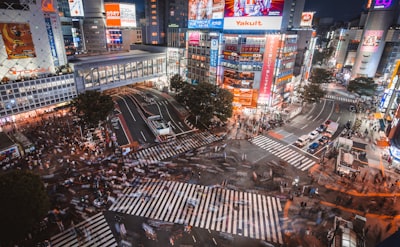
- Tokyo: A vibrant metropolis blending tradition with ultra-modernity. Explore the bustling Shibuya Crossing, the historic Senso-ji Temple, the Imperial Palace, the fashion-forward Harajuku district, and the tranquil Shinjuku Gyoen National Garden.
- Kyoto: The ancient capital, renowned for its exquisite temples, traditional wooden machiya houses, geisha districts (Gion), beautiful gardens, and iconic bamboo groves of Arashiyama. Many significant Buddhist temples are here, like Kinkaku-ji (Golden Pavilion) and Fushimi Inari Taisha with its thousands of red torii gates.
- Nara: Easily accessible from Kyoto or Osaka, Nara is famous for its friendly, free-roaming deer and magnificent temples, including Todai-ji Temple, housing a giant bronze Buddha statue.
- Hiroshima & Miyajima: Visit the poignant Peace Memorial Park and Museum in Hiroshima, a powerful reminder of history. Then take a ferry to Miyajima Island, home to the iconic "floating" torii gate of Itsukushima Shrine.
- Mount Fuji & Hakone: Experience the majestic Mount Fuji, Japan's highest peak. The nearby Hakone region offers stunning views of Fuji, hot springs (onsen), and beautiful natural scenery.
- Japanese Buddhist Temples: Beyond Kyoto and Nara, discover the spiritual tranquility of places like Koyasan (Mount Koya), a UNESCO World Heritage site and the center of Shingon Buddhism, offering temple lodging (shukubo).
How to Reach Japan
Japan is excellently connected to the world by air, with major international airports serving as primary gateways:
- Narita International Airport (NRT), Tokyo: The main international hub serving Tokyo, with numerous flights from North America, Europe, and Asia.
- Haneda Airport (HND), Tokyo: Closer to central Tokyo and increasingly handling international flights, especially from Asian destinations.
- Kansai International Airport (KIX), Osaka: The main gateway for the Kansai region, including Kyoto, Osaka, and Nara.
- Chubu Centrair International Airport (NGO), Nagoya: Serves central Japan.
Direct flights from major cities in India to Japan (e.g., Delhi, Mumbai to Tokyo) are available, and the ongoing tourism cooperation aims to further enhance these connections.
Local Food Guide: A Taste of Japan's Culinary Excellence
Japanese cuisine is an art form, celebrated globally for its delicate flavors, fresh ingredients, and aesthetic presentation.
- Sushi & Sashimi: Iconic dishes featuring expertly prepared rice and fresh raw fish. Visit a sushi restaurant (sushiya) for an authentic experience.
- Ramen: A comforting bowl of noodles in broth, with various regional styles and toppings.
- Udon & Soba: Thick (udon) and thin (soba) wheat or buckwheat noodles, served hot in broth or cold with dipping sauce.
- Tempura: Lightly battered and deep-fried seafood and vegetables.
- Izakaya: Japanese pubs offering a wide array of small dishes (yakitori, gyoza, edamame) perfect for sharing with drinks.
- Street Food: Explore local markets for takoyaki (octopus balls), okonomiyaki (savory pancakes), and yakitori (skewered grilled chicken).
- Drinks: Sake (rice wine), Japanese whisky, and green tea (matcha).
- Dining Etiquette: Slurping noodles is considered polite and a sign of enjoyment. It's customary to say "Itadakimasu" before eating and "Gochisousama deshita" after. Tipping is generally not practiced in Japan.
Public Transport in Japan
Japan's public transport system is world-renowned for its efficiency, punctuality, and cleanliness.
- Trains (Japan Rail - JR): The backbone of intercity travel. The Shinkansen (bullet train) connects major cities rapidly. Consider purchasing a Japan Rail Pass if you plan extensive travel, as it offers unlimited travel on JR lines for a set period, often proving cost-effective for tourists.
- Subways/Metros: Excellent for navigating major cities like Tokyo, Osaka, and Kyoto. Purchase an IC card (Suica, Pasmo, Icoca) for seamless travel across various transport networks.
- Buses: Comprehensive bus networks serve areas not covered by trains, especially in rural regions and for local city travel.
- Taxis: Clean and efficient but expensive, especially in cities.
- Ferries: Connect the main islands and provide access to smaller islands like Miyajima.
Travel Budget Tips for Japan
Japan is often perceived as expensive, but with smart planning, it can be explored on various budgets.
- Budget: Hostels (dorm beds from $20-40), capsule hotels ($30-60), business hotels ($70-120).
- Mid-range: Mid-tier hotels, traditional ryokans (Japanese inns, $100-250).
- Luxury: High-end hotels, deluxe ryokans ($250+).
- Food: Convenience stores (konbini) offer cheap and tasty meals ($5-10). Local ramen shops, udon restaurants, and izakayas offer affordable and delicious meals ($10-25). High-end dining can be very expensive ($50+).
- Transport: The Japan Rail Pass is crucial for budget-conscious extensive travel. For local transport, IC cards are convenient. Consider local passes if staying in one city for a few days.
- Activities: Many temples and gardens have modest entrance fees ($3-10). Look for free walking tours or explore public parks.
- Saving Money: Eat at convenience stores or local eateries, buy a JR Pass, book accommodation in advance (especially during peak seasons), and focus on free attractions like parks and walking districts.
Hotels and Accommodation in Japan
Japan offers a fascinating range of accommodation experiences:
- Hostels & Guesthouses: High-quality, clean, and often stylish, offering dorms and private rooms, popular with backpackers and budget travelers.
- Capsule Hotels: A unique Japanese experience, offering compact sleeping pods, primarily in major cities, good for solo travelers.
- Business Hotels: Efficient, clean, and well-equipped with amenities, often near train stations, catering to both business and leisure travelers.
- Ryokans: Traditional Japanese inns, offering tatami rooms, futon beds, and often a communal bath (onsen) and traditional meals (kaiseki). A quintessential Japanese experience.
- Minshuku: Simpler, family-run versions of ryokans, offering a more rustic and often cheaper experience.
- Love Hotels: Themed hotels for couples, offering hourly or overnight rates, often with unique amenities.
- Airbnb/Vacation Rentals: Increasingly popular, offering more space and a local living experience.
Safety Tips for Japan
Japan is renowned as one of the safest countries in the world.
- General Safety: Crime rates are extremely low. It's generally safe to walk alone at night, even in major cities.
- Natural Disasters: Japan is prone to earthquakes and tsunamis. Familiarize yourself with emergency procedures in your accommodation and follow local advisories. There are robust early warning systems.
- Health: Tap water is safe to drink. Public healthcare is excellent. Pack any essential prescription medications, as some foreign drugs might not be available or legal.
- Respect Local Customs: Politeness and respect are highly valued. Be mindful of quiet rules on public transport, queuing, and not eating or talking loudly on trains. Tipping is not customary and can even be considered rude.
- Language Barrier: While many signs are in English in major tourist areas, not everyone speaks English, especially outside big cities. A translation app can be very helpful.
- Emergency Numbers: Police (110), Ambulance/Fire (119).
Bridging Cultures: The India-Japan Tourist Experience
The enhanced tourism ties between India and Japan create a unique opportunity for travelers to experience both countries in a cohesive journey. The focus on
Buddhist sites provides a natural spiritual bridge, allowing visitors to trace the path of Buddha from his birth in India to the spread of his teachings that deeply influenced Japanese culture.
Beyond spirituality, these nations offer a rich tapestry of
cultural exchange. Student visits are encouraged, fostering a new generation of travelers who understand and appreciate both traditions. Private sector involvement is aimed at creating innovative tour packages, potentially combining the ancient wonders of India with the futuristic marvels and serene landscapes of Japan. Imagine a trip that blends yoga and meditation in Rishikesh with a tranquil Zen garden visit in Kyoto, or savoring Indian curries before indulging in delicate Japanese sushi. This collaboration promises not just travel, but a truly transformative cross-cultural adventure.
FAQ Section
Q1: What are the visa requirements for visiting India and Japan?
A1: Visa requirements vary based on your nationality. Both India and Japan generally require visas for most foreign nationals. India offers an e-Visa facility for many countries, which simplifies the application process. Japan also has specific visa requirements; it's essential to check the official embassy websites of India and Japan in your country well in advance of your trip for the most up-to-date information.
Q2: Is it possible to combine a trip to India and Japan into one itinerary?
A2: Absolutely! With increased air connectivity and a focus on cross-cultural tourism, combining a trip to India and Japan is becoming more viable. Many airlines offer routes between the two countries. You could plan a spiritual journey focusing on Buddhist sites in India (e.g., Bodhgaya, Sarnath) followed by exploring Japan's rich Buddhist heritage in Kyoto, Nara, and Koyasan.
Q3: What currency is used in India and Japan?
A3: In India, the currency is the
Indian Rupee (INR). In Japan, the currency is the
Japanese Yen (JPY). It's advisable to carry some local currency, especially in India for smaller transactions, though cards are widely accepted in major cities in both countries. ATMs are readily available.
Q4: What are the main cultural differences to be aware of?
A4: Both countries have deep-rooted cultural traditions.
- India: Emphasizes respect for elders, hospitality, and family values. Public displays of affection are generally frowned upon. Bargaining is common in markets.
- Japan: Values politeness, punctuality, respect for rules, and harmony. Tipping is not customary. Removing shoes before entering homes or certain establishments is standard.
Always observe and respect local customs to ensure a smooth and enjoyable trip.
Q5: Are English speakers common in India and Japan?
A5: In India, English is widely spoken, especially in tourist areas, hotels, and major cities, as it is one of the official languages. In Japan, English proficiency varies. While major tourist hubs, train stations, and international hotels often have English-speaking staff, it can be less common in rural areas. Having a translation app or a phrasebook is recommended for Japan.
Q6: What specific health precautions should I take for these destinations?
A6: For India, consult your doctor about recommended vaccinations (e.g., Hepatitis A & B, Typhoid, Tetanus). Drink only bottled water, avoid ice, and be cautious with uncooked food. For Japan, tap water is safe to drink, and healthcare facilities are excellent. Always have comprehensive travel insurance for both countries.
Q7: How can I ensure responsible and sustainable tourism in India and Japan?
A7:
- Respect Local Culture: Dress modestly, especially at religious sites. Ask for permission before taking photos of people.
- Support Local Businesses: Purchase goods from local artisans, dine at local restaurants, and stay in locally owned accommodations.
- Minimize Environmental Impact: Reduce waste, conserve water, and avoid disturbing wildlife. Follow designated paths in natural areas.
- Learn a Few Phrases: Attempting basic greetings in Hindi or Japanese will be greatly appreciated by locals.
Conclusion
The collaborative spirit between India and Japan heralds an exciting new era for international tourism. By leveraging their rich historical and cultural connections, particularly through the promotion of shared Buddhist heritage, these nations are opening doors to more accessible, enriching, and deeply resonant travel experiences. From the spiritual heartlands of India to the serene temples and futuristic cityscapes of Japan, a journey through these two countries promises an unparalleled adventure. As air connectivity improves and cultural exchanges flourish, travelers are invited to embark on a transformative expedition, discovering the vibrant traditions, breathtaking landscapes, and warm hospitality that define India and Japan. Now is the perfect moment to explore these incredible destinations and be part of this evolving story of friendship and discovery.