Tourism contributes 10% of GSDP of Sikkim: CM
Sikkim: A Journey into the Heart of the Himalayas – India's Sustainable Paradise
Nestled in the lap of the Eastern Himalayas, Sikkim emerges as a jewel among Indian states, renowned for its pristine natural beauty, vibrant culture, and an unwavering commitment to sustainable development. This enchanting state, often referred to as the "Land of Mystical Grandeur," offers a unique blend of adventure, spirituality, and tranquility, drawing travelers from across the globe. With lush valleys, snow-capped peaks, glistening lakes, and cascading waterfalls, Sikkim is a paradise for nature lovers and adventurers alike.
Chief Minister Prem Singh Tamang has consistently highlighted the pivotal role of tourism in the state's economic fabric, noting that it contributes a significant 10% to Sikkim's Gross State Domestic Product (GSDP). This underscores a strategic focus on bolstering the tourism sector, not just for economic growth but also as a vehicle for community empowerment and environmental preservation. The state is actively promoting eco-tourism and community-based models, ensuring that the benefits of tourism reach local populations while safeguarding Sikkim's delicate ecological balance.
The recent International Youth Conclave for tourism development, held in Yangang, served as a powerful testament to this vision. Coinciding with the celebration of 50 years of Sikkim's statehood, the conclave reinforced the state's progressive journey in environmental conservation and sustainable development. CM Tamang emphasized that Sikkim's growth trajectory is intrinsically linked to responsible tourism, advocating for practices that respect nature, local traditions, and foster a symbiotic relationship between visitors and the host community. This guide will take you through the myriad wonders of Sikkim, offering insights for an unforgettable and responsible travel experience.
Boosting Tourism: Sikkim's Vision for Sustainable Growth
Sikkim's approach to tourism is deeply rooted in sustainability. The state government, under CM Prem Singh Tamang, is not merely aiming for higher tourist numbers but for a model of tourism that is enriching, responsible, and equitable. Eco-tourism in Sikkim is not just a buzzword; it's a way of life that encourages minimal environmental impact, promotes cultural understanding, and provides direct financial benefits for conservation and local communities. This includes:
- Community-based Homestays: Encouraging tourists to stay in local homes, experiencing authentic Sikkimese hospitality, cuisine, and culture, while directly supporting local families.
- Responsible Trekking and Camping: Promoting designated trails, proper waste management, and discouraging practices that harm the pristine environment.
- Organic Farming Initiatives: Showcasing Sikkim's status as India's first fully organic state, often integrating farm visits and organic food experiences into tourism packages.
- Cultural Preservation: Supporting local artisans, traditional performances, and the maintenance of ancient monasteries and heritage sites.
The International Youth Conclave at Yangang symbolized Sikkim's forward-looking stance, engaging the next generation in shaping a sustainable tourism future. As Sikkim celebrates 50 years of statehood, its journey has been marked by significant strides in environmental conservation, leading by example in areas like plastic ban implementation and renewable energy adoption. Visiting Sikkim means becoming a part of this inspiring narrative of progress and preservation.
Best Time to Visit Sikkim
Sikkim's diverse climate offers different charms throughout the year, making it a year-round destination depending on your preferences.
Spring (March to May): Rhododendrons and Clear Skies
This is arguably one of the best times to visit. The weather is delightfully pleasant, with temperatures ranging from 10°C to 20°C. The valleys burst into a riot of colors as rhododendrons, orchids, and other alpine flowers bloom, especially in places like Yumthang Valley (the "Valley of Flowers"). The skies are generally clear, offering breathtaking views of the Kanchenjunga range. It's ideal for trekking, sightseeing, and photography.
Monsoon (June to September): Lush Greenery and Waterfalls
While the monsoon brings heavy rainfall, it transforms Sikkim into a lush, emerald paradise. The mountains are veiled in mist, and waterfalls gush down with full force, creating dramatic landscapes. Temperatures hover around 15°C to 25°C. This period is less crowded, offering a serene experience for those who appreciate the raw beauty of nature amidst the rain. However, landslides can occur, occasionally disrupting travel plans. Trekkers should be cautious, but budget travelers might find good deals.
Autumn (October to November): Festival Season and Panoramic Views
Post-monsoon, the skies clear up, offering the most spectacular, unobstructed views of the Himalayas. The weather is cool and crisp (5°C to 15°C), making it perfect for all kinds of outdoor activities. This is peak tourist season, coinciding with major festivals like Diwali and the Kanchenjunga Festival, offering cultural immersion opportunities. Book accommodations and transport in advance if traveling during this period.
Winter (December to February): Snowfall and Serenity
Winter in Sikkim is cold, with temperatures often dropping below freezing, especially in higher altitudes where heavy snowfall is common. While some high-altitude areas like Gurudongmar Lake and Nathula Pass might become inaccessible due to snow, lower regions offer a serene, peaceful escape. Places like Gangtok and Pelling receive occasional snowfall, creating a magical white landscape. It's ideal for those seeking snow experiences, cozy evenings by a fireplace, and fewer crowds. Pack heavy woolens.
Top Attractions in Sikkim: Unveiling Himalayan Wonders
Sikkim's landscape is dotted with mesmerizing attractions, each offering a unique experience. From sacred lakes to ancient monasteries and snow-clad peaks, there's something for every traveler.
East Sikkim: The Gateway to Grandeur
- Gangtok: The vibrant capital city, a bustling hub with panoramic mountain views, monasteries, and bustling markets. Don't miss the Enchey Monastery, Ganesh Tok, Hanuman Tok, and the MG Marg, a vehicle-free promenade perfect for an evening stroll.
- Tsomgo Lake (Changu Lake): A pristine glacial lake situated at an altitude of 12,400 feet. It's considered sacred and changes colors with the seasons. A yak ride here is a must-do experience.
- Nathula Pass: An Indo-China border trade post at 14,140 feet, offering breathtaking views and a historical connection. *Requires special permits.*
- Baba Harbhajan Singh Mandir: A unique temple dedicated to a valiant Indian army soldier, revered by locals and soldiers alike.
North Sikkim: The Land of Pristine Wilderness
- Lachen & Lachung: Charming sister villages that serve as bases for exploring North Sikkim. They offer a glimpse into the traditional lifestyle of the Bhutia community.
- Gurudongmar Lake: One of the highest lakes in the world (17,800 feet), it's a sacred site for Buddhists, Sikhs, and Hindus. Its surreal turquoise waters are partially frozen for most of the year. *Requires special permits and is challenging to reach.*
- Yumthang Valley (Valley of Flowers): Famous for its vibrant alpine flowers, hot springs, and lush meadows, especially beautiful during spring.
- Chopta Valley & Thangu: Less explored but equally stunning, these valleys offer spectacular landscapes and are perfect for trekking enthusiasts.
West Sikkim: History, Heritage, and Heavenly Views
- Pelling: The second most popular tourist destination after Gangtok, offering magnificent views of the Kanchenjunga and surrounding peaks.
- Pemayangtse Monastery: One of the oldest and most significant monasteries in Sikkim, known for its exquisite architecture and ancient Buddhist relics.
- Rabdentse Ruins: The ruins of Sikkim's second capital, offering a historical walk amidst beautiful surroundings with views of the valley.
- Khecheopalri Lake: A sacred wish-fulfilling lake, revered by both Buddhists and Hindus. It's unique for being completely free of leaves, despite being surrounded by dense forests.
- Yuksom: The first capital of Sikkim, a historical village and the starting point for the famous Goechala trek to Kanchenjunga base camp.
South Sikkim: Culture, Charms, and Tea Gardens
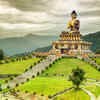
- Namchi: Known for its giant statues and pilgrimage centers. Visit the replica of Char Dham and the massive statue of Guru Padmasambhava at Samdruptse Hill.
- Temi Tea Garden: Sikkim's only tea estate, producing high-quality organic tea. Enjoy a guided tour and breathtaking views of the rolling hills.
- Ravangla: A picturesque town offering panoramic views of the Himalayas, including Mt. Kanchenjunga, Mt. Pandim, and Mt. Siniolchu. Home to the Buddha Park (Tathagata Tsal).
How to Reach Sikkim
Sikkim's mountainous terrain makes connectivity unique. While the state has its own airport, the most common gateways are in neighboring West Bengal.
By Air:
- Pakyong Airport (PYG): Located about 31 km from Gangtok, this is Sikkim's only airport. It has limited connectivity, primarily to Kolkata and Delhi. If you find a direct flight, it's the most convenient option.
- Bagdogra Airport (IXB), West Bengal: This is the primary gateway to Sikkim for most travelers. Located near Siliguri, it's well-connected to major Indian cities like Delhi, Kolkata, Mumbai, and Bangalore. From Bagdogra, you can hire a private taxi (approx. 4-5 hours to Gangtok), take a shared jeep, or opt for a helicopter service (seasonal and weather-dependent, approx. 30 minutes).
By Rail:
- New Jalpaiguri (NJP) Railway Station, West Bengal: NJP, also near Siliguri, is the nearest major railway head to Sikkim. It has excellent rail connectivity to all major cities across India. From NJP, you can follow the same transport options as from Bagdogra – private taxis, shared jeeps, or buses to Gangtok. The road journey from NJP to Gangtok takes approximately 4-5 hours.
By Road:
- National Highway 10: This highway is the lifeline connecting Sikkim to the rest of India via Siliguri in West Bengal. The journey through NH10 offers spectacular views of the Teesta River.
- Shared Jeeps/Sumos: These are the most common and economical way to travel from Siliguri/NJP/Bagdogra to Gangtok and other towns in Sikkim. They operate on a seat-sharing basis and can be found at designated stands.
- Private Taxis: For more comfort and flexibility, private taxis are readily available but are more expensive.
- Buses: State-run buses also operate between Siliguri and Gangtok, but they are generally slower and less frequent than shared jeeps.
*Permit Note:* Indian nationals do not require a permit to enter Sikkim itself, but special Inner Line Permits (ILP) are required for visiting restricted areas like North Sikkim (Lachen, Lachung, Gurudongmar Lake, Yumthang Valley) and parts of East Sikkim (Tsomgo Lake, Nathula Pass). Foreign nationals require a Restricted Area Permit (RAP) to enter Sikkim and further Protected Area Permits (PAP) for restricted zones. These can be obtained from designated offices in Siliguri, Rangpo, Melli, or Gangtok, often through registered tour operators.
Local Food Guide: Savoring the Flavors of Sikkim
Sikkimese cuisine is a delightful blend of Nepalese, Tibetan, and indigenous influences, known for its wholesome ingredients and unique flavors. The state's organic farming policy ensures that much of the produce is fresh and healthy.
- Momos: The ubiquitous dumplings, a must-try. Available steamed or fried, with various fillings like pork, chicken, beef, or vegetables, served with spicy chili sauce and soup.
- Thukpa: A hearty noodle soup, perfect for cold weather. It comes with vegetables and often meat (chicken, pork, or beef) and is incredibly comforting.
- Phagshapa: A traditional dish featuring strips of pork fat stewed with radishes and dried chilies, giving it a distinct flavor.
- Gundruk: A fermented leafy green vegetable soup, tangy and nutritious, often served with rice.
- Sinki: Similar to Gundruk but made from radish taproots, also fermented and used in soups or pickles.
- Kinema: Fermented soybean preparation, often used as a side dish or in curries, known for its pungent aroma and unique taste.
- Sael Roti: A traditional Nepalese ring-shaped bread, often served during festivals, made from fermented rice batter.
- Chhurpi: Hard cheese made from yak milk, often eaten raw, or added to curries and soups.
- Sha Phaley: Tibetan bread stuffed with seasoned ground beef or vegetables, then deep-fried.
- Chang (Tongba): A traditional local millet-based alcoholic beverage, served in a bamboo container with a straw, often sipped hot.
Where to Eat:
- MG Marg, Gangtok: Has numerous restaurants ranging from fine dining to casual cafes offering Sikkimese, Indian, and continental cuisines.
- Local Eateries: Don't shy away from smaller, local restaurants or roadside stalls for authentic and budget-friendly meals.
- Homestays: Offer the most authentic experience, with home-cooked meals often prepared with organic ingredients from their own farms.
Public Transport in Sikkim
Navigating Sikkim's mountainous terrain is primarily done via road. While options are available, understanding the local transport system is key to smooth travel.
- Shared Jeeps (Sumos/Mahindras): These are the backbone of public transport in Sikkim. They operate on a seat-sharing basis, connecting major towns like Gangtok, Pelling, Ravangla, Namchi, and the entry/exit points like Siliguri and NJP. They are economical and efficient for covering distances. Fares are fixed, and jeeps depart once full. You can find shared jeeps at designated taxi stands (e.g., Deorali Stand in Gangtok for North Sikkim, Vajra Stand for South/West Sikkim).
- Private Taxis: For convenience, flexibility, and comfort, private taxis are available for hire. They are more expensive but offer door-to-door service and the freedom to stop at scenic spots along the way. These are ideal for families or groups. You can book them through hotels or local taxi stands.
- Local Buses: The Sikkim Nationalized Transport (SNT) operates a limited number of buses connecting some towns. They are the cheapest option but are less frequent and slower compared to jeeps. Not ideal for travelers with limited time or specific itineraries.
- Permit-Specific Transport: For restricted areas like North Sikkim, Tsomgo Lake, and Nathula Pass, you typically need to book a registered taxi (often through a tour operator) that has the necessary permits. Shared taxis are also available for these routes, but they also require a valid permit for all passengers.
- Within Gangtok: Local taxis are abundant for getting around the city. For short distances, walking is also pleasant, especially on MG Marg.
Travel Budget Tips for Sikkim
Sikkim can cater to various budgets, from luxurious to backpacker-friendly. Here’s how to manage your expenses:
- Budget: Opt for homestays in villages (approx. ₹800-₹1500 per night with meals) or budget guesthouses in towns (₹1000-₹2000).
- Mid-range: Stay in 3-star hotels (₹2500-₹4500) which offer good amenities.
- Luxury: Resorts and premium hotels (₹5000+ per night) are available in Gangtok and Pelling.
- Tip: Book homestays directly or through local operators for better deals and an authentic experience.
- Budget: Eat at local eateries, roadside stalls, and small restaurants for delicious momos, thukpa, and local curries (₹150-₹300 per meal).
- Mid-range: Dine at popular restaurants on MG Marg or hotel restaurants (₹400-₹800 per meal).
- Tip: If staying in a homestay, often meals are included or available at a very reasonable price.
- Budget: Rely heavily on shared jeeps between towns (₹200-₹500 for a major route). For restricted areas, consider joining a shared tour for permits and transport costs.
- Mid-range/Luxury: Hire private taxis for flexibility (₹2500-₹4000 for a full day of sightseeing, ₹4000-₹7000 for inter-town travel, depending on distance).
- Tip: Group travel helps split private taxi costs, making it more affordable.
- Permits: Costs for permits are usually minimal (₹50-₹200 per person per area for Indians; foreign nationals' permits might be a bit higher or included in tour packages). The real cost is often associated with the special taxis needed to reach these areas.
- Activities: Many natural attractions like waterfalls and viewpoints are free. Entry fees for monasteries are usually nominal (₹20-₹50). Guided treks or adventure sports will add to the cost, so budget accordingly.
- Off-Season Travel: Visiting during the monsoon or early winter can often lead to lower accommodation and travel prices due to fewer tourists.
Estimated Daily Budget (excluding flights/trains to Sikkim):
- Backpacker: ₹1500 - ₹2500 (shared accommodation, local food, shared transport)
- Mid-range: ₹3000 - ₹5000 (mid-range hotel, varied food, mix of shared/private transport)
- Luxury: ₹6000+ (premium accommodation, fine dining, private transport)
Hotels and Accommodation in Sikkim
Sikkim offers a wide range of accommodation options to suit every preference and budget, from luxurious resorts to quaint homestays.
- Homestays: Increasingly popular and highly recommended for an authentic cultural experience. They are often run by local families, providing comfortable lodging, home-cooked meals, and insights into local life. Many homestays, especially in remote villages, are part of the state's community-based eco-tourism initiatives, directly benefiting local economies. You can find excellent homestays in Yuksom, Pelling, Ravangla, and various smaller villages.
- Luxury: High-end hotels and resorts with modern amenities, spas, and stunning views are primarily found in Gangtok and Pelling. These offer a comfortable and indulgent stay.
- Mid-range: A vast selection of 3-star and 4-star hotels are available in major towns like Gangtok, Pelling, and Namchi, offering good services, comfortable rooms, and convenient locations.
- Budget: Numerous guesthouses and budget hotels can be found across all towns, providing basic amenities at affordable rates.
- Resorts: Located in scenic outskirts of towns, offering tranquility and often more expansive facilities like gardens, private balconies, and dedicated staff.
- Advance Booking: Essential during peak seasons (Spring and Autumn) and for special permits (especially North Sikkim) as popular options fill up quickly.
- Location: In Gangtok, staying near MG Marg is convenient for access to restaurants and shops. In Pelling, many hotels offer direct views of Kanchenjunga.
- Read Reviews: Always check recent reviews to ensure the quality and services meet your expectations.
Safety Tips for Travelers in Sikkim
Sikkim is generally a very safe state for tourists. However, being prepared and aware of certain aspects will ensure a smooth and enjoyable trip.
- Permits are Crucial: For restricted areas (North Sikkim, Nathula Pass, Tsomgo Lake), permits are mandatory for both Indian and foreign nationals. Always carry valid ID (Aadhar Card/Voter ID for Indians, Passport/Visa for foreigners) and multiple photocopies. Obtain permits in advance, preferably through a registered tour operator.
- Altitude Sickness (AMS): Many popular spots in Sikkim are at high altitudes (e.g., Gurudongmar Lake at 17,800 ft, Nathula Pass at 14,140 ft).
- Acclimatize properly, especially if traveling to higher altitudes. Spend a day or two in Gangtok (5,410 ft) before ascending.
- Stay hydrated, avoid alcohol and heavy meals.
- If you experience severe headache, nausea, dizziness, or shortness of breath, descend immediately and seek medical help. Consult your doctor before traveling if you have pre-existing conditions.
- Weather Variability: Mountain weather is unpredictable. Carry layers of clothing, including warm wear, rain gear, and comfortable walking shoes, regardless of the season.
- Road Conditions: Roads can be winding and sometimes challenging, especially during monsoon when landslides are possible. Drive carefully, and avoid self-driving unless you are experienced with mountain roads. Trust local drivers.
- Health & Hydration: Carry personal medications, a basic first-aid kit, and hand sanitizer. Drink bottled or filtered water to avoid stomach upsets.
- Respect Local Culture: Sikkim is predominantly Buddhist with strong cultural traditions.
- Dress modestly, especially when visiting monasteries and religious sites.
- Circumambulate monasteries and stupas clockwise.
- Seek permission before photographing people, especially monks.
- Remove your shoes before entering temples and homes.
- Do not litter. Sikkim is known for its cleanliness. Carry a trash bag and dispose of waste properly.
- Avoid plastics where possible.
- Do not pluck flowers or disturb wildlife.
- Support local businesses and homestays.
- Wildlife Encounters: While rare, be mindful of wildlife, especially during treks. Do not feed wild animals.
- Emergency Contacts: Keep a list of emergency numbers (local police, hospital, your accommodation). Most mobile networks work well in Gangtok and Pelling, but connectivity can be patchy in remote areas.
FAQ Section
Q1: Do I need a permit to visit Sikkim?
A1: Indian nationals do not need a permit to enter Sikkim, but require Inner Line Permits (ILP) for restricted areas like North Sikkim (Lachen, Lachung, Yumthang, Gurudongmar Lake) and some parts of East Sikkim (Tsomgo Lake, Nathula Pass). Foreign nationals require a Restricted Area Permit (RAP) to enter Sikkim and further Protected Area Permits (PAP) for restricted zones. These can be obtained through tour operators or government offices.
Q2: What is the best way to travel within Sikkim?
A2: Shared jeeps (Sumos) are the most common, economical, and efficient way to travel between towns. For comfort and flexibility, private taxis are available. For restricted areas, you usually need to book a registered taxi with necessary permits, often through a tour operator.
Q3: Is Sikkim safe for solo female travelers?
A3: Yes, Sikkim is generally considered very safe for solo female travelers. The local population is friendly and helpful. However, it's always advisable to take standard travel precautions, avoid isolated areas at night, and inform someone about your itinerary.
Q4: What kind of clothes should I carry for a trip to Sikkim?
A4: Pack in layers. Even in summer, evenings can be cool. Essential items include warm jackets, sweaters, thermals (especially for winter or high altitudes), comfortable walking shoes, rain gear (umbrella/raincoat), and caps/gloves.
Q5: Is vegetarian food easily available in Sikkim?
A5: Yes, vegetarian food is widely available, particularly in Gangtok and other major towns. Most restaurants offer Indian vegetarian dishes, and local cuisine also has vegetarian options like momos, thukpa, gundruk, and various vegetable curries.
Q6: Can I use my mobile network in Sikkim?
A6: Most major Indian mobile networks (Jio, Airtel, Vodafone Idea) have good connectivity in Gangtok and Pelling. However, network coverage can be patchy or non-existent in remote areas and higher altitudes. BSNL tends to have better coverage in very remote locations.
Q7: Are ATM facilities readily available in Sikkim?
A7: ATMs are widely available in Gangtok, Pelling, Namchi, and other larger towns. However, in smaller villages and remote areas, ATM access might be limited. It's advisable to carry sufficient cash, especially when traveling to rural or high-altitude regions.
Q8: What about the local culture and etiquette?
A8: Sikkim has a rich Buddhist culture. Be respectful when visiting monasteries (dress modestly, remove shoes), do not point your feet at religious objects, and always circumambulate prayer wheels and stupas clockwise. Ask for permission before taking photos of people.
Q9: What are some responsible tourism practices to follow?
A9: Do not litter; carry your waste until you find a bin. Support local businesses, buy local handicrafts. Respect wildlife and natural habitats. Conserve water and electricity. Engage with local communities respectfully.
Conclusion: Your Sustainable Himalayan Adventure Awaits
Sikkim is more than just a destination; it's an experience that rejuvenates the soul and invigorates the spirit. Its commitment to eco-tourism and sustainable development, as championed by Chief Minister Prem Singh Tamang, offers a unique opportunity for travelers to immerse themselves in nature and culture responsibly. From the tranquil monasteries and vibrant markets of Gangtok to the mystical lakes of North Sikkim and the serene tea gardens of the South, every corner of this Himalayan state tells a story of natural beauty and cultural richness.
Whether you're an intrepid trekker, a spiritual seeker, a nature photographer, or simply looking for a peaceful retreat, Sikkim promises an unforgettable journey. Embrace its pristine beauty, engage with its warm-hearted people, and contribute to its vision of a sustainable future. Plan your trip to Sikkim today and discover why this "Land of Mystical Grandeur" is truly India's sustainable paradise.