Mumbai-Goa highway to be completed by June: Gadkari
Unlock the Ultimate Coastal Journey: The Mumbai-Goa Highway Adventure Awaits!
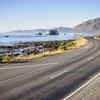
Get ready to redefine your travel experience along India's stunning western coast! Exciting news from Union Minister Gadkari signals a new era for road trippers and holidaymakers alike: the much-anticipated Mumbai-Goa highway is set to be fully completed by June. This monumental achievement promises to transform the journey between the bustling metropolis of Mumbai and the serene beaches of Goa, offering a smooth, pothole-free ride that was once a distant dream. But the good news doesn't stop there. India's road infrastructure is undergoing a massive transformation, with plans to remove physical toll booths across the country soon and introduce a new, streamlined toll policy. This commitment to world-class infrastructure is not just a promise; it's a vision, with confidence expressed that India's roads will rival and even surpass those of the United States within the next two years.
This isn't just about a faster route; it's about unlocking a richer, more accessible travel corridor. Imagine driving through breathtaking landscapes, stopping at charming coastal towns, and seamlessly connecting two of India's most iconic destinations. This comprehensive guide is your ultimate companion to navigating this incredible journey, exploring the vibrant culture of Mumbai, the tranquil beauty of Goa, and the hidden gems scattered along the picturesque Konkan coast. From essential travel tips and local food delights to accommodation recommendations and safety advice, we've got everything you need to plan an unforgettable adventure.
The Game-Changer: A New Era for Mumbai-Goa Travel
The completion of the Mumbai-Goa highway, a vital segment of National Highway 66 (NH66), is more than just a road project; it's a catalyst for tourism and economic development. For years, travelers have braved challenging stretches, but the upcoming completion promises a vastly improved experience. The multi-lane highway is designed to drastically cut down travel time, potentially reducing the journey from 12-14 hours to a comfortable 6-8 hours, depending on speed and stops. This reduction in travel time, coupled with a smooth riding surface, means less fatigue and more time to enjoy your destination.
The promise of removing physical toll booths nationwide and introducing a new toll policy is another significant benefit. Imagine driving uninterrupted, without the constant stop-and-go at toll plazas. This futuristic approach aims to leverage technology for seamless toll collection, further enhancing the efficiency and pleasure of long-distance travel. This initiative, part of India's broader push to upgrade its national highway network, signifies a commitment to world-class infrastructure that will benefit travelers for decades to come, setting a new benchmark for road quality and connectivity.
Best Time to Visit the Mumbai-Goa Corridor
Timing your trip is crucial for an optimal experience along the Mumbai-Goa route. The region experiences distinct seasons, each offering a unique charm.
Winter (October to March): The Golden Period
This is unequivocally the best time to visit both Mumbai and Goa, and ideal for a road trip. The weather is pleasant, with clear skies and moderate temperatures ranging from 20°C to 30°C.
- Mumbai: Perfect for sightseeing, exploring street markets, and enjoying outdoor activities without the oppressive humidity.
- Goa: The peak tourist season. Beaches are bustling, shacks are open, and water sports are in full swing. The sea is calm and inviting.
- Road Trip: Comfortable driving conditions, minimal chances of rain, and lush green landscapes after the monsoon.
Summer (April to May): Hot and Humid
Summer sees temperatures soaring, often exceeding 35°C, accompanied by high humidity.
- Mumbai: Can be challenging for extensive outdoor exploration due to the heat. However, it’s a good time for indoor attractions like museums and malls, or budget travel as hotel prices drop.
- Goa: Less crowded, making it ideal for those seeking solitude and lower prices. However, many beach shacks close, and the heat can be intense. Water sports might be limited.
- Road Trip: While the highway will be smooth, plan for early morning or late evening drives to avoid the midday heat. Ensure your vehicle’s air conditioning is in top shape.
Monsoon (June to September): Green and Serene
The monsoon transforms the Konkan coast into a lush, vibrant paradise, but also brings heavy rainfall.
- Mumbai: The city comes alive with the rains, but be prepared for potential waterlogging and traffic snarls. The greenery is stunning, but outdoor activities are limited.
- Goa: A unique experience for nature lovers. Waterfalls are gushing, rivers are full, and the landscapes are incredibly scenic. Hotel prices are significantly lower. However, many beach activities cease, and rough seas make swimming dangerous.
- Road Trip: While the highway is designed for all-weather travel, heavy rains can reduce visibility and make driving challenging. However, the misty hills and verdant scenery along the Konkan belt are breathtaking. Exercise caution, check weather forecasts, and drive defensively. The highway completion by June makes this an interesting time to be among the first to experience the improved route.
Top Attractions: Mumbai, Goa, and the Konkan Delights
The Mumbai-Goa corridor is a treasure trove of diverse experiences, from metropolitan marvels to coastal serenity.
Mumbai: The City That Never Sleeps
Mumbai, the financial capital and entertainment hub of India, offers a vibrant tapestry of history, culture, and modernity.
- Gateway of India: An iconic monument overlooking the Arabian Sea, a perfect starting point for city tours and boat rides to Elephanta Caves.
- Marine Drive (Queen's Necklace): A beautiful promenade perfect for evening strolls, offering stunning sunset views and a glimpse into Mumbai's relaxed side.
- Elephanta Caves: A UNESCO World Heritage Site accessible by ferry from the Gateway of India, featuring ancient rock-cut temples dedicated to Lord Shiva.
- Chhatrapati Shivaji Maharaj Terminus (CSMT): A historic railway station and another UNESCO site, renowned for its Victorian Gothic architecture.
- Dharavi Slum Tour: An eye-opening experience offering insights into the resilience and entrepreneurial spirit of its residents (choose a responsible tour operator).
- Juhu Beach & Chowpatty: Famous for street food, lively atmosphere, and iconic sunsets.
- Colaba Causeway: A bustling street market perfect for souvenir shopping, antique hunting, and people-watching.
Goa: India's Party Capital and Serene Beaches
Goa, divided into North and South, caters to all types of travelers, from party-goers to peace-seekers.
North Goa: Lively and Bustling
- Baga Beach & Calangute Beach: The most popular and crowded beaches, known for water sports, shacks, nightlife, and vibrant atmosphere.
- Anjuna Flea Market & Saturday Night Market: Iconic shopping experiences offering everything from handicrafts to clothes, food, and live music.
- Fort Aguada: A 17th-century Portuguese fort offering panoramic views of the Arabian Sea.
- Chapora Fort (Dil Chahta Hai Fort): Famous for its scenic views, especially at sunset.
- Vagator Beach: Known for its red cliffs, trance parties, and stunning sunsets.
South Goa: Tranquil and Picturesque
- Palolem Beach: A crescent-shaped beach known for its serene beauty, calm waters, and 'silent discos.'
- Colva Beach: One of the oldest and largest beaches in South Goa, popular with families.
- Cabo de Rama Fort: A historical fort offering spectacular views of the coastline, less crowded than North Goa forts.
- Dudhsagar Waterfalls: A majestic four-tiered waterfall located on the Mandovi River, a popular day trip from Goa (best visited post-monsoon).
- Old Goa (Velha Goa): A UNESCO World Heritage site featuring magnificent churches and cathedrals like the Basilica of Bom Jesus (housing St. Francis Xavier's relics) and Se Cathedral.
Along the Konkan Coast: Hidden Gems of Maharashtra
The real magic of the improved Mumbai-Goa highway lies in the opportunity to explore the lesser-known but equally captivating destinations of the Konkan coast.
- Alibaug: A popular weekend getaway from Mumbai, known for its beaches (Alibaug Beach, Mandwa Beach), Kolaba Fort, and tranquil vibes.
- Murud-Janjira Fort: An impregnable sea fort off the coast of Murud, accessible by ferry. A marvel of ancient engineering.
- Kashid Beach: Known for its white sand and clear blue waters, ideal for a relaxing stop.
- Ganpatipule: Famous for its pristine beach and the 400-year-old Swayambhu Ganesh Temple right on the shore.
- Ratnagiri: A historic port city, birthplace of Lokmanya Tilak, known for its Alphonso mangoes, Thibaw Palace, and Ratnadurg Fort.
- Tarkarli: A stunning beach destination near Malvan, famous for its clear waters, snorkeling, scuba diving, and backwater cruises.
- Sindhudurg Fort: Another majestic sea fort built by Chhatrapati Shivaji Maharaj, located near Malvan, offering a glimpse into Maratha history.
How to Reach: Navigating the New Highway and Beyond
The completion of the Mumbai-Goa highway primarily caters to road travelers, but connectivity to these regions is robust across all modes.
By Road: The Preferred Choice
With the new highway, driving will be the most rewarding way to travel.
- Self-Drive/Rental Car: This offers maximum flexibility to stop at scenic viewpoints, explore small towns, and truly experience the Konkan coast. Numerous car rental services operate in Mumbai and Goa.
- Buses: Many private and state-run bus operators ply the Mumbai-Goa route. With the improved highway, bus journeys will also become significantly faster and more comfortable. Book in advance, especially during peak season.
- Private Taxis: Hiring a private taxi or car with a driver is a comfortable option, especially for groups or those preferring not to drive.
By Air: Fastest Option
- Mumbai: Chhatrapati Shivaji Maharaj International Airport (BOM) is a major international and domestic hub.
- Goa: Dabolim Airport (GOI) is the older airport, while Mopa Airport (GOX), also known as Manohar International Airport, is the newer one in North Goa. Both serve domestic and international flights.
- Direct flights are available between major Indian cities and both Mumbai and Goa.
By Train: Scenic and Economical
The Konkan Railway offers one of India's most scenic train journeys, especially during and post-monsoon.
- Mumbai: Major railway stations include Chhatrapati Shivaji Maharaj Terminus (CSMT), Dadar, and Lokmanya Tilak Terminus (LTT).
- Goa: Madgaon (South Goa) and Thivim (North Goa) are the main railway stations.
- Booking in advance is highly recommended, especially for AC classes and during holidays.
By Ferry/Cruise (Mumbai to Goa): Leisurely Experience
While not a primary mode of transport for time-sensitive travel, luxury cruise lines occasionally offer services between Mumbai and Goa, providing a unique and leisurely way to travel along the coast. Check seasonal availability and operators.
Local Food Guide: A Culinary Journey
The Mumbai-Goa corridor is a gastronomic delight, offering a fusion of Maharashtrian, Konkan, and Portuguese flavors.
Mumbai: Street Food Capital & Culinary Hub
- Vada Pav: Mumbai's iconic street food – a spicy potato fritter (vada) sandwiched in a soft bread roll (pav).
- Pani Puri, Bhel Puri, Sev Puri: Tangy, spicy, and crunchy chaat items found on every street corner.
- Pav Bhaji: A rich, spicy vegetable mash served with buttered pav.
- Dosa & Idli: South Indian staples, perfect for breakfast or a quick snack.
- Frankie: A roll filled with spiced meat or vegetable stuffing.
- Seafood: Fresh seafood curries and fries are a must-try in coastal Mumbai restaurants.
- Parsi Cuisine: Explore unique Parsi dishes like Dhansak and Berry Pulao in old Parsi cafes.
Konkan Coast: Fresh Catch & Authentic Flavors
As you drive along the coast, stop at local eateries for authentic Konkan cuisine.
- Fish Thali: A staple, featuring fresh fish curry (often using local catches like pomfret, surmai, or mackerel), fried fish, solkadhi (a kokum-based drink), rice, and bhakri (rice flour bread).
- Malvani Cuisine: Known for its fiery spices and coconut-based gravies. Try Kombdi Vade (chicken curry with puri-like bread), Fish Curry, and prawn preparations.
- Solkadhi: A refreshing, digestive drink made from coconut milk and kokum, a perfect accompaniment to a spicy meal.
- Alphonso Mangoes (Seasonal): If visiting in summer, indulge in the world-famous Alphonso mangoes, especially in Ratnagiri.
Goa: Portuguese Influence & Seafood Paradise
Goan cuisine is a vibrant blend of Indian and Portuguese flavors, with a strong emphasis on seafood.
- Goan Fish Curry: A flavorful, tangy curry with coconut milk, often made with Kingfish or Pomfret.
- Pork Vindaloo: A fiery, sour, and spicy pork curry, a quintessential Goan dish.
- Chicken Cafreal: Green marinated chicken, roasted or pan-fried, packed with flavor.
- Xacuti: A rich coconut-based curry with roasted spices, often made with chicken or lamb.
- Prawn Balchão: A spicy, tangy prawn pickle.
- Goan Sausages (Choris): Spicy, cured pork sausages, often served with pav.
- Bebinca: A traditional Goan layered dessert, rich and sweet.
- Feni: Goa's local alcoholic spirit, distilled from cashew apples or coconut sap. Try it responsibly!
- Fresh Seafood: Indulge in grilled fish, calamari, prawns, and crabs at beach shacks and fine-dining restaurants.
Public Transport: Getting Around
While the highway enhances inter-city travel, understanding local public transport options is vital for exploring Mumbai and Goa.
Mumbai: The Lifeline
Mumbai's public transport is extensive and efficient.
- Local Trains: The backbone of Mumbai, connecting various parts of the city. While crowded, they are the fastest way to cover long distances.
- BEST Buses: Extensive bus network covering almost every corner of Mumbai.
- Metro & Monorail: Growing network providing modern, air-conditioned options for specific routes.
- Taxis & Auto-Rickshaws: Widely available, metered, and convenient for shorter distances. App-based services like Uber and Ola are also popular.
Goa: Options for Every Need
Goa's public transport is less structured than Mumbai's but serves its purpose.
- Scooters/Bikes: The most popular and flexible way to get around, easily available for rent across Goa.
- Taxis: Readily available but often more expensive than in other Indian cities. Negotiate fares or use prepaid counters. App-based taxis are gaining popularity in some areas.
- Auto-Rickshaws: Mostly available in towns, less common for inter-beach travel.
- Buses: Local buses connect major towns and some beaches, but service can be infrequent to remote areas.
- Pilot (Motorcycle Taxi): A unique Goan experience, a motorcycle taxi with a driver. Negotiate fares beforehand.
Travel Budget Tips: Making Your Trip Affordable
Traveling the Mumbai-Goa corridor can be as luxurious or as budget-friendly as you make it.
- Accommodation:
- Mumbai: Stay in guesthouses or hostels (e.g., in Colaba or Bandra) for budget options. Mid-range hotels are available in various localities. Book well in advance.
- Goa: Opt for guesthouses, homestays, or hostels (especially in North Goa) for cheaper stays. South Goa tends to have more resorts. Consider visiting during the shoulder season (early October, late March/April) for better deals.
- Konkan: Local homestays and small resorts offer authentic and affordable stays.
- Food:
- Street Food: In Mumbai and smaller towns, street food is delicious and incredibly cheap.
- Local Eateries: Dine at 'thali' restaurants for economical and wholesome meals.
- Cook Your Own (Goa): If staying in an Airbnb or guesthouse with kitchen facilities, buying fresh produce and seafood from local markets can save money.
- Avoid Tourist Traps: Restaurants right on popular beaches or in prime tourist spots often charge more. Venture a bit off the main drag for better value.
- Transport:
- Public Transport: In Mumbai, rely on local trains and buses. In Goa, rent a scooter for daily travel (ensure you have a valid license).
- Ride-Sharing: Use Uber/Ola in Mumbai. In Goa, consider splitting taxi fares with fellow travelers.
- Car Pooling: If driving from Mumbai to Goa, consider carpooling to share fuel costs.
- Activities:
- Free Attractions: Enjoy beaches, sunsets, walking tours, and exploring local markets, which are mostly free.
- Negotiate: For markets, small shops, and non-metered taxis/auto-rickshaws, always be prepared to bargain respectfully.
- Water Sports: Shop around for the best deals on water sports in Goa.
- Travel Off-Season/Shoulder Season: Prices for flights, hotels, and sometimes even activities drop significantly during the monsoon or summer months.
Hotels and Accommodation: From Budget to Luxury
The Mumbai-Goa route offers a vast spectrum of accommodation options to suit every budget and preference.
Mumbai: Diverse Stays
- Luxury: Taj Mahal Palace, Oberoi Mumbai, Four Seasons Hotel Mumbai, Grand Hyatt.
- Mid-Range: Novotel Mumbai Juhu Beach, The Lalit Mumbai, Trident Nariman Point, various business hotels in Bandra, Andheri.
- Budget/Boutique: The Gordon House Hotel, Abode Bombay (boutique), many guesthouses and hostels in Colaba, Bandra, and Andheri for backpackers and budget travelers.
Konkan Coast: Homely & Scenic
Along the Konkan stretch, options range from charming homestays to eco-resorts and government-run MTDC (Maharashtra Tourism Development Corporation) resorts.
- Homestays: Abundant in places like Alibaug, Ganpatipule, Tarkarli, offering authentic local experiences and home-cooked food.
- Beach Resorts: Many small to mid-sized resorts are dotted along popular beaches like Kashid, Ganpatipule, and Tarkarli, offering comfortable stays with sea views.
- MTDC Resorts: Reliable and often well-located, offering basic to mid-range facilities.
Goa: Party Pads to Tranquil Retreats
- Luxury Resorts: The Leela Goa, W Goa, Alila Diwa Goa, Taj Exotica Resort & Spa – offering world-class amenities, especially in South Goa.
- Mid-Range Hotels: Numerous options across North and South Goa, often close to popular beaches, offering comfortable stays with pools.
- Guesthouses & Beach Huts: Abundant, particularly in North Goa (Anjuna, Vagator, Baga) and South Goa (Palolem, Agonda). Ideal for budget travelers and those seeking a more rustic, bohemian experience.
- Hostels: Growing number of hostels like Zostel, HoJo, and The Hosteller, catering to backpackers and solo travelers, fostering a communal atmosphere.
- Villas/Apartments: Many options available through Airbnb or local rentals, great for families or groups.
Safety Tips for Your Mumbai-Goa Journey
While generally safe for tourists, it's always wise to exercise caution and be aware of your surroundings.
- Road Safety:
- Drive Defensively: Indian roads can be unpredictable. Be prepared for sudden stops, stray animals, and aggressive driving.
- Night Driving: Avoid driving late at night, especially on lesser-known stretches, if possible.
- Vehicle Maintenance: Ensure your vehicle is well-maintained before starting your journey. Carry a spare tire, basic tools, and a first-aid kit.
- Breaks: Take regular breaks to avoid fatigue, especially on long drives.
- Navigation: Use reliable GPS navigation apps like Google Maps.
- Personal Safety:
- Valuables: Keep valuables secure and out of sight. Use hotel lockers.
- Crowded Places: Be extra vigilant in crowded markets, bus/train stations, and tourist spots to guard against pickpocketing.
- Solo Travelers: Inform someone of your itinerary. Be cautious when out late, especially in less-crowded areas.
- Respect Local Customs: Dress modestly when visiting religious sites. Be mindful of cultural norms.
- Health and Hygiene:
- Water: Drink bottled water only. Avoid tap water and ice made from unfiltered water.
- Food: Eat from reputable establishments. While street food is delicious, choose vendors with good hygiene practices.
- Mosquitoes: Carry insect repellent, especially in Goa and coastal areas, to prevent mosquito-borne diseases.
- Sun Protection: Use sunscreen, wear hats, and stay hydrated, especially on beaches.
- Scams: Be wary of overly friendly strangers offering unsolicited help or excessively cheap deals. Always verify information from reliable sources.
Frequently Asked Questions (FAQ)
Q1: When will the Mumbai-Goa highway actually be completed?
A1: Union Minister Gadkari announced the Mumbai-Goa highway is expected to be completed by June. Travelers should check official updates closer to the date for precise information on full operational status.
Q2: How much time will the new highway save between Mumbai and Goa?
A2: The new multi-lane highway is expected to significantly reduce travel time, potentially cutting it down from 12-14 hours to a more comfortable 6-8 hours, depending on traffic, road conditions, and speed.
Q3: Will there be tolls on the new Mumbai-Goa highway?
A3: While traditional physical toll booths across the country are expected to be removed soon with a new toll policy, the new highway might utilize an advanced electronic toll collection system. Travelers should be prepared for some form of toll, albeit a more streamlined one.
Q4: Is it safe to drive the Mumbai-Goa highway during the monsoon season?
A4: The new highway is designed for all-weather travel. However, heavy monsoon rains can reduce visibility and cause slippery conditions. It's advisable to drive cautiously, check weather forecasts, and avoid night driving during peak monsoon. The scenery, however, is exceptionally lush.
Q5: What are the must-try food items along the Konkan coast?
A5: Along the Konkan coast, you must try fresh seafood thalis, Malvani curries (especially fish and chicken), Solkadhi (a kokum-based drink), and during summer, the famous Alphonso mangoes.
Q6: Can I rent a scooter in Goa without an Indian driving license?
A6: Foreign tourists can rent scooters in Goa with an International Driving Permit (IDP) along with their home country's driving license. Always carry all relevant documents. Ensure the scooter rental company is legitimate.
Q7: What is the best way to get around Mumbai?
A7: Mumbai has an excellent public transport system. Local trains are the fastest for long distances, while BEST buses, taxis, and app-based services like Uber/Ola are convenient for shorter trips. The Metro and Monorail network is also expanding.
Q8: Are there places to stop and stay overnight between Mumbai and Goa?
A8: Yes, absolutely! The Konkan coast offers numerous charming towns like Alibaug, Kashid, Murud, Ganpatipule, Ratnagiri, and Tarkarli, which are perfect for overnight stops or even multi-day explorations.
Q9: What types of accommodation are available in Goa?
A9: Goa offers a wide range of accommodation, from luxury resorts and mid-range hotels to budget-friendly guesthouses, beach shacks, and hostels. You can also find villas and apartments for rent.
Q10: Is it true that India's road infrastructure will surpass the US?
A10: Union Minister Gadkari expressed confidence that India's road infrastructure will surpass the United States in the next two years. This reflects the ambitious ongoing projects and focus on modernizing India's highway network.
Conclusion: Your Adventure Begins Now!
The completion of the Mumbai-Goa highway is more than just an infrastructure upgrade; it's an invitation to embark on an unforgettable adventure. With smoother roads, faster travel times, and the promise of a seamless toll experience, the journey between Mumbai's urban dynamism and Goa's coastal charm is set to become an experience in itself. This guide has armed you with the insights to explore not just these iconic destinations but also the untouched beauty of the Konkan coast. From savoring delectable regional cuisines and discovering historical forts to lounging on pristine beaches, every mile of this journey promises new discoveries. So pack your bags, rev up your engines, and get ready to witness a new chapter in Indian road travel. Your ultimate coastal escapade awaits!