UP clears eco-restoration project for Barsana hills to boost tourism in Mathura
Barsana Hills Eco-Restoration: A New Dawn for Sustainable Tourism in Mathura
Nestled in the heart of Uttar Pradesh's sacred Braj region, Barsana holds an unparalleled spiritual significance as the revered birthplace of Radha Rani, Lord Krishna's eternal consort. For centuries, pilgrims and devotees have flocked to this enchanting land, drawn by its deep spiritual energy, ancient temples, and vibrant cultural heritage. Now, Barsana is poised for a transformative journey, thanks to an ambitious eco-restoration project sanctioned by the Uttar Pradesh government. This initiative promises to revitalize the region's natural beauty, enhance its ecological balance, and significantly boost tourism, offering travelers an even more enriching and sustainable experience.
This comprehensive travel guide will take you through the evolving landscape of Barsana and the broader Mathura region. We'll explore the details of the eco-restoration project, delve into the spiritual treasures, uncover the best times to visit, provide practical travel tips, and guide you through the local culinary delights. Get ready to discover a destination where ancient devotion meets a renewed commitment to nature.
Unveiling the Barsana Eco-Restoration Project: A Vision for Braj
The Uttar Pradesh government's sanctioning of the eco-restoration project for Barsana hills marks a pivotal moment for sustainable tourism and ecological preservation in the region. This far-reaching initiative is designed not only to restore the natural grandeur of the hills but also to integrate environmental consciousness with the existing spiritual pilgrimage experience, creating a model for eco-spiritual tourism.
A Vision for Sustainability and Spirituality
The core philosophy behind this project is to intertwine ecological restoration with the spiritual sanctity of Barsana. The hills, which have witnessed centuries of devotion and natural processes, will undergo a systematic revival. The aim is to enhance the region’s biodiversity, improve its microclimate, and ensure that the natural environment is robust enough to support both local wildlife and a growing influx of responsible tourists. This vision embraces the understanding that the divine presence often resonates most profoundly within untouched natural settings, and by restoring these hills, the spiritual experience itself is deepened.
Key Initiatives and Their Impact
The eco-restoration project encompasses several critical components, each meticulously planned to contribute to the holistic revival of Barsana's hills and surrounding areas. These initiatives are not merely cosmetic; they are foundational efforts designed for long-term ecological and community benefits.
- Native Tree Plantation: One of the cornerstones of the project is extensive native tree plantation. Over time, many indigenous species might have dwindled due to various factors. This initiative focuses on reintroducing and nurturing local flora, which is crucial for maintaining ecological balance. Native trees are better adapted to the local climate, require less water, and support local fauna more effectively. The planting will help in soil conservation, prevent erosion on the hillsides, improve air quality, and provide much-needed shade, making the pilgrimage routes more pleasant, especially during warmer months. This will also help recreate the lush, verdant landscape described in ancient texts.
- Water Harvesting: Given the semi-arid nature of some parts of the region, water conservation is paramount. The project includes the implementation of various water harvesting techniques. This could involve constructing check dams, rainwater harvesting pits, and recharging groundwater levels. Improved water availability will benefit the newly planted trees, local agriculture, and contribute to the overall hydrological health of the area. It’s a vital step towards making the ecosystem more resilient to climatic variations.
- Fencing for Protection and Regeneration: To protect the newly planted saplings and allow the natural ecosystem to regenerate without hindrance, strategic fencing will be implemented. This will safeguard young plants from grazing animals and ensure that dedicated restoration areas are undisturbed during their crucial initial growth phases. This measure is temporary but essential for the long-term success of the plantation efforts, leading to a vibrant, mature forest cover over time.
- Focus on Rakauli Hill: The Rakauli hill has been identified as a starting point for these eco-restoration efforts. This pilot approach allows for focused implementation, learning, and refinement of techniques before potentially scaling up to other hills in the region. Success at Rakauli will serve as a visible model and inspiration for the broader project, demonstrating the tangible benefits of ecological intervention.
- Yamuna Ghat Rejuvenation: The revered Yamuna River plays a central role in the spiritual narrative of Braj. The project extends its scope to include the rejuvenation of Yamuna ghats. This involves cleaning the riverfronts, improving infrastructure for devotees to perform rituals, and enhancing the aesthetic appeal of the ghats. A cleaner, more accessible Yamuna will elevate the spiritual experience for countless pilgrims who consider a dip in its waters an act of great merit.
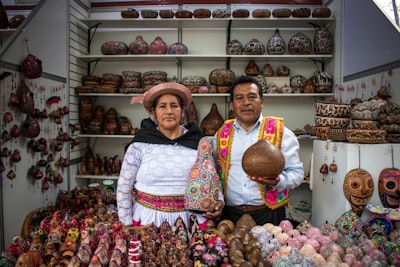
- Shilpgram Creation: Beyond ecological and spiritual enhancements, the project also focuses on cultural and economic development with the creation of a 'Shilpgram' (crafts village). This initiative will provide a dedicated space for local artisans to showcase and sell traditional crafts, fostering local talent, preserving indigenous art forms, and providing economic opportunities for the community. It will also offer tourists an authentic cultural immersion and a chance to take home unique souvenirs that reflect Braj's artistic heritage.
- Improved Infrastructure Along Pilgrimage Routes: To accommodate the expected increase in tourism and ensure a comfortable experience for pilgrims, significant improvements to infrastructure are planned. This includes better roads leading to temples and hills, improved signage, resting facilities, public amenities, and enhanced accessibility. Such infrastructure upgrades are crucial for making the region more welcoming and navigable for visitors from all walks of life.
The Significance of Barsana and Mathura
Barsana's identity is inextricably linked to Radha Rani. It is believed that Lord Krishna would visit Barsana from Nandgaon to meet Radha, and their playful interactions form the basis of many local traditions and festivals, most notably the vibrant Lathmar Holi. Mathura, just a short distance away, holds the distinction of being the birthplace of Lord Krishna. Together with Vrindavan and Goverdhan, these places form the sacred 'Braj Bhoomi,' a land imbued with divine energy, attracting millions of devotees annually. The eco-restoration project enhances this sacred landscape, making it even more conducive to spiritual reflection and appreciation of nature's bounty.
Best Time to Visit Barsana and Mathura
Choosing the right time to visit can significantly enhance your experience in Barsana and the wider Braj region. The climate and festival calendar play crucial roles in defining your trip.
Weather Considerations
- Winter (October to March): Ideal. This is undoubtedly the best time to visit. The weather is pleasant and cool, with daytime temperatures ranging from 10°C to 25°C. This makes it perfect for temple hopping, exploring the hills, and participating in outdoor activities without the discomfort of heat. Mornings and evenings can be quite chilly, so carry warm clothing.
- Summer (April to June): Avoid. Summers are extremely hot, with temperatures soaring past 40°C, often reaching 45°C. The intense heat can make sightseeing and outdoor exploration very challenging and uncomfortable.
- Monsoon (July to September): Lush but Challenging. The monsoon season transforms the landscape into a lush green paradise, making it visually appealing. However, heavy rains can disrupt travel plans, cause waterlogging, and make some unpaved roads difficult to navigate. If you don't mind the rain and appreciate the verdant scenery, it can be a unique experience, but be prepared for potential inconveniences.
Festivals and Events
Braj is renowned for its vibrant festivals, which offer a unique glimpse into its rich cultural and spiritual tapestry. Planning your visit around these events can be truly memorable.
- Holi (February/March): A spectacle unlike any other, especially Lathmar Holi in Barsana. Celebrated a few days before the main Holi, women of Barsana playfully beat the men from Nandgaon with sticks (lathis) while the men try to shield themselves. It's a colorful, boisterous, and deeply traditional event. The entire Braj region comes alive with colors, music, and devotional fervor.
- Janmashtami (August/September): The birthday of Lord Krishna is celebrated with immense devotion, particularly in Mathura at the Krishna Janmabhoomi temple and in Vrindavan. Temples are adorned, special pujas are performed, and devotees fast and sing devotional songs.
- Radhashtami (August/September): Celebrated about 15 days after Janmashtami, Radhashtami marks the birth anniversary of Radha Rani. Barsana, being her birthplace, witnesses grand celebrations at the Radha Rani Temple, with processions, devotional music, and special ceremonies.
- Diwali (October/November): The festival of lights is celebrated with great enthusiasm. Temples and homes are illuminated with lamps and diyas, creating a magical atmosphere.
Top Attractions in Barsana and Beyond
The Braj region is a treasure trove of spiritual and historical sites. While Barsana itself is a gem, the proximity to Mathura and Vrindavan means you can explore a host of other significant places.
Barsana's Spiritual Gems
- Shri Radha Rani Temple (Ladli Mahal): Perched atop Bhanugarh hill, this is the most prominent temple in Barsana, dedicated to Radha Rani. The architecture is exquisite, and the views from the top are breathtaking. It's believed that Radha Rani was born here. The climb involves several steps, but palanquin services are available.
- Rangeeli Mahal: A grand complex dedicated to Radha Rani, featuring beautiful idols, intricate paintings, and a serene atmosphere. It also hosts various spiritual discourses and cultural programs.
- Kirti Temple: Dedicated to Kirti, Radha Rani's mother, this temple is a unique addition, providing a deeper understanding of Radha Rani's divine family.
- The Four Hills: Barsana is traditionally associated with four hills, representing Brahma, Vishnu, Shiva, and Surya (or alternatively, Brahmachal, Vilasachal, Sankarshana, and Rakesh/Radha Rani hill). Each holds spiritual significance and offers unique perspectives of the town. The eco-restoration project will enhance the natural beauty and accessibility of these sacred mounds.
- Peacock Sanctuary (potential): While not formally a sanctuary, the hills around Barsana are home to many peacocks, revered birds in the Krishna lore. The eco-restoration project, by increasing green cover, will further support and attract these magnificent creatures, turning the entire area into a natural haven.
- Upcoming Shilpgram: This will be a vibrant cultural hub, showcasing local arts, crafts, and traditions, offering an authentic insight into Braj's rich heritage and providing economic opportunities for local artisans.
- Rakauli Hill: As the initial focus of the eco-restoration, Rakauli Hill will soon become a testament to sustainable efforts, offering serene walking paths and rejuvenated natural beauty, a preview of what the entire Barsana hills will aspire to be.
Mathura: The Birthplace of Lord Krishna
- Krishna Janmabhoomi Temple Complex: The sacred site where Lord Krishna is believed to have been born in a prison cell. It's a highly revered pilgrimage spot, comprising a magnificent temple, a mosque, and various shrines.
- Dwarkadhish Temple: A grand and popular temple in Mathura, known for its elaborate architecture, intricate carvings, and vibrant daily rituals.
- Vishram Ghat: The most important ghat on the Yamuna River in Mathura, where Lord Krishna is believed to have rested after slaying Kansa. It's a bustling hub for evening aarti ceremonies, a truly mesmerizing experience.
- Government Museum, Mathura: Houses a rich collection of ancient sculptures, artifacts, and archaeological finds from Mathura and the surrounding regions, offering insights into the history and art of Braj.
Vrindavan: Land of Temples
- Banke Bihari Temple: One of the most famous and revered temples in Vrindavan, dedicated to Lord Krishna. Known for its unique tradition of drawing and revealing the deity for short intervals.
- Prem Mandir: A relatively new but spectacularly beautiful temple, known for its intricate carvings, stunning white marble architecture, and colorful light displays in the evening. It depicts various scenes from Krishna's life.
- ISKCON Temple (Sri Krishna Balaram Mandir): A prominent spiritual center for the Hare Krishna movement, known for its beautiful deity worship, chanting, and delicious pure vegetarian food (prasadam).
- Radha Raman Temple: Houses a self-manifested deity of Krishna, famous for its ancient traditions and continuous worship since its establishment.
- Kesi Ghat: Another significant ghat on the Yamuna River in Vrindavan, known for its serene atmosphere and the belief that Krishna bathed here after slaying the demon Kesi. Evening aarti is also performed here.
Goverdhan: The Sacred Hill
- Goverdhan Parikrama: A holy circumambulation of the Goverdhan Hill, revered as Lord Krishna lifted it to protect the villagers from Indra's wrath. Pilgrims perform a 21-kilometer walk around the hill.
- Mansarovar Lake: A beautiful lake in Goverdhan, believed to be the spot where Radha Rani used to bathe.
How to Reach Barsana and Mathura
The Braj region is well-connected by road, rail, and air, making it accessible to domestic and international travelers.
By Air
- Indira Gandhi International Airport (DEL), Delhi: Approximately 150-160 km from Mathura. It's a major international airport with excellent connectivity to cities worldwide. From Delhi, you can hire a taxi, take a bus, or a train to Mathura.
- Agra Airport (AGR): Approximately 60 km from Mathura. While smaller, it has domestic flights from a few major Indian cities. Taxis are readily available from Agra to Mathura.
By Train
- Mathura Junction (MTJ): This is a major railway station and a significant rail hub, well-connected to almost all major cities in India, including Delhi, Mumbai, Kolkata, Chennai, Bangalore, and Hyderabad. You'll find numerous express and superfast trains stopping here.
- Mathura Cantt (MRT) and Bhuteshwar (BTSR): These are other stations in Mathura with less connectivity.
- From Mathura Junction, you can easily hire an auto-rickshaw, taxi, or take a local bus to reach Barsana (approx. 45-60 km away).
By Road
- National Highway 44 (NH44, formerly NH-2): This major highway connects Delhi to Agra and passes through Mathura. The road quality is generally excellent, making it a comfortable drive.
- Bus Services: Uttar Pradesh State Road Transport Corporation (UPSRTC) operates regular and efficient bus services connecting Mathura with major cities like Delhi, Agra, Jaipur, and Lucknow. Private bus operators also run luxury and semi-luxury coaches.
- Self-drive/Taxi: Hiring a private taxi or driving your own car is a convenient option, offering flexibility in your travel plans. The journey from Delhi to Mathura typically takes 3-4 hours, depending on traffic. From Mathura, local taxis or auto-rickshaws can take you to Barsana.
Local Food Guide: A Culinary Journey in Braj
The food in Mathura and Barsana is predominantly vegetarian, reflecting the region's spiritual ethos. It's a delightful exploration of traditional North Indian flavors, rich in dairy products and simple yet satisfying preparations.
Must-Try Delicacies
- Mathura Peda: The iconic sweet of Mathura, these fudgy, melt-in-your-mouth milk solids (khoya) flavored with cardamom and sugar are a must-try. Each shop has its secret recipe, but the taste is consistently divine.
- Lassi: A refreshing, creamy yogurt-based drink, often served in traditional earthen pots (kulhads). Available in sweet (meethi) or savory (namkeen) versions, often topped with a dollop of fresh cream.
- Kachori-Sabzi: A popular breakfast or snack item. Crispy, fried lentil-filled kachoris served with a spicy potato curry (sabzi).
- Jalebi: Spiral-shaped, deep-fried sweets soaked in sugar syrup. Best eaten hot and crispy.
- Chaats: A wide variety of savory street snacks like aloo tikki, golgappe (pani puri), papri chaat, and dahi bhalla, bursting with flavors and spices.
- Bedai: Similar to kachori but typically served with a spicy potato and pumpkin curry. A local favorite for breakfast.
- Samosa: The ubiquitous Indian fried pastry filled with spiced potatoes and peas.
- Thandai: A traditional, cooling milk-based drink flavored with nuts, seeds, and spices, especially popular during festivals like Holi.
- Pure Vegetarian Options: Due to the religious significance, almost all eateries serve pure vegetarian food, making it easy for those with dietary restrictions. Look for "Satvik" food, which is prepared without onion and garlic in many temple kitchens and specific restaurants.
Where to Eat
- Street Food Stalls: The best way to experience local flavors is from the numerous street vendors around temples and markets. Ensure the place looks clean and the food is freshly prepared.
- Local Dhabas and Eateries: Simple, no-frills restaurants offering authentic local cuisine at affordable prices.
- Temple Canteens: The ISKCON temple in Vrindavan, for instance, has a popular restaurant that serves delicious and hygienic vegetarian meals (prasadam) to visitors.
- Sweet Shops: Don't miss the specialized sweet shops for pedas, jalebis, and other traditional Indian sweets.
Public Transport within Barsana and Mathura
Navigating Barsana, Mathura, and Vrindavan is relatively easy with a variety of local transport options, catering to different budgets and convenience levels.
Local Commuting Options
- Auto-rickshaws: The most common mode of transport for short to medium distances. They are readily available and can be hired for point-to-point travel or for a few hours of sightseeing. Always negotiate the fare beforehand.
- E-rickshaws (Battery-operated Rickshaws): An eco-friendly alternative to traditional auto-rickshaws, especially common in Vrindavan's narrower lanes. They are quieter and generally cheaper for shorter distances.
- Cycle Rickshaws: Ideal for very short distances and navigating crowded market areas where motorized vehicles might struggle. They are also the most economical.
- Shared Autos/Tempos: A cost-effective option for traveling between towns (e.g., Mathura to Vrindavan, Mathura to Barsana) or along popular routes. These operate on fixed routes, and you share the ride with other passengers. They are less comfortable but significantly cheaper than hiring a private auto.
- Buses: While local city bus services might be limited, state-run and private buses connect Mathura to nearby towns like Vrindavan, Goverdhan, and Barsana. These are generally very affordable.
- Taxis/Private Cabs: For comfort and convenience, especially for covering multiple attractions or if you're traveling with family, hiring a full-day private taxi is a good option. Many hotels can arrange this for you, or you can find them near railway stations and bus stands. Negotiate the full-day package or per-kilometer rate.
Travel Budget Tips for Barsana and Mathura
Traveling through Braj can be quite economical, especially if you're mindful of your expenses and opt for local experiences.
Accommodation
- Dharamshalas and Ashrams: These are highly budget-friendly options, particularly in Mathura and Vrindavan. Many offer clean, basic rooms with attached bathrooms at very low costs, sometimes even free with a donation. They are often managed by religious trusts.
- Guesthouses and Budget Hotels: A step up from dharamshalas, these offer more amenities at reasonable prices. Look for options slightly away from the main temple areas for better value.
- Mid-range Hotels: Available in Mathura and Vrindavan, offering comfortable stays with modern facilities. Barsana currently has fewer options but is likely to see more development with the tourism boost.
Food
- Street Food and Local Eateries: Embrace the local cuisine from street vendors and small eateries. It’s delicious, authentic, and incredibly affordable. A full meal can cost as little as ₹50-₹150.
- Thali Meals: Many restaurants offer 'thali' meals (a platter with various dishes), which are wholesome and good value for money.
- Avoid Tourist Traps: Restaurants directly outside major temples might be slightly overpriced. Venture a little further for better deals.
Transport
- Shared Autos/Tempos: Utilize shared transport for inter-city travel (e.g., Mathura-Vrindavan-Barsana). It's significantly cheaper than private hires.
- E-rickshaws/Cycle Rickshaws: For short distances within towns, these are the most economical.
- Walk: Many areas, especially around temples and ghats, are best explored on foot, saving transport costs and allowing for a more immersive experience.
Activities
- Temple Entry: Most temples in the Braj region have free entry. Donations are voluntary and appreciated but not mandatory.
- Parikramas: Performing circumambulations like Goverdhan Parikrama or Vrindavan Parikrama are free and deeply spiritual activities.
- Cultural Programs: Many ashrams and temples offer free evening aartis, bhajans, and kirtans that visitors can attend.
Shopping
- Bargain Politely: When shopping in local markets for souvenirs, clothing, or religious items, polite bargaining is common and expected.
- Local Markets: Explore the bustling local markets for better prices compared to dedicated tourist shops.
Hotels and Accommodation in Braj Region
The accommodation landscape in Braj is diverse, ranging from simple pilgrim hostels to comfortable modern hotels. The eco-restoration project may encourage the development of more eco-friendly lodges and guesthouses in Barsana itself.
Barsana Options (Limited but Growing)
- Dharamshalas and Ashram Stays: Currently, Barsana primarily offers basic dharamshalas and guesthouses managed by religious trusts. These are ideal for pilgrims seeking affordable, no-frills accommodation. They offer clean rooms, sometimes with attached baths, and often vegetarian meals.
- Small Guesthouses: A few independent guesthouses are emerging, offering slightly more comfort.
- Future Eco-Tourism Lodges: With the eco-restoration project, there's a strong potential for the development of sustainable eco-lodges or boutique guesthouses that integrate with the natural surroundings, offering a unique blend of comfort and environmental consciousness.
Mathura and Vrindavan (Wider Range)
These two towns offer a much broader spectrum of accommodation options.
- Dharamshalas & Ashrams: Abundant in both towns, providing very economical stays. Some popular ones include those near Krishna Janmabhoomi in Mathura or various ashrams in Vrindavan.
- Budget Hotels & Guesthouses: Numerous small hotels and guesthouses offer decent, clean rooms at budget-friendly prices (e.g., Hotel Brijwasi Centrum in Mathura, various guesthouses near ISKCON temple in Vrindavan).
- 3-star Hotels: Mathura and Vrindavan have several mid-range hotels offering comfortable rooms, air conditioning, in-house restaurants, and other standard amenities (e.g., The Radha Ashok, Hotel Wingston in Mathura; Nidhivan Sarovar Portico, Magsons Resorts in Vrindavan).
- While not as extensive as major metropolitan cities, a few luxury options are emerging, particularly in Vrindavan, catering to those seeking a more upscale experience (e.g., Hare Krishna Orchid - A Resort & Convention Centre, Clarks Inn Suites in Vrindavan).
- Homestays: A growing trend, homestays offer an opportunity to experience local culture and hospitality firsthand. You can find them through various online platforms.
It's advisable to book your accommodation in advance, especially if you plan to visit during peak season or major festivals, as places can fill up quickly.
Safety Tips for Travelers
The Braj region is generally safe for tourists and pilgrims, but like any popular destination, it's wise to take certain precautions to ensure a smooth and pleasant trip.
General Precautions
- Pickpocketing Awareness: Be vigilant in crowded areas like markets, temples, and bus/railway stations. Keep your valuables secure and out of sight. Use a money belt or a secure cross-body bag.
- Beware of Touts and Unsolicited Guides: While most locals are genuinely helpful, be cautious of individuals who approach you offering unsolicited guide services, special pujas, or 'free' tours, especially around temples. They may pressure you into paying exorbitant fees or buying overpriced items. Always hire guides through reputable sources (hotels or government-approved tourist offices).
- Dress Modestly: Out of respect for the deeply religious and conservative culture of the region, it's advisable to dress modestly. Women should wear clothing that covers their shoulders and knees.
- Stay Hydrated: Especially if traveling outside of winter, carry sufficient water to avoid dehydration. The sun can be intense.
- Respect Local Customs: Observe and respect local customs and traditions, particularly within temple premises. Remove your shoes before entering temples. Photography might be restricted in some inner sanctums.
- Travel Insurance: Consider purchasing travel insurance, especially if you're an international traveler, to cover unforeseen circumstances like medical emergencies, lost luggage, or trip cancellations.
- Emergency Contacts: Keep a list of emergency numbers (local police, hotel, embassy/consulate) handy. Inform a family member or friend of your itinerary.
- Food and Water Safety: Stick to reputable eateries or places that look clean. Opt for bottled water or filtered water to avoid stomach upsets. Avoid uncooked food or food from unhygienic street stalls if you have a sensitive stomach.
- Currency Exchange: Exchange currency only at authorized banks or money changers.
- Photography: Always ask for permission before photographing people, especially women or children. Some temple areas might prohibit photography inside the main shrine.
During Festivals
- Crowd Management: Festivals like Holi, Janmashtami, and Radhashtami attract massive crowds. Be prepared for very heavy footfall.
- Secure Belongings: During festivals, pickpocketing risks increase significantly due to the dense crowds. Secure your valuables.
- Holi Precautions: If participating in Lathmar Holi or general Holi celebrations, be prepared to get wet and colored. Use waterproof bags for electronics. Wear old clothes. Be aware that colors can contain chemicals, so protect your eyes and skin.
FAQ (Frequently Asked Questions)
Q1: What exactly is the Barsana eco-restoration project?
A1: It's an initiative sanctioned by the Uttar Pradesh government to revitalize the hills around Barsana in Mathura. It involves planting native trees, implementing water harvesting systems, fencing off regeneration areas (starting with Rakauli hill), rejuvenating Yamuna ghats, creating a Shilpgram (crafts village), and improving pilgrimage route infrastructure to boost tourism and restore ecological balance.
Q2: When will the Barsana eco-restoration project be completed?
A2: Eco-restoration projects are often long-term endeavors, typically spanning several years for significant impact. While specific completion timelines for all phases might be ongoing, initial phases like the work on Rakauli hill and specific plantations will show results sooner. It's a continuous process of nurturing and development.
Q3: Is Barsana safe for solo female travelers?
A3: Generally, Barsana and the Braj region are considered safe for solo female travelers due to their religious nature. However, common travel safety precautions should always be observed: avoid traveling alone at night, dress modestly, be aware of your surroundings, and be cautious of unsolicited attention. It's always a good idea to inform your hotel or family about your itinerary.
Q4: What kind of clothing should I wear when visiting temples?
A4: It is highly recommended to wear modest clothing that covers your shoulders, chest, and knees when visiting temples and other religious sites. Traditional Indian attire like salwar kameez for women or simple shirts and trousers for men are appropriate.
Q5: Are there ATMs available in Barsana?
A5: While Mathura and Vrindavan have numerous ATMs, Barsana might have fewer options, mainly concentrated around the main temple area. It's advisable to carry sufficient cash, especially for smaller purchases, or withdraw money in Mathura before heading to Barsana.
Q6: Can I use credit cards everywhere?
A6: Credit cards are generally accepted at larger hotels, some mid-range restaurants, and major shops in Mathura and Vrindavan. However, in Barsana, smaller eateries, street vendors, and local shops predominantly prefer cash. It's best to have cash handy for most transactions.
Q7: Is photography allowed inside the temples?
A7: Photography rules vary. While photography is often allowed in temple courtyards, it's typically restricted or prohibited inside the main sanctum (garbhagriha) where the deities are installed. Always look for "No Photography" signs or ask temple authorities for permission.
Q8: What languages are spoken in the Braj region?
A8: The primary languages spoken are Hindi and Braj Bhasha (a dialect of Hindi). English is understood by hotel staff, guides, and in some tourist-oriented shops, especially in Mathura and Vrindavan. Basic Hindi phrases can be very helpful.
Q9: How many days are enough to visit Mathura-Vrindavan-Barsana?
A9: To comfortably cover the main attractions of Mathura, Vrindavan, and Barsana, a minimum of 3 to 4 days is recommended. This allows for exploration, temple visits, enjoying the local culture, and soaking in the spiritual atmosphere without feeling rushed. If you wish to include Goverdhan Parikrama, add another day.
Conclusion: Experience the Rejuvenated Soul of Braj
The eco-restoration project in Barsana hills is more than just an environmental initiative; it's a testament to preserving the spiritual and natural heritage of Braj for future generations. As the hills regain their verdant glory and the infrastructure improves, Barsana is set to emerge as an even more captivating destination for pilgrims, nature lovers, and cultural enthusiasts alike.
Visiting Barsana and the broader Mathura region offers a unique opportunity to connect with ancient traditions, witness vibrant festivals, savor authentic cuisine, and now, also appreciate a conscious effort towards sustainable tourism. Whether you're drawn by the divine love story of Radha and Krishna, the allure of Lathmar Holi, or the tranquility of rejuvenated landscapes, Braj Bhoomi promises an unforgettable journey—a journey into the heart of devotion, nature, and cultural richness. Plan your trip to this sacred land, and be a part of its unfolding story, where every step brings you closer to a divine and harmonious experience.