Perhentian Islands
Perhentian Islands Travel Guide: Your Ultimate Tropical Escape in Malaysia
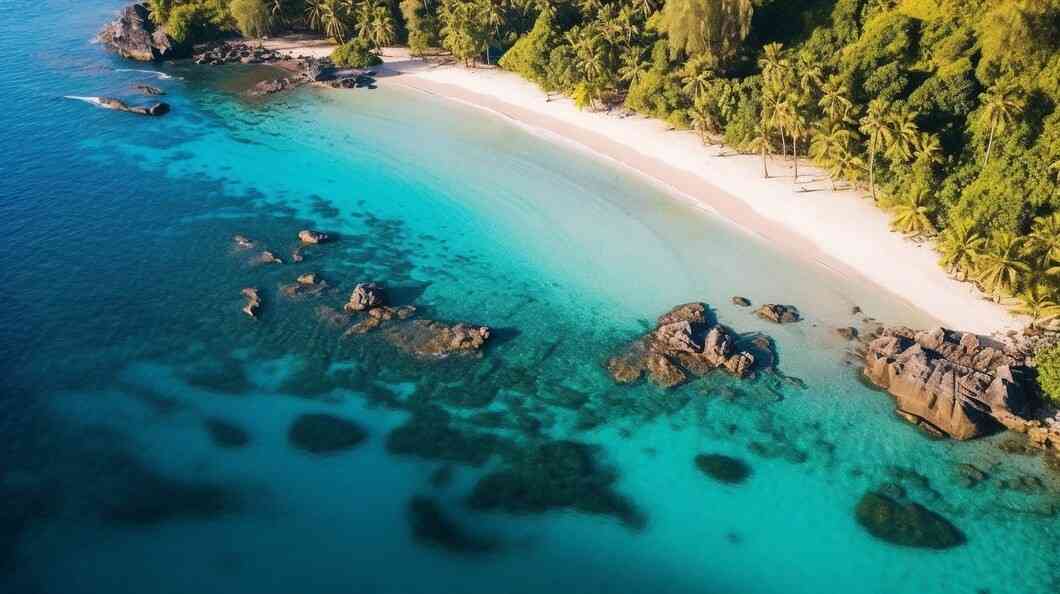
Nestled off the northeastern coast of Malaysia, the Perhentian Islands stand as a quintessential tropical paradise, an emerald jewel in the South China Sea. Renowned globally for their astounding natural beauty, these islands are a dream destination for anyone seeking an escape into nature's embrace. With their mesmerizing crystal-clear turquoise waters, powdery white-sand beaches, and incredibly vibrant coral reefs teeming with marine life, the Perhentians offer an idyllic setting for both serene relaxation and thrilling aquatic adventures. This comprehensive travel guide will navigate you through everything you need to know to plan an unforgettable journey to Perhentian Besar and Perhentian Kecil, ensuring your tropical getaway is as breathtaking as the islands themselves.
The Perhentian Islands, which translates to "stopping point" in Malay, historically served as a vital stopover for traders traveling between Thailand and Malaysia. Today, they continue to be a beloved stopping point, albeit for sun-seekers, snorkelers, divers, and nature enthusiasts from across the globe. Comprising two main islands, Perhentian Besar (Big Island) and Perhentian Kecil (Small Island), they cater to diverse travel styles and budgets. Perhentian Besar offers a more tranquil, family-friendly atmosphere with a slightly more upscale range of resorts, while Perhentian Kecil pulsates with a vibrant backpacker vibe, boasting budget-friendly accommodations, lively beaches, and a bustling social scene. Both islands are part of the Perhentian Islands National Park, a protected marine park dedicated to preserving its rich biodiversity, making every interaction with its underwater world a privileged experience.
Best Time to Visit the Perhentian Islands
Choosing the right time to visit the Perhentian Islands is crucial for an optimal experience, as the islands are significantly affected by monsoon seasons.
Dry Season (March to October)
The dry season is undoubtedly the best time to visit the Perhentian Islands. During these months, the weather is consistently sunny, the seas are calm, and visibility for snorkeling and diving is at its peak.
- March to May: These months mark the beginning of the season and offer excellent weather with fewer crowds compared to the peak summer months. Water temperatures are ideal, and marine life is abundant.
- June to August: This is the peak tourist season, coinciding with European summer holidays. Expect perfect weather conditions, but also higher prices for accommodation and more crowded beaches and tour boats. Booking well in advance is highly recommended if you plan to visit during this period.
- September to October: The end of the dry season still offers fantastic weather and good visibility, but with fewer tourists as the season winds down. This can be an excellent time for those seeking a balance between good weather and quieter surroundings. Towards late October, occasional rain showers might start appearing, signaling the approach of the monsoon.
Monsoon Season (November to February)
The monsoon season brings heavy rainfall, strong winds, and rough seas. Most resorts, restaurants, and tour operators close down during this period due to the challenging weather conditions and safety concerns.
- November to February: Travel to the Perhentians is generally not advised, and often not possible, during these months. Boat transfers are irregular or non-existent, and the islands become very quiet with limited facilities. The marine park may also be officially closed.
In summary, aim for a visit between March and October to fully appreciate the stunning beauty and vibrant activities the Perhentian Islands have to offer.
Top Attractions in the Perhentian Islands
The allure of the Perhentians lies in their pristine natural environment, offering a plethora of activities both above and below the water.
Snorkeling and Diving Adventures
The Perhentian Islands are a world-class destination for snorkeling and diving, thanks to their crystal-clear waters and the protected marine park status.
- Coral Reefs: Explore an underwater kaleidoscope of soft and hard corals in various shades, home to an incredible diversity of fish species. Popular snorkeling spots include Shark Point, Turtle Point, Coral Garden, and Rawa Island. Many tour operators offer island hopping and snorkeling trips that cover these renowned sites.
- Marine Life Encounters: Beyond colorful reef fish (parrotfish, clownfish, angelfish), you're almost guaranteed to encounter green sea turtles and hawksbill turtles gracefully gliding through the water. Blacktip reef sharks are also common, usually seen harmlessly patrolling the deeper reef areas – a truly exhilarating sight for divers and snorkelers alike. Occasionally, lucky visitors might spot manta rays or whale sharks further offshore.
- Diving Schools: Both Perhentian Besar and Kecil host numerous PADI-certified dive centers offering courses for all levels, from beginner "discovery dives" to advanced certifications. Popular dive sites include Tokong Laut (Temple of the Sea), Sugar Wreck, and The Pinnacle.
Stunning Beaches and Coves
The islands boast an array of breathtaking beaches, each with its unique charm.
- Perhentian Kecil:
- Long Beach (Pasir Panjang): The most famous and lively beach on Perhentian Kecil. It's a long stretch of soft white sand, perfect for sunbathing, swimming, and socializing. By day, it's a hub for water sports; by night, it transforms into a vibrant scene with fire shows and beachside bars.
- Coral Bay (Teluk Aur): Located on the opposite side of Long Beach, Coral Bay offers a more laid-back atmosphere and is famous for its spectacular sunset views. The waters here are calm, making it excellent for snorkeling directly from the shore.
- D'Lagoon: A secluded, beautiful beach accessible by a short jungle trek or water taxi, offering tranquility and good snorkeling.
- Perhentian Besar:
- Main Beach (Teluk Pauh/Flora Bay/Abdul's Beach): Perhentian Besar has several beautiful beaches that blend into each other, offering a more serene experience than Kecil. Teluk Pauh is near the jetty and has several resorts, while Flora Bay and Abdul's Beach are known for their calm waters and family-friendly environment.
- Turtle Beach (Teluk Keke): As the name suggests, this secluded beach is a nesting ground for sea turtles (during the nesting season) and is a pristine spot for swimming and relaxing away from the crowds. Accessible by water taxi.
- Romantic Beach: A small, intimate cove perfect for couples seeking privacy and stunning views.
Jungle Trekking
Beyond the beaches, the islands offer opportunities to explore lush tropical rainforests.
- Island Trails: Marked and unmarked trails connect various beaches and villages, offering a chance to spot monitor lizards, dusky leaf monkeys, and various bird species. The trek between Long Beach and Coral Bay on Perhentian Kecil is a popular, relatively easy walk. More challenging treks can be found on Perhentian Besar.
- Viewpoints: Some trails lead to elevated viewpoints, offering panoramic vistas of the islands and the surrounding turquoise sea.
Island Hopping and Boat Trips
Water taxis are the primary mode of transport between beaches and islands, making island hopping an effortless and enjoyable activity.
- Local Fishing Villages: Visit the local fishing village (Kampung Nelayan) on Perhentian Kecil to get a glimpse of local life and enjoy fresh seafood.
- Sunset Cruises: Many operators offer sunset cruises, providing a magical experience as the sun dips below the horizon, painting the sky with fiery hues.
- Fishing Trips: Arrange a traditional fishing trip with local fishermen, often followed by a beach BBQ of your catch.
How to Reach the Perhentian Islands
Getting to the Perhentian Islands is an adventure in itself, involving a flight, a land transfer, and a scenic boat ride.
Step 1: Fly to Kota Bharu (KBR)
The nearest airport to the Perhentian Islands is Sultan Ismail Petra Airport (KBR) in Kota Bharu, Kelantan.
- Airlines: Major airlines like AirAsia, Malaysia Airlines, and Firefly operate daily flights from Kuala Lumpur (KUL) to Kota Bharu. The flight duration is approximately 1 hour.
- Alternative Airports: Some travelers opt to fly to Kuala Terengganu (TGG), which is slightly further but also offers connections from Kuala Lumpur. However, Kota Bharu is generally more convenient for accessing Kuala Besut Jetty.
Step 2: Land Transfer to Kuala Besut Jetty
From Kota Bharu Airport, you'll need to travel to Kuala Besut Jetty, which is the gateway to the Perhentian Islands.
- Taxi: The most convenient option. Taxis are readily available outside the airport, and the journey to Kuala Besut takes approximately 1 hour to 1 hour 15 minutes. Fares are usually fixed (around RM 70-80).
- Grab (Ride-hailing): Grab operates in Kota Bharu and can be a good alternative to traditional taxis.
- Bus: A more budget-friendly option involves taking a local bus from Kota Bharu city center (not directly from the airport) to Kuala Besut. This requires an initial taxi or Grab from the airport to the bus terminal. The bus journey takes about 1.5 to 2 hours.
Step 3: Boat Transfer to the Islands
Once at Kuala Besut Jetty, you'll take a speedboat to your chosen island.
- Boat Tickets: Purchase your boat tickets at one of the many counters around the jetty. Round-trip tickets cost approximately RM 70-80 per person. Specify which island (Besar or Kecil) and which beach/resort you are staying at, as boats will drop passengers off directly.
- Marine Park Fee: You'll also need to pay a mandatory marine park conservation fee (RM 30 for foreigners, RM 5 for Malaysians) at the jetty. Keep your ticket as proof.
- Boat Schedule: Boats typically run from 8:00 AM to 5:00 PM. It's advisable to arrive at the jetty before 4:00 PM to ensure you catch the last boat. The speedboat journey takes about 30-45 minutes.
- Pre-booking: During peak season, especially if arriving late, it's wise to pre-book your boat transfer through your accommodation or a reputable tour operator.
Local Food Guide for the Perhentian Islands
The culinary scene in the Perhentian Islands offers a delightful blend of Malay cuisine with fresh seafood taking center stage. While not a gourmet paradise, the food is hearty, flavorful, and incredibly satisfying after a day in the sun and sea.
Seafood Galore
The islands' proximity to abundant fishing grounds means fresh seafood is a staple.
- Beachfront BBQs: Many restaurants, especially on Long Beach and Coral Bay, host evening BBQ buffets where you can pick your fresh fish, squid, prawns, or lobster, and have it grilled to perfection with various marinades. This is a must-try experience.
- Fresh Catch of the Day: Inquire about the "catch of the day" for the freshest options.
Malay Delicacies
Savor authentic Malaysian flavors that are both spicy and aromatic.
- Nasi Goreng & Mee Goreng: Fried rice and fried noodles are ubiquitous and delicious, often served with chicken, seafood, or vegetables.
- Laksa: A popular spicy noodle soup, though variations exist regionally. The Kelantanese version (Laksa Kelantan) is rich and coconut-based.
- Roti Canai: A flaky, pan-fried flatbread typically served with dhal or curry for breakfast.
- Satay: Skewered and grilled meat (chicken or beef) served with a flavorful peanut sauce.
- Keropok Lekor: A traditional Malay fish cracker snack, popular in the east coast states.
- Curries and Rendang: Rich, slow-cooked meat dishes (often chicken or beef) infused with spices and coconut milk.
Where to Eat
Dining options vary between the islands.
- Perhentian Kecil: Long Beach and Coral Bay have numerous restaurants ranging from local eateries to more international options. Expect a lively atmosphere and plenty of choices for beachfront dining.
- Perhentian Besar: Offers a slightly more refined dining experience, often associated with the resorts. Many resorts have their own restaurants serving a mix of local and Western dishes.
- Local Stalls (Warung): For the most authentic and budget-friendly meals, seek out smaller local stalls, especially in the fishing village or less touristy areas.
Drinks and Desserts
Fresh fruit juices, especially watermelon and mango, are refreshing treats. While alcohol is available on the islands (mostly on Perhentian Kecil, less so on Besar due to Islamic traditions), it can be expensive. Sweet treats like Ais Kacang (shaved ice with toppings) are perfect for cooling down.
Public Transport in the Perhentian Islands
Forget cars and buses; transport on the Perhentian Islands is unique, reflecting their pristine, undeveloped nature.
Water Taxis
This is the primary mode of transport for moving between beaches and different parts of the islands.
- Availability: Water taxis are abundant and can be hailed from almost any beach or jetty.
- Cost: Fares depend on the distance. Short trips (e.g., between Long Beach and Coral Bay) might cost RM 10-15 per person, while longer trips to secluded beaches or between islands will be more (RM 20-30+). Prices are usually fixed per trip, not per person if you charter the whole boat.
- Negotiation: While fares are generally fixed, it's always good to confirm the price before boarding.
- Island Hopping: Water taxis can also be chartered for custom island-hopping tours to explore multiple snorkeling spots and beaches.
Walking/Trekking
For those who enjoy exploring on foot, well-worn paths connect many of the main beaches.
- Perhentian Kecil: A popular jungle path connects Long Beach and Coral Bay, taking about 15-20 minutes. Other trails lead to more secluded spots like D'Lagoon or Adam & Eve Beach.
- Perhentian Besar: Trekking paths also connect various beaches and resorts, offering opportunities for jungle walks and wildlife spotting.
- Footwear: Wear comfortable walking shoes or sturdy sandals, especially if you plan to explore beyond the immediate beach areas.
No Land Vehicles
It's important to note that there are no roads, cars, or motorbikes on the Perhentian Islands, preserving their serene atmosphere and natural beauty. This means everything is either by foot or by boat.
Travel Budget Tips for the Perhentian Islands
The Perhentian Islands can cater to a range of budgets, from backpackers to those seeking mid-range comforts. Here’s how to manage your expenses:
Accommodation
- Perhentian Kecil (Budget-friendly): This island is famous for its hostels, guesthouses, and basic chalets, particularly around Long Beach. Expect to pay RM 50-150 per night for a fan room or hostel bed.
- Perhentian Besar (Mid-range to High-end): Offers more resorts and established chalets, often with air conditioning and more amenities. Prices range from RM 150-500+ per night.
- Book in Advance: Especially during peak season (June-August), popular budget accommodations fill up quickly, driving prices up. Booking a few months ahead can secure better deals.
- Off-Peak Travel: Visiting in April/May or September/October can lead to lower accommodation rates.
Food and Drinks
- Local Eateries (Warung): Eat like a local at small Malay stalls or beachside 'warungs' for delicious and cheap meals (RM 10-20 per meal).
- Beach BBQs: While tempting, BBQ seafood can add up. Opt for sharing larger platters or enjoy them as a treat every few nights.
- Self-Catering (Limited): Some accommodations might have basic cooking facilities, but options for grocery shopping are very limited and expensive on the islands. It’s better to rely on local eateries.
- Water: Stay hydrated! Buy large bottles of water to refill smaller ones. Some accommodations offer water refill stations.
- Alcohol: Alcohol is significantly more expensive on the islands than on the mainland, especially on Perhentian Besar. Budget accordingly or consider a drier holiday.
Activities
- Snorkeling Tours: Group snorkeling trips are economical (RM 30-50 for a half-day, RM 60-100 for a full day including equipment).
- Diving: Diving is not cheap but is generally more affordable than in many Western countries. A fun dive typically costs RM 90-120 per dive, with package deals for multiple dives. PADI courses start around RM 900-1200.
- Free Activities: Enjoying the beaches, swimming, sunbathing, and jungle trekking are all free!
Transport
- Water Taxis: Be mindful of water taxi costs if you plan to move around a lot. Walking between accessible beaches is free.
- Mainland Travel: Taxis from Kota Bharu airport to Kuala Besut Jetty are fixed price. Buses are cheaper but less convenient.
Cash is King (mostly)
While some larger resorts and dive centers might accept credit cards, many smaller establishments, especially local restaurants and water taxi operators, only accept cash. There are no ATMs on the islands, so bring sufficient cash with you from the mainland. Most people recommend bringing at least RM 500-1000 per person for a 3-5 day trip, depending on planned activities.
Hotels and Accommodation in the Perhentian Islands
The islands offer a spectrum of accommodation, from rustic backpacker dorms to comfortable resorts. It's essential to understand the differences between the two main islands when choosing your stay.
Perhentian Kecil (The Small Island)
Known for its youthful, vibrant atmosphere and budget-friendly options, appealing mainly to backpackers and younger travelers.
- Long Beach (Pasir Panjang): The most popular and lively area.
- Budget Hostels/Guesthouses: Expect basic fan rooms or dorms with shared bathrooms. Examples include Bubu Long Beach Resort (mid-range), Mimpi Perhentian (mid-range/boutique), and various smaller chalets.
- Mid-Range: A few guesthouses offer private rooms with air conditioning and en-suite bathrooms, providing more comfort.
- Coral Bay (Teluk Aur): A quieter alternative to Long Beach, known for stunning sunsets and a more relaxed vibe.
- Budget/Mid-Range: Offers a mix of basic chalets and some slightly more comfortable options. Resorts like Ombak Resort offer good value.
- Secluded Coves: For ultimate tranquility, look for options in quieter bays like D'Lagoon or those accessible only by water taxi.
Perhentian Besar (The Big Island)
Generally more upscale, serene, and family-friendly, with more established resorts and better amenities.
- Teluk Pauh Area: Close to the main jetty, with resorts like Perhentian Island Resort (one of the largest on Besar) and Tuna Bay Island Resort, offering a range of facilities including swimming pools.
- Flora Bay Area: Home to several mid-range resorts like Flora Bay Resort and Abdul's Chalet, known for their calm waters and good snorkeling spots directly offshore. These are popular with families and couples.
- Northern Beaches: More secluded and peaceful resorts, some offering luxury bungalows, perfect for a quiet retreat.
Key Considerations When Booking
- Air Conditioning vs. Fan: Many budget options only offer fans. Decide if AC is a priority, especially during hot months.
- Private vs. Shared Bathroom: Budget options often have shared facilities.
- Electricity: While most places have 24/7 electricity now, it's worth confirming, especially for very remote or basic accommodations.
- Booking in Advance: Crucial during peak season to secure your preferred accommodation and avoid disappointment. Online booking platforms are widely used.
Safety Tips for the Perhentian Islands
The Perhentian Islands are generally safe for tourists, but like any travel destination, it's wise to exercise common sense and take precautions.
General Safety
- Valuables: Keep your passport, large sums of cash, and electronics secure. Many accommodations offer safety deposit boxes.
- Solo Travel: The islands are safe for solo travelers, including women, but always inform someone of your plans, especially for jungle treks.
- Local Culture: Malaysia is a Muslim country. While the islands are relatively relaxed, especially Perhentian Kecil, dressing modestly when not on the beach or in public areas (especially when visiting the local village) is respectful.
Water Safety
- Swimming and Snorkeling: Be aware of currents, especially in areas connecting open sea. Always swim with a buddy if possible.
- Marine Life: While largely harmless, avoid touching coral or marine animals. Stonefish and jellyfish can be found, so be cautious where you step or swim. Reef sharks are generally shy and pose no threat.
- Boating: Wear a life jacket on all boat transfers and tours. Choose reputable boat operators.
- Sun Protection: The tropical sun is intense. Use high SPF sunscreen, wear a hat, sunglasses, and rash guard, especially when in the water for extended periods. Dehydration is a real risk, so drink plenty of water.
Jungle Trekking Safety
- Footwear: Wear appropriate footwear to protect against uneven terrain, sharp rocks, and insects.
- Wildlife: Be aware of monkeys (don't feed them, as they can become aggressive), monitor lizards, and various insects. Snakes are rare but can be present.
- Guided Treks: For longer or more challenging treks, consider hiring a local guide.
- Essentials: Carry water, insect repellent, and a fully charged phone.
Health and Medical
- First Aid: Carry a basic first-aid kit with essentials like antiseptic wipes, band-aids, pain relievers, and any personal medications.
- Medical Facilities: There's a small clinic on Perhentian Kecil for basic emergencies, but for serious issues, you'd need to be transferred to the mainland (Kota Bharu). Ensure you have comprehensive travel insurance.
- Food and Water Hygiene: Stick to reputable eating establishments. Drink bottled water.
Emergency Contacts
Familiarize yourself with local emergency numbers (e.g., Police: 999, Ambulance: 999) and have your accommodation's contact details readily available.
Frequently Asked Questions about the Perhentian Islands
Q1: Are there ATMs on the Perhentian Islands?
A: No, there are no ATMs on either Perhentian Besar or Perhentian Kecil. It is crucial to withdraw sufficient cash (Malaysian Ringgit, MYR) before arriving at Kuala Besut Jetty. Most resorts and dive shops accept credit cards for larger transactions, but smaller eateries, water taxis, and souvenir shops often only accept cash.
Q2: Is alcohol available on the islands?
A: Yes, alcohol is available, especially on Perhentian Kecil (Long Beach and Coral Bay) where there are several bars and restaurants serving alcoholic beverages. On Perhentian Besar, it's less prevalent due to the more conservative nature of the island and often confined to resort restaurants. Be prepared for higher prices than on the mainland.
Q3: What kind of electrical sockets are used in Malaysia?
A: Malaysia uses Type G power sockets (three rectangular pins in a triangular pattern), similar to those found in the UK. The standard voltage is 240V and the frequency is 50Hz. Remember to bring a universal adapter if your devices don't match.
Q4: What language is spoken in the Perhentian Islands?
A: The official language is Bahasa Malaysia. However, due to the high volume of international tourists, English is widely spoken and understood, especially in tourist-facing establishments, restaurants, and dive centers.
Q5: Is Perhentian Besar or Perhentian Kecil better for families with children?
A: Perhentian Besar is generally considered better for families with children. It offers a more relaxed and quiet atmosphere, with calmer beaches and a wider range of family-friendly resorts offering more amenities and space. Perhentian Kecil tends to be livelier, with a backpacker-party vibe that might not be ideal for young children.
Q6: How many days should I spend in the Perhentian Islands?
A: A minimum of 3-4 full days is recommended to fully experience the islands. This allows enough time for snorkeling/diving, exploring different beaches, enjoying a jungle trek, and simply relaxing. Many visitors choose to stay for 5-7 days to truly unwind and soak in the island life.
Q7: Can I visit the Perhentian Islands as a day trip?
A: While technically possible, a day trip is not recommended due to the travel time involved (flights, land transfer, boat). You would spend most of your day traveling rather than enjoying the islands. It's best experienced with at least an overnight stay.
Q8: Are there mosquitoes or sandflies on the islands?
A: Yes, as with any tropical destination, mosquitoes are present, especially in the evenings and in jungle areas. Sandflies can also be found on some beaches. It's highly recommended to use insect repellent, especially around dusk and dawn, and if trekking. Some accommodations provide mosquito nets.
Q9: Is it safe to drink tap water?
A: No, it is not safe to drink tap water directly. Always stick to bottled water. Many resorts and restaurants offer large water dispensers for refilling bottles, which is an eco-friendly option.
Q10: What should I pack for the Perhentian Islands?
A: Essentials include swimwear, light clothing, a hat, sunglasses, high-SPF sunscreen, insect repellent, sturdy sandals/flip-flops, comfortable walking shoes for trekking, a basic first-aid kit, a waterproof bag for electronics, a quick-dry towel, and sufficient cash. Consider bringing your own snorkeling mask and snorkel for convenience, although gear is readily available for rent.
Conclusion
The Perhentian Islands are more than just a destination; they are an experience—a harmonious blend of raw natural beauty, thrilling underwater escapades, and tranquil relaxation. Whether you're drawn by the allure of vibrant coral gardens and playful sea turtles, the promise of sun-drenched beaches, or the simple joy of disconnecting from the world, the Perhentians deliver an unforgettable tropical getaway. Plan your journey carefully, embrace the laid-back island rhythm, and prepare to be captivated by the unparalleled charm of Malaysia's pristine island jewels. Your slice of paradise awaits!