Batu Caves
Batu Caves: An Epic Journey to Malaysia's Sacred Limestone Temples
Batu Caves, an iconic natural wonder and revered Hindu pilgrimage site, stands majestically just 13 kilometers north of Malaysia’s bustling capital, Kuala Lumpur. This stunning limestone hill, an geological marvel forged over 400 million years, is not merely a collection of caves but a vibrant cultural tapestry woven with faith, history, and breathtaking natural beauty. Renowned globally for its colossal 42.7-meter-tall golden statue of Lord Murugan, Batu Caves offers visitors an unparalleled experience: a spiritual ascent, panoramic views, and a deep dive into Malaysia’s rich Hindu heritage.
More than just a tourist attraction, Batu Caves is a living, breathing testament to devotion, drawing millions annually. Its towering golden deity, visible from afar, acts as a sentinel, welcoming pilgrims and curious travelers alike to explore its ancient caverns and intricate cave temples. The journey itself is part of the experience, as 272 vibrant, multi-colored steps wind their way up the steep limestone face, leading to the main Temple Cave – a cavernous sanctuary bustling with shrines, devotees, and the mystical ambiance of centuries-old worship.
Beyond the main cave, the site unfolds into a fascinating complex featuring several other significant caves, each with its own unique charm and story. From the intricate mythological dioramas of the Ramayana Cave to the untouched ecological wonders of the Dark Cave, Batu Caves provides a diverse array of experiences. It is particularly vibrant during the annual Thaipusam festival, when it transforms into the heart of Hindu celebrations in Malaysia, attracting devotees from across the globe in a spectacle of faith and devotion. With its stunning scenery, profound cultural importance, and palpable spiritual energy, Batu Caves is an indispensable highlight for any traveler exploring the diverse wonders of Malaysia.
Unveiling the History and Significance of Batu Caves
The history of Batu Caves is as deep and layered as the limestone formations themselves. While the caves have been known to the local indigenous communities (the Temuan people) for centuries as a natural shelter, their prominence as a Hindu sacred site began in the late 19th century. In 1878, American naturalist William Hornaday recorded the caves, but it was Indian trader and spiritual leader K. Thamboosamy Pillai who, in 1890, established the site as a place of worship. Inspired by the 'vel' (spear) like entrance of the main cave and its resemblance to the lance of Lord Murugan, Pillai dedicated the main cave temple to the deity. The first Murugan statue was installed in 1891, and the wooden steps, later replaced by 272 concrete steps, were built in 1920.
Lord Murugan, also known as Karthikeya, is the Hindu god of war, victory, wisdom, and love. He is particularly revered in Tamil communities. The massive golden statue, unveiled in 2006, is the tallest statue of Lord Murugan in the world and has become an iconic symbol of Batu Caves, drawing pilgrims and tourists alike. The annual Thaipusam festival, usually held in late January or early February, is the most significant event at Batu Caves, transforming the site into a kaleidoscope of colors, sounds, and fervent devotion. Devotees carry 'kavadis' (ornate, often heavy, structures) as acts of penance and devotion, marching in a procession from Sri Mahamariamman Temple in Kuala Lumpur to Batu Caves.
Geologically, the limestone hill is believed to be over 400 million years old, a relic from the Silurian period. The caves themselves have been sculpted over millennia by water erosion, creating the dramatic stalactites and stalagmites that adorn their interiors. The surrounding area is also an important habitat for unique cave-dwelling fauna, including rare species of bats and spiders, highlighting its ecological importance alongside its cultural and spiritual significance.
Best Time to Visit Batu Caves
Choosing the right time to visit Batu Caves can significantly enhance your experience. Kuala Lumpur, being close to the equator, experiences a tropical rainforest climate, meaning it's generally hot and humid year-round with frequent rainfall.
Weather Considerations
- Dry Season (May to September): This period generally sees less rainfall, making it ideal for climbing the steps and exploring the outdoor areas without the inconvenience of wet conditions. Temperatures hover around 30-35°C (86-95°F), so hydration and sun protection are key.
- Wet Season (October to April): While rain showers are more frequent and can be heavy, they often occur in the late afternoon, leaving mornings relatively clear. The air can feel heavier due to humidity. Don't let the rain deter you entirely, as the crowds might be slightly smaller. Carry an umbrella or raincoat.
Crowd Levels and Festivals
- Weekdays vs. Weekends: Weekdays, especially mornings, are generally less crowded than weekends and public holidays. Arriving early (before 9 AM) is always recommended to beat the heat and the tour groups.
- Thaipusam Festival (Late January/Early February): This is by far the busiest time to visit. While it offers an unparalleled cultural experience with hundreds of thousands of devotees, expect massive crowds, significant traffic congestion, and a very different, more intense atmosphere. If you wish to witness Thaipusam, plan your visit well in advance, including accommodation and transport. Be prepared for very slow movement around the site.
- Other Hindu Festivals: Other smaller Hindu festivals throughout the year might also see an increase in local visitors. Check the Malaysian public holiday calendar before your visit.
Recommendation: For a comfortable visit with fewer crowds and pleasant weather, target a weekday morning during the dry season (May to September). If experiencing the vibrant cultural spectacle of Thaipusam is your priority, be prepared for intense crowds and plan meticulously.
Top Attractions at Batu Caves
Batu Caves is a multi-faceted destination offering a range of sights and experiences.
1. The Lord Murugan Statue
Standing majestically at the foot of the 272 steps, the 42.7-meter (140 ft) golden statue of Lord Murugan is the first and most striking feature you'll encounter. Unveiled in 2006, it is the tallest statue of a Hindu deity in Malaysia and the second tallest of Lord Murugan globally. Made of 1550 cubic meters of concrete, 250 tonnes of steel bars, and 300 liters of gold paint, it took three years to build. It serves as an iconic landmark and a powerful symbol of the Hindu faith.
2. The 272 Rainbow Steps
The vibrant, multi-colored steps leading up to the main Temple Cave are an attraction in themselves. Painted in a dazzling spectrum of hues in 2018, they offer fantastic photo opportunities. The climb is steep but rewarding, offering increasingly panoramic views of the Kuala Lumpur skyline and the surrounding area as you ascend. Be mindful of the resident monkeys, who are often seen scampering along the railings and steps.
3. Temple Cave (Cathedral Cave)
This is the largest and most famous cave at Batu Caves. After ascending the 272 steps, you enter a massive cavern, approximately 100 meters high, filled with shrines and Hindu deities. The natural light filtering through the openings in the cave ceiling illuminates the intricate rock formations, creating a truly ethereal atmosphere. The air inside is cool and carries the scent of incense, mixed with the sounds of devotees chanting and bells ringing. Various smaller shrines dedicated to different deities are spread throughout the cave, making it a bustling center of worship.
4. Ramayana Cave
Located to the left of the Lord Murugan statue, at the base of the hill, the Ramayana Cave is easily identifiable by the towering green statue of Hanuman, the monkey god, guarding its entrance. Inside, the cave tells the epic story of Lord Rama through a series of colorful and intricately crafted dioramas and statues. The cave is usually less crowded than the main Temple Cave, offering a quieter, contemplative experience. There is a small entrance fee for this cave.
5. Dark Cave
Situated about two-thirds of the way up the 272 steps (look for a separate entrance on your left), the Dark Cave offers a stark contrast to the illuminated temples. This ecologically pristine cave is home to a unique ecosystem, including rare species of bats, spiders (like the trapdoor spider), and other invertebrates that have adapted to life in total darkness. Guided educational tours are available (and recommended) to explore its untouched formations and learn about its geological and biological significance. The tours are typically conducted with headlamps, offering an adventurous and educational experience. This cave often has a separate entrance fee and specific tour timings. *Currently, the Dark Cave is closed for conservation efforts, so it's advisable to check its operational status before planning your visit.*
6. Cave Villa / Art Gallery Cave
At the base of the hill, near the entrance to the Ramayana Cave, you'll find the Cave Villa. This area showcases various statues and murals depicting Hindu mythology and folklore. It also features a small zoo-like enclosure with birds and other animals. While not as grand as the main caves, it offers another perspective on Hindu culture and art. There is an entrance fee for the Cave Villa.
How to Reach Batu Caves
Batu Caves is easily accessible from Kuala Lumpur city center, offering several convenient transport options.
1. KTM Komuter Train (Recommended)
- Ease: This is the most direct and hassle-free way to reach Batu Caves. The KTM Komuter train line (Seremban Line / Batu Caves-Pulau Sebang Line) connects directly from Kuala Lumpur's central stations.
- Route: Board the train from KL Sentral, Kuala Lumpur (old KTM station), or Putra station. Ensure you're on the train heading towards "Batu Caves."
- Journey Time: Approximately 25-30 minutes from KL Sentral.
- Cost: Very affordable, typically less than RM 3-5 for a one-way ticket.
- Frequency: Trains run every 15-30 minutes depending on peak/off-peak hours.
- Arrival: The Batu Caves Komuter station is right at the entrance of the complex, a short walk to the main attractions.
2. Grab (Ride-Sharing App)
- Ease: Convenient and door-to-door service, especially if traveling in a group or with children.
- Route: Simply set "Batu Caves" as your destination.
- Journey Time: 20-40 minutes, depending on traffic conditions and your starting point in KL.
- Cost: Approximately RM 20-35 one-way, depending on demand and distance. Surge pricing can apply during peak hours.
- Recommendation: A good option for comfort and directness, particularly if you want to avoid public transport changes.
3. Taxi
- Ease: Similar to Grab, taxis offer direct transport. However, Grab is often more cost-effective as prices are fixed beforehand.
- Cost: Metered taxis can vary, but expect similar or slightly higher fares than Grab. Negotiate a fixed price if the driver doesn't use a meter, especially from tourist areas.
4. Bus
- Ease: While cheaper, buses can be less direct and take longer due to multiple stops.
- Route: Take bus U6 from Titiwangsa station or bus 11/11D from Bangkok Bank (near Puduraya bus terminal) to Batu Caves.
- Journey Time: Can range from 30 minutes to over an hour, depending on traffic.
- Cost: Very cheap, typically a few Ringgit.
- Recommendation: Less recommended for first-time visitors due to potential complexity.
Local Food Guide Around Batu Caves
Given Batu Caves' significance to the Hindu community, the surrounding area offers a fantastic opportunity to indulge in authentic Indian-Malaysian cuisine, particularly South Indian vegetarian fare.
Must-Try Dishes
- Roti Canai: A flaky, pan-fried flatbread, often served with dhal (lentil curry) or other curries. Perfect for breakfast or a light snack.
- Thosai (Dosa): A thin, crispy, savory crepe made from fermented rice and lentil batter. Available in various forms (plain, onion, egg, masala dosa with potato filling), served with chutney and sambar.
- Idli: Steamed savory rice cakes, soft and fluffy, typically served with sambar and chutneys.
- Vadai: Savory, deep-fried fritters made from lentils or potatoes, often spiced.
- Banana Leaf Rice: A traditional South Indian meal where rice, various vegetable curries, pickles, and papadum are served on a fresh banana leaf. You eat with your hands (right hand, traditionally). Meat or fish options are often available on the side.
- Nasi Kandar: While more Mamak (Indian-Muslim) in origin, it's popular. Steamed rice served with a variety of curries, side dishes, and gravies of your choice.
- Teh Tarik: The national drink of Malaysia, a frothy pulled tea with condensed milk. A must-try!
- Lassi: A refreshing yogurt-based drink, sweet or savory, often flavored with mango.
Where to Eat
You'll find numerous Indian restaurants and stalls just outside the Batu Caves complex, particularly along the road leading to the entrance. Look for local eateries (often called "Mamak stalls" if they're Indian-Muslim, or specific South Indian restaurants). These are generally very affordable and offer an authentic culinary experience. Don't be shy to try street food options for quick bites.
Public Transport in Kuala Lumpur and to Batu Caves
Kuala Lumpur boasts an efficient and extensive public transportation network, making it easy to navigate the city and reach attractions like Batu Caves.
Types of Public Transport
- KTM Komuter: As mentioned, this is ideal for Batu Caves. It's a commuter rail service connecting various towns in the Klang Valley.
- LRT (Light Rail Transit): Several lines (Kelana Jaya Line, Ampang/Sri Petaling Line) crisscross the city, connecting major hubs and attractions.
- MRT (Mass Rapid Transit): Modern and efficient, the MRT (Kajang Line, Putrajaya Line) offers quick access to areas not covered by LRT or KTM.
- Monorail: The KL Monorail runs through the city center, providing access to popular shopping districts and Bukit Bintang.
- Buses: RapidKL operates an extensive bus network. While comprehensive, buses can be slower due to traffic. The GO KL City Bus is a free bus service covering major tourist areas, highly recommended for getting around the city center.
- Grab: The predominant ride-sharing app, offering convenient and affordable private transport.
Payment Methods
- Touch 'n Go Card: A reloadable contactless smart card used for all public transport (except Grab) and toll roads. Highly recommended for convenience. Available for purchase at LRT/MRT stations and convenience stores.
- Cash: Single journey tokens can be purchased at vending machines at each station for specific trips.
- KL TravelPass: A special card offering unlimited rides on LRT, MRT, Monorail, and Bus, plus airport express train (KLIA Ekspres) options. Good for short-term visitors.
Tips for Public Transport:
- Download apps like "Moovit" or "Google Maps" for real-time navigation and public transport schedules.
- Avoid peak hours (7-9 AM and 5-7 PM) if possible, as trains and buses can get very crowded.
Travel Budget Tips for Batu Caves and Kuala Lumpur
Malaysia, and Kuala Lumpur in particular, can be a very budget-friendly destination if you plan smart.
Accommodation
- Hostels/Budget Hotels: Abundant in areas like Bukit Bintang, Chinatown, and Brickfields. Prices start from RM 30-70 per night for a hostel bed, RM 100-200 for a private budget room.
- Mid-Range Hotels: Expect RM 200-400 per night for comfortable hotels with good amenities.
- Luxury Hotels: KL has many world-class hotels, with prices starting from RM 400+.
Food
- Local Eateries & Hawker Stalls: Your best friend for budget travel. A meal at a hawker stall or local "Mamak" restaurant can cost as little as RM 5-15.
- Food Courts: Shopping malls often have food courts offering a wide variety of cuisines at reasonable prices (RM 10-25 per meal).
- Restaurants: Dining at sit-down restaurants will be more expensive, starting from RM 30+ per meal.
Transportation
- Public Transport: Very affordable. A Touch 'n Go card is a great investment. Rides on KTM to Batu Caves are just a few Ringgit.
- Grab: Still quite affordable, especially when splitting costs in a group. More expensive than public transport but offers convenience.
Activities & Attractions
- Batu Caves: Entrance to the main Temple Cave is generally free. There are small fees for the Ramayana Cave (RM 5-10) and the Cave Villa (RM 10-15). Dark Cave tours (if open) would also have a fee (RM 35-40).
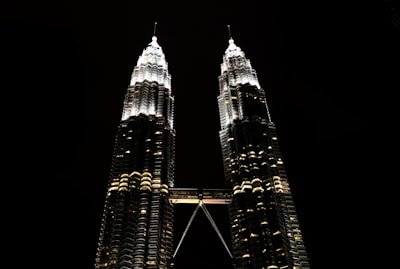
- Free Attractions in KL: Many key sights in KL like the Petronas Towers (from outside), KLCC Park, Merdeka Square, and various temples/mosques are free to visit. The GO KL City Bus is also free.
- Paid Attractions: Entrance fees for places like KL Tower, Petronas Towers Skybridge & Observation Deck, Aquaria KLCC, and theme parks can add up. Look for combination tickets or discounts.
General Budgeting Tips
- Hydrate: Buy large bottles of water from convenience stores rather than small ones from tourist kiosks. It's hot, so stay hydrated!
- Haggle (politely): In local markets, it's acceptable to bargain for souvenirs and goods.
- ATM/Money Changers: Withdraw cash from ATMs at banks or use reputable money changers (often found in malls) for better exchange rates than airports.
- Free Wi-Fi: Many cafes, restaurants, and malls offer free Wi-Fi, saving on mobile data costs.
Estimated Daily Budget (excluding accommodation):
- Budget Traveler: RM 50-100 (food, local transport, free/low-cost activities)
- Mid-Range Traveler: RM 100-250 (mix of local and nicer food, Grab rides, some paid attractions)
- Luxury Traveler: RM 250+ (fine dining, private transport, all paid attractions)
Hotels and Accommodation Near Batu Caves and Kuala Lumpur
While there are limited accommodation options directly adjacent to Batu Caves, it's generally recommended to stay in Kuala Lumpur and take a day trip. KL offers a vast range of hotels catering to all budgets and preferences, with easy access to Batu Caves via public transport.
Recommended Areas in Kuala Lumpur
- Vibe: Vibrant, bustling, excellent for shopping, nightlife, and dining.
- Accommodation: Wide range from luxury hotels (Pavilion Hotel, Grand Millennium) to mid-range (Ansa Hotel, Hotel Stripes) and numerous budget hostels.
- Pros: Central location, great for entertainment, well-connected by Monorail and MRT.
- Cons: Can be noisy, very touristy.
- KLCC (Kuala Lumpur City Centre):
- Vibe: Modern, upscale, home to the Petronas Towers and KLCC Park.
- Accommodation: Mostly high-end hotels (Mandarin Oriental, Traders Hotel, Four Seasons) with stunning views. Some serviced apartments.
- Pros: Iconic views, proximity to major attractions, high-end shopping.
- Cons: More expensive, less local feel compared to other areas.
- Chinatown (Petaling Street):
- Vibe: Historic, cultural, lively market atmosphere, street food haven.
- Accommodation: Primarily budget hotels and guesthouses (e.g., Hotel 1915, Mingle Hostel), some boutique options.
- Pros: Affordable, rich culture, fantastic food scene, close to Central Market and old railway station. Good access to LRT.
- Cons: Can be very crowded, especially in the evenings.
- Brickfields (Little India):
- Vibe: Cultural enclave, colorful, bustling, fantastic Indian food.
- Accommodation: Mix of budget to mid-range hotels (e.g., Aloft Kuala Lumpur Sentral, Ascott Sentral).
- Pros: Directly adjacent to KL Sentral (major transport hub), great for Indian cuisine, easy access to KTM Komuter for Batu Caves.
- Cons: Can be noisy and busy.
Accommodation Near Batu Caves (for specific needs)
If you prefer to stay closer to Batu Caves, perhaps to attend Thaipusam or avoid the city rush, there are a few options, though they are fewer and simpler.
- Budget Guesthouses/Homestays: You might find a limited number of local guesthouses or homestays in the surrounding residential areas. These offer a very local experience but might lack standard hotel amenities.
- Small Hotels: A few smaller, independent hotels can be found along the main roads leading to Batu Caves, such as the D'Garden Hotel or Batu Caves Business Hotel. These are generally no-frills and cater more to local travelers or those specifically visiting the area.
- Consider Gombak or Selayang: These are nearby districts that might have more local accommodation options, but public transport links might not be as direct as from central KL.
Recommendation: For most tourists, staying in Kuala Lumpur (especially areas like Brickfields or central KL for easy KTM access) is the most practical and enjoyable choice, offering a wider range of amenities, dining, and other attractions.
Safety Tips for Visiting Batu Caves and Malaysia
Malaysia is generally a safe country for tourists, but like any travel destination, it's wise to be aware of your surroundings and take standard precautions.
General Safety in Kuala Lumpur
- Petty Theft: Be vigilant in crowded areas (markets, public transport, tourist spots) for pickpockets and bag snatchers. Keep your belongings secure, especially phones and wallets.
- Taxi/Grab: Always use reputable taxi services or the Grab app. Avoid unmarked cabs. Confirm prices or ensure the meter is used.
- Scams: Be wary of strangers offering unsolicited help or suspicious "deals." Use common sense.
- Emergency Numbers: Police/Ambulance: 999.
Specific Safety Tips for Batu Caves
- Do not feed them: This makes them aggressive and dependent.
- Guard your belongings: Monkeys are notorious for snatching food, water bottles, sunglasses, and hats. Keep everything securely zipped in your bag.
- Maintain distance: They are wild animals. Do not try to pet them.
- Be firm: If a monkey approaches too closely, make loud noises or clap your hands to deter it.
- Watch your step: The 272 steps can be uneven and slippery when wet. Wear comfortable, non-slip shoes.
- Take breaks: The climb is steep, especially in the heat. There are landings where you can rest.
- Hydrate: Carry water, especially on hot days.
- Dress Code: While there's no strict enforcement for the main cave, out of respect for the religious site, it's advisable to dress modestly. Cover your shoulders and knees. Some parts of the temple complex might require appropriate attire.
- Heat and Humidity: Be prepared for the tropical climate. Wear light, breathable clothing, use sunscreen, and drink plenty of water.
- Crowds: During festivals like Thaipusam, the crowds are immense. Stay aware of your personal space and keep track of travel companions.
- Religious Sensitivity: Be respectful of worshippers and their rituals. Ask permission before taking close-up photos of individuals engaged in prayer. Remove your shoes before entering specific temple areas within the caves.
By keeping these tips in mind, you can ensure a safe and enjoyable visit to the magnificent Batu Caves.
FAQs About Batu Caves
Q1: Is there an entrance fee for Batu Caves?
A1: Entrance to the main Temple Cave (Cathedral Cave) is free. However, there are small fees for other caves like the Ramayana Cave (RM 5-10) and the Cave Villa/Art Gallery Cave (RM 10-15). The Dark Cave (if open) also has a separate fee and requires a guided tour.
Q2: What is the dress code for visiting Batu Caves?
A2: While not strictly enforced for the main climb, it is a sacred Hindu site. It is respectful to dress modestly, covering your shoulders and knees. You may see some visitors with bare shoulders or shorts, but for a comfortable and respectful visit, conservative attire is recommended. Remove your shoes before entering specific temple shrines.
Q3: How many steps are there to climb at Batu Caves?
A3: There are 272 steps, famously painted in vibrant rainbow colors, leading up to the main Temple Cave.
Q4: How long does it take to visit Batu Caves?
A4: A typical visit, including the climb, exploring the main Temple Cave, and visiting one or two other attractions (like Ramayana Cave), usually takes about 2-3 hours. If you take a Dark Cave tour (if available), allow an additional 1.5-2 hours.
Q5: Are there monkeys at Batu Caves? Are they dangerous?
A5: Yes, Batu Caves is home to many macaque monkeys. They are wild animals and can be mischievous, often snatching food or shiny objects. Do NOT feed them, maintain a safe distance, and keep your belongings securely stored to avoid encounters. They are generally not dangerous if you follow these guidelines.
Q6: Is Batu Caves accessible for people with mobility issues?
A6: Unfortunately, the main Temple Cave requires climbing 272 steep steps, making it largely inaccessible for those with significant mobility issues or in wheelchairs. The base attractions like the Lord Murugan statue, Ramayana Cave entrance, and Cave Villa are accessible.
Q7: Can I visit Batu Caves during Thaipusam?
A7: Yes, you can, but be prepared for extremely large crowds (hundreds of thousands of people), traffic congestion, and a very slow pace. It's a unique cultural experience but requires patience and advance planning for transport and accommodation.
Q8: Are there food and drink options available at Batu Caves?
A8: Yes, there are numerous stalls and restaurants at the base of Batu Caves offering Indian-Malaysian food, snacks, and drinks. Prices are generally affordable.
Q9: Is it safe to drink the tap water in Malaysia?
A9: It is generally advised not to drink tap water directly in Malaysia. Stick to bottled water, which is widely available and inexpensive.
Q10: What should I wear on my feet?
A10: Comfortable walking shoes with good grip are highly recommended, especially for climbing the steps and navigating the cave interiors. Sandals or flip-flops might be less comfortable or slippery.
Q11: Are there toilets available?
A11: Yes, there are public toilets available at the base of the Batu Caves complex, usually for a small fee (RM 1-2).
Visiting Batu Caves is an experience that transcends mere sightseeing, offering a spiritual journey amidst natural grandeur and cultural vibrancy. It's a destination that leaves a lasting impression, a true jewel in Malaysia's diverse landscape.