Petronas Twin Towers
Petronas Twin Towers: An Icon of Kuala Lumpur and Beyond – Your Ultimate Travel Guide
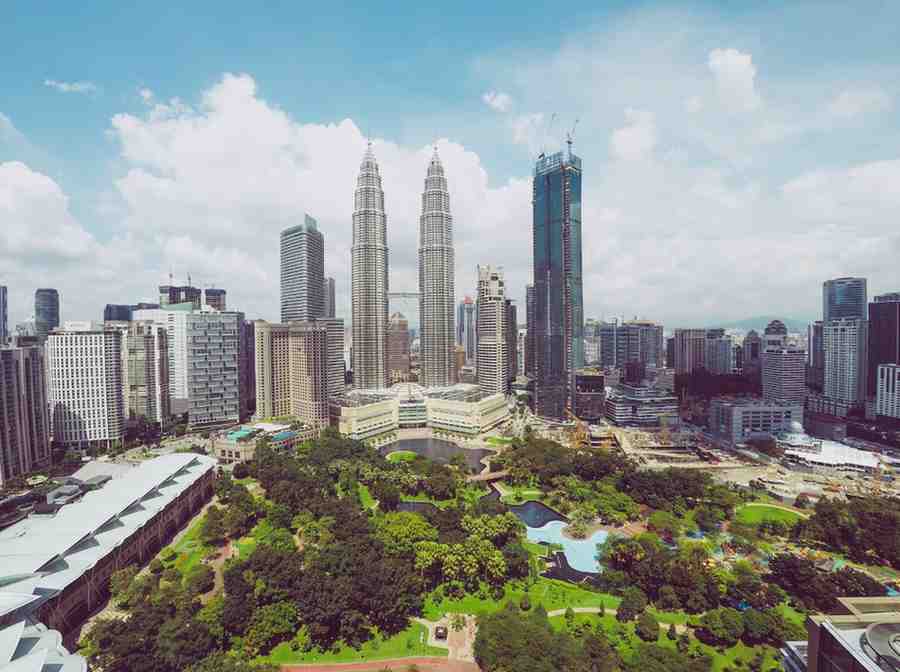
Welcome to the heart of modern Malaysia, where the majestic Petronas Twin Towers pierce the sky, standing as a testament to human ingenuity, architectural brilliance, and national aspiration. Located in the vibrant capital city of Kuala Lumpur, these magnificent skyscrapers are more than just buildings; they are a symbol, a landmark, and an essential experience for every traveler. Once the tallest buildings in the world and still holding the title for the tallest twin towers, their glittering facades reflect Malaysia's rapid growth and unique blend of tradition and modernity.
This comprehensive travel guide will take you on a journey through everything you need to know about visiting the Petronas Twin Towers and exploring their captivating surroundings. From their fascinating history and design to practical tips on how to get there, what to see, where to eat, and how to make the most of your budget, prepare to uncover the magic of Kuala Lumpur's crown jewel.
The Majestic Petronas Twin Towers: A Symbol of Malaysian Pride
The Petronas Twin Towers didn't just appear overnight; they are the culmination of a visionary dream to create a globally recognized symbol for Malaysia. Completed in 1998, their construction marked a pivotal moment in the nation's development, showcasing its ambition on the world stage.
A Glimpse into History and Design
The inception of the Petronas Twin Towers project was spearheaded by Malaysia's fourth Prime Minister, Tun Dr. Mahathir Mohamad, who envisioned a landmark that would symbolize Malaysia's entry into the 21st century. The task of bringing this vision to life fell to the renowned Argentine-American architect César Pelli. Pelli's design, chosen after an international competition, masterfully integrates contemporary aesthetics with profound cultural resonance.
The towers' most striking feature is their unique Islamic-inspired design. Pelli drew inspiration from traditional Malaysian art forms and Islamic geometric patterns, particularly the Rub el Hizb, an eight-pointed star found in Islamic calligraphy. This motif is clearly visible in the floor plan of each tower, which consists of two interlocking squares, creating a sophisticated and culturally rich silhouette. The intricate details extend to the towers' pinnacles, resembling minarets, further reinforcing their connection to Islamic architecture and Malaysian heritage.
Constructing two 88-story superstructures simultaneously was an monumental challenge. The project pushed the boundaries of engineering and construction technology. The towers are primarily built with high-strength reinforced concrete, a deliberate choice over steel, partly due to the high cost of imported steel and the local availability of concrete. This decision also contributed to the towers' stability and fire resistance. The exterior is clad in stainless steel and glass panels, which shimmer under the tropical sun and reflect the ever-changing Kuala Lumpur sky.
An Engineering Marvel
Standing at an impressive height of 452 meters (1,483 feet), the Petronas Twin Towers were the tallest buildings in the world until 2004, and they continue to hold the record as the world's tallest twin skyscrapers. This staggering height is supported by deep foundations, extending up to 130 meters into the ground, ensuring unparalleled stability.
The most iconic architectural feature connecting the two towers is the Skybridge. This double-decked bridge, located on the 41st and 42nd floors, is not directly attached to the main structure of either tower. Instead, it "slides" in and out, allowing for independent movement of the towers due to wind and thermal expansion. This ingenious design prevents the bridge from being torn apart by the towers' natural sway, ensuring both safety and structural integrity. The Skybridge itself is an engineering marvel, offering visitors an unparalleled viewing experience.
Beyond their aesthetic appeal and structural prowess, the towers are also home to the headquarters of Petronas, Malaysia's national oil and gas company, along with numerous other multinational corporations. The complex also houses Suria KLCC, one of Malaysia's premier shopping malls, a world-class concert hall, an interactive science museum, an art gallery, and the sprawling KLCC Park, making it a vibrant hub for business, culture, education, and leisure.
Unforgettable Experiences at the Towers and Surrounds
A visit to the Petronas Twin Towers is much more than just seeing tall buildings; it's an immersive experience that blends breathtaking views, world-class shopping, cultural enrichment, and serene natural beauty.
Skybridge & Observation Deck: Views from the Top
The highlight for many visitors is the journey up to the Skybridge and the Observation Deck on the 86th floor. The experience begins with a high-speed elevator ride, whisking you up to the Skybridge at floors 41 and 42. Here, you can step out onto the world's highest two-story bridge, connecting the two towers. From this vantage point, you'll gain a unique perspective of the city, gazing down at the bustling streets and surrounding skyscrapers. The Skybridge offers an excellent opportunity for photographs, providing a slightly lower but still spectacular view of Kuala Lumpur's sprawling urban landscape.
Further up, the Observation Deck on the 86th floor provides truly panoramic 360-degree views. State-of-the-art interactive displays and telescopes enhance the experience, allowing you to identify famous landmarks and learn more about the city below. From here, you can fully appreciate the scale and dynamism of Kuala Lumpur, stretching out to the distant hills. It’s advisable to book your tickets in advance online, as slots are limited and often sell out, especially during peak season. Different time slots offer varying perspectives – a daytime visit provides clear visibility, while an evening slot offers dazzling city lights.
Suria KLCC: A Shopper's Paradise
Nestled at the base of the Petronas Twin Towers, Suria KLCC is one of Kuala Lumpur’s most prestigious shopping malls. Spanning six floors, it houses an impressive array of international luxury brands, fashion boutiques, electronics stores, bookstores, and local retailers. Whether you're looking for high-end fashion, unique souvenirs, or simply want to indulge in some retail therapy, Suria KLCC has something for everyone. Beyond shopping, the mall features a diverse range of dining options, from fine dining restaurants to casual cafes and an extensive food court offering local and international cuisines. It's the perfect place to grab a meal before or after your tower visit.
Dewan Filharmonik Petronas: A Cultural Gem
For lovers of classical music, the Dewan Filharmonik Petronas (DFP) is a must-visit. Located within the Petronas Towers complex, it is home to the Malaysian Philharmonic Orchestra (MPO) and is one of Asia's leading concert halls. Its stunning architecture and exceptional acoustics make it a world-class venue for classical performances, jazz concerts, and traditional Malaysian music. Check their schedule in advance for performances that might coincide with your visit.
Petrosains, The Discovery Centre: Fun for All Ages
Located on the fourth floor of Suria KLCC, Petrosains is an interactive science discovery center that offers an engaging and educational experience for visitors of all ages, especially families with children. It features hands-on exhibits covering various scientific principles, with a particular focus on the petroleum industry, from its origins to its modern applications. The exhibits are designed to be fun, informative, and inspiring, making science accessible and exciting.
Galeri PETRONAS: Art and Heritage
Also situated within Suria KLCC, Galeri PETRONAS is a contemporary art gallery dedicated to showcasing Malaysian and Southeast Asian art. It hosts a diverse range of exhibitions throughout the year, featuring both established and emerging artists. The gallery plays a vital role in promoting local artistic talent and cultural exchange, offering visitors a deeper insight into Malaysia's vibrant art scene.
KLCC Park: An Urban Oasis
Adjacent to the Petronas Twin Towers, the 50-acre KLCC Park provides a refreshing escape from the urban bustle. Designed by Roberto Burle Marx, the park boasts lush greenery, jogging tracks, a children's playground, wading pools, and beautiful sculpted gardens. The centerpiece of the park is Lake Symphony, a man-made lake featuring spectacular musical fountain shows every evening. The synchronized light and water display, set against the backdrop of the illuminated towers, is a truly magical experience and is completely free to enjoy. The park is perfect for a leisurely stroll, a family picnic, or simply relaxing amidst nature.
Planning Your Visit: Essential Information
To ensure a smooth and enjoyable experience, here's everything you need to know about planning your trip to the Petronas Twin Towers and Kuala Lumpur.
Best Time to Visit
Kuala Lumpur, being a tropical city, experiences warm and humid weather year-round, with occasional heavy downpours.
- Weather-wise: The drier months typically run from May to September, though short, heavy showers can still occur. November to February generally sees heavier rainfall. However, rain usually comes in short bursts, leaving plenty of sunshine throughout the day.
- Crowds: Weekends and Malaysian public holidays tend to be the busiest. To avoid the largest crowds, consider visiting on a weekday.
- Tower Visits: For the Skybridge and Observation Deck, morning slots (especially soon after opening) or late afternoon slots (to catch both day and evening views) are highly recommended. If you want to see the KLCC Park fountain show, plan your visit for the evening. The towers are stunning at night when illuminated, making an evening stroll around the park a must.
- Opening Hours: The Petronas Twin Towers Skybridge and Observation Deck are typically open from Tuesday to Sunday, from 9:00 AM to 9:00 PM (last admission at 8:30 PM). They are closed on Mondays and during certain public holidays or prayer times (especially on Fridays). Always check the official website for the most current operating hours and ticket availability.
How to Reach the Petronas Twin Towers
The Petronas Twin Towers are centrally located and easily accessible by various modes of transport.
- By LRT (Light Rail Transit): This is arguably the most convenient way. Take the Kelana Jaya Line (LRT) and alight at the KLCC Station. From the station, follow the signs that lead directly into Suria KLCC mall, and from there, you can easily reach the tower entrance or the park.
- By Monorail: While the Monorail doesn't stop directly at KLCC, you can take it to the Bukit Nanas station (which is near the KL Tower) or Raja Chulan station and then take a short walk (about 15-20 minutes) or a Grab/taxi to the towers.
- By Bus: Many local buses pass by the KLCC area. Look for buses that service the KLCC stop. The GoKL City Bus (a free hop-on, hop-off bus service) also has a "Green Line" that stops at KLCC. This is a great budget-friendly option for getting around the city center.
- By Taxi/Grab: Taxis and ride-sharing services like Grab (Southeast Asia's version of Uber) are readily available throughout Kuala Lumpur. Simply input "Petronas Twin Towers" or "Suria KLCC" as your destination. This is a good option for convenience, especially if you're traveling with luggage or a group.
- Walking: If your accommodation is within the Bukit Bintang area, you can use the air-conditioned pedestrian bridge (KLCC-Bukit Bintang Walkway) to reach the towers. This comfortable walkway offers a safe and pleasant stroll between the two major shopping and entertainment hubs.
Public Transport in Kuala Lumpur: Navigating the City
Kuala Lumpur boasts an efficient and affordable public transport system, making it easy to explore beyond the towers.
- Integrated Network: The city's public transport consists of LRT (Light Rail Transit), MRT (Mass Rapid Transit), Monorail, and KTM Komuter trains. These systems are largely integrated, allowing for seamless transfers.
- Touch 'n Go Card: For convenience, purchase a "Touch 'n Go" card from any LRT/MRT station or convenience store. This reloadable card can be used across all major public transport systems, eliminating the need to buy single-journey tickets for each ride.
- GoKL City Bus: As mentioned, the GoKL City Bus offers free rides on several routes covering major tourist attractions, including the Petronas Twin Towers. It’s an excellent way to see the city on a budget.
- Grab: Grab is very popular and reliable. It’s often cheaper than traditional taxis and allows for cashless payments.
Travel Budget Tips for Kuala Lumpur
Kuala Lumpur can cater to all budgets, from luxury travelers to backpackers. Here's how to manage your expenses:
- Luxury: Hotels like Mandarin Oriental, Grand Hyatt, or Traders Hotel (known for its Skybar with tower views) offer unparalleled service and proximity to the towers. Expect RM 500+ per night.
- Mid-Range: Many good 3-4 star hotels can be found slightly further afield but still within easy reach via public transport, e.g., in Bukit Bintang or Chow Kit areas (RM 200-500).
- Budget: Hostels and guesthouses are plentiful, especially in areas like Bukit Bintang, Chinatown, and Pudu. Expect RM 50-150 for a private room, or even less for a dorm bed.
- Food: Kuala Lumpur is a food paradise, and eating cheaply is incredibly easy.
- Hawker Centers & Food Courts: The cheapest and most authentic meals can be found at hawker centers like Jalan Alor or food courts in malls (Suria KLCC has a great one called Signatures Food Court). A hearty meal can cost as little as RM 10-25.
- Restaurants: Mid-range restaurants offer meals for RM 30-70 per person. Fine dining can range from RM 100+ per person.
- Transportation: Public transport is very affordable. A single LRT ride typically costs RM 2-5. A Grab ride across the city center might be RM 10-25.
- Petronas Twin Towers Skybridge & Observation Deck: Tickets are currently around RM 80-98 for adults (international visitors).
- Free Activities: Enjoy the KLCC Park, Lake Symphony fountain show, GoKL City Bus, and window shopping.
- Other paid attractions: Petrosains, KL Tower, Aquaria KLCC. Consider combo tickets if available.
Hotels and Accommodation Near Petronas Twin Towers
Staying near the Petronas Twin Towers offers unparalleled convenience and stunning views.
- Luxury (Directly Adjacent/Walking Distance):
- Mandarin Oriental, Kuala Lumpur: Connected to Suria KLCC, offering superb service and city views.
- Grand Hyatt Kuala Lumpur: Directly opposite the towers, known for its spacious rooms and excellent dining.
- Traders Hotel Kuala Lumpur: Famous for its SkyBar with direct, unobstructed views of the towers, perfect for evening drinks.
- Four Seasons Hotel Kuala Lumpur: Luxurious, located next to KLCC, offering sophisticated stays.
- Mid-Range (Short Walk/Commute):
- Impiana KLCC Hotel: Very close to the towers, often offering competitive rates for its location.
- Hotel Maya Kuala Lumpur: Stylish boutique hotel, a short walk from the towers.
- Fraser Place Kuala Lumpur: Serviced apartments, great for families or longer stays, a 10-15 minute walk.
- Budget (Easy Public Transport Access):
- Consider hotels in areas like Bukit Bintang, Chinatown (Petaling Street), or Chow Kit. These areas are well-connected by LRT/MRT and offer more budget-friendly options, often just a few stops away from KLCC. Look for boutique hotels, guesthouses, or established hotel chains offering promotions.
Safety Tips for Tourists in Kuala Lumpur
Kuala Lumpur is generally a safe city for tourists, but like any major metropolis, it's wise to be aware of your surroundings.
- Petty Crime: Be mindful of pickpockets, especially in crowded areas like markets, public transport, and tourist hotspots. Keep your valuables secure and out of sight.
- Bag Snatching: On occasion, there have been incidents of snatch theft, usually by motorcyclists. Walk facing traffic where possible and hold your bag away from the road.
- Scams: Be cautious of common tourist scams, such as overly friendly strangers offering "deals" or trying to lure you into shops, or taxi drivers who refuse to use the meter. Always insist on the meter or use Grab.
- Drink Spiking: If you're out at bars or clubs, never leave your drink unattended.
- Traffic: Be careful when crossing roads, as traffic can be heavy and fast-paced. Use pedestrian crossings when available.
- Emergency Numbers: The national emergency number for police and ambulance is 999.
- Travel Insurance: Always travel with comprehensive travel insurance that covers medical emergencies, trip cancellations, and theft.
Savoring Kuala Lumpur: A Local Food Guide
Kuala Lumpur is a culinary melting pot, reflecting Malaysia's diverse ethnic composition of Malay, Chinese, and Indian cultures. Food is an integral part of the experience, and you're in for a treat!
Malaysian Culinary Delights Around KLCC
While Suria KLCC offers excellent dining options, venture slightly further to discover authentic local flavors.
Must-Try Dishes
- Nasi Lemak: Malaysia's national dish. Fragrant rice cooked in coconut milk, served with spicy sambal, fried anchovies, peanuts, a hard-boiled egg, and often a piece of fried chicken or beef rendang. Perfect for breakfast, lunch, or dinner.
- Laksa: A spicy noodle soup that comes in many regional variations. Try Curry Laksa (rich, coconut-based, spicy broth) or Assam Laksa (sour, fish-based tamarind broth).
- Satay: Skewered and grilled marinated meat (chicken, beef, or lamb), served with a rich peanut sauce, cucumber, and onion.
- Roti Canai: A fluffy, crispy Indian-inspired flatbread, typically served with dhal (lentil curry) or other curries. A popular breakfast item.
- Char Kway Teow: Stir-fried flat rice noodles with prawns, cockles, bean sprouts, chives, egg, and a dark soy sauce. A delicious, smoky, wok-hei infused dish.
- Hokkien Mee: Thick yellow noodles braised in a dark soy sauce with pork, prawns, and vegetables.
- Teh Tarik: The national drink – "pulled tea." A frothy, sweet milk tea, mesmerizingly prepared by pouring it between two containers to cool and aerate it.
- Durian: The "King of Fruits." Known for its pungent aroma and creamy, sweet flesh. An adventurous must-try for foodies!
Where to Eat
- Suria KLCC Food Courts: "Signatures Food Court" offers a wide range of local and international dishes in an air-conditioned setting, perfect for a quick and easy meal.
- Jalan Alor (Bukit Bintang): A legendary food street that comes alive at night. A short Grab ride from KLCC, it's an immersive experience with countless hawker stalls offering a vast selection of Malaysian, Chinese, and Thai street food.
- Tapak Urban Street Dining (KLCC): Just a short walk from the towers, this popular food truck park offers a trendy, open-air dining experience with a variety of local and fusion cuisines. Great atmosphere, especially in the evenings.
- Indian & Malay Restaurants: Explore the smaller eateries tucked away in the surrounding areas for authentic and often very affordable local fare. Look for "mamak" stalls for Indian Muslim food.
Beyond the Towers: Nearby Attractions
While the Petronas Twin Towers are a destination in themselves, Kuala Lumpur offers a plethora of other attractions within easy reach.
- KL Tower (Menara Kuala Lumpur): Another iconic skyscraper offering even higher, unobstructed panoramic views of the city, including the Petronas Towers themselves. It also features a revolving restaurant and a thrilling "Sky Box" glass platform.
- Aquaria KLCC: Located beneath the Kuala Lumpur Convention Centre, this state-of-the-art aquarium is home to over 5,000 marine and land creatures from Malaysia and around the world. Its impressive underwater tunnel is a highlight.
- KL Forest Eco Park: One of Malaysia's oldest permanent forest reserves, offering a unique opportunity to experience a tropical rainforest in the heart of the city. Enjoy canopy walks and hiking trails.
- Central Market: A cultural landmark offering local handicrafts, souvenirs, and art, providing a glimpse into Malaysian heritage.
- Chinatown (Petaling Street): A bustling market known for its street food, bargain shopping, and vibrant atmosphere.
FAQ Section
Q: How do I buy tickets for the Petronas Twin Towers Skybridge and Observation Deck?
A: It is highly recommended to purchase tickets online via the official Petronas Twin Towers website in advance. This ensures you secure your preferred time slot, as tickets are limited and often sell out, especially during peak seasons. Some walk-in tickets may be available, but it's not guaranteed.
Q: What are the opening hours for the Petronas Twin Towers?
A: The towers are generally open from Tuesday to Sunday, 9:00 AM to 9:00 PM (last admission 8:30 PM). They are closed on Mondays and usually for a few hours on Fridays during midday prayers. Always check the official website for the most current schedule, as hours can change.
Q: Is there a dress code to visit the towers?
A: There is no strict dress code for visitors, but it is advisable to dress respectfully, especially in a cultural and business hub. Comfortable walking shoes are recommended.
Q: How long does a visit to the Skybridge and Observation Deck take?
A: The entire guided tour experience, from registration to exiting the viewing decks, typically takes about 45 minutes to 1 hour. This includes elevator rides, time on the Skybridge (approx. 10 minutes), and time on the Observation Deck (approx. 15 minutes).
Q: Is it worth visiting the Petronas Twin Towers at night?
A: Absolutely! The towers are beautifully illuminated at night, creating a spectacular sight. The views of the city lights from the Observation Deck are mesmerizing, and the Lake Symphony fountain show at KLCC Park is a magical experience against the backdrop of the lit towers.
Q: Are there lockers available for bags?
A: Yes, there are security checks before you proceed to the elevators. Large bags, backpacks, and bulky items are usually not allowed on the tour and must be stored in provided lockers at the visitor's center.
Q: Can you go to the top of both towers?
A: No, the visitor experience takes you to the Skybridge, which connects both towers, and then up to the Observation Deck on the 86th floor of one of the towers. You cannot access the very top spire or the offices in the other tower as a tourist.
Q: Is the Petronas Twin Towers accessible for disabled visitors?
A: Yes, the Petronas Twin Towers are generally wheelchair-friendly, with ramps, elevators, and accessible facilities throughout the complex.
The Petronas Twin Towers are more than just architectural marvels; they are the vibrant pulse of Kuala Lumpur, embodying Malaysia's ambition, heritage, and dynamic future. A visit here promises not just stunning views but a deeper understanding of a nation that continues to soar to new heights. Plan your trip, immerse yourself in the experience, and take home unforgettable memories of this iconic destination.