Sydney Opera House (Sydney, New South Wales)
Sydney Opera House: A Comprehensive Travel Guide to Australia's Architectural Icon
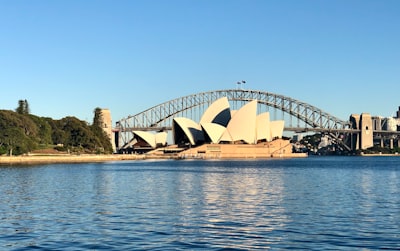
Nestled majestically on Bennelong Point, jutting into the sparkling waters of Sydney Harbour, stands an architectural marvel that transcends mere building status to become a global symbol of creativity, innovation, and cultural excellence: the Sydney Opera House. More than just a venue, it is an experience, a masterpiece of modern design, and an enduring testament to human ingenuity. Attracting millions of visitors annually, this UNESCO World Heritage Site isn't just Australia's most recognisable landmark; it's a living, breathing hub of performing arts, dining, and breathtaking harbour vistas, making it an indispensable stop for any traveller exploring the Land Down Under.
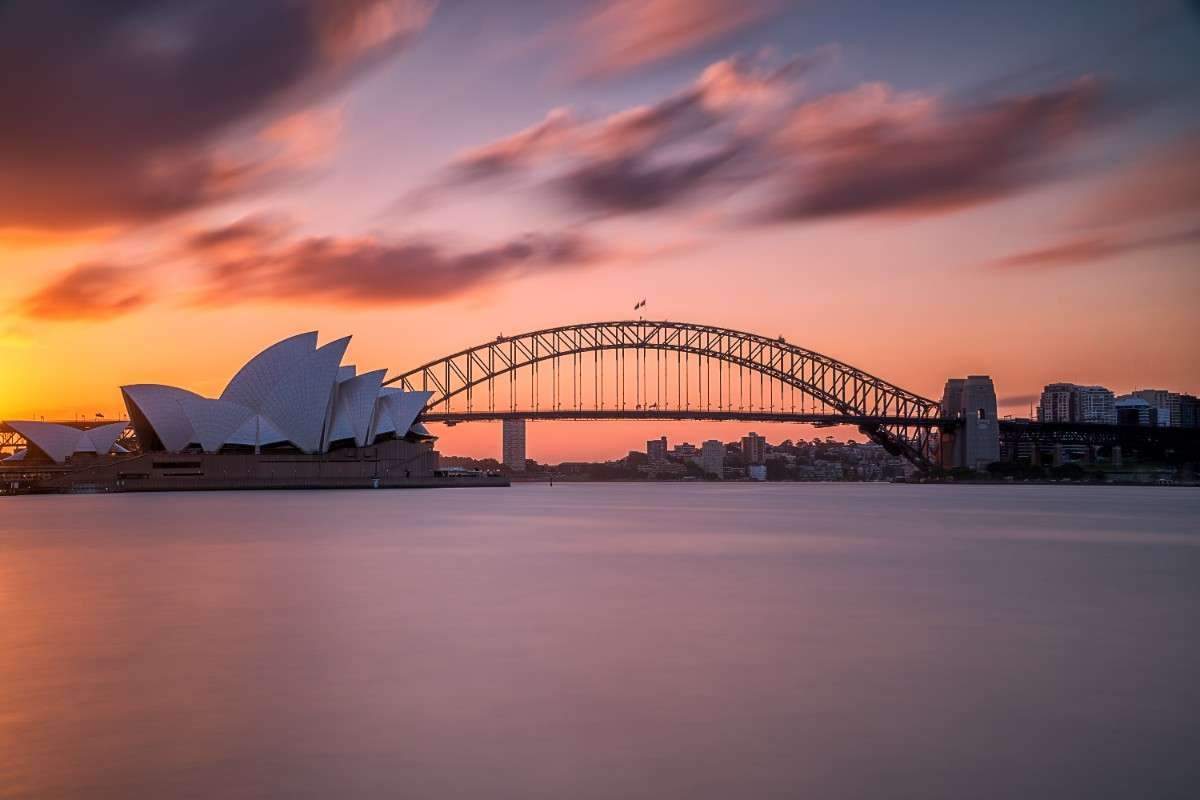
Designed by the visionary Danish architect Jørn Utzon, the Sydney Opera House is renowned worldwide for its audacious, sail-like shell structures that seem to unfurl against the backdrop of the city skyline and the vast Pacific ocean. It's a structure that defied engineering conventions and pushed the boundaries of what was thought possible, resulting in a building that is as much a sculpture as it is a functional space. Beyond its exterior beauty, the Opera House pulsates with life, hosting over 1,500 performances each year, encompassing everything from grand opera and classical ballet to contemporary concerts, thought-provoking theatre, and vibrant festivals. A visit here offers a multi-sensory journey, inviting you to explore its stunning architecture on a guided tour, savour world-class cuisine with panoramic views, or simply soak in the dynamic atmosphere of its scenic surroundings, including the adjacent Royal Botanic Garden. Its unique design and engineering have cemented its place as a global architectural icon, truly a must-visit for anyone venturing to Australia.
A Deep Dive into the Sydney Opera House
The Sydney Opera House is not just a pretty facade; it's a complex and fascinating institution with a rich history and a vibrant present. To truly appreciate its grandeur, one must delve into its various facets.
Architectural Marvel: Jørn Utzon's Vision
The story of the Sydney Opera House's design is one of triumph over adversity. In 1957, the relatively unknown Jørn Utzon won an international competition to design a national opera house for Sydney. His audacious submission, with its revolutionary shell-like roof, immediately captured imaginations but posed immense engineering challenges. What appears as simple, elegant sails are, in fact, precast concrete segments forming complex spherical geometry, clad in over one million self-cleaning white and matte cream ceramic tiles manufactured in Sweden. These tiles shimmer and change colour with the shifting light of the sun and moon, creating an ever-evolving spectacle. The interior spaces, too, are a testament to Utzon’s genius, designed with superb acoustics and an intuitive flow, even though he tragically resigned before the project's completion, leaving parts of the interior to be finished by others. The building is a symbol of modernist architecture, a fusion of art and engineering that continues to inspire.
A World-Class Performing Arts Venue
Beneath its iconic shells, the Sydney Opera House houses multiple performance venues, each with its own character and purpose, making it one of the busiest performing arts centres in the world.
- Concert Hall: The largest venue, famed for its superb acoustics and grand pipe organ (the largest mechanical tracker action organ in the world), it hosts symphony orchestras, major concerts, and popular music acts. Home to the Sydney Symphony Orchestra.
- Joan Sutherland Theatre: The primary venue for opera and ballet, offering an intimate yet grand setting for world-class productions by Opera Australia and The Australian Ballet.
- Drama Theatre: A more intimate space for contemporary theatre and dramatic performances.
- Playhouse: A smaller venue often used for lectures, film screenings, and diverse theatrical productions.
- The Studio: A versatile space that can be configured for cabaret, comedy, and experimental performances, offering a more informal and edgy experience.
- Utzon Room: Designed by Utzon himself for smaller events, featuring a magnificent tapestry he created, offering stunning harbour views.
UNESCO World Heritage Status
In 2007, the Sydney Opera House was inscribed on the UNESCO World Heritage List, a testament to its "outstanding universal value." It was cited for being "a masterpiece of 20th century architecture" and "one of the indisputable masterpieces of human creativity, not only in the 20th century but in the history of humankind." This recognition further elevates its importance as a global cultural treasure.
Beyond the Stage: Experiences and Tours
A visit to the Sydney Opera House isn't limited to attending a performance.
- Guided Tours: Several tour options allow you to explore the building's fascinating history and architecture. The standard Opera House Tour takes you through the foyers, major venues, and provides insights into its construction and stories. For a more in-depth experience, the Backstage Tour offers a rare glimpse behind the curtain, letting you see dressing rooms, rehearsal spaces, and hear anecdotes from staff and performers. There are also specific Architectural Tours and Taste of the House tours combining food and culture.
- Dining: Enjoy a meal or drink at one of its many establishments. The Opera Bar is an institution, offering casual dining and drinks right on the waterfront, perfect for soaking up the harbour atmosphere. Opera Kitchen provides quick, quality bites. For a more upscale experience, Bennelong Restaurant, nestled within one of the main shells, offers exquisite modern Australian cuisine with unparalleled views. The House Canteen offers a diverse, casual menu.
- Shopping: The Opera House Shop offers a range of unique souvenirs, books, and gifts related to its history and performances.
- Photography: The exterior and its surrounds offer endless photographic opportunities, especially at sunrise, sunset, or during the annual Vivid Sydney light festival.
Best Time to Visit the Sydney Opera House
Sydney enjoys a temperate climate, making the Opera House a year-round destination. However, the "best" time depends on your preferences for weather, crowds, and specific events.
- Autumn (March to May): Widely considered the ideal time to visit. The weather is pleasantly warm (average 18-25°C), humidity is lower, and rainfall is moderate. The crowds from the summer peak season have thinned out, making it more comfortable for sightseeing and enjoying outdoor activities. Many cultural festivals, including some associated with the Opera House, occur during this period.
- Spring (September to November): Another excellent shoulder season. Similar to autumn, you'll find comfortable temperatures (average 18-24°C), blooming gardens, and a vibrant atmosphere as the city comes alive before the summer rush. It's a great time for outdoor explorations and scenic walks.
- Summer (December to February): Sydney's peak tourist season, characterised by hot, humid weather (average 20-28°C, often higher) and larger crowds. While the atmosphere is festive, especially leading up to Christmas and New Year's Eve (which offers spectacular fireworks over the Harbour Bridge and Opera House), expect higher prices for flights and accommodation, and longer queues. If you visit in summer, book everything well in advance and be prepared for the heat.
- Winter (June to August): Cooler temperatures (average 10-17°C) and less sunshine, but still generally mild compared to many Northern Hemisphere winters. This is the low season for tourism, meaning fewer crowds and potentially better deals on accommodation. It's an excellent time for indoor cultural experiences, including the Opera House's winter performance schedule. The Vivid Sydney festival (late May/early June) sees the Opera House sails illuminated with spectacular projections, making winter an unexpectedly magical time to visit.
Consider specific events: If you wish to experience
Vivid Sydney, plan for late May/early June. For
New Year's Eve fireworks, book accommodation and vantage points many months, even a year, in advance. Check the official Sydney Opera House website for performance schedules well ahead of your visit to secure tickets for desired shows.
Top Attractions Within and Around the Sydney Opera House
While the Opera House itself is the star, its prime location offers a wealth of additional experiences right at your doorstep.
Within the Sydney Opera House:
- Guided Architectural Tours: Essential for understanding the building's history, design, and internal workings.
- Attend a Performance: Whether it's opera, ballet, a symphony concert, or a contemporary play, experiencing a show inside is unforgettable.
- Dine with a View: Enjoy a meal or drink at Opera Bar, Opera Kitchen, or the exquisite Bennelong Restaurant.
- The Utzon Room: Admire the tapestry by Jørn Utzon and the panoramic harbour views.
- The Opera House Shop: Pick up unique souvenirs and gifts.
Immediately Around the Opera House:
- Circular Quay: The main transport hub and a vibrant waterfront precinct. Watch the ferries come and go, enjoy street performers, and soak in the bustling atmosphere. It's the perfect spot for taking iconic photos of the Opera House and Harbour Bridge together.
- Royal Botanic Garden Sydney: Directly adjacent to the Opera House, these sprawling gardens offer a peaceful escape with diverse plant collections, stunning harbour views, and walking paths. It's a fantastic spot for a picnic or a leisurely stroll.
- Mrs Macquarie's Chair: A historic sandstone bench carved for Governor Macquarie's wife, offering one of the most iconic, unobstructed panoramic views of the Sydney Opera House and Sydney Harbour Bridge. It's about a 15-20 minute walk from the Opera House through the Botanic Garden.
- The Rocks: Sydney's historic neighbourhood, located just a short walk west of Circular Quay. Explore cobblestone laneways, historic pubs, weekend markets, and learn about early colonial history. Offers stunning views of the Harbour Bridge from underneath.
- Sydney Harbour Bridge: While you can admire it from afar, consider walking across the pedestrian walkway for incredible views, or for the adventurous, undertake the famous BridgeClimb for an unparalleled perspective of the city and its icons.
Nearby Attractions (Easily Accessible from Circular Quay):
- Ferries: Take a ferry from Circular Quay to various destinations like Manly Beach (a scenic coastal town with beautiful beaches), Taronga Zoo (a world-class zoo with harbour views), or Darling Harbour for further exploration. The ferry ride itself is a fantastic way to see the harbour.
- Museum of Contemporary Art Australia (MCA): Located on Circular Quay West, offering an impressive collection of contemporary art.
How to Reach the Sydney Opera House
The Sydney Opera House is centrally located and highly accessible, particularly from Sydney's CBD and major transport hubs.
- From Sydney Airport (SYD):
- Train (Airport Link): The most convenient and fastest option. Take the T8 Airport & South Line train directly from the airport stations (International or Domestic) to Circular Quay Station. The journey takes approximately 20-25 minutes. From Circular Quay, the Opera House is a leisurely 5-7 minute walk.
- Taxi/Rideshare: A taxi or rideshare service (Uber, Ola, DiDi) will take around 25-40 minutes, depending on traffic, and cost approximately AUD$45-65.
- Shuttle Bus: Several private shuttle services offer door-to-door transfers, often a more economical option for solo travellers than a taxi, but they can take longer due to multiple stops.
- Walk: If you're staying in the northern end of the CBD (e.g., near Martin Place or Wynyard), the Opera House is a pleasant 10-20 minute walk through bustling streets or along the foreshore.
- Train: The easiest way from most CBD locations. Take any train to Circular Quay Station. From there, it's a short walk around the harbour to the Opera House.
- Bus: Numerous bus routes terminate at Circular Quay. Check the transport NSW website or use a journey planner app for the best route from your specific location.
- Ferry: If you're coming from another harbour-side location (e.g., Manly, Darling Harbour), taking a ferry to Circular Quay Wharf is a scenic and convenient option.
- Driving/Parking: While possible, driving to the Sydney Opera House is generally not recommended due to high parking costs and city traffic. If you must drive, the nearest parking is the Wilson Parking Opera House Car Park (2 Macquarie St, Sydney), which offers direct access to the Opera House. It's expensive, especially for extended stays. Consider pre-booking parking online for potential discounts.
Local Food Guide: Savoring Sydney's Culinary Delights
Sydney is a vibrant multicultural city, and its food scene reflects this diversity, offering everything from casual street food to world-class fine dining. The area around the Opera House and Circular Quay provides excellent options.
Dining at the Opera House & Circular Quay:
- Bennelong Restaurant: (Fine Dining) Located within the Opera House's smaller "sail," Bennelong offers a quintessential Australian fine dining experience with spectacular views. Expect modern Australian cuisine using premium local produce.
- Opera Bar: (Casual, Iconic) A Sydney institution, perfect for drinks, pizzas, seafood platters, and sharing plates with unbeatable harbour views. Always bustling, especially on a sunny day or evening.
- Opera Kitchen: (Casual) A more relaxed option offering a range of fresh, healthy, and quick meals, including sushi, salads, and gourmet burgers.
- House Canteen: (Casual, Diverse) A newer, diverse food precinct offering various options, from Asian-inspired dishes to classic comfort food, with a relaxed, modern vibe.
- Circular Quay: Around Circular Quay, you'll find numerous cafes, casual eateries, and pubs offering everything from fish and chips to more formal seafood restaurants. The Eastbank Cafe is a popular choice for Italian with harbour views.
Sydney Must-Trys & Culinary Experiences:
- Seafood: Given its coastal location, Sydney boasts incredible fresh seafood. Don't miss Sydney Rock Oysters, prawns, fresh fish (like barramundi or snapper), and classic fish and chips. Head to the Sydney Fish Market for the freshest catch and a bustling experience.
- Modern Australian Cuisine: A fusion of European cooking techniques with Asian flavours and indigenous ingredients. Look for restaurants highlighting native Australian produce.
- Cafe Culture: Sydney's cafe scene is world-renowned. Enjoy a flat white, avocado toast, or a full brunch spread. Trendy neighbourhoods like Surry Hills and Newtown are particularly known for their cafes.
- Meat Pie: A quintessential Australian snack, often found in bakeries and convenience stores. Best enjoyed with tomato sauce (ketchup).
- Lamingtons: A classic Australian dessert – sponge cake coated in chocolate sauce and desiccated coconut.
- BBQ/Grill: Australians love a good 'barbie.' While fine dining, many restaurants offer excellent grilled meats.
- International Cuisine: From authentic Vietnamese in Cabramatta to Italian in Leichhardt or superb Chinese in Chinatown, Sydney's multicultural fabric ensures a diverse range of high-quality international dining options.
- BYO (Bring Your Own): Many restaurants, especially smaller ones, allow you to bring your own wine for a small corkage fee, which can save money. Look for "BYO" signs.
Public Transport in Sydney
Sydney's public transport system is efficient and comprehensive, making it easy to navigate the city without a car.
- Opal Card: This is essential for using public transport. It's a smartcard that you tap on and off at card readers. You can purchase an Opal card at most convenience stores (like 7-Eleven), newsagents, and train stations, and top it up with money. Alternatively, you can simply tap on and off using a contactless credit/debit card or a linked device (Apple Pay, Google Pay). This functions exactly like an Opal card, offering the same fares and benefits.
- Trains: The backbone of Sydney's public transport, connecting the CBD with surrounding suburbs and the airport. Circular Quay is a major station.
- Buses: Extensive network covering areas not reached by train. Buses are frequent, especially in the city centre.
- Ferries: An iconic and scenic way to travel, especially around Sydney Harbour. Circular Quay is the main ferry terminal, with routes to Manly, Taronga Zoo, Darling Harbour, and more. A ferry ride is often a tourist attraction in itself!
- Light Rail: Connects the CBD, Surry Hills, Central Station, and Darling Harbour, offering a convenient way to travel through key city areas.
- Journey Planner Apps: Utilise apps like Google Maps or the official Transport NSW app to plan your journeys, check real-time schedules, and calculate fares.
Tips for Public Transport:
- Always tap on when you start your journey and tap off when you finish.
- Fares are capped daily and weekly, offering good value for frequent travellers.
- Sunday is "Family Funday Sunday," with capped fares for all travel on the Opal network, making it a great day for exploring further afield.
Travel Budget Tips for Visiting Sydney and the Opera House
Sydney can be an expensive city, but with smart planning, you can enjoy its wonders without breaking the bank.
- Book in Advance: Especially during peak season or major events.
- Consider Hostels: Sydney has many high-quality hostels, particularly in the CBD, Surry Hills, and Bondi, offering private rooms as well as dorms.
- Look Beyond the CBD: Areas like Surry Hills, Newtown, or Bondi, while slightly further out, offer great vibes and often more affordable options, with good public transport links.
- Serviced Apartments: Good for longer stays or groups, often with kitchenettes to save on food costs.
- Self-Catering: If your accommodation has kitchen facilities, buying groceries from supermarkets (Woolworths, Coles, Aldi) and preparing some meals will significantly reduce costs.
- Picnics: Grab supplies and enjoy a picnic in the Royal Botanic Garden or at Mrs Macquarie's Chair with million-dollar views for free.
- Happy Hours: Look out for happy hour deals at pubs and bars, particularly around The Rocks or Darling Harbour.
- BYO Restaurants: As mentioned, bringing your own alcohol can save a lot on dining out.
- Food Trucks & Markets: Explore food truck gatherings or local markets for delicious and more affordable meal options.
- Attractions & Activities:
- Free Activities: Many of Sydney's best attractions are free! Walk across the Sydney Harbour Bridge, explore the Royal Botanic Garden, wander through The Rocks, relax at Bondi Beach, or take a coastal walk (e.g., Bondi to Coogee).
- Free Walking Tours: Look for free guided walking tours of the city or The Rocks, operating on a tip-only basis.
- Combo Passes: If you plan to visit multiple paid attractions (e.g., Taronga Zoo, SEA LIFE Sydney Aquarium), consider a multi-attraction pass like iVenture Card or Klook for discounts.
- Early Bird Tickets: For Opera House performances or tours, sometimes booking well in advance can secure better seats or slight discounts.
- Utilise Public Transport: The Opal card (or contactless payment) is cost-effective.
- Walk: Sydney is a highly walkable city, especially the CBD, Circular Quay, and The Rocks areas.
- Sunday Travel Cap: Take advantage of the Sunday travel cap for exploring further afield.
- Shopping: Avoid impulse purchases at tourist traps. Look for locally made crafts and unique souvenirs in markets.
Hotels and Accommodation Near Sydney Opera House
Staying near the Sydney Opera House puts you in the heart of the action, with unparalleled access to the harbour, The Rocks, and the CBD. Accommodation options range from ultra-luxury to comfortable budget stays.
- Luxury (Circular Quay & The Rocks):
- Park Hyatt Sydney: Unrivalled views of the Opera House and Harbour Bridge from The Rocks. Exquisite service and amenities.
- Four Seasons Hotel Sydney: High-end hotel with harbour views, located a short walk from Circular Quay.
- InterContinental Sydney: Features a stunning rooftop club lounge with panoramic harbour views, a short stroll from the Opera House.
- Pullman Quay Grand Sydney Harbour: All-suite hotel offering spacious accommodation right on Circular Quay with excellent harbour views.
- Mid-Range (CBD & Darling Harbour):
- Sofitel Sydney Darling Harbour: Stylish hotel with fantastic views and a stunning infinity pool, a short walk or light rail ride from Circular Quay.
- Hyatt Regency Sydney: Overlooking Darling Harbour, it's one of Sydney's largest hotels with good amenities and easy transport to the Opera House.
- Ovolo Woolloomooloo: A unique, hip hotel located in a historic wharf building, about a 15-20 minute walk or short taxi ride from the Opera House.
- Rydges Sydney Harbour (The Rocks): Offers comfortable stays in The Rocks with some harbour views at a slightly lower price point than the ultra-luxury options.
- Budget (CBD & Surry Hills):
- YHA Sydney Harbour (The Rocks): An award-winning hostel with incredible rooftop views of the Opera House and Harbour Bridge, offering both dorms and private rooms. One of the best budget options.
- Wake Up! Sydney Central: A popular, large hostel near Central Station, excellent transport links to the Opera House.
- Various Boutique Hotels/Apartments: Look for smaller hotels or serviced apartments slightly off the main tourist drag in areas like Surry Hills or Potts Point, which often offer better value while still being well-connected by public transport.
Booking Advice: Always book your accommodation as far in advance as possible, especially if travelling during peak seasons (summer, school holidays, major events like New Year's Eve, Vivid Sydney). Compare prices on multiple booking platforms.
Safety Tips for Visiting Sydney
Sydney is generally a very safe city, but like any major urban centre, it's wise to be aware of your surroundings and take common-sense precautions.
- Personal Belongings: Keep an eye on your bags and wallets, especially in crowded tourist areas like Circular Quay, public transport, and markets. Pickpocketing can occur.
- Night Safety: Most areas are safe at night, but it's always best to stick to well-lit, populated streets. If walking alone, be extra vigilant.
- Emergencies: For police, fire, or ambulance, dial 000 (triple zero).
- Slip, Slop, Slap: Australia's sun is incredibly strong, even on cloudy days. "Slip on a shirt, Slop on some sunscreen (SPF 30+ or higher), Slap on a hat."
- Stay Hydrated: Carry a water bottle, especially when exploring outdoors.
- Seek Shade: Particularly during the hottest parts of the day (10 am - 3 pm).
- Beaches: If swimming at beaches, always swim between the red and yellow flags, which indicate areas patrolled by lifeguards. Be aware of rips (strong currents).
- Harbour: While beautiful, only swim in designated areas of the harbour.
- Wildlife: While unlikely to encounter dangerous wildlife in the CBD or at the Opera House, if you venture into national parks or bushland, be aware of snakes and spiders (though bites are rare, and most are not deadly). Always stick to marked paths.
- Driving: If you do drive, remember Australians drive on the left side of the road. Be aware of tram lines and pedestrians in the city centre.
- Scams: Be wary of anyone offering deals that seem too good to be true. Stick to reputable tour operators and vendors.
By following these simple safety tips, you can ensure a pleasant and worry-free visit to Sydney and its iconic Opera House.
FAQ Section: Your Questions Answered
Q: Is the Sydney Opera House free to enter?
A: The grounds and exterior promenades around the Sydney Opera House are free to explore. You can walk right up to the building, admire its architecture, and enjoy the views. However, to go inside the venues, attend a performance, or take a guided tour, you will need a ticket.
Q: How long should I spend at the Sydney Opera House?
A: This depends on your interests. A quick photo stop and walk around the exterior might take 30-60 minutes. A guided tour typically lasts 1 hour. Attending a performance could be 2-3 hours or more. If you combine a tour, dining, and exploring the surrounding Circular Quay and Royal Botanic Garden, you could easily spend half a day or a full day in the area.
Q: Can you go inside the Sydney Opera House without a ticket?
A: You can enter the main foyer areas, access the gift shop, and some public spaces without a performance or tour ticket. However, to go into the actual performance venues (Concert Hall, Joan Sutherland Theatre, etc.) or backstage areas, you require a valid ticket for a tour or performance.
Q: What's the best way to see the Sydney Opera House?
A: For a comprehensive experience, consider a combination: walk around the exterior at different times of day (sunset and night are magical), take a guided tour to learn about its history and see the interiors, and if your budget and interests allow, attend a performance. Views from a harbour ferry or Mrs Macquarie's Chair are also iconic.
Q: Is it worth doing a tour of the Sydney Opera House?
A: Absolutely! A guided tour provides invaluable insights into the Opera House's challenging construction, the architect's vision, and the stories behind this incredible building. It's the best way to understand its complex history and see the interior spaces.
Q: Are there vegetarian/vegan options at the restaurants?
A: Yes, Sydney is generally very accommodating to dietary requirements. Most restaurants and cafes at the Opera House (and throughout Sydney) offer a good selection of vegetarian and often vegan options. It's always a good idea to check menus online or ask staff.
Q: Is the Sydney Opera House accessible for visitors with disabilities?
A: Yes, the Sydney Opera House is committed to accessibility. There are ramps, lifts, accessible toilets, and accessible seating in the venues. Wheelchairs are available for loan. It's recommended to contact the Opera House directly or visit their accessibility page on their website when booking tours or performances to ensure your specific needs can be met.
Q: What should I wear to a performance at the Sydney Opera House?
A: While traditionally formal, the dress code has become more relaxed. For a high-profile opera or ballet, many people dress up (cocktail attire for women, jacket for men), but smart casual is generally acceptable for most performances. Avoid beachwear or overly casual clothing. Comfort is key.
Q: Can I bring my own food/drinks into the Sydney Opera House venues?
A: Generally, no outside food or drinks are allowed into the performance venues. There are bars and cafes within the Opera House where you can purchase refreshments before performances or during intervals. Water bottles are usually permitted.
Q: How far is the Sydney Opera House from Circular Quay?
A: The Sydney Opera House is located directly on Circular Quay. It's a very short and pleasant 5-7 minute walk from Circular Quay train station and ferry wharves to the main entrance of the Opera House.
---