Doha Travel Guide – Best Places to Visit in Qatar
Doha, Qatar: A Jewel in the Desert – Your Ultimate Travel Guide
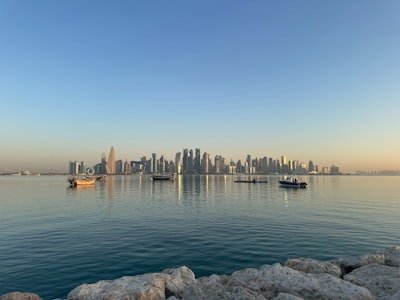
Welcome to Doha, the dazzling capital of Qatar, a city where ancient traditions beautifully intertwine with futuristic aspirations. Once a humble pearling village, Doha has transformed into a global metropolis, boasting an awe-inspiring skyline, world-class museums, luxurious resorts, and an ever-evolving cultural scene. This detailed guide will equip you with all the necessary information to explore Doha's unique blend of Arabian charm and cutting-edge modernity, ensuring an unforgettable journey through this remarkable destination in the heart of the Arabian Gulf. From its iconic landmarks to its hidden gems, Doha invites you to discover a city unlike any other.
Best Time to Visit Doha
Doha experiences an arid desert climate, characterized by intensely hot summers and mild, pleasant winters. Choosing the right time to visit is crucial for a comfortable and enjoyable trip.
Ideal Seasons for Travel
The absolute best time to visit Doha is during the cooler months, specifically from
October to early May. During this period, temperatures are significantly more comfortable, ranging from 20°C to 30°C (68°F to 86°F) in the daytime, with cooler evenings. This weather is perfect for exploring outdoor attractions, strolling along the Corniche, enjoying a desert safari, or simply relaxing on a beach. Many major events, festivals, and outdoor activities also take place during these months.
What to Expect in Different Seasons
- Winter (December to February): This is the peak tourist season. Expect comfortable daytime temperatures, sometimes dropping to around 15°C (59°F) in the evenings, making it ideal for sightseeing. Hotels can be pricier, and attractions more crowded.
- Spring (March to April): The weather remains pleasant, though it starts to warm up gradually. It's still a great time for outdoor activities before the intense heat sets in.
- Summer (May to September): This period is characterized by extreme heat, with temperatures often soaring above 40°C (104°F) and high humidity. Outdoor activities become challenging, and most of your time will likely be spent in air-conditioned indoors. However, if you don't mind the heat, you might find lower hotel rates and fewer crowds. Many indoor attractions, malls, and restaurants offer a cool escape.
Top Attractions in Doha
Doha offers a diverse range of attractions, catering to history buffs, art enthusiasts, luxury seekers, and adventure lovers alike.
The Museum of Islamic Art (MIA)
An architectural masterpiece designed by I.M. Pei, the MIA stands majestically on its own island off the Corniche. Its stunning geometric design and prime waterfront location make it a landmark in itself. Inside, the museum houses one of the world's most comprehensive collections of Islamic art, spanning over 1,400 years and three continents. Exhibits include ceramics, textiles, manuscripts, and metalwork, offering a deep dive into the rich artistic heritage of the Islamic world. The surrounding MIA Park is perfect for leisurely walks and offers spectacular views of the Doha skyline.
National Museum of Qatar (NMoQ)
Designed by Jean Nouvel, the National Museum of Qatar is another architectural marvel, inspired by the desert rose crystal formations. It tells the fascinating story of Qatar, from its geological origins and natural history to its Bedouin heritage, the discovery of oil, and its rapid modernization. The museum's immersive and interactive exhibits utilize cutting-edge technology to bring Qatar's past, present, and future to life, providing a profound understanding of the nation's identity.
Souq Waqif
A vibrant and authentic traditional market, Souq Waqif is a must-visit for anyone wanting to experience a slice of old Doha. Its labyrinthine alleys are filled with stalls selling everything from spices, perfumes, textiles, and traditional garments to handicrafts, souvenirs, and even live falcons. The souq is also a fantastic culinary hub, with numerous traditional Qatari restaurants, Middle Eastern eateries, and shisha lounges. The atmosphere comes alive particularly in the evenings, with street performers, musicians, and a bustling crowd.
The Pearl-Qatar
An artificial island spanning nearly four million square meters, The Pearl-Qatar is a symbol of luxury and exclusivity. It features Mediterranean-style yacht-lined marinas, upscale residential towers, designer boutiques, and world-class restaurants. Visitors can enjoy leisurely strolls along the Porto Arabia boardwalk, dine at exquisite waterfront restaurants, or simply admire the opulent surroundings. Qanat Quartier, with its colorful buildings, canals, and pedestrian-friendly squares, evokes Venice and is a popular spot for photos and cafes.
Katara Cultural Village
Dedicated to showcasing Qatar's rich cultural heritage, Katara Cultural Village is a unique destination featuring an impressive open-air amphitheater, art galleries, opera house, traditional Qatari architecture, and a beautiful public beach. It hosts numerous festivals, exhibitions, and performances throughout the year, celebrating local and international arts and cultures. Don't miss the stunning Golden Mosque and the Pigeon Towers.
Doha Corniche
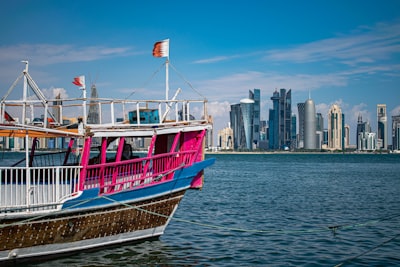
This picturesque seven-kilometer waterfront promenade stretches along Doha Bay, offering breathtaking views of the city's futuristic skyline on one side and the tranquil Arabian Gulf on the other. It's a popular spot for jogging, walking, cycling, and enjoying sunsets. Traditional wooden dhows (boats) are available for short cruises, providing a unique perspective of the city from the water.
Villaggio Mall
More than just a shopping center, Villaggio Mall is an experience in itself. Designed to resemble a Venetian village, complete with canals and gondola rides, it offers high-end luxury brands, a wide array of dining options, an IMAX cinema, and an indoor theme park (Gondolania).
Msheireb Downtown Doha
Hailed as the world's first sustainable downtown regeneration project, Msheireb blends traditional Qatari architecture with modern, sustainable design principles. It features charming pedestrian-friendly streets, boutique hotels, museums (Msheireb Museums), and a variety of cafes and restaurants. It's a great place to explore on foot and witness Doha's commitment to preserving its heritage while embracing innovation.
Desert Safari and the Inland Sea (Khor Al Adaid)
For an adventurous escape, a desert safari is highly recommended. Tour operators offer thrilling dune bashing rides in 4x4 vehicles, often including camel rides, sandboarding, and a visit to the breathtaking Inland Sea (Khor Al Adaid). This UNESCO recognized natural reserve is one of the few places in the world where the sea encroaches deep into the desert, creating a spectacular landscape of pristine beaches and towering sand dunes. Overnight camping options are also available for a truly immersive experience.
How to Reach Doha
Doha is a major international aviation hub, making it easily accessible from almost anywhere in the world.
By Air
Hamad International Airport (HIA) (DOH) is Qatar's sole international airport and one of the best airports globally. It serves as the home base for Qatar Airways, the national carrier, renowned for its excellent service and extensive global network. HIA is well-connected to major cities across all continents. Upon arrival, the airport offers various transportation options to the city center, including Karwa taxis, ride-hailing services (Uber/Careem), and the Doha Metro (Red Line).
By Land
While most international visitors arrive by air, land travel is possible from neighboring GCC countries, particularly Saudi Arabia, through the Abu Samra border crossing. However, this is less common for typical tourists flying in from outside the region.
By Sea
Doha's port occasionally hosts cruise ships, especially during the cooler months. Passengers disembarking from cruises can explore the city for a day or two.
Local Food Guide
Qatari cuisine is a delightful blend of Middle Eastern, Indian, Persian, and North African influences, emphasizing fresh ingredients, aromatic spices, and slow cooking methods.
Must-Try Qatari Dishes
- Machboos: Often considered the national dish, Machboos is a fragrant rice dish cooked with tender meat (lamb or chicken) or fish, infused with a blend of spices, tomatoes, and sometimes potatoes. It's usually served with a side of daqoos (tomato sauce) and fresh salad.
- Harees: A hearty and comforting dish made from boiled, cracked wheat mixed with meat (often chicken or lamb) and butter, slow-cooked until it reaches a porridge-like consistency. It's typically eaten during Ramadan or special occasions.
- Thareed: A rich and flavorful stew made with vegetables (carrots, potatoes, zucchini) and meat, served over thin pieces of crispy flatbread. The bread soaks up the savory broth, making it incredibly tender and delicious.
- Balaleet: A sweet and savory breakfast dish consisting of vermicelli noodles cooked with sugar, saffron, cardamom, and rose water, often topped with an egg omelette.
- Luqaimat: Sweet dumplings, crispy on the outside and soft on the inside, deep-fried and drizzled with date syrup (dibbs) or honey, often garnished with sesame seeds. A popular dessert.
Beverages
- Karak Tea: A strong, sweet, and spiced milk tea, a staple in Qatar. You'll find 'karak stands' all over the city, from bustling souqs to modern cafes.
- Arabic Coffee (Gahwa): Lightly roasted coffee infused with cardamom, served in small, handle-less cups. It's a symbol of hospitality.
Dining Experiences
- Souq Waqif: Offers a wide array of traditional Qatari and Middle Eastern restaurants, from casual eateries to more upscale options. Perfect for an authentic culinary experience.
- Fine Dining: Doha boasts numerous world-class restaurants, many located within luxury hotels, offering international cuisines from Michelin-starred chefs.
- Street Food: While less prevalent than in some other countries, you can find popular street food items like shawarma, falafel, and fresh juices, especially around Souq Waqif and other local areas.
- Food Courts: Malls across Doha have extensive food courts with a variety of international fast food and casual dining options.
Public Transport in Doha
Doha's public transport system is modern, efficient, and continually expanding, offering several convenient options for getting around.
Doha Metro
The
Doha Metro is a state-of-the-art, fully automated rail network and the most efficient way to travel around the city. It currently consists of three lines (Red, Green, and Gold) covering key areas including Hamad International Airport, Souq Waqif, Katara, The Pearl (via Lusail Tram connection), and West Bay.
- Travel Cards: You'll need a Karwa Smartcard (Standard or Goldclub) to use the Metro. These can be purchased at any Metro station.
- Fares: Fares are very affordable, making it a budget-friendly option.
- Operating Hours: Generally from early morning until late evening, with extended hours on weekends.
Karwa Taxis
The official taxi service in Qatar is
Karwa Taxis, operated by Mowasalat. These turquoise-colored taxis are metered and generally reliable. You can hail them on the street, find them at designated taxi stands (e.g., malls, hotels), or book them via the Karwa Taxi app.
Ride-Hailing Apps
Uber and
Careem are widely available and popular in Doha. They offer competitive pricing, convenient booking via smartphone apps, and are a good option for point-to-point travel, especially if you prefer cashless transactions.
Public Buses
Mowasalat also operates a network of
public buses. While comprehensive, they are generally less utilized by tourists compared to the Metro or taxis/ride-hailing, as they can be slower and cover less direct routes to major tourist attractions. A Karwa Smartcard is also needed for bus travel.
Walking
Certain areas in Doha are very pedestrian-friendly and best explored on foot, such as Souq Waqif, the Corniche, and parts of Msheireb Downtown Doha. However, due to the climate, especially outside the cooler months, long walks between distant attractions are not always advisable.
Travel Budget Tips for Doha
Doha can be perceived as an expensive city, but with careful planning, it's possible to enjoy its offerings without breaking the bank.
Accommodation
- Book in Advance: Especially during peak season (October-April) and major events, booking hotels well in advance can secure better rates.
- Consider Location: Hotels in West Bay are generally more luxurious. Look for options slightly outside the prime areas or serviced apartments for potentially lower rates. Mid-range hotels like Premier Inn or Millennium can offer good value.
- Souq Waqif Hotels: Boutique hotels within Souq Waqif offer a unique experience and can sometimes be more affordable than luxury high-rises.
Food and Dining
- Mix it Up: Balance fine dining experiences with more budget-friendly options.
- Souq Waqif Restaurants: Many authentic local eateries in Souq Waqif offer delicious meals at reasonable prices.
- Mall Food Courts: A vast array of international fast food and casual dining options can be found in shopping mall food courts, offering good value.
- Local Cafes: Enjoy inexpensive Karak tea and local snacks at small cafes.
Attractions and Activities
- Free Attractions: Many of Doha's major sights are free to enter or offer free access to their grounds, such as the Museum of Islamic Art Park, the Corniche, Souq Waqif, Katara Cultural Village (grounds), and many public parks.
- Museums: While some museums have an entrance fee (e.g., National Museum of Qatar), they offer significant cultural value. Check for combo tickets or free days if available.
- Metro: Utilize the Doha Metro for affordable transportation between attractions.
- Desert Safari: Shop around for tour operators. Group tours are generally more cost-effective than private excursions.
Shopping
- Bargaining: At Souq Waqif, polite bargaining is expected and can help you get better prices, especially on handicrafts and souvenirs.
- Duty-Free: Hamad International Airport has extensive duty-free shopping, which can offer good value on luxury goods and electronics if you're flying out.
General Tips
- Hydration: Always carry water bottles, especially in the warmer months. Buying water in bulk from supermarkets is cheaper than individual bottles from tourist spots.
- Wi-Fi: Free Wi-Fi is available in many public places, including malls, hotels, and the Metro, helping you save on mobile data costs.
Hotels and Accommodation in Doha
Doha boasts a wide range of accommodation options, from opulent five-star resorts to comfortable boutique hotels and serviced apartments, catering to various budgets and preferences.
Luxury Hotels (5-star and above)
Doha is renowned for its ultra-luxury offerings. These hotels typically feature world-class amenities, exquisite dining, private beaches, and impeccable service.
- West Bay: This modern district is home to many iconic luxury hotels, including The St. Regis Doha, Mandarin Oriental Doha, Four Seasons Hotel Doha, Ritz-Carlton Doha, W Hotel Doha, and Grand Hyatt Doha Hotel & Villas. These offer stunning skyline or sea views and easy access to business districts and high-end shopping.
- The Pearl-Qatar: Offers exclusive luxury living with hotels like Marsa Malaz Kempinski, The Pearl-Doha, and Hilton Doha The Pearl, often featuring private beaches, marinas, and residential-style accommodations.
Mid-Range Hotels (3-4 star)
For travelers seeking comfort and quality without the top-tier price tag, Doha has numerous excellent mid-range options.
- City Center/Old Doha: Hotels like Radisson Blu Hotel Doha, Millennium Hotel Doha, Centara Grand Hotel Doha, and Premier Inn Doha Education City offer good value, comfortable rooms, and often include facilities like pools and gyms.
- Souq Waqif Boutique Hotels: A collection of traditional-style hotels within Souq Waqif offers a unique cultural experience with modern comforts. Examples include Alwadi Hotel Doha - MGallery by Sofitel and Tivoli Hotels within the Souq.
Budget-Friendly Options
While true budget hostels are rare, some hotels offer more affordable rates, especially for shorter stays or if booked in advance.
- Look for hotels slightly further from the main tourist hubs or in areas like Old Airport Road.
- Serviced Apartments: For longer stays or families, serviced apartments (e.g., Fraser Suites Doha, Kingsgate Hotel Doha) can be a cost-effective option, often including kitchenettes.
When choosing accommodation, consider your priorities: proximity to specific attractions, access to public transport, desired amenities, and budget.
Safety Tips for Travelers in Doha
Doha is consistently ranked as one of the safest cities in the world, with a very low crime rate. Visitors can generally feel secure walking around, even at night. However, it's always wise to be mindful of local customs and general travel safety practices.
Cultural Sensitivity and Dress Code
- Modesty: While Doha is progressively modern, it is still a conservative Muslim country. Dress modestly in public, particularly when visiting religious sites or traditional areas like Souq Waqif. For women, this generally means covering shoulders and knees; for men, avoiding overly revealing clothing. Swimwear is acceptable at hotel pools and private beaches.
- Public Displays of Affection: Avoid overt public displays of affection, as they are considered culturally inappropriate.
- Ramadan: If visiting during the holy month of Ramadan, be extra mindful. Eating, drinking, and smoking in public during fasting hours (sunrise to sunset) is prohibited and considered disrespectful. Many restaurants operate with discreet barriers during these hours or open only after sunset.
General Safety
- Crime: Petty crime is rare, but as with any travel, keep an eye on your belongings in crowded areas.
- Emergency Numbers: In case of emergency, dial 999 for Police, Ambulance, or Fire services.
- Road Safety: If you rent a car, drive defensively. Traffic can be heavy, and driving styles can be assertive. Pedestrians should use designated crossings.
Health and Climate
- Heat: During the hot summer months, take precautions against heatstroke and dehydration. Stay hydrated, wear light clothing, use sunscreen, and seek shade or air-conditioned indoors during the hottest parts of the day.
- Hydration: Drink plenty of water year-round. Tap water is generally safe to drink, but bottled water is widely available and often preferred by visitors.
Alcohol and Laws
- Alcohol Consumption: Alcohol is not prohibited but is strictly regulated. It is only served in licensed hotel restaurants, bars, and clubs. Public consumption of alcohol is illegal, and buying alcohol for home consumption requires a permit (not available for tourists). Drunken behavior in public is not tolerated and can lead to severe penalties.
- Photography: Be respectful when taking photos. Always ask for permission before photographing individuals, especially women. Avoid photographing government buildings or military installations.
By respecting local laws and customs, visitors can enjoy a safe and culturally rich experience in Doha.
FAQ Section
Q: Is Doha an expensive city to visit?
A: Doha can be expensive, especially for luxury accommodation and fine dining. However, there are ways to manage your budget, such as using the Metro, dining at local eateries in Souq Waqif, and enjoying free attractions.
Q: What is the dress code for tourists in Doha?
A: It's advisable to dress modestly in public places out of respect for local culture. This generally means covering shoulders and knees for both men and women. Swimwear is acceptable at hotel pools and private beaches.
Q: Can I drink alcohol in Doha?
A: Yes, alcohol is available but restricted to licensed hotels, restaurants, and clubs. It is illegal to drink alcohol in public places or be intoxicated in public.
Q: Do I need a visa to visit Qatar?
A: Visa requirements vary based on nationality. Many nationalities can obtain a visa-free entry or a visa on arrival. It's best to check the latest visa policies with the official Qatar government website or your country's Qatari embassy before traveling.
Q: Is English widely spoken in Doha?
A: Yes, English is very widely spoken, especially in tourist areas, hotels, restaurants, and business sectors. Most road signs and public information are also in both Arabic and English.
Q: How many days are enough to see Doha?
A: A minimum of 3-5 days is recommended to experience Doha's main attractions, cultural sites, and perhaps a desert safari. If you wish to explore more extensively or relax, a week would be ideal.
Q: What is the local currency in Qatar?
A: The local currency is the Qatari Riyal (QAR). It is pegged to the US Dollar at a rate of 1 USD = 3.64 QAR. Credit cards are widely accepted, and ATMs are readily available.
Q: Is Doha safe for solo female travelers?
A: Absolutely. Doha is considered one of the safest cities globally, with a very low crime rate. Solo female travelers can feel very secure exploring the city, but it's always wise to follow general travel safety precautions and respect local customs.
---