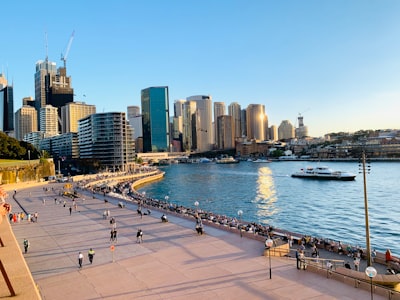
Los Angeles Travel Guide – Best Places to Visit in USA
Los Angeles Travel Guide: Unveiling the City of Angels
Welcome to Los Angeles, a sprawling metropolis that promises an exhilarating blend of glitz, glamour, diverse cultures, sun-drenched beaches, and majestic mountain landscapes. Often dubbed the "City of Angels," LA is not just a city; it's a collection of unique neighborhoods, each with its own distinct character, offering an endless array of experiences for every type of traveler. From the iconic Hollywood Hills to the vibrant Venice Beach, the upscale boutiques of Beverly Hills to the bustling art scene of Downtown, Los Angeles is a destination that captivates and inspires. This comprehensive guide will equip you with everything you need to plan an unforgettable journey to one of the world's most dynamic cities.
Best Time to Visit Los Angeles
Los Angeles enjoys a Mediterranean climate, characterized by mild, wet winters and hot, dry summers. However, the best time to visit depends largely on your priorities and what you wish to experience.
Spring (March to May)
Spring is arguably the sweet spot for visiting LA. The weather is pleasantly warm, typically ranging from the mid-60s to low 70s Fahrenheit (18-23°C), with clear skies and minimal rainfall. The famous "June Gloom" (a marine layer that often covers the coast in early summer) hasn't usually set in, offering excellent visibility. Crowds are thinner than in summer, and hotel prices are generally more reasonable. This is an ideal time for exploring attractions, enjoying outdoor activities like hiking, and strolling along the beaches without the intense heat or throngs of people.
Fall (September to November)
Similar to spring, fall offers fantastic weather with comfortable temperatures in the 70s Fahrenheit (21-26°C) and less humidity than summer. The summer crowds have dissipated, making for a more relaxed experience at popular sites. The ocean temperatures remain pleasant enough for swimming well into October. Events like the Los Angeles Film Festival and various food festivals also take place during this season, adding cultural flair to your visit.
Summer (June to August)
Summer is peak tourist season in Los Angeles. While the weather is reliably sunny and hot (often reaching the high 80s or 90s Fahrenheit / 30-35°C in inland areas), it comes with larger crowds, higher prices for flights and accommodation, and significant traffic congestion. Coastal areas benefit from ocean breezes, keeping temperatures more moderate. If you're planning a beach-centric vacation or visiting theme parks, summer might be your preferred time, but be prepared for the heat and the crowds.
Winter (December to February)
Winter in LA is mild, with daytime temperatures usually in the 60s Fahrenheit (15-20°C) and cooler evenings. This is the rainy season, though significant downpours are infrequent and usually brief. While you might not be sunbathing, it's an excellent time for indoor attractions like museums, shopping, and enjoying the city's vibrant cultural scene. Holiday decorations add a festive touch, and ski resorts in the nearby mountains are often open, offering a unique opportunity to experience both beach and snow in a single trip.
Top Attractions in Los Angeles
Los Angeles boasts an incredible array of attractions that cater to every interest, from historical landmarks to cutting-edge entertainment.
Hollywood Icons
- Hollywood Walk of Fame & TCL Chinese Theatre: Stroll along Hollywood Boulevard and spot the stars of your favorite celebrities embedded in the sidewalk. Marvel at the historic TCL Chinese Theatre, where you can compare your handprints and footprints with those of legendary film stars.
- Dolby Theatre: Home of the Academy Awards, this grand venue offers guided tours that provide insight into the history of the Oscars and a behind-the-scenes look at its inner workings.
- Hollywood Sign: While you can't get right up to the sign, there are several excellent viewpoints. Griffith Observatory offers one of the best panoramic views, as does the end of Canyon Lake Drive, or various hiking trails in Griffith Park.
- Griffith Observatory: Perched on the south-facing slope of Mount Hollywood, this iconic landmark offers breathtaking views of the Hollywood Sign, Downtown LA skyline, and the Pacific Ocean. Inside, explore fascinating exhibits on space and science, catch a show in the planetarium, and gaze through powerful telescopes.
Beaches and Coastal Charm
- Santa Monica Pier & Beach: A quintessential LA experience, the Santa Monica Pier features an amusement park, arcade, restaurants, and stunning ocean views. The wide, sandy beach is perfect for sunbathing, swimming, and cycling along the Marvin Braude Beach Trail.
- Venice Beach Boardwalk: Known for its eclectic, bohemian vibe, Venice Beach offers a lively boardwalk experience with street performers, quirky shops, muscle beach, and skate parks. It's a fantastic spot for people-watching and soaking in a truly unique atmosphere.
- Malibu: For a more upscale and scenic beach experience, head to Malibu. El Matador State Beach is famous for its sea caves and rock formations, while Surfrider Beach is a popular spot for surfers.
Theme Parks & Entertainment
- Universal Studios Hollywood: Immerse yourself in the world of movies at Universal Studios. Enjoy thrilling rides, live shows, the famous Studio Tour that takes you behind the scenes of film sets, and explore The Wizarding World of Harry Potter.
- Disneyland Park (Anaheim): While technically in Anaheim, Disneyland is a must-do for many visitors to the LA area. The original Disney theme park promises magic, beloved characters, and classic attractions for all ages.
Arts, Culture & Museums
- The Getty Center: A stunning architectural masterpiece, The Getty Center houses an impressive collection of European paintings, illuminated manuscripts, sculptures, and decorative arts. Its beautiful gardens, breathtaking city views, and free admission (parking fee applies) make it a top attraction.
- Los Angeles County Museum of Art (LACMA): The largest art museum in the western United States, LACMA features a vast collection spanning ancient times to the present. Don't miss the iconic "Urban Light" installation outside.
- Petersen Automotive Museum: Car enthusiasts will revel in this museum's incredible collection of classic, custom, and futuristic vehicles, showcasing the history and culture of the automobile.
Shopping & Unique Experiences
- Rodeo Drive (Beverly Hills): Indulge in some window shopping or splurge on luxury brands along this world-renowned street. Even if high-fashion isn't your goal, it's fun to experience the glamour.
- The Grove & Original Farmers Market: A popular outdoor shopping and dining complex, The Grove offers a charming atmosphere. Adjacent to it, the Original Farmers Market is a historic landmark offering a diverse range of food stalls, fresh produce, and unique goods.
- Grand Central Market (Downtown LA): A vibrant culinary destination since 1917, this historic market features over 40 food vendors offering everything from gourmet sandwiches to authentic Mexican tacos and Thai curries.
How to Reach Los Angeles
Los Angeles is a major international hub, easily accessible by air, road, and even rail.
By Air
- Los Angeles International Airport (LAX): The primary airport for the region, LAX is one of the busiest airports in the world, serving countless domestic and international flights. It's located about 18 miles (29 km) southwest of Downtown LA.
- Hollywood Burbank Airport (BUR): A smaller, more convenient option, especially if you're staying in Hollywood, Burbank, or the San Fernando Valley. It offers a less stressful experience than LAX, with easier access and shorter lines.
- Long Beach Airport (LGB): Convenient for travelers heading to Long Beach, Anaheim (Disneyland), or Orange County. Known for its smaller size and art deco terminal.
- Ontario International Airport (ONT): Located further inland, ONT is a good choice if your destination is in the Inland Empire or eastern parts of LA County, offering an alternative to the coastal airports.
By Road
Los Angeles is crisscrossed by a vast network of freeways (interstates and state routes), making driving a common way to arrive from other parts of California or neighboring states. Be prepared for potentially heavy traffic, especially during rush hour.
By Train
Amtrak operates several routes into Los Angeles, with Union Station in Downtown LA serving as a major hub. The Pacific Surfliner connects LA with San Diego and Santa Barbara, offering scenic coastal views. Long-distance routes like the Coast Starlight (Seattle to LA) and Southwest Chief (Chicago to LA) also terminate here.
By Bus
Various bus lines, including Greyhound, offer services to Los Angeles from across the United States. The main bus terminal is also located at Union Station.
Local Food Guide: A Taste of LA's Culinary Scene
Los Angeles is a melting pot of cultures, and its food scene perfectly reflects this diversity, offering everything from Michelin-starred fine dining to incredible street food.
Iconic LA Eats
- In-N-Out Burger: A West Coast institution, a trip to LA isn't complete without trying a classic In-N-Out burger, especially their "Animal Style" fries.
- Tacos & Mexican Food: LA boasts an unparalleled Mexican food scene. Seek out authentic street tacos from food trucks (especially late-night ones), explore the taquerias of Boyle Heights or East LA, or visit Olvera Street for traditional dishes.
- Korean BBQ: Koreatown is home to some of the best Korean BBQ restaurants outside of Korea. Enjoy grilling your own marinated meats at the table, accompanied by a dizzying array of banchan (side dishes).
- Sushi: Given its proximity to the Pacific and large Japanese population, LA is a world capital for sushi. From casual spots to high-end omakase experiences, you'll find exceptional quality.
- Health Food & Vegan Cuisine: Los Angeles is at the forefront of health and wellness trends. You'll find an abundance of juice bars, organic cafes, and innovative vegan restaurants across the city, especially in areas like West Hollywood.
- Açai Bowls: A popular breakfast or snack item, these vibrant bowls topped with fruit, granola, and nuts are a refreshing LA staple.
Must-Visit Food Destinations
- Grand Central Market: As mentioned, this historic market is a treasure trove of diverse eateries, perfect for sampling various cuisines under one roof.
- Olvera Street: Immerse yourself in the birthplace of Los Angeles and enjoy traditional Mexican food, including taquitos, churros, and handmade tortillas.
- Koreatown (K-Town): Beyond Korean BBQ, explore K-Town for amazing soondubu (soft tofu stew), bibimbap, and lively late-night spots.
- Little Tokyo: Discover authentic ramen, sushi, udon, and Japanese desserts in this historic cultural neighborhood.
- Food Trucks: Keep an eye out for LA's legendary food trucks, which offer everything from gourmet burgers to fusion tacos and global street eats. Apps like Roaming Hunger can help you find them.
Public Transport in Los Angeles
Getting around Los Angeles can be daunting due to its sprawling nature and notorious traffic. While a car offers the most flexibility, a combination of public transport and ride-sharing can be effective, especially for budget-conscious travelers.
Metro Rail & Bus System
- LA Metro: The Metropolitan Transportation Authority (Metro) operates a comprehensive system of subways (Red, Purple Lines), light rail (Blue, Green, Gold, Expo Lines), and an extensive bus network. While the system doesn't cover every corner of the vast city, it's efficient for connecting major hubs like Downtown LA, Hollywood, Santa Monica (via the Expo Line), and Pasadena.
- TAP Card: You'll need a reloadable TAP card to ride the Metro system. These can be purchased and reloaded at Metro stations, authorized vendors, or online. A single ride is usually $1.75, with daily and weekly passes available.
- Planning Your Route: Use Google Maps, the Transit app, or the official Metro Trip Planner for real-time schedules and route information.
Ride-Sharing Services
- Uber & Lyft: Ride-sharing apps are incredibly popular and often the most convenient way to get around LA, especially for reaching destinations not well-served by public transport or for late-night travel. They are readily available and widely used.
- Taxis: Traditional taxis are also available but generally more expensive than ride-sharing.
Driving & Rental Cars
- Flexibility vs. Traffic: Renting a car offers the ultimate flexibility to explore Los Angeles at your own pace and reach distant attractions like Disneyland or Malibu. However, be prepared for heavy traffic, especially during peak hours (6-10 AM and 3-7 PM on weekdays).
- Parking: Parking can be expensive and challenging to find in popular areas. Always check parking signs carefully to avoid tickets. Use parking apps like ParkMe or SpotHero to find and reserve parking.
- Navigation: A GPS-enabled smartphone or rental car GPS is essential for navigating LA's complex freeway system.
Walking & Biking
- Limited Scope: Los Angeles is not a highly walkable city in its entirety. Walking is best reserved for specific neighborhoods like Santa Monica (around the pier), Venice Boardwalk, Hollywood Boulevard, or parts of Downtown LA.
- Biking: Dedicated bike paths exist, particularly along the coast (Marvin Braude Beach Trail). Bike-sharing programs like Metro Bike Share are available in some areas.
Travel Budget Tips for Los Angeles
Los Angeles can be an expensive city, but with smart planning, you can enjoy it without breaking the bank.
- Book in Advance: Especially during peak season.
- Consider Location: Hotels in Hollywood, Santa Monica, or Beverly Hills are pricier. Look into areas like Koreatown, Downtown LA, or even further afield like Pasadena or Long Beach for more affordable options, especially if you have a car.
- Hostels & Vacation Rentals: Hostels (e.g., in Hollywood, Santa Monica) offer budget beds, while Airbnb or similar vacation rentals can be cost-effective for groups or longer stays.
- Food Trucks & Markets: Embrace LA's incredible food truck scene and visit markets like Grand Central Market for delicious and affordable meals.
- Grocery Stores: Buy snacks, drinks, and ingredients for simple meals to save on restaurant costs. Many hotels offer mini-fridges.
- Happy Hour: Look for happy hour deals at restaurants and bars for discounted food and drinks.
- Picnics: Grab supplies and enjoy a scenic picnic at a park or beach.
- Free Activities: Los Angeles offers numerous free attractions:
- Stroll the Hollywood Walk of Fame.
- Hike Runyon Canyon or Griffith Park for views of the Hollywood Sign.
- Visit the Getty Center (free admission, parking fee only).
- Explore the beaches (Santa Monica, Venice, Malibu).
- Enjoy people-watching at Venice Beach.
- Visit the Griffith Observatory (free admission to grounds and exhibits).
- City Passes: Consider purchasing a Go City LA Pass or similar multi-attraction pass if you plan to visit many paid attractions. Do the math to ensure it saves you money.
- Museum Free Days: Many museums offer free admission on specific days or evenings. Check their websites in advance.
- Public Transport: Utilize the Metro system where possible, especially for tourist hubs like Hollywood and Downtown.
- Carpool for Ride-Shares: If using Uber/Lyft, opt for shared ride options if available.
- Walk Where Possible: In concentrated areas like Santa Monica or Hollywood, explore on foot.
Hotels and Accommodation in Los Angeles
Los Angeles offers a vast range of accommodation options, from luxury hotels to budget-friendly hostels and charming boutique stays. Choosing the right neighborhood is key to enhancing your experience.
- Hollywood: Central and ideal for first-time visitors who want to be close to iconic landmarks like the Walk of Fame, TCL Chinese Theatre, and Universal Studios. You'll find a mix of chain hotels, historic properties, and some boutique options.
- Santa Monica/Venice: Perfect for beach lovers and those seeking a relaxed, coastal vibe. Santa Monica offers upscale hotels and family-friendly resorts, while Venice leans towards more bohemian and boutique stays. Good for walking and biking.
- Beverly Hills/West Hollywood: For a taste of luxury, celebrity spotting, and vibrant nightlife, these neighborhoods are top choices. Expect high-end hotels, exclusive boutiques, and trendy restaurants. West Hollywood is also known for its LGBTQ+ friendly scene.
- Downtown LA (DTLA): Has undergone a significant revitalization, offering a mix of historic hotels, modern high-rises, and boutique options. Great for accessing cultural institutions, the Arts District, Grand Central Market, and sporting venues. Good public transport connections.
- Pasadena: Located east of Downtown LA, Pasadena offers a charming, historic atmosphere with beautiful architecture, the Rose Bowl, and the Norton Simon Museum. It's a calmer alternative, often with better hotel value, especially if you have a car.
- Anaheim: If your primary focus is Disneyland, staying in Anaheim makes the most sense. There's a wide range of hotels, from budget motels to luxury resorts, all within easy reach of the parks.
Booking Advice: Always book your accommodation in advance, especially during peak season or if there are major events happening in the city. Compare prices across different booking platforms.
Safety Tips for Los Angeles
Like any large metropolitan area, Los Angeles requires visitors to be aware of their surroundings and take sensible precautions.
- General Awareness: Be alert to your surroundings, especially in crowded tourist areas and on public transport. Keep an eye on your belongings.
- Pickpocketing & Theft: Be vigilant in crowded areas like Hollywood Boulevard, Venice Beach, and Grand Central Market. Keep wallets in front pockets, secure handbags, and avoid displaying expensive electronics.
- Homelessness: Los Angeles has a significant homeless population, particularly in certain areas of Downtown LA (Skid Row) and Venice. While most interactions are harmless, it's advisable to avoid walking alone in deserted areas at night and to be respectful.
- Traffic: LA traffic can be aggressive. Drive defensively and expect sudden stops.
- Car Break-ins: Do not leave valuables visible in your parked car. If possible, park in well-lit, secure parking structures.
- Nightlife: If enjoying LA's nightlife, drink responsibly, don't walk alone at night in unfamiliar areas, and use reputable ride-sharing services or taxis.
- Rip Currents: Be aware of rip currents. Swim only in designated areas with lifeguards.
- Sun Protection: The California sun is strong. Use high SPF sunscreen, wear hats and sunglasses, and stay hydrated.
- Emergency Numbers: In case of emergency, dial 911 for police, fire, or ambulance services.
FAQ Section
Q: Do I need a car to visit Los Angeles?
A: While a car offers the most flexibility to explore LA's sprawling attractions, it's not strictly necessary. You can combine public transport (Metro), ride-sharing (Uber/Lyft), and walking in specific neighborhoods. However, for exploring beyond major tourist hubs, a car will significantly enhance your experience.
Q: What's the best way to get around Los Angeles?
A: A combination of methods is often best. The Metro system is great for connecting major tourist areas like Hollywood, Downtown, and Santa Monica. Ride-sharing apps (Uber/Lyft) are convenient for destinations not easily reached by Metro or for late-night travel. Renting a car gives you maximum freedom but requires navigating traffic and parking.
Q: Is Los Angeles an expensive city to visit?
A: Yes, Los Angeles can be quite expensive, especially for accommodation, dining, and attractions. However, by utilizing budget tips like staying in more affordable neighborhoods, eating at food trucks, enjoying free attractions, and using public transport, you can manage your expenses.
Q: What are some free things to do in LA?
A: Plenty! Enjoy the beaches (Santa Monica, Venice), hike in Griffith Park for views of the Hollywood Sign, stroll the Hollywood Walk of Fame, visit the Getty Center (free admission), explore the Original Farmers Market, or people-watch at Venice Beach.
Q: Is Los Angeles safe for tourists?
A: Generally, yes, but like any major city, it has its areas that are best avoided, especially at night. Exercise common sense: be aware of your surroundings, secure your belongings, avoid walking alone in deserted areas at night, and research neighborhoods before booking accommodation.
Q: How many days do I need to visit Los Angeles?
A: To truly experience a good range of LA's attractions without feeling rushed, a minimum of 4-5 full days is recommended. This allows you to explore different neighborhoods, visit a theme park, enjoy a beach day, and soak in the local culture. If you plan to visit Disneyland, add at least two more days.
Los Angeles awaits with its endless possibilities, vibrant energy, and iconic charm. With this guide in hand, you are well-prepared to dive into the heart of the City of Angels and create memories that will last a lifetime. Enjoy your journey!