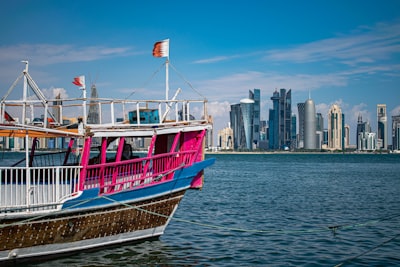
Doha Travel Guide – Best Places to Visit in Qatar
Discover Doha: A Journey Through Qatar's Shimmering Capital
Doha, the dazzling capital of Qatar, is a city where futuristic skylines meet ancient traditions. A vibrant metropolis that has rapidly transformed into a global hub, Doha offers an extraordinary blend of cultural richness, architectural marvels, luxurious experiences, and warm Arabian hospitality. From its stunning waterfront Corniche to its bustling traditional souqs, and from world-class museums to opulent shopping districts, Doha promises an unforgettable travel experience. Whether you're a history enthusiast, an art lover, a foodie, or simply seeking a unique adventure in the heart of the Middle East, Doha is poised to captivate your senses and leave you spellbound.
This comprehensive guide will help you navigate the wonders of Doha, ensuring you make the most of your visit to this dynamic city where tradition gracefully dances with modernity.
Best Time to Visit
Doha experiences a desert climate, characterized by scorching summers and mild, pleasant winters. Choosing the right time to visit is crucial for a comfortable and enjoyable trip.
Winter (November to March)
Undoubtedly, the best time to visit Doha is during its winter months, from November to March. During this period, temperatures average a comfortable 20-25°C (68-77°F) during the day, dropping to around 14-18°C (57-64°F) at night. The weather is ideal for exploring outdoor attractions, strolling along the Corniche, enjoying desert safaris, and dining al fresco. The skies are generally clear, and humidity is low. This is also when many major events and festivals take place, adding to the city's vibrant atmosphere. However, as it's peak tourist season, expect higher prices for flights and accommodation.
Shoulder Seasons (April, October)
April and October offer a transition period. While still warm, with temperatures ranging from 25-35°C (77-95°F), it's more manageable than the peak summer. You might find better deals on flights and hotels, and the crowds are thinner. Early April and late October can still be quite pleasant for outdoor activities, especially in the mornings and evenings.
Summer (May to September)
The summer months in Doha are intensely hot and humid, with temperatures often soaring above 40°C (104°F) and sometimes reaching 50°C (122°F). Outdoor activities become challenging and potentially unsafe during the day. Most activities will be confined to air-conditioned indoor spaces like malls, museums, and hotels. While it's the off-peak season with significantly lower prices, visitors should be prepared for the extreme heat if travelling during this time.
Top Attractions
Doha boasts a plethora of attractions that cater to diverse interests, from cultural gems to modern marvels.
Museum of Islamic Art (MIA)
Designed by the renowned architect I.M. Pei, the Museum of Islamic Art is an architectural masterpiece standing majestically on its own island, overlooking the Doha Corniche. Housing one of the world's most comprehensive collections of Islamic art, it showcases artifacts spanning 1,400 years from three continents. Inside, you'll find exquisite calligraphy, ceramics, textiles, and jewelry. The museum's park is a beautiful spot for picnics and offers stunning city views.
National Museum of Qatar (NMoQ)
Inspired by the desert rose, the National Museum of Qatar, designed by Jean Nouvel, is an immersive architectural wonder. It tells the compelling story of Qatar, from its geological formation and natural history to its Bedouin heritage and rapid modernization. Through innovative exhibits, interactive displays, and a 220-meter long digital film, the museum takes visitors on a captivating journey through the country's past, present, and future.
Souq Waqif
Step back in time at Souq Waqif, Doha's vibrant traditional marketplace. This bustling souq is a sensory delight, with narrow alleyways filled with the aroma of spices, traditional perfumes (oud), and shisha. You can haggle for textiles, handicrafts, souvenirs, and traditional garments. It's also home to a falconry market, horse stables, and numerous authentic Qatari and Middle Eastern restaurants and cafes, perfect for people-watching and soaking in the local atmosphere.
The Pearl-Qatar
An artificial island spanning nearly four million square meters, The Pearl-Qatar is a luxurious residential and commercial district. It features marinas lined with yachts, upscale boutiques, high-end restaurants, and charming Mediterranean-inspired architecture. Porto Arabia, Medina Centrale, and Qanat Quartier (Venice-like district with canals) are popular areas for strolling, dining, and shopping.
Katara Cultural Village
Dedicated to arts and culture, Katara Cultural Village is a sprawling complex that hosts theatres, concert halls, exhibition galleries, and mosques (including the exquisite Katara Mosque and the Golden Mosque). It's a hub for festivals, workshops, and performances, showcasing Qatar's rich cultural heritage and fostering international exchange. Don't miss the beautiful beachfront and the various dining options.
Doha Corniche
The Doha Corniche is a picturesque 7-kilometer palm-lined promenade stretching along Doha Bay. It offers breathtaking views of the city's futuristic skyline on one side and the serene waters of the Arabian Gulf on the other. It's a popular spot for jogging, walking, cycling, and enjoying sunsets. You can also take a traditional Dhow boat cruise from here, offering unique perspectives of the city lights.
Msheireb Downtown Doha
Msheireb Downtown Doha is the world’s first sustainable downtown regeneration project. This smart and sustainable city district blends traditional Qatari architecture with modern design, featuring residential areas, offices, hotels, and retail spaces. It's home to the Msheireb Museums, four historic houses showcasing Qatar's history through interactive exhibits, and offers a pleasant, walkable urban experience.
Lusail City
Just north of Doha, Lusail City is a rapidly developing, futuristic city. It's home to the Lusail Stadium, host of the FIFA World Cup 2022 final, and offers a glimpse into Qatar's ambitious urban planning. Visitors can explore the Marina Promenade, Place Vendôme luxury mall, and various entertainment options as the city continues to grow.
Desert Safari and Inland Sea
For an adventurous escape, embark on a desert safari. Experience thrilling dune bashing in a 4x4 vehicle, visit a Bedouin-style camp, and enjoy activities like camel riding, sandboarding, and shisha under the stars. The highlight is often a trip to Khor Al Adaid, the Inland Sea, a unique UNESCO-recognized natural reserve where the desert dunes meet the sea, creating a stunning landscape.
How to Reach
Doha is easily accessible by air, primarily through its state-of-the-art international airport.
By Air
Hamad International Airport (HIA) (DOH) is Doha’s sole international airport and a major global aviation hub. It serves as the home base for Qatar Airways, one of the world's leading airlines, offering extensive connections to destinations across all continents. The airport itself is a destination, renowned for its luxurious facilities, art installations, and efficiency. Upon arrival, you can easily reach the city center via the Doha Metro (Red Line connects directly to the airport), Karwa taxis, Uber/Careem, or hotel transfers. The journey to central Doha typically takes 15-30 minutes.
By Land
Qatar shares a land border with Saudi Arabia. While it is possible to enter Qatar by road from Saudi Arabia, most international visitors arrive by air. Visa requirements and border crossing procedures should be thoroughly checked in advance if planning a land entry.
Local Food Guide
Qatari cuisine is a delightful blend of Bedouin traditions and influences from the wider Middle East, India, and Persia. Prepare your taste buds for a culinary adventure.
Must-Try Qatari Dishes
- Machboos (Kabsa): Considered Qatar's national dish, Machboos is a fragrant rice dish cooked with tender meat (chicken, lamb, or camel), flavored with aromatic spices like cardamom, cinnamon, and bay leaves, and often garnished with fried onions, nuts, and raisins. It’s typically served with a fresh salad and a spicy tomato sauce (daqqoos).
- Harees: A comforting and hearty dish made from cracked wheat and meat (usually chicken or lamb), slow-cooked to a porridge-like consistency and seasoned with simple spices. It’s often served with ghee (clarified butter) on top.
- Thareed: A wholesome stew, similar to a Moroccan tagine, featuring vegetables (potatoes, carrots, marrow, tomatoes) and meat (lamb or chicken) cooked in a rich, spiced broth. It’s traditionally served over thin, unleavened bread, which absorbs the flavorful sauce.
- Madrouba: A creamy and savory porridge dish, typically made with chicken or fish, seasoned with various spices, and slow-cooked with rice, milk, and butter until it reaches a thick consistency.
- Luqaimat: A popular Qatari dessert, these are small, sweet dumplings made from flour and yeast, deep-fried until golden, and then drizzled generously with date syrup (dibbs) and often sprinkled with sesame seeds. They are crispy on the outside and soft on the inside.
- Karak Tea: More than just a beverage, Karak is a cultural staple in Qatar. This strong, milky, sweet tea brewed with black tea leaves, evaporated milk, and cardamom is a beloved daily ritual. You’ll find Karak cafes everywhere, from street-side stalls to upscale restaurants.
Where to Eat
For an authentic Qatari dining experience, head to the restaurants in Souq Waqif, such as Al Jasra or Parisa Restaurant (Persian cuisine, but very popular). For modern interpretations of local food and international cuisine, The Pearl-Qatar and West Bay offer a plethora of upscale options. Msheireb Downtown Doha also has a growing number of cafes and eateries. Don't shy away from smaller, local eateries for more budget-friendly and authentic flavors.
Public Transport
Doha has invested heavily in its public transport infrastructure, making it relatively easy and efficient to get around the city.
Doha Metro
The Doha Metro is a modern, fully automated, driverless rapid transit system. It's incredibly clean, efficient, and cost-effective. It consists of three lines (Red, Green, Gold) that connect major attractions, business districts, and residential areas. A single journey costs QR 2, and a day pass costs QR 6. You'll need to purchase a reusable travel card (rechargeable, available at stations) for QR 10. There are also Goldclub carriages offering a more luxurious experience at a higher fare. It's the recommended way to travel for tourists.
Karwa Buses
Mowasalat operates a comprehensive network of Karwa buses across Doha and its suburbs. While less extensive than the Metro for tourist hotspots, they are a budget-friendly option for getting to areas not covered by the Metro. You'll need a Karwa Smartcard (available at bus stations and retail outlets) to pay for fares, as cash is not accepted on board. Fares typically range from QR 3 to QR 10 depending on the distance.
Taxis (Karwa, Uber, Careem)
Taxis are readily available and a convenient option, especially for destinations not easily reached by Metro. Mowasalat’s turquoise Karwa taxis are metered and can be hailed on the street or booked via their app. Ride-hailing services like Uber and Careem are also widely available and generally offer competitive pricing and convenience through their apps. They are often the preferred choice for many visitors due to ease of booking and upfront fare estimates.
Rental Cars
Renting a car is an option, but not always recommended for first-time visitors or those unfamiliar with local driving habits. Traffic can be heavy, especially during peak hours, and navigating can be challenging. However, if you plan to explore areas outside Doha extensively, a rental car offers flexibility. An international driving permit is usually required.
Travel Budget Tips
Doha can be an expensive city, but with careful planning, you can enjoy its wonders without breaking the bank.
- Accommodation: Instead of luxury hotels in West Bay or The Pearl, consider mid-range options in areas like Msheireb Downtown Doha, Al Sadd, or near Souq Waqif. Look for serviced apartments if staying for longer, as they often come with kitchenettes, allowing you to save on dining.
- Food: While fine dining is abundant, explore local eateries and restaurants in Souq Waqif for authentic and affordable Qatari and Middle Eastern cuisine. Supermarkets offer fresh produce and ready-to-eat meals. Many hotels offer excellent brunch deals, which can combine breakfast and lunch into one meal.
- Transport: Utilize the Doha Metro extensively. It's significantly cheaper than taxis and incredibly efficient. For destinations not on the Metro line, use ride-hailing apps like Uber or Careem to compare prices.
- Free Attractions: Many of Doha's most iconic attractions are free or low-cost. Stroll along the Corniche, explore Souq Waqif, wander through Katara Cultural Village, and enjoy the beautiful architecture of the Museum of Islamic Art park. Many museums offer free entry on certain days or to specific categories of visitors (check their websites).
- Tours: Instead of booking expensive private tours, consider joining group tours for desert safaris or city explorations, which are generally more cost-effective.
- Water: The heat necessitates constant hydration. Buy large bottles of water from supermarkets rather than smaller, more expensive ones from convenience stores.
- Alcohol: Alcohol is expensive and only available in licensed hotel restaurants and bars. If you choose to drink, budget accordingly. Avoid buying alcohol from the duty-free on arrival if you don't intend to consume it, as there are strict rules for public consumption.
Hotels and Accommodation
Doha offers a wide range of accommodation options, from ultra-luxurious five-star resorts to comfortable budget-friendly hotels and serviced apartments.
Luxury (5-star and above)
Doha excels in luxury hospitality. The West Bay area is home to many iconic skyscrapers housing international luxury brands such as The St. Regis Doha, Four Seasons Hotel Doha, Mandarin Oriental, W Doha, Mondrian Doha, and Grand Hyatt Doha Hotel & Villas. These hotels offer world-class amenities, stunning views, multiple dining options, and impeccable service. The Pearl-Qatar also boasts high-end resorts like Marsa Malaz Kempinski, The Pearl-Doha. Expect to pay upwards of QR 800-1500+ per night.
Mid-Range (3-4 star)
For travelers seeking comfort and quality without the top-tier price tag, Doha has numerous excellent mid-range options. Brands like Holiday Inn Doha - The Business Park, Premier Inn Doha Education City, and Millennium Plaza Doha offer comfortable rooms, good amenities (often including pools and gyms), and convenient locations. You can find many options in areas like Al Sadd, Old Airport Road, and near Msheireb Downtown Doha. Prices typically range from QR 300-800 per night.
Budget-Friendly
While true budget hostels are rare, there are several affordable hotel options and serviced apartments available. Look for hotels with good reviews in areas slightly away from the main tourist hubs, or smaller independent hotels. For example, some properties around Souq Waqif offer a more traditional experience at competitive prices. Serviced apartments, like those offered by Fraser Suites or Kingsgate Hotel Doha, can be a great value, especially for longer stays, as they often include kitchenettes. Prices can start from QR 150-300 per night.
Unique Stays
For a unique experience, consider hotels within Souq Waqif, such as Souq Waqif Boutique Hotels by Tivoli, which offer traditional Qatari architecture and charm right in the heart of the bustling market. For extended stays, serviced apartments provide a home-away-from-home feel with more space and amenities.
Safety Tips
Doha is considered one of the safest cities in the world, with very low crime rates. However, being mindful of local customs and general travel precautions will ensure a smooth trip.
- General Safety: Qatar has a very low crime rate. Petty crime is rare, but it's always wise to keep an eye on your belongings in crowded areas. Walking alone at night is generally safe.
- Cultural Sensitivity and Dress Code: Qatar is a conservative Muslim country. While there's no strict legal dress code for tourists, it's respectful to dress modestly in public places. This generally means covering shoulders and knees. Avoid overly revealing clothing. When visiting mosques, women will need to cover their heads (headscarves are often provided).
- Public Behavior: Public displays of affection are not appropriate. Alcohol consumption is restricted to licensed hotel venues; drinking in public is illegal and can lead to severe penalties. Be mindful of your voice and behavior in public.
- Photography: Always ask for permission before photographing people, especially women. Be discreet when taking photos in public. Avoid photographing government buildings or military installations.
- Heat Precautions: If traveling outside of winter, the heat can be extreme. Stay hydrated by drinking plenty of water, wear sunscreen, a hat, and light clothing, and seek shade during the hottest parts of the day (11 AM - 4 PM).
- Traffic Safety: Pedestrian infrastructure can sometimes be lacking, and traffic can be fast. Use designated crosswalks and exercise caution when crossing roads.
- Emergency Numbers:
- Emergency Services (Police, Ambulance, Fire): 999
- Tourist Police: 234 7444
- Respect During Ramadan: If visiting during the holy month of Ramadan, be extra sensitive to those who are fasting. Eating, drinking, and smoking in public during fasting hours (sunrise to sunset) is prohibited and considered disrespectful. Many restaurants will be closed during the day but open for Iftar (breaking the fast) after sunset.
FAQ Section
Q: Is Doha an expensive city to visit?
A: Doha can be quite expensive, especially for luxury accommodation, fine dining, and entertainment. However, with careful planning and by utilizing public transport and local eateries, it's possible to manage your budget. Free attractions and affordable food options are available.
Q: What is the dress code for tourists in Doha?
A: While there's no strict legal dress code, it is respectful to dress modestly in public. This generally means covering your shoulders and knees. Avoid overly revealing clothing. When visiting religious sites like mosques, women should cover their heads, which is often facilitated by providing abayas or headscarves at the entrance.
Q: Can I drink alcohol in Doha?
A: Yes, but alcohol consumption is restricted to licensed venues, primarily hotel restaurants, bars, and clubs. It is illegal to drink alcohol in public places, and public intoxication is not tolerated. Importing alcohol for personal consumption is also restricted, with limits for non-Muslim residents.
Q: Is Doha safe for solo female travelers?
A: Yes, Doha is widely considered one of the safest cities globally, with very low crime rates. Solo female travelers generally feel very safe walking around, using public transport, and exploring attractions. However, it's always wise to exercise standard travel precautions and be mindful of local customs regarding dress and behavior.
Q: Do I need a visa to visit Qatar?
A: Visa requirements vary by nationality. Many nationalities can enter Qatar visa-free or obtain a visa on arrival. It's crucial to check the latest visa policies from the official Qatar Ministry of Interior website or consult your local Qatari embassy before planning your trip.
Q: What is the local currency, and can I use credit cards?
A: The local currency is the Qatari Riyal (QAR). Major credit cards (Visa, MasterCard, American Express) are widely accepted in hotels, restaurants, and shops. ATMs are also readily available throughout the city. It's advisable to carry some small denominations of QAR for smaller purchases or local markets.
Q: Is English widely spoken in Doha?
A: Yes, English is very widely spoken and understood in Doha, especially in tourist areas, hotels, restaurants, and business settings. Arabic is the official language, but you will have no trouble communicating in English.
Q: What are the best souvenirs to buy in Doha?
A: Popular souvenirs include traditional Arabic coffee pots (dallah), pashminas, oud (perfume oil), spices, local sweets, intricate handicrafts, and falconry-related items (especially at Souq Waqif).
Recent Blog
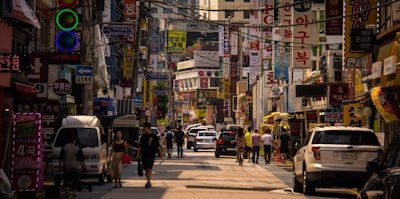
Seoul Itinerary Guide – Explore South Korea Like A Local
23-Aug-2026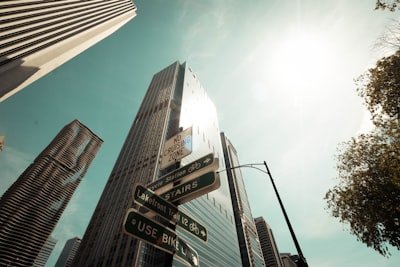
Chicago Itinerary Guide – Explore USA Like A Local
18-Aug-2026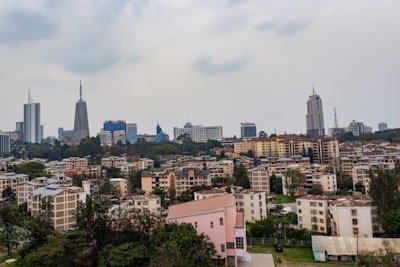
Things To Do In Nairobi – Complete Travel Guide 2026
16-Aug-2026
Brisbane Travel Guide 2026 – Complete Australia Travel Guide
15-Aug-2026
Marrakech Tourism Guide 2026 – Hotels, Food & Attractions
11-Aug-2026
Bangkok Travel Guide 2026 – Complete Thailand Travel Guide
08-Aug-2026
Nairobi Itinerary Guide – Explore Kenya Like A Local
07-Aug-2026
Things To Do In Barcelona – Complete Travel Guide 2026
04-Aug-2026
Things To Do In Sydney – Complete Travel Guide 2026
02-Aug-2026
Rio de Janeiro Itinerary Guide – Explore Brazil Like A Local
29-Jul-2026
Chicago Tourism Guide 2026 – Hotels, Food & Attractions
28-Jul-2026
Best Places To Visit In Sydney (2026 Guide)
25-Jul-2026
Best Places To Visit In Doha (2026 Guide)
21-Jul-2026
Melbourne Tourism Guide 2026 – Hotels, Food & Attractions
20-Jul-2026
Buenos Aires Tourism Guide 2026 – Hotels, Food & Attractions
17-Jul-2026Recent Destination
Doha Travel Guide – Best Places to Visit in Qatar
23-Aug-2026
Las Vegas Travel Guide – Best Places to Visit in USA
19-Aug-2026
Los Angeles Travel Guide – Best Places to Visit in USA
18-Aug-2026
Doha Travel Guide – Best Places to Visit in Qatar
16-Aug-2026
Cairo Travel Guide – Best Places to Visit in Egypt
15-Aug-2026
Kuala Lumpur Travel Guide – Best Places to Visit in Malaysia
11-Aug-2026
Toronto Travel Guide – Best Places to Visit in Canada
09-Aug-2026
Sydney Travel Guide – Best Places to Visit in Australia
08-Aug-2026
Sydney Travel Guide – Best Places to Visit in Australia
07-Aug-2026


