Cairo Travel Guide – Best Places to Visit in Egypt
Discover the Timeless Wonders of Cairo, Egypt: A Comprehensive Travel Guide
Welcome to Cairo, the sprawling, captivating capital of Egypt, a city where ancient history breathes alongside modern life in a thrilling, often chaotic, yet utterly unforgettable symphony. Perched on the banks of the mighty Nile River, Cairo is a treasure trove of pharaonic wonders, Islamic masterpieces, and Coptic heritage, offering an unparalleled journey through millennia of human civilization. From the iconic Giza Pyramids that pierce the desert sky to the bustling labyrinth of Khan el-Khalili, Cairo promises an adventure that ignites the senses and deepens your appreciation for one of the world's most enduring cultures. Prepare to be immersed in a city of vibrant sounds, tantalizing aromas, and stories etched into every stone. This guide will equip you with all the essential information to navigate and savor the magic of Cairo.
Best Time to Visit Cairo
Choosing the right time to visit Cairo can significantly enhance your experience, primarily due to the city's climate. Cairo experiences a desert climate, characterized by hot summers and mild winters.
Ideal Seasons for Your Trip
The absolute best time to visit Cairo is during the cooler months, specifically from
October to April. During this period, temperatures are pleasantly mild, ranging from 20°C to 30°C (68°F to 86°F) during the day, with cooler evenings. This weather is perfect for exploring archaeological sites, wandering through bustling markets, and enjoying outdoor activities without the oppressive heat of summer. Humidity is also generally low, making for a comfortable travel experience.
- Winter (December - February): This is peak tourist season, offering the most comfortable temperatures, often around 20-22°C (68-72°F). Expect sunny days and cool evenings. While ideal for sightseeing, popular attractions will be more crowded, and accommodation prices may be higher.
- Spring (March - April): A sweet spot with comfortable temperatures and slightly fewer crowds than winter. The city bursts into life, though late spring can sometimes bring the Khamasin winds – dust storms that can obscure visibility for a few days.
- Autumn (October - November): Similar to spring, offering pleasant weather after the summer heat subsides. This is an excellent time for those who want to avoid the peak winter crowds but still enjoy agreeable temperatures.
Seasons to Consider with Caution
Summer (May - September) sees intensely hot weather, with temperatures frequently soaring above 35°C (95°F) and often reaching 40°C (104°F) or more. While tourist numbers are lower, and prices might be more attractive, extensive outdoor sightseeing can be challenging and tiring. If you visit during summer, plan your activities for early mornings and late afternoons, stay hydrated, and seek air-conditioned indoor attractions during the midday heat.
Ramadan, the Islamic holy month, shifts annually and can impact travel. While many restaurants close during the day, they reopen with festive energy after sunset for *iftar*. Tourist sites generally operate with reduced hours. Visiting during Eid al-Fitr (at the end of Ramadan) or Eid al-Adha can be a unique cultural experience, but expect transport and services to be very busy.
Top Attractions in Cairo
Cairo is a city bursting with iconic landmarks that tell the story of Egypt's incredible past. Allocate sufficient time to explore these magnificent sites.
The Giza Necropolis: Pyramids and Sphinx
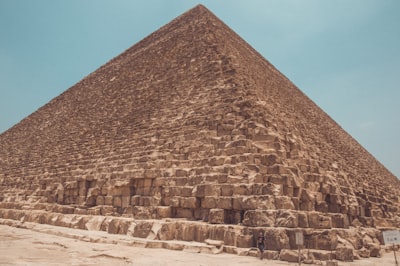
Undoubtedly Egypt's most famous attraction, the Pyramids of Giza and the majestic Sphinx are a testament to ancient Egyptian ingenuity and an absolute must-see. The three main pyramids, Khufu (Great Pyramid), Khafre, and Menkaure, stand as colossal tombs for pharaohs of the Fourth Dynasty. The Great Pyramid, the oldest and largest, was once the tallest man-made structure in the world for over 3,800 years. Guarding these monumental structures is the enigmatic Great Sphinx, a mythical creature with the body of a lion and the head of a human, carved from a single piece of limestone.
- Tips for visiting: Arrive early to beat the crowds and the heat. Consider a camel or horse ride for a unique perspective (negotiate prices beforehand). Don't miss the panoramic viewpoint for stunning photo opportunities. You can enter one of the pyramids for an extra fee, offering a glimpse into their inner chambers, though they are mostly empty. The Sound and Light Show in the evening provides a dramatic narration of the pyramids' history.
The Grand Egyptian Museum (GEM) / Egyptian Museum in Tahrir
Cairo is currently undergoing a significant transition in its primary museum offerings. While the
Egyptian Museum in Tahrir Square (also known as the Museum of Egyptian Antiquities) has long been the world's most extensive collection of ancient Egyptian artifacts, including the incredible treasures of Tutankhamun, its contents are gradually being transferred to the new
Grand Egyptian Museum (GEM).
The
Grand Egyptian Museum (GEM), located near the Giza Pyramids, is a state-of-the-art facility poised to become the largest archaeological museum in the world. It houses over 100,000 artifacts, with the entire Tutankhamun collection displayed together for the first time. Even if not fully open at the time of your visit, partial openings and guided tours may be available. It is designed to offer a more modern and engaging visitor experience.
- Tip: Check the current status of the GEM's opening and the availability of exhibits before your visit. If GEM is not fully accessible, the Tahrir Museum still holds an immense collection worth exploring.
Khan el-Khalili Bazaar
Step into the vibrant heart of Islamic Cairo at Khan el-Khalili, a historic souk (market) that has been a center of trade since the 14th century. This bustling labyrinth of narrow alleyways is a sensory overload in the best possible way, filled with stalls selling everything from glittering jewelry, spices, perfumes, and leather goods to intricate lamps, traditional clothing, and souvenirs. The air is thick with the aroma of spices, shisha, and freshly brewed coffee, accompanied by the calls of vendors and the clatter of artisans at work.
- Tips for visiting: Be prepared to haggle – it's part of the experience. Take your time, explore the hidden corners, and enjoy a cup of mint tea or Turkish coffee at El Fishawi, Cairo's oldest coffee shop, famous for its historic ambiance.
Islamic Cairo: Citadel of Salah al-Din and Mosque of Muhammad Ali
Dominating Cairo's skyline from Mokattam Hill is the imposing
Citadel of Salah al-Din, a medieval Islamic fortress built by the Ayyubid ruler Salah al-Din (Saladin) in the 12th century to protect the city from Crusader attacks. Within its walls, you'll find several mosques and museums, but the most prominent is the
Mosque of Muhammad Ali Pasha. Also known as the Alabaster Mosque due to its extensive use of alabaster stone, this Ottoman-style mosque, completed in 1848, boasts towering minarets and a grand dome, offering breathtaking panoramic views of Cairo.
- Tips for visiting: Dress modestly when entering mosques (shoulders and knees covered; women should also cover their heads – scarves are often provided or available for rent). Allow time to wander the citadel grounds and enjoy the stunning cityscape.
Coptic Cairo
Delve into Cairo's Christian past in Coptic Cairo, one of the oldest sections of the city. This area is home to ancient churches, the Ben Ezra Synagogue, and the Coptic Museum, all nestled within the remnants of the Roman Babylon Fortress. The
Hanging Church (Saint Virgin Mary's Church), built atop the gatehouse of the fortress, is particularly renowned for its beautiful wooden interior and historic significance. The
Ben Ezra Synagogue is traditionally believed to be where baby Moses was found.
- Tips for visiting: Wear comfortable shoes as you'll be walking on ancient cobblestones. This area offers a serene contrast to the bustling city center.
Nile River Experience
The Nile River is the lifeblood of Egypt, and no visit to Cairo is complete without experiencing it firsthand. Taking a felucca (traditional sailboat) ride at sunset offers a tranquil escape from the city's hustle, providing stunning views of the skyline as the sun dips below the horizon. Dinner cruises, often accompanied by belly dancing and traditional music, provide a more elaborate evening on the water.
- Tips for visiting: Negotiate felucca prices before boarding. Ensure dinner cruises have a good reputation for food quality and entertainment.
How to Reach Cairo
Cairo is easily accessible from around the world, serving as a major international hub in North Africa.
By Air
The primary gateway to Cairo is
Cairo International Airport (CAI), located about 22 km (14 miles) northeast of the city center. CAI is the busiest airport in Egypt and a hub for EgyptAir, the national carrier, with numerous direct flights from Europe, Asia, Africa, and North America.
- From the Airport: Upon arrival, you can reach the city center by taxi, ride-sharing apps (Uber/Careem), or the official airport shuttle bus service. It's advisable to use ride-sharing apps or official airport taxis where fares are fixed or metered to avoid overpaying. The journey can take 45 minutes to over an hour, depending on traffic.
- Visa Requirements: Most nationalities require a visa to enter Egypt. Many can obtain a visa on arrival at the airport for a fee, while others need to apply in advance through an Egyptian embassy or consulate or an e-Visa portal. Always check the latest visa requirements for your nationality before traveling.
By Land (for regional travel)
While most international travelers arrive by air, land routes connect Cairo to other parts of Egypt and neighboring countries. Long-distance buses and trains are available for travel within Egypt, connecting Cairo to Alexandria, Luxor, Aswan, and other major cities.
Local Food Guide
Egyptian cuisine is a delicious blend of Middle Eastern, Mediterranean, and African influences, rich in flavor and often vegetarian-friendly. Don't leave Cairo without sampling these local delights!
Must-Try Dishes
- Koshary: Egypt's national dish, a hearty and surprisingly delicious vegetarian staple made of rice, macaroni, and lentils, topped with chickpeas, a spicy tomato sauce, garlic vinegar, and fried onions. It's comfort food at its best.
- Ful Medames: Stewed fava beans, seasoned with olive oil, cumin, and lemon juice. This protein-rich dish is a breakfast staple, often served with bread, eggs, and cheese.
- Ta'ameya (Egyptian Falafel): Unlike Levantine falafel made from chickpeas, Egyptian ta'ameya is made from fava beans, giving it a distinctive green interior and lighter texture. Served in pita bread with salad and tahini.
- Shawarma: Slices of marinated meat (chicken, beef, or lamb) cooked on a vertical rotisserie, then shaved and served in pita bread with vegetables and sauce.
- Mahshi: Vegetables (like zucchini, bell peppers, or cabbage leaves) stuffed with a mixture of rice, herbs, and sometimes minced meat, then slow-cooked in a savory broth.
- Molokhia: A thick, green, leafy soup often served with rice and chicken or rabbit. Its unique texture and flavor are an acquired taste but deeply beloved by Egyptians.
Popular Drinks
- Karkadeh (Hibiscus Tea): A refreshing, tangy red tea made from dried hibiscus flowers, served hot or cold.
- Sahlab: A warm, creamy, milk-based drink thickened with orchid root powder, often topped with nuts and cinnamon, especially popular in winter.
- Shai (Tea): Black tea, usually served strong and sweet.
- Qahwa (Turkish Coffee): Strong, unfiltered coffee served in small cups, varying in sweetness.
Where to Eat
- Street Food: Embrace the vibrant street food scene for authentic, cheap, and delicious eats. Look for busy stalls with high turnover for freshness.
- Local Restaurants (Mat'am Baladi): These traditional eateries offer a wide range of local dishes at affordable prices. Ask locals for recommendations.
- Upscale Restaurants: Many hotels and specific districts like Zamalek offer fine dining experiences with international and modernized Egyptian cuisine.
- Cafes: Perfect for a quick snack, coffee, or shisha (hookah).
- Food Safety Tip: Stick to bottled water. Be cautious with unpeeled fruits and vegetables, and ensure street food is cooked fresh and served hot.
Public Transport in Cairo
Navigating Cairo can be an adventure in itself. While traffic is legendary, several transport options can help you get around.
Cairo Metro
The
Cairo Metro is the most efficient, cheapest, and fastest way to get around the city, especially during peak hours. It's one of the few metros in Africa and the Arab world.
- Features: Consists of three lines, covering many key areas including Downtown, Giza (near the pyramids), and various residential districts.
- Tips: Look for the designated "women-only" carriages at the front of each train, which offer a more comfortable and private journey for female travelers. Tickets are very affordable.
Taxis and Ride-Sharing Apps
- Traditional Taxis: White taxis are ubiquitous. Always agree on a fare before starting your journey, or insist on using the meter (which often mysteriously "doesn't work"). Haggling is expected.
- Ride-Sharing Apps (Uber & Careem): These are highly recommended for tourists. They offer fixed prices, cashless payments, and a sense of security. They are generally reliable, widely available, and more comfortable than traditional taxis. Ensure the car and driver match the app details.
Buses and Microbuses
Public buses and microbuses (minivans) operate extensively throughout the city but can be confusing for tourists due to the lack of clear route maps and often crowded conditions. Not recommended for first-time visitors unless accompanied by a local.
Felucca and Water Taxis
For a different perspective, take a felucca (traditional sailboat) or a motorized water taxi on the Nile River, particularly enjoyable at sunset or as a scenic way to travel between certain areas like Zamalek and Downtown.
Travel Budget Tips for Cairo
Cairo can be an incredibly affordable destination if you plan wisely. Here's how to make your budget stretch further.
Accommodation
- Budget: Hostels and guesthouses in Downtown Cairo or near Tahrir Square offer dorm beds for as little as $5-15 USD and private rooms for $20-40 USD.
- Mid-Range: Three-star hotels can be found for $50-100 USD, often including breakfast and decent amenities. Look in areas like Downtown, Zamalek, or Mohandessin.
- Luxury: Five-star hotels along the Nile or near the Pyramids can range from $150 USD upwards, offering world-class service and facilities.
Food
- Street Food & Local Eateries: The best way to eat cheaply and authentically. Koshary can cost as little as $1-2 USD, while a satisfying meal at a local restaurant might be $3-7 USD.
- Supermarkets: Buy snacks, drinks, and breakfast items from local supermarkets to save money.
- Avoid Tourist Traps: Restaurants directly outside major attractions often have inflated prices. Walk a few blocks away for better value.
Transportation
- Metro: Extremely cheap, costing less than $1 USD per ride.
- Ride-Sharing Apps: Uber/Careem are very affordable for most intra-city journeys, usually costing $3-10 USD depending on distance and traffic.
- Walk: Explore walkable neighborhoods like Downtown, Khan el-Khalili, and Coptic Cairo on foot.
Activities & Sightseeing
- Entrance Fees: Major attractions like the Pyramids and Egyptian Museum have entrance fees ranging from $10-20 USD. Consider purchasing the Cairo Pass or Egypt Pass if you plan extensive sightseeing across the country.
- Free Activities: Many mosques (outside prayer times), Coptic Cairo churches, and simply wandering through markets are free.
- Negotiate: For souvenirs, camel rides, and traditional taxis, always negotiate the price. Start at 50% of the asking price and work your way up.
Currency
The local currency is the
Egyptian Pound (EGP). ATMs are widely available, and credit cards are accepted in larger hotels, restaurants, and shops, but cash is king for smaller purchases and street vendors. Exchange rates are generally favorable for many foreign currencies.
Hotels and Accommodation in Cairo
Cairo offers a vast range of accommodation options to suit every budget and preference, from luxurious five-star resorts to cozy boutique hotels and budget-friendly hostels.
Popular Neighborhoods for Tourists
- Downtown Cairo: Central, bustling, and close to Tahrir Square, the Egyptian Museum, and many historic buildings. A great base for budget and mid-range travelers. Expect noise.
- Zamalek Island: An upscale, leafy island in the Nile, known for its European architecture, art galleries, high-end boutiques, cafes, and restaurants. More serene and sophisticated, ideal for mid-range and luxury travelers.
- Giza (Near Pyramids): Offers unparalleled views of the Pyramids, especially from hotels directly facing them. Best for those whose primary focus is the Giza Necropolis and who don't mind being a bit further from Downtown's hustle.
- Garden City: A quiet, elegant residential area along the Nile, home to several embassies and luxury hotels. Offers a peaceful retreat while still being close to central attractions.
- Heliopolis & Nasr City: These are modern, largely residential and commercial districts, further from the main tourist sites but offering a glimpse into contemporary Cairo life. Good for those with specific business or family ties in these areas.
Accommodation Types
- Luxury Hotels: Cairo boasts world-renowned luxury brands like The Nile Ritz-Carlton, Four Seasons Hotel Cairo at Nile Plaza, St. Regis Cairo, and Mena House (with pyramid views). These offer exquisite service, multiple dining options, spas, and pools.
- Mid-Range Hotels: Numerous 3-star and 4-star hotels provide comfortable stays with good amenities, often including breakfast. Chains like Holiday Inn, Novotel, and local brands offer reliable options across different neighborhoods.
- Boutique Hotels: Smaller, often stylish hotels that offer a more personalized experience. Look for these in areas like Zamalek or specific hidden gems in Downtown.
- Hostels & Budget Stays: Downtown Cairo, in particular, has a thriving hostel scene, perfect for backpackers and budget travelers. Many offer private rooms in addition to dorms, often with social common areas and helpful staff.
- Booking Tip: Book accommodation in advance, especially during peak season (October to April), to secure your preferred choice and potentially better rates. Read recent reviews to ensure the hotel meets your expectations.
Safety Tips for Travelers in Cairo
Cairo is generally safe for tourists, but like any large city, it requires awareness and common sense. Being prepared will ensure a smoother and more enjoyable trip.
General Safety
- Petty Crime: Be mindful of pickpocketing, especially in crowded areas like Khan el-Khalili, markets, and on the metro. Keep valuables secure and out of sight.
- Nighttime: While major tourist areas are well-lit and generally safe, it's advisable to avoid walking alone in poorly lit or unfamiliar areas at night. Use ride-sharing apps for evening transport.
- Scams: Touts and unofficial guides around tourist sites can be persistent. Politely but firmly decline if you're not interested. Verify official guides' credentials. Taxi scams (meter "broken," inflated fares) are common – use ride-sharing apps.
Women Travelers
- Dress Modestly: To show respect for local culture and minimize unwanted attention, women should dress modestly, covering shoulders and knees. A headscarf is not generally required except when entering mosques, but carrying one can be useful.
- Solo Travel: While safe, solo female travelers might experience more unsolicited attention. Confidence, avoiding eye contact with persistent touts, and sticking to busy areas are helpful. Using women-only metro carriages is recommended.
Health & Hygiene
- Water: Do not drink tap water. Stick to bottled water for drinking and brushing teeth.
- Food: Be cautious with street food; ensure it's freshly cooked and hot. Opt for well-reputed restaurants.
- Sun Protection: The sun is strong, especially outside peak season. Use high-SPF sunscreen, wear a hat, and sunglasses.
- Hydration: Drink plenty of bottled water to avoid dehydration.
- Diarrhea: Traveler's diarrhea is common. Carry over-the-counter medication.
Cultural Sensitivity
- Respect Local Customs: Egypt is a predominantly Muslim country. Be mindful of religious customs, especially during Ramadan. Public displays of affection are generally frowned upon.
- Photography: Always ask for permission before taking photos of people, especially women. Some people may expect a tip for a photo.
- Bargaining: Haggling is expected in markets, but do so politely and with a smile.
Frequently Asked Questions (FAQ) About Cairo
Q: Is Cairo safe for tourists?
A: Yes, Cairo is generally safe for tourists. Major tourist sites are well-protected. Petty crime like pickpocketing can occur in crowded areas, so always be aware of your belongings. Use reputable transport (Uber/Careem) and exercise common sense, especially at night.
Q: Do I need a visa for Egypt?
A: Most nationalities require a visa for Egypt. Many can obtain a visa on arrival at Cairo International Airport for a fee (usually $25 USD, cash only), valid for 30 days. Others need to apply in advance through an embassy/consulate or use the e-Visa portal. Always check current requirements for your nationality before travel.
Q: What's the currency in Cairo, and can I use credit cards?
A: The local currency is the Egyptian Pound (EGP). ATMs are widely available. Credit cards are accepted in larger hotels, restaurants, and shops, but it's essential to carry cash for smaller purchases, street vendors, and tips.
Q: What should women wear in Cairo?
A: Women should dress modestly to respect local culture and avoid unwanted attention. This means covering shoulders and knees. Loose-fitting clothing made from breathable fabrics is ideal for the climate. A headscarf is not required for daily wear but is necessary when visiting mosques.
Q: Is it okay to drink tap water in Cairo?
A: No, it is generally not recommended to drink tap water in Cairo. Stick to bottled water for drinking and brushing your teeth. Bottled water is widely available and inexpensive.
Q: How many days do I need to visit Cairo?
A: To comfortably see Cairo's main attractions without rushing, a minimum of 3 to 4 full days is recommended. This allows you to explore the Giza Pyramids, the Egyptian Museum, Islamic Cairo, Coptic Cairo, and enjoy the Khan el-Khalili bazaar and a Nile felucca ride.
Q: Is haggling common in Cairo?
A: Yes, haggling is very common and expected in markets, bazaars (like Khan el-Khalili), and when negotiating prices for unofficial services like camel rides or traditional taxis. Approach it with a friendly attitude, a smile, and a sense of humor.
Cairo is a city of unparalleled historical depth and vibrant contemporary energy, promising an adventure that will leave an indelible mark on your soul. With this guide, you are well-equipped to explore its ancient marvels, savor its culinary delights, and navigate its bustling streets with confidence. Embrace the chaos, soak in the history, and prepare for an extraordinary journey to the heart of Egypt!