Kuala Lumpur Travel Guide – Best Places to Visit in Malaysia
Kuala Lumpur Travel Guide: Explore Malaysia's Vibrant Capital
Kuala Lumpur, often abbreviated as KL, stands as Malaysia's bustling capital and a dazzling mosaic of cultures, modernity, and tradition. This dynamic metropolis captivates visitors with its iconic skyscrapers, rich colonial heritage, lush green spaces, and a culinary scene that’s second to none. From the soaring heights of the Petronas Twin Towers to the aromatic street food stalls of Jalan Alor, KL offers an unforgettable experience for every traveler, blending the old-world charm of its diverse communities with the pulsating energy of a 21st-century Asian hub. Prepare to be enchanted by a city where mosques stand alongside temples, colonial buildings meet gleaming shopping malls, and a vibrant arts scene thrives amidst a backdrop of tropical beauty.
Best Time to Visit
Kuala Lumpur, being a tropical city, experiences a warm and humid climate throughout the year with average temperatures hovering around 27-33°C (80-91°F). While it's generally possible to visit any time, understanding its weather patterns can enhance your trip planning.
Understanding KL's Climate
The city primarily has two monsoon seasons, which bring heavy but often brief afternoon downpours.
- March to April: This period marks the first monsoon season, with increased rainfall. However, mornings and early afternoons are typically sunny, making it still a good time to visit if you don't mind occasional showers. The advantage is slightly fewer crowds compared to peak seasons.
- May to July: Generally considered one of the best times to visit. While there might still be occasional rain, it’s less frequent than the monsoon months, offering plenty of sunshine for sightseeing and outdoor activities. This period is popular for tourists.
- August to September: Another relatively dry and pleasant period, making it ideal for exploring. Expect warm weather and clear skies for most days.
- October to January: This is the Northeast Monsoon season, bringing more prolonged periods of heavy rain, especially from October to December. While it can still be a good time for indoor activities like shopping and museum visits, outdoor plans might be disrupted. Despite the rain, temperatures remain high.
- February: Often sees a slight decrease in rainfall before the March-April monsoon, making it a decent shoulder month to visit.
Events and Festivals
Consider visiting during major Malaysian festivals for a unique cultural experience. While specific dates vary annually, events like Chinese New Year (Jan/Feb), Deepavali (Oct/Nov), Eid al-Fitr (Hari Raya Aidilfitri, May/June), and Thaipusam (Jan/Feb, particularly vibrant at Batu Caves) offer incredible insights into the country's multicultural fabric. However, be aware that accommodation prices might increase, and some businesses may operate on reduced hours during these times.
Overall, the sweet spot for a visit to Kuala Lumpur is from
May to July or
August to September, when the weather is generally drier and more conducive for exploring all that the city has to offer. Regardless of when you visit, always carry an umbrella or raincoat and stay hydrated.
Top Attractions
Kuala Lumpur boasts an impressive array of attractions, blending modern marvels with historical sites and natural beauty.
Iconic Landmarks & Skyscrapers
-
Petronas Twin Towers
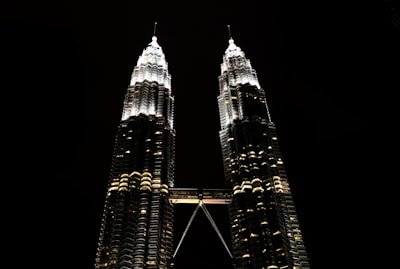
Undoubtedly KL's most famous landmark, these twin skyscrapers were once the tallest buildings in the world. Visitors can ascend to the Skybridge connecting the two towers on the 41st and 42nd floors, and higher up to the Observation Deck on the 86th floor for breathtaking panoramic views of the city. Book tickets online in advance to secure your spot.
-
KL Tower (Menara Kuala Lumpur)
Offering even higher views than the Petronas Twin Towers (from its observation deck at 276m and Sky Deck at 300m), KL Tower also features a revolving restaurant and is surrounded by the KL Forest Eco Park. It’s particularly stunning at night when the city lights twinkle below.
-
Merdeka Square (Dataran Merdeka)
The historic heart of Kuala Lumpur, where Malaysia declared its independence in 1957. Surrounded by stunning colonial-era buildings like the Sultan Abdul Samad Building (a beautiful example of Moorish architecture), the Royal Selangor Club, and the National Textile Museum, it's a great spot for history buffs and photography enthusiasts.
Cultural & Religious Sites
-
Batu Caves
A series of ancient limestone caves housing Hindu temples and shrines. The monumental golden statue of Lord Murugan at the entrance welcomes visitors, who then ascend 272 colorful steps to reach the main cave temple. Keep an eye out for the playful monkeys. It's an important pilgrimage site and a spectacular natural wonder.
-
Thean Hou Temple
A magnificent six-tiered Chinese temple dedicated to the Goddess Mazu. Its intricate architecture, ornate carvings, and vibrant colors make it one of the largest and most beautiful Chinese temples in Southeast Asia, offering stunning city views.
-
Masjid Jamek Sultan Abdul Samad
One of the oldest mosques in KL, showcasing stunning Indo-Saracenic architecture. Located at the confluence of the Klang and Gombak rivers, it's a tranquil oasis in the city center. Remember to dress modestly when visiting.
-
Central Market (Pasar Seni)
A cultural landmark housed in a beautiful Art Deco building, offering a wide array of Malaysian handicrafts, souvenirs, textiles, and art. It's a great place to immerse yourself in local culture and find unique gifts.
-
Chinatown (Petaling Street)
A vibrant, bustling district known for its street food, bargain shopping, and lively atmosphere. While the authenticity of goods can vary, the experience of navigating the crowded stalls and sampling local delicacies is quintessential KL.
-
Little India (Brickfields)
A kaleidoscope of colors, sounds, and aromas. This district is famous for its Indian restaurants, sari shops, spice vendors, and Bollywood music, offering a slice of India in Malaysia.
Nature & Green Spaces
-
KLCC Park
An urban oasis spanning 50 acres directly below the Petronas Twin Towers. It features jogging paths, a children's playground, a wading pool, and the stunning Lake Symphony light and sound fountain show every evening.
-
Perdana Botanical Gardens (Lake Gardens)
KL's largest and oldest park, home to several attractions including the Orchid Garden, Hibiscus Garden, Deer Park, and the serene Lake Gardens. It’s a perfect escape from the city hustle.
-
KL Forest Eco Park (Bukit Nanas Forest Reserve)
One of the oldest permanent forest reserves in Malaysia, right in the heart of KL. It offers a unique canopy walk amidst lush tropical rainforest, providing an opportunity to experience nature and spot wildlife within the city.
Museums & Galleries
-
Islamic Arts Museum Malaysia
Home to one of the finest collections of Islamic art in the world, featuring textiles, ceramics, jewelry, and weaponry. The museum itself is an architectural marvel.
-
National Museum of Malaysia
Provides an excellent overview of Malaysia's history, culture, and traditions, from prehistoric times to the present day.
How to Reach
Kuala Lumpur is a major international travel hub, making it easily accessible from various parts of the world.
By Air
The primary gateway is
Kuala Lumpur International Airport (KLIA), which comprises two main terminals:
-
KLIA Terminal 1 (formerly KLIA Main)
Serves most full-service international airlines.
-
KLIA Terminal 2 (formerly LCCT-KLIA2)
Primarily caters to low-cost carriers like AirAsia and other regional airlines.
Both terminals are well-connected and approximately 50-60 km south of the city center. Numerous airlines offer direct flights to KLIA from major cities worldwide.
From KLIA/KLIA2 to City Centre (KL Sentral)
-
KLIA Ekspres / KLIA Transit
The fastest and most convenient way. KLIA Ekspres is a non-stop express train connecting KLIA/KLIA2 to KL Sentral (Kuala Lumpur's main transportation hub) in about 28-33 minutes. KLIA Transit makes a few stops along the way and takes slightly longer. Both are comfortable and efficient.
-
Airport Bus Services
Several bus operators offer affordable services from both terminals to KL Sentral and other locations in KL. This is the most budget-friendly option, though it takes longer (around 1-1.5 hours depending on traffic).
-
Taxi / Ride-Hailing (Grab)
Taxis are available from designated counters at the airport, offering fixed-price coupons. Grab (Southeast Asia's popular ride-hailing app) is also widely used and often a convenient option, especially for direct routes to your accommodation.
By Land
-
By Bus
Long-distance buses connect Kuala Lumpur with various cities across Peninsular Malaysia, Singapore, and parts of Thailand. The main bus terminals include Terminal Bersepadu Selatan (TBS) for southern routes and Pudu Sentral for some northern routes.
-
By Train
Keretapi Tanah Melayu (KTM) operates intercity train services connecting KL Sentral to other parts of Malaysia and even Thailand. While slower than buses for some routes, it can offer a more scenic and comfortable journey. The ETS (Electric Train Service) is particularly efficient for popular routes like KL to Penang or Ipoh.
Local Food Guide
Kuala Lumpur is a paradise for foodies, reflecting Malaysia's multicultural heritage through its incredible culinary scene. Expect a vibrant mix of Malay, Chinese, and Indian flavors, alongside international cuisine.
Must-Try Dishes
-
Nasi Lemak
Malaysia's national dish. Fragrant rice cooked in coconut milk, served with a spicy sambal (chilli paste), crispy anchovies, roasted peanuts, a hard-boiled egg, and often a choice of fried chicken or beef rendang. A must-try for breakfast, lunch, or dinner.
-
Laksa
A diverse range of spicy noodle soups. Options include Assam Laksa (sour, fish-based broth, popular in Penang but found in KL), Curry Laksa (coconut milk-based curry broth with tofu puffs, chicken/shrimp), and Sarawak Laksa (distinctive spicy herbal broth). Each offers a unique flavor profile.
-
Char Kuey Teow
Wok-fried flat rice noodles with prawns, cockles, bean sprouts, chives, soy sauce, and chilli. The "wok hei" (breath of the wok) imparts a smoky, savory flavor.
-
Satay
Skewered and grilled meat (chicken, beef, or lamb) marinated in turmeric and other spices, served with a rich peanut dipping sauce, cucumber, and onion. A popular snack or appetizer.
-
Roti Canai
A flaky, pan-fried flatbread, often served with dhal (lentil curry), fish curry, or chicken curry. It's a popular breakfast item at Indian-Muslim (Mamak) stalls.
-
Hokkien Mee
Thick yellow noodles braised in a dark soy sauce with pork, prawns, and squid. The KL version is distinctly dark and rich.
-
Mee Goreng Mamak
Stir-fried yellow noodles with prawns, chicken, eggs, potatoes, and vegetables, typically served at Mamak stalls. It's savory, spicy, and slightly sweet.
-
Ais Kacang (ABC)
A refreshing shaved ice dessert piled high with red beans, sweet corn, grass jelly, and various jellies, drizzled with colorful syrups and evaporated milk.
-
Cendol
Another beloved dessert, made with shaved ice, green jelly noodles (made from pandan), coconut milk, and palm sugar syrup (gula melaka).
Where to Eat
-
Jalan Alor
A bustling street food haven that truly comes alive at night. You'll find a vast array of local dishes, seafood, and desserts from numerous hawker stalls and open-air restaurants.
-
Hawker Centres & Food Courts
Ubiquitous throughout the city, offering affordable and delicious local fare. Popular spots include Lot 10 Hutong (a high-end food court featuring legendary street food vendors) and the various food courts within shopping malls.
-
Mamak Stalls
Indian-Muslim eateries found on almost every street corner, open late into the night. They are famous for Roti Canai, Nasi Kandar, and Teh Tarik. A social hub for locals.
-
Fine Dining
Kuala Lumpur also boasts a growing fine dining scene, with restaurants offering modern Malaysian, fusion, and international cuisines, often with stunning views.
Drinks to Try
-
Teh Tarik
"Pulled tea" – a frothy, sweet milk tea prepared by pouring it back and forth between two mugs, giving it a distinctive texture. A Malaysian icon.
-
Milo Ais
An iced chocolate malt drink, a childhood favorite for many Malaysians.
-
Fresh Juices & Coconuts
Refreshing options in the tropical heat.
Public Transport
Kuala Lumpur boasts an extensive, efficient, and affordable public transportation system, making it easy to navigate the city without a car.
Integrated Rail Network
The city's rail network is highly developed, connecting most major attractions and areas.
-
LRT (Light Rail Transit)
Covers various parts of the city with several lines (Ampang, Sri Petaling, Kelana Jaya Lines).
-
MRT (Mass Rapid Transit)
Newer lines (Sungai Buloh-Kajang, Putrajaya Lines) that connect suburbs to the city center, offering modern trains and stations.
-
Monorail
Connects key areas like Bukit Bintang, Imbi, and KL Sentral, offering elevated views of the city.
-
KTM Komuter
Suburban train service connecting KL Sentral to surrounding towns and residential areas. Useful for destinations like Batu Caves.
-
KLIA Ekspres/Transit
As mentioned, these connect KL Sentral to Kuala Lumpur International Airport.
Bus Services
-
RapidKL Buses
An extensive network of local buses covering areas not reached by the rail system. While slower due to traffic, they are very economical.
-
GoKL City Bus (Free)
A fantastic initiative offering free bus services on several routes covering major tourist attractions, shopping areas, and business districts. Look for the distinctive pink buses. Routes include the Green, Purple, Red, and Blue lines. This is an excellent way for tourists to get around popular spots for free.
Ride-Hailing & Taxis
-
Grab
The dominant ride-hailing app in Southeast Asia. It's incredibly popular, convenient, and often cheaper than traditional taxis, especially when surge pricing isn't active. Highly recommended for door-to-door convenience.
-
Taxis
Readily available but ensure the driver uses the meter. If they refuse, negotiate the price beforehand or opt for Grab.
Payment & Tips
-
Touch 'n Go Card
A cashless payment card widely used for public transport (trains and buses), tolls, and even some retail outlets. You can purchase and reload it at train stations and convenience stores. It simplifies travel by avoiding the need for exact change or single-journey tokens.
-
Integrated System
While managed by different operators, KL's public transport system is relatively integrated, and transfers between lines are often seamless, especially at major hubs like KL Sentral. Use Google Maps or dedicated transport apps like Moovit or the official Rapid KL app for planning routes.
Travel Budget Tips
Kuala Lumpur can be enjoyed on a variety of budgets, from backpacker-friendly to luxury. Here’s how to make your money go further:
Accommodation
-
Hostels & Guesthouses
Abundant, especially in areas like Chinatown and Bukit Bintang, offering dorm beds for as little as MYR 30-50 per night.
-
Budget Hotels
Comfortable budget hotels (e.g., Tune Hotels, OYO) can be found for MYR 80-150 per night.
-
Mid-Range Hotels
Expect to pay MYR 150-300 for a decent 3-4 star hotel, often with amenities like a pool. Look for deals online.
-
Luxury
KL has many international 5-star hotels and boutique options, especially in KLCC and Bukit Bintang, starting from MYR 350+.
-
Book in Advance
Especially during peak season or festivals, booking your accommodation a few months ahead can secure better rates.
Food & Dining
-
Hawker Stalls & Mamak Stalls
Your best bet for delicious and incredibly affordable meals. A filling meal can cost MYR 5-15.
-
Food Courts
Shopping mall food courts offer air-conditioned comfort and a variety of local and international dishes at reasonable prices (MYR 10-25 per meal).
-
Water
Tap water is generally not safe to drink. Buy bottled water, which is cheap (MYR 1-3). Carry a reusable bottle and refill when possible.
Attractions & Activities
-
Free Attractions
Many of KL's highlights are free or low cost: Merdeka Square, Batu Caves (donations welcome), Thean Hou Temple, KLCC Park (including the Lake Symphony show), KL Forest Eco Park (small entrance fee for canopy walk).
-
Museums
Most museums have reasonable entrance fees (MYR 5-20).
-
Petronas Twin Towers & KL Tower
These are pricier (MYR 80-100+ for foreigners). Consider visiting only one for the best views to save money, or choose the free views from various sky bars.
-
GoKL Bus
Utilize the free GoKL City Bus for transport between key tourist areas.
Transportation
-
Public Transport
Use the LRT, MRT, Monorail, and KTM Komuter. A single journey typically costs MYR 2-5. A Touch 'n Go card can save you a little on each fare.
-
Grab
More economical than traditional taxis, especially for groups or short distances. Fares usually range from MYR 7-20 for short to medium distances within the city center.
Shopping
-
Central Market & Petaling Street
Great for souvenirs and gifts. Bargaining is expected here.
-
Shopping Malls
KL is a shopping paradise, but stick to window shopping or duty-free items for significant savings on brands.
Overall Daily Budget Estimate (per person)
-
Budget Traveler:
MYR 100-150 (approx. USD 20-30) for hostel bed, hawker food, public transport, and free/low-cost attractions.
-
Mid-Range Traveler:
MYR 200-400 (approx. USD 40-80) for budget/mid-range hotel, a mix of hawker and restaurant food, public transport/Grab, and a few paid attractions.
-
Luxury Traveler:
MYR 500+ (approx. USD 100+) for 5-star hotel, fine dining, private transport, and all attractions.
Hotels and Accommodation
Kuala Lumpur offers a vast range of accommodation options to suit every budget and preference. Choosing the right neighborhood can significantly enhance your travel experience.
Popular Areas to Stay
-
Bukit Bintang
Known as KL's entertainment and shopping hub. This vibrant district is perfect for those who want to be amidst the action, with countless malls (Pavilion KL, Fahrenheit88, Lot 10), restaurants, bars, and clubs. It's well-connected by Monorail and MRT.
- Budget: Plenty of hostels and guesthouses around Changkat Bukit Bintang and Jalan Alor.
- Mid-Range: Numerous 3-4 star hotels offering good value.
- Luxury: Upscale hotels like JW Marriott, Grand Millennium, and The Ritz-Carlton.
-
KLCC (Kuala Lumpur City Centre)
Ideal for luxury travelers and those who prioritize stunning views and proximity to the Petronas Twin Towers, KLCC Park, and convention centers. It's a more upscale and polished area.
- Mid-Range: Some serviced apartments and boutique hotels.
- Luxury: Home to many international luxury chains like Mandarin Oriental, Traders Hotel, and Four Seasons, often with direct access to KLCC Park or malls.
-
Chinatown / Petaling Street
Great for budget travelers and those seeking a cultural immersion. It's close to Central Market, many historical sites, and offers fantastic street food. Well-connected by LRT.
- Budget: Numerous affordable guesthouses and boutique hotels.
- Mid-Range: A growing number of stylish boutique hotels are emerging here.
-
Brickfields (Little India)
Known for its vibrant Indian culture, delicious food, and proximity to KL Sentral, making it an excellent base for exploring beyond KL via train. It offers a good mix of budget and mid-range options.
- Budget/Mid-Range: Several budget-friendly hotels and guesthouses, particularly good for transit.
-
Puduraya / Pudu
A developing area near Chinatown, offering more budget-friendly accommodations. It’s slightly grittier but provides good access to public transport and local eateries.
Types of Accommodation
-
Hostels
KL has an excellent hostel scene, especially in Chinatown and Bukit Bintang, offering dorms and private rooms, often with communal spaces and social events.
-
Boutique Hotels
Many charming and stylish boutique hotels can be found in cultural districts like Chinatown and around independent cafes.
-
International Hotel Chains
All major international hotel brands (Hilton, Marriott, Accor, Shangri-La, etc.) have a strong presence in KL, particularly in KLCC and Bukit Bintang.
-
Serviced Apartments
Ideal for longer stays or families, offering more space and kitchen facilities. Many can be found on platforms like Airbnb or Booking.com.
Consider your priorities – budget, nightlife, cultural experience, or luxury – when choosing your preferred neighborhood and accommodation style.
Safety Tips
Kuala Lumpur is generally a safe city for tourists, but like any major urban center, it's wise to be aware of your surroundings and take standard precautions.
General Safety
-
Petty Crime
The most common issue is petty theft, particularly pickpocketing and bag snatching, especially in crowded tourist areas like Petaling Street, Bukit Bintang, and on public transport.
- Keep your belongings secure and out of sight. Use a cross-body bag or a money belt.
- Be wary of distractions; sometimes pickpockets work in teams.
- Avoid flashing expensive jewelry, cameras, or large sums of cash.
-
Scams
While not rampant, be cautious of common travel scams:
- Taxi Scams: Insist on the meter or use Grab. Agree on a fare beforehand if the meter is not used (not recommended).
- "Friendly Local" Scams: Be cautious if a stranger approaches you offering unsolicited help, tours, or trying to lead you somewhere.
-
Traffic Safety
Traffic can be heavy and chaotic.
- Use designated pedestrian crossings and always look both ways.
- Motorbikes often weave through traffic; be extra careful.
-
Nightlife
Bukit Bintang and Changkat are popular nightlife spots.
- Drink responsibly and always keep an eye on your drink.
- Travel in groups if possible, especially late at night.
- Use Grab or reputable taxis for transportation after dark.
Health & Environment
-
Hydration
The tropical climate can be very humid. Drink plenty of bottled water to avoid dehydration.
-
Sun Protection
Wear sunscreen, a hat, and sunglasses, especially when outdoors for extended periods.
-
Food Hygiene
Generally, street food in KL is safe and delicious. Look for stalls with high turnover and visible cooking practices. If in doubt, opt for places with many locals.
-
Mosquitoes
Dengue fever is present in Malaysia. Use insect repellent, especially during dawn and dusk, and wear long sleeves/trousers if spending time in green areas.
Emergency Contacts
It's always a good idea to have travel insurance. Keep digital and physical copies of your passport and important documents separate. Inform a family member or friend of your travel plans.
Frequently Asked Questions (FAQ)
Q1: Do I need a visa to visit Kuala Lumpur, Malaysia?
A1: Visa requirements vary by nationality. Many countries, including the US, UK, EU countries, Australia, New Zealand, and most ASEAN nations, are granted visa-free entry for tourism for durations ranging from 14 to 90 days. It's essential to check the official Malaysian immigration website or consult your local embassy/consulate prior to travel for the most up-to-date requirements based on your specific nationality.
Q2: What is the local currency and should I tip?
A2: The local currency is the Malaysian Ringgit (MYR). While tipping is not mandatory or customary in Malaysia, it is appreciated for exceptional service, especially in higher-end restaurants or hotels. A 10% service charge is often added to bills in many establishments, so additional tipping isn't necessary. For casual dining or taxis, rounding up the fare is common.
Q3: What languages are spoken in Kuala Lumpur?
A3: Bahasa Malaysia (Malay) is the official language. However, English is widely spoken, especially in tourist areas, hotels, and business districts, so communication is generally easy for English speakers. Mandarin, Cantonese, Hokkien, Tamil, and various other dialects are also commonly spoken due to Malaysia's multicultural population.
Q4: What should I wear in Kuala Lumpur?
A4: Kuala Lumpur is a modern and generally liberal city, but it's also a multicultural society. Light, breathable clothing (cotton, linen) is recommended due to the hot and humid climate. While casual wear is acceptable, it's advisable to dress modestly when visiting religious sites (mosques, temples) – covering shoulders and knees. Some upscale restaurants or bars might have a smart casual dress code.
Q5: Is Kuala Lumpur suitable for solo female travelers?
A5: Yes, Kuala Lumpur is generally considered safe for solo female travelers. However, it's always prudent to exercise standard precautions: be aware of your surroundings, especially at night; avoid walking alone in poorly lit areas; use reputable transport like Grab; and inform someone of your itinerary. Dress respectfully, and trust your instincts.
Q6: How can I stay connected with internet access?
A6: WiFi is widely available in hotels, cafes, and shopping malls, often for free. For continuous connectivity, you can purchase a local SIM card upon arrival at KLIA/KLIA2 or from various mobile provider stores in the city (e.g., Celcom, Maxis, Digi, U Mobile). Tourist SIM packages are readily available and affordable, offering data, calls, and texts.
Q7: What is the power socket type in Malaysia?
A7: Malaysia uses Type G power sockets (three rectangular pins), similar to the UK. The standard voltage is 240V, and the frequency is 50Hz. If your devices use different plugs or voltage, you will need a travel adapter and possibly a voltage converter.
---