Toronto Travel Guide – Best Places to Visit in Canada
Toronto: Your Ultimate Travel Guide
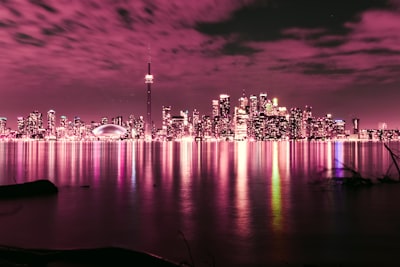
Welcome to Toronto, Canada's largest city and a vibrant mosaic of cultures, innovation, and natural beauty. Nestled on the northwestern shore of Lake Ontario, Toronto is a global hub renowned for its iconic skyline, diverse neighbourhoods, world-class dining, and a thriving arts and entertainment scene. From the soaring heights of the CN Tower to the historic charm of the Distillery District, and the bustling energy of Kensington Market to the serene escape of the Toronto Islands, this city offers an unforgettable experience for every type of traveler. Whether you're a foodie, an art enthusiast, a history buff, or an urban explorer, Toronto promises a dynamic adventure brimming with discovery and Canadian hospitality. Get ready to dive into a metropolitan wonderland that truly has something for everyone.
Best Time to Visit
Toronto experiences four distinct seasons, each offering a unique charm and a different array of activities. Choosing the best time depends largely on your preferences and what you plan to do.
Summer (June to August)
Summer is arguably the most popular time to visit Toronto, and for good reason. The weather is warm and sunny, perfect for exploring the city's parks, patios, and waterfront. The city comes alive with festivals, outdoor concerts, street performers, and events like Pride Month, the Toronto Jazz Festival, Caribana, and the Canadian National Exhibition (CNE). However, this is also peak tourist season, meaning larger crowds and higher prices for flights and accommodation. Humidity can be high, and temperatures often reach above 30°C (86°F).
Fall (September to November)
Many consider autumn the ideal time to visit Toronto. The weather is pleasantly cool and crisp, with less humidity than summer. The city's parks and surrounding areas, like High Park and the Rouge National Urban Park, burst into spectacular displays of red, orange, and gold foliage, making it a photographer's paradise. Crowds thin out compared to summer, and accommodation prices may be more reasonable. Fall also brings cultural events like Nuit Blanche and the Toronto International Film Festival (TIFF), drawing international stars and film buffs.
Spring (April to May)
Spring in Toronto is a season of rejuvenation as the city thaws from winter. Temperatures are mild, flowers begin to bloom, and trees regain their leaves. It's a great time for strolling through gardens and enjoying the blossoming cherry trees in High Park. While the weather can be unpredictable with occasional rain showers, it's generally pleasant for sightseeing before the summer rush. Attractions are less crowded, and you can often find better deals on travel.
Winter (December to March)
Winter transforms Toronto into a festive wonderland, especially around the holidays. The Distillery District Christmas Market is a must-see, and outdoor ice skating rinks pop up across the city, including Nathan Phillips Square. While temperatures can drop well below freezing, and snowfall is common, Toronto is well-equipped for winter, with underground PATH walkways connecting many downtown buildings. If you enjoy winter sports, cozy cafes, and festive cheer, this season can be magical. Just be prepared for cold weather with warm clothing layers.
Top Attractions
Toronto boasts an impressive array of attractions, catering to all interests and ages.
Iconic Landmarks
- CN Tower: Dominating Toronto's skyline at 553 meters, the CN Tower offers breathtaking panoramic views of the city, Lake Ontario, and beyond. Thrill-seekers can try the EdgeWalk, a hands-free walk along the tower's main pod roof. Don't miss the glass floor for a dizzying perspective straight down.
- Ripley's Aquarium of Canada: Located at the base of the CN Tower, this state-of-the-art aquarium is home to over 20,000 aquatic animals. Its Dangerous Lagoon, featuring a moving walkway through a shark-filled tunnel, is a highlight.
- Casa Loma: A majestic Gothic Revival castle, Casa Loma is a stunning piece of European elegance in the heart of Toronto. Explore its opulent interiors, secret passages, beautiful gardens, and enjoy sweeping city views from its towers. It offers a glimpse into Toronto's aristocratic past.
- Royal Ontario Museum (ROM): One of North America's largest museums, the ROM houses a diverse collection of art, world culture, and natural history with over 13 million artifacts. Its striking "Crystal" addition is an architectural marvel.
Cultural Hubs & Neighborhoods
- The Distillery Historic District: A pedestrian-only village filled with Victorian-era industrial buildings now housing art galleries, unique boutiques, artisanal shops, and award-winning restaurants and cafes. It's a fantastic place for a leisurely stroll and a meal, especially vibrant during the Christmas Market.
- Kensington Market: A bohemian and eclectic neighbourhood known for its vintage shops, independent boutiques, vibrant street art, diverse food stalls, and lively atmosphere. It's a designated National Historic Site and a true reflection of Toronto's multiculturalism.
- St. Lawrence Market: A historic public market dating back to 1803, consistently ranked among the world's best. It comprises three main buildings: the South Market (famous for its peameal bacon sandwiches), the North Market (farmers' market), and St. Lawrence Hall. A must-visit for foodies.
- Queen Street West: A trendy district celebrated for its indie fashion, live music venues, art galleries, and diverse dining options. It's a pulse point for Toronto's youth culture and creative scene.
Green Spaces & Islands
- Toronto Islands: A short ferry ride from downtown, the Toronto Islands offer a peaceful escape with stunning skyline views, car-free paths for cycling and walking, beaches, and family-friendly attractions like Centreville Amusement Park. It's an ideal spot for picnics and leisurely afternoons.
- High Park: Toronto's largest public park, offering diverse natural features, including significant natural woodlands, ravines, and gardens. It features a zoo, playgrounds, a large dog park, and is famous for its cherry blossoms in spring.
Unique Experiences
- Art Gallery of Ontario (AGO): Home to an extensive collection of Canadian, Indigenous, and European art, as well as modern and contemporary works. Its architectural design by Frank Gehry is a masterpiece in itself.
- Hockey Hall of Fame: A mecca for hockey fans, this museum celebrates the history of ice hockey, showcasing artifacts, exhibits, and the coveted Stanley Cup. You can even try your hand at shooting pucks at virtual goalies.
- Harbourfront Centre: A vibrant cultural precinct along Lake Ontario, offering year-round programming, including festivals, concerts, art exhibits, and public events. It's a great place to enjoy the waterfront, especially during summer.
How to Reach Toronto
Toronto is a major North American transportation hub, easily accessible by air, rail, bus, and car.
By Air
- Toronto Pearson International Airport (YYZ): Canada's busiest airport, located approximately 27 km northwest of downtown. It handles flights from major airlines worldwide.
- Getting to downtown: The UP Express (Union Pearson Express) is the fastest option, offering a 25-minute train ride directly to Union Station in downtown. Trains depart every 15 minutes. Taxis, ride-sharing services (Uber/Lyft), and public transit (TTC buses connecting to subway lines) are also available.
- Billy Bishop Toronto City Airport (YTZ): A smaller, regional airport located on Toronto Island, just minutes from downtown. Primarily serves domestic and some U.S. flights.
- Getting to downtown: A free pedestrian tunnel connects the airport to the mainland, or you can take a short ferry ride. From the mainland terminal, a free shuttle bus takes you to Union Station.
By Train
- VIA Rail Canada: Canada's national passenger rail service connects Toronto (Union Station) to major cities across Canada, including Montreal, Ottawa, and Windsor.
- Amtrak: Offers daily service from New York City (via Niagara Falls) to Toronto's Union Station.
By Bus
- Coach Canada/Megabus & Greyhound: These intercity bus services provide connections to Toronto from various Canadian and U.S. cities. The main bus terminal is downtown, near Dundas Square.
By Car
- Toronto is accessible via major highways, including the 401, QEW, and Gardiner Expressway. If driving from the U.S., several border crossings connect Ontario with New York, Michigan, and other states. Be aware of potential traffic congestion, especially during rush hour, and consider parking costs in downtown Toronto, which can be high. Ensure you have valid insurance and necessary documentation for border crossings.
Local Food Guide
Toronto's food scene is as diverse as its population, offering a culinary journey around the world. But don't miss out on some quintessential local and Canadian delights.
Must-Try Dishes
- Poutine: While originating from Quebec, poutine (french fries topped with cheese curds and gravy) is a beloved comfort food found everywhere in Toronto, from fast-food joints to upscale restaurants offering gourmet versions.
- Peameal Bacon Sandwich: A Toronto invention, this sandwich features thick-cut, lean, unsmoked back bacon (rolled in cornmeal) grilled and served on a fresh kaiser roll. St. Lawrence Market's Carousel Bakery is legendary for it.
- Butter Tarts: A small, sweet pastry tart with a rich, buttery filling. Canadians debate whether the filling should be runny or firm, and if raisins or pecans are acceptable additions. Try both versions!
- BeaverTails: Not actually beaver tails, but a flat, fried dough pastry stretched to resemble a beaver's tail, typically topped with sweet ingredients like cinnamon sugar, Nutella, or fruit. A fun treat, especially in winter.
- Global Cuisine: Toronto truly shines in its ethnic food offerings. Explore distinct neighbourhoods for authentic tastes:
- Italian: Head to Little Italy on College Street for pasta, pizza, and gelato.
- Chinese: Multiple Chinatowns offer everything from dim sum to Szechuan cuisine.
- Indian/Pakistani: Gerrard Street East's Little India is packed with flavourful options.
- Hakka: A unique fusion of Chinese and Indian flavours, common in many Scarborough restaurants.
- Caribbean: Delicious jerk chicken and roti can be found in areas like Eglinton West.
Dining Districts
- Financial District: Offers upscale dining, excellent for business lunches or fine dining experiences.
- Queen West & King West: Trendy areas with a plethora of stylish restaurants, cafes, and lively bars.
- Kensington Market: Perfect for cheap eats, international street food, and quirky cafes.
- Distillery District: Features unique restaurants with a charming historic ambiance.
- Greektown (Danforth Ave): A vibrant stretch with authentic Greek tavernas and lively patios.
Markets & Food Tours
- St. Lawrence Market: Beyond the peameal bacon, explore the many vendors offering fresh produce, artisanal cheeses, baked goods, and prepared foods.
- Kensington Market Food Tour: Many companies offer guided walking tours to sample diverse foods from the market's numerous vendors.
Public Transport in Toronto
Toronto's public transit system is efficient and comprehensive, making it easy to navigate the city without a car.
TTC (Toronto Transit Commission)
The TTC operates Toronto's extensive network of subways, streetcars, and buses. It's the most common way to get around.
- Subway: The backbone of the system, with four lines connecting major parts of the city. The Yonge-University line (Line 1) runs north-south, and the Bloor-Danforth line (Line 2) runs east-west.
- Streetcars: Iconic to Toronto, streetcars run on various routes, primarily in downtown and along major east-west arteries like Queen, King, and Spadina.
- Buses: Fill in the gaps where subways and streetcars don't reach, providing comprehensive coverage across the city.
- Fares: A single cash fare is $3.30 (CAD). However, it's highly recommended to purchase a Presto card (available at subway stations, Shoppers Drug Mart, and online). Load funds onto the card or buy a weekly/monthly pass for discounted fares. Tap your Presto card when entering and exiting subway stations, and when boarding streetcars/buses. Transfers are free within a two-hour window when using Presto.
GO Transit
GO Transit is the regional public transit service connecting Toronto (Union Station is the main hub) with surrounding suburbs and cities in the Greater Toronto and Hamilton Area (GTHA). It operates commuter trains and buses, ideal for day trips outside the city. Presto cards are also used for GO Transit.
UP Express (Union Pearson Express)
As mentioned, this dedicated airport rail link offers fast and reliable service between Union Station and Toronto Pearson International Airport (YYZ) in just 25 minutes. It operates every 15 minutes.
Cycling & Walking
Downtown Toronto is very walkable, with many attractions within close proximity. The city also has an expanding network of bike lanes and a bike-sharing program (Bike Share Toronto), offering a healthy and environmentally friendly way to explore.
Travel Budget Tips
Traveling to a major city like Toronto can be expensive, but with smart planning, you can make your budget stretch further.
- Hostels: Look for reputable hostels like The Only Backpacker's Inn or HI Toronto for budget-friendly dorms or private rooms.
- Airbnb/Short-Term Rentals: Can be cost-effective for groups or longer stays, offering kitchen facilities to save on food costs.
- Book in Advance: Especially during peak season (summer, TIFF), booking hotels or hostels several months ahead can secure better rates. Consider staying slightly outside the absolute city center for cheaper options accessible by TTC.
- Cook Your Own: If your accommodation has a kitchen, buying groceries from supermarkets (Loblaws, Metro, No Frills) and preparing some meals will save significant money.
- Lunch Deals: Many restaurants offer more affordable lunch specials than dinner.
- Street Food/Food Trucks: Kensington Market and various festivals are great for delicious and budget-friendly eats.
- Ethnic Neighbourhoods: Often provide excellent food at lower prices than tourist-heavy areas.
- Toronto CityPASS: If you plan to visit multiple major attractions (CN Tower, Ripley's Aquarium, Casa Loma, Royal Ontario Museum, Toronto Zoo/Ontario Science Centre), the CityPASS offers significant savings (around 40%) compared to individual ticket purchases.
- Free Activities: Enjoy free walking tours (often tip-based), explore neighbourhoods like Kensington Market and the Distillery District, visit High Park, take a ferry to the Toronto Islands for skyline views (ferry fee applies, but island activities are free), and enjoy free events at Harbourfront Centre or Nathan Phillips Square.
- Museum Free Nights: Some museums offer free admission on specific evenings or days (e.g., AGO often has free admission to its permanent collection on Wednesday evenings). Check their websites.
- Presto Card: Essential for saving money on public transit. A weekly pass is often cheaper if you're staying for several days and plan to use transit frequently.
- Walk: Toronto's downtown core is very walkable.
- Currency Exchange: Convert your currency at banks or reputable exchange bureaus, not at the airport or small tourist kiosks where rates are often unfavourable. Use credit cards for most purchases, but carry some Canadian dollars for small vendors or tips.
Hotels and Accommodation
Toronto offers a wide range of accommodation options to suit every budget and travel style, from luxurious hotels to charming boutique inns and budget-friendly hostels.
Luxury Hotels
- Fairmont Royal York: An iconic historic hotel directly across from Union Station, offering grand elegance, superb service, and prime location.
- Shangri-La Hotel Toronto: Known for its sophisticated design, excellent service, and a prime location near the Entertainment District, boasting an incredible spa and fine dining.
- Four Seasons Hotel Toronto: Located in the upscale Yorkville neighbourhood, offering unparalleled luxury, world-class amenities, and impeccable service.
- The Ritz-Carlton, Toronto: Adjacent to the Entertainment District, this hotel provides opulent rooms, a luxurious spa, and exceptional dining experiences.
Mid-Range Hotels
- Chelsea Hotel, Toronto: Canada's largest hotel, offering excellent value with multiple pools (including a family-friendly one with a waterslide), diverse dining options, and a central location near Dundas Square.
- Marriott Downtown at CF Toronto Eaton Centre: Directly connected to the Eaton Centre, providing convenience for shopping and easy access to attractions.
- Hotel X Toronto by Library Hotel Collection: Located on the Exhibition Place grounds, offering resort-style amenities, rooftop pools, and stunning lake views, slightly removed from the immediate downtown hustle but well-connected.
- Delta Hotels by Marriott Toronto: Modern hotel located near the waterfront and Union Station, offering comfortable rooms and good amenities.
Budget Accommodation
- Hostels: HI Toronto, The Only Backpacker's Inn, and Planet Traveler Hostel offer affordable dorms and private rooms, with communal facilities and a social atmosphere.
- Pillar and Post Inn (Niagara-on-the-Lake - Day Trip Idea): While not in Toronto, if you're extending your trip, Niagara-on-the-Lake has charming inns.
- Smaller Boutique Hotels: Look for independent hotels outside the immediate core, which can sometimes offer better rates while still being accessible by TTC. Consider areas like Queen West or Leslieville.
Neighborhood Guide for Accommodation
- Downtown Core (Financial District, Entertainment District): Best for first-time visitors who want to be close to major attractions, theatres, and business hubs. Offers a bustling urban experience.
- Yorkville: Upscale and chic, known for luxury shopping, fine dining, and cultural institutions. Perfect for those seeking high-end boutiques and a sophisticated vibe.
- Queen West: Trendy and vibrant, ideal for those interested in independent fashion, art, live music, and a lively nightlife. Offers a mix of boutique hotels and guesthouses.
- Distillery District: Offers a unique, historic ambiance with charming boutique hotels, though fewer options compared to other areas. Great for a romantic or distinctive stay.
- Near Airports (YYZ/YTZ): If you have an early flight or late arrival, hotels near Pearson or Billy Bishop offer convenience, often with shuttle services.
Safety Tips
Toronto is generally a very safe city, consistently ranked among the safest major cities in North America. However, like any large urban area, it's wise to exercise common sense and take basic precautions.
- General Awareness: Be aware of your surroundings, especially in crowded tourist areas where petty theft (pickpocketing) can occur. Keep an eye on your belongings.
- Night Safety: Most areas of downtown are safe at night, but it's always advisable to travel in groups or use reputable taxis/ride-sharing services (Uber/Lyft) if you're out late. Avoid walking alone in poorly lit or deserted areas.
- Public Transport Safety: The TTC is safe and reliable. During off-peak hours or late at night, consider sitting in the designated "Request Stop" areas on buses and streetcars, or near the driver/operator on subways.
- Valuables: Don't flaunt large amounts of cash or expensive jewelry. Use hotel safes for valuables you don't need daily.
- Emergency Numbers: In Canada, dial 911 for police, fire, or ambulance services. This is a free call from any phone.
- Health and Insurance: Ensure you have comprehensive travel insurance that covers medical emergencies, trip cancellations, and lost luggage. Canada has excellent healthcare, but it can be very expensive without insurance.
- Drinking Water: Tap water in Toronto is safe to drink. Carry a reusable water bottle to stay hydrated and save money.
- Weather Preparedness: Check the weather forecast before heading out. Toronto's weather can change quickly. Dress in layers, especially in spring and fall, and be prepared for sun protection in summer and warm gear in winter.
FAQ
Q1: Do I need a visa to visit Canada?
A1: Visa requirements depend on your country of citizenship. Many visitors from visa-exempt countries need an Electronic Travel Authorization (eTA) to fly to Canada. U.S. citizens only need a valid passport. Always check the official Government of Canada website (IRCC) for the most up-to-date requirements before your trip.
Q2: What currency is used in Toronto?
A2: The official currency is the Canadian Dollar (CAD). Major credit cards (Visa, MasterCard, American Express) are widely accepted. It's useful to carry some cash for smaller purchases or local markets.
Q3: Is tipping customary in Toronto?
A3: Yes, tipping is customary and expected in Canada for service industries. For restaurant servers, bartenders, and taxi drivers, a tip of 15-20% of the pre-tax bill is standard. For hotel staff (housekeeping, bellhops), a few dollars per service is appropriate.
Q4: What language is spoken in Toronto?
A4: English is the primary language spoken in Toronto. Due to its multicultural population, you'll also hear hundreds of other languages spoken throughout the city. French is Canada's other official language, but it's not commonly spoken in Toronto outside of specific communities or government services.
Q5: What's the best way to get around downtown Toronto?
A5: Downtown Toronto is very walkable. For longer distances, the TTC (Toronto Transit Commission) subway, streetcar, and bus system is efficient. Consider purchasing a Presto card for convenience and discounted fares. The UP Express offers a fast link from Pearson Airport to Union Station.
Q6: Can I take a day trip from Toronto?
A6: Absolutely! Popular day trips include Niagara Falls and Niagara-on-the-Lake (wine country), which are easily accessible by bus tours, car, or GO Train/bus combinations. Other options include the charming town of Stratford (renowned for its Shakespeare Festival) or exploring the natural beauty of Rouge National Urban Park.
Q7: Is Toronto a family-friendly destination?
A7: Yes, Toronto is extremely family-friendly. Attractions like Ripley's Aquarium, the CN Tower, Toronto Zoo, Ontario Science Centre, Centreville Amusement Park (on Toronto Islands), and High Park offer plenty of entertainment for children of all ages. Many hotels also cater to families with specific amenities and larger rooms.
Toronto is a city that truly lives up to its motto, "Diversity Our Strength." Its blend of cultures, dynamic attractions, culinary excellence, and friendly atmosphere ensures a memorable experience for every traveler. From exploring towering skyscrapers and historic castles to indulging in international flavors and relaxing on lakeside islands, your adventure in Toronto promises to be rich and rewarding.