Sydney Travel Guide – Best Places to Visit in Australia
Your Ultimate Travel Guide to Sydney, Australia
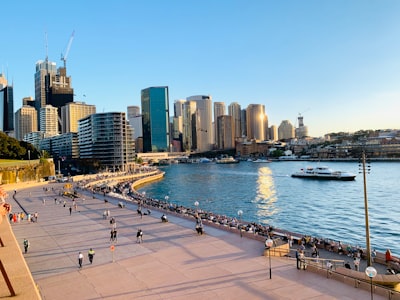
Welcome to Sydney, Australia’s largest and most vibrant city, a sparkling metropolis that perfectly blends natural beauty with urban sophistication. Nestled around one of the world's most spectacular harbours, Sydney is a city of iconic landmarks, stunning beaches, lush national parks, and a thriving cultural scene. From the architectural marvel of the Sydney Opera House to the golden sands of Bondi Beach, Sydney offers an unforgettable experience for every type of traveller. Whether you're seeking adventure, relaxation, culinary delights, or cultural immersion, this comprehensive guide will help you plan your perfect trip to the Emerald City.
Best Time to Visit Sydney
Sydney enjoys a temperate climate, making it an appealing destination year-round. However, certain seasons offer distinct advantages.
Summer (December to February)
This is peak tourist season, characterised by warm to hot temperatures (averaging 26°C/79°F) and abundant sunshine, perfect for beach activities and outdoor dining. Expect crowded attractions and higher prices for flights and accommodation. Major events like the Sydney to Hobart Yacht Race and Australia Day celebrations add to the festive atmosphere. Humidity can be high, and occasional thunderstorms are possible.
Autumn (March to May)
Often considered the best time to visit, autumn brings pleasant, mild temperatures (averaging 20-23°C/68-73°F) and lower humidity. The crowds begin to thin, and the city's parks and gardens showcase beautiful autumnal colours. This season is ideal for exploring the city on foot, enjoying coastal walks, and partaking in outdoor festivals without the intense summer heat. Prices are generally more reasonable.
Winter (June to August)
Sydney winters are mild (averaging 16-18°C/61-64°F) with plenty of sunshine and minimal rainfall. While too cool for swimming, it's an excellent time for sightseeing, hiking in nearby national parks, and enjoying indoor attractions. Whale watching season kicks off, offering incredible opportunities to spot migrating humpbacks. Vivid Sydney, a spectacular festival of light, music, and ideas, transforms the city into a vibrant canvas in May/June. Accommodation and flight deals are often available.
Spring (September to November)
Spring offers lovely warm weather (averaging 20-24°C/68-75°F) with blooming jacaranda trees painting the city purple. It's an excellent shoulder season, balancing pleasant temperatures with fewer crowds than summer. It's a fantastic time for outdoor activities, botanical garden visits, and enjoying the city's vibrant café culture. This season often sees a gradual increase in prices as it approaches summer.
Top Attractions
Sydney is home to a plethora of world-class attractions, ranging from natural wonders to architectural masterpieces.
Sydney Opera House and Harbour Bridge
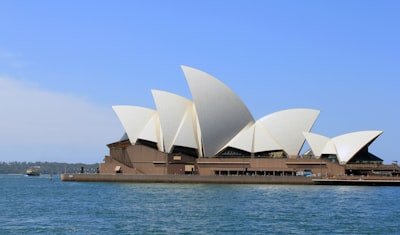
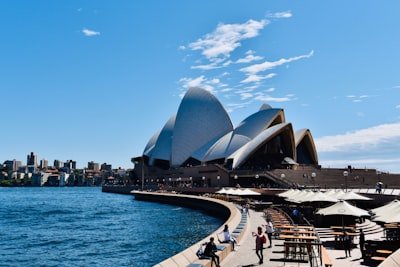
No visit to Sydney is complete without seeing these two iconic landmarks. Take a guided tour of the Sydney Opera House to learn about its fascinating history and unique architecture, or catch a performance. For the adventurous, climb the Sydney Harbour Bridge for breathtaking panoramic views of the city and its sparkling harbour – a truly unforgettable experience. Even a simple ferry ride across the harbour offers stunning photo opportunities of both.
Bondi Beach
Australia's most famous beach, Bondi, is a crescent of golden sand, perfect for sunbathing, swimming, and learning to surf. Stroll along the vibrant promenade, enjoy a meal at one of the many cafes, or embark on the scenic Bondi to Coogee Coastal Walk, offering dramatic clifftop views and passing several other beautiful beaches.
The Rocks
Step back in time in The Rocks, Sydney's oldest neighbourhood. Wander through cobblestone laneways, explore historic pubs, browse weekend markets filled with artisan crafts, and discover fascinating museums. It's a great place to soak in Sydney's colonial past while enjoying modern cafes and restaurants.
Darling Harbour
A bustling entertainment precinct, Darling Harbour offers something for everyone. Visit the SEA LIFE Sydney Aquarium, WILD LIFE Sydney Zoo, Madame Tussauds, or the Australian National Maritime Museum. Enjoy waterside dining, watch street performers, or simply relax by the fountain. It’s particularly lively in the evenings.
Taronga Zoo Sydney
Accessible by a scenic ferry ride from Circular Quay, Taronga Zoo boasts stunning harbour views alongside its impressive collection of native Australian and exotic animals. Plan your visit around keeper talks and shows, and don't miss the Free-Flight Birds show for spectacular views of the harbour as birds soar overhead.
Royal Botanic Garden Sydney
Adjacent to the Sydney Opera House, this expansive 30-hectare garden is a tranquil oasis in the heart of the city. Enjoy a leisurely stroll among diverse plant collections, spot native birds, or simply relax on the lawns with stunning views of the harbour and cityscape. Entry is free, and guided walks are available.
Art Gallery of New South Wales
One of Australia's leading art museums, the Art Gallery of NSW houses an extensive collection of Australian, European, Asian, and contemporary art, including a significant collection of Aboriginal and Torres Strait Islander art. Entry to the general collection is free, with charges for special exhibitions.
Manly Beach
Another popular beach destination, Manly is reached by a picturesque 30-minute ferry ride from Circular Quay. It offers a more relaxed vibe than Bondi, with beautiful beaches, surf schools, watersports, and a charming Corso lined with shops and eateries. Explore Shelly Beach for snorkelling and calm waters.
Blue Mountains National Park (Day Trip)
Just a 1.5 to 2-hour drive or train ride from Sydney, the World Heritage-listed Blue Mountains offer dramatic landscapes, including the iconic Three Sisters rock formation. Explore charming mountain towns like Katoomba and Leura, ride the Scenic World railway and cable cars, or hike through ancient eucalyptus forests. It's a perfect escape into nature.
How to Reach Sydney
By Air
Sydney is served by
Sydney Kingsford Smith Airport (SYD), Australia's busiest airport, located approximately 8 km south of the city centre. It's a major hub for international and domestic flights, with direct connections to major cities worldwide.
- International Travellers: Most visitors will require a visa to enter Australia. The Electronic Travel Authority (ETA) or eVisitor visa (for eligible passport holders) can be applied for online and is typically processed quickly. Always check the latest visa requirements well in advance of your trip.
- From the Airport to City:
- Train (Airport Link): The fastest way to the city, taking about 13 minutes to Central Station. Trains run frequently, and you can use an Opal card or contactless payment.
- Taxi/Rideshare (Uber, Ola, DiDi): Convenient but more expensive, especially during peak hours. Travel time is around 20-30 minutes, depending on traffic.
- Shuttle Buses: Several companies offer shared-ride services to various hotels. These are generally cheaper than taxis but take longer due to multiple stops.
- Public Bus: Route 400 connects the airport to nearby train stations (Rockdale, Burwood), where you can connect to city trains, offering a cheaper but less direct option.
By Train (Domestic)
NSW TrainLink operates long-distance train services connecting Sydney to regional NSW and other major cities like Melbourne and Brisbane (though these are very long journeys). Central Station in Sydney is the main hub for these services.
By Coach (Domestic)
Various coach companies, such as Greyhound Australia, offer services to Sydney from other Australian cities and regional areas. This is a more budget-friendly option compared to flying for domestic travel.
Local Food Guide
Sydney is a melting pot of cultures, reflected in its dynamic and diverse culinary scene. From fine dining to casual street food, there's something to tantalise every taste bud.
Iconic Australian Bites
- Meat Pie: A true Aussie classic, a handheld pie filled with minced meat and gravy, often topped with tomato sauce.
- Sausage Roll: Similar to the meat pie, but with sausage meat encased in puff pastry.
- Lamingtons: Sponge cake coated in chocolate sauce and desiccated coconut.
- Tim Tams: Australia's favourite chocolate biscuit. Try a "Tim Tam Slam"!
- Vegemite: A salty, savoury spread, often eaten thinly on toast. An acquired taste, but a must-try for the adventurous.
Sydney Specialties
- Fresh Seafood: Given its coastal location, Sydney excels in fresh seafood. Indulge in Sydney Rock Oysters, Barramundi, grilled prawns, and classic fish and chips, especially by the harbour or at the Sydney Fish Market.
- Brunch & Cafe Culture: Sydney's café culture is legendary. Enjoy innovative brunch dishes, artisanal coffee, and freshly baked goods in vibrant cafes across the city, especially in neighbourhoods like Surry Hills and Newtown.
- Multicultural Cuisine: Explore diverse culinary landscapes. Enjoy authentic Thai food in Newtown, Vietnamese pho in Cabramatta, Italian pasta in Leichhardt, or excellent Chinese cuisine in Chinatown.
- Fine Dining: Sydney boasts several world-renowned fine dining establishments, many offering exquisite harbour views. Quay, Aria, and Bennelong (inside the Opera House) are just a few examples.
- Pub Grub & Craft Beer: Experience the quintessential Australian pub, offering hearty meals, a relaxed atmosphere, and an ever-growing selection of local craft beers.
Dining Districts
- Circular Quay & The Rocks: Upscale dining with iconic harbour views.
- Surry Hills & Potts Point: Trendy eateries, boutique restaurants, and excellent cafes.
- Newtown & Glebe: Bohemian vibes, affordable and diverse international cuisine, particularly Asian and vegetarian options.
- Chinatown (Haymarket): Bustling area for dim sum, noodle soups, and late-night eats.
- Bondi & Manly: Beachside cafes, seafood restaurants, and casual dining.
Public Transport
Sydney boasts an efficient and extensive public transport network, making it easy to navigate the city without a car.
Opal Card
The
Opal card is your key to Sydney's public transport. It's a reusable smart card that you tap on and tap off at card readers when entering and exiting services.
- Where to Get It: Purchase an Opal card at most convenience stores (e.g., 7-Eleven), newsagents, and train stations.
- Topping Up: You can top up your card at these locations, through the Opal Travel app, or online.
- Contactless Payment: You can also use a contactless debit/credit card or a linked device (phone, smartwatch) directly on Opal readers, which charges you the same fare as an adult Opal card.
Modes of Transport
- Trains (Sydney Trains & NSW TrainLink): An extensive network connecting the CBD to suburbs, the airport, and regional areas. Fast and reliable for longer distances.
- Buses: Comprehensive bus routes cover areas not reached by trains. Look for designated bus lanes in the city for faster travel.
- Ferries: An iconic and scenic way to travel, especially across Sydney Harbour. Don't miss the ferry from Circular Quay to Manly for stunning views of the Opera House and Harbour Bridge.
- Light Rail: Connects key areas like Central Station, Darling Harbour, Chinatown, and Randwick/Kingsford. Ideal for short trips within the city centre.
Tips for Using Public Transport
- Plan Your Journey: Use the Opal Travel app, Google Maps, or the Transport for NSW website to plan routes, check timetables, and estimate fares.
- Tap On/Tap Off: Always remember to tap on when you start your journey and tap off when you finish. Failure to do so can result in a maximum fare charge.
- Weekly Travel Cap: Opal fares have daily, weekly, and Sunday caps, meaning you won't pay more than a certain amount for your travel within those periods, regardless of how much you travel. Sundays offer a significantly reduced cap, making it a great day for exploring.
- Off-Peak Fares: Travel outside of peak hours (typically 6:30 am - 9 am and 4 pm - 6:30 pm on weekdays) to enjoy cheaper fares.
Travel Budget Tips
Sydney can be an expensive city, but with smart planning, you can enjoy it without breaking the bank.
Accommodation
- Hostels: Sydney has a wide range of highly-rated hostels, especially in areas like the CBD, The Rocks, and Bondi, offering dorms and private rooms.
- Airbnb/Guesthouses: Consider staying in an Airbnb for self-catering options, or look for guesthouses in slightly less central but well-connected neighbourhoods like Newtown or Glebe.
- Shoulder Seasons: Visiting during autumn or spring often means better rates on hotels and flights compared to the peak summer.
- Stay Further Out: Areas slightly further from the CBD but with good public transport links (e.g., Parramatta, inner west suburbs) can offer more affordable options.
Food & Drink
- Self-Catering: Utilise supermarkets (Woolworths, Coles) for groceries and cook some of your meals, especially if your accommodation has kitchen facilities.
- Lunch Deals: Many restaurants offer cheaper lunch specials compared to dinner.
- BYO Restaurants: Look for "BYO" (Bring Your Own) restaurants, where you can bring your own alcoholic beverages, saving on drink costs.
- Happy Hours: Take advantage of happy hour deals at pubs and bars for discounted drinks and sometimes appetisers.
- Markets: Explore local markets like Paddy's Markets or Carriageworks Farmers Market for fresh produce and affordable street food.
- Free Drinking Water: Tap water in Sydney is safe to drink. Carry a reusable water bottle to refill throughout the day.
Attractions & Activities
- Free Activities: Sydney offers plenty of free attractions:
- Walk across the Sydney Harbour Bridge (not the BridgeClimb, just the pedestrian path).
- Explore the Royal Botanic Garden.
- Relax or swim at Sydney's many beaches.
- Walk the Bondi to Coogee Coastal Walk.
- Browse The Rocks Markets (weekends).
- Visit the Art Gallery of NSW (general admission).
- Enjoy picnics in Hyde Park or Centennial Park.
- Multi-Attraction Passes: Consider passes like the Sydney Pass or Merlin Annual Pass if you plan to visit multiple paid attractions (e.g., Aquarium, Zoo, Eye). Calculate if it saves you money based on your itinerary.
- Museum Free Days/Hours: Check individual museum websites for any free entry days or times.
- Student/Senior Discounts: If applicable, carry relevant ID for potential discounts.
Transport
- Opal Card: Use the Opal card and take advantage of the Sunday travel cap and off-peak fares.
- Walk: Sydney is a highly walkable city, especially in the CBD and around the harbour. Many attractions are close to each other.
- Ferry as Sightseeing: The Manly ferry ride is not only transport but also a fantastic, affordable sightseeing cruise.
Hotels and Accommodation
Sydney offers a vast array of accommodation options to suit every budget and preference, from luxurious five-star hotels to cozy hostels and self-catering apartments.
Luxury (AUD 400+ per night)
- Circular Quay & The Rocks: Prime locations offering unparalleled harbour views and easy access to major landmarks. Examples include The Fullerton Hotel, Four Seasons Hotel Sydney, and Park Hyatt Sydney.
- CBD: Central and convenient for business and sightseeing, with many upscale hotels like The Langham Sydney and Hilton Sydney.
Mid-Range (AUD 150-400 per night)
- CBD: Many excellent mid-range hotels, often close to transport and dining. Look for brands like Novotel, Mercure, or Rydges.
- Darling Harbour: Great for families, with easy access to entertainment and dining. Hotels like Hyatt Regency Sydney or Sofitel Sydney Darling Harbour.
- Surry Hills & Potts Point: Trendy neighbourhoods with boutique hotels and stylish guesthouses, popular for foodies and those seeking a vibrant atmosphere.
- Woolloomooloo: Known for its Finger Wharf, offering unique hotel experiences with waterfront dining.
Budget (Under AUD 150 per night)
- Hostels: Sydney has numerous award-winning hostels in central locations (e.g., YHA Sydney Harbour, Wake Up! Sydney Central) offering both dorms and private rooms.
- Newtown & Glebe: These bohemian suburbs offer more affordable hotels, guesthouses, and Airbnb options, with excellent access to public transport, diverse dining, and a lively arts scene.
- Self-Catering Apartments: Websites like Airbnb and Stayz offer apartments that can be cost-effective for longer stays or groups, providing kitchen facilities.
Tips for Booking Accommodation
- Book in Advance: Especially during peak season (summer) or major events (New Year's Eve, Vivid Sydney), book well in advance for the best rates and availability.
- Location Matters: Consider your primary interests. If beaches are key, stay near Bondi or Manly. If sightseeing and nightlife are important, the CBD or Surry Hills might be better.
- Check Transport Links: Ensure your chosen accommodation is well-served by public transport, even if it's not in the absolute city centre.
Safety Tips
Sydney is a generally safe city, but like any major metropolis, it's wise to exercise common sense and be aware of your surroundings.
- Sun Protection: Australia has very high UV levels. Always wear broad-spectrum sunscreen (SPF 30+ or higher), a wide-brimmed hat, and sunglasses, even on cloudy days. Seek shade, especially between 10 am and 3 pm.
- Beaches: Always swim between the red and yellow flags, which mark areas patrolled by lifeguards. Be aware of rip currents – if caught in one, stay calm, raise your arm for help, and float or swim parallel to the shore until you can escape the current.
- Harbour: While generally safe, be mindful of boat traffic and avoid swimming near ferry terminals.
- General Crime: Sydney has a low crime rate. However, take precautions against petty theft: keep valuables secure, avoid leaving bags unattended, and be aware of pickpockets in crowded tourist areas.
- Emergency Services: In case of emergency (police, fire, ambulance), dial 000 from any phone.
- Road Safety: Pedestrians should remember that Australians drive on the left-hand side of the road. Always look right, then left before crossing the street. Use designated crossings.
- Wildlife: While unlikely to encounter dangerous wildlife in the city centre, if venturing into national parks or bushland, be aware of snakes and spiders. Keep a respectful distance.
- Drinking Water: Tap water in Sydney is safe to drink. Stay hydrated, especially in summer.
- Nightlife: If going out at night, travel in groups, use reputable taxis/rideshares, and drink responsibly. Be aware of your surroundings when walking alone.
- Bushfires: During summer, particularly in regional areas surrounding Sydney (like the Blue Mountains), there can be a risk of bushfires. Check local fire danger ratings and alerts if planning to visit these areas.
FAQ Section
Q: Do I need a visa to visit Sydney, Australia?
A: Yes, most non-Australian citizens require a visa to enter Australia. The most common options for tourists are the Electronic Travel Authority (ETA) or the eVisitor visa, which can be applied for online. Check the official Australian Department of Home Affairs website for specific requirements based on your nationality.
Q: What currency is used in Sydney?
A: The official currency is the Australian Dollar (AUD). Credit cards are widely accepted, but it's good to carry some cash for smaller purchases or markets.
Q: Is tipping customary in Sydney?
A: Tipping is not mandatory or expected in Australia as it is in some other countries (e.g., the USA). However, if you receive exceptional service, a small tip (around 10%) is always appreciated but entirely at your discretion.
Q: How many days do I need to explore Sydney?
A: A minimum of 3-5 full days allows you to cover the main attractions, like the Opera House, Harbour Bridge, Bondi Beach, and perhaps a museum or two. If you wish to include day trips (e.g., Blue Mountains, Hunter Valley) or spend more time exploring specific neighbourhoods, allow 7-10 days.
Q: What's the best way to get around Sydney?
A: Sydney has an excellent public transport system (trains, buses, ferries, light rail). The Opal card or contactless payment via credit/debit card is the most convenient way to pay. Walking is also great for exploring specific areas like the CBD and The Rocks.
Q: Is Sydney an expensive city to visit?
A: Sydney can be expensive, particularly for accommodation and dining in prime locations. However, with smart budgeting (using public transport, taking advantage of free attractions, self-catering some meals), you can manage costs effectively.
Q: Can I drink tap water in Sydney?
A: Yes, tap water in Sydney is safe and of high quality. It's perfectly fine to drink.
Q: What is the time zone in Sydney?
A: Sydney operates on Australian Eastern Standard Time (AEST), which is UTC+10. During daylight saving months (typically from the first Sunday in October to the first Sunday in April), it switches to Australian Eastern Daylight Time (AEDT), which is UTC+11.
Q: What should I pack for a trip to Sydney?
A: Regardless of the season, essentials include comfortable walking shoes, sun protection (sunscreen, hat, sunglasses), and a reusable water bottle. In summer, light clothing and swimwear are a must. In winter, layers are key, including a light jacket or sweater. A universal travel adapter is also recommended for electronics.
Sydney awaits with its captivating blend of urban sophistication and stunning natural beauty. Embrace the vibrant atmosphere, explore its iconic landmarks, and immerse yourself in the laid-back yet lively Australian way of life. Enjoy your adventure!