Sydney Travel Guide – Best Places to Visit in Australia
Sydney: Your Ultimate Travel Guide to Australia's Harbour City
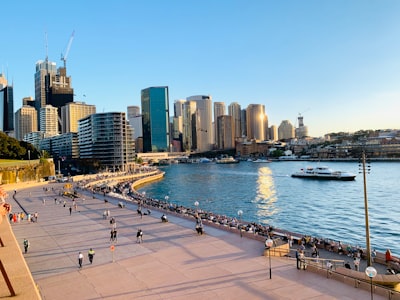
Sydney, the vibrant capital of New South Wales, stands as Australia's largest and most iconic city, renowned globally for its stunning harbour, architectural masterpieces, and laid-back beach lifestyle. Nestled on one of the world's most beautiful natural harbours, Sydney is a dynamic metropolis that effortlessly blends natural beauty with sophisticated urban living. From the sails of the Sydney Opera House gleaming under the sun to the golden sands of Bondi Beach, the city offers an unparalleled array of experiences for every type of traveller. Whether you're seeking adventure, cultural immersion, culinary delights, or simply a breathtaking view, Sydney promises an unforgettable journey Down Under. Prepare to be captivated by its friendly locals, diverse neighbourhoods, and an infectious energy that makes it a must-visit destination.
Best Time to Visit Sydney
Sydney enjoys a temperate climate, making it an appealing destination year-round. However, certain seasons offer distinct advantages depending on your preferences.
Summer (December – February)
This is peak tourist season, characterized by warm to hot temperatures (20-30°C or 68-86°F), long sunny days, and vibrant events like the Sydney Festival and New Year's Eve fireworks. While perfect for beaches and outdoor activities, expect larger crowds and higher prices for flights and accommodation. Humidity can be high, and occasional thunderstorms are common.
Autumn (March – May)
Often considered the ideal time to visit, autumn brings pleasant, mild temperatures (15-25°C or 59-77°F) and less humidity than summer. The crowds thin out, and prices for travel and lodging begin to drop. It’s perfect for exploring the city's sights, hiking, and enjoying outdoor dining without the intense summer heat. The vibrant colours of the city's parks and gardens are also a sight to behold.
Winter (June – August)
Sydney winters are mild and generally sunny, with average temperatures ranging from 8-17°C (46-63°F). While too cool for swimming for most, it's an excellent time for whale watching (May to November), exploring museums, and enjoying cozy cafes. Accommodation and flights are typically at their lowest prices, and attractions are less crowded. The Vivid Sydney festival of light, music, and ideas takes place in May/June, transforming the city into a spectacular art canvas.
Spring (September – November)
Similar to autumn, spring is another fantastic shoulder season. Temperatures are comfortably warm (15-24°C or 59-75°F), gardens are in full bloom, and the city comes alive with outdoor events and festivals. It’s an excellent time for harbour cruises, coastal walks, and enjoying the beaches before the summer rush. The weather is generally stable and pleasant, offering the best of both worlds before the summer peak.
Top Attractions
Sydney boasts an impressive array of world-class attractions, catering to all interests.
Sydney Opera House and Harbour Bridge
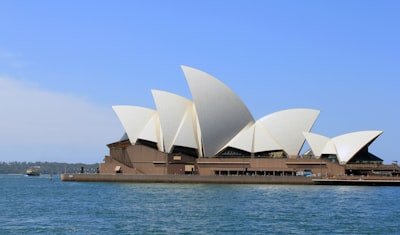
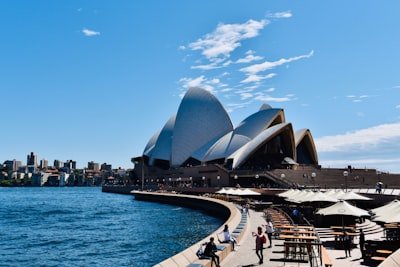
No visit to Sydney is complete without marveling at its two most iconic landmarks. The Sydney Opera House, a UNESCO World Heritage site, is an architectural marvel. Take a guided tour to learn about its history and design, or catch a show. Adjacent to it, the Sydney Harbour Bridge offers breathtaking panoramic views. For the adventurous, the BridgeClimb experience allows you to ascend to the summit for an unparalleled perspective of the city. Alternatively, walk or cycle across the pedestrian pathway for free.
Bondi Beach
Experience Sydney's renowned beach culture at Bondi. This crescent of golden sand is famous for its surf, vibrant promenade, and the picturesque Bondi to Coogee Coastal Walk. Learn to surf with a local instructor, relax on the sand, or enjoy a meal at one of the many trendy cafes and restaurants overlooking the ocean. The walk offers stunning clifftop views, rock pools, and other beautiful beaches.
The Rocks
Step back in time in The Rocks, Sydney's oldest neighbourhood. Wander through its cobblestone laneways, discover historic pubs, artisan markets (held on weekends), and charming boutiques. The area is rich in history, being the site of Australia's first European settlement, and offers incredible views of the Harbour Bridge and Opera House. Don't miss the Rocks Discovery Museum for a glimpse into its past.
Darling Harbour
A bustling precinct brimming with entertainment, dining, and family-friendly attractions. Here you'll find the SEA LIFE Sydney Aquarium, WILD LIFE Sydney Zoo, Madame Tussauds, and the Australian National Maritime Museum. Enjoy a waterside meal, catch a ferry, or simply soak in the lively atmosphere, especially vibrant in the evenings with light displays and events.
Taronga Zoo Sydney
Located on the northern side of the harbour, Taronga Zoo offers stunning views of the city skyline, the Opera House, and the Harbour Bridge, alongside an incredible array of Australian native animals and exotic species. Reachable by a scenic ferry ride from Circular Quay, it's an unforgettable experience for animal lovers.
Royal Botanic Garden Sydney
Adjacent to the Opera House, these sprawling gardens provide a tranquil oasis amidst the city hustle. Explore themed gardens, enjoy a picnic with harbour views, or join a free guided walk. It's a perfect spot for relaxation and offers some of the best photo opportunities of the Opera House and Harbour Bridge.
Art Gallery of New South Wales
Home to an extensive collection of Australian, European, Asian, and contemporary art, including a significant collection of Aboriginal and Torres Strait Islander art. Entry to the permanent collection is free, making it an accessible cultural highlight.
Sydney Tower Eye
For unparalleled 360-degree views of Sydney and its surrounds, head up the Sydney Tower Eye. The observation deck offers panoramic vistas reaching as far as the Blue Mountains on a clear day. For an extra thrill, experience the SKYWALK, an outdoor glass-floored viewing platform.
Day Trips from Sydney
- Blue Mountains: A UNESCO World Heritage area famous for its dramatic scenery, eucalyptus forests, waterfalls, and quaint villages. The iconic Three Sisters rock formation is a must-see, and there are numerous hiking trails for all levels.
- Hunter Valley: Australia's oldest wine region, perfect for a day or weekend trip. Enjoy wine tastings, gourmet food, and picturesque vineyards.
- Manly Beach: A ferry ride from Circular Quay to Manly is an attraction in itself. Manly offers another beautiful beach, excellent surfing, and a lively Corso full of shops and cafes.
How to Reach Sydney
Sydney is a major international gateway, well-connected to the rest of the world.
By Air
Sydney Kingsford Smith Airport (SYD) is Australia's busiest airport, located approximately 8 kilometres (5 miles) south of the city centre. It serves a vast network of international and domestic flights from major airlines worldwide.
Getting from Sydney Airport to the City
- Airport Link Train: The most efficient way, taking about 13 minutes to reach Central Station and 17 minutes to Circular Quay. Trains run frequently, but the fare can be expensive.
- Taxis and Rideshares: Readily available outside all terminals. Fares vary depending on traffic but expect to pay around AUD $45-60 to the CBD.
- Shuttle Buses: Several private companies offer door-to-door shuttle services, which can be a more economical option for solo travellers or small groups.
- Public Buses: A more budget-friendly option, with routes connecting the airport to various suburbs, though often requiring a transfer to reach the CBD directly.
Local Food Guide
Sydney's culinary scene is as diverse and dynamic as its population, offering everything from fine dining to casual street eats.
Iconic Australian Bites
- Meat Pie: A true Aussie classic, best enjoyed with tomato sauce.
- Sausage Roll: Another bakery staple, often found in cafes and bakeries.
- Lamington: A sponge cake coated in chocolate sauce and desiccated coconut.
- Tim Tams: Australia's beloved chocolate biscuits, perfect for "Tim Tam Slams."
- Vegemite: A salty, savoury yeast spread. Try it lightly on toast, but be warned – it's an acquired taste!
- Fish & Chips: Best enjoyed by the beach, particularly at places like Bondi or Manly.
Fresh Seafood
Given its coastal location, Sydney excels in fresh seafood. Visit the Sydney Fish Market, the largest working fish market in the Southern Hemisphere, for an incredible array of fresh catches, from oysters and prawns to whole fish, prepared on the spot or to take away. Many harbour-side restaurants also specialise in seafood.
Diverse Global Cuisine
Sydney is a melting pot of cultures, and this is wonderfully reflected in its food. Explore vibrant neighbourhoods for authentic Thai food in Newtown, Vietnamese in Cabramatta or Marrickville, Italian in Leichhardt, or Greek in Marrickville. The city also has a burgeoning modern Australian cuisine scene, fusing global flavours with local ingredients.
Café Culture and Brunch
Sydney embraces its coffee culture with passion. Expect high-quality espresso and a plethora of trendy cafes offering elaborate brunch menus, from smashed avocado on sourdough to gourmet breakfast burgers.
Fine Dining
Sydney boasts numerous hatted restaurants (equivalent to Michelin stars), offering exquisite dining experiences with stunning harbour views, especially in areas like Circular Quay, The Rocks, and Barangaroo.
Public Transport
Sydney's public transport system is efficient and extensive, making it easy to navigate the city without a car.
Opal Card
The Opal card is essential for using Sydney's public transport. It's a smartcard that you tap on and tap off for trains, buses, ferries, and light rail services. You can purchase and top up Opal cards at convenience stores, newsagents, and train stations. Alternatively, you can tap on and off using a contactless credit/debit card or a linked device, which charges the adult Opal fare. Travel on Sundays is capped at a lower daily fare, making it a great day for exploring further afield.
Trains
The Sydney Trains network covers the metropolitan area, connecting the CBD to inner and outer suburbs. Key stations in the city centre include Central, Town Hall, Wynyard, Circular Quay, and Martin Place. The Airport Link provides quick access to/from Sydney Airport.
Buses
An extensive bus network serves areas not covered by trains, including many beach suburbs and inner-city routes. Buses are a great way to explore local neighbourhoods.
Ferries
A truly iconic way to experience Sydney Harbour. Ferries depart regularly from Circular Quay, connecting to destinations like Manly, Taronga Zoo, Darling Harbour, Parramatta, and Luna Park. A ferry ride offers spectacular views of the Opera House, Harbour Bridge, and city skyline.
Light Rail
The light rail system operates in three lines, connecting Circular Quay and Central Station to Darling Harbour, the inner west, and the south-eastern suburbs, including Surry Hills, Randwick, and Kingsford.
Travel Budget Tips
Sydney can be an expensive city, but with smart planning, you can enjoy it without breaking the bank.
Accommodation
- Hostels: Sydney has many excellent hostels, especially in the CBD, Kings Cross, and Bondi, offering dorms and private rooms for budget travellers.
- Airbnb/Short-term Rentals: Can be cost-effective for longer stays or groups, particularly if you utilise kitchen facilities.
- Book in Advance: Especially during peak season, booking accommodation well in advance can secure better rates.
- Consider Outer Suburbs: Staying slightly outside the main tourist areas (e.g., Newtown, Glebe, Parramatta) can offer cheaper rates, often with good public transport links.
Food
- Cook Your Own Meals: If your accommodation has a kitchen, buying groceries from supermarkets like Woolworths or Coles can significantly reduce food costs.
- Eat Local: Explore food courts, take-away shops, and ethnic restaurants in neighbourhoods like Chinatown for delicious and affordable meals.
- Lunch Deals: Many restaurants offer cheaper lunch specials than dinner.
- BYO Restaurants: Look for "BYO" (Bring Your Own) restaurants, where you can bring your own alcoholic beverages for a small corkage fee, saving on drink costs.
Attractions
- Free Activities: Enjoy countless free activities like walking across the Harbour Bridge, exploring the Royal Botanic Garden, swimming at Bondi Beach, browsing The Rocks Markets, or taking a free walking tour.
- Multi-Attraction Passes: Consider passes like the Sydney Pass or Klook passes if you plan to visit multiple paid attractions (e.g., aquarium, zoo, tower). Do the maths to ensure it's a saving.
- Sunday Funday: Utilise the Sunday public transport cap to explore further afield for a low cost.
Transport
- Opal Card/Contactless Payments: Essential for budget-friendly transport. Utilise the daily and weekly caps.
- Walk Everywhere Possible: Many of Sydney's key attractions in the CBD and around the harbour are within walking distance of each other.
- Avoid Taxis: Taxis and rideshares can be expensive; stick to public transport.
Other Tips
- Travel During Shoulder Seasons: Spring and Autumn offer pleasant weather and often lower prices than summer.
- Stay Hydrated: Carry a reusable water bottle; tap water is safe to drink.
- Look for Deals: Check websites like Groupon or local deal sites for discounts on activities and dining.
Hotels and Accommodation
Sydney offers a vast range of accommodation options to suit every budget and style, from luxurious five-star hotels to budget-friendly hostels and serviced apartments.
Luxury (AUD $300+)
- The Rocks & Circular Quay: Home to Sydney's most opulent hotels (e.g., Park Hyatt, Four Seasons, Shangri-La) offering unparalleled harbour views and prime access to iconic landmarks.
- Barangaroo: A newer precinct with high-end hotels and modern amenities.
- CBD: Various luxury chains with excellent service and city access.
Mid-Range (AUD $150-300)
- CBD (Central Business District): Many comfortable hotels offering good value and proximity to transport and attractions.
- Darling Harbour: A vibrant area with numerous hotels, great for families due to proximity to attractions.
- Surry Hills & Potts Point: Trendy neighbourhoods with boutique hotels, excellent dining, and a lively atmosphere, just a short walk or ride from the city centre.
Budget (Under AUD $150)
- Hostels: Sydney has a plethora of highly-rated hostels, particularly in areas like Kings Cross, Bondi Beach, and the CBD, offering both dorms and private rooms. They are great for meeting other travellers.
- Airbnb/Guesthouses: Can offer more affordable options, especially if you look slightly outside the immediate city centre.
- Newtown & Glebe: These bohemian suburbs offer a relaxed vibe with a mix of guesthouses, smaller hotels, and vibrant local scenes, all well-connected by public transport.
Booking Advice
- Book Early: Especially if travelling during peak season (summer) or during major events (New Year's Eve, Vivid Sydney), book your accommodation well in advance.
- Location Matters: Consider your primary interests when choosing a location. If beaches are key, Bondi or Manly might be better. If you want to see the main sights, the CBD, The Rocks, or Darling Harbour are ideal.
- Read Reviews: Always check recent reviews to ensure the accommodation meets your expectations.
Safety Tips
Sydney is generally a very safe city, but like any major metropolis, it's wise to be aware of your surroundings and take standard precautions.
- Sun Protection: This is paramount in Australia. The UV index can be extremely high. Always use high-SPF sunscreen, wear a hat, sunglasses, and protective clothing, especially between 10 am and 4 pm. Seek shade.
- Water Safety: If swimming at beaches, always swim between the red and yellow flags, which indicate areas patrolled by lifeguards. Be aware of rip currents.
- Personal Belongings: Keep an eye on your valuables, especially in crowded tourist areas, on public transport, and at the beach.
- Nightlife: If enjoying Sydney's nightlife, travel in groups, use reputable taxis or rideshares, and ensure you know how to get back to your accommodation safely. Drink responsibly.
- Emergency Services: In case of emergency (police, fire, ambulance), dial 000 from any phone.
- Wildlife: While unlikely to encounter dangerous wildlife in the city centre, be mindful of snakes or spiders if hiking in national parks. Always check your shoes before putting them on if left outside.
- Bushfires: During hot, dry summer months, be aware of bushfire warnings, especially if planning trips to national parks like the Blue Mountains. Check local alerts before you go.
- Stay Hydrated: Drink plenty of water, especially during warmer months, to avoid dehydration.
FAQ Section
What are the visa requirements for visiting Australia?
Most non-Australian citizens require a visa to enter Australia. The type of visa depends on your country of passport and purpose of visit. Many tourists can apply for an eVisitor visa (subclass 651) or an Electronic Travel Authority (ETA) visa (subclass 601) online, which are typically straightforward. Always check the official Australian Department of Home Affairs website well in advance of your trip.
What currency is used in Sydney?
The official currency is the Australian Dollar (AUD). Credit cards (Visa, Mastercard, American Express) are widely accepted, and ATMs are readily available.
What is the official language?
English is the official language.
Is tipping customary in Sydney?
Tipping is not generally expected or compulsory in Australia. However, if you receive exceptional service in restaurants, bars, or for services, a small tip (e.g., rounding up the bill, 10% for excellent service) is appreciated but entirely at your discretion.
Is Sydney an expensive city to visit?
Sydney is considered one of the more expensive cities globally, particularly for accommodation and dining. However, by utilising public transport, taking advantage of free attractions, and being mindful of food costs, it is possible to visit on a mid-range or even budget-friendly itinerary.
How many days do I need to explore Sydney?
To experience the main highlights of Sydney and its immediate surroundings, a minimum of 4-5 full days is recommended. If you wish to include day trips to the Blue Mountains or Hunter Valley, or spend more time relaxing on the beaches, plan for 7-10 days.
What about Australian wildlife?
While Sydney is a bustling city, you can still encounter native wildlife. Look out for rainbow lorikeets and cockatoos in parks, and consider visiting Taronga Zoo or Featherdale Wildlife Park to see kangaroos, koalas, and other iconic Australian animals up close in a safe environment.
Can I drink tap water in Sydney?
Yes, tap water in Sydney is safe and potable. It's recommended to carry a reusable water bottle to stay hydrated.
Sydney is a city that lives up to its hype. Its stunning harbour, world-class landmarks, pristine beaches, and vibrant culture create an irresistible allure. With this guide, you’re now equipped to plan an unforgettable adventure to Australia's Harbour City, promising memories that will last a lifetime. Get ready to soak up the sun, explore historic laneways, indulge in delicious cuisine, and discover the magic of Sydney!