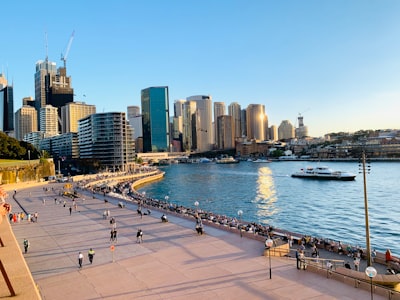
Toronto Travel Guide – Best Places to Visit in Canada
Discover Toronto: A Vibrant Mosaic of Culture, Cuisine, and Canadian Charm
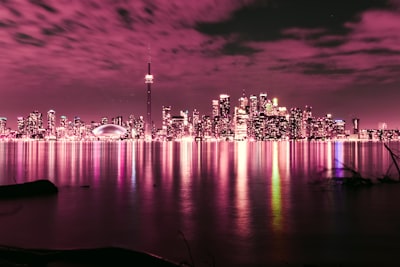
Welcome to Toronto, the dynamic capital of Ontario and Canada's largest city. A global hub brimming with diverse cultures, stunning architecture, and an electric atmosphere, Toronto offers an unforgettable experience for every type of traveler. From its iconic skyline dominated by the CN Tower to its bustling markets, world-class museums, and serene island escapes, the city is a vibrant tapestry waiting to be explored. Whether you're a foodie eager to sample international cuisines, an art enthusiast seeking inspiration, or an adventurer craving urban exploration, Toronto promises a journey filled with discovery, excitement, and the warm hospitality synonymous with Canada. Prepare to immerse yourself in a city that truly has it all, where every corner turned reveals a new facet of its multicultural heart.
Best Time to Visit
Choosing the best time to visit Toronto largely depends on your preferred activities and tolerance for weather extremes. Each season paints the city in a unique light, offering distinct advantages and experiences.
Summer (June to August)
Summer is arguably the most popular time to visit Toronto, and for good reason. The weather is warm and sunny, with average temperatures ranging from 20-30°C (68-86°F). The city truly comes alive with a packed calendar of festivals, outdoor concerts, street fairs, and patio dining. Lake Ontario offers opportunities for boat tours and exploring the Toronto Islands. However, this is also peak tourist season, meaning higher prices for flights and accommodation, and larger crowds at major attractions. Booking well in advance is highly recommended.
Autumn (September to October)
Autumn is a fantastic time for those who appreciate comfortable temperatures (10-20°C / 50-68°F), stunning fall foliage, and fewer crowds than summer. The crisp air is perfect for strolling through parks like High Park or taking a day trip to see the vibrant reds and oranges of the Ontario countryside. Many outdoor events continue into early fall, and the city maintains a lively buzz without the intense summer heat. Late October can bring cooler temperatures and the start of the winter chill.
Spring (April to May)
Spring offers a gradual awakening of the city after winter. Temperatures are mild, ranging from 5-15°C (41-59°F), and the city's parks burst into bloom, most notably the cherry blossoms in High Park around late April to early May. While the weather can be unpredictable with occasional rain showers, spring provides a good balance of pleasant conditions and lighter crowds compared to summer. It's an excellent time for indoor attractions and enjoying the city's gardens coming back to life.
Winter (November to March)
Winter in Toronto is cold, with temperatures often dropping below freezing, ranging from -10°C to 0°C (14-32°F), and significant snowfall is common. Despite the cold, the city transforms into a festive wonderland, especially around the holidays. The Distillery District hosts a famous Christmas Market, and outdoor skating rinks open across the city. Many attractions are indoors, making it a great time for museum hopping, theatre, and exploring the city's underground PATH system. Prices for flights and accommodation are generally lower, making it a budget-friendly option for those who don't mind bundling up.
Top Attractions
Toronto boasts an impressive array of attractions, catering to all interests and ages.
The CN Tower
An undisputed icon of Toronto, the CN Tower offers breathtaking panoramic views of the city, Lake Ontario, and on clear days, even Niagara Falls. Daredevils can try the EdgeWalk, a hands-free walk around the tower's main pod 356 meters (1,168 ft) above the ground.
Ripley's Aquarium of Canada
Located at the base of the CN Tower, this state-of-the-art aquarium is home to over 20,000 aquatic animals. Its moving sidewalk through the Dangerous Lagoon provides an immersive experience with sharks, sea turtles, and other marine life.
Royal Ontario Museum (ROM)
Canada's largest museum of art, culture, and natural history. The ROM's stunning Michael Lee-Chin Crystal addition contrasts beautifully with its historic architecture, housing diverse collections from dinosaur skeletons to Egyptian mummies and Canadian art.
Art Gallery of Ontario (AGO)
Designed by Toronto-born architect Frank Gehry, the AGO features a remarkable collection of over 100,000 works, ranging from European masterpieces to contemporary art, and the world's largest public collection of Canadian art.
The Distillery District
Step back in time in this beautifully preserved Victorian-era industrial complex. Now a pedestrian-only village, it's home to unique boutiques, art galleries, acclaimed restaurants, and artisan shops. It's particularly enchanting during its annual Christmas Market.
Kensington Market
A designated National Historic Site, Kensington Market is one of Toronto's most vibrant and eclectic neighborhoods. Explore vintage shops, independent boutiques, diverse eateries, street art, and a bohemian atmosphere unlike anywhere else in the city.
St. Lawrence Market
A paradise for food lovers, St. Lawrence Market has been serving the community since 1803. It comprises three main buildings: the South Market (famous for its prepared foods, produce, and the peameal bacon sandwich), the North Market (for farmers' markets and antique markets), and St. Lawrence Hall.
Toronto Islands
A serene escape from the urban hustle, the Toronto Islands are a short ferry ride from downtown. They offer stunning skyline views, beaches, bike rentals, paddle boat rentals, and Centreville Amusement Park, making it a perfect spot for families and nature lovers.
High Park
Toronto's largest public park, High Park boasts diverse natural landscapes, hiking trails, sports facilities, a small zoo, beautiful gardens (including cherry blossoms in spring), and Grenadier Pond, popular for ice skating in winter.
Casa Loma
This majestic Gothic Revival castle, built in the early 20th century by financier Sir Henry Pellatt, offers a glimpse into Toronto's opulent past. Explore its elegant rooms, secret passages, and beautiful gardens.
Hockey Hall of Fame
A must-visit for sports fans, the Hockey Hall of Fame is dedicated to the history of ice hockey. It houses significant memorabilia, interactive exhibits, and the coveted Stanley Cup.
Yonge-Dundas Square
Often compared to New York City's Times Square, this bustling public square is a hub of activity with bright billboards, free concerts, events, and a vibrant atmosphere, especially in the evenings.
How to Reach
Toronto is a major transportation hub, easily accessible by air, train, bus, and car.
By Air
Toronto is served by two main airports:
- Toronto Pearson International Airport (YYZ): Located just northwest of the city, YYZ is Canada's busiest airport, handling most international and domestic flights. From Pearson, the quickest way to downtown is via the UP Express (Union Pearson Express), a dedicated train service that takes 25 minutes to reach Union Station in downtown Toronto. Taxis, ride-sharing services, and public buses (TTC) are also available.
- Billy Bishop Toronto City Airport (YTZ): Located on the Toronto Islands, YTZ primarily serves regional flights (mostly to Eastern Canada and the USA). A short ferry ride or a pedestrian tunnel connects the island airport to the mainland, making it incredibly convenient for downtown access.
By Train
VIA Rail (Canada's national passenger rail service) and
Amtrak (from the USA) operate frequent services to
Union Station in downtown Toronto. Union Station is a major transit hub, connecting to the subway, streetcar lines, GO Transit commuter services, and the PATH underground walkway.
By Bus
Numerous intercity bus companies, including
Greyhound and
Coach Canada, offer routes to Toronto from various Canadian and U.S. cities. The main bus terminal is downtown, providing easy access to public transport.
By Car
Toronto is connected to major highways including the 401, 400, and Gardiner Expressway. Driving into the city can be convenient, but be prepared for heavy traffic, especially during rush hour, and expensive parking downtown.
Local Food Guide
Toronto's culinary scene is as diverse as its population, offering everything from iconic Canadian dishes to world-class international cuisine.
Must-Try Canadian Delights
- Poutine: While originating from Quebec, poutine (French fries topped with cheese curds and gravy) is a beloved Canadian staple and widely available in Toronto. Try it at various casual eateries or even upscale restaurants offering gourmet versions.
- Peameal Bacon Sandwich: A Toronto specialty, particularly famous at Carousel Bakery in St. Lawrence Market. It features thick slices of lean, brined pork loin (peameal bacon) on a bun, often with mustard.
- Butter Tarts: These small, sweet pastry tarts with a flaky crust and a rich, gooey filling (often with raisins or pecans) are a classic Canadian dessert.
- Maple Syrup: Indulge in everything maple-flavored, from maple candies to maple syrup-drizzled pancakes.
- Tim Hortons: Experience Canada's ubiquitous coffee and donut chain. Grab a "double-double" (coffee with double cream, double sugar) and a "Timbits" (donut holes).
Diverse Culinary Adventures
Toronto's strength lies in its incredible food diversity. Explore distinct neighborhoods for authentic culinary experiences:
- Kensington Market: A hub for international street food, quirky cafes, and diverse eateries ranging from Jamaican patties to Mexican tacos and Tibetan momos.
- Chinatown: Indulge in authentic Cantonese dim sum, Szechuan dishes, pho, and bubble tea.
- Little Italy (College Street West): Enjoy traditional Italian pasta, pizza, and espresso in a lively atmosphere.
- Greektown (Danforth Avenue): Savour delicious souvlaki, gyros, and baklava.
- Queen West & King West: Known for trendy restaurants, upscale dining, and vibrant nightlife.
- St. Lawrence Market: Beyond the peameal bacon, find fresh produce, artisanal cheeses, baked goods, and prepared international foods.
Don't shy away from food trucks and farmers' markets for fresh, local, and often innovative dishes. Toronto's food scene caters to all budgets, from cheap eats to fine dining experiences.
Public Transport
Navigating Toronto is made easy by its comprehensive public transit system, primarily operated by the
Toronto Transit Commission (TTC).
The TTC: Subway, Streetcar, and Bus
- Subway: The quickest way to get around the city, with four main lines covering major arteries and connecting popular destinations.
- Streetcar: A unique and efficient way to travel along busy downtown streets like Queen Street, King Street, and Spadina Avenue.
- Bus: An extensive network of bus routes fills in the gaps, reaching neighborhoods not served by subway or streetcar.
PRESTO Card
The
PRESTO card is Toronto's electronic fare card, offering the most convenient and cost-effective way to pay for transit. You can purchase and load money onto a PRESTO card at subway stations, Shoppers Drug Mart locations, or online. Single fares can also be paid by tapping a credit/debit card directly on a PRESTO device. Cash payments are accepted on buses and streetcars (exact change required).
GO Transit
For travel within the Greater Toronto Area (GTA) and beyond,
GO Transit operates a network of commuter trains and buses. This is ideal for day trips to places like Niagara Falls, Hamilton, or other regional attractions. PRESTO cards can also be used on GO Transit.
Accessibility
The TTC continually works to improve accessibility across its network, with many subway stations now accessible with elevators, and low-floor buses and streetcars.
Travel Budget Tips
Toronto can be an expensive city, but with some smart planning, you can enjoy its offerings without breaking the bank.
Accommodation
- Hostels: Toronto has several reputable hostels (e.g., HI Toronto, The Only Backpacker's Inn) offering dorm beds and private rooms at budget-friendly prices.
- Airbnb/VRBO: Consider renting an apartment or room, especially if traveling in a group or staying for an extended period, which can offer cooking facilities to save on food costs.
- Off-peak Season: Visit during the shoulder seasons (spring or fall) or winter for potentially lower hotel rates.
- Location: Staying slightly outside the immediate downtown core but still near a subway station can often yield better value.
Food
- Cook Your Own: If your accommodation has kitchen facilities, buying groceries from local supermarkets (like Loblaws, No Frills) or St. Lawrence Market can significantly cut down food expenses.
- Lunch Specials & Food Trucks: Many restaurants offer more affordable lunch menus. Food trucks and market stalls offer delicious and budget-friendly meals.
- Ethnic Eateries: Explore neighborhoods like Chinatown, Kensington Market, or Little India for authentic and affordable international cuisine.
- Tap Water: Canada has excellent tap water, so carry a reusable bottle to avoid buying bottled water.
Attractions & Activities
- Toronto CityPASS: If you plan to visit multiple major attractions (CN Tower, Ripley's Aquarium, ROM, AGO, Toronto Zoo/Casa Loma), the Toronto CityPASS can offer significant savings.
- Free Attractions: Enjoy numerous free activities:
- Stroll through Kensington Market, Distillery District, or Queen West.
- Relax in High Park or on the Toronto Islands (ferry fee applies).
- Walk along the Harbourfront Centre.
- Explore Nathan Phillips Square and the iconic Toronto sign.
- Visit the beautiful grounds of the University of Toronto.
- Free Walking Tours: Many companies offer free (tip-based) walking tours that introduce you to the city's history and highlights.
Transportation
- PRESTO Card: Purchase a PRESTO card for the TTC to get discounted fares compared to single cash payments.
- Walk: Toronto's downtown core is very walkable, allowing you to explore many areas on foot.
- Biking: Rent a bike from Bike Share Toronto to explore parks and waterfront trails.
Currency
The local currency is the Canadian Dollar (CAD). It's advisable to have some cash for smaller purchases, but credit cards are widely accepted. Check the exchange rate before your trip.
Hotels and Accommodation
Toronto offers a vast range of accommodation options to suit every budget and preference, from luxurious five-star hotels to cozy boutique inns and budget-friendly hostels.
Luxury Hotels
- Fairmont Royal York: A historic and iconic hotel directly across from Union Station, offering classic elegance and top-tier service.
- The Ritz-Carlton, Toronto: Known for its impeccable service, luxurious amenities, and prime location in the Entertainment District.
- Shangri-La Hotel, Toronto: A blend of Asian elegance and modern design, with excellent dining and a serene spa.
- Hotel X Toronto by Library Hotel Collection: A resort-style urban oasis with stunning lake views and extensive facilities near Exhibition Place.
Mid-Range Hotels
- Chelsea Hotel, Toronto: One of the city's largest hotels, popular with families, offering multiple pools and a central location near Yonge-Dundas Square.
- Delta Hotels by Marriott Toronto: Modern and well-appointed rooms, often with excellent city or lake views, conveniently located near the Harbourfront and Union Station.
- Radisson Blu Downtown Toronto: Located on the waterfront, many rooms offer balconies with views of Lake Ontario and the Toronto Islands.
- One King West Hotel & Residence: Offers spacious suites with kitchenettes, ideal for longer stays, in the heart of the Financial District.
Budget-Friendly Options & Hostels
- HI Toronto Hostel: A popular, centrally located hostel offering dorms and private rooms, with a lively common area and organized activities.
- The Only Backpacker's Inn: Located in the vibrant Greektown, offering a more laid-back vibe and easy access to public transport.
- Pantages Hotel Downtown Toronto: Often offers competitive rates for a boutique hotel experience near Yonge-Dundas Square.
- Independent Motels: You can find more affordable motel options on the outskirts of the city, though these may require more reliance on public transport or a car.
Neighborhoods for Accommodation
- Downtown / Financial District: Best for business travelers, those wanting to be close to major attractions, and easy access to transit.
- Entertainment District / Theatre District: Ideal for nightlife, dining, and live performances.
- Yorkville: Upscale and chic, known for luxury shopping, fine dining, and boutique hotels.
- Queen West / Fashion District: Trendy and artistic, with boutique hotels and a lively independent shopping and dining scene.
- North York / Scarborough: Further out, these areas can offer more affordable hotel chains, especially for those with specific activities planned in those regions, and are usually well-connected by subway.
Alternative Accommodation
- Airbnb/VRBO: A vast selection of private rooms, apartments, and houses available across the city, offering flexibility and often better value for families or longer stays.
- Serviced Apartments: Several providers offer fully furnished apartments with kitchenettes, suitable for extended stays.
It's always recommended to book your accommodation in advance, especially if traveling during peak season or major events, to secure the best rates and availability.
Safety Tips
Toronto is generally considered one of the safest major cities in North America. However, like any large urban area, it's wise to practice common-sense safety precautions.
- Awareness: Always be aware of your surroundings, especially in crowded areas or when using public transit during off-peak hours.
- Valuables: Keep an eye on your belongings. Avoid openly displaying expensive electronics or large sums of cash. Use hotel safes for passports and extra cash.
- Nighttime: While downtown Toronto is generally safe at night, it's advisable to stick to well-lit, populated streets and avoid walking alone through deserted parks or dimly lit alleys. Use reputable taxis or ride-sharing services after dark.
- Public Transit: The TTC is generally very safe. During late nights, consider using the subway's "Request Stop" feature on buses and streetcars to be dropped off closer to your destination between designated stops.
- Emergency Services: The emergency number for police, fire, and ambulance services in Canada is 911.
- Pedestrian Safety: Always cross at designated crosswalks and obey traffic signals. Drivers are generally courteous, but it's important to be visible and alert.
- Scams: Be wary of common tourist scams. If something seems too good to be true, it likely is.
- Weather: During winter, dress warmly in layers and wear appropriate footwear to avoid slips on ice. In summer, stay hydrated and protect yourself from the sun.
Overall, Toronto welcomes visitors warmly, and by taking these basic precautions, you can enjoy a safe and worry-free trip.
Frequently Asked Questions (FAQ)
Q: Is Toronto an expensive city to visit?
A: Toronto can be expensive, especially for accommodation and dining in prime areas. However, with budget planning, utilizing public transport, enjoying free attractions, and opting for diverse culinary experiences, it's possible to manage costs effectively.
Q: What's the best way to get around Toronto?
A: The Toronto Transit Commission (TTC) offers an excellent network of subways, streetcars, and buses. A PRESTO card is the most convenient way to pay. Walking and biking are also great options for exploring specific neighborhoods.
Q: Do I need a visa to visit Canada?
A: Visa requirements depend on your nationality. Many visitors from visa-exempt countries (e.g., USA, UK, EU countries) will need an Electronic Travel Authorization (eTA) if arriving by air. Others may require a Temporary Resident Visa (TRV). Check the official Government of Canada website well in advance.
Q: What is a must-try food in Toronto?
A: You absolutely must try a Peameal Bacon Sandwich from St. Lawrence Market and, of course, a classic Canadian Poutine. Don't forget to sample butter tarts and explore the city's incredibly diverse international cuisine.
Q: Can I see Niagara Falls from Toronto?
A: Niagara Falls is a popular day trip from Toronto, located about 1.5 to 2 hours drive away. You can go by car, organized bus tours, or via GO Transit to Niagara Falls, which usually involves a bus transfer. It's not visible from Toronto itself.
Q: Is Toronto safe for solo travelers?
A: Yes, Toronto is generally considered very safe for solo travelers, including solo female travelers. Standard urban safety precautions should be followed, especially at night, but the city is welcoming and easy to navigate independently.
Q: What is the PATH system?
A: The PATH is Toronto's extensive underground pedestrian walkway network, connecting downtown office towers, hotels, and attractions. It's a great way to navigate the city, especially during inclement weather, offering access to shops, restaurants, and transit.
Toronto is a city that never ceases to impress, with its harmonious blend of global cultures, architectural wonders, green spaces, and a culinary scene that could rival any major city in the world. From the thrilling heights of the CN Tower to the historic charm of the Distillery District, and the vibrant tapestry of Kensington Market, there’s an adventure awaiting every traveler. Plan your trip, embrace the diversity, and discover why Toronto truly is a world within a city.