Paris Travel Guide – Best Places to Visit in France
Paris: The Eternal City of Lights, Love, and Lure
Paris, the capital of France, needs no introduction. Renowned worldwide as the "City of Love," "City of Lights," and the epicenter of fashion, art, and gastronomy, Paris captivates millions of visitors each year with its timeless elegance, historic grandeur, and vibrant contemporary culture. From the iconic silhouette of the Eiffel Tower against a twilight sky to the masterpieces housed within the Louvre, every corner of Paris whispers tales of romance, revolution, and artistic brilliance. Its cobblestone streets, charming cafés, designer boutiques, and world-class museums create an intoxicating blend that beckons travelers to explore its endless treasures. This comprehensive guide will equip you with everything you need to plan an unforgettable journey to this magnificent European jewel.
Best Time to Visit Paris
Choosing the right time to visit Paris can significantly enhance your experience, balancing pleasant weather with crowd levels and prices.
Spring (April-May)
- Pros: Mild and pleasant weather, blooming gardens (Luxembourg Gardens, Tuileries Garden), fewer crowds than summer, outdoor cafés open up, and a romantic atmosphere. Temperatures average 10-20°C (50-68°F).
- Cons: Can be a bit rainy, so bring an umbrella. Prices for flights and accommodation begin to rise.
- Recommendation: Often considered the ideal time, offering a good balance of weather and crowd size.
Summer (June-August)
- Pros: Warm weather, long daylight hours, many outdoor events and festivals (Fête de la Musique, Bastille Day), vibrant street life. Temperatures average 18-25°C (64-77°F), sometimes hotter.
- Cons: Peak tourist season, meaning large crowds at attractions, longer queues, and higher prices for everything. Many Parisians go on vacation in August, so some smaller shops and restaurants might close.
- Recommendation: Excellent for those who love bustling energy and don't mind crowds or higher costs. Book everything well in advance.
Autumn (September-October)
- Pros: Crisp, cool weather, beautiful fall foliage, reduced crowds compared to summer, comfortable for walking and sightseeing. Temperatures average 10-20°C (50-68°F).
- Cons: Weather can be unpredictable, with cooler temperatures and increased chances of rain towards late October.
- Recommendation: Another fantastic time to visit, especially early autumn, for pleasant weather and a more relaxed atmosphere.
Winter (November-March)
- Pros: Fewer tourists, lower prices for flights and hotels (excluding Christmas and New Year's), festive holiday markets in December, magical Christmas lights, opportunity to experience Paris like a local.
- Cons: Cold weather, shorter daylight hours, some outdoor attractions may have reduced hours or be less enjoyable. Temperatures average 0-8°C (32-46°F), with occasional snow.
- Recommendation: Best for budget travelers or those seeking a cozy, intimate experience, especially during the festive season.
Top Attractions in Paris
Paris boasts an unparalleled collection of iconic landmarks, world-class museums, and charming neighborhoods. Here are the must-see attractions:
Eiffel Tower (Tour Eiffel)
- Description: The undisputed symbol of Paris, offering breathtaking panoramic views of the city. Ascend to the second floor or the summit for an unforgettable experience.
- Tip: Book tickets online well in advance (weeks or even months) to avoid long queues. Visit at sunset for magical views as the city lights up and the tower sparkles on the hour.
Louvre Museum (Musée du Louvre)
- Description: The world's largest art museum, home to thousands of masterpieces, including Leonardo da Vinci's Mona Lisa, the Venus de Milo, and the Winged Victory of Samothrace.
- Tip: It's impossible to see everything in one visit. Plan your visit by identifying a few key works or sections you want to focus on. Consider a guided tour or an audio guide. Purchase tickets online to save time.
Notre Dame Cathedral (Cathédrale Notre-Dame de Paris)
- Description: A masterpiece of French Gothic architecture, currently undergoing reconstruction after the 2019 fire. While access inside is restricted, its exterior remains a powerful symbol of Parisian history and resilience.
- Tip: Walk around the île de la Cité to admire its impressive façade and learn about its history from informative signs.
Arc de Triomphe
- Description: Standing proudly at the western end of the Champs-Élysées, this monumental arch honors those who fought and died for France in the French Revolutionary and Napoleonic Wars. Climb to the top for stunning views down the Champs-Élysées and across to the Eiffel Tower.
- Tip: Use the underground passage to reach the Arc safely; do not try to cross the chaotic roundabout.
Sacré-Cœur Basilica (Basilique du Sacré-Cœur)
- Description: Perched atop Montmartre hill, this stunning white basilica offers magnificent views over Paris. The interior is equally impressive with its golden mosaics.
- Tip: Explore the charming streets of Montmartre, visit Place du Tertre where artists paint, and enjoy a crêpe after your visit.
Musée d'Orsay
- Description: Housed in a former Belle Époque railway station, this museum is famous for its vast collection of Impressionist and Post-Impressionist masterpieces by artists like Monet, Manet, Degas, Renoir, Cézanne, and Van Gogh.
- Tip: Don't miss the giant clock window on the top floor, which offers a unique photo opportunity and city views.
Palace of Versailles (Château de Versailles)
- Description: A lavish royal château located just outside Paris, famous for its Hall of Mirrors, opulent State Apartments, and expansive gardens with fountains.
- Tip: Dedicate a full day to Versailles. Take the RER C train from central Paris. Book tickets for the palace and gardens online in advance. Rent a golf cart or bicycle to explore the vast gardens.
Seine River Cruise
- Description: A relaxing way to see many of Paris's famous landmarks from a unique perspective. Many cruises offer dinner or lunch options.
- Tip: Take a cruise at night to see the illuminated monuments, especially during the Eiffel Tower's sparkling show.
Latin Quarter (Quartier Latin)
- Description: A historic student district known for its lively atmosphere, narrow streets, bookstores (like Shakespeare and Company), Sorbonne University, and the Pantheon.
- Tip: Explore the charming independent bookstores, enjoy a traditional French meal at a bistro, and soak in the intellectual and bohemian vibe.
Le Marais
- Description: One of Paris's oldest and most picturesque districts, combining medieval charm with trendy boutiques, art galleries, and vibrant Jewish and LGBTQ+ communities. Home to Place des Vosges, the oldest planned square in Paris.
- Tip: Wander through its narrow streets, discover hidden courtyards, and enjoy falafel from Rue des Rosiers.
How to Reach Paris
Paris is incredibly well-connected, making it accessible from almost anywhere in the world.
By Air
- Charles de Gaulle Airport (CDG): Paris's main international airport, located northeast of the city.
- To City Center: Take the RER B train (approx. 35-40 minutes to Gare du Nord), Roissybus (direct to Opéra, approx. 60 minutes), or a taxi (fixed fare to Left/Right Bank).
- Orly Airport (ORY): The second-largest airport, located south of Paris.
- To City Center: Take the Orlyval automatic metro to Antony station, then connect to the RER B train (total approx. 30 minutes). Orlybus goes to Denfert-Rochereau (approx. 30 minutes), or take a taxi (fixed fare).
By Train
- Eurostar: Connects Paris (Gare du Nord) directly to London and Brussels. A convenient and fast option for UK and Belgian travelers.
- TGV (Train à Grande Vitesse): France's high-speed rail network connects Paris to major cities across France and neighboring countries like Germany, Spain, and Italy. Paris has several train stations, each serving different regions (e.g., Gare de Lyon for southeast, Gare Montparnasse for southwest).
Local Food Guide
Parisian cuisine is a feast for the senses, ranging from gourmet delights to simple, comforting street food.
Must-Try Dishes & Delicacies:
- Croissants & Pain au Chocolat: Start your day with these flaky, buttery pastries from a local *boulangerie*.
- Macarons: Delicate, colorful meringue-based confections, famously perfected by Ladurée and Pierre Hermé.
- Crêpes: Sweet or savory, these thin pancakes are a versatile treat, especially from street vendors.
- Escargots: Snails cooked in garlic butter and parsley – a classic French appetizer.
- Soupe à l'oignon gratinée (French Onion Soup): Rich beef broth with caramelized onions, topped with croutons and melted Gruyère cheese.
- Steak Frites: A popular bistro dish of perfectly cooked steak served with crispy French fries.
- Boeuf Bourguignon: A hearty, slow-cooked beef stew braised in red wine, often with mushrooms, onions, and bacon.
- Coq au Vin: Chicken braised with wine, mushrooms, lardons (bacon), and garlic.
- Fromage (Cheese): France boasts hundreds of varieties. Visit a *fromagerie* or a market to sample local cheeses. Pair with a fresh baguette.
- Wine: France is world-renowned for its wines. Enjoy a glass of local red, white, or rosé.
- Baguette: The quintessential French bread. Grab one from any *boulangerie*.
Dining Etiquette & Tips:
- Bistros, Brasseries, and Cafés:
- Café: For coffee, drinks, light snacks, and people-watching.
- Bistro: Smaller, casual restaurants serving traditional French fare.
- Brasserie: Larger, often open all day, offering a wider menu, and a more bustling atmosphere.
- Lunch Menus (Formule midi): Many restaurants offer fixed-price lunch menus that are more affordable than dinner.
- Tipping: Service charge (*service compris*) is usually included in the bill. Tipping extra is not obligatory but rounding up or leaving a few euros for good service is appreciated.
- Markets: Visit local markets like Marché des Enfants Rouges (the oldest covered market) or Marché Bastille for fresh produce, cheeses, and prepared foods.
Public Transport in Paris
Paris has an excellent and efficient public transportation system that makes getting around the city a breeze.
Metro
- The Lifeline: The Paris Metro is extensive, covering virtually the entire city and its immediate suburbs. It's fast, frequent, and easy to navigate with its color-coded lines and clear signage.
- Tickets: You can buy single tickets (*Ticket t+*) or a *carnet* (pack of 10 tickets) which offers a slight discount.
- Navigo Découverte: If you're staying for a week or more (Monday to Sunday), consider the Navigo Découverte pass for unlimited travel within selected zones. You'll need a passport-sized photo.
RER (Réseau Express Régional)
- Suburban Trains: The RER is a network of commuter trains that supplements the Metro, serving the larger Paris region. It's crucial for reaching attractions outside the city center, like Versailles (RER C) and the airports (RER B).
Buses
- Scenic Route: Buses can be slower than the Metro due to traffic, but they offer a great way to see the city as you travel. Metro tickets are valid on buses.
Trams
- Outer Districts: Trams primarily serve the outer districts of Paris, connecting them to the Metro and RER lines.
Velib' Métropole (Bike Sharing)
- Eco-Friendly: Paris has an extensive bike-sharing system. You can rent a bike for short periods using a credit card at docking stations.
Walking
- Best Way to Explore: For many central areas, walking is often the best way to discover hidden gems, charming streets, and soak in the Parisian atmosphere. Many famous landmarks are within walking distance of each other.
Tips:
- Zones: Paris public transport is divided into zones. Most tourist attractions are in Zone 1-2. Versailles and the airports are in higher zones (e.g., Zone 5 for CDG and Versailles).
- Validation: Always validate your ticket when entering the Metro/RER, and keep it until you exit the station, as you might need it for inspection.
- Download Apps: Apps like Citymapper or Bonjour RATP provide real-time information and help plan routes.
Travel Budget Tips for Paris
Paris can be an expensive city, but with smart planning, you can enjoy its charm without breaking the bank.
Accommodation:
- Hostels: For solo travelers or groups, hostels offer dorms and private rooms at budget-friendly prices. Look in areas like Le Marais or the Latin Quarter.
- Budget Hotels: Explore hotels in less central but well-connected arrondissements (e.g., 10th, 11th, 12th, 13th, 18th). Book well in advance, especially during peak season.
- Airbnb/Apartment Rentals: Can be cost-effective for longer stays or groups, often with kitchen facilities to save on food costs.
Food:
- Picnics: Buy fresh bread, cheese, charcuterie, and wine from local markets or supermarkets (Monoprix, Carrefour City) and enjoy a picturesque picnic by the Seine, in Luxembourg Gardens, or Champ de Mars.
- Lunch Deals (Formule midi): Take advantage of affordable fixed-price lunch menus offered by many bistros and restaurants.
- Crêpes and Falafel: Great for quick, cheap, and delicious meals on the go. Rue des Rosiers in Le Marais is famous for its falafel.
- Avoid Tourist Traps: Restaurants directly outside major attractions often have inflated prices and lower quality. Wander a few blocks away for better value.
- Tap Water: Paris tap water is safe to drink, so carry a reusable bottle to avoid buying bottled water.
Attractions & Sightseeing:
- Museum Pass: If you plan to visit multiple museums and monuments, consider the Paris Museum Pass. It offers free entry to over 50 attractions and helps skip lines.
- Free Attractions: Enjoy free activities like strolling through parks (Jardin du Luxembourg, Tuileries Garden), admiring street art, walking along the Seine, visiting local markets, and attending free walking tours.
- Free Museum Days: Many national museums offer free entry on the first Sunday of the month, but expect large crowds.
- Climb vs. Elevators: Climbing the Eiffel Tower stairs to the second floor is cheaper than taking the elevator.
Transportation:
- Walk Everywhere: When possible, walk between attractions. It's free and allows you to discover the city's charm.
- Navigo Découverte: If staying for a full week, this pass can save you money compared to buying individual tickets.
- Velib': An affordable option for short-distance travel if you enjoy cycling.
Hotels and Accommodation in Paris
Paris offers a vast range of accommodation, from luxurious palaces to cozy boutique hotels and budget-friendly hostels. Choosing the right neighborhood depends on your interests and budget.
Popular Neighborhoods and Their Vibe:
- 1st Arrondissement (Louvre/Tuileries): Very central, close to major attractions like the Louvre and Palais Royal. Upscale and elegant, ideal for first-timers who want to be in the heart of the action. Can be expensive.
- 4th Arrondissement (Le Marais): Historic, trendy, and vibrant. Known for its charming streets, boutiques, art galleries, and lively nightlife. Offers a mix of boutique hotels and apartment rentals.
- 5th Arrondissement (Latin Quarter): Lively, bohemian, and historic. Home to the Sorbonne, Pantheon, and numerous bookstores and jazz clubs. Great for students, academics, and those seeking a vibrant, intellectual atmosphere. Many budget-friendly options.
- 6th Arrondissement (Saint-Germain-des-Prés): Chic, sophisticated, and artistic. Famous for its literary cafés, art galleries, luxury boutiques, and beautiful architecture. Generally higher-end hotels.
- 7th Arrondissement (Eiffel Tower/Invalides): Iconic and elegant. Offers classic Parisian views and proximity to the Eiffel Tower, Musée d'Orsay, and Les Invalides. Mostly upscale and luxury hotels with stunning views.
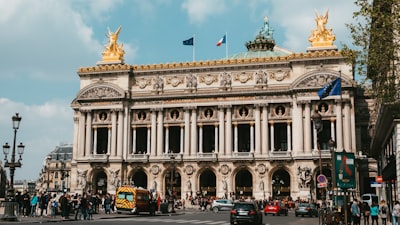
- 9th Arrondissement (Opéra/Grands Boulevards): Bustling and central, close to department stores (Galeries Lafayette, Printemps), Opéra Garnier, and numerous theaters. Good transport links, suitable for business travelers and shoppers.
- 18th Arrondissement (Montmartre): Bohemian and charming, known for Sacré-Cœur, Place du Tertre, and its artistic history. Offers a unique village-like atmosphere, with a mix of budget and mid-range hotels. Can be hilly.
Accommodation Types:
- Luxury Hotels: Paris boasts some of the world's most opulent hotels (e.g., The Ritz, Four Seasons Hotel George V).
- Boutique Hotels: Smaller, stylish hotels with unique designs and personalized service, often found in historic buildings.
- Mid-Range Hotels: Comfortable hotels offering a good balance of amenities and price. Look for well-rated 3-star hotels.
- Hostels: Ideal for budget travelers and backpackers, offering dorms and sometimes private rooms. Many have great common areas for socializing.
- Apartment Rentals (Airbnb): A popular choice for families, groups, or longer stays, offering more space and kitchen facilities.
Booking Tips:
- Book Early: Especially during peak season (summer, spring, major holidays), book your accommodation well in advance to secure better prices and availability.
- Read Reviews: Always check recent guest reviews for cleanliness, location accuracy, noise levels, and customer service.
- Location vs. Price: Decide if you prioritize being in the absolute center or if you're willing to stay a bit further out for a better deal, provided there's good Metro access.
Safety Tips for Paris
Paris is generally a safe city for tourists, but like any major metropolis, it's essential to be aware of your surroundings and take precautions, particularly against petty crime.
- Pickpocketing: This is the most common crime affecting tourists, especially in crowded areas.
- Hotspots: Metro stations, popular attractions (Eiffel Tower, Louvre, Notre Dame), crowded shopping streets, and bus stops.
- Prevention: Keep your wallet in a front pocket or a secure inner pocket. Use a cross-body bag or a money belt. Be wary of distractions or groups trying to get your attention. Never leave your phone or wallet on a table at a café.
- Scams: Be aware of common tourist scams.
- The Gold Ring Scam: Someone "finds" a gold ring, asks if it's yours, and then tries to sell it to you.
- The Petition Scam: A group (often young women) asks you to sign a petition for a fake charity, distracting you while accomplices pickpocket you.
- Bracelet Scam: People may try to force a "friendship bracelet" onto your wrist and then demand payment.
- Prevention: Firmly say "non" and walk away from anyone approaching you with these tactics.
- Evening Safety: While Paris is generally safe at night, certain areas can feel less secure. Stick to well-lit, populated streets. Avoid walking alone in unlit parks or deserted areas.
- European Emergency Number: 112 (connects to police, fire, ambulance)
- Fire Brigade (Pompiers): 18
- Terrorism Alert: France has been the target of terrorist attacks. While security measures are high, always be aware of your surroundings and follow local authority instructions.
- Health: Ensure you have comprehensive travel insurance that covers medical emergencies. If you're from an EU country, carry your EHIC card.
- Valuables: Don't flash expensive jewelry or electronics. Leave important documents and large amounts of cash in your hotel safe.
- Stay Vigilant: Always be aware of your surroundings, especially in busy tourist spots and on public transport. Trust your instincts.
Frequently Asked Questions (FAQ) about Paris
Is Paris safe for tourists?
Yes, Paris is generally safe for tourists. The main concern is petty crime like pickpocketing, especially in crowded areas. By taking common-sense precautions, you can have a very safe trip.
How many days do I need in Paris?
A minimum of 3-4 full days is recommended to see the major highlights. For a more relaxed trip, including a day trip to Versailles, 5-7 days would be ideal.
What's the best way to get around Paris?
The Metro is the most efficient way to travel around the city. For destinations further out, the RER trains are useful. Walking is also highly recommended for exploring specific neighborhoods.
Do I need to speak French?
While speaking some basic French phrases (hello, goodbye, please, thank you) is always appreciated, it's not strictly necessary. Most people in tourist-facing roles speak English. However, making an effort with a few French words can enhance your experience.
What are some free things to do in Paris?
Enjoying the parks (Luxembourg Gardens, Tuileries Garden), strolling along the Seine, admiring street art in Belleville or Montmartre, window shopping, visiting local markets, and walking across iconic bridges like Pont Neuf are all free activities. Some museums also offer free entry on the first Sunday of the month.
Is tap water safe to drink in Paris?
Yes, tap water in Paris is safe and clean to drink. You can carry a reusable water bottle and refill it to save money and reduce plastic waste.
What should I wear in Paris?
Parisians tend to dress stylishly but comfortably. Think smart casual. Comfortable walking shoes are a must. Layering is advisable due to changeable weather. For evenings, a slightly dressier outfit is suitable for nicer restaurants or shows.