Kuala Lumpur Travel Guide – Best Places to Visit in Malaysia
Kuala Lumpur: A Vibrant Tapestry of Culture, Commerce, and Cuisine
Kuala Lumpur, often affectionately known as KL, is the pulsating heart of Malaysia. A city where gleaming skyscrapers pierce the clouds above ancient temples and bustling street markets, KL offers a captivating blend of modernity and tradition. From its iconic Petronas Twin Towers to the aromatic street food stalls of Jalan Alor, this multicultural metropolis promises an unforgettable adventure. As a melting pot of Malay, Chinese, and Indian influences, the city's diverse heritage is reflected in its architecture, festivals, and, most notably, its world-renowned culinary scene. Whether you're a first-time visitor or a seasoned traveler, Kuala Lumpur's energetic pace, friendly locals, and endless attractions make it a truly dynamic and accessible destination. This comprehensive guide will equip you with all the essential information to navigate KL and make the most of your journey into one of Southeast Asia's most exciting capitals.
Best Time to Visit
Kuala Lumpur experiences a tropical rainforest climate, characterized by warm temperatures and high humidity year-round, along with abundant rainfall. Understanding the weather patterns can help you plan your trip for maximum enjoyment, although KL's charm shines through rain or shine.
Weather Patterns in Kuala Lumpur
The city doesn't have distinct "dry" or "wet" seasons in the traditional sense, but rather periods of heavier rainfall. Generally, there are two main monsoon seasons affecting different parts of Malaysia. For Kuala Lumpur, the inter-monsoon periods often bring short, sharp showers in the afternoons.
- Northeast Monsoon (October to March): While primarily affecting the east coast of Peninsular Malaysia, KL can still experience increased rainfall during these months, particularly from November to January. Temperatures typically range from 23°C to 33°C (73°F to 91°F).
- Southwest Monsoon (April to September): This period tends to be drier for the west coast, including Kuala Lumpur, making April to July generally more favorable. However, short, heavy thunderstorms, particularly in the late afternoon, are still common. Temperatures remain consistent, averaging between 24°C and 34°C (75°F to 93°F).
Ideal Months to Visit
Considering the rainfall patterns and local events, the best times to visit Kuala Lumpur are typically:
- May to July: These months generally experience slightly less rainfall compared to other times of the year, offering more consistent sunny periods for sightseeing and outdoor activities. The humidity is still high, but the weather is generally more predictable.
- December to February: While December and January can see moderate rainfall, it's often followed by clear skies. This period is popular due to the festive season (Christmas, New Year) and often coincides with Chinese New Year, bringing vibrant decorations and cultural celebrations.
Considerations for Your Trip
Regardless of when you visit, always be prepared for rain with an umbrella or raincoat. Air conditioning is ubiquitous in most indoor establishments, providing a welcome respite from the heat and humidity. If you're keen on experiencing cultural festivals, align your visit with major holidays like Chinese New Year (Jan/Feb), Hari Raya Aidilfitri (dates vary), Deepavali (Oct/Nov), or Thaipusam (Jan/Feb), which offer unique insights into Malaysia's diverse population. Booking accommodation and flights in advance is advisable if traveling during peak festival periods.
Top Attractions
Kuala Lumpur boasts an impressive array of attractions that cater to every interest, from architectural marvels and historical sites to lush green spaces and bustling markets.
Petronas Twin Towers & KLCC Park
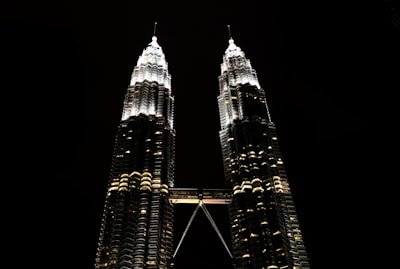
The undisputed symbol of Kuala Lumpur, the Petronas Twin Towers once held the title of the world's tallest buildings. These 88-story identical structures are a masterpiece of modern Islamic architecture. Visitors can purchase tickets to walk across the Skybridge on the 41st floor, connecting the two towers, and ascend to the Observation Deck on the 86th floor for breathtaking panoramic views of the city. At the base of the towers lies Suria KLCC, a premier shopping mall, and the beautifully landscaped KLCC Park, complete with a jogging track, children's playground, and a symphony lake with evening light and water shows.
Batu Caves
Just a short drive north of the city center, Batu Caves is a majestic limestone hill featuring a series of caves and cave temples. It is one of the most popular Hindu shrines outside India, dedicated to Lord Murugan. The site is most famous for its colossal golden statue of Lord Murugan at the entrance and the challenging 272 colorful steps leading up to the main Temple Cave. Inside, visitors will find intricate Hindu shrines and impressive geological formations. Beware of the mischievous monkeys that inhabit the area – they are known to snatch food and belongings.
Merdeka Square & Sultan Abdul Samad Building
Merdeka Square, or Independence Square, holds immense historical significance as the place where the Malaysian flag was first hoisted in 1957, marking the nation's independence from British rule. The square is surrounded by beautifully preserved colonial-era buildings, with the most striking being the Sultan Abdul Samad Building. This iconic landmark, with its distinctive Moghul-inspired architecture, copper domes, and 41-meter high clock tower, originally housed the colonial administration offices. Today, it stands as a testament to Malaysia's rich past.
Central Market (Pasar Seni)
A vibrant hub of Malaysian culture and heritage, Central Market is a beautifully restored Art Deco building that dates back to 1888. Once a wet market, it has been transformed into a bustling marketplace for local handicrafts, batik, souvenirs, art, and traditional goods. The market is zoned into areas representing the various ethnic groups of Malaysia – Malay, Indian, and Chinese – offering a diverse shopping experience. It's an excellent place to find unique gifts, watch artists at work, and enjoy local snacks at the food court.
Chinatown (Petaling Street)
Immerse yourself in the vibrant chaos of Kuala Lumpur's Chinatown, centered around the famous Petaling Street. This bustling market area is a sensory overload, filled with stalls selling everything from imitation goods and clothing to traditional Chinese medicines and local delicacies. It's a fantastic place for bargaining and experiencing the energetic street life. Beyond the market, explore the surrounding streets for hidden temples, traditional shophouses, and an incredible array of authentic Chinese street food.
Bukit Bintang
The pulsating heart of Kuala Lumpur's shopping, dining, and entertainment scene, Bukit Bintang is where the city truly comes alive after dark. This district is home to numerous upscale shopping malls like Pavilion KL, Starhill Gallery, and Fahrenheit88, offering international luxury brands and designer boutiques. By night, Jalan Alor transforms into a massive open-air food street, while the streets around Changkat Bukit Bintang buzz with nightclubs, bars, and live music venues, making it the perfect spot for an exciting evening out.
KL Tower (Menara Kuala Lumpur)
Standing at 421 meters, the KL Tower is the seventh tallest telecommunications tower in the world and offers another spectacular vantage point for city views. Its observation deck is often considered superior to the Petronas Twin Towers for pure city panoramas, as it offers an unobstructed 360-degree view of the entire Kuala Lumpur skyline, including the Twin Towers themselves. The tower also features a revolving restaurant, Atmosphere 360, and various attractions at its base, including a mini zoo and an inverted house.
How to Reach
Reaching Kuala Lumpur is relatively straightforward, thanks to its status as a major international hub in Southeast Asia.
By Air
Kuala Lumpur International Airport (KLIA) is Malaysia's main international gateway. It's a sprawling, modern airport comprising two main terminals:
- KLIA1: Serves full-service international airlines like Malaysia Airlines, Emirates, Qatar Airways, etc.
- KLIA2: A dedicated terminal for low-cost carriers, primarily AirAsia and other regional budget airlines.
Both terminals are well-connected and offer a wide range of services.
Airport Transfers to City Centre
- KLIA Ekspres/Transit: This is the fastest and most convenient way to reach the city center. The KLIA Ekspres is a non-stop train service that connects KLIA (both terminals) directly to KL Sentral station in approximately 28 minutes from KLIA1 and 33 minutes from KLIA2. The KLIA Transit makes a few stops along the way but also reaches KL Sentral efficiently.
- Airport Coach/Bus: Several bus operators offer affordable services from both KLIA terminals to KL Sentral and other locations in the city. The journey takes around 1 to 1.5 hours, depending on traffic. This is the most budget-friendly option.
- Taxis: Grab (Southeast Asia's dominant ride-hailing app) is widely available and offers fixed fares, making it a reliable and often more economical choice than traditional airport taxis, especially for groups or those with lots of luggage. Official airport taxis are also available but ensure you use coupon taxis or meter taxis to avoid overcharging.
- Car Rental: Major international and local car rental companies operate at KLIA, offering flexibility for exploring beyond the city. However, driving in KL can be challenging due to heavy traffic and complex road networks.
By Land (from neighboring countries)
- Bus: Long-distance buses connect Kuala Lumpur with major cities in Singapore and Thailand. The journey from Singapore typically takes 5-7 hours.
- Train: KTM Berhad operates train services from Singapore (via Johor Bahru) and parts of Thailand to KL Sentral. It's a scenic but slower option.
Local Food Guide
Kuala Lumpur is a paradise for foodies, reflecting its rich multicultural heritage in a delectable array of dishes. Eating in KL is not just sustenance; it's a cultural experience.
Must-Try Dishes
- Nasi Lemak: Malaysia's national dish. Fragrant rice cooked in coconut milk, served with a dollop of spicy sambal, fried anchovies, peanuts, a hard-boiled egg, and often fried chicken or beef rendang. A must-have for breakfast, lunch, or dinner.
- Laksa: A flavorful noodle soup with numerous regional variations.
- Assam Laksa: A sour and spicy fish-based broth, typically found in Penang, but popular in KL.
- Curry Laksa: Rich and creamy coconut milk-based curry broth, with noodles, tofu puffs, chicken or prawns. A KL favorite.
- Char Kway Teow: Stir-fried flat rice noodles with prawns, cockles, bean sprouts, chives, and egg, often cooked over a searing hot wok, giving it a characteristic smoky flavor (wok hei).
- Roti Canai: A flaky, buttery flatbread of Indian origin, usually served with dhal or curry sauces for dipping. A staple breakfast item.
- Satay: Skewered and grilled marinated meat (chicken or beef), served with a rich peanut sauce, raw onions, and cucumber. Best enjoyed fresh off the grill.
- Hokkien Mee: Thick yellow noodles braised in a dark soy sauce with pork, prawns, and squid. A hearty and savory dish.
- Chili Pan Mee: Hand-torn noodles served with minced pork, a poached egg, fried anchovies, and a generous amount of chili flakes. Mix everything together for a spicy, satisfying meal.
- Cendol: A refreshing dessert made with shaved ice, coconut milk, green rice flour jelly, palm sugar syrup (gula melaka), and often red beans or corn.
- Teh Tarik: The national drink, a frothy, "pulled" tea with condensed milk, poured back and forth between two containers to create a thick, creamy texture and cool it down.
Where to Eat
- Jalan Alor (Bukit Bintang): The quintessential KL street food experience. At night, this street transforms into a bustling open-air hawker center with endless options of Malay, Chinese, and Thai dishes.
- Hawker Centers & Mamak Stalls: Found throughout the city, these open-air food courts and Indian Muslim eateries offer authentic and incredibly affordable local fare. Try them for a true local experience.
- Central Market Food Court: Offers a convenient and air-conditioned environment to try various Malaysian dishes, though prices might be slightly higher than street stalls.
- Brickfields (Little India): For authentic Indian cuisine, head to Brickfields. You'll find delicious banana leaf rice, curries, and Indian sweets.
- Pudu & Petaling Street: These areas are rich with old-school eateries and hidden gems serving traditional Chinese dishes.
Public Transport
Kuala Lumpur boasts an efficient and integrated public transportation system, making it easy and affordable to navigate the city without a car.
Rail Network
KL's rail network is the backbone of its public transport, comprising several lines that connect major attractions and districts.
- LRT (Light Rail Transit): Three lines (Kelana Jaya, Ampang, Sri Petaling) cover extensive parts of the city.
- MRT (Mass Rapid Transit): The Sungai Buloh-Kajang (SBK) Line and Putrajaya Line (PYL) are modern additions, connecting more distant suburbs to the city center and passing through key areas like Bukit Bintang and KLCC.
- Monorail: The KL Monorail runs through the heart of the city, connecting major shopping areas and hotels in Bukit Bintang and Chow Kit.
- KTM Komuter: Commuter train services that connect KL to its surrounding suburbs and beyond. Less relevant for core tourist attractions but useful for longer distances.
- KLIA Ekspres/Transit: As mentioned, these high-speed trains connect KLIA to KL Sentral.
Tips for Using the Rail Network:
- Touch 'n Go Card: Purchase a Touch 'n Go card (available at convenience stores and train stations) for seamless travel across all rail networks (except KLIA Ekspres for which you buy separate tickets or use a payment system). It's more convenient than buying single-journey tokens for each trip.
- KL Sentral: This is the city's main transportation hub, connecting all major rail lines, buses, and airport transfers. You'll likely pass through it multiple times.
Buses
- Rapid KL Buses: A comprehensive network of public buses covers areas not reached by the rail system. They are affordable but can be slower due to traffic.
- Go KL City Bus (Free): This excellent initiative offers free hop-on, hop-off bus services on several routes (Green, Blue, Red, Purple lines) connecting major tourist spots and shopping areas like KLCC, Bukit Bintang, Chinatown, and KL Tower. Look for the distinctive pink or purple buses. This is a fantastic way to save on transport costs.
E-Hailing Services
- Grab: The dominant ride-hailing app in Southeast Asia, Grab is indispensable in Kuala Lumpur. It's affordable, convenient, and reliable. Simply download the app, set your destination, and a driver will pick you up. It's often cheaper than traditional taxis and allows for cash or card payments.
Walking
While KL is a large city, some central areas like Bukit Bintang, KLCC, and Chinatown are relatively walkable. There are elevated pedestrian walkways, such as the covered air-conditioned walkway connecting Pavilion KL to Suria KLCC, making walking more pleasant.
Travel Budget Tips
Kuala Lumpur is a remarkably affordable city for travelers, especially when compared to Western capitals. With smart planning, you can experience its best without breaking the bank.
Accommodation
- Hostels: Plenty of excellent hostels are available, especially in areas like Chinatown, Bukit Bintang, and Brickfields, offering dorm beds for as little as RM30-60 per night. Many also offer private rooms.
- Budget Hotels: Look for guesthouses and budget hotels slightly outside the immediate city center, or in neighborhoods like Pudu or Chow Kit, where prices can be significantly lower than in KLCC or Bukit Bintang. Expect RM80-150 per night for a decent private room.
- Book in Advance: Especially during peak seasons or holidays, booking accommodation ahead can secure better rates.
Food
- Hawker Centers & Mamak Stalls: This is where you'll get the most bang for your buck and the most authentic experience. A full meal at a hawker center can cost as little as RM6-15.
- Street Food: Indulge in snacks and small bites from street vendors, which are not only delicious but also incredibly cheap.
- Avoid Tourist Traps: While popular areas like Jalan Alor are great, be mindful that prices can be slightly inflated compared to local eateries.
- Supermarkets: If you have kitchen access or want to save on breakfast, buying groceries from local supermarkets is an option.
Transportation
- Public Transport is King: Utilize the extensive MRT, LRT, and Monorail network with a Touch 'n Go card. Individual rides are very inexpensive.
- Go KL City Bus: Take advantage of the FREE Go KL buses for travel between major tourist spots.
- Grab: For convenience, especially when traveling with a group or late at night, Grab is an affordable alternative to traditional taxis. It's generally much cheaper than in Western countries.
- Walk: Explore walkable districts on foot to save money and discover hidden gems.
Activities & Sightseeing
- Free Attractions: Many of KL's highlights are free or low-cost:
- KLCC Park & Symphony Lake Show
- Merdeka Square & Sultan Abdul Samad Building
- Batu Caves (entry is free, small fee for specific caves)
- Petaling Street (Chinatown)
- Perdana Botanical Garden (general entry is free, specific parks within may have fees)
- Thean Hou Temple, Sri Mahamariamman Temple, Jamek Mosque
- Look for Deals: Check online platforms for discounts on attractions like the Petronas Twin Towers Skybridge & Observation Deck, or the KL Tower.
- Happy Hour: If you enjoy a drink, look for happy hour deals in Bukit Bintang. Local beers are generally affordable.
Shopping
- Bargain at Markets: At places like Petaling Street and Central Market, bargaining is expected for goods (not food). Start by offering about half the asking price and negotiate from there.
- Local Brands: Shop for local brands and products for better value than international brands in upscale malls.
Hotels and Accommodation
Kuala Lumpur offers a vast range of accommodation options to suit every budget and travel style, from luxurious five-star hotels to cozy boutique guesthouses and budget-friendly hostels. Choosing the right neighborhood can significantly enhance your travel experience.
Luxury (5-Star Hotels)
- KLCC (Kuala Lumpur City Centre): Ideal for those seeking elegance, direct access to premium shopping, dining, and iconic views. Home to hotels like Mandarin Oriental, Grand Hyatt, Traders Hotel (famous for its SkyBar with Petronas Twin Towers views), and The RuMa Hotel and Residences. Expect top-notch amenities, infinity pools, and impeccable service.
- Bukit Bintang: While also having mid-range and budget options, Bukit Bintang is home to luxury hotels like The Ritz-Carlton, JW Marriott, and The Westin. Perfect for those who want to be amidst the action, close to shopping malls, nightlife, and vibrant food streets.
Mid-Range (3-4 Star Hotels)
- Bukit Bintang: A fantastic area for mid-range options, offering a balance of comfort and convenience. Hotels like Hotel Stripes Kuala Lumpur (Autograph Collection), WOLO Kuala Lumpur, and various international chains provide stylish stays within walking distance of attractions and public transport.
- Pudu/Imbi: Adjacent to Bukit Bintang, these areas offer slightly more affordable mid-range hotels while still being well-connected. You'll find a mix of modern hotels and traditional eateries here.
- Chow Kit: An older, more local district that has seen development with new boutique hotels. Offers a more authentic experience away from the main tourist throngs, with good access to public transport.
Budget (Hostels & Guesthouses)
- Chinatown (Petaling Street area): The go-to district for budget travelers. You'll find numerous hostels and guesthouses offering dormitory beds and private rooms at very competitive prices. It's a vibrant area with great food and cultural attractions. Popular choices include Reggae Mansion KL and BackHome Hostel.
- Brickfields (Little India): Another excellent area for budget accommodation, particularly popular with solo travelers and backpackers. It's well-connected via KL Sentral and offers a lively cultural experience with many Indian eateries.
- Around KL Sentral: Some budget hotels and hostels can be found near the main transport hub, offering unparalleled convenience for onward travel.
Tips for Choosing Accommodation
- Location, Location, Location: Consider your priorities. If you want nightlife and shopping, Bukit Bintang is ideal. For cultural immersion and budget, Chinatown is best. For luxury and iconic views, KLCC.
- Proximity to Public Transport: Even if you choose an area slightly further out, ensure it's close to an LRT, MRT, or Monorail station for easy city access.
- Read Reviews: Always check recent reviews on booking platforms to get an accurate picture of cleanliness, service, and amenities.
- Book in Advance: Especially during peak seasons or major festivals, popular hotels and hostels can fill up quickly.
Safety Tips
Kuala Lumpur is generally a safe city for tourists, but like any large urban center, it's wise to be aware of your surroundings and take common-sense precautions.
Petty Crime
- Pickpocketing and Bag Snatching: These are the most common crimes targeting tourists, especially in crowded areas like Petaling Street, Bukit Bintang, and on public transport.
- Keep your bag in front of you, with the strap across your body.
- Avoid carrying large sums of cash or flashy jewelry.
- Be particularly vigilant when using your phone or camera in public.
- Beware of motorcyclists who can snatch bags from pedestrians, especially on sidewalks near busy roads.
- "Help Me Buy Milk" Scam: A common scam where individuals (often women with children) approach tourists asking for money to buy milk for their baby, then lead them to an expensive convenience store where they buy overpriced milk, splitting the profit with the store owner. Politely decline and walk away.
Traffic Safety
- Pedestrian Crossings: Traffic can be heavy and fast-paced. Always use designated pedestrian crossings and pay close attention to traffic lights. Drivers may not always yield to pedestrians.
- Motorcycles: Be aware of motorcycles, which often weave through traffic and even onto sidewalks.
Scams
- Taxi Scams: While Grab has significantly reduced this, some traditional taxi drivers might refuse to use the meter, overcharge, or take longer routes. Always use Grab or insist on the meter.
- Gem Scams: Be wary of strangers approaching you on the street offering "amazing deals" on gems or jewelry. These are almost always fraudulent.
- Friendly Strangers: While Malaysians are generally very friendly, be cautious of overly friendly strangers who try to lead you to shops or offer unsolicited tours, as they might be part of a scam.
General Safety
- Stay Aware: Be mindful of your belongings and surroundings, especially in crowded markets, tourist spots, and late at night.
- Nightlife: If you're out at night, especially in areas like Changkat Bukit Bintang, watch your drinks and don't accept drinks from strangers. Travel in groups if possible.
- Emergency Numbers: The emergency number for police and ambulance in Malaysia is 999.
- Documentation: Keep photocopies or digital copies of your passport and visa separately from the originals.
- Dress Code: While KL is quite liberal, modest dress is appreciated when visiting religious sites. Women should carry a scarf to cover their shoulders and head when entering mosques.
FAQ Section
Q1: Is Kuala Lumpur safe for solo female travelers?
A1: Generally, yes. Kuala Lumpur is considered safe for solo female travelers. However, it's always advisable to exercise caution, especially at night. Stick to well-lit and populated areas, use Grab for transportation after dark, and keep an eye on your belongings. Dressing modestly, especially when visiting religious sites, can also be respectful and avoid unwanted attention.
Q2: What currency is used in Kuala Lumpur, and should I carry cash?
A2: The official currency is the Malaysian Ringgit (RM). While credit cards are widely accepted in major malls, restaurants, and hotels, it's essential to carry cash for street food stalls, hawker centers, local markets (like Petaling Street), and smaller shops. ATMs are readily available throughout the city.
Q3: Is English widely spoken in Kuala Lumpur?
A3: Yes, English is widely spoken in Kuala Lumpur, particularly in tourist areas, hotels, shopping malls, and by most younger Malaysians. You'll have no trouble communicating. Malay is the official language, but Mandarin and Tamil are also commonly spoken due to the multicultural population.
Q4: How many days are enough to visit Kuala Lumpur?
A4: A good amount of time to experience the main highlights of Kuala Lumpur is typically 3 to 4 full days. This allows you to visit major attractions, explore different neighborhoods, indulge in the food scene, and perhaps take a day trip to Batu Caves. If you want to delve deeper into specific interests like shopping or museums, you might extend your stay to 5-7 days.
Q5: What are the best shopping areas in Kuala Lumpur?
A5: Kuala Lumpur is a shopping paradise! For luxury brands and high-end fashion, head to Bukit Bintang (Pavilion KL, Starhill Gallery) and KLCC (Suria KLCC). For electronics, Low Yat Plaza is the go-to. For local handicrafts, souvenirs, and cultural items, Central Market and Petaling Street (Chinatown) are excellent. For budget fashion and local finds, explore the areas around Sungei Wang Plaza and Imbi.
Q6: Is tipping customary in Kuala Lumpur?
A6: Tipping is not generally customary or expected in Malaysia, as a service charge (usually 10%) and government tax (6%) are often added to bills in restaurants and hotels. For exceptional service, rounding up the bill or leaving a small amount is appreciated but not obligatory. Tipping taxi drivers is not common.
Q7: Can I drink tap water in Kuala Lumpur?
A7: While tap water in Malaysia is treated, it is generally not recommended for direct consumption without boiling or filtering. It's best to stick to bottled water, which is widely available and inexpensive. Most hotels provide complimentary bottled water.
In conclusion, Kuala Lumpur is a city that never ceases to surprise and delight. Its ability to seamlessly blend tradition with modernity, its incredible food scene, and the warmth of its diverse people make it an essential stop for any traveler exploring Southeast Asia. From the iconic silhouette of the Petronas Towers to the hidden gems within its bustling streets, KL promises a rich and vibrant travel experience. Prepare to be captivated by this dynamic Malaysian capital!