Melbourne Travel Guide – Best Places to Visit in Australia
Melbourne: Your Ultimate Travel Guide
Welcome to Melbourne, Australia's undisputed capital of culture, coffee, and cool. A city where hidden laneways buzz with artistic expression, world-class restaurants tantalize every palate, and a vibrant calendar of sports and arts events keeps visitors captivated year-round. From its iconic trams to its sprawling gardens, Melbourne offers a dynamic blend of European elegance and laid-back Australian charm. Whether you're seeking a gourmet adventure, a deep dive into art and history, or simply a stroll through charming neighbourhoods, Melbourne promises an unforgettable journey. This comprehensive guide will equip you with everything you need to plan your perfect trip to this magnificent metropolis.
Best Time to Visit
Melbourne experiences all four distinct seasons, each offering a unique charm. However, for the most pleasant weather and a bustling events calendar, certain times of the year stand out.
Autumn (March to May)
Widely considered the best time to visit Melbourne. The weather is mild and pleasant, with comfortable temperatures ranging from 12°C to 20°C (54°F to 68°F). The city's parks and gardens transform into a spectacle of red and gold foliage, making for beautiful walks. Major events like the Melbourne Food and Wine Festival and the Australian Grand Prix often fall within this period.
Spring (September to November)
Spring is another excellent time, with wildflowers blooming and the city coming alive after winter. Temperatures are similar to autumn, ranging from 10°C to 20°C (50°F to 68°F), though "four seasons in one day" weather changes are more common. Spring hosts the Melbourne International Arts Festival and the Spring Racing Carnival, culminating in the famous Melbourne Cup.
Summer (December to February)
Melbourne summers can be hot, with temperatures often soaring above 30°C (86°F) and occasional heatwaves reaching into the 40s. However, evenings are usually mild and perfect for outdoor dining. This is peak tourist season, coinciding with school holidays and major sporting events like the Australian Open. Be prepared for crowds and higher accommodation prices.
Winter (June to August)
Winters are cool and often grey, with average temperatures between 6°C and 14°C (43°F to 57°F). While not ideal for beach activities, winter offers a chance to experience Melbourne's cozy cafes, world-class museums, and vibrant theatre scene. It's also typically the cheapest time to visit, with fewer tourists and lower prices. Just remember to pack warm layers.
Top Attractions
Melbourne boasts an impressive array of attractions, catering to every interest from art and history to nature and sport.
Federation Square
Often called Melbourne's "public square," Federation Square is a dynamic hub of arts, culture, and public events located opposite Flinders Street Station. It houses the Ian Potter Centre: NGV Australia (dedicated to Australian art) and the Australian Centre for the Moving Image (ACMI). Its unique architecture and bustling atmosphere make it a perfect starting point for exploration.
Flinders Street Station
An iconic Melbourne landmark, this ornate Edwardian-era railway station with its distinctive yellow façade and green dome is a popular meeting point. While primarily a functional transport hub, its architectural grandeur and historical significance make it a must-see.
Royal Botanic Gardens Victoria (Melbourne Gardens)
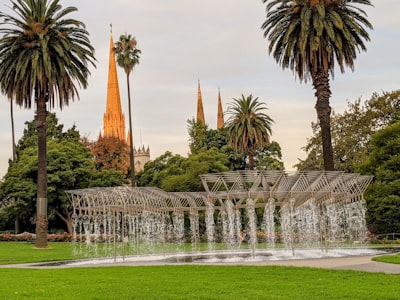
Spanning 38 hectares along the Yarra River, these magnificent gardens are a tranquil oasis in the heart of the city. Home to over 8,500 species of plants from around the world, it's perfect for a leisurely stroll, a picnic, or simply escaping the urban hustle. Don't miss the tranquil Ornamental Lake or the Children's Garden.
Queen Victoria Market
A historic landmark and a shopper's paradise, "Queen Vic Market" is the largest open-air market in the Southern Hemisphere. Operating since 1878, it offers everything from fresh produce, gourmet foods, and deli items to clothing, souvenirs, and artisanal goods. It's a vibrant place to experience local life and grab a delicious, budget-friendly meal.
Melbourne Museum & Royal Exhibition Building
Located in the beautiful Carlton Gardens, the Melbourne Museum is a fantastic exploration of Victoria's natural and cultural history, featuring dinosaur skeletons, a rainforest gallery, and exhibitions on Indigenous culture. Adjacent to it stands the Royal Exhibition Building, a UNESCO World Heritage site and an architectural marvel built for the 1880 Melbourne International Exhibition.
National Gallery of Victoria (NGV)
Australia's oldest and most visited art museum, the NGV comprises two main galleries: NGV International on St Kilda Road, featuring global art, and The Ian Potter Centre: NGV Australia at Federation Square, dedicated to Australian art. Both offer impressive collections and often host world-class touring exhibitions.
Eureka Skydeck 88
For breathtaking panoramic views of Melbourne, head to the Eureka Skydeck, located on the 88th floor of the Eureka Tower in Southbank. At 285 meters high, it offers 360-degree vistas of the city, Port Phillip Bay, and beyond. For the adventurous, "The Edge" experience projects you in a glass cube from the building, suspended almost 300 meters above the ground.
St Kilda Beach & Esplanade
A vibrant seaside suburb easily accessible by tram, St Kilda offers a relaxed coastal escape. Enjoy the beach, stroll along the pier (keep an eye out for penguins at dusk!), visit Luna Park amusement park, or browse the St Kilda Esplanade Market on Sundays. The area is also known for its lively cafes and cake shops.
Melbourne's Laneways & Street Art
No visit to Melbourne is complete without exploring its famous laneways. Hosier Lane, AC/DC Lane, and Centre Place are just a few examples where colourful, ever-changing street art adorns brick walls, creating an open-air gallery. These laneways also hide some of the city's best cafes, bars, and boutiques.
Yarra River Cruise
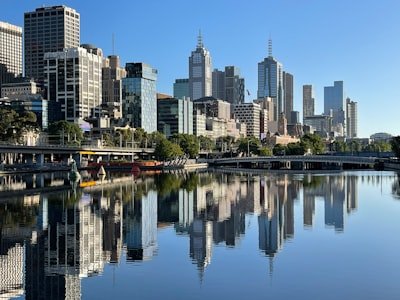
Take a leisurely cruise along the Yarra River to see Melbourne from a different perspective. You can enjoy views of the city skyline, sporting arenas, and gardens, often with insightful commentary about Melbourne's history and landmarks.
How to Reach
Melbourne is a major international gateway, well-connected to the rest of Australia and the world.
By Air
Melbourne Airport (MEL) – Tullamarine
The primary international and domestic airport for Melbourne, located approximately 23 kilometres (14 miles) north-west of the CBD. It handles flights from major airlines worldwide, as well as domestic flights across Australia.
Avalon Airport (AVV)
A smaller airport located further out (about 55 kilometres/34 miles south-west of the CBD), primarily serving budget airlines like Jetstar and Bonza for domestic routes and some limited international services.
From the Airport to City Centre
SkyBus
The most popular and convenient option from Melbourne Airport (MEL). SkyBus offers express services to Southern Cross Station in the CBD, running 24/7. From Southern Cross, free hotel transfers (selected hotels) or connecting bus routes are available. Travel time is usually 20-40 minutes, depending on traffic.
Public Transport
From MEL, local bus routes (e.g., 901, 478, 479) connect to train stations (e.g., Broadmeadows, Essendon Airport), from where you can catch a train to the CBD. This option is cheaper but takes longer and involves transfers. Avalon Airport has dedicated bus services (e.g., SkyBus Avalon) that connect directly to Southern Cross Station.
Taxis & Ride-Shares
Taxis, Uber, and other ride-share services are readily available at both airports. This is the most expensive but direct option, especially convenient for groups or those with lots of luggage.
By Train/Bus (Interstate)
V/Line and regional train services connect Melbourne (Southern Cross Station) to various regional towns in Victoria. For interstate travel, long-distance buses (e.g., Greyhound Australia) offer services from other major Australian cities, while the iconic "Great Southern" and "The Overland" train journeys provide a more scenic, luxurious, albeit slower, option from Adelaide or Brisbane.
Local Food Guide
Melbourne proudly wears its crown as Australia's culinary capital, offering an unparalleled dining scene that reflects its multicultural population.
Must-Try Dishes & Experiences
Melbourne Coffee Culture
This is non-negotiable. Melbourne's coffee scene is legendary. Forget drip coffee; here it's all about perfectly crafted espresso, lattes, and flat whites. Explore a laneway cafe, order a 'magic' (a double ristretto with three-quarters full flat white), and savour the experience.
Avo Smash
A quintessential Australian brunch item. Smashed avocado on toast, often with feta, dukkah, cherry tomatoes, and poached eggs. Found in almost every cafe.
Meat Pie
Australia's unofficial national dish. A handheld pie filled with minced meat and gravy, often topped with tomato sauce. Find them at bakeries, sports events, or even gourmet versions.
Lamingtons
A classic Australian dessert: sponge cake squares coated in chocolate sauce and desiccated coconut. Perfect with a cup of tea.
Dim Sims
A Melbourne specialty, particularly the 'fried dim sim'. These are large, steamed or fried dumplings, often found in fish and chip shops or Chinese restaurants.
Multicultural Cuisine
Melbourne excels in global food. Experience authentic Vietnamese in Richmond, Italian on Lygon Street (Carlton), Greek in the inner-city suburb of Lonsdale Street, and excellent Asian cuisine across the CBD and Box Hill.
Fine Dining
Melbourne boasts several world-renowned restaurants like Attica, Vue de Monde, and Minamishima for those seeking an exquisite culinary journey.
Dining Experiences
Laneway Cafes & Restaurants
Dive into the labyrinth of laneways to discover hidden gems serving everything from brunch and specialty coffee to tapas and cocktails.
Rooftop Bars
Enjoy a drink with a view at one of Melbourne's many rooftop bars, particularly vibrant during warmer months.
Food Markets
Queen Victoria Market is fantastic for fresh produce, gourmet deli items, and quick, delicious street food. South Melbourne Market also offers excellent food stalls.
Brunswick Street (Fitzroy) & Chapel Street (South Yarra)
These vibrant streets are packed with trendy cafes, restaurants, bars, and boutiques, perfect for an evening out.
Degraves Street
A famous pedestrian laneway lined with bustling cafes and alfresco dining, a perfect spot for people-watching.
Public Transport
Melbourne has an efficient and extensive public transport network, making it easy to navigate the city and its surrounding suburbs.
Myki Card
This is your key to public transport in Melbourne. A reusable smart card, it's used for trams, trains, and buses. Purchase a Myki card from train stations, selected retail outlets (like 7-Eleven), or Myki machines at major stations. You need to 'touch on' at the start of your journey and 'touch off' at the end (except on trams within the Free Tram Zone). Top up your Myki with funds or a Myki Pass (for longer stays).
Trams
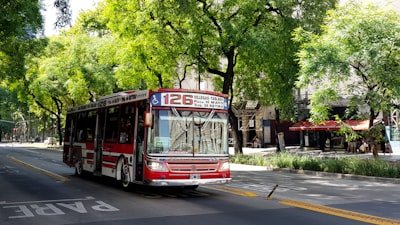
Melbourne's iconic trams are an integral part of the city's charm and transport system.
Free Tram Zone
A significant benefit for tourists, the CBD and Docklands area operate within a "Free Tram Zone." Within this zone, you can hop on and off any tram without needing a Myki card. The zone is clearly marked at tram stops.
Beyond the Free Zone
If your journey starts or ends outside the Free Tram Zone, you *must* have a valid Myki and touch on/off.
Trains
Melbourne's suburban train network connects the CBD (primarily via Flinders Street and Southern Cross stations) to all major suburbs and beyond. It's an efficient way to travel longer distances or reach specific neighbourhoods.
Buses
Buses fill the gaps in the tram and train network, serving areas not covered by rail lines. They're also used for late-night travel after trams and trains stop running on some routes.
PTV App
Download the official Public Transport Victoria (PTV) app for real-time timetables, journey planners, and service updates. It's an invaluable tool for navigating the city.
Travel Budget Tips
Melbourne can be an expensive city, but with smart planning, you can enjoy its delights without breaking the bank.
Accommodation
Hostels & Guesthouses
Opt for reputable hostels in the CBD, St Kilda, or Fitzroy for affordable dormitory beds or private rooms. Book well in advance, especially during peak season or major events.
Budget Hotels & Motels
Look slightly outside the immediate CBD for better value. Consider areas like North Melbourne, Southbank (further from the centre), or regional towns if planning day trips.
Airbnb/Serviced Apartments
Can be cost-effective for groups or longer stays, allowing self-catering.
Food
Cook Your Own Meals
If your accommodation has kitchen facilities, buy groceries from Queen Victoria Market or supermarkets (Coles, Woolworths) to save significantly.
Cheap Eats
Melbourne has an abundance of delicious and affordable options. Explore Vietnamese bakeries for banh mi, grab a market dim sim, or find lunch specials in multicultural precincts.
BYO Restaurants
Many smaller restaurants allow "Bring Your Own" (BYO) alcohol, saving on drink mark-ups.
Happy Hour/Lunch Deals
Look out for daily specials and happy hours at pubs and bars.
Activities
Free Attractions
Melbourne has many fantastic free attractions: the Free Tram Zone, Royal Botanic Gardens, National Gallery of Victoria (general admission), Melbourne Museum (general admission), walking the laneways, St Kilda Pier penguins, and many city parks.
Walking Tours
Join free walking tours (tip-based) to get an overview of the city and its history. Many companies offer specialized tours for street art or coffee.
City Circle Tram
This free tram specifically for tourists offers a hop-on, hop-off service around the CBD, passing many key attractions with audio commentary.
Outdoor Activities
Enjoy walks along the Yarra River, cycling paths, or simply relaxing in parks.
Transport
Myki Card & Free Tram Zone
As mentioned, utilize the Free Tram Zone whenever possible. For travel outside, the Myki card offers economical fares.
Walk
Melbourne's CBD is very walkable, and exploring on foot is often the best way to discover its hidden gems.
Tours & Day Trips
Compare prices between different tour operators. Consider self-driving for day trips like the Great Ocean Road if travelling in a group, as it can be cheaper than organized tours and offers more flexibility.
Hotels and Accommodation
Melbourne offers a vast range of accommodation options to suit every budget and style. Choosing the right neighbourhood can significantly impact your experience.
Luxury (5-Star)
Crown Towers Melbourne (Southbank)
Synonymous with luxury, offering lavish rooms, impeccable service, and access to the vast Crown Entertainment Complex with its restaurants, bars, and casino.
Grand Hyatt Melbourne (CBD)
A landmark hotel known for its elegant rooms, extensive facilities, and prime location on Collins Street.
The Langham Melbourne (Southbank)
Offers opulent rooms, a renowned high tea, and stunning views of the Yarra River and city skyline.
Mid-Range (3.5-4.5 Star)
Ovolo Laneways (CBD)
Trendy and stylish, offering vibrant design and modern amenities in a central laneway location.
Peppers Docklands Melbourne (Docklands)
Modern apartments and hotel rooms, offering comfort and convenience near Marvel Stadium.
Art Series Hotels (various locations)
A unique collection of boutique hotels inspired by Australian artists, each offering distinctive design and character. Examples include The Cullen (Prahran), The Olsen (South Yarra), and The Blackman (St Kilda Road).
Budget (Hostels & Value Hotels)
Space Hotel (CBD)
A popular, well-regarded hostel offering both dorms and private rooms, with excellent facilities like a rooftop spa and cinema.
Urban Central (Southbank)
Another great hostel choice, slightly outside the immediate CBD but still very accessible, offering a range of room types.
ibis Melbourne Central (CBD)
Part of the Accor group, offering clean, compact rooms in a central location at a more accessible price point.
Best Neighbourhoods to Stay
CBD (Central Business District)
Ideal for first-time visitors who want to be in the heart of the action, close to major attractions, shopping, and public transport. Can be bustling and pricey.
Southbank
Across the Yarra River from the CBD, offering stunning river views, proximity to Crown Casino, the Arts Centre, and a slightly more relaxed atmosphere than the CBD. Still very walkable to central attractions.
St Kilda
A bohemian and lively beachside suburb, great for those seeking a vibrant nightlife, coastal charm, and a more laid-back vibe. Excellent tram connections to the CBD.
Fitzroy / Collingwood
Trendy inner-north suburbs known for their independent boutiques, street art, live music venues, and incredible food scene. A favourite for younger travellers and those looking for a more "local" experience.
South Yarra / Prahran
Upscale and fashionable, these areas offer high-end shopping (Chapel Street), beautiful parks, and sophisticated dining. Well-connected to the CBD by tram and train.
Safety Tips
Melbourne is generally a safe city, but like any major metropolis, it's wise to be aware of your surroundings and take standard precautions.
Petty Crime
Be mindful of pickpockets in crowded areas such as Queen Victoria Market, busy tram stops, and major tourist attractions. Keep valuables secure and out of sight.
Nightlife Safety
If enjoying Melbourne's vibrant nightlife, travel in groups where possible. Use licensed taxis or reputable ride-share services (Uber, DiDi, Ola) for late-night transport. Avoid walking alone through poorly lit areas.
"Four Seasons in One Day" Weather
Melbourne's weather can change dramatically within hours. Always check the forecast and pack layers. Sun protection (hat, sunglasses, sunscreen) is crucial even on cloudy days due to Australia's strong UV index.
Road Safety
Pedestrians should always look both ways before crossing, even on one-way streets, and be aware of trams. Drivers should be familiar with 'hook turns' if driving in the CBD (a right turn made from the left lane).
Emergency Services
In case of emergency (police, fire, ambulance), dial 000 from any phone.
Wildlife
While unlikely in the city centre, if you venture into regional parks or on day trips, be aware of Australia's wildlife. Snakes and spiders generally avoid humans, but it's best to keep a respectful distance and watch your step in bushland. Always check shoes before putting them on if left outside.
FAQ Section
Is Melbourne expensive to visit?
Melbourne can be expensive, particularly for accommodation, fine dining, and tours. However, there are many free attractions, excellent public transport, and plenty of budget-friendly food options if you plan carefully.
How many days do I need to explore Melbourne?
A minimum of 3-5 full days is recommended to experience the highlights of the city itself. If you wish to include popular day trips like the Great Ocean Road or Phillip Island, extend your stay to 7-10 days.
Do I need a visa to visit Australia?
Yes, all non-Australian citizens require a valid visa to enter Australia. Most tourists apply for an Electronic Travel Authority (ETA) or a Visitor Visa (subclass 600) online prior to their trip. Check the Australian Department of Home Affairs website for current requirements based on your nationality.
What is the currency in Melbourne?
The currency is the Australian Dollar (AUD). Credit cards are widely accepted, but it's always good to carry some cash for smaller purchases or markets.
Is English widely spoken in Melbourne?
Yes, English is the official language. Melbourne is a very multicultural city, so you'll hear many other languages spoken, but English is universal.
Is tipping customary in Melbourne?
Tipping is not generally expected or required in Australia. Service charges are usually included in prices. However, if you receive exceptional service, a small tip (10% or rounding up) is always appreciated.
What type of power plug adapter do I need?
Australia uses Type I power outlets (three flat pins, often in a triangular pattern). The standard voltage is 230V, and the frequency is 50Hz. You will need an adapter if your devices use a different plug type.