Vancouver Travel Guide – Best Places to Visit in Canada
Vancouver: Your Ultimate Guide to Canada's Pacific Gem
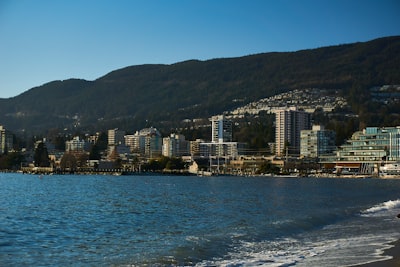
Welcome to Vancouver, a vibrant coastal city nestled between the majestic Pacific Ocean and the stunning Coast Mountains in British Columbia, Canada. Renowned for its breathtaking natural beauty, diverse cultural landscape, and bustling urban core, Vancouver offers an unparalleled blend of outdoor adventure and metropolitan sophistication. From world-class dining and shopping to expansive parks and thrilling mountain excursions, this guide will help you navigate the best of Vancouver, ensuring a memorable and enriching travel experience. Prepare to explore a city that consistently ranks among the most liveable in the world, a place where nature and urban life coexist in perfect harmony.
Best Time to Visit
Choosing the right time to visit Vancouver can significantly enhance your travel experience, as each season offers a distinct charm and set of activities.
Summer (June to August)
Undoubtedly the most popular time to visit, Vancouver summers are glorious. Expect warm, sunny days with average temperatures ranging from 20°C to 25°C (68°F to 77°F) and minimal rainfall. This is prime time for outdoor activities such as hiking, cycling the Seawall, beach relaxation, kayaking, and exploring the city's many festivals and outdoor markets. However, be prepared for larger crowds and higher prices for flights and accommodation. Booking well in advance is highly recommended.
Spring (April to May)
Spring in Vancouver is a delightful period when the city bursts into bloom. Temperatures are mild, typically between 10°C and 18°C (50°F to 64°F), and while there's still a chance of rain, sunny days become more frequent. This shoulder season offers fewer crowds than summer, making it an excellent time to visit gardens, parks, and enjoy the blossoming cherry trees. Accommodation and flight prices are generally more affordable, and many outdoor attractions begin to open for the season.
Fall (September to October)
Autumn brings crisp air, vibrant foliage, and a more relaxed pace to Vancouver. Temperatures hover between 8°C and 15°C (46°F to 59°F), and while rain increases, the golden hues of Stanley Park and the surrounding mountains are spectacular. It's an ideal time for scenic drives, moderate hikes, and enjoying the city's burgeoning food scene, including seasonal harvests and wine festivals. This is another excellent shoulder season to consider for better value and fewer tourists.
Winter (November to March)
Vancouver winters are generally mild by Canadian standards, but they are often wet. Temperatures rarely drop below freezing in the city center, averaging 3°C to 8°C (37°F to 46°F). Snow is infrequent downtown, but rainfall is common. This season is perfect for those who enjoy cozy indoor activities like museum hopping, art galleries, and experiencing the city's culinary scene. Crucially, the nearby North Shore mountains (Grouse, Cypress, Seymour) become winter wonderlands, offering excellent skiing, snowboarding, and snowshoeing just a short drive from the city. Christmas markets and festive lights add a magical touch.
Top Attractions
Vancouver is brimming with attractions that cater to every interest, from nature lovers and history buffs to art enthusiasts and foodies.
Stanley Park
An urban oasis larger than New York's Central Park, Stanley Park is a must-visit. This 400-hectare natural rainforest boasts miles of paved and forested trails, the iconic Seawall (perfect for cycling or walking with stunning views), the Vancouver Aquarium, and a collection of impressive First Nations totem poles. Spend an entire day here exploring its hidden beaches, gardens, and lookout points.
Granville Island Public Market
A vibrant peninsula and cultural hub, Granville Island is famous for its bustling public market. Here, you'll find an incredible array of fresh produce, gourmet foods, artisanal crafts, and delicious prepared meals. Beyond the market, explore artist studios, theatres, boutique shops, and enjoy waterfront dining with views of the city skyline. It's easily accessible by foot, bus, or False Creek Ferry.
Gastown
Vancouver's oldest neighborhood, Gastown, is characterized by its Victorian architecture, cobblestone streets, and the famous Gastown Steam Clock, which toots every quarter-hour. This historic district is now a trendy hub for independent boutiques, art galleries, upscale restaurants, and lively bars. It's a great place for an evening stroll and dinner.
Capilano Suspension Bridge Park
Just a short drive from downtown, this park offers an exhilarating experience. Walk across the swaying Capilano Suspension Bridge, suspended 70 meters (230 feet) above the Capilano River. Explore the Treetops Adventure, a series of seven suspension bridges through the rainforest canopy, and the thrilling Cliffwalk, a cantilevered walkway hugging the cliff face.
Museum of Anthropology at UBC
Located on the University of British Columbia campus, this world-renowned museum houses an impressive collection of First Nations art and artifacts, particularly from the Indigenous peoples of the Pacific Northwest. Its striking architecture, designed by Arthur Erickson, provides a stunning backdrop for the towering totem poles and intricate carvings within.
Grouse Mountain
Known as the "Peak of Vancouver," Grouse Mountain offers year-round adventure. Take the Skyride gondola up for panoramic views of the city, ocean, and surrounding mountains. In summer, enjoy hiking (including the challenging "Grouse Grind"), ziplining, lumberjack shows, and wildlife refuges. In winter, it transforms into a popular ski and snowboard destination.
Queen Elizabeth Park
Vancouver's horticultural jewel, Queen Elizabeth Park is a beautifully landscaped municipal park offering stunning floral displays, a quarry garden, and panoramic city views from its elevated position. The Bloedel Conservatory, a geodesic dome housing exotic plants and birds, is a highlight, offering a tropical escape even on a rainy day.
Science World at TELUS World of Science
Housed in a distinctive geodesic dome at the end of False Creek, Science World is an interactive science center perfect for families and curious minds of all ages. It features engaging exhibits, live demonstrations, and an OMNIMAX theatre, making learning fun and accessible.
Robson Street
For those seeking retail therapy, Robson Street is Vancouver's premier shopping destination. Lined with international fashion brands, local boutiques, and various dining options, it's a bustling street perfect for a leisurely stroll, people-watching, and finding that perfect souvenir or outfit.
Vancouver Art Gallery
Located in a grand neoclassical building downtown, the Vancouver Art Gallery features a diverse collection of historical and contemporary art, with a strong emphasis on works by regional artists, including a significant collection by Emily Carr. It hosts rotating exhibitions that draw international acclaim.
Kitsilano Beach
Affectionately known as "Kits Beach," this popular sandy stretch offers fantastic views of downtown Vancouver, Stanley Park, and the North Shore mountains. It's a great spot for sunbathing, swimming, beach volleyball, and features Canada's longest saltwater swimming pool. The vibrant Kitsilano neighborhood surrounding the beach is full of trendy shops and cafes.
How to Reach
Vancouver is a major transportation hub, easily accessible by air, road, rail, and sea.
By Air
Vancouver International Airport (YVR) is Canada's second-busiest airport and a major gateway to Asia-Pacific. Located just 12 km (7.5 miles) from downtown, it offers direct flights to numerous cities worldwide. Getting to the city center from YVR is easy via the Canada Line SkyTrain, which takes approximately 25 minutes and costs around CAD $9-10 (including an airport surcharge). Taxis and ride-sharing services are also readily available.
By Car
Vancouver is accessible via major highways. From the United States, I-5 North becomes Highway 99 at the Canada-US border. From within Canada, the Trans-Canada Highway (Highway 1) connects Vancouver to the rest of the country. Be aware of border crossing wait times if driving from the US, especially on weekends and holidays. Traffic can be heavy, particularly during rush hours.
By Train
VIA Rail Canada provides transcontinental train service across Canada, with Vancouver being its western terminus. Amtrak offers daily train service from Seattle, Washington, to Vancouver on the "Cascades" route, providing a scenic way to cross the border.
By Bus
Several inter-city bus services operate to and from Vancouver. While Greyhound Canada no longer serves Western Canada, companies like Rider Express, Ebus, and FlixBus offer connections to various cities in British Columbia and Alberta. Quick Shuttle provides direct service between Vancouver and Seattle (including Sea-Tac Airport).
By Sea
Vancouver is a popular port for cruise ships, especially for those embarking on Alaskan cruises. The Canada Place cruise terminal is conveniently located downtown. BC Ferries operates routes connecting Vancouver (from terminals in Tsawwassen and Horseshoe Bay) to Vancouver Island (Victoria, Nanaimo) and the Gulf Islands, offering a beautiful way to see the coastline.
Local Food Guide
Vancouver's culinary scene is a vibrant reflection of its multicultural population and access to abundant fresh Pacific ingredients.
Must-Try Dishes
- Pacific Salmon: Being on the coast, fresh, wild Pacific salmon is a staple. Enjoy it grilled, smoked, or as sashimi.
- Sushi & Asian Cuisine: Vancouver has an incredibly high concentration of excellent sushi restaurants, often at more affordable prices than other major cities. The Richmond suburb, in particular, is renowned for its authentic and diverse Asian food scene, from dim sum to pho.
- Japadog: A unique Vancouver street food invention, Japadog combines Japanese flavors with the classic hot dog. Try the Terimayo or Kurobuta varieties from their famous food trucks.
- Nanaimo Bars: A no-bake dessert bar with a crumb base, custard filling, and chocolate ganache topping. A classic Canadian treat from Vancouver Island.
- Poutine: While a Québecois invention, poutine (fries, cheese curds, gravy) is widely available and enjoyed across Canada, including Vancouver, often with creative local twists.
- Craft Beer: British Columbia has a thriving craft beer scene. Explore local breweries in East Van, Mount Pleasant, or throughout the city for unique brews.
- Sustainable Seafood: Many Vancouver restaurants prioritize locally sourced, sustainable seafood, showcasing the bounty of the Pacific. Look for Ocean Wise recommendations.
- Dim Sum: Experience authentic Cantonese dim sum at one of the many fantastic restaurants, especially in Chinatown or Richmond.
Dining Neighbourhoods
- Gastown & Yaletown: Trendy and upscale, these areas offer a wide range of fine dining, cocktail bars, and innovative cuisine.
- Kitsilano: Casual and health-conscious, with plenty of cafes, juice bars, and restaurants focusing on fresh, local ingredients.
- Commercial Drive: Known as "The Drive," this vibrant street is the heart of Vancouver's Italian community but also boasts a diverse range of ethnic eateries, from Salvadoran to Ethiopian, alongside bohemian cafes.
- Main Street: Home to an eclectic mix of independent restaurants, casual eateries, and food trucks, often with a focus on creative and fusion cuisine.
- Richmond: Just south of Vancouver, this suburb is famous for its authentic and diverse Asian culinary scene, offering some of the best Chinese, Vietnamese, and Korean food in North America.
Foodie Experiences
Consider joining a food tour to sample various eateries and learn about Vancouver's culinary history. Visit local farmers markets (like the one on Granville Island) for fresh produce and artisan goods. Don't forget to grab a coffee at one of Vancouver's many independent coffee shops, as the city has a strong coffee culture.
Public Transport
Vancouver boasts an efficient and extensive public transportation system, making it easy to navigate the city without a car.
TransLink System
The public transport network, operated by TransLink, comprises:
- SkyTrain: An automated, driverless light rapid transit system with three lines (Expo, Millennium, and Canada Lines) connecting downtown to various suburbs, including the airport. It's fast, reliable, and offers great views.
- SeaBus: A passenger-only ferry that crosses Burrard Inlet, connecting Waterfront Station in downtown Vancouver to Lonsdale Quay in North Vancouver. It's a scenic 12-minute ride.
- Buses: An extensive network of bus routes covers areas not serviced by the SkyTrain or SeaBus. Many buses are equipped with bike racks.
Compass Card
The Compass Card is TransLink's reloadable fare card. You can purchase one at SkyTrain stations, SeaBus terminals, London Drugs stores, and other retailers. Tap in and tap out for SkyTrain and SeaBus journeys, and tap in only for bus journeys. Fares are based on zones, with single-use tickets available if you don't have a Compass Card (though they are slightly more expensive). DayPasses and monthly passes are also available for unlimited travel within selected zones.
Cycling
Vancouver is a very bike-friendly city with a growing network of dedicated bike lanes and multi-use paths, most notably the Stanley Park Seawall and False Creek seawall. Bike rental shops are abundant, especially downtown and near major parks. It's an excellent way to explore the city at your own pace.
Walkability
Many of Vancouver's key neighborhoods, such as downtown, Gastown, Yaletown, and the West End, are highly walkable, allowing you to easily explore attractions, shops, and restaurants on foot.
Travel Budget Tips
Vancouver can be an expensive city, but with some planning, you can enjoy its offerings without breaking the bank.
Accommodation
- Book in Advance: Especially for summer travel, secure your accommodation early to get better rates.
- Consider Hostels/Guesthouses: Vancouver has excellent hostels (like HI Vancouver Downtown or YWCA Hotel) and guesthouses that offer clean, comfortable, and affordable options.
- Look Beyond Downtown: Areas like Kitsilano, Mount Pleasant, or even Richmond (closer to the airport and great for food) might offer slightly lower prices and still have good public transport links.
- Airbnb/Vacation Rentals: For longer stays or groups, consider an Airbnb or similar vacation rental, which can sometimes be more cost-effective.
Food
- Utilize Public Markets: Buy fresh produce and ingredients from Granville Island Market or local grocery stores to prepare some of your own meals, especially if staying in accommodation with kitchen facilities.
- Food Trucks: Vancouver has a vibrant food truck scene offering delicious and affordable meals. Look for them around downtown, Gastown, and other popular spots.
- Happy Hour Deals: Many restaurants offer happy hour specials on food and drinks, typically in the late afternoon.
- Ethnic Restaurants: Explore the diverse and often more budget-friendly eateries in areas like Commercial Drive, Main Street, or Richmond.
- Picnics: Grab some food and enjoy a picnic in one of Vancouver's beautiful parks, like Stanley Park or Queen Elizabeth Park.
Attractions & Activities
- Free Attractions: Vancouver offers many free activities: explore Stanley Park, walk the Seawall, stroll through Gastown and Chinatown, relax at Kitsilano Beach, or hike in Pacific Spirit Regional Park.
- Walking Tours: Look for free or tip-based walking tours to learn about the city's history and culture without a hefty price tag.
- CityPASS: If you plan to visit multiple major attractions (like Vancouver Aquarium, Science World, Lookout, etc.), a Vancouver CityPASS can offer significant savings.
- Public Transport: Opt for public transport over taxis or ride-shares to save on transportation costs. A DayPass can be a good value if you plan multiple journeys.
- Shoulder Seasons: Visiting in spring or fall generally means lower prices for flights and accommodation compared to peak summer.
Hotels and Accommodation
Vancouver offers a wide range of accommodation options, from luxurious five-star hotels to cozy boutique inns and budget-friendly hostels.
Luxury
- Fairmont Pacific Rim: Iconic waterfront hotel offering luxurious rooms, exceptional dining, and stunning views of the harbor and mountains.
- Rosewood Hotel Georgia: A historic landmark combining roaring twenties elegance with modern amenities, located in the heart of downtown.
- Shangri-La Vancouver: Located on the upper floors of the city's tallest building, providing spacious rooms, an outdoor pool, and impeccable service.
Mid-Range
- Sandman Hotel Vancouver Downtown: Conveniently located near Rogers Arena and BC Place, offering comfortable rooms and good value.
- Hotel BLU Vancouver: A modern, tech-savvy hotel featuring stylish rooms, an indoor pool, and a central location near Robson Street.
- Metropolitan Hotel Vancouver: Known for its spacious rooms, excellent service, and location close to the business district and major attractions.
Budget
- HI Vancouver Downtown & HI Vancouver Central: Part of the Hostelling International network, offering clean dorms and private rooms, social atmospheres, and organized activities.
- YWCA Hotel Vancouver: A popular choice for budget-conscious travelers, offering private rooms with shared or private bathrooms, known for its safety and central location.
- Samesun Vancouver: Another well-regarded hostel in the lively Davie Village area, offering a mix of dorms and private rooms.
Accommodation Neighbourhoods
- Downtown: Best for first-time visitors, offering easy access to major attractions, shopping, and dining. Can be pricier.
- Gastown/Yaletown: Trendy areas with boutique hotels, upscale apartments, and proximity to nightlife and fine dining.
- West End: A more residential feel, close to Stanley Park and English Bay Beach, offering a mix of hotels and guesthouses.
- Kitsilano: South of downtown, offering a relaxed beachy vibe with some boutique hotels and guesthouses, popular with families.
- Richmond: Excellent for those needing quick access to YVR Airport or wanting to explore Vancouver's extensive Asian food scene. Hotels here are often more affordable than downtown.
Booking Tips
Always book your accommodation in advance, especially if traveling during peak season (summer) or during major events. Compare prices across different booking platforms, and consider direct bookings with hotels for potential loyalty benefits or special offers.
Safety Tips
Vancouver is generally a very safe city, but like any major urban center, it's wise to practice common sense and stay aware of your surroundings.
General Awareness
- Pickpocketing: Be mindful of your belongings in crowded tourist areas, on public transport, and at markets. Use anti-theft bags if possible.
- Secure Valuables: Don't leave valuables unattended in public places or visible in your car. Use hotel safes.
- Night Safety: Most central areas are well-lit and safe at night, but it's always advisable to travel in groups or use reputable taxis/ride-sharing services, especially after dark.
Downtown Eastside (DTES)
Vancouver has an area known as the Downtown Eastside (roughly bordered by Hastings Street to the north, Main Street to the east, and Cambie Street to the west). This neighborhood faces significant challenges related to poverty, homelessness, and addiction. While tourists are generally safe, it can be confronting, especially for those unfamiliar with such urban environments. It's often recommended to avoid walking through this area, particularly at night, if you feel uncomfortable. Stick to the main tourist routes of Gastown and Chinatown, which generally feel safe during the day.
Nature Safety
- Hiking: If hiking in provincial parks or more remote areas, inform someone of your plans, stick to marked trails, carry bear spray (and know how to use it), and be prepared for changing weather conditions.
- Wildlife: While unlikely in the city, if exploring wilderness areas, be aware of local wildlife (bears, coyotes, raccoons). Do not feed animals and store food properly.
- Water Safety: Be cautious when swimming in the ocean or lakes; water can be cold, and currents can be strong.
Emergency Services
In case of an emergency (police, fire, medical), dial 911 from any phone. This service is free.
Weather Preparedness
- Rain Gear: Vancouver is known for its rain, especially outside of summer. Pack a waterproof jacket, umbrella, and waterproof shoes to stay comfortable.
- Layers: Even on sunny days, evenings can be cool. Dress in layers to adapt to changing temperatures.
FAQ Section
Is Vancouver an expensive city to visit?
Yes, Vancouver is considered one of Canada's most expensive cities, particularly for accommodation and dining. However, there are many free attractions and budget-friendly options for food and transport if you plan carefully.
Do I need a car to get around Vancouver?
No, you do not need a car for most tourist activities. Vancouver has an excellent public transportation system (SkyTrain, SeaBus, bus), and many areas are very walkable or bike-friendly. A car might be useful for day trips outside the city.
What's the tipping culture in Vancouver?
Tipping is customary in Canada for services like restaurants, bars, taxis, and hairdressers. A common tip for good service in restaurants is 15-20% of the pre-tax bill.
What currency is used in Vancouver?
The Canadian Dollar (CAD) is the official currency. Major credit cards are widely accepted, and ATMs are readily available.
What's the best way to get from Vancouver International Airport (YVR) to downtown?
The Canada Line SkyTrain is the most convenient and cost-effective option, taking about 25 minutes. Taxis and ride-sharing services are also available.
How many days should I spend in Vancouver?
To experience the main attractions and get a feel for the city, we recommend at least 3-5 full days. This allows for exploration of downtown, Stanley Park, Granville Island, and perhaps a day trip to the North Shore mountains.
What should I pack for a trip to Vancouver?
Layers are key! Always pack a waterproof jacket and comfortable walking shoes, regardless of the season. In summer, include lighter clothing; in winter, add warmer layers, a hat, and gloves, especially if heading to the mountains.
Can I drink tap water in Vancouver?
Yes, Vancouver's tap water is excellent and safe to drink. Bring a reusable water bottle to refill and stay hydrated.
Conclusion
Vancouver truly is a city that has it all – a stunning natural backdrop, a diverse and welcoming population, and an endless array of activities and experiences. Whether you're seeking urban adventures, culinary delights, or the tranquility of nature, Vancouver delivers. From the bustling streets of Gastown to the serene trails of Stanley Park and the majestic peaks of Grouse Mountain, this Pacific gem promises an unforgettable journey. Embrace the spirit of exploration, savor the local flavors, and let Vancouver's unique charm captivate you.