Bora Bora Travel Guide – Best Places to Visit in French Polynesia
Bora Bora Travel Guide: Your Ultimate Escape to Paradise
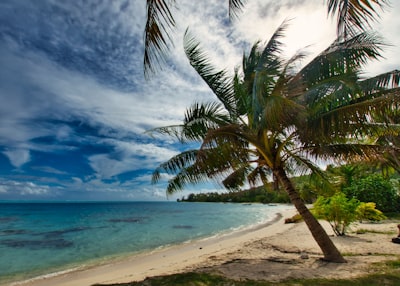
Bora Bora, a jewel in the heart of the Pacific Ocean, is often hailed as the most beautiful island in the world. Part of French Polynesia’s Society Islands, this volcanic island, surrounded by a vivid turquoise lagoon and a barrier reef, is the quintessential picture of paradise. With its iconic overwater bungalows, pristine white-sand beaches, and lush emerald peaks, Bora Bora offers an unparalleled experience of luxury, romance, and natural beauty. From the majestic Mount Otemanu rising dramatically from the island's center to the vibrant marine life thriving in its crystal-clear waters, every aspect of Bora Bora is designed to captivate and enchant. This comprehensive guide will help you plan an unforgettable journey to this dream destination, covering everything from the best time to visit and top attractions to local cuisine, accommodation, and essential travel tips.
Best Time to Visit Bora Bora
Choosing the right time to visit Bora Bora can significantly enhance your experience, largely depending on your priorities regarding weather, crowds, and budget. The island experiences two main seasons: the dry season and the wet season.
The Dry Season (May to October)
This period is widely considered the best time to visit Bora Bora. Characterized by sunny skies, lower humidity, and cooler temperatures (averaging around 25-28°C or 77-82°F), it’s perfect for outdoor activities and enjoying the lagoon. The gentle trade winds keep the climate pleasant, making it ideal for snorkeling, diving, hiking, and simply relaxing on the beach. However, this is also peak tourist season, especially from June to August. Expect higher prices for flights and accommodation, and larger crowds at popular attractions. If you plan to travel during these months, booking well in advance is highly recommended. The shoulder months of May and October often offer a sweet spot with excellent weather and slightly fewer crowds than the mid-summer peak.
The Wet Season (November to April)
Also known as the low or off-season, this period brings warmer temperatures (averaging 28-30°C or 82-86°F), higher humidity, and more frequent rainfall, often in the form of short, intense showers. While rain can occur, it rarely lasts all day, and sunny spells are still common. The wet season also sees an increased chance of tropical storms, though severe cyclones are rare. A significant advantage of visiting during this time is the lower prices for flights and resorts, along with fewer tourists. For budget-conscious travelers or those seeking a more secluded experience, the wet season can be an appealing option. The lush vegetation is at its most vibrant during these months, and the waters remain warm for swimming and snorkeling. Visibility for diving might be slightly reduced due to rain runoff, but it’s still generally good.
Ultimately, the best time to visit Bora Bora depends on what you seek. For guaranteed sunshine and ideal conditions for water activities, aim for the dry season. For a more budget-friendly trip with fewer crowds, and don't mind occasional rain, the wet season offers its own unique charm.
Top Attractions in Bora Bora
Bora Bora is an island designed for enjoyment, offering a blend of natural wonders and cultural experiences.
Mount Otemanu & Mount Pahia
Dominating the island's skyline, the verdant peaks of Mount Otemanu and Mount Pahia are remnants of an ancient volcano. While Mount Otemanu’s summit is inaccessible, guided hiking tours can take you to scenic viewpoints on its lower slopes and on Mount Pahia, offering breathtaking panoramic views of the lagoon and surrounding motus (small islets). These hikes often reveal ancient banyan trees, vanilla plantations, and local flora, providing a deeper connection to the island's interior.
Matira Beach
Widely regarded as one of the most beautiful public beaches in the world, Matira Beach is a long stretch of soft, white sand gently sloping into a shallow, calm lagoon. It’s perfect for swimming, sunbathing, and leisurely strolls. The water is incredibly clear, offering excellent visibility for snorkeling near the coral patches. Unlike many resort-owned beaches, Matira is accessible to everyone, making it a popular spot for both locals and tourists to relax and enjoy the stunning sunsets.
The Coral Gardens (Le Jardin de Corail)
Located on the barrier reef, the Coral Gardens is a natural underwater aquarium brimming with vibrant coral formations and an astonishing array of tropical fish. It’s a prime snorkeling spot, easily accessible by boat tour or kayak. Drifting through this living reef, you’ll encounter schools of colorful fish, graceful rays, and perhaps even a blacktip reef shark in its natural habitat, all within a safe and sheltered environment.
Bora Bora Lagoonarium
This unique natural aquarium offers an immersive experience with Bora Bora’s marine life. Unlike a traditional aquarium, the Lagoonarium is an enclosed part of the lagoon where you can swim and snorkel alongside turtles, sharks, and rays in a protected environment. Experienced guides often lead feeding sessions, allowing for incredible up-close encounters. It's an unforgettable opportunity to interact with these magnificent creatures in a safe and educational setting.
Vaitape
As Bora Bora’s main town, Vaitape serves as the commercial and administrative hub. While not a bustling metropolis, it offers a glimpse into local life. Here, you’ll find shops selling local crafts, pearls, and souvenirs, as well as a few grocery stores, banks, and restaurants. It’s a good place to stock up on essentials, browse local art, or simply soak in the laid-back Polynesian atmosphere. The pier is also a hub for various boat tours and shuttle services.
Lagoon Tours and Water Sports
The lagoon is the heart of Bora Bora's allure, and exploring it is a must. Options range from exhilarating jet ski tours around the entire island to serene paddleboarding and kayaking. Shark and ray feeding tours are popular, offering safe encounters with these fascinating creatures. For divers, the clear waters reveal spectacular dive sites teeming with reef sharks, manta rays, and an explosion of coral. Glass-bottom boat tours provide an alternative for those who prefer to stay dry while observing the underwater world.
Pearl Farms
French Polynesia is renowned for its Tahitian black pearls. Several pearl farms in Bora Bora offer tours where you can learn about the cultivation process, from oyster to exquisite gem. You’ll have the opportunity to see pearls in various stages of growth and purchase authentic black pearls directly from the source, often at better prices than in resort boutiques.
How to Reach Bora Bora
Getting to Bora Bora is an adventure in itself, involving international flights and a scenic domestic transfer.
International Flights to Tahiti
The journey to Bora Bora begins with an international flight to Faa’a International Airport (PPT) in Papeete, Tahiti, the largest and most populated island in French Polynesia. Major airlines operate flights to PPT from various global hubs, including Los Angeles (USA), San Francisco (USA), Auckland (New Zealand), Tokyo (Japan), Paris (France), and connecting flights from other Pacific islands. Air Tahiti Nui is the national carrier, often offering direct flights from North America and Europe (via connecting flights).
Domestic Flight to Bora Bora
From Tahiti (PPT), you’ll take a domestic flight to Bora Bora Airport (BOB), also known as Motu Mute Airport. Air Tahiti is the sole domestic airline operating these frequent flights, which typically last around 45-50 minutes. The flight itself is an attraction, offering breathtaking aerial views of Tahiti, Moorea, and the mesmerizing turquoise hues of Bora Bora's lagoon as you approach.
Transfer from Bora Bora Airport to Vaitape
Bora Bora Airport is located on a small motu (islet), not on the main island. Upon arrival, you'll be greeted by representatives from your resort or a general shuttle boat service provided by Air Tahiti. The complimentary Air Tahiti ferry transports passengers across the lagoon to Vaitape, the main town on Bora Bora. This 15-20 minute boat ride offers your first close-up views of Mount Otemanu and the iconic overwater bungalows. From Vaitape, most resorts will have their own private boat transfers or land vehicles waiting to take you to your accommodation. If you’re staying at a guesthouse or non-resort property, you might arrange a taxi or pickup from Vaitape.
Local Food Guide
Bora Bora’s cuisine is a delightful fusion of French sophistication, Polynesian traditions, and abundant fresh seafood. Eating here is an integral part of the travel experience.
Must-Try Dishes
- Poisson Cru (Raw Fish): This is the national dish of French Polynesia and an absolute must-try. Fresh raw tuna is marinated in lime juice and coconut milk, often mixed with diced vegetables like cucumber, tomato, and onion. It's light, refreshing, and bursting with flavor.
- Fresh Seafood: Given its island location, fresh seafood is paramount. Grilled mahi-mahi, tuna, swordfish, and snapper are staples, often served with local vanilla sauce or coconut rice. Lobster and shrimp are also popular, especially in fine dining establishments.
- Maa Tinito: A hearty Chinese-inspired dish, Maa Tinito typically consists of pork, red beans, and Chinese cabbage, often served with taro root or plain rice. It’s a comforting and flavorful local favorite.
- Chow Mein and Chop Suey: Reflecting the Chinese influence, these noodle dishes are widely available and popular among locals.
- Tropical Fruits: Bora Bora boasts an abundance of exotic fruits. Indulge in fresh pineapple, mango, papaya, passion fruit, and star fruit, often served as part of breakfast or as desserts. Freshly squeezed fruit juices are also delicious.
- Fafaru: For the adventurous eater, Fafaru is a traditional fermented fish dish, typically tuna, steeped in seawater. It has a strong, pungent aroma and unique taste.
Dining Experiences
- Resort Restaurants: Most luxury resorts offer a range of gourmet dining options, from fine French cuisine to international and Polynesian specialties. Many offer romantic private dining experiences, often right on the beach or in an overwater gazebo.
- Roulottes (Food Trucks): For a more authentic and budget-friendly experience, seek out the "roulottes" in Vaitape or along the main road. These informal food trucks offer delicious and affordable local dishes, including poisson cru, grilled fish, crepes, and Chinese take-out. They are a great way to mingle with locals.
- Local Restaurants: Beyond the resorts, several standalone restaurants on the main island cater to tourists and locals, offering a mix of Polynesian, French, and international dishes. These can provide a more intimate and less formal dining atmosphere.
- Picnics & Self-Catering: Some guesthouses and rentals offer kitchenettes, allowing you to buy local produce and seafood from markets in Vaitape and prepare your own meals. Many tours also include a traditional Polynesian picnic on a secluded motu, complete with fresh fish grilled over an open fire.
- Ahima'a (Traditional Earth Oven Feast): If you get the chance, experience an Ahima'a. This traditional Polynesian feast involves cooking food (pork, chicken, fish, taro, breadfruit) in an underground oven heated by hot stones. The food is slow-cooked for hours, resulting in incredibly tender and flavorful dishes, often accompanied by traditional music and dance.
Public Transport in Bora Bora
Public transport in Bora Bora is extremely limited, and visitors typically rely on other means to get around. The island’s small size and infrastructure mean there isn’t a comprehensive public bus system as you might find in larger destinations.
No Public Bus System
Unlike some other islands, Bora Bora does not have a public bus network that serves the entire island with regular routes. There might be informal local "le truck" services, which are open-sided buses, but their schedules are unreliable and not geared towards tourist routes.
Taxis
Taxis are available, primarily in Vaitape and around the main resorts. However, they are quite expensive, especially for longer distances. It’s advisable to confirm the fare with the driver before starting your journey. Taxis are usually used for specific transfers, such as between the main town and your accommodation if it's not a resort with its own shuttle.
Rental Cars and Scooters
Renting a car or a scooter is a popular option for independent exploration of the main island. There are a few rental agencies in Vaitape. A scooter offers a fun and flexible way to circumnavigate the island’s only main road (which is about 32 kilometers or 20 miles long), stopping at scenic viewpoints and local shops at your leisure. Rental cars provide more comfort and protection from the elements.
Bicycles
Given the relatively flat terrain of the main island and its manageable size, cycling is an excellent way to get around, especially for leisurely exploration. Many resorts and guesthouses offer bicycle rentals, or you can find them in Vaitape. It's an environmentally friendly and enjoyable way to see the sights at your own pace.
Resort Shuttles and Boats
For guests staying on the motus (small islets) where many luxury resorts are located, private resort boat shuttles are the primary mode of transport to and from the main island. These shuttles usually run on a schedule and are often included in your stay or available for a fee. Some resorts also provide land-based shuttle services for guests staying on the main island.
Walking
In Vaitape and around Matira Beach, walking is a pleasant way to get around and explore the immediate vicinity. However, for covering longer distances around the island, other transport options are more practical.
In summary, for navigating Bora Bora, plan on a combination of resort transfers, rental vehicles (scooters or cars), and potentially taxis for specific needs. Cycling is a highly recommended option for short to medium distances on the main island.
Travel Budget Tips for Bora Bora
Bora Bora is renowned as a luxury destination, but with careful planning, it is possible to experience its magic without completely breaking the bank.
Accommodation
- Luxury vs. Guesthouses: Overwater bungalows at five-star resorts are magnificent but come with a hefty price tag. Consider a mix: splurge for a few nights in an overwater bungalow, then switch to a more affordable garden bungalow, beach villa, or a guesthouse on the main island.
- Guesthouses (Pensions): Pensions are locally-owned guesthouses offering a more authentic experience at a fraction of the cost of large resorts. Many are charming, family-run establishments, sometimes offering kitchenettes.
- Booking in Advance: Especially during peak season, booking flights and accommodation well in advance can secure better rates. Look for packages that combine flights and hotels.
Food and Dining
- Self-Catering: If your accommodation has a kitchenette, buy groceries from the supermarkets in Vaitape. Preparing some of your own meals (especially breakfast and lunch) can save a significant amount compared to dining out for every meal.
- Roulottes (Food Trucks): These are your best friends for affordable and delicious local food. They offer generous portions at reasonable prices, far cheaper than resort restaurants.
- Happy Hour: Take advantage of happy hour specials at resort bars for discounted drinks and appetizers.
- Picnics: Pack a picnic lunch for your beach days or excursions instead of relying on expensive tour catering or resort cafes.
Activities and Excursions
- Free Activities: Enjoy Matira Beach, explore Vaitape, or simply relax by the lagoon – all for free. Snorkeling near the shore is also free if you have your own gear.
- Combine Tours: Look for packages that combine multiple activities (e.g., shark and ray feeding with a circle island tour) for better value.
- Book Locally: While it's good to research online, sometimes booking tours directly with local operators in Vaitape can offer slightly better rates than through resort concierge services.
- Rent Equipment: If you plan on a lot of snorkeling or paddling, renting gear for your entire stay might be cheaper than multiple one-off rentals.
- Consider Shoulder Season: Visiting during the shoulder months (May, October, or even early November/late April) can provide pleasant weather and slightly lower prices for tours and activities.
Transportation
- Bicycle Rentals: For exploring the main island, renting a bicycle is the most economical and enjoyable way to get around.
- Scooter/Car Rentals: Cheaper than multiple taxi rides if you plan extensive exploration.
- Airport Transfers: While Air Tahiti offers a free ferry to Vaitape, confirm resort transfer costs. Some resorts charge for private boat transfers.
Miscellaneous
- Duty-Free: Purchase alcohol at duty-free shops before arriving in French Polynesia, as alcohol in Bora Bora is expensive.
- Souvenirs: Shop for souvenirs at local markets in Vaitape rather than resort boutiques for better prices and more authentic items.
- Water: Bring a reusable water bottle and refill it. While tap water is generally safe in Vaitape, many resorts will provide bottled water or have filtered water stations.
- ATM Fees: Minimize ATM withdrawals by planning your cash needs, as international transaction fees can add up.
Hotels and Accommodation in Bora Bora
Bora Bora is famous for its luxurious overwater bungalows, but the island offers a range of accommodation options to suit different preferences and budgets.
Luxury Resorts (5-star)
These resorts are the epitome of Bora Bora’s allure, offering unparalleled service, stunning locations, and world-class amenities. They are primarily located on the smaller motus surrounding the main island, providing privacy and breathtaking views of Mount Otemanu.
- Four Seasons Resort Bora Bora: Renowned for its spacious overwater bungalows with private plunge pools, exceptional service, and exquisite dining.
- The St. Regis Bora Bora Resort: Features some of the largest overwater villas in the South Pacific, a private lagoonarium, and multiple gourmet restaurants.
- Conrad Bora Bora Nui: Offers contemporary overwater villas, a beautiful spa, and a stunning infinity pool with panoramic lagoon views.
- Le Meridien Bora Bora (soon to be Westin Bora Bora Resort & Spa): Known for its ecological focus, including a turtle sanctuary, and overwater bungalows with glass-bottom floors.
- InterContinental Bora Bora Resort & Thalasso Spa: Features unique deep-sea water thalassotherapy spa and eco-friendly overwater bungalows.
These resorts typically include a range of activities, multiple dining options, and often private boat transfers.
Mid-Range Hotels and Resorts (3-4 star)
These options provide a comfortable and often charming experience without the ultra-luxury price tag, sometimes located on the main island or smaller, more accessible motus.
- Sofitel Bora Bora Private Island: An intimate retreat on its own motu, offering a mix of overwater and hillside bungalows with incredible views and excellent snorkeling access.
- Maitai Polynesia Bora Bora: Located on Matira Beach on the main island, it offers garden, beach, and overwater bungalows at a more accessible price point, providing a great base for exploring the island.
- Hotel Royal Bora Bora: A newer addition on the main island, offering comfortable rooms and bungalows, a pool, and direct beach access.
These hotels often feature restaurants, bars, and can arrange various activities and transfers.
Budget-Friendly Options and Guesthouses (Pensions)
For travelers looking to experience Bora Bora on a tighter budget, guesthouses and pensions on the main island offer a more authentic and affordable stay.
- Pensions and Guesthouses: Examples include Pension Alice et Raphael, Fare Vaihere, and Bora Bora Garden. These typically offer simpler rooms or bungalows, often with shared kitchens or basic cooking facilities. They provide a wonderful opportunity to interact with local families and experience Polynesian hospitality firsthand. Many are located near Vaitape or Matira Beach, offering easy access to local amenities and public areas.
- Self-Catering Rentals: Some private villas or bungalows are available for rent, often through platforms like Airbnb, providing kitchen facilities and more space, which can be cost-effective for families or longer stays.
While these options may not offer the same level of luxury or extensive amenities as the larger resorts, they provide a comfortable and welcoming base for exploring the island and its stunning lagoon. Booking early is always advisable, especially during peak season, regardless of your budget.
Safety Tips for Bora Bora
Bora Bora is generally considered a very safe destination for tourists. Violent crime is rare, and the local population is known for its hospitality and welcoming nature. However, like any travel destination, it's wise to be aware of a few safety precautions to ensure a smooth and enjoyable trip.
General Safety
- Low Crime Rate: The crime rate in Bora Bora is extremely low. Petty theft, such as bag snatching or items disappearing from unattended areas, can occur, but it is not common.
- Secure Valuables: Always keep your valuables locked away in your hotel safe when not in use. Avoid leaving personal belongings unattended on beaches or in rental vehicles.
- Night Safety: While walking around Vaitape or Matira Beach at night is generally safe, it's always prudent to be aware of your surroundings, especially if walking alone on less lit roads. Taxis are available for transport if you prefer.
- Local Laws and Customs: French Polynesia is a conservative society. While swimwear is perfectly acceptable on beaches and at resorts, it's respectful to cover up when visiting villages, shops, or local establishments. Nudism is generally frowned upon.
Water Safety
- Swimming and Snorkeling: The lagoon waters are generally calm and clear. However, always be aware of currents, especially near passes in the reef. If unsure, swim in designated areas or where locals are present.
- Reef Shoes: Consider wearing reef shoes when wading or snorkeling, as sea urchins and sharp coral can be present in some areas.
- Marine Life: While shark and ray feeding tours are generally safe under expert guidance, always follow your guide's instructions. In the open lagoon, most sharks are reef sharks and harmless, but it's best to observe all marine life from a respectful distance. Be mindful of jellyfish, especially during certain seasons.
- Boating and Water Sports: If engaging in water sports, ensure your equipment is well-maintained and you understand how to use it safely. Always wear a life vest when required, especially if you're not a strong swimmer.
- Sun Protection: The equatorial sun is intense. Use high-SPF sunscreen (reef-safe options are recommended), wear a wide-brimmed hat, sunglasses, and protective clothing. Stay hydrated by drinking plenty of water, especially when spending extended time outdoors.
Health and Medical
- Mosquitoes: Dengue fever and Zika virus (though less common now) are present in French Polynesia. Use mosquito repellent, especially at dawn and dusk, and consider wearing long sleeves and pants in the evenings. Many resorts also spray for mosquitoes.
- Tap Water: Tap water in Vaitape and most resorts is generally safe to drink, but it's always a good idea to confirm with your accommodation. Bottled water is widely available.
- Medical Facilities: Bora Bora has a small medical clinic (Centre Médical de Bora Bora) in Vaitape that can handle minor emergencies. For more serious medical conditions, you may need to be evacuated to Tahiti (Papeete) or even further abroad. Ensure you have comprehensive travel insurance that covers medical emergencies and potential evacuation.
- Prescription Medications: Bring an adequate supply of any prescription medications you need, along with a copy of your prescription.
By being mindful of these simple safety tips, you can fully relax and immerse yourself in the unparalleled beauty and tranquility of Bora Bora.
FAQ Section
Q1: Is Bora Bora very expensive?
A1: Bora Bora is generally considered a luxury destination and can be quite expensive, especially for high-end resorts and dining. However, there are ways to manage your budget, such as staying in guesthouses, eating at local roulottes (food trucks), and booking tours directly with local operators. Planning ahead and looking for package deals can also help.
Q2: Do I need a visa to visit Bora Bora?
A2: French Polynesia is an overseas collectivity of France. Visa requirements generally follow those for France/Schengen Area. Citizens of the EU, USA, Canada, Australia, and New Zealand typically do not need a visa for stays of up to 90 days. It's crucial to check the specific requirements based on your nationality and the length of your stay with the French consulate or embassy in your country well before your trip.
Q3: What currency is used in Bora Bora?
A3: The official currency is the French Pacific Franc (XPF or CFP Franc). While some larger resorts may accept Euros or US Dollars, it's advisable to exchange currency to XPF for better rates and for use at local shops and restaurants. ATMs are available in Vaitape. Credit cards are widely accepted at resorts and larger establishments.
Q4: What's the best way to get around Bora Bora?
A4: Public transport is limited. For getting around the main island, renting a scooter or bicycle is popular and economical. Taxis are available but expensive. Most luxury resorts on the motus (islets) provide private boat transfers to and from the main island. Walking is suitable for short distances in Vaitape or around Matira Beach.
Q5: Is Bora Bora suitable for families with children?
A5: Absolutely! While often marketed as a romantic honeymoon destination, many resorts are very family-friendly, offering kids' clubs, children's pools, and activities tailored for younger guests. The calm, shallow lagoon waters are ideal for children to swim and snorkel safely. Activities like glass-bottom boat tours, ray feeding, and beach time are great for all ages.
Q6: What language do they speak in Bora Bora?
A6: The official languages are French and Tahitian. However, English is widely spoken in tourist areas, especially at resorts, hotels, and by tour operators. Learning a few basic French or Tahitian phrases (like "Ia Orana" for hello, and "Mauruuru" for thank you) will be appreciated by the locals.
Q7: Can I drink the tap water in Bora Bora?
A7: In Vaitape and at most resorts, the tap water is generally considered safe to drink. However, if you have a sensitive stomach or prefer to be cautious, bottled water is readily available. Many resorts also provide complimentary bottled water or filtered water stations.
Q8: What should I pack for a trip to Bora Bora?
A8: Pack light, comfortable clothing suitable for a tropical climate – swimwear, shorts, t-shirts, sundresses. Include reef shoes for water activities, a wide-brimmed hat, sunglasses, high-SPF reef-safe sunscreen, and insect repellent. A light rain jacket or poncho can be useful during the wet season. Don't forget your camera for stunning photos and any personal medications.
In conclusion, Bora Bora is more than just a destination; it's an experience that transcends the ordinary. Its breathtaking natural beauty, coupled with the warm hospitality of the Polynesian people, creates an idyllic setting for an unforgettable escape. Whether you're seeking a romantic retreat, an adventurous exploration of the lagoon, or simply a serene haven to unwind, Bora Bora promises to deliver memories that will last a lifetime. Prepare to be enchanted by its vibrant colors, soothing sounds, and the profound sense of peace that permeates this corner of paradise.